filter_list Showing 36 results for "reconciliation" close Clear
search
dashboard All 36 museum exhibitions 20article local 5article news 4gavel restitution 2person people 2article culture 1article policy 1trending_up market 1
date_range Range Today This Week This Month All
Subscribe

klaus biesenbach american art scene political correctness

Curator Klaus Biesenbach, now director of the Neue Nationalgalerie in Berlin, gave a lengthy interview to Der Spiegel in which he explained his decision to leave the American art scene, citing what he described as an oppressive climate of "political correctness." He claimed that DEI (diversity, equity, inclusion) initiatives in U.S. museums had become "unbearable" quota requirements, and recounted a story about mandatory Zoom meetings after George Floyd's murder where he felt pressured to share personal experiences of discrimination. He also referenced the resignation of SFMOMA curator Gary Garrels over "reverse discrimination" comments and acknowledged his own controversial tenure at MOCA Los Angeles, which saw two high-profile resignations and a leadership restructuring.

sue williamson retrospective iziko south africa

Sue Williamson's first-ever retrospective, "There's something I must tell you," is on view at the Iziko National Gallery in Cape Town through September 24, 2025. The exhibition spans five decades of her practice, which combines photography, drawing, and installation to explore themes of memory, remembrance, and the enduring impacts of apartheid and colonialism in South Africa. Key works include the video "There's something I must tell you" (2013), featuring conversations between anti-apartheid activists and their granddaughters; "A Few South Africans" (1982–87), a series of photo etchings celebrating influential women; and the installation "Messages from the Moat" (1997), which memorializes enslaved people brought to Cape Town. A new installation, "Don't Let the Sun Catch You Crying" (2024), is also featured.

Powerful Photography Explores and Reimagines Black Identity Through Classical Art History

The National Museum of Women in the Arts (NMWA) in Washington, D.C., will present "Tawny Chatmon: Sanctuaries of Truth, Dissolution of Lies," a solo exhibition of over 25 large-scale photographs by artist Tawny Chatmon, running from October 15, 2025, to March 8, 2026. The works, drawn from series dating from 2019 to the present, blend photography with hand-applied paint, gold leaf, and precious materials, depicting Black children and families in gilded frames inspired by Gustav Klimt and medieval icons. This is Chatmon's first museum exhibition in the nation's capital.

spain acknowledgement injustice pain colonization mexico

Spanish foreign minister José Manuel Albares inaugurated an exhibition titled “Half the World: Women in Indigenous Mexico” at the Cervantes Institute in Madrid, featuring over 400 works on loan from the Mexican government. At the press conference, Albares acknowledged that Spain's colonization of Mexico caused “pain and injustice” toward indigenous peoples, but stopped short of issuing a full apology. This follows a 2019 letter from former Mexican President Andrés Manuel López Obrador demanding an apology from Spain and the Catholic Church for the conquest, which Spain rejected. Current Mexican President Claudia Sheinbaum has reiterated the demand, calling the original letter “very diplomatic” and criticizing Spain's response as “undiplomatic.”

east fork matisse collection

Alex Matisse, the great-grandson of Henri Matisse and co-founder of the ceramics company East Fork, has launched a permanent collection in partnership with the estate of Henri Matisse. The collection features plates, platters, and mugs adorned with iconic motifs from the artist's work, including his "Nu Bleu" series, cut-outs like "Femmes et singes" (1954), and drawings such as "Le Platane" (1951). Alex Matisse, who deliberately avoided painting and drawing to forge his own path in clay, describes the project as a coming-full-circle moment that merges his family lineage with the craft that has defined his creative life.

Charlottesville's Confederate statues are centerstage in West Coast art exhibition rooted in tragedy and trauma

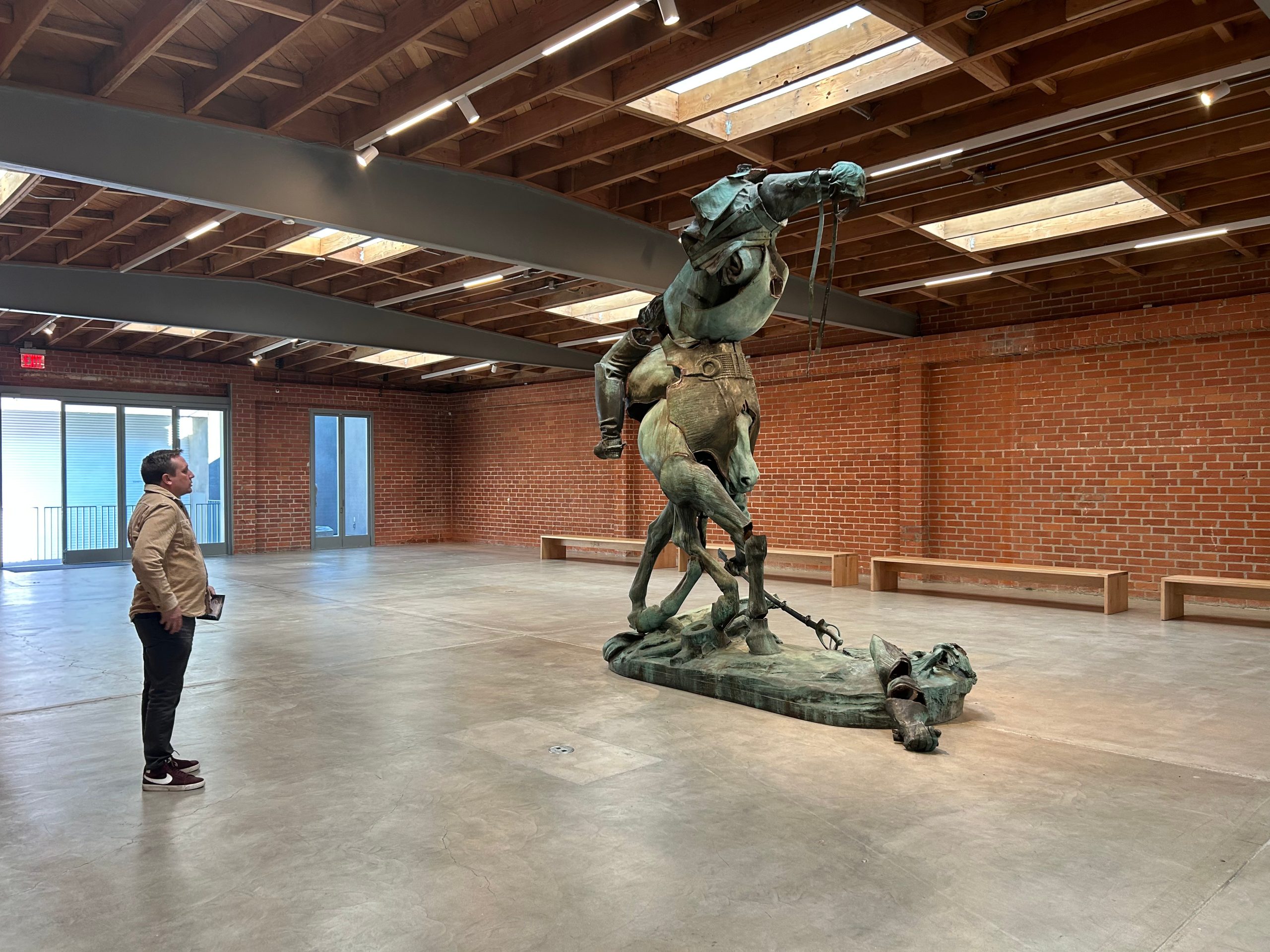
The remains of Charlottesville's melted Confederate statue of General Robert E. Lee are now on display at the Museum of Contemporary Art (MOCA) in Los Angeles as part of the 'Monuments' exhibition. The statue, originally standing in Market Street Park, was acquired by the Jefferson School African American Heritage Center (JSAAHC) in 2021, melted down at a secret location, and shipped to Los Angeles. The exhibition, presented in partnership with The Brick, also features artist Kara Walker's reconstruction of the Thomas Jackson statue. The bronze ingots and slag from the melting process are displayed alongside other works that reimagine Confederate monuments.

Philadelphia Museum welcomes Rocky statue with new exhibition | Daily Sabah

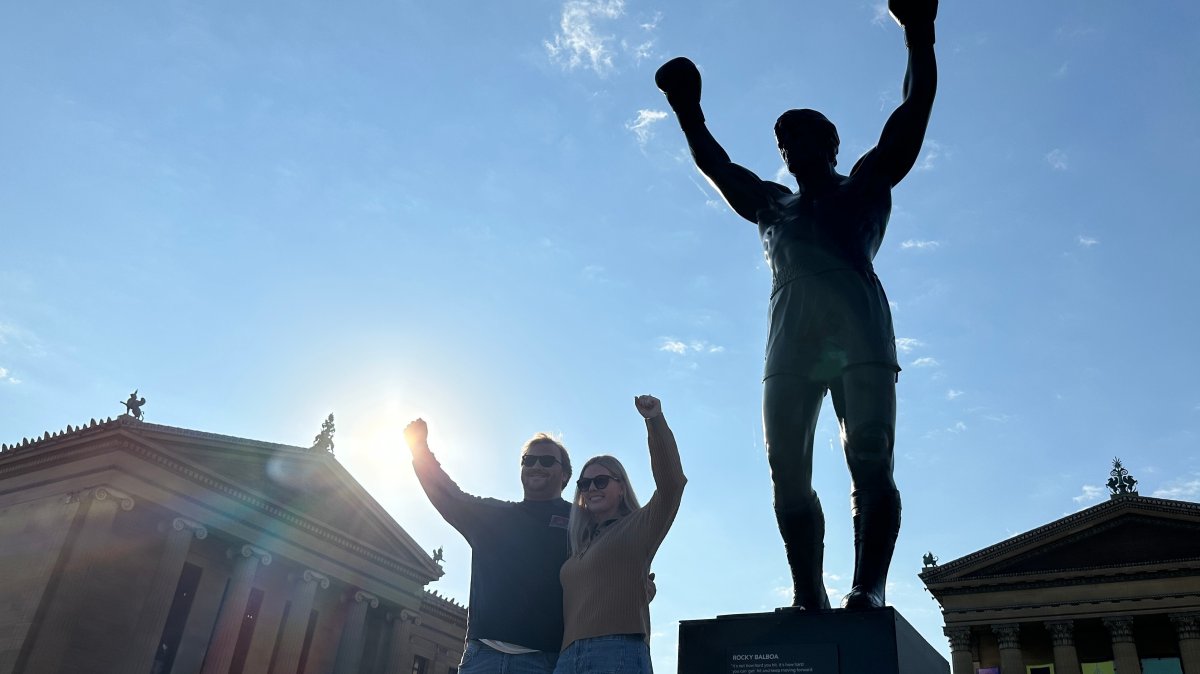
The Philadelphia Museum of Art is opening a new exhibition titled "Rising Up: Rocky and the Making of Monuments," which explores the cultural and artistic significance of the Rocky Balboa statue that sits at the museum's steps. Guest curator Paul Farber organized the show, which spans over 2,000 years of boxing imagery and includes works by Keith Haring, Jean-Michel Basquiat, and Andy Warhol. The exhibition marks a shift in the museum's long-standing ambivalent relationship with the statue, which was originally placed on the steps during filming of the "Rocky" movies and later relocated before returning in 2006. After the exhibition closes in August, the statue will be permanently installed at the top of the museum's steps for the first time.

Exhibit traces 250 years of American history at Greenville County Museum of Art

The Greenville County Museum of Art has launched "American Stories," a comprehensive exhibition drawn from its permanent collection to commemorate the 250th anniversary of the United States. Featuring pivotal works such as Thomas Sully’s "Passage of the Delaware," the show spans two centuries of artistic production to explore the complexities of the American experience, from the Revolutionary War to the modern era.

Cezanne family home opens to the public as Aix-en-Provence fetes its famous former resident

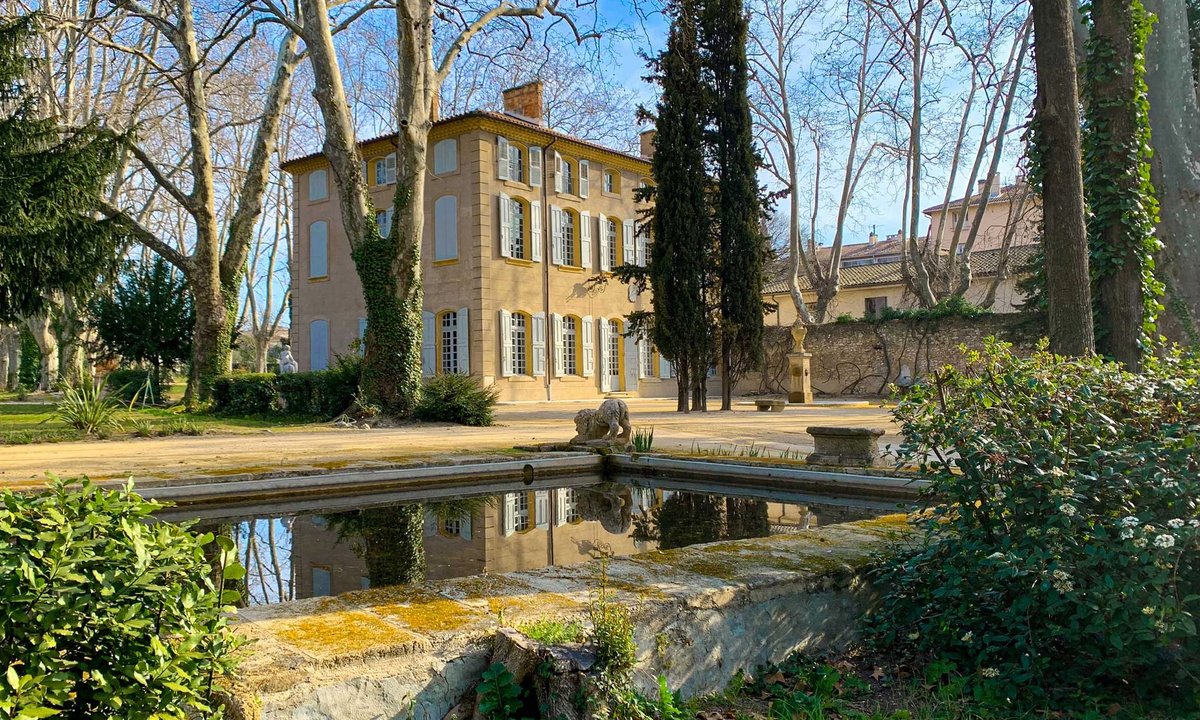
The French city of Aix-en-Provence is launching Cezanne 2025, a year-long program of events and exhibitions celebrating its most famous resident, Paul Cézanne. The season begins with two major openings: the Bastide du Jas de Bouffan, Cézanne's family home, now open to the public after extensive renovations, and a major exhibition at the Musée Granet titled "Cezanne au Jas de Bouffan" (28 June to 12 October), which explores the painter's work during his 40 years at the estate. A highlight of the exhibition is the reconstruction of the Grand Salon, featuring a recently discovered mural fragment, *Entrée du port* (1864), and loans from institutions including the National Gallery in London and the Petit Palais in Paris.

A rebuke to Modernism: the Venice Architecture Biennale imagines new ways of building to cope with climate change

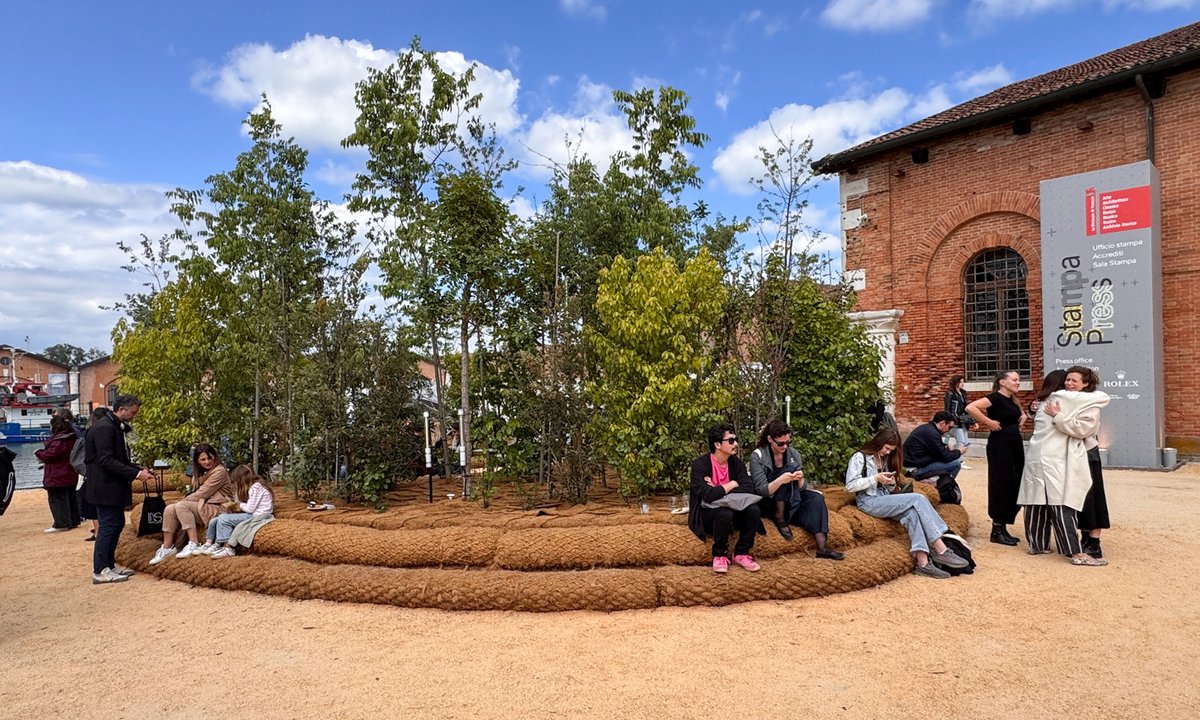
The 2025 Venice Architecture Biennale, curated by Carlo Ratti, opens with immersive installations that confront climate change, including a film on civilizations rising and collapsing, a reflective pool installation by Michelangelo Pistoletto symbolizing humanity-nature reconciliation, and a non-functional air conditioner display by Transsolar Klima Engineering. Ratti issued the Biennale's first open call, selecting over 300 multidisciplinary teams—engineers, scientists, artists, and architects—to explore new building methods that reject Modernist materials like steel and concrete in favor of natural and Indigenous approaches.

Frank Auerbach’s Berlin homecoming, human remains and museums, Ian Hamilton Finlay’s ‘Republic’—podcast

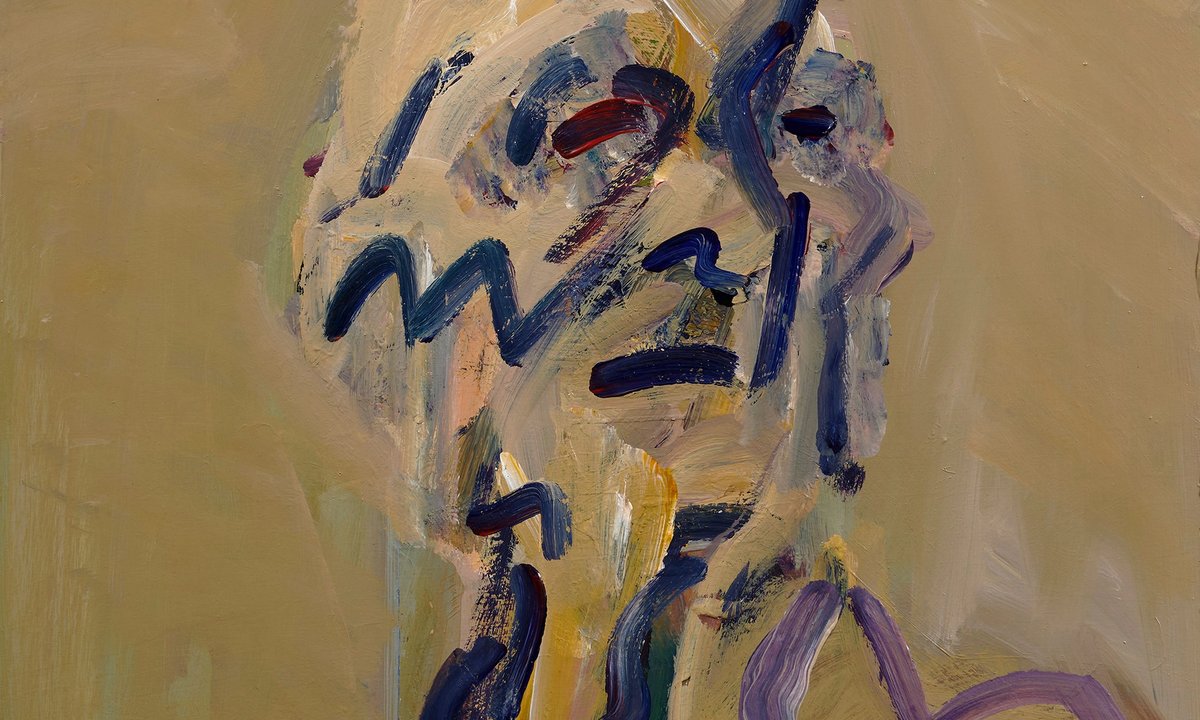
This podcast episode covers three major art-world stories. First, the late artist Frank Auerbach receives his first-ever Berlin exhibition at Galerie Michael Werner, decades after fleeing the city as a Jewish refugee in 1939. Second, curator and author Dan Hicks discusses his new book *Every Monument Must Fall*, which examines the origins of contemporary debates around colonialism, art, and heritage, focusing on the acquisition and display of human remains in museums. Third, the episode highlights the centenary of artist Ian Hamilton Finlay with a look at his work *Republic* (1995) and a series of international exhibitions celebrating his legacy.

National Assembly Unanimously Votes on Law for Restitution of Looted Colonial Works, but with Restrictions

L’Assemblée vote à l’unanimité la loi sur la restitution des œuvres pillées pendant la colonisation, mais avec des restrictions

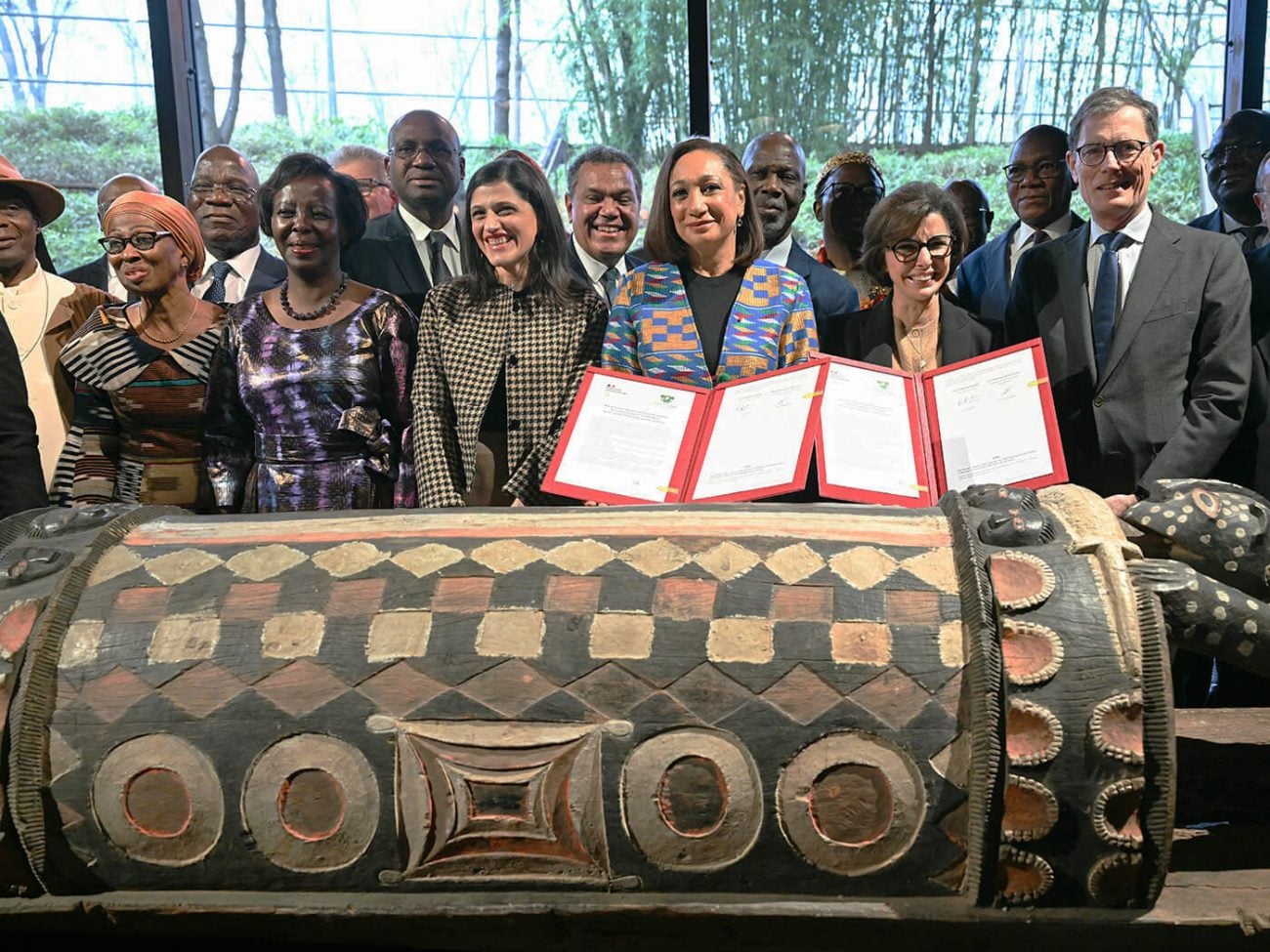
The French National Assembly has unanimously passed a landmark law establishing a permanent legal framework for the restitution of cultural property looted during the colonial era. Moving away from the previous requirement for case-by-case legislation, the new law allows the government to return artifacts via decree following consultations with scientific and parliamentary commissions. This shift fulfills a long-standing promise to simplify the return of African heritage currently held in French public collections.

pope repatriate indigenous artifacts canada

The Vatican has repatriated 62 Indigenous cultural treasures to Canada, following years of negotiations that began with a visit by the late Pope Francis in 2022. The objects, which include a kayak made of driftwood and seal skin used for beluga whale hunting, were first sent to Rome for a 1925 exhibition organized by Pope Pius XI and remained there until Pope Francis called for their return. The handover was unveiled this week at a warehouse belonging to the Canadian Museum of History in Gatineau, Quebec, where Indigenous elders and experts are now examining each piece to trace its origins. Vancouver Archbishop Richard Smith and Natan Obed, president of Inuit Tapiriit Kanatami, spoke at a news conference about the significance of the return.

trump mamdani roosevelt salisbury portrait

New York Mayor-elect Zohran Mamdani visited President Donald Trump at the White House on November 21, where the two former online adversaries found common ground on issues like crime, rent, and affordable housing. They posed together in front of Frank O. Salisbury's portrait of Franklin D. Roosevelt, which Trump claimed to have rediscovered in White House vaults, though it was previously hung by President Joe Biden. The article traces the history of Salisbury's 1935 painting and its copies, including the official White House version commissioned by Harry S. Truman in 1947.

Looking Beyond the Conflict: What's driving contemporary artists from Sri Lanka?

Contemporary artists from Sri Lanka are gaining visibility across South Asia through gallery exhibitions, institutional shows, and art fairs. At Experimenter in Colaba, Pushpakanthan Pakkiyarajah's solo show 'No Race, No Colour' features installations like 'Charred Hyphal Mat' that explore organic communication and wounded ecologies rooted in the country's three-decade civil war. At the Art Mumbai fair, Hema Shironi uses fabric and green mesh to address post-war reconciliation, while earlier in Delhi, the twin exhibitions 'Homes Wrapped in Cloth, Borders Raised in Flags' and 'After Aphantasias' by Shrine Empire showcased similar themes. Artists such as Anoli Perera, Kingsley Gunatillake, Pala Pothupitye, and others are collectively presenting nuanced perspectives on memory, ecology, and joy beyond the conflict.

royal ontario museum director nicholas r bell

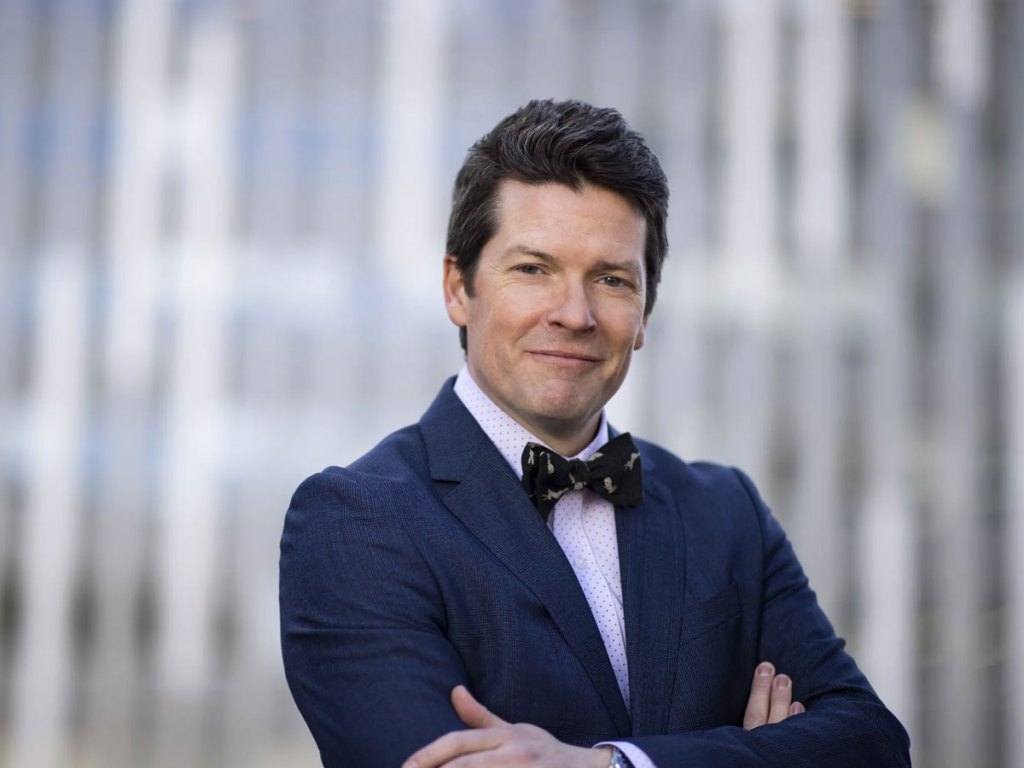
The Royal Ontario Museum (ROM) in Toronto has appointed Nicholas R. Bell as its new director and CEO, effective July 6. Bell, who currently leads the Glenbow museum in Calgary, succeeds Josh Basseches following a decade-long tenure. During his time at Glenbow, Bell was noted for securing a $250 million capital campaign and implementing a landmark free-admission policy, the first of its kind for a major Canadian museum.

‘We need to rethink’: new exhibition revisits an Israeli conceptual art project, 53 years on

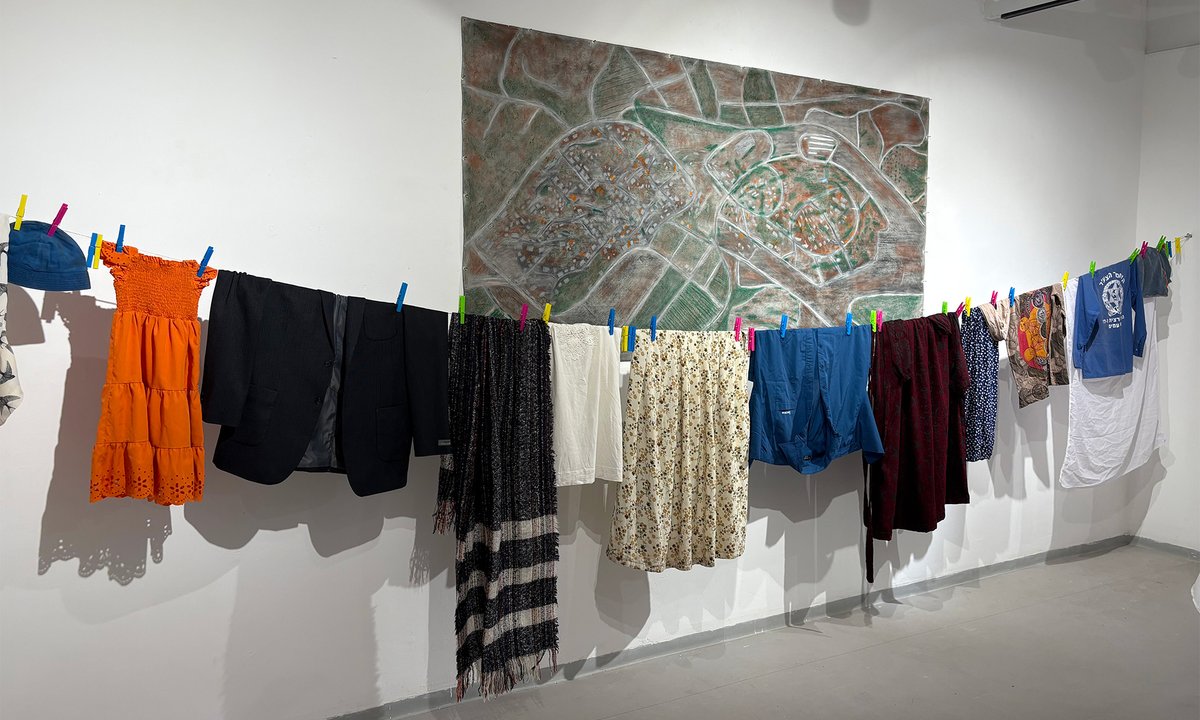
A new exhibition at the Givat Haviva Art Gallery in northern Israel revisits a landmark 1972 conceptual art project called Metzer-Meiser, which took place along the seamline between Kibbutz Metzer and the Arab village Meiser. The original project involved four Israeli artists—Dov Or-Ner, Moshe Gershuni, Avital Geva, and Micha Ullman—who created actions exploring Jewish-Arab coexistence, including burying personal items, parcelling land, scattering books, and exchanging soil between the two communities. The contemporary exhibition, "Metzer-Meiser: Take 2," co-curated by Anat Lidror and Tali Tamir, includes two of the original artists (Geva and Ullman) alongside ten contemporary Jewish and Palestinian artists, responding to the original project's themes of connection, fear, and trust.

Syria’s Hasakah Museum—occupied by military for more than a decade—to finally open

The Hasakah Museum in Syria, a completed but never-opened archaeological museum, is finally being prepared to open to the public after being occupied by military forces for over a decade. The building, constructed in 2002, was seized by the Assad regime's military in 2011 and used as a base and weapons depot, becoming part of a fortified security zone in the city center until the regime's forces withdrew in December 2024.

“Come in and learn” - Sunrise Moon Art Gallery now open in High River

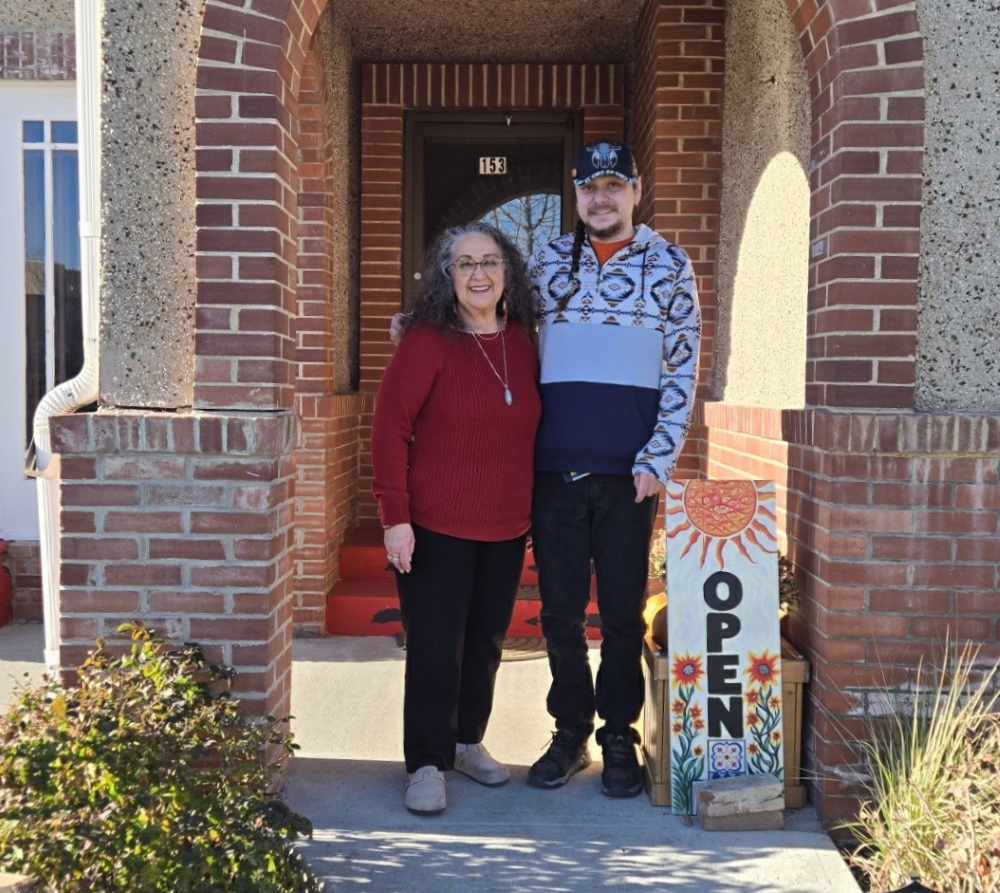
Virginia Aldoff-Pinay, a Cree Kokum from the Foothills School Division, has opened the Sunrise Moon Art Gallery in High River, Alberta. The gallery features Indigenous art, artifacts, and educational displays representing the Blackfoot Confederation, Métis, and Inuit cultures, along with a tea room and library. Aldoff-Pinay, who comes from a family of artists, named the gallery after a morning prayer when she saw both the sunrise and moon. The business is managed by her grandson Ethan Carpenter, and the sign was made by her daughter Vanessa.

Sámi art has gained visibility in Norway—but when will it get a museum of its own?

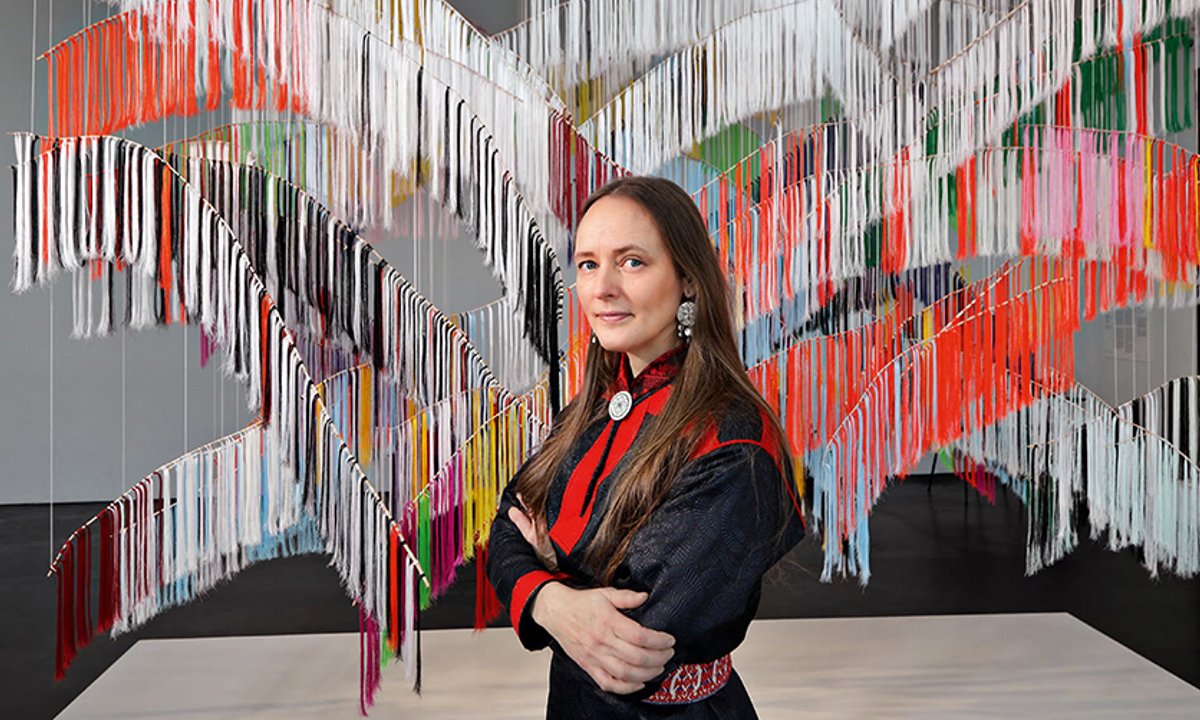
Sámi artists from Norway are gaining international recognition, with milestones including the rebranding of the Nordic Pavilion as the Sámi Pavilion at the 2022 Venice Biennale, a major mural by Outi Pieski in Oslo, and a forthcoming Hyundai commission by Maret Anne Sara at Tate Modern. Despite this visibility, decades of advocacy have failed to establish a dedicated Sámi art museum; thousands of works purchased with government funds remain in storage. The Norwegian parliament's recent truth and reconciliation report acknowledged historical injustices, but activists like Synnøve Persen and scholars like Katrine Rugeldal argue that existing institutions are insufficient and that a museum must be built on Sámi terms, potentially nomadic or pan-Nordic.

‘Close, yet distant': MMCA exhibition revisits Korea-Japan artistic ties since 1945

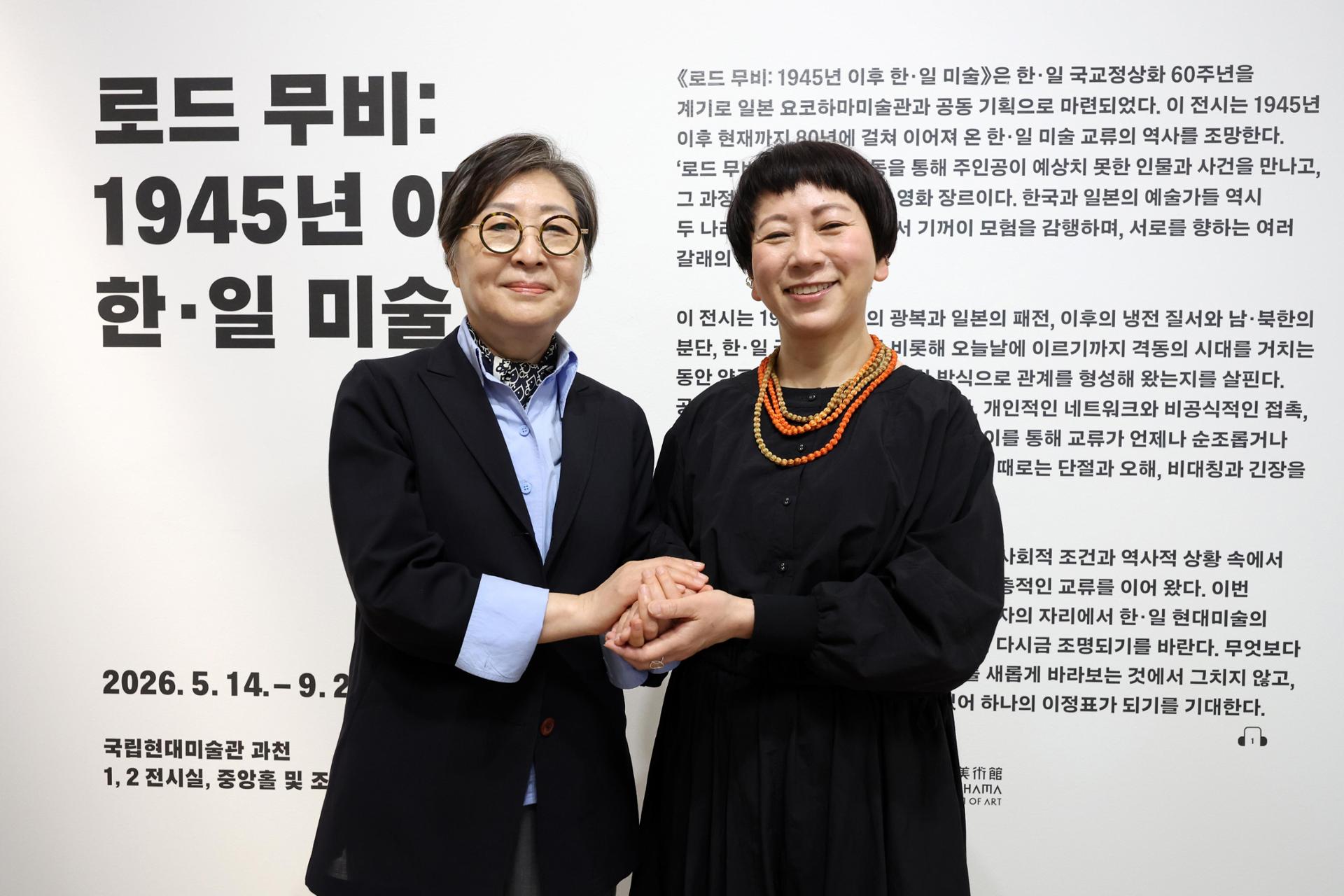
The National Museum of Modern and Contemporary Art (MMCA) in Gwacheon, South Korea, has opened a major exhibition titled “Art between Korea and Japan since 1945,” co-organized with the Yokohama Museum of Art. Running from May 14 to September 27, 2026, the show marks the 60th anniversary of normalized diplomatic ties between the two countries. Featuring some 200 works by 43 artists, including Zainichi artists and video art pioneer Nam June Paik, the exhibition traces eight decades of artistic exchange shaped by colonialism, war, division, and ongoing tensions. It previously opened in Yokohama, drawing over 37,000 visitors—significantly surpassing typical attendance—with strong interest from younger audiences.

Australian Indigenous Art Speaks to Contemporary Concerns

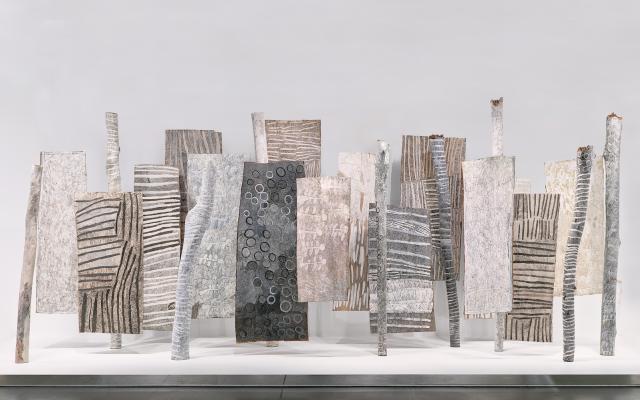
The National Gallery of Victoria (NGV) in Melbourne, in collaboration with the National Gallery (NGA) in Washington, D.C., has organized 'The Stars We Do Not See,' the largest and most comprehensive exhibition of Australian Indigenous art ever shown outside Australia. Opening in Washington on October 25 and running through March 1, 2026, the show features over 200 works from the 19th century to the present, including 130 of the NGV's most prized pieces by revered artists from across Australia. The title is inspired by late Yolŋu artist Gulumbu Yunupiŋu, known for her celestial mappings, and the exhibition will travel to several U.S. cities and Toronto over two and a half years.

Interconnectedness through Indigenous art

Seven local Indigenous artists were featured in this year's Indigenous Art exhibition at Gallery 121 in Belleville, Ontario. The exhibition, curated by Maureen Swann, showcased works including Tyler Tabobondung Rushnell's painting "Howling into the Sunset," alongside pieces by Mohawk artists David R. Maracle, Janice Brant, and Jennifer Brant, among others. The artists emphasized personal storytelling, cultural heritage, and the use of traditional materials and themes.

Dana Awartani Mends Ancestral Wounds

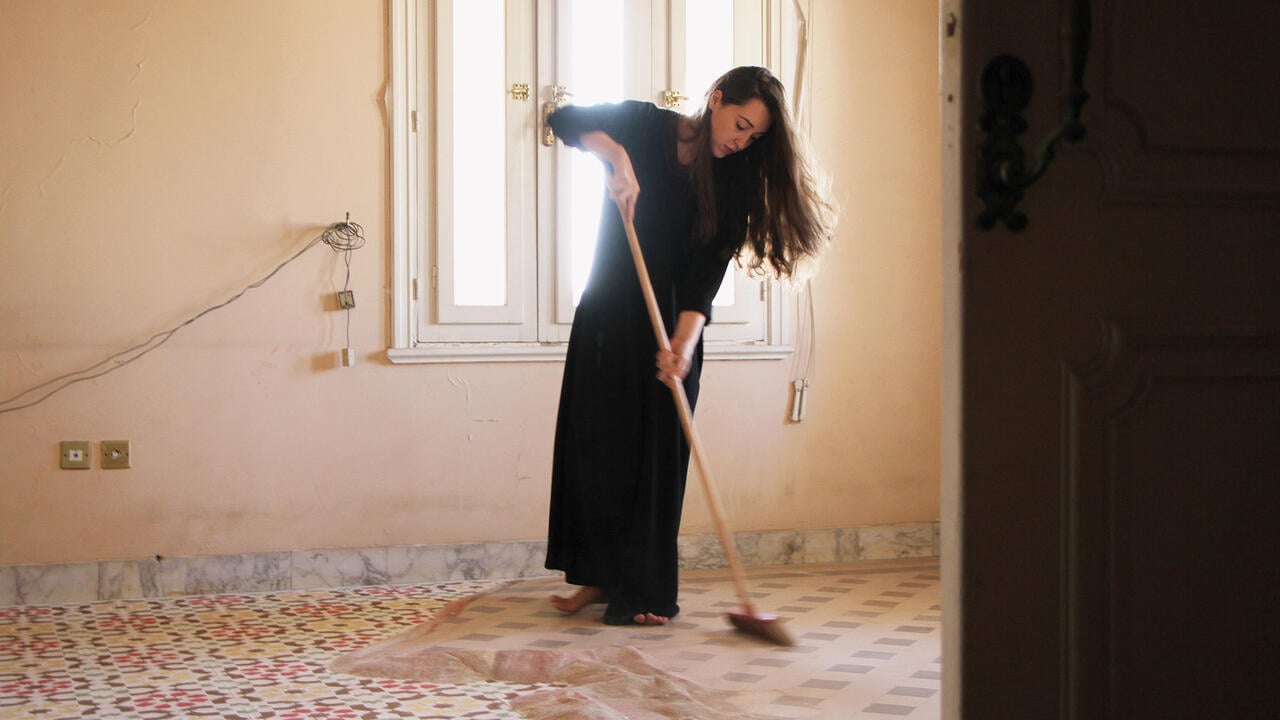
Saudi artist Dana Awartani has created a new installation, 'Listen to my Words,' for the 2024 Diriyah Contemporary Art Biennale. The work features a large-scale geometric floor pattern made from hand-dyed silk, which visitors are invited to walk upon, deliberately fraying and damaging the intricate design over the course of the exhibition.

Artist explores shifting perspective on family story

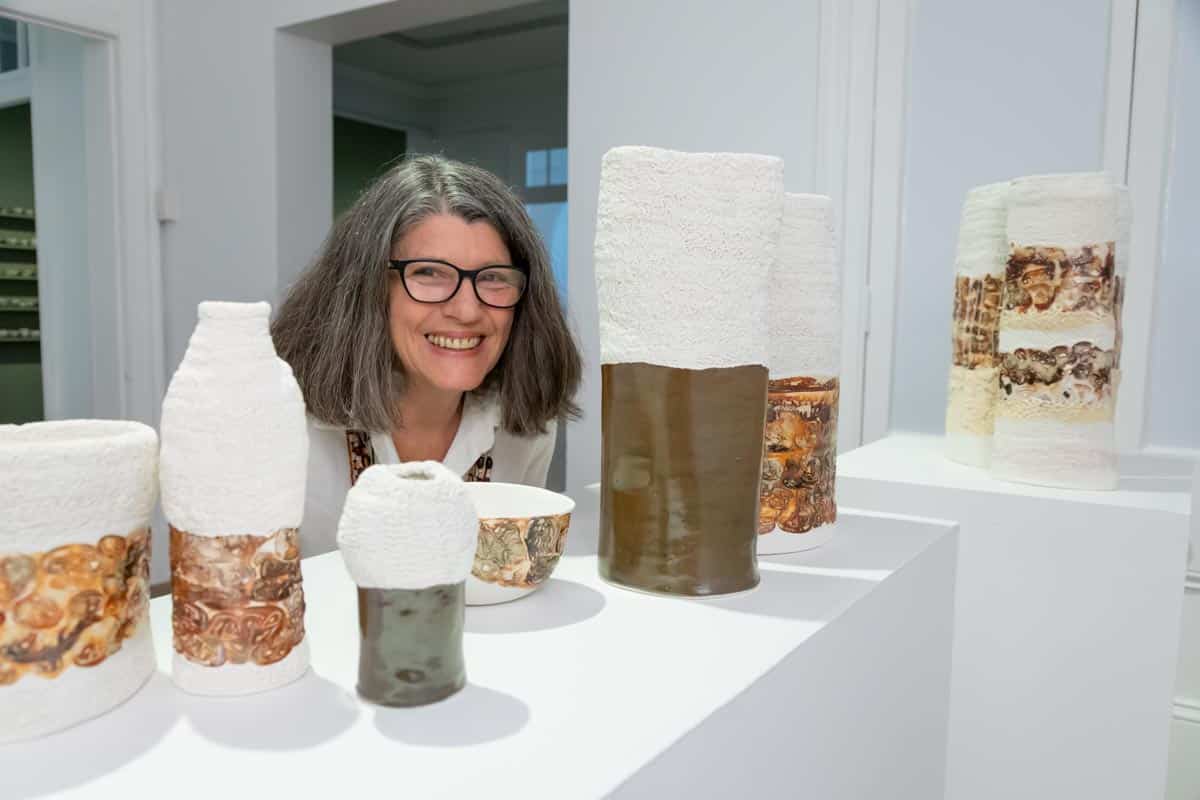
Artist Avi Amesbury has opened her new exhibition, 'Shifting Perspectives: The Self Reconciliation Project', at Bundaberg Regional Art Gallery in Australia. The show combines ceramics, mixed media, and sound to explore her personal family history as a descendant of white settler colonists in Western Australia. Over three years, Amesbury traveled across the country for residencies at Fremantle Arts Centre and Central Craft in Alice Springs, collecting wild clays and collaborating with composer MJ from Those Who Ride With Giants to incorporate poems, writings, and landscape sounds into the installation.

Exhibition openings to enjoy in May

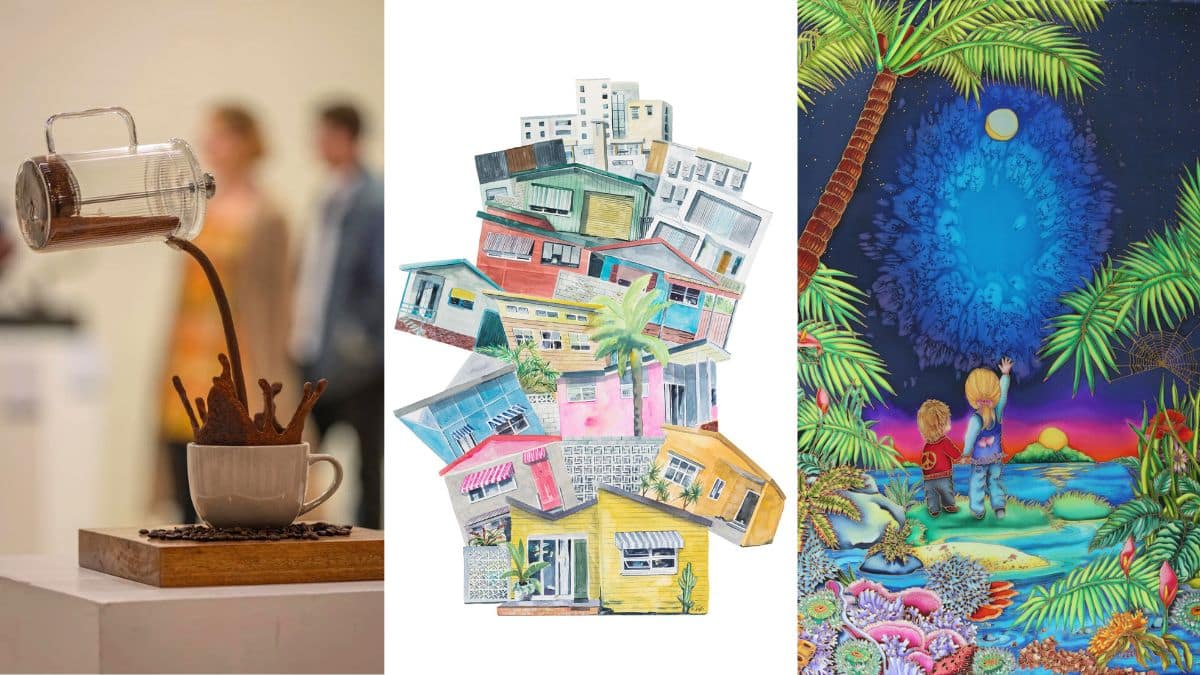
Bundaberg Regional Galleries in Queensland, Australia, will launch five new exhibitions in May 2025, with opening events spread across the month. The shows include 'Lost in Palm Springs', a national touring exhibition curated by Dr Greer Honeywill featuring 14 artists and thinkers from America and Australia exploring Palm Springs' landscape and mid-century modern architecture; 'Shifting Perspectives: the Self Reconciliation Project' by local artist Avi Amesbury, which uses ceramics and storytelling to examine settler-colonial family history; 'Post Truth' by Gureng Gureng/Gangalu artist Darren Blackburn, addressing the Australian Government's Close the Gap campaign through led-neon signs; 'The Nature of Silk: The Glad Not Sad Book', a family-friendly exhibition of silk art by children's book author Kim Michelle Toft; and 'Metal in Motion' by Kevin Dekker, a collection of sculptures that transform steel, wood, stone and ceramics into dynamic, fluid forms. Opening events will be held at Bundaberg Regional Art Gallery and Childers Arts Space, with free admission and no RSVP required.

Royal Ontario Museum picks Nicholas R. Bell as next leader

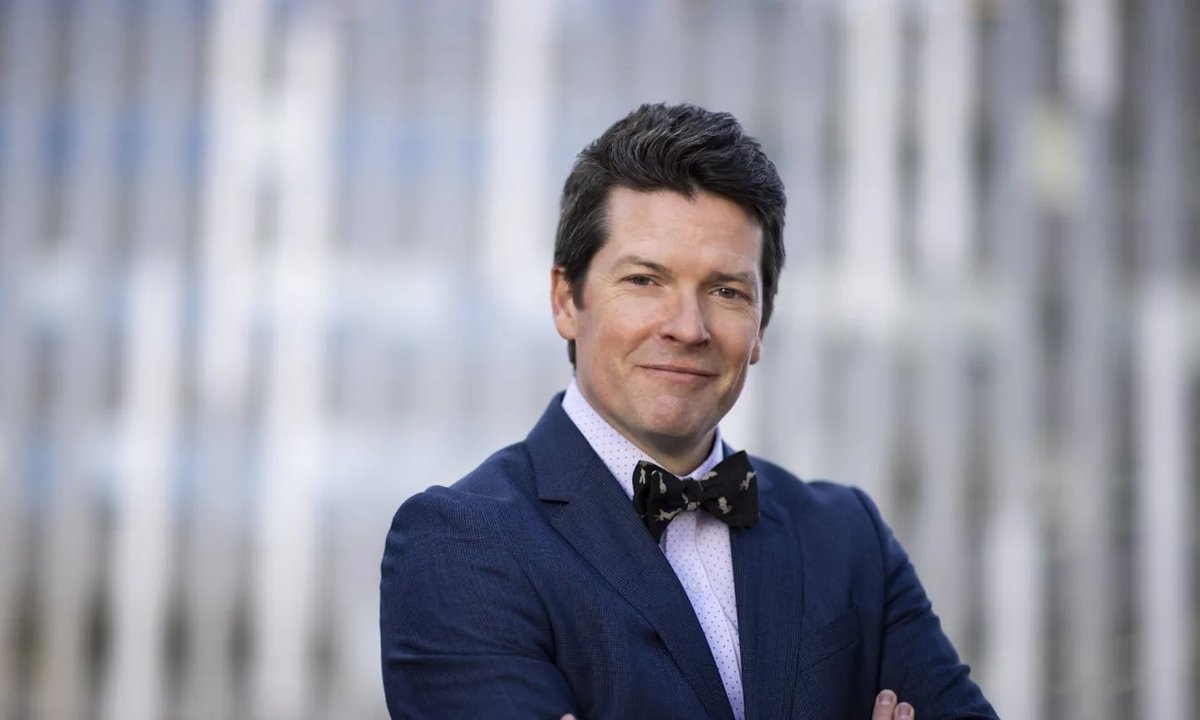
The Royal Ontario Museum (ROM) has appointed Nicholas R. Bell as its next director and chief executive, effective July 6. Bell, a Vancouver native, succeeds Joshua Basseches, who led the Toronto institution for a decade. Bell joins the ROM from the Glenbow Museum in Calgary, where he was recognized for overseeing a major $200 million renovation and implementing a free admission policy.

Exhibition featuring 24 Otoe-Missouria artists to open Sept. 5

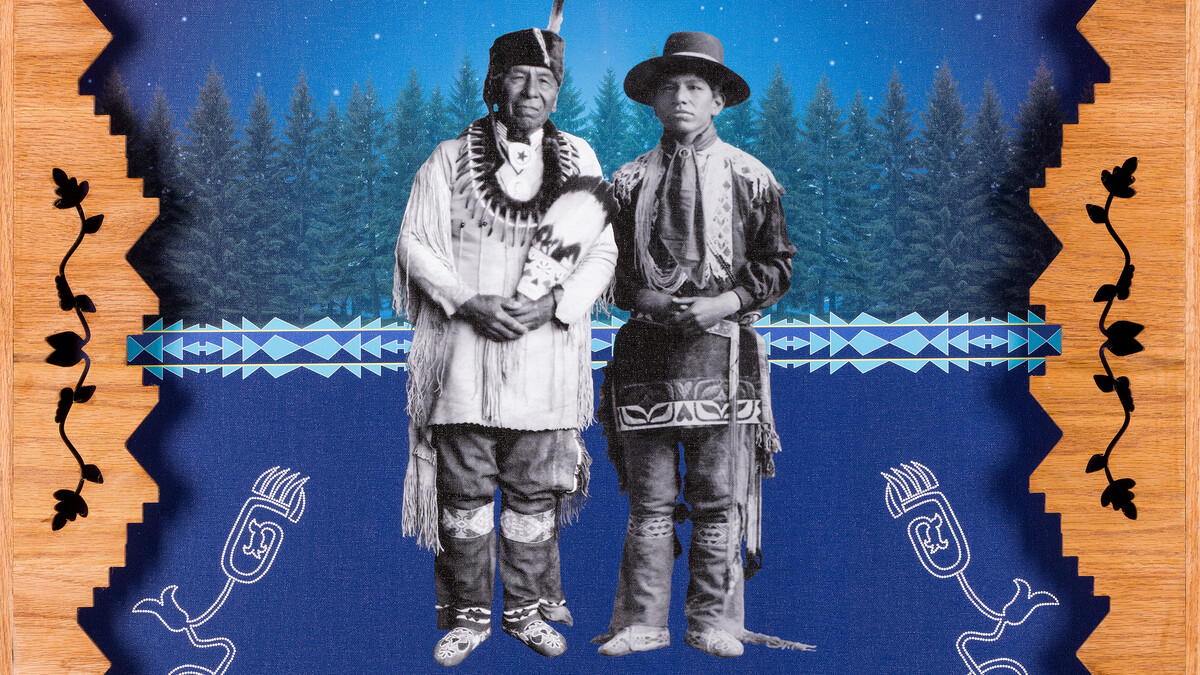
The Great Plains Art Museum at the University of Nebraska–Lincoln will open “Reflections of Our People, Our Ways, Our Land” on September 5, the first-ever exhibition centered on Otoe-Missouria artists. Featuring 24 artists from the tribe, the show spans traditional to contemporary mediums and runs through December 20. The exhibition is part of the Walking in the Footsteps of our Ancestors project, funded by the Mellon Foundation, which aims to promote healing and reconciliation by reconnecting the tribe to its Nebraska homelands.

'We already have proof of concept,' says art gallery director (10 Photos)

Matthew Hills, executive director of the Thunder Bay Art Gallery, gave local media a tour of the partially-completed facility on the city's north-side waterfront, confirming the opening has been delayed from 2025 to 2027. Inflation, supply-chain issues, and trade wars have driven the project cost to $74.7 million, with a $22.6 million funding shortfall. City council recently released $5 million to prevent a construction shutdown, and Hills said a phased opening in 2026 is under consideration. Current funding includes $37 million from the federal Canada Cultural Spaces Fund, $5.7 million from Ontario, $5.2 million from the city, and $4.9 million in private donations.

Thomas Duffield documents a father-son relationship after years of estrangement

Thomas Duffield, a photographer, has created a body of work documenting his relationship with his father after years of estrangement. The project captures their gradual reconnection, moving beyond superficial conversation to address deeper, unspoken tensions. Duffield's images explore the emotional landscape of rebuilding a father-son bond, using photography as a tool for reconciliation and understanding.