filter_list Showing 66 results for "researchers" close Clear
dashboard All 66 article news 41museum exhibitions 9article policy 4article culture 3article local 2person people 2trending_up market 2candle obituary 2gavel restitution 1
date_range Range Today This Week This Month All
Subscribe

How Dalí’s Amber Varnish May Have Caused This Painting to Decay

A new scientific study has revealed the cause of deterioration in Salvador Dalí's 1946 painting 'The Temptation of Saint Anthony.' Researchers from the Royal Museums of Fine Arts of Belgium and an international team used advanced imaging techniques to determine that the degradation, which includes areas becoming transparent or textured, is linked to the chemical interaction between a zinc white paint layer and an amber varnish layer, both materials specifically advocated by Dalí in his own artistic manual.

Georgia O'Keeffe Museum Launches Digital Catalogue Raisonné

The Georgia O’Keeffe Museum has launched Access O’Keeffe, a comprehensive digital catalogue raisonné that makes over 2,000 of the artist’s works available to the public for free. Based on the definitive 1999 scholarship by Barbara Buhler Lynes, the platform includes paintings, sketches, and letters, featuring advanced search tools that allow users to filter by color, medium, and theme. The project was completed despite a significant funding scare when a federal grant was briefly rescinded during the Trump administration before being restored via legal action.

Large Roman Villa Uncovered in the U.K. During Wind Farm Survey

Archaeologists conducting surveys for an offshore wind farm project in Norfolk, England, have discovered a significant Roman villa dating back to the 1st through 3rd centuries C.E. The expansive estate, which measures over 100 feet in length, featured a bathhouse, a covered porch, and ancillary buildings for crop processing. Excavations also yielded high-status artifacts including an ornate bronze door handle, a lion-headed furniture foot, and imported pottery, alongside evidence of a Roman road and two lost medieval villages.

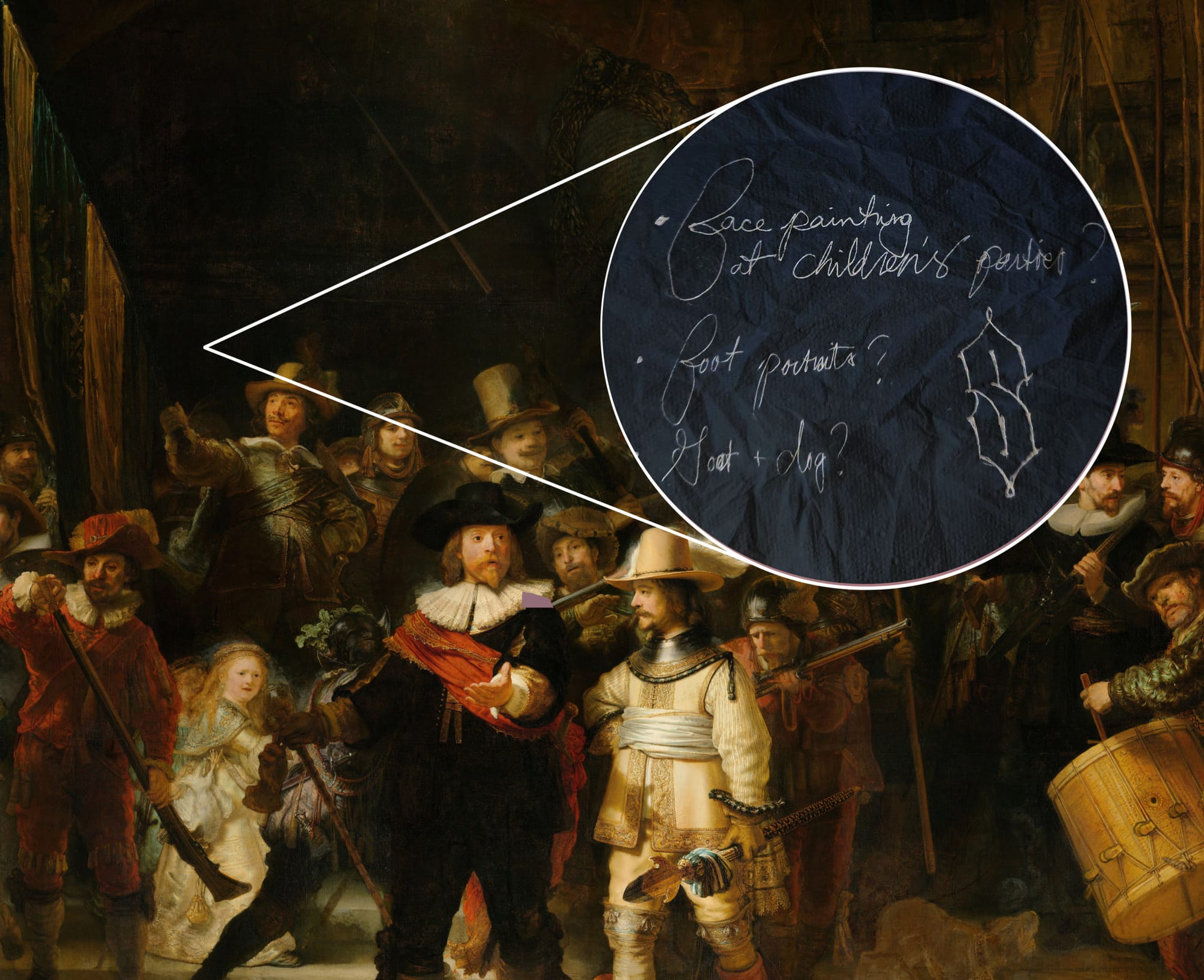
List of Failed Business Ideas Found Beneath Rembrandt’s “The Night Watch”

A recent conservation analysis of Rembrandt's "The Night Watch" at the Rijksmuseum has revealed a surprising discovery beneath the painting's surface. Using macro X-ray fluorescence, researchers uncovered a handwritten list of alternative business ideas considered by the young Rembrandt, including face-painting at children's parties, an umbrella repair shop, and making luxury combs from fishbones.

The INHA library will remain open in August

La bibliothèque de l’INHA restera ouverte en août

The National Institute for Art History (INHA) has announced that its library, located in the Labrouste Room in Paris, will remain open throughout the month of August. This decision breaks from the traditional summer closure common among major French academic and research institutions, ensuring uninterrupted access to one of the world's largest collections of art history resources.

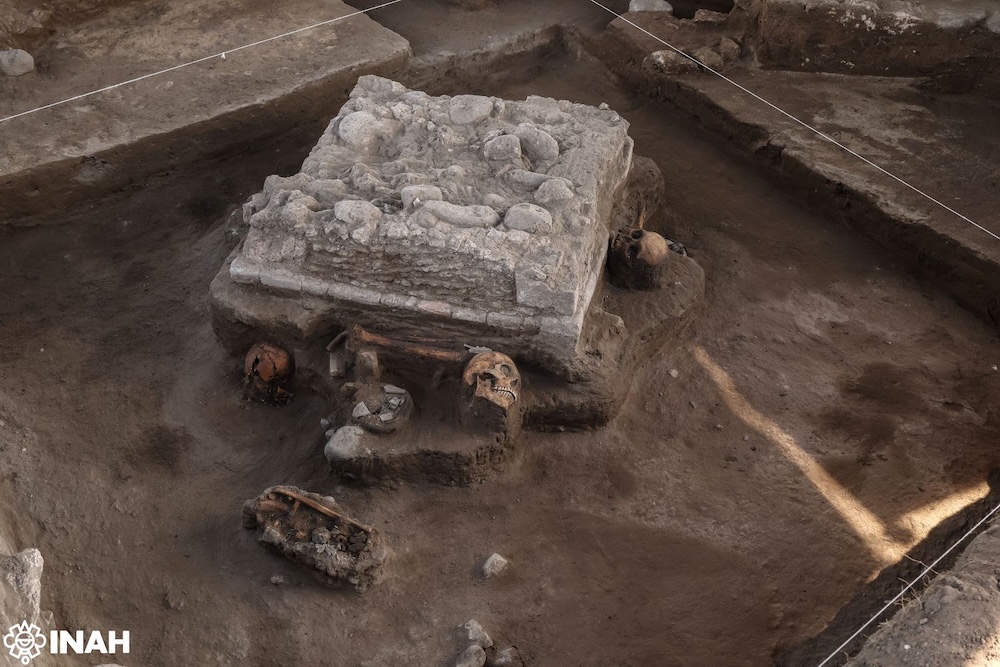
Prehistoric Stone Altar with Human Remains Discovered in Central Mexico

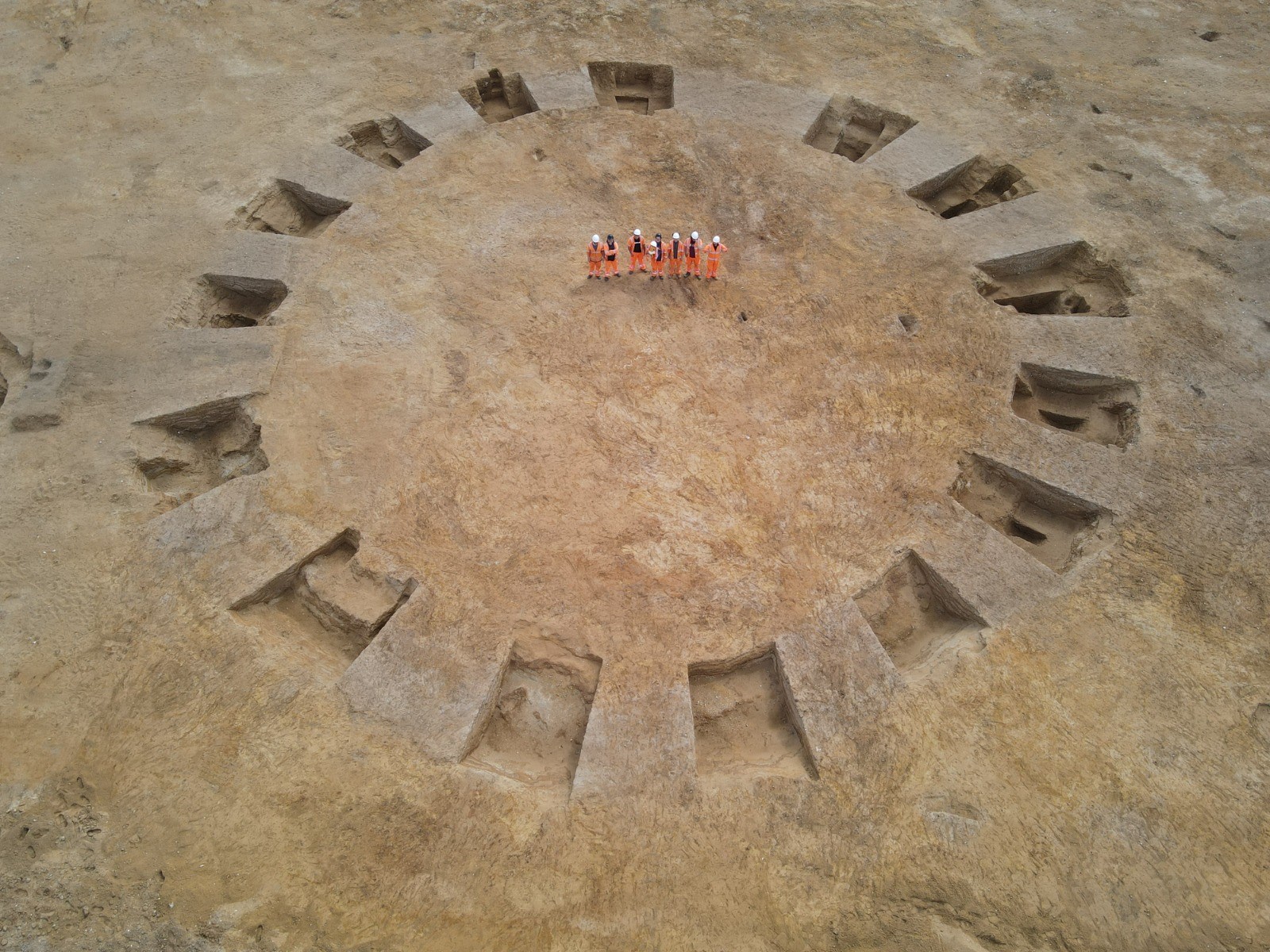
Archaeologists conducting salvage work for a new passenger train line between Querétaro and Mexico City have unearthed a 1,000-year-old Toltec stone altar. Located within the Tula Archaeological Monument Zone in Hidalgo, the three-level structure was found alongside four human skulls, long bones, a black ceramic bowl, and obsidian blades. Preliminary assessments by the National Institute of Anthropology and History (INAH) suggest the remains belong to individuals offered as ritual sacrifices.

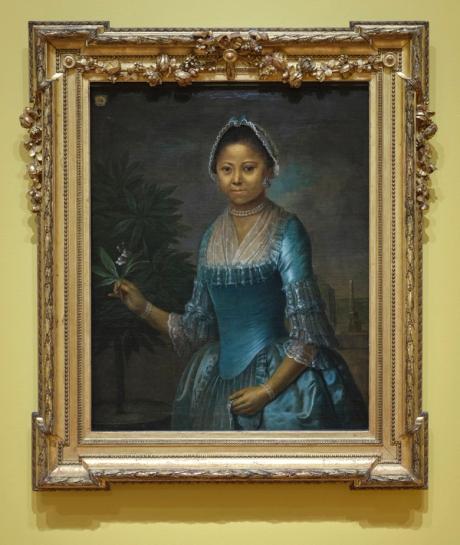
Researchers at Art Gallery of Ontario identify painter and subject of 18th-century portrait of Black woman

Researchers at the Art Gallery of Ontario have identified the artist and sitter of an 18th-century portrait of a young Black woman. The painting, purchased in 2020, is now titled 'Portrait of Eleonora Susette' (1775), revealing the subject as a woman born around 1756 in the Dutch colony of Berbice (now Guyana). The artist is Berlin-born Jeremias Schultz, who painted the portrait in Amsterdam after Eleonora Susette was brought there by her enslaver, the artist's cousin.

What can 160-million-year-old clay tell us about AI and ethics? Inside Es Devlin’s tech and pottery summit

Artist and stage designer Es Devlin convened a diverse group of AI researchers, tech experts, and academics at the Oxford Kilns for a unique summit blending pottery with ethical debate. Participants engaged in the tactile process of shaping 160-million-year-old Jurassic clay while discussing the moral implications of artificial intelligence, ranging from the Turing test to Isaac Asimov’s laws. This collaborative workshop serves as a precursor to Devlin’s upcoming installation, "360 Vessels," created in partnership with composer Nico Muhly.

Researchers Link Two Unattributed Works To Michelangelo

Researchers have attributed two previously unattributed works to Michelangelo. The Royal Institute for Cultural Heritage of Belgium used radiocarbon dating, pigment analysis, and infrared reflectography to link a 16th-century oil-on-canvas Pietà to the master, finding monograms and a date consistent with his work. Separately, Italian researcher Valentina Salerno published a decade-long study using archival documents and stylistic analysis to attribute a marble bust of Christ in a Roman basilica to Michelangelo.

News, April 14, 2026

The University of Colorado Boulder's Department of Art and Art History has announced a series of spring events, including the 'Art History Showcase' featuring scholarship by Tylyn King, Bella Malherbe, and Felicity Wong. The program also highlights the second group of the 2026 MFA Thesis Exhibition featuring Ethan Cherry, Brionna Garcia, and Cal Young, alongside a visiting artist lecture by Rutgers professor Barbara Madsen and a symposium on Black Queer Aesthetics.

Mystery 17th-Century Portrait Sparks Search for Identity of Black Sitter

Researchers at the National Portrait Gallery in London have launched a landmark investigation into a rare 17th-century double portrait featuring a Black boy and a white boy standing side-by-side. The painting, which has hung at the historic Penshurst Place in Kent for centuries, is undergoing extensive restoration and technical analysis to identify the sitters. Experts are particularly struck by the composition, which depicts the Black figure at the same scale and status as the white figure, a significant departure from the era's typical portrayal of Black individuals as marginal attendants.

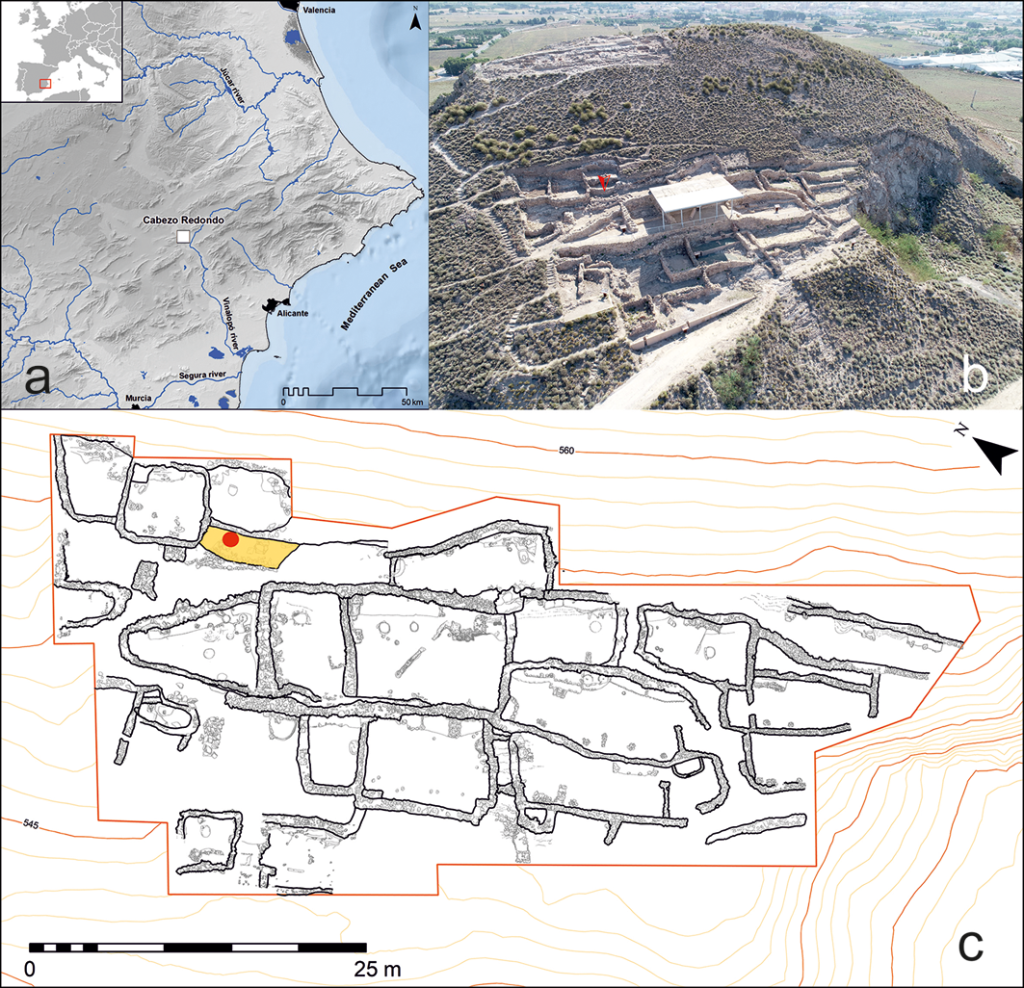
Remnants of 3,400-Year-Old Loom in Spain Sheds Light on Bronze Age Textile Production

Archaeologists in Spain have published new research on a remarkably preserved 3,450-year-old wooden loom, discovered in 2008 at the Cabezo Redondo site. The loom survived because a fire destroyed the surrounding Bronze Age village and a roof collapsed on it, charring and protecting the wood from decay. This rare find includes over 200 lightweight loom weights, suggesting the community was engaged in intensive production of delicate wool textiles.

250-Year-Old Kiln Discovered on Thomas Jefferson’s Monticello Estate

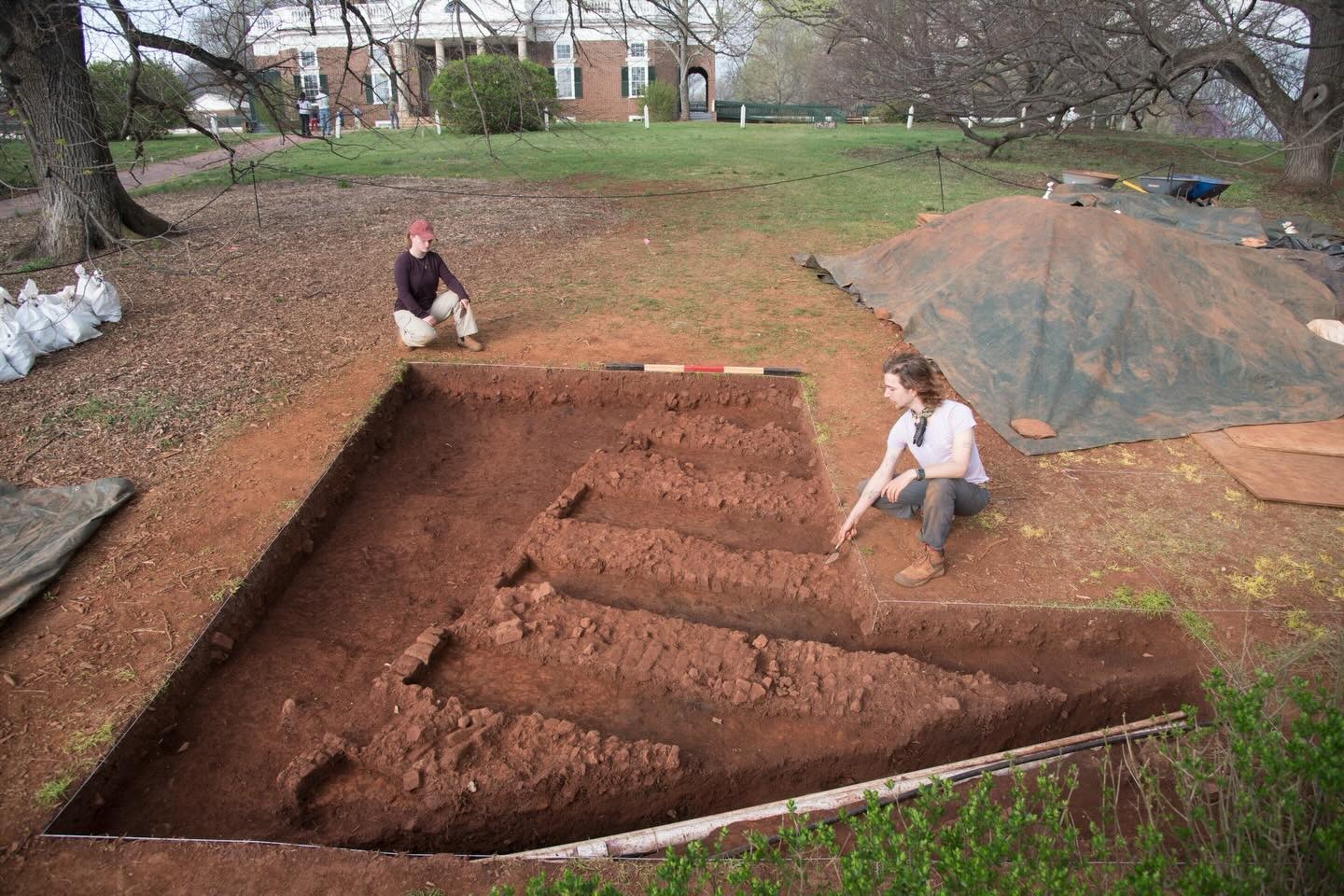
Archaeologists at Thomas Jefferson’s Monticello estate have unearthed a 250-year-old kiln used to fire bricks for the plantation’s original construction. Located on the East Lawn just feet from the main house, the site was identified through the discovery of specialized curved bricks, including cyma-shaped and ovolo-molded specimens. These architectural details confirm the kiln dates back to the "Monticello I" period (1768–1782), as these specific water table features were omitted during Jefferson’s later 18th-century renovations.

Chris Mullen obituary

Chris Mullen, a distinguished educator and historian of art and design, has died at the age of 81. Throughout a career spanning over three decades at the Norwich School of Art and the University of Brighton, Mullen became a pivotal figure in integrating contextual studies with studio practice. He was renowned for his vast personal archive of printed ephemera and his digital project, "The Visual Telling of Stories," which served as a vital resource for generations of students and researchers.

Researchers Confirm Location of Lost City of Alexandria on the Tigris

An international research team has confirmed the rediscovery of the lost city of Alexandria on the Tigris in Iraq. Founded by Alexander the Great, the city was a major trading hub until the 3rd century CE. Its location was identified through a combination of historical research, aerial photography, and recent non-invasive surveys using drones and magnetometry, which revealed the city's planned layout under difficult security conditions.

Archaeologists Uncover a 2,000-Year-Old Hillfort in Estonia

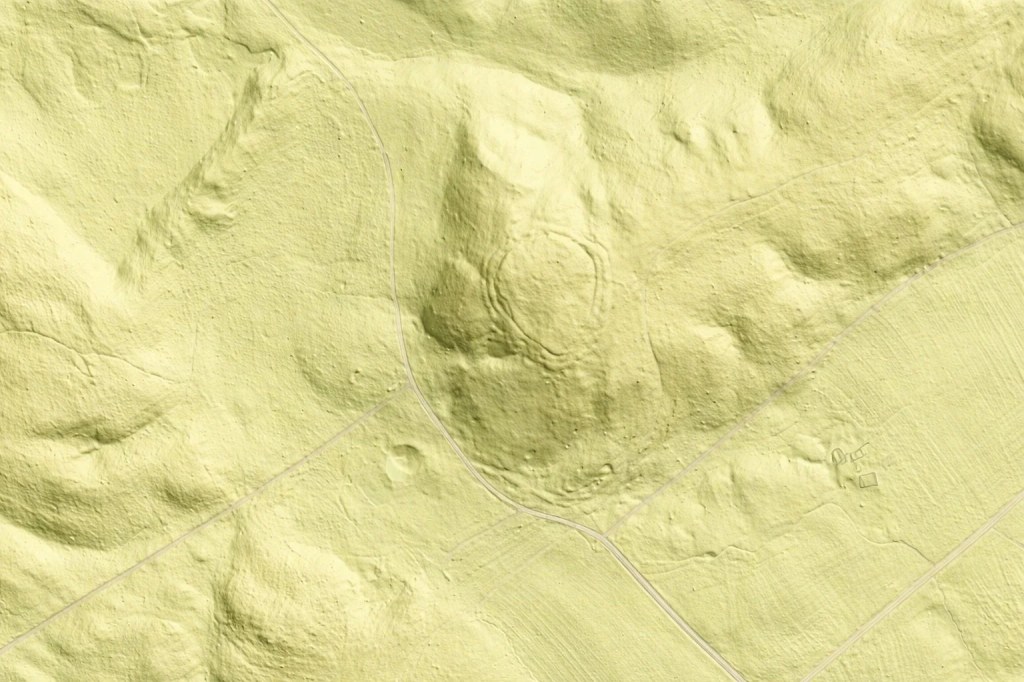
Archaeologists from the University of Tartu have discovered a 2,000-year-old Iron Age hillfort at Köstrimägi in Tartu County, Estonia. Using high-resolution terrain mapping, the team identified a 16,000-square-foot fortification featuring an unusual stepped rampart system that dates back to between 41 BCE and 9 CE. Despite its size, the site yielded few artifacts beyond pottery fragments and charcoal, suggesting a very brief period of occupation before it was destroyed by fire.

Australian photographer wins at world photography awards with ‘barefoot volcanologist’ image

Australian photographer Elle Leontiev has been named the Open Photographer of the Year at the 2026 Sony World Photography Awards. Her winning image, titled 'Barefoot Volcanologist,' features Phillip Yamah standing on a lava bomb at Mount Yasur in Vanuatu. Leontiev captured the surreal portrait under challenging technical conditions, relying entirely on autofocus beeps after her camera screens shorted out due to volcanic activity.

How Much Did It Cost to Paint a Pompeii Room Egyptian Blue?

How Much Did It Cost to Paint a Pompeii Room Egyptian Blue?

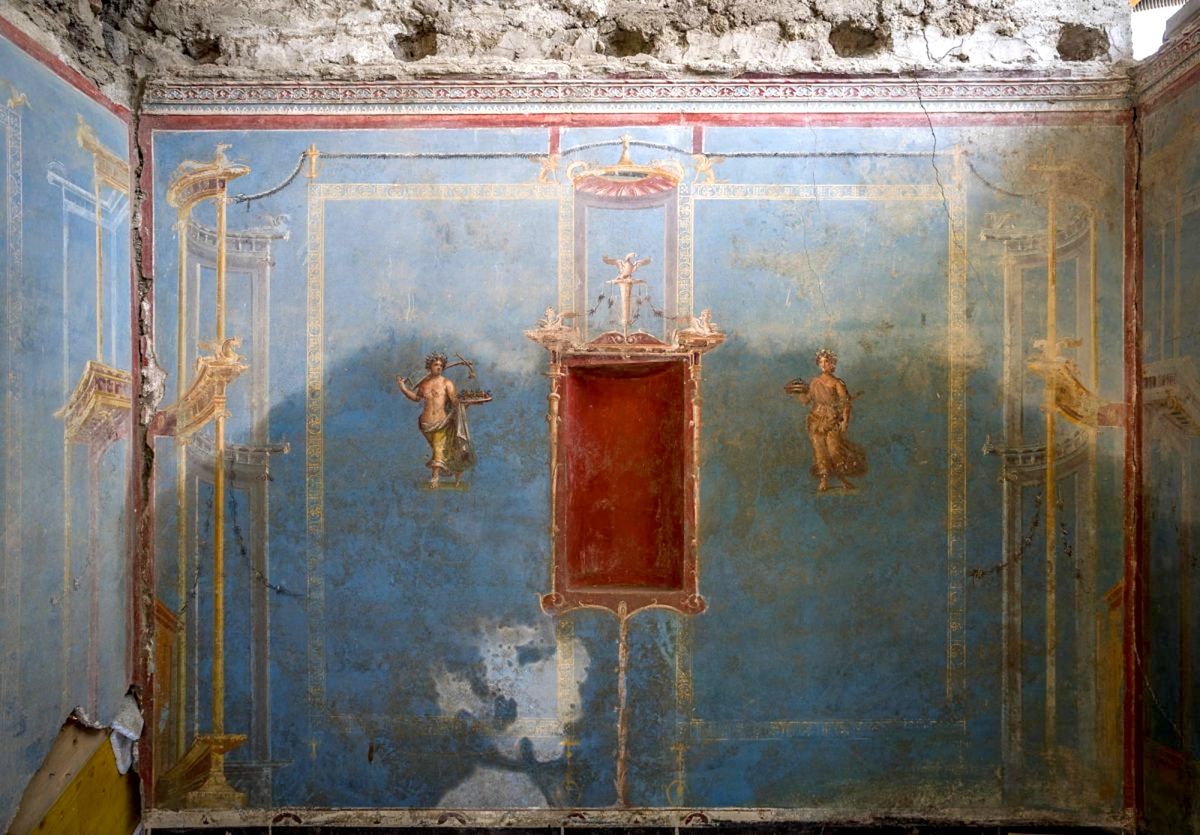
A new study has calculated the staggering cost of painting a room in Pompeii with Egyptian blue pigment. Researchers determined that covering the walls of a recently discovered "Blue Room," a sacred shrine, would have required between 2.7 and 4.9 kilograms of the prized synthetic pigment. Based on prices recorded by Pliny the Elder, this quantity of high-grade pigment would have cost between 50% and 90% of a Roman legionary's annual salary, highlighting it as an extreme luxury.

Sound Archives Open in Ravenna: The Best of National and International Performing Arts Now Available

A Ravenna aprono gli Archivi Sonori: a disposizione il meglio delle arti performative nazionali e internazionali

The city of Ravenna has officially inaugurated the Archivi Sonori (Sound Archives) at Palazzo Malagola, a new international center dedicated to vocal and sonic research. Founded by actress Ermanna Montanari and scholar Enrico Pitozzi, the archives offer public access to a vast collection of audio and video materials documenting the experimental work of 33 influential Italian and international performers, including Demetrio Stratos, Joan La Barbara, and Alvin Curran. The facility features specialized listening and viewing rooms, including an immersive sonic chamber and a cinema hall, all navigated via touchscreens featuring anatomical heart motifs designed by artist Stefano Ricci.

Wicked Stepmother No Longer, a Female Pharoah Gets a Reputational Makeover

A new analysis of damaged statues from ancient Egypt is reshaping the historical narrative of Queen Hatshepsut. Researchers have re-examined 3,500-year-old statuary, finding evidence that the deliberate defacement of her images occurred decades after her death, challenging the long-held belief that her successor, Thutmose III, orchestrated an immediate campaign of destruction against her legacy out of personal animosity.

Archaeologists Discover 6,000-Year-Old ‘Megastructure’ in Romania

Archaeologists in northeastern Romania have unearthed a 6,000-year-old 'megastructure' at the Stăuceni-"Holm" site, attributed to the Cucuteni-Trypillia culture. Measuring approximately 350 square meters, the building is significantly larger than typical dwellings of the period and was strategically positioned near the settlement's entrance. The absence of domestic tools or ritual statuettes suggests the space served as a communal assembly hall or administrative center rather than a private residence.

What Did Pompeii Smell Like? A New Study Analyzes Its Ancient Incense

A team of international researchers has published the first scientific analysis of ritual incense residues from Pompeii. By examining ash from two ancient censers—one from an inn and another from a domestic shrine—they identified charred plants like oak and laurel, as well as evidence of imported frankincense from India.

Massive Cache of 42,000 Pottery Shards Reveals Daily Life in Ancient Egypt

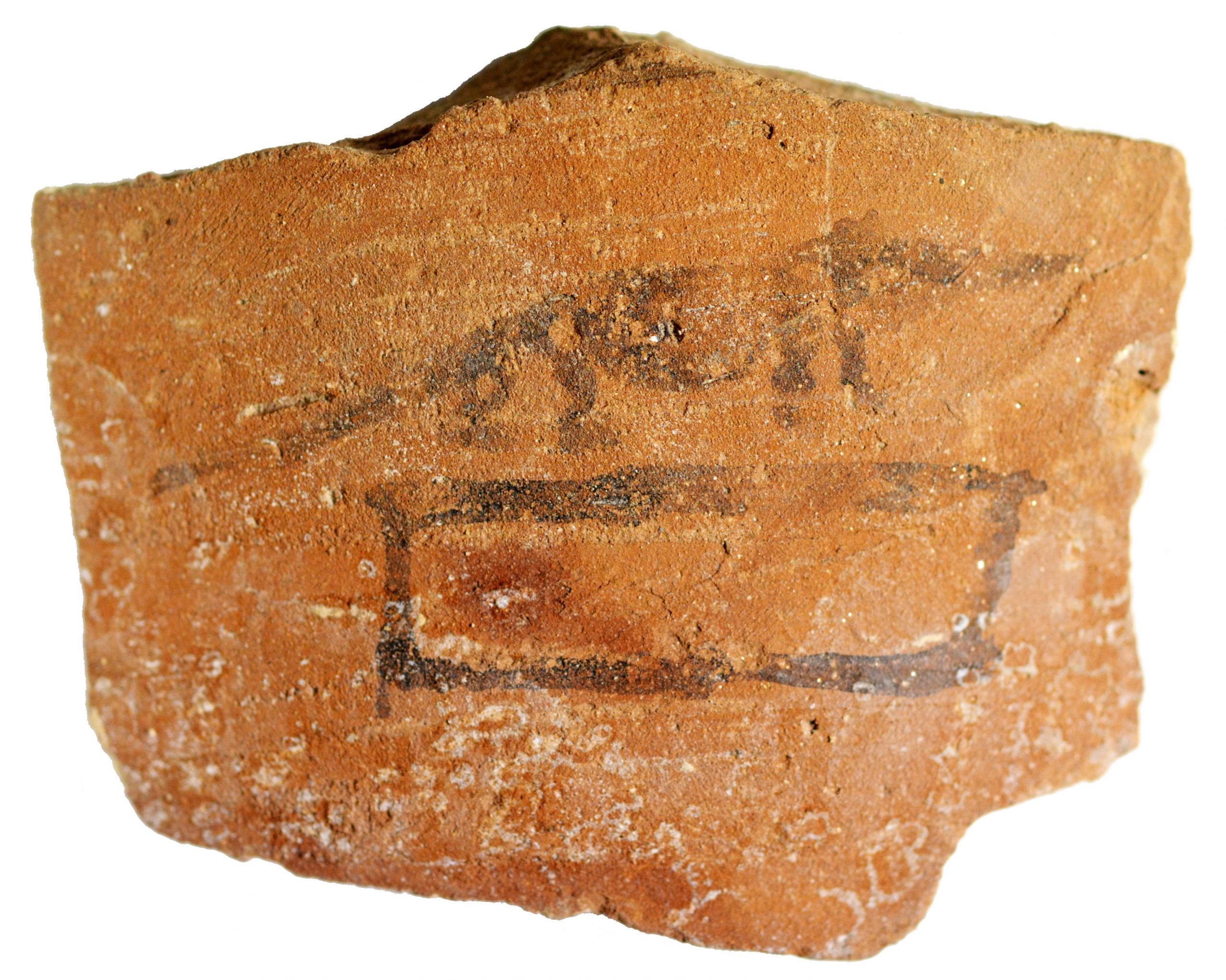
Archaeologists from the University of Tübingen and the Egyptian Ministry of Tourism and Antiquities have unearthed a massive collection of over 42,000 inscribed pottery shards, known as ostraca, at the ancient site of Athribis. The shards, dating from the 3rd century B.C.E. to the 11th century C.E., contain tax receipts, religious texts, school exercises, and personal notes written in Demotic, Greek, Hieratic, Coptic, and Arabic scripts, offering an unprecedented window into the daily lives of ordinary people.

Comment | Climate change is forcing tough choices—how much heritage can we save before it is too late?

Climate change is accelerating the degradation of archaeological sites worldwide, forcing archaeologists to make urgent, difficult choices about what to save. From thawing permafrost in the Canadian Arctic threatening Inuit heritage to landslides endangering ancient Buddhist temples in Nepal, researchers are now deploying innovative technologies like ground-penetrating radar, 3D scanning, and even cosmic-ray muon detectors to digitally document and monitor at-risk sites before they are lost.

OPEN CALL – CIMAM Travel GRANTApply for a CIMAM Travel Grant: International Open CallOPEN CALL – CIMAM Travel GRANT

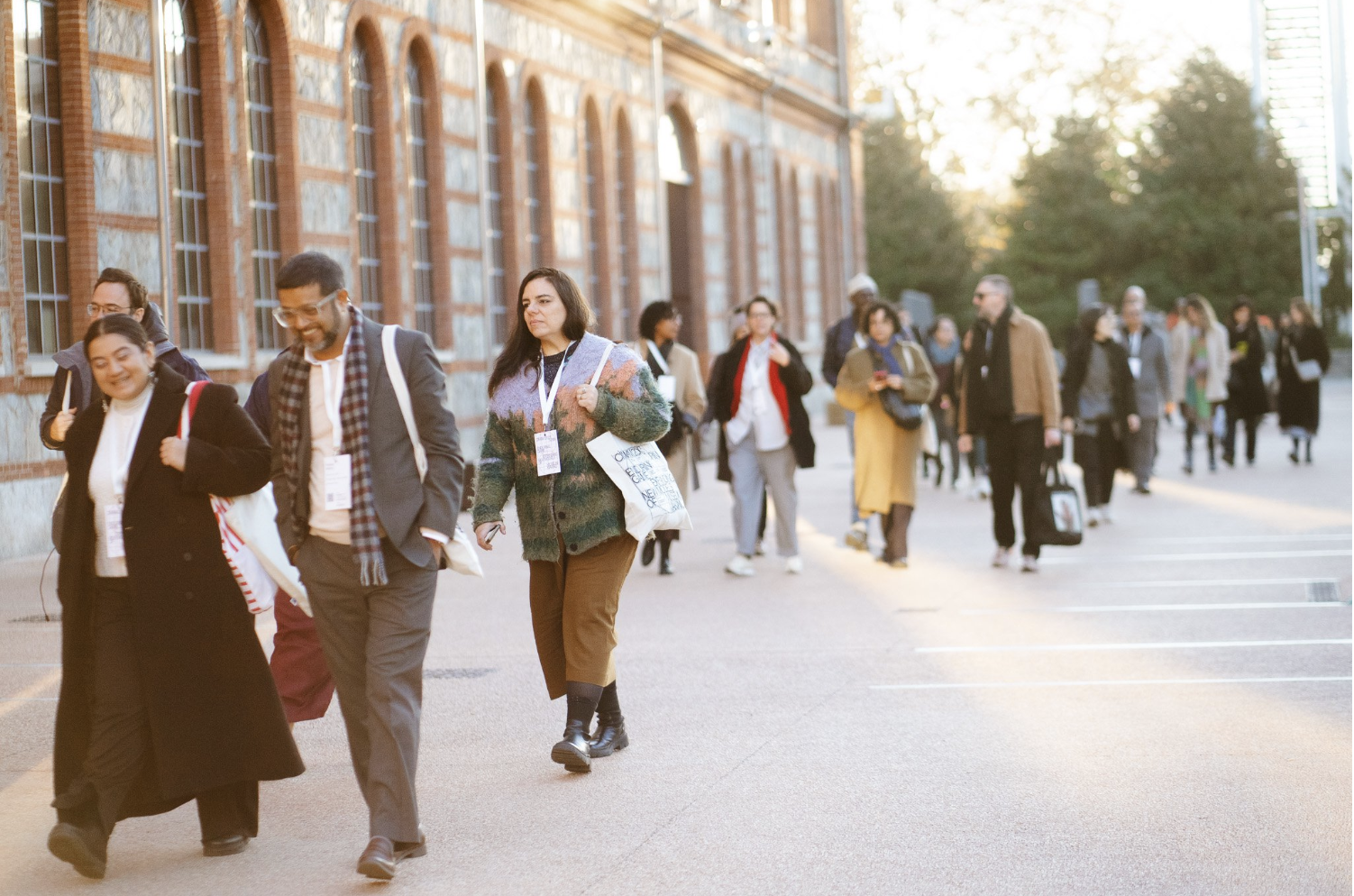
CIMAM (International Committee for Museums and Collections of Modern Art) has launched an open call for its 2026 Travel Grant Programme. The grants will fund museum professionals, curators, and researchers from emerging and developing economies to attend the organization's 58th Annual Conference in Harare, Zimbabwe, under the theme 'Museums Beyond Limits: Imagining Repair Across Cultures, Ecologies and Knowledges.'

12,000 Years Ago, Native Americans Were Playing Games of Chance with Handmade Dice

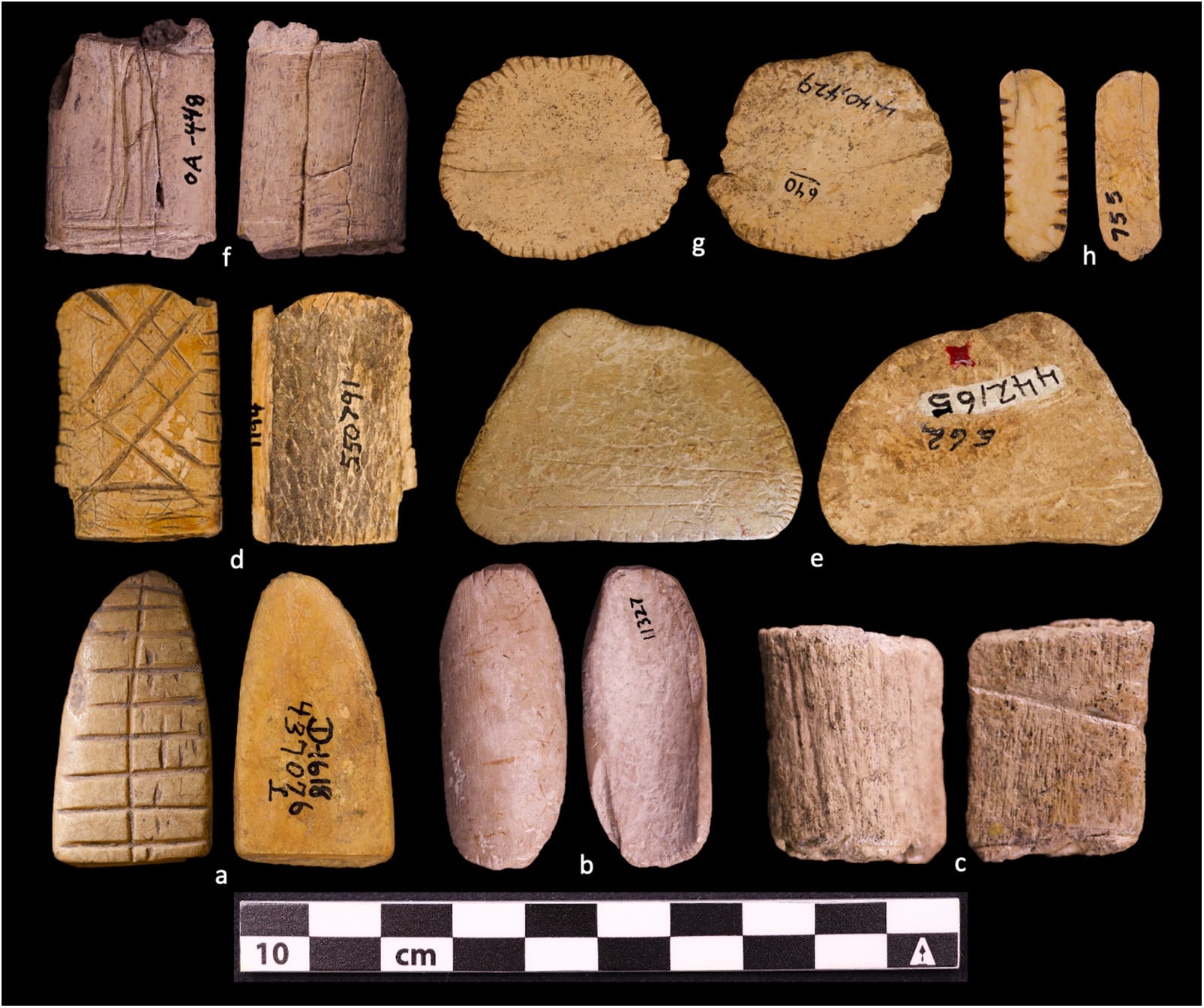
Archaeologists have discovered that Native Americans were engaging in games of chance using handmade dice as far back as 12,000 years ago, during the Late Pleistocene. A new study by researcher Robert Madden reveals that these artifacts, found in sites across Wyoming, Colorado, and New Mexico, predate the previously oldest known dice from Mesopotamia and the Indus Valley by over 6,000 years. These early dice, often made of bone and decorated with pigments, were used by the hunter-gatherer Folsom culture.

Barry Webb Documents a Marvelous, Macro Array of Colorful Slime Molds

British photographer Barry Webb creates large-format macro photographs of slime molds, revealing their intricate, sculptural forms and vibrant colors. His work transforms organisms typically only a few centimeters tall into atmospheric, large-scale images that showcase a hidden world.

At the INHA, the summer closure of the library revives the debate

À l’INHA, la fermeture estivale de la bibliothèque ravive le sujet

The National Institute for Art History (INHA) in Paris has sparked controversy by moving to make its two-week summer closure in August a permanent policy. Originally introduced as an exception for the 2024 Olympics and subsequent renovations, the closure is now being institutionalized despite a petition from staff and researchers. Management cites employee well-being, organizational maintenance, and equity across departments as justifications, while critics argue the move masks chronic understaffing and budget cuts.

At the INHA, the summer closure of the library revives the debate

À l’INHA, la fermeture estivale de la bibliothèque ravive le sujet

The National Institute for Art History (INHA) in Paris is facing backlash over its decision to implement a permanent two-week summer closure of its library every August. Originally introduced as a temporary measure during the 2024 Olympics and subsequent renovations, the closure is now being formalized by the administration despite a change in leadership. Staff and researchers have launched a petition, arguing that August is a critical period for international scholars and students who rely on the library’s extensive collections.

Hangar Announces Longitudes Residency Open Call for Artists, Writers, Curators and Musicians.

Hangar – Centro de Investigação Artística in Lisbon has launched an open call for its Longitudes Residency programme. The call invites artists, writers, curators, researchers, and musicians from diverse disciplines to apply for stays of one to three months. The programme is process-based and non-prescriptive, encouraging participants to develop projects in response to Lisbon's environment or to pursue research within its cultural context.