filter_list Showing 6 results for "salzburg" close Clear
search
dashboard All 6 museum exhibitions 4trending_up market 1candle obituary 1
date_range Range Today This Week This Month All
Subscribe

Controversial Painter Georg Baselitz Knew His Venice Show Would Be His Last. He Went Out Quietly.

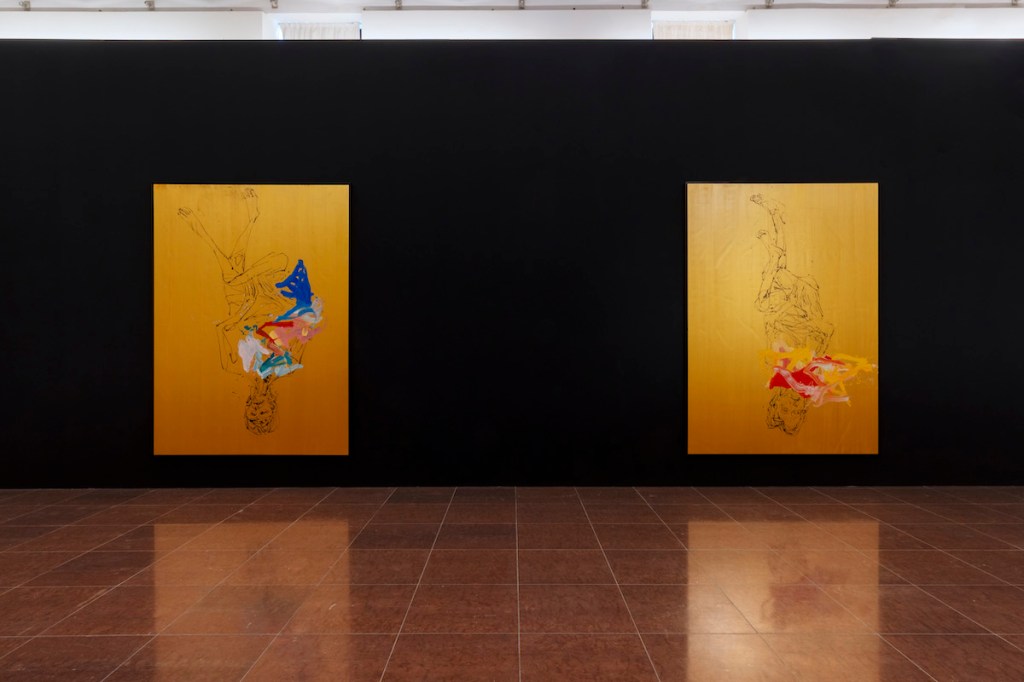
Six days after Georg Baselitz's death, his dealer Thaddaeus Ropac opened "Eroi d'Oro" ("Heroes of Gold") at the Fondazione Giorgio Cini in Venice. The exhibition features the final paintings Baselitz made before he died in April at age 88. In a prerecorded film, Baselitz calls these works his "last paintings," intended as a summation of his six-decade career. The large-scale, gold-ground paintings depict thin, ink-like figures of himself or his wife Elke lying horizontally, floating in undefined space. Baselitz connected the gold grounds to Fayum mummy portraits, Sienese altarpieces, and Byzantine icons, using them to absorb space and create a shadowless, eternal condition.

The Great Lone Wolf of Art

Der große Einzelgänger der Kunst

Georg Baselitz, the German painter known for his radical, figurative works and iconic upside-down motifs, has died at age 88. Born Hans-Georg Kern in 1938 in Deutschbaselitz, Saxony, he fled East Germany for West Berlin in 1957 after being expelled from art school for "socio-political immaturity." Baselitz rose to international fame with his expressive, fractured depictions of the human figure, famously inverting his compositions starting with "Der Wald auf dem Kopf" (1969). He also worked as a stage and costume designer for operas by Harrison Birtwistle, György Ligeti, and Richard Wagner.

Raymond Pettibon, Chris Johanson | You're Not Worth Much (Hand Signed by Raymond Pettib… (2017) | For Sale

This article is a sales listing for a collaborative artwork by Raymond Pettibon and Chris Johanson, titled "You're Not Worth Much" (2017), hand-signed by Pettibon. The listing includes a biography of Pettibon, detailing his career, exhibitions, and gallery representation by David Zwirner, as well as his influences and major museum shows.

Art as Collective Responsibility: Hestia Artistic Journey Grant Programme Winners

The Hestia Artistic Journey National Grant Programme (Artystyczna Podróż Hestii) has announced the winners of its third edition, selecting eight projects from nearly 200 applications across Poland. The programme, subtitled "Opening Time" (Czas otwarcia), supports artists and cultural institutions planning exhibitions that address collective responsibility for global issues. Winners include "Ślady pamięci" by Fundacja Szałfynster in Katowice, exploring memory and dementia; "Głodne drzewa/Thirsty Trees" by Przemek Branas at the Central Museum of Textiles in Łódź, critiquing human greed through eucalyptus metaphors; and "Tymczasowa pława" by Norbert Delman at the State Art Gallery in Sopot, an installation on ecocide using a sunken fishing boat and amber. Each project will present an exhibition between July 2026 and the last quarter of 2027, with increased funding due to exceptional submissions.

Shit has the power to destabilize systems of order

"Scheiße hat die Kraft, Ordnungssysteme zu destabilisieren"

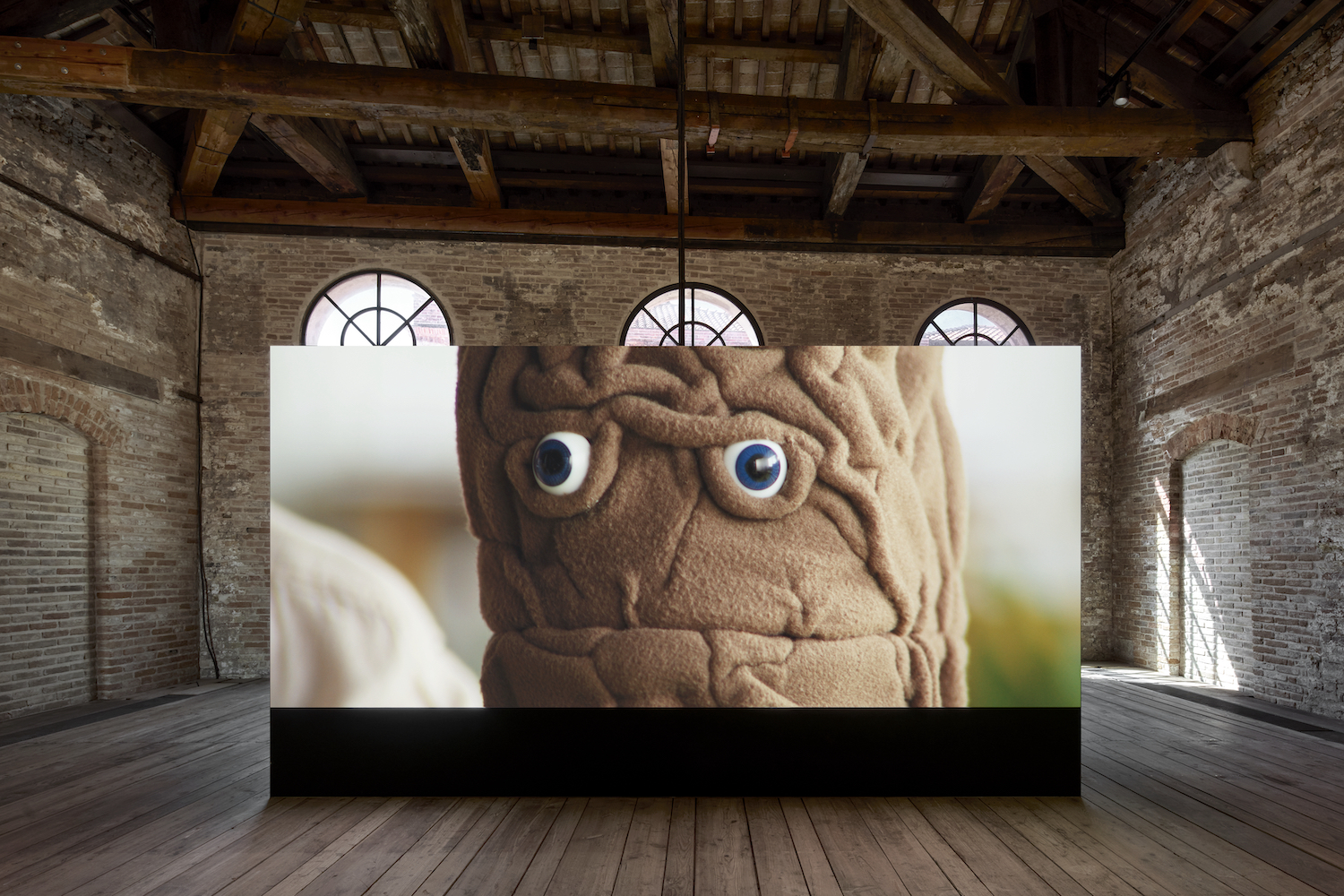
Aline Bouvy, the artist representing Luxembourg at the Venice Biennale, has created a film essay titled "La Merde" that centers on excrement as its main character. Originally conceived as a performance, the work explores themes of bodily circulation, transformation, and the grotesque, using feces to challenge societal taboos and systems of order. Bouvy discusses the film's development with curator Stilbé Schroeder, noting that the Biennale provided the resources and time to realize the project, which will later travel to the Kunstverein in Salzburg.

What Did Mozart’s Life Look Like?

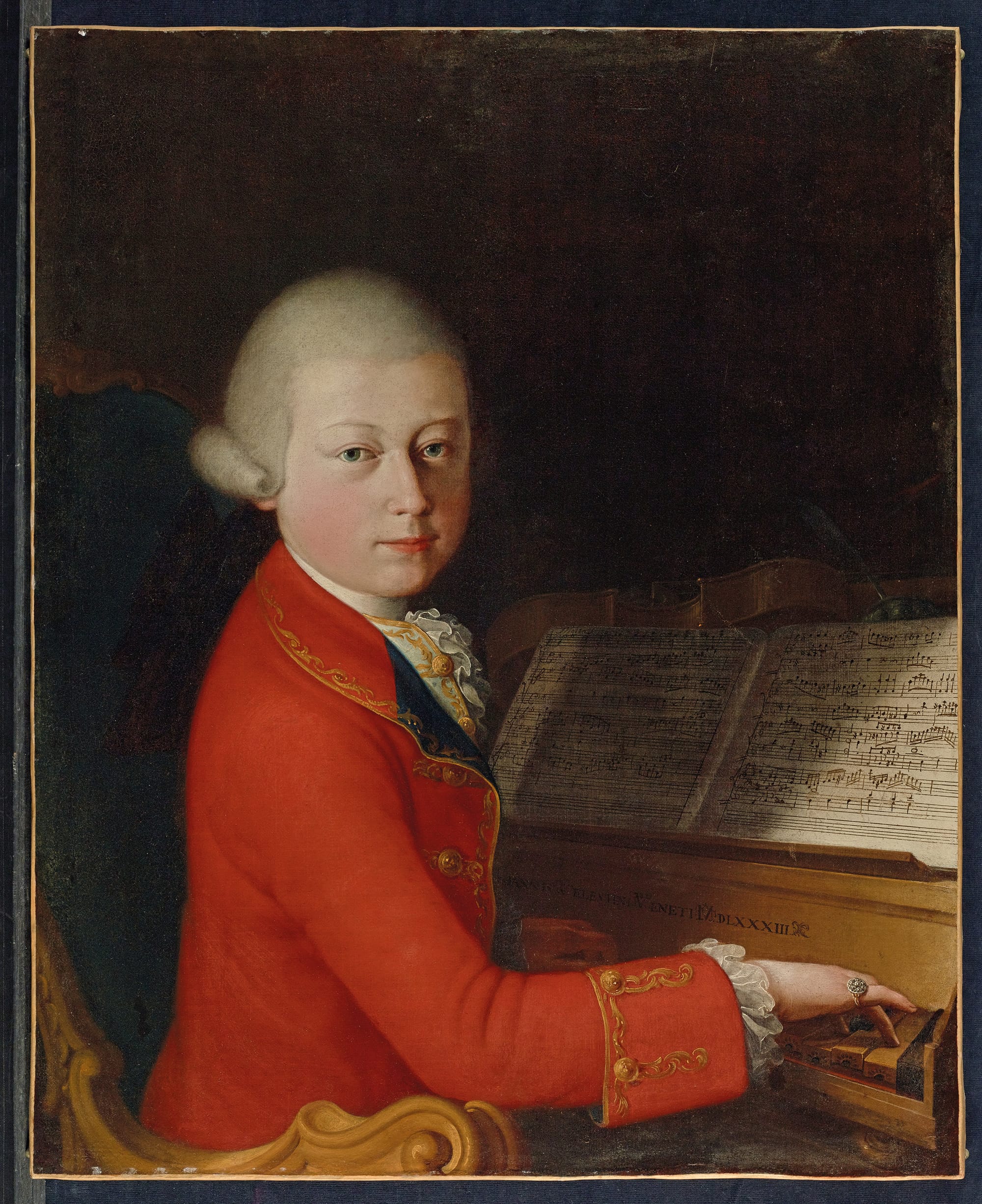
An exhibition at the Morgan Library & Museum, titled "Wolfgang Amadeus Mozart: Treasures from the Mozarteum Foundation of Salzburg," presents a curated journey through the composer's life and career. The show features well-preserved ephemera, including Mozart's childhood violin, original sketches for the opera "The Magic Flute," and personal letters that reveal his scatological humor, alongside portraits of his patrons.