filter_list Showing 8 results for "tate britain exhibition" close Clear
search
dashboard All 8 museum exhibitions 4rate_review review 3article culture 1
date_range Range Today This Week This Month All
Subscribe

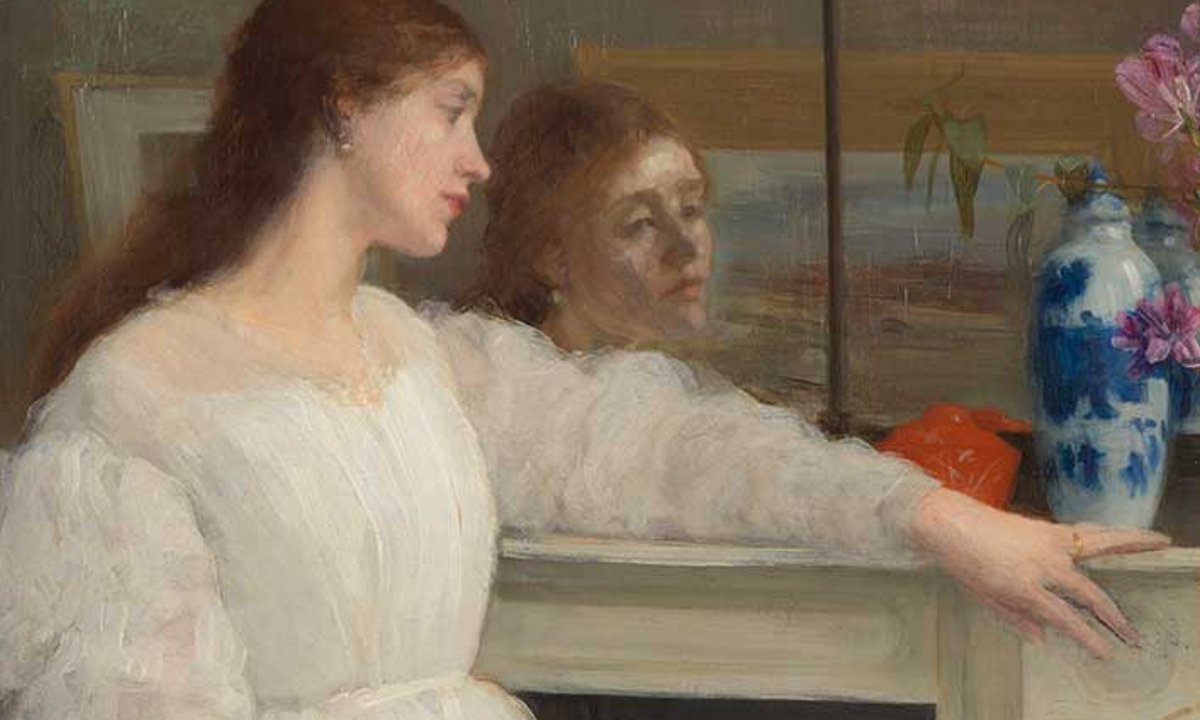
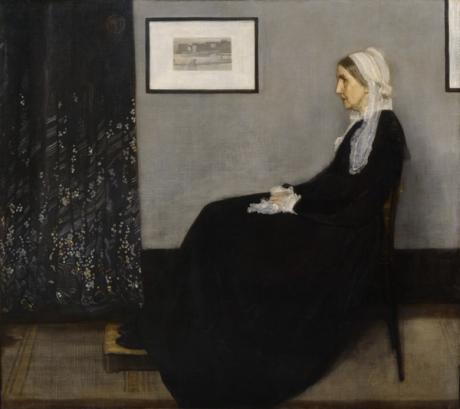
A tale of two Annas: Van Gogh’s favourite Whistler painting stars in Tate Britain show

Tate Britain will open a major exhibition titled *James McNeill Whistler* on 21 May, running through 27 September, before traveling to the Van Gogh Museum in Amsterdam (16 October–10 January 2027) under the subtitle *Dandy and Disrupter*. The show’s centerpiece is Whistler’s iconic *Arrangement in Grey and Black no. 1* (commonly known as *Portrait of the Painter's Mother*), on loan from the Musée d’Orsay in Paris and displayed in its original frame designed by the artist. The article explores Vincent van Gogh’s admiration for the painting—he wrote to his sister Wil in 1889 that it reminded him of their own mother—and traces the work’s connections to the Goupil gallery (later Boussod & Valadon), where both Vincent and his brother Theo worked.

‘America’s Mona Lisa’: how chance, genius and cheap paint made the masterpiece Whistler’s Mother

James Abbott McNeill Whistler's iconic painting of his mother, Anna, known as 'Whistler’s Mother' or 'Arrangement in Grey and Black No 1', is returning to London for the first time in nearly two generations as part of a Tate Britain exhibition. The article recounts how the portrait was painted in 1871 in Whistler's Chelsea studio during a low point in his career, using cheap paint and a used canvas after a young sitter canceled. The author, who restored the painting for the Musée d'Orsay, details the work's accidental genesis, Whistler's radical minimalist aesthetic, and the initial critical confusion it caused.

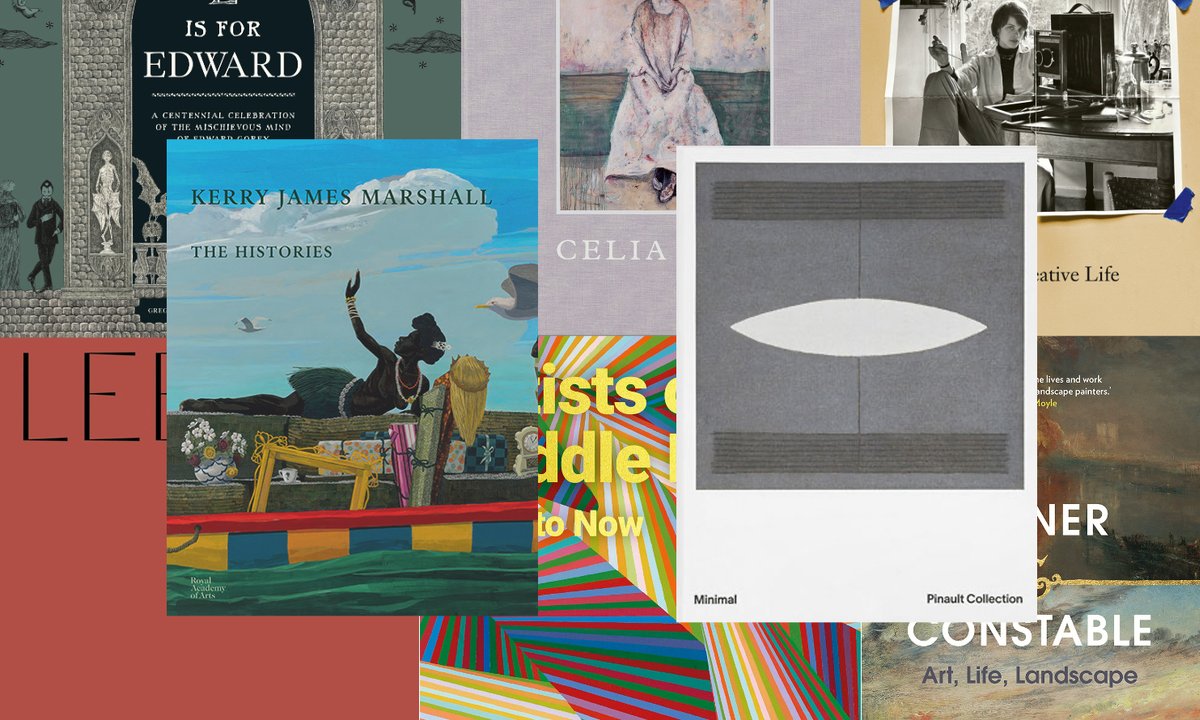
The best art books of 2025, as picked by The Art Newspaper’s editors

The Art Newspaper’s editors have selected their top art books of 2025, featuring a diverse range of titles. Highlights include "Kerry James Marshall: The Histories," a catalogue from the Royal Academy of Arts exhibition surveying the American artist’s large-scale history paintings centered on Black figures; "Minimal, edited by Jessica Morgan," which reassesses overlooked Minimalist artists; and "Lee Miller," the Tate Britain exhibition catalogue exploring the photographer’s multifaceted career. Other notable picks include monographs on Celia Paul, Shahzia Sikander, and Edward Gorey, as well as a comprehensive overview of Middle Eastern art from 1900 to now.

James McNeill Whistler was more than just a combative ‘coxcomb’

Carol Jacobi, curator of a new exhibition at Tate Britain in London, aims to reframe the legacy of James McNeill Whistler (1834-1903), an artist often reduced in public memory to his 1877 libel lawsuit against critic John Ruskin. The show, the UK's first full Whistler survey since 1994, highlights his prolific output, evolving style, and belief that art should seek "a more fundamental beauty" beyond mere impression. It brings together many of his celebrated nocturnes and, for the first time, his sketchbooks, though the infamous Nocturne in Black and Gold: The Falling Rocket (1875) could not be loaned.

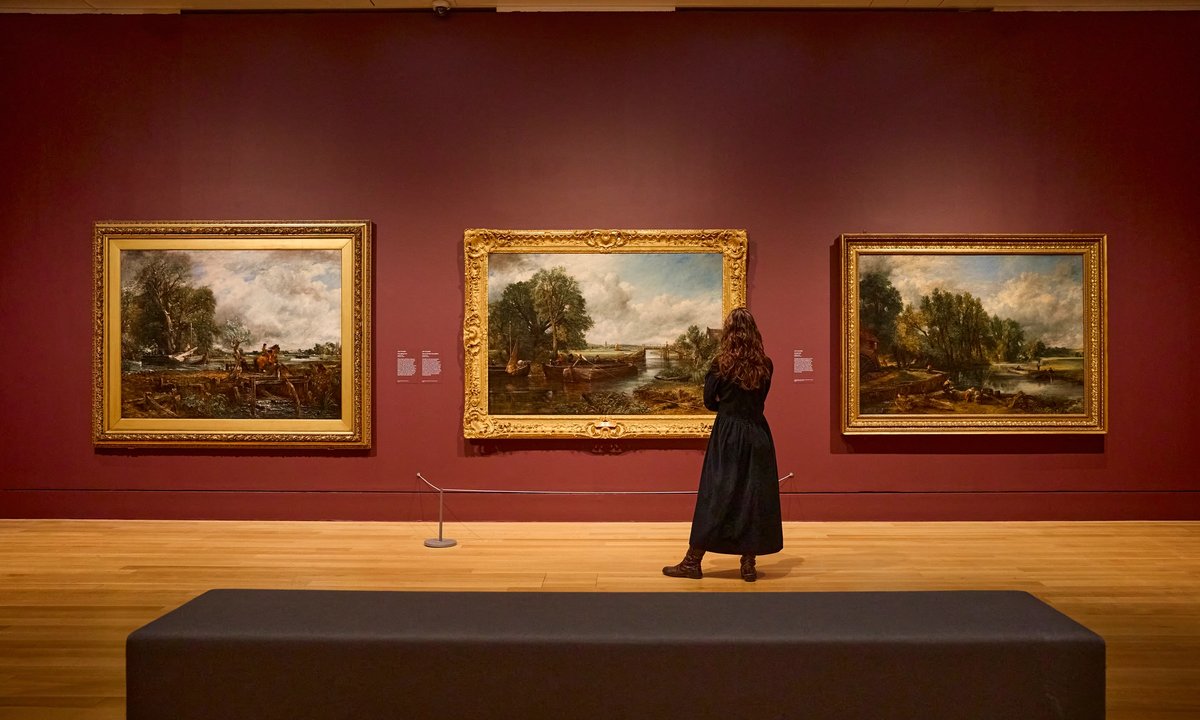
Comment | Tate Britain’s Turner and Constable show got me thinking about Marxist art history

The author recounts traveling from Scotland to London to see Tate Britain's exhibition "Turner and Constable: Rivals and Originals," despite costly and slow train travel. The article also covers the Old Master sales at Sotheby's, Christie's, and Bonhams, noting mixed results: a Flemish triptych sold for £5.7m, a Hans Eworth portrait set a record at £3.2m, and a Gerrit Dou fetched £3.8m, while a Panini capriccio lost value since 2005.

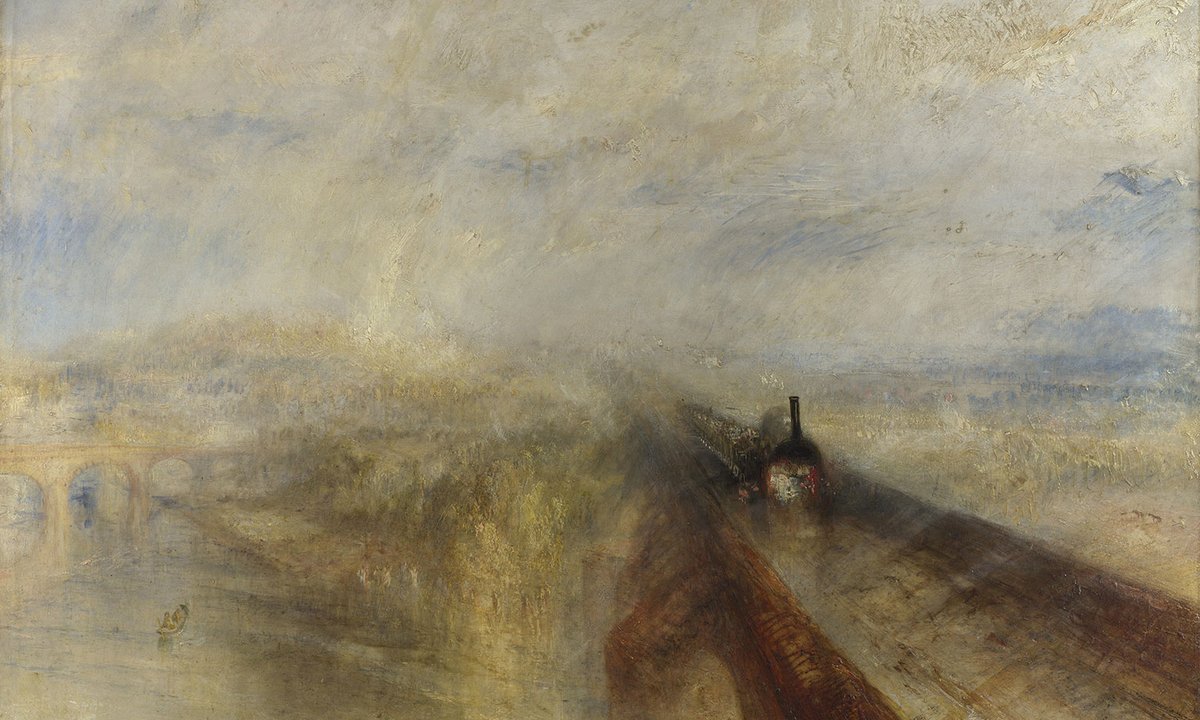
Turner vs Constable: is it time for art historians to choose?

Art historian and author James Hall, writing in The Art Newspaper, reviews Nicola Moorby's new book "Turner and Constable: Art, Life, Landscape" and uses it as a springboard to argue that art historians should not shy away from making value judgments about artists. He compares the legacies of J.M.W. Turner and John Constable, noting that Turner currently dominates popular and institutional esteem—appearing on banknotes, celebrated by Tate Britain as the greatest British artist, and fitting modern conceptions of the artist as a rebellious, eccentric genius. Hall contrasts this with Constable's more conservative image and declining presence in commercial culture.

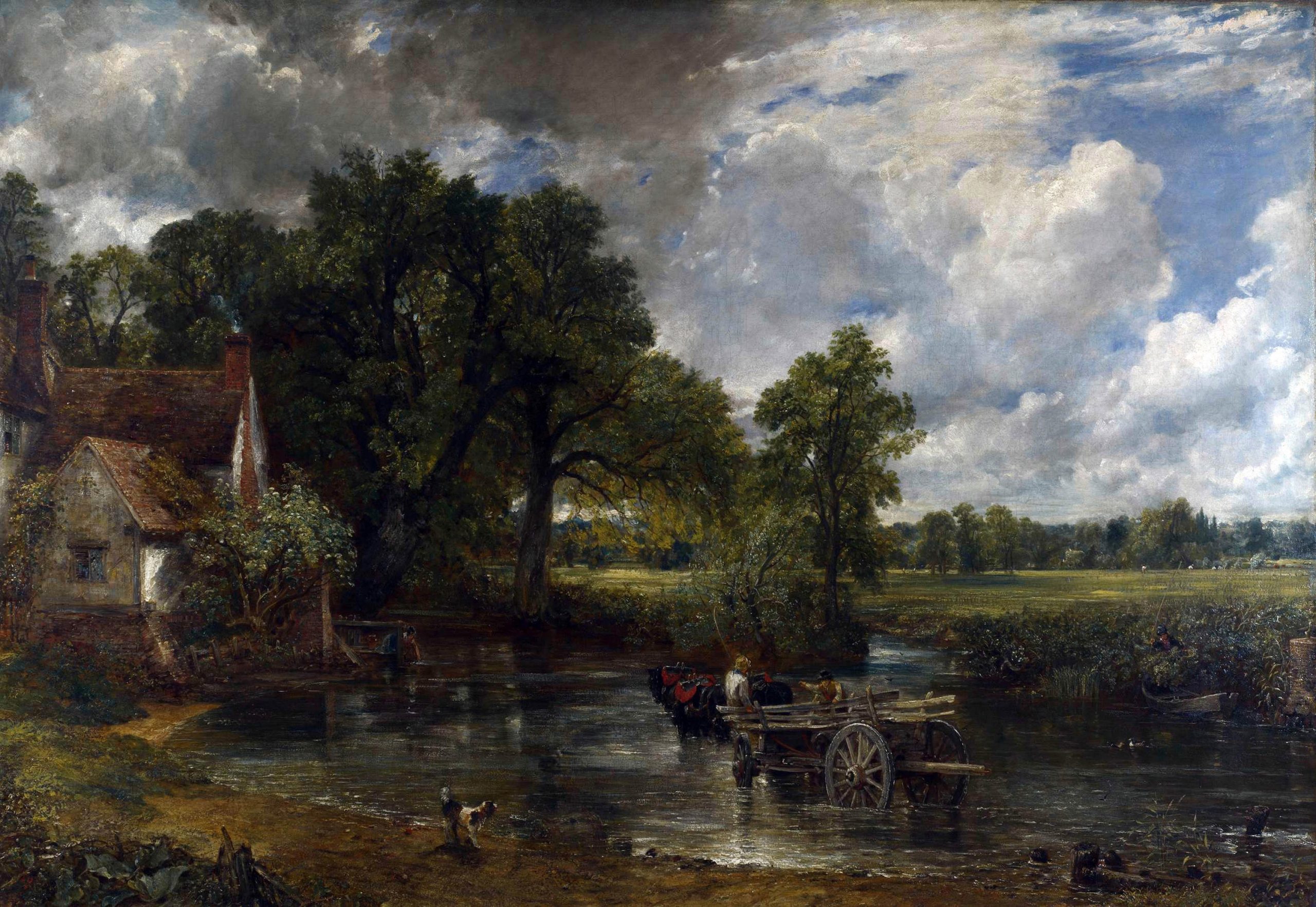
In John Constable’s Hometown, a Trio of Shows Marks His 250th Birthday

A series of three exhibitions in Suffolk, England, celebrates the 250th anniversary of John Constable's birth. The program, hosted at Christchurch Mansion in Ipswich, includes "Constable: A Cast of Characters," focusing on his personal life and circle; "The Hay Wain: Walking Constable's Landscape," featuring his iconic paintings including *The Hay Wain* displayed in its depicted county for the first time; and "Constable to Contemporary," examining his ongoing influence on modern artists.

A Drama of Two Masters

A new documentary film titled "Turner & Constable" attempts to dramatize the artistic rivalry between the two iconic British landscape painters, J.M.W. Turner and John Constable. The film is based on a recent exhibition of the same name at Tate Britain in London.