filter_list Showing 6 results for "trump administration" close Clear
search
dashboard All 6 article news 3museum exhibitions 2article policy 1
date_range Range Today This Week This Month All
Subscribe

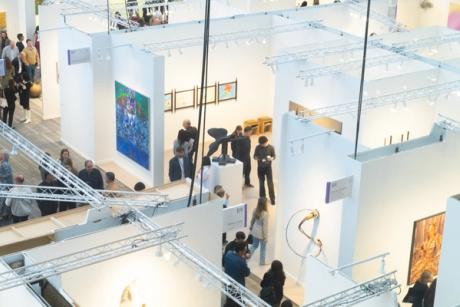
Latin American galleries dominate at Frieze New York

Frieze New York 2025 features a surge of 14 Latin American galleries from Mexico, Argentina, and Brazil, reversing a trend of withdrawal seen during the first 100 days of Donald Trump’s second presidency. Non-profit support from organizations like Latitude, which helped all eight Brazilian exhibitors, and a concerted effort by Frieze’s Americas team have enabled this increased presence, despite ongoing challenges such as high shipping costs, tariffs, and visa denials—exemplified by Mexican artist Dr Lakra being unable to attend his own show at Kurimanzutto.
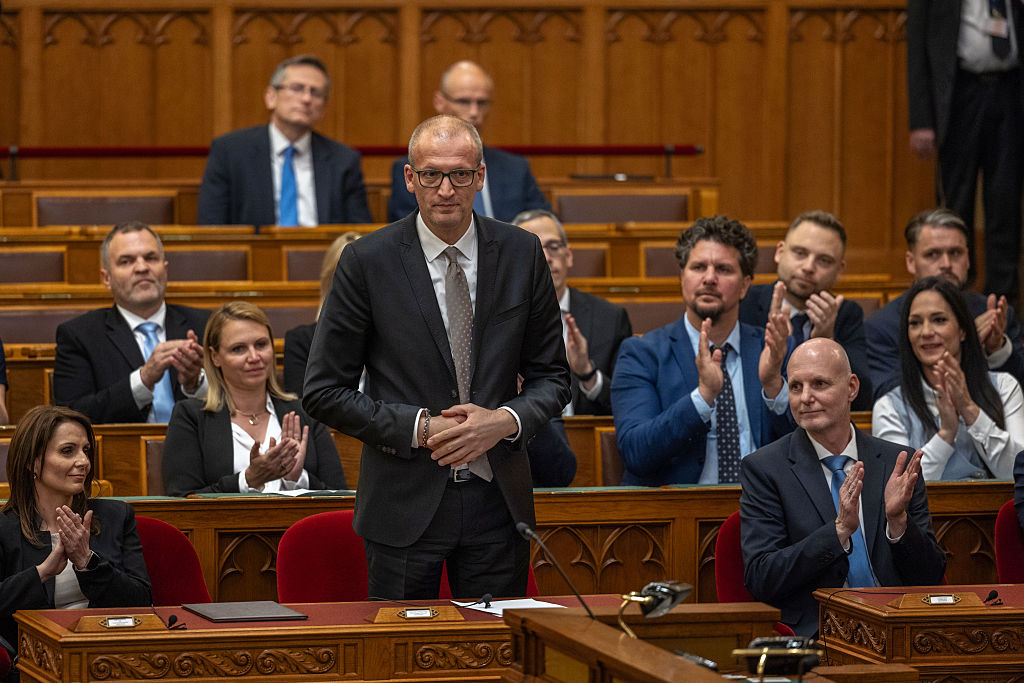
Hungary’s New Minister of Culture Vows to Restore Artistic Freedom, Turner’s Famous ‘Self-Portrait’ Called Into Doubt, and More: Morning Links for May 14, 2026

An expert claims that the iconic self-portrait of J.M.W. Turner, which hangs in Tate Britain and appears on British £20 notes, was not actually painted by Turner. James Hamilton, a Turner scholar, argues the work was misattributed when it entered the Turner Bequest and may instead be by Turner contemporary John Opie. Meanwhile, Hungary’s new Minister of Culture, Zoltán Tarr, vows to restore artistic freedom and dismantle political control over cultural institutions following the election of Prime Minister Peter Magyar. The Trump administration is proceeding with construction of a contested Triumphal Arch and a White House ballroom, and a former Louvre employee has been charged in a ticket fraud scandal.

Ralph Lemon: The Physical Traces of Racism

Ralph Lemon's exhibition at Paula Cooper Gallery presents 13 black-and-white photographs and three short videos focusing on sites in the Mississippi Delta connected to the 1955 lynching of Emmett Till. Rather than dramatizing the incident, Lemon records physical traces of the locations—such as Bryant's Grocery and Meat Market, the barn where Till was killed, the Tallahatchie River, and a funeral home—capturing dilapidated buildings and landscapes that suggest history slipping away. The show includes the titular video "From Out of Space" (2018–21), which offers closeups and drone footage of these sites, creating a meditative, detective-like examination of memory and erasure.

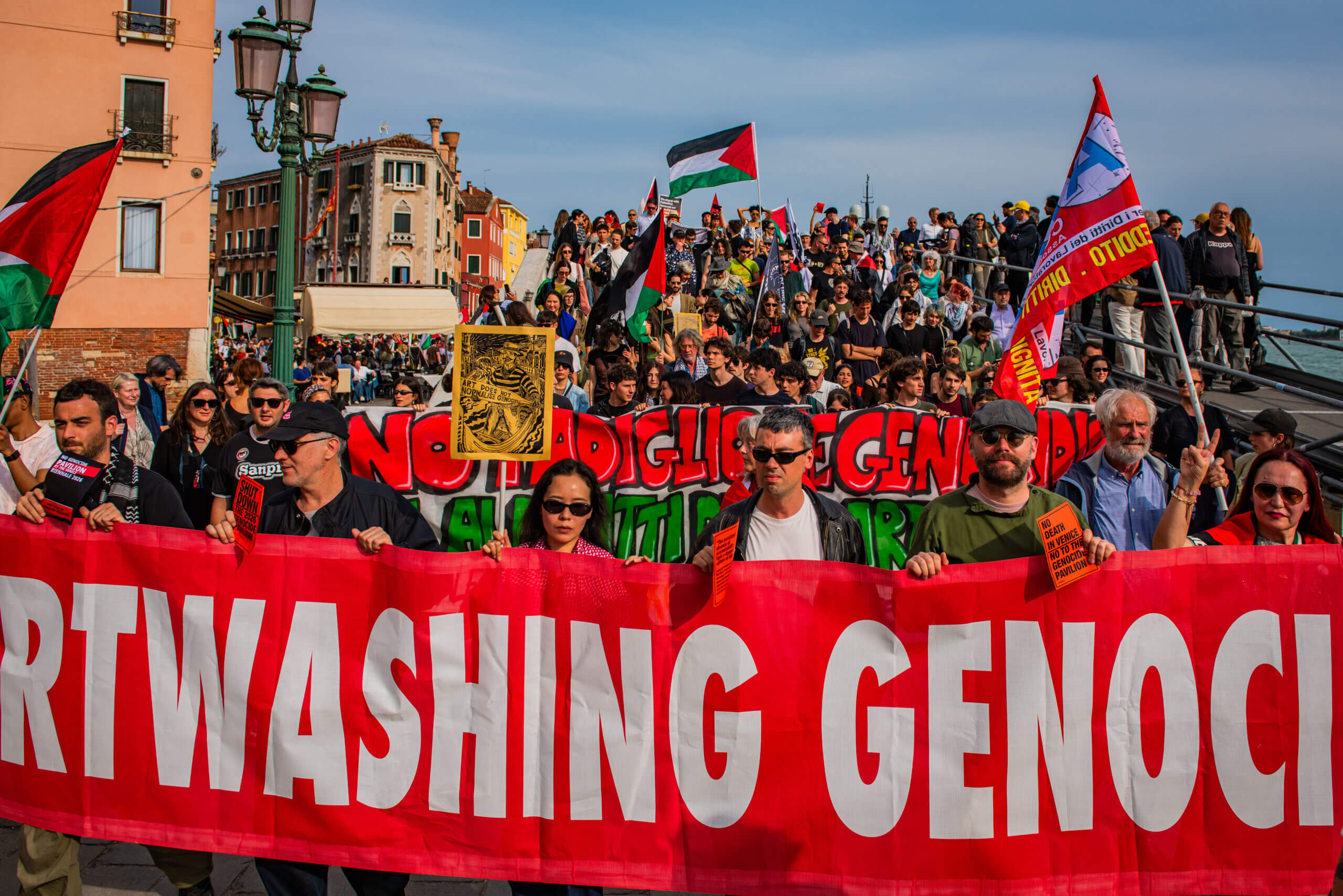
At the Venice Biennale, protests, self-mutilation and rage against Israel and Russia. Is anyone left to talk about the art?

At the 61st Venice Biennale, protests and controversies have overshadowed the art itself. The Art Not Genocide Alliance (ANGA) demonstrated against the inclusion of Israel and Russia, while the Israeli Pavilion became a flashpoint. Artist Belu-Simion Fainaru, presenting his installation "Rose of Nothingness" in a temporary space, complained that he was forced to defend his art's right to exist amid questions about politics rather than his work. The Biennale also saw barricades, strikes, the resignation of the Golden Lion jury, Iran's last-minute withdrawal, and anger directed at the American pavilion over Trump administration policies. The central exhibition, "In Minor Keys," curated by the late Koyo Kouoh, was eclipsed by these events.

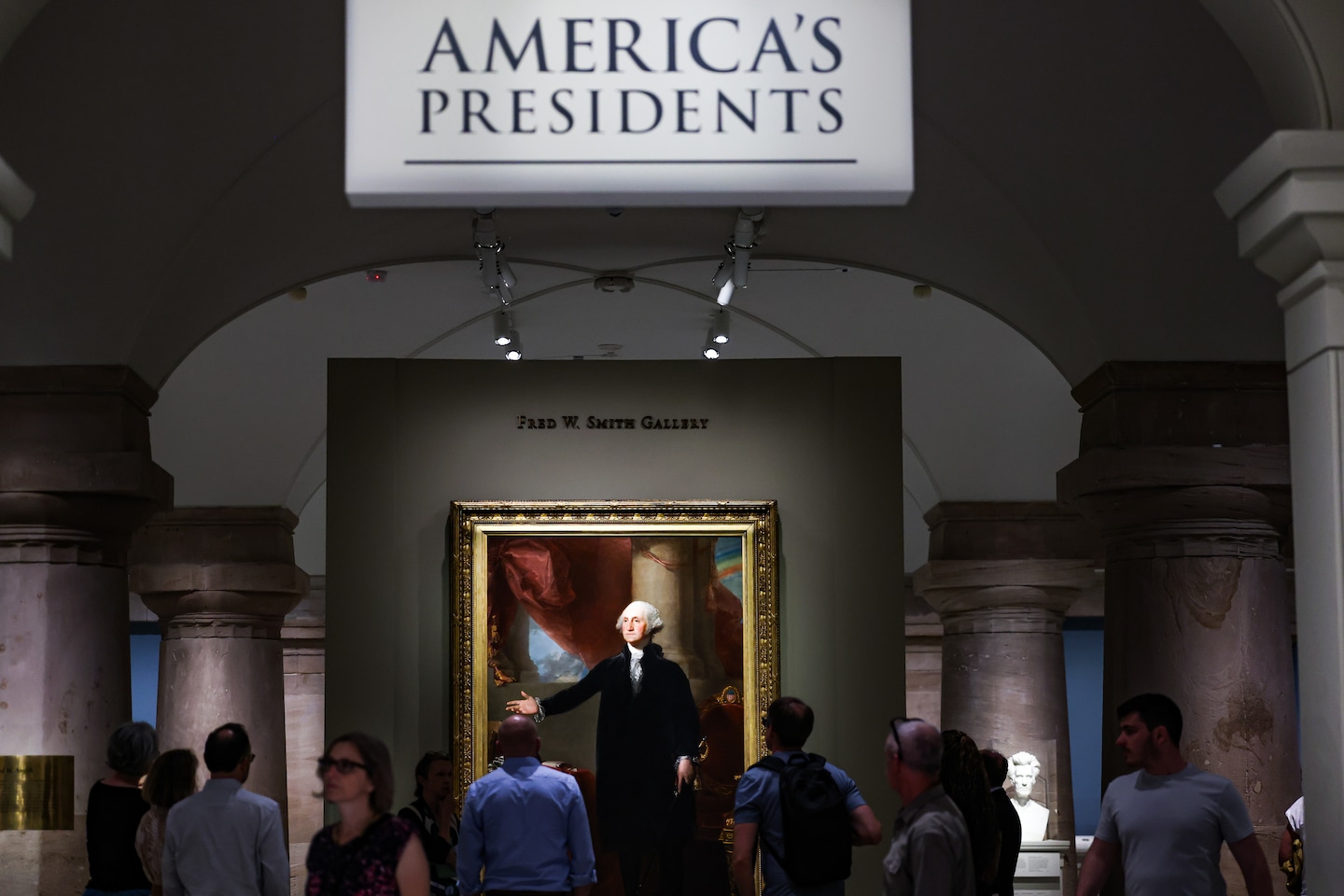
Column | The Smithsonian’s most contested exhibition is back on view, mostly intact

Columnist Philip Kennicott reports that the Smithsonian's most contested exhibition has returned to public view, largely intact, despite ongoing culture war attacks from the Trump administration. Since Donald Trump returned to office in January 2025, the Smithsonian has been a primary target for the administration's campaign against diversity and inclusion initiatives, as well as historical narratives that address slavery, Native American genocide, and the struggles of marginalized communities.

61st Venice Biennale: Cultural workers and artists strike and protest against the Israeli genocide in Gaza

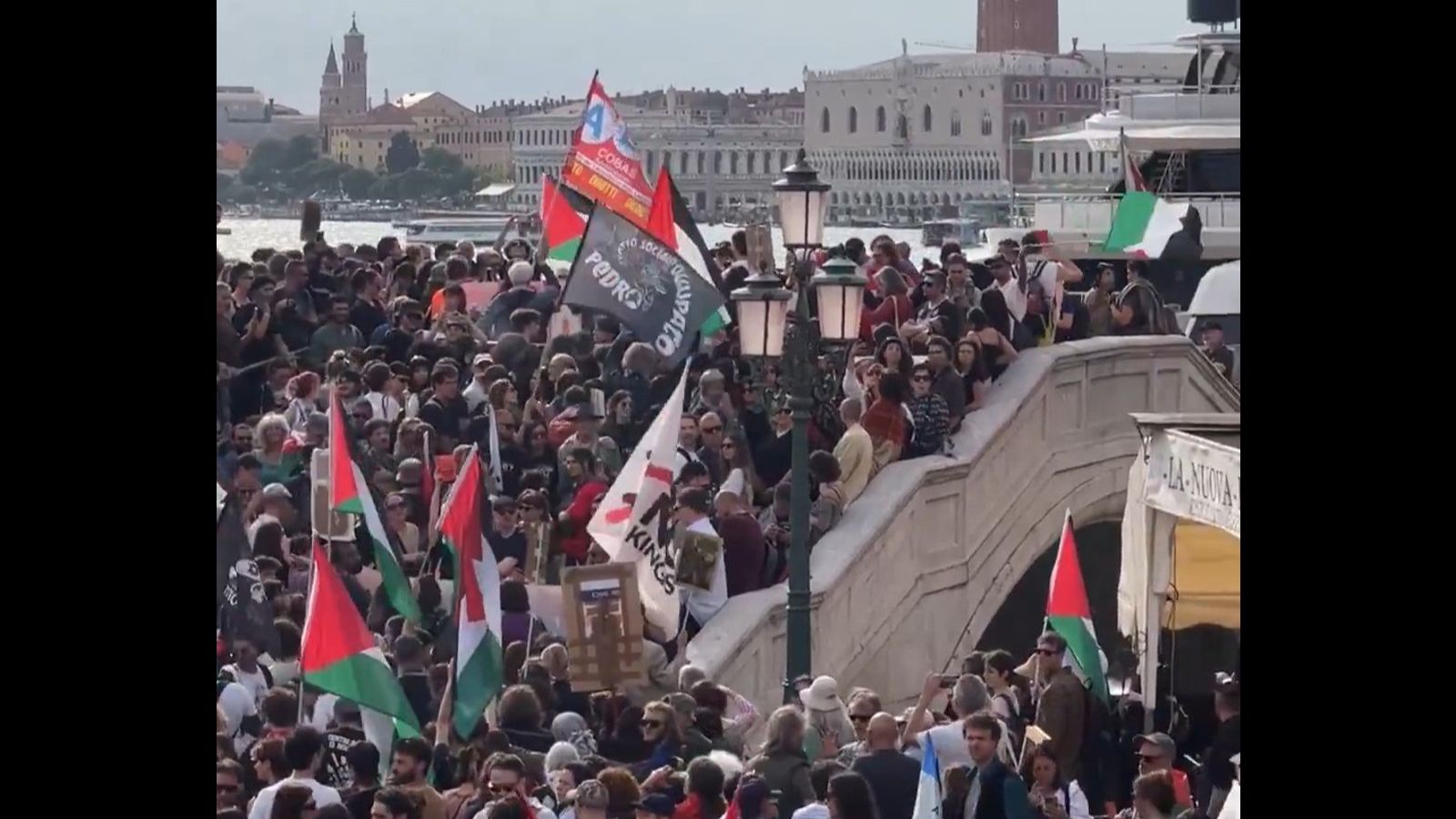
Thousands of artists, cultural workers, and protesters marched through Venice on May 8, 2026, one day before the opening of the 61st Venice Biennale, to protest the Israeli genocide in Gaza and Lebanon. The strike, organized by the Art Not Genocide Alliance (ANGA), led to the closure of approximately 27 of the Biennale's 100 national pavilions, with signs reading "We Stand with Palestine." The Israeli pavilion remained closed and guarded by armed police, who clashed with protesters. Meanwhile, the European Commission threatened to suspend €2 million in EU grants to the Biennale Foundation over its decision to allow Russia to participate, citing incompatibility with EU sanctions and the invasion of Ukraine.