filter_list Showing 12 results for "world war ii" close Clear
dashboard All 12 gavel restitution 7museum exhibitions 4article local 1
date_range Range Today This Week This Month All
Subscribe

France Passes Landmark Restitution Law for Looted Art

France has passed a landmark restitution law for looted art, marking a significant shift in the country's approach to addressing Nazi-era confiscations and colonial-era acquisitions. The legislation establishes a legal framework for returning artworks and cultural objects to their rightful owners or heirs, streamlining a process that previously required case-by-case parliamentary approval. This law is expected to accelerate the return of thousands of items held in French museums and public collections.
Tiny Cranach Painting That Vanished During WWII Returns to Dresden

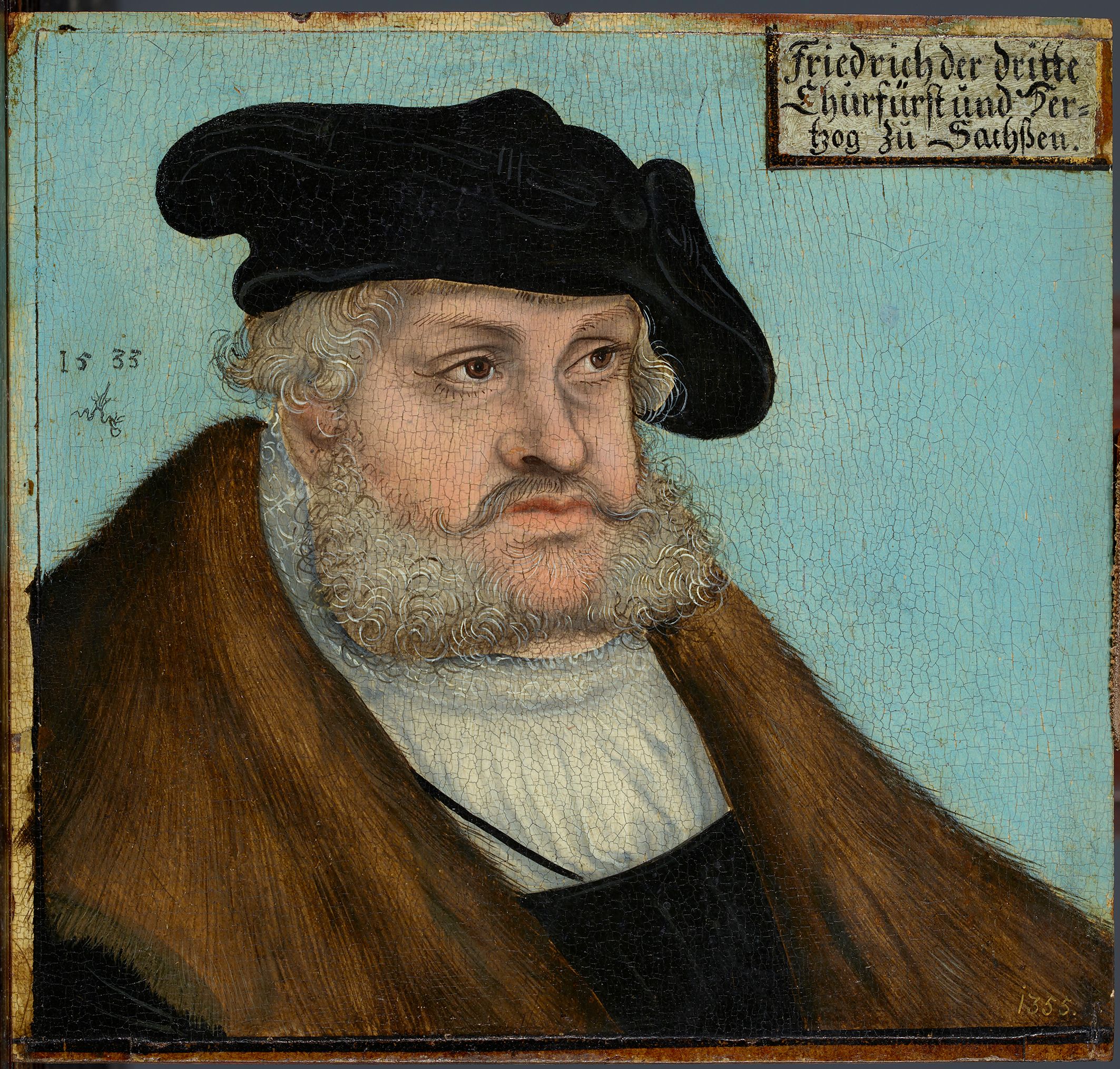
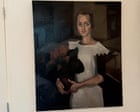
A miniature portrait of Friedrich III (Frederick the Wise) by Lucas Cranach the Elder, missing since World War II, has been returned to the State Art Collections of Dresden, Germany. The painting was last documented in May 1945 in a limestone quarry shelter near Pockau-Lengefeld before vanishing. It resurfaced in 2024 when consigned to Parisian auction house Artcurial, whose provenance investigation revealed a matching inventory number from 1722–1728. The Dreyfus family in France, the modern owners, returned the work after negotiations and a financial agreement. It is now on view at the Coin Cabinet of the Royal Palace in a special exhibition marking the 500th anniversary of Friedrich III's death, and will later be permanently displayed in the Semper Gallery.

The Netherlands is confronting its history of Nazi occupation – but many stolen objects remain unreturned

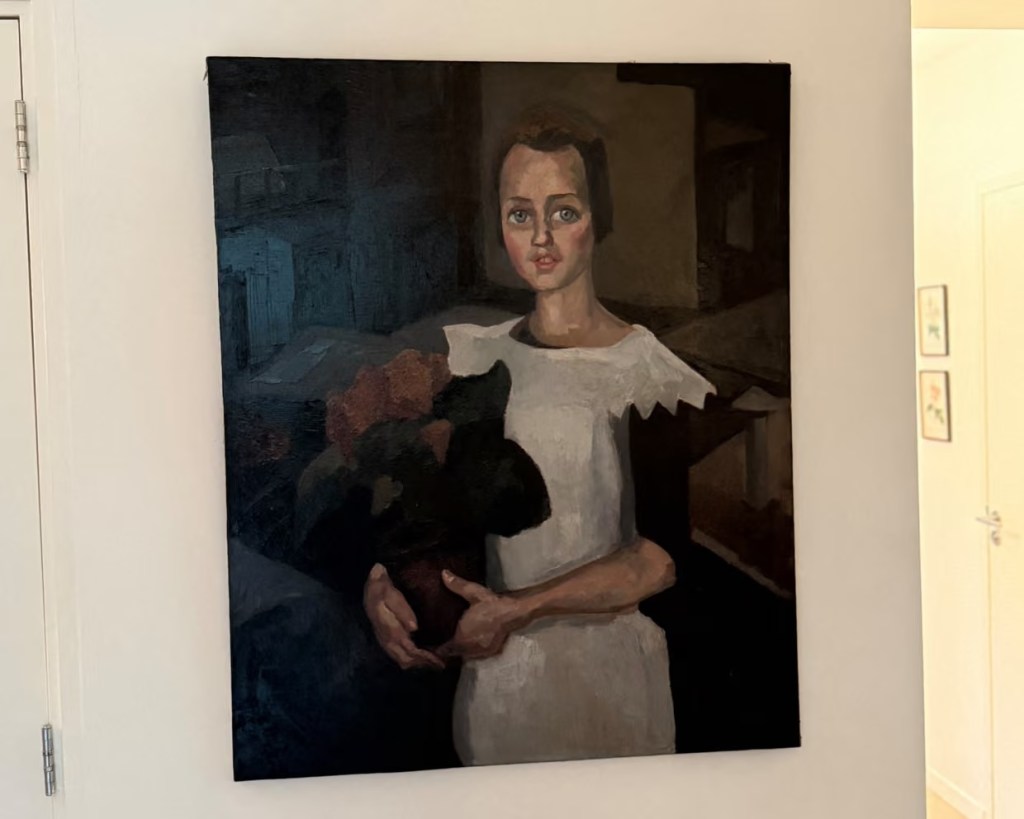
Arthur Brand, a Dutch art detective, was contacted by a man who discovered that his family descended from Hendrik Seyffardt, a high-ranking Nazi collaborator, and that a painting looted from Jewish art dealer Jacques Goudstikker remained in their possession. The painting, Toon Kelder's *Portrait of a Young Girl*, had hung in a relative's home near Utrecht for years. The family, who changed their name after WWII, handed the painting to Brand after the story broke in Dutch media, expressing shame and outrage over the silence surrounding their history.

A Lucas Cranach the Elder Masterpiece Once Hung in Hitler’s Munich Apartment

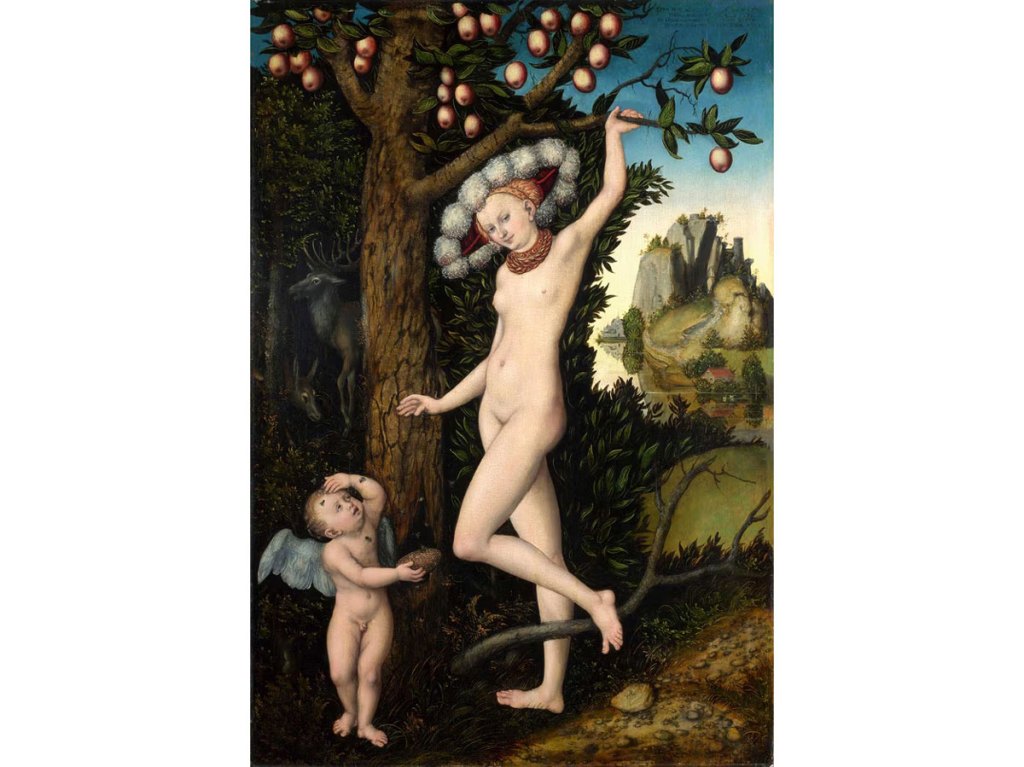
A Lucas Cranach the Elder painting, *Cupid complaining to Venus* (1526–27), once hung in Adolf Hitler's Munich apartment, according to a report by the Art Newspaper. The work was identified in a 1940s photograph published in a 1978 furniture catalog and later in a 2023 article by art historian Birgit Schwarz, who confirmed Hitler's ownership via a 2006 discovery of an album at the Library of Congress. After World War II, American journalist Patricia Lochridge took the painting from a warehouse in Berchtesgaden and smuggled it to the US. The National Gallery in London acquired it in 1963 from A. Silberman Galleries, which falsely claimed it came from the 1909 auction buyer's heir; it had actually been purchased from Lochridge.

Phillips Collection’s new ‘Miró and the United States’ exhibit focuses on transatlantic cultural exchange rather than conflict

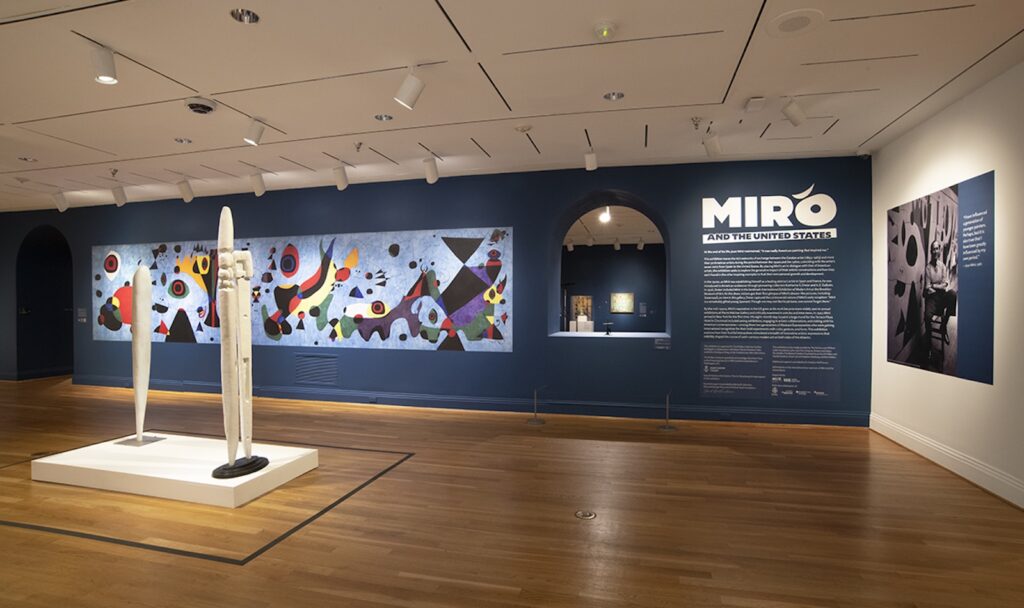
The Phillips Collection in Washington, D.C., has opened a new exhibition titled 'Miró and the United States,' curated by Elsa Smithgall. The show features 75 works by Joan Miró alongside pieces by more than 30 other artists, including Alexander Calder, Rufino Tamayo, and Arshile Gorky. Rather than framing the relationship as a cultural clash between European modernism and American art, the exhibition emphasizes transatlantic artistic exchange during the mid-20th century, particularly in the shadow of World War II and the Spanish Civil War. Key works include Miró's 'Constellations' series and 'Still Life with Old Shoe' (1937), which are presented in dialogue with American contemporaries who responded to his visual language.

In This Nazi-Era Restitution Dispute, the Focus Turns to a Missing Cow

A family is seeking restitution of a painting they believe is a lost Rubens work, looted by Nazis during World War II. However, an expert has cast doubt on the claim, arguing the painting is a copy because it lacks a distinctive detail found in the original: a urinating cow. The dispute has shifted focus to this missing element, complicating the family's efforts to recover the artwork.

‘Your homes will be destroyed, your family killed’: the US has dropped millions of war propaganda leaflets – but do they work?

The United States military has been dropping propaganda leaflets in psychological operations (psyops) for over a century, from World War I through the Gulf War and the wars in Iraq and Afghanistan. A new interactive exhibit at Pioneer Works in Brooklyn, organized by the digital archive group Khajistan, displays hundreds of these leaflets, including those dropped on Japan during World War II and in more recent conflicts. However, declassified internal documents, such as a 1971 US Air Force report, reveal that leaflets were often used as toilet paper, cigarette rolling paper, or souvenirs by enemy soldiers, undermining the official narrative of their effectiveness.

There's still a time to catch Matisse's "Jazz" at the Art Institute of Chicago

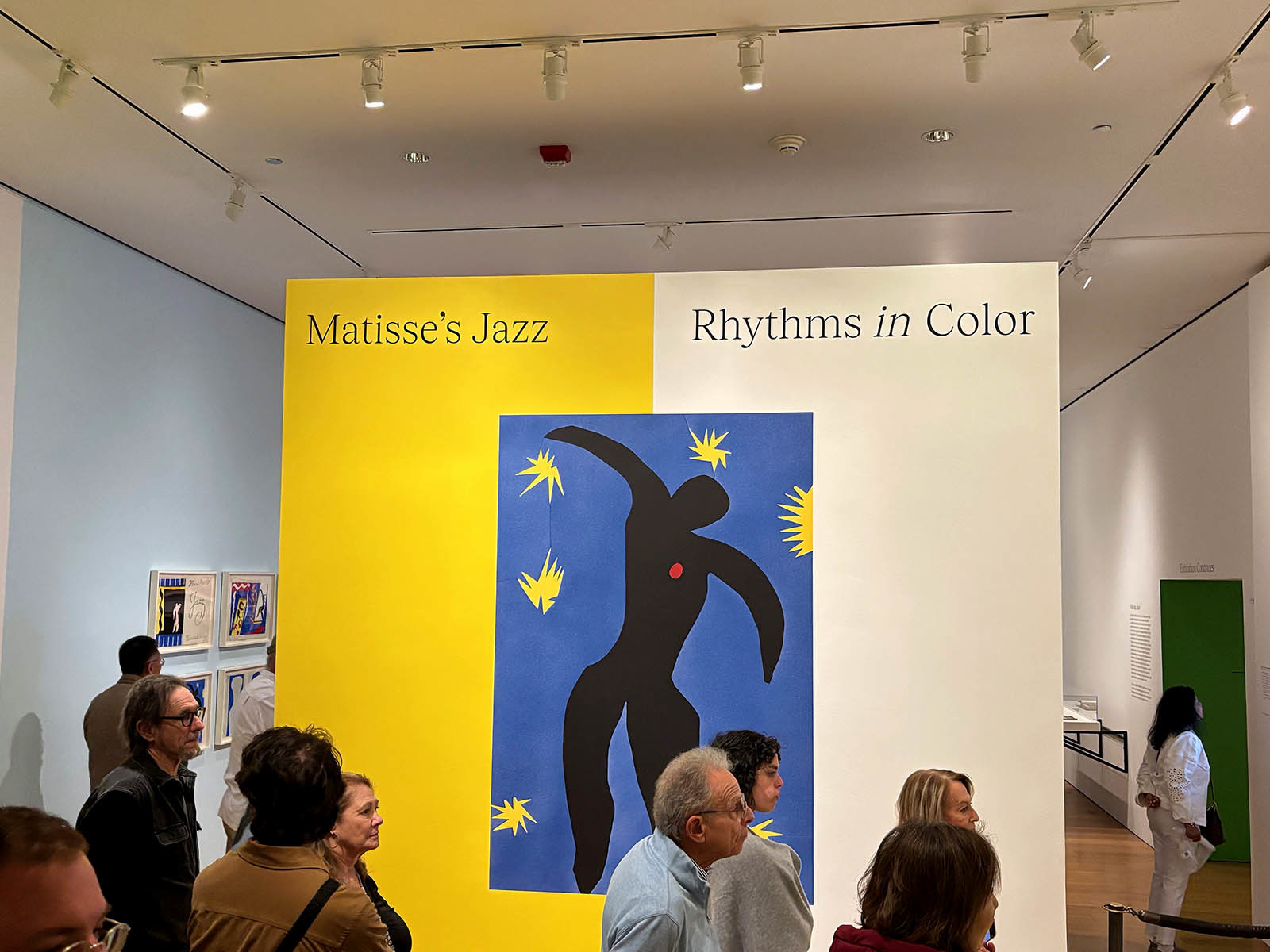
The Art Institute of Chicago is currently hosting "Matisse's Jazz: Rhythms in Color," an exhibition centered on Henri Matisse's 1947 artist's book "Jazz." The show, on view until June 1, features the iconic cut-paper works Matisse created after a 1941 surgery left him unable to paint. Visitors enter directly into the "Jazz" gallery before backtracking through earlier works, offering a chronological journey that culminates in the cut-paper technique. Wait times can exceed 90 minutes, but the museum recommends joining a virtual queue and exploring other galleries in the meantime.

Nazi-Looted Portrait Surfaces in Home of Descendants of Dutch SS Leader

A Nazi-looted painting, *Portrait of a Young Girl* by Dutch artist Toon Kelder, has been discovered in the home of descendants of Hendrik Seyffardt, a Dutch SS collaborator who aided the Nazis during World War II. The work, stolen from the renowned Goudstikker collection, was allegedly displayed for decades by Seyffardt's family. An anonymous descendant contacted art detective Arthur Brand after learning of his family's past and seeing the painting in the hallway of Seyffardt's granddaughter. The family member told Dutch newspaper *De Telegraaf* that he feels "deep shame" and insists the painting must be returned to the Jewish rightful heirs.

Who Owns These Artworks? Musée d’Orsay Hopes Visitors Can Help Find Out.

The Musée d’Orsay in Paris has opened a new room in its permanent display featuring 13 artworks recovered from Germany and Austria after World War II, whose provenance remains unknown. The museum is inviting visitors to help identify the original owners of these pieces, which were looted or displaced during the war and later restituted to France.

In SF, a gallery transformed into an immense, red web of memory

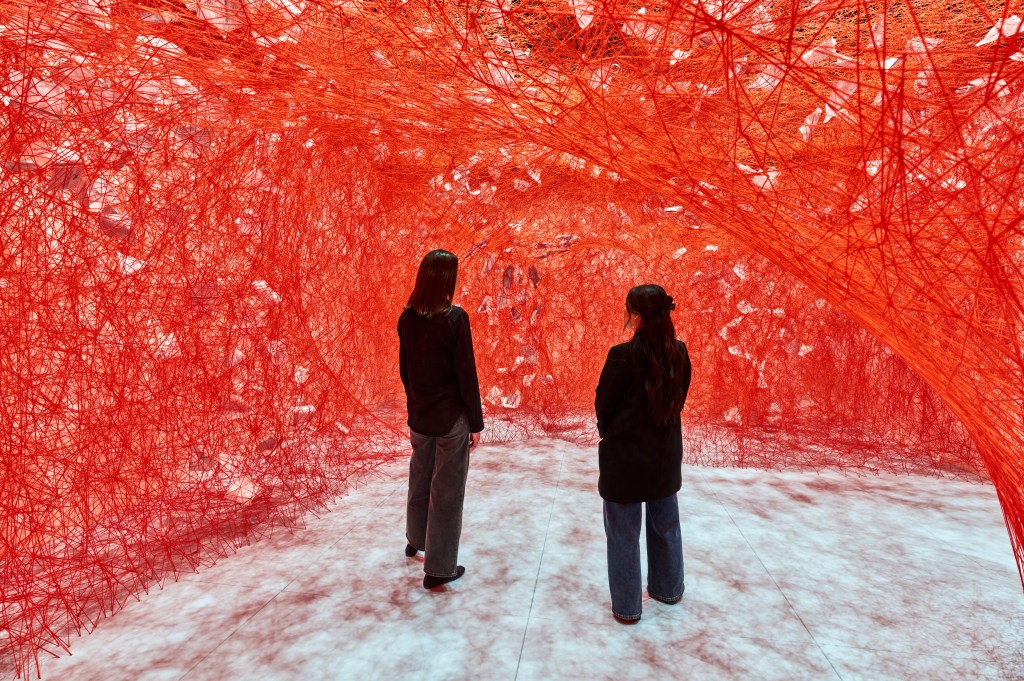
The Asian Art Museum in San Francisco has opened "Chiharu Shiota: Two Home Countries," the first solo museum exhibition in the Bay Area for the Berlin-based Japanese artist. The centerpiece is "Diary," an 88-foot-long network of blood-red yarn that incorporates pages from diaries of Japanese soldiers and German citizens from World War II, creating an immersive web of memory. The exhibition also includes a crimson dress unraveling into cords, set designs for a theatrical psycho-drama, performance videos, and paper works reflecting on the artist's experience as a cancer survivor.

The Museum of the Surrender of Reims Reopens After a Year of Renovations

Le Musée de la Reddition de Reims rouvre ses portes après un an de travaux

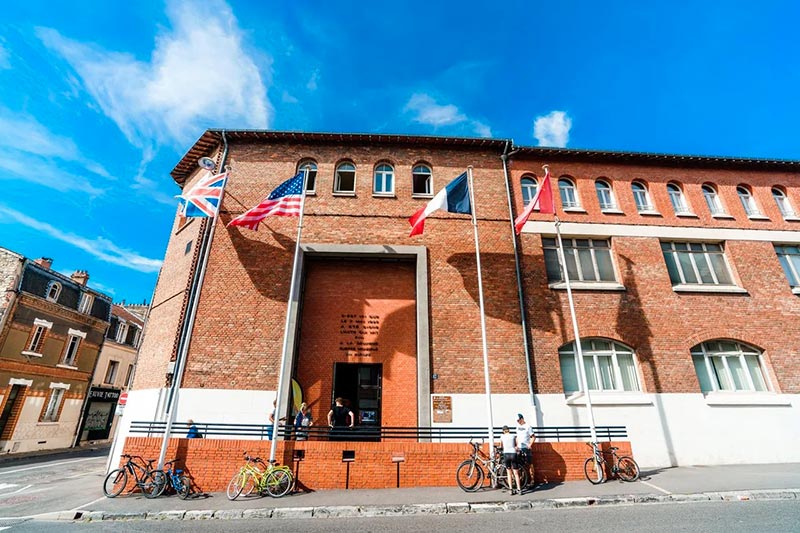
The Musée de la Reddition de Reims (Museum of the Surrender of Reims) reopened on May 7, the 81st anniversary of the German surrender signed in its map room, after a year-long closure. The renovation, costing approximately €2 million, focused on conservation: protective glazing, improved ventilation and lighting, and anoxic treatment of collections to halt degradation of original maps, documents, and war room objects. The museum also overhauled its scenography, designed by Belgian agency Kascen, to present a clearer chronological narrative covering the occupation, Allied presence in Reims, liberation, postwar reconstruction, and reconciliation, rather than just the surrender itself. The museum now displays 17 uniforms, 130 objects and weapons, and 65 archival documents, including the act of capitulation and General McAuliffe's jacket.