
filter_list Showing 3 results for "zurbarán" close Clear
search
dashboard All 3 rate_review review 2article news 1
date_range Range Today This Week This Month All
Subscribe

WTF Is an “A-Corp”?

Hyperallergic's daily newsletter announces that Noah Fischer's comic "Prospect Heights Ghost Story" won a 2026 New York Press Club Award, thanks to collaboration with the Economic Hardship Project (EHRP). The edition also covers anti-Trump guerrilla protest art in Washington, D.C., including an arcade game titled "Operation Epic Furious: Strait to Hell" that satirizes the White House's foreign policy. Other stories include Ridgewood, Queens emerging as a new art hotspot, a feature on Francisco de Zurbarán's religious paintings, and Paddy Johnson's guide to what an "Artist Corporation" (A-Corp) is and whether artists should start one. The newsletter also reports that the Belgian Pavilion at the Venice Biennale closed on May 8 as part of cultural workers' strike for Palestine, and that nearly half of the artists in the international exhibition plus 22 national pavilions withdrew from awards consideration in solidarity with the jury's resignation.
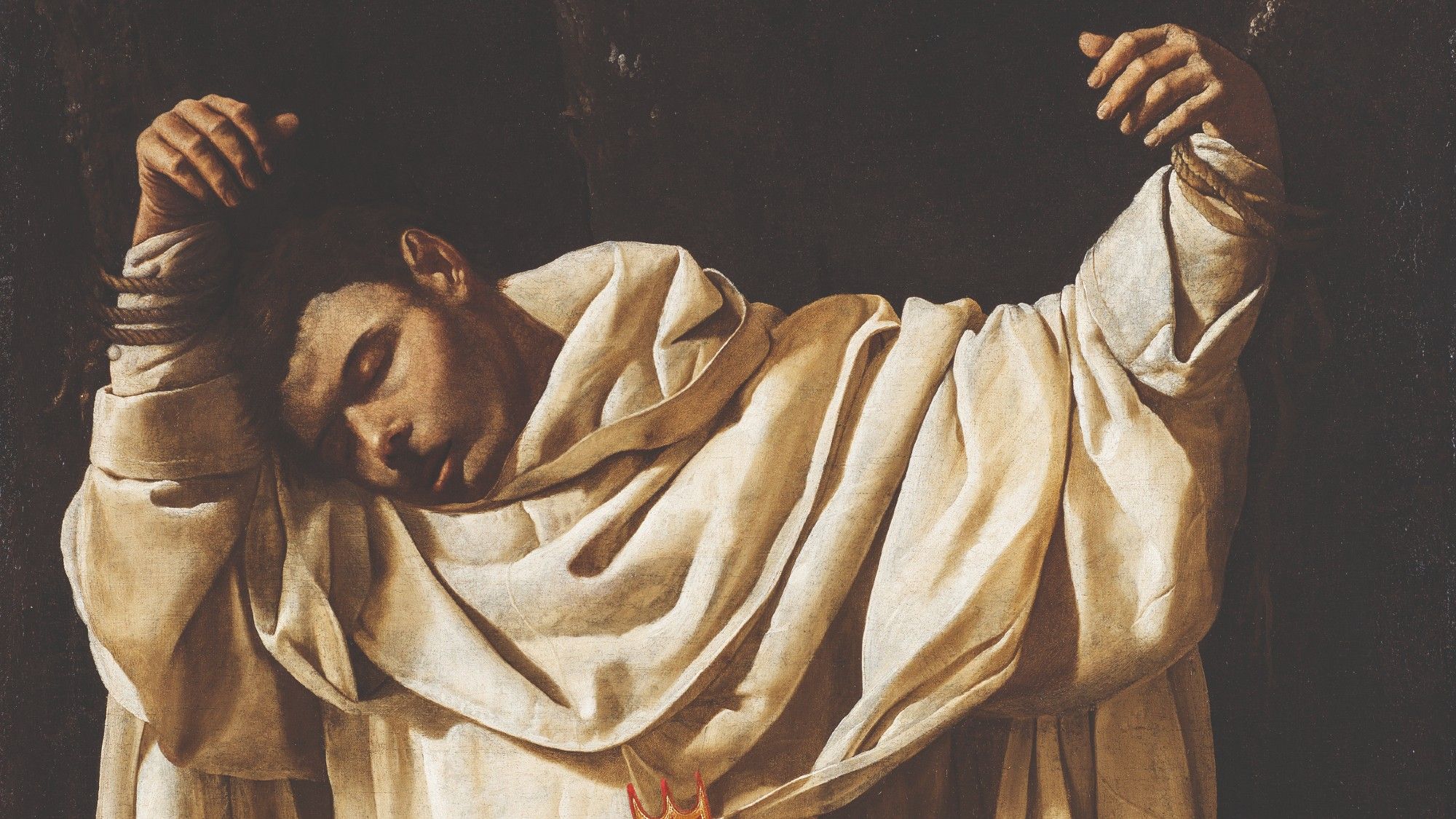
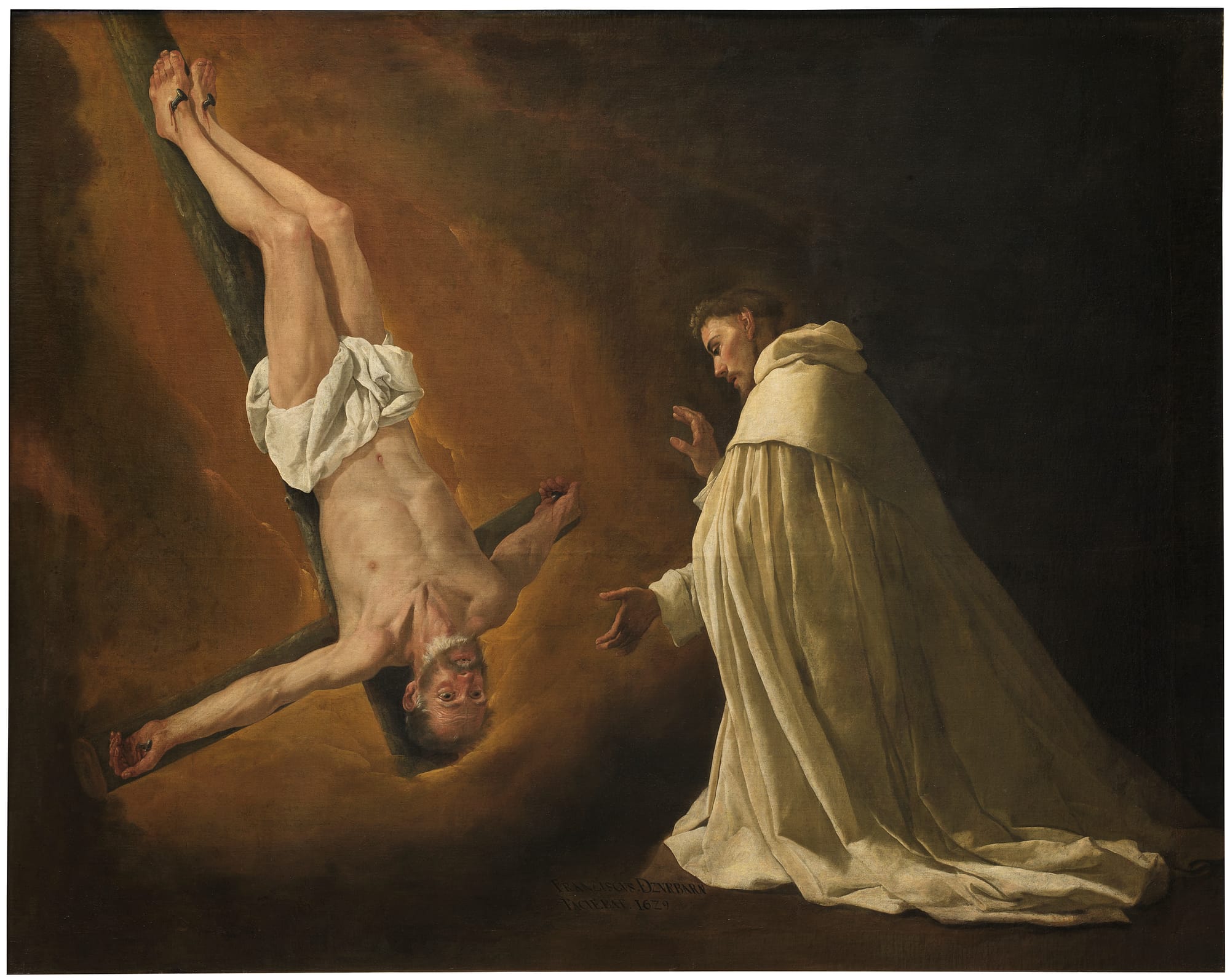
Zurbarán: a ‘magnificently choreographed’ showing of the Spanish ‘genius’

The article reviews the first-ever British exhibition dedicated to Spanish Baroque painter Francisco de Zurbarán, held at the National Gallery in London. The show brings together 40 works from collections spanning Seville to San Diego, featuring his hyper-real religious paintings and radiant still lifes, described as a 'magnificently choreographed' trawl through his oeuvre. Critics praise the exhibition for its dramatic lighting and revelatory presentation, though some note uneven quality in his later works.

Did Zurbarán Believe What He Painted?

An exhibition of Francisco de Zurbarán's 17th-century religious paintings at London's National Gallery prompts a critic to question whether the artist's personal faith influenced his artistic skill. The show features monumental works from Spanish churches and monasteries, displayed dramatically against black walls, including crucifixion scenes, monks, and saints. The critic notes that no personal records of Zurbarán survive—only contracts—leaving his beliefs unknown, and compares him to Agnolo Bronzino, who painted pious scenes but wrote obscene verses. A small painting of a crucified Christ with a painter, possibly a self-portrait of Bronzino, is presented as ambiguous evidence of faith.