
EN CONTRA DE “SEX AND THE CITY”: FÉLIX GONZÁLEZ-TORRES, BORIS TORRES, CARLOS MOTTA Y RAÚL DE NIEVES FRENTE AL MITO DE NUEVA YORK
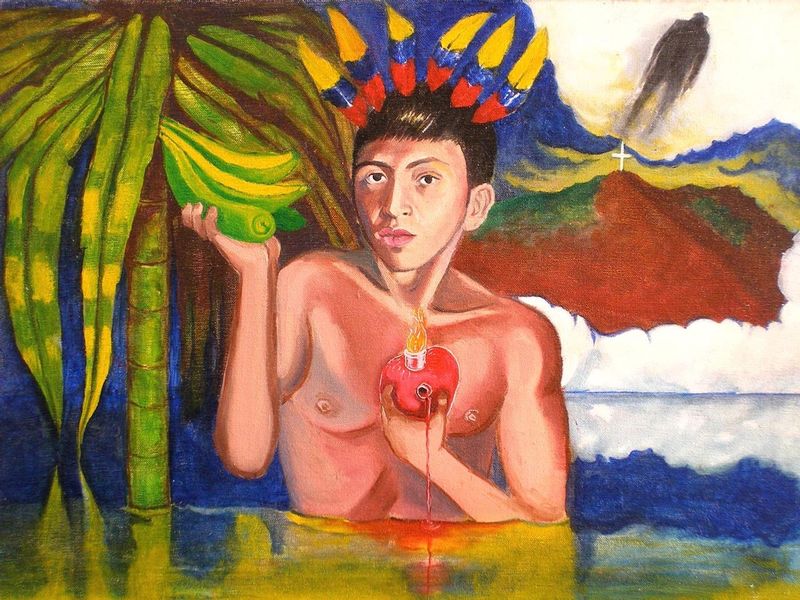
This essay examines how four queer Latin American artists—Félix González-Torres, Boris Torres, Carlos Motta, and Raúl de Nieves—experienced New York City as a complex, ambivalent space, contrasting their realities with the glamorous, aspirational myth popularized by the TV series *Sex and the City*. For these migrants, New York was neither a promised land nor merely a site of exploitation; it was a place where desires suppressed in their home countries could find expression, yet also a terrain of constant negotiation with identity, precarity, exclusion, and belonging. The article traces how each artist navigated the city's social, economic, and political tensions while producing work that kept Latin America present as memory, materiality, and conflict.
The essay matters because it challenges dominant narratives about New York as a universal dream destination, foregrounding the perspectives of queer and racialized migrants who have shaped the city's cultural landscape. By analyzing the works and trajectories of González-Torres, Torres, Motta, and De Nieves, it reveals a queer Latinx genealogy that transforms New York even as it is absorbed by its institutions, raising uncomfortable questions about belonging, appropriation, and mutual dependence. This reframing offers a critical counterpoint to mainstream pop-culture imagery and underscores the ongoing relevance of migration, identity, and power in contemporary art discourse.