
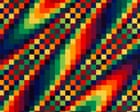
Julio Le Parc's retrospective at Tate Modern immerses visitors in the playful, politically charged atmosphere of 1960s Paris. The exhibition features interactive works from Le Parc and his collective GRAV (Groupe de Recherche d'Art Visuel), including spinning discs, mirrored screens, and button-activated kinetic sculptures that invite physical engagement. Le Parc, who died in May 2025 at age 97, sought to subvert the silence and deadness of traditional museums by filling them with noise, action, and democratic play.
This review matters because it highlights Le Parc's paradoxical legacy as both a radical prankster and a creator of transcendent beauty, bridging Op Art and participatory art decades before such approaches became mainstream. The show at Tate Modern reintroduces a key figure of the Latin American avant-garde to a global audience, underscoring how GRAV's 1960s call for art as a liberating, collective experience resonates with contemporary debates about audience engagement and institutional critique.