
Il Ministero della Cultura investe un milione di euro per l’accessibilità culturale lanciando il Premio Olivetti. Ecco di cosa si tratta
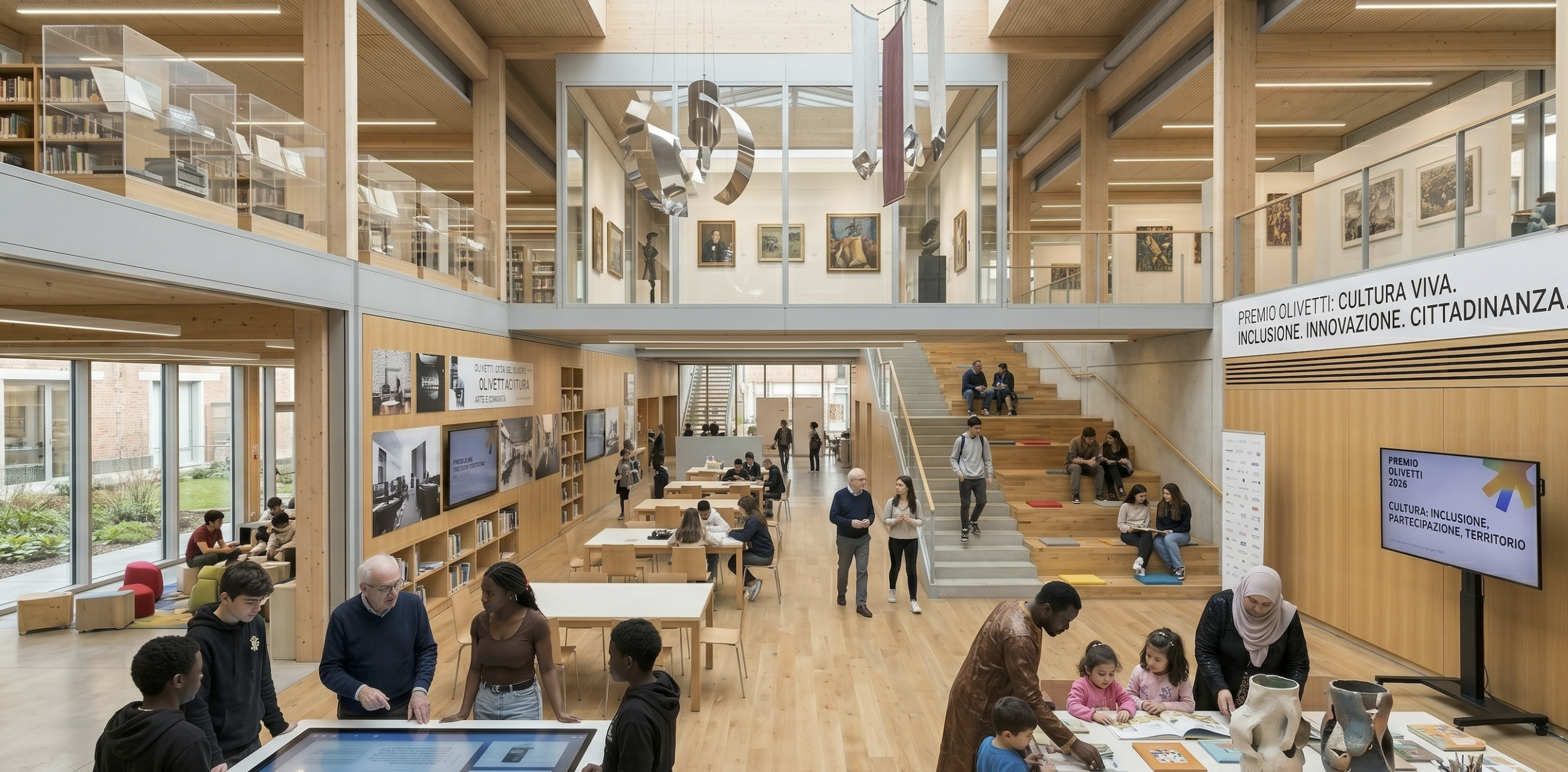
The Italian Ministry of Culture has launched the Premio Olivetti for cultural accessibility, a new initiative with a total endowment of one million euros. The prize is inspired by the vision of Adriano Olivetti and the principles of the Council of Europe's Faro Convention, aiming to support projects that expand access to cultural heritage, strengthen community participation, and regenerate peripheral, internal, and economically fragile areas. The competition is divided into three sections—'Museums, Cultural Heritage and Territory', 'Cultural Activities', and 'Corporate Welfare and Cultural Regeneration'—each with a maximum of 300,000 euros to be distributed among up to three winning projects, plus a fourth section reserved for experimental projects by Ministry institutes. Applications are open until September 15, 2026, with results announced by November.
This prize matters because it represents a significant state investment in using culture as a tool for social inclusion and territorial regeneration, directly linking cultural policy to broader societal challenges such as economic fragility and community cohesion. By institutionalizing a prize named after Adriano Olivetti—a figure who saw culture as essential to human dignity and community development—the Ministry signals a shift toward viewing cultural heritage not just as something to be preserved, but as an active resource for participatory and sustainable development. The initiative could serve as a model for other countries seeking to integrate cultural accessibility into public policy.