dashboard All 5475 museum exhibitions 2932article local 827article news 508article culture 319trending_up market 302person people 177article policy 134rate_review review 132candle obituary 80gavel restitution 50article event 11article events 2article gallery 1
date_range Range Today This Week This Month All
Subscribe

"Man besitzt Kunst nicht, man ist nur ihr Verwalter"

The 61st Venice Biennale opened on Saturday without ceremony or an opening celebration, amid political turmoil over the participation of Russia and Israel. Italy's Culture Minister Alessandro Giuli criticized Biennale director Pietrangelo Buttafuoco for not informing the government about Russia's participation request, suggesting it could have been used as leverage for a ceasefire in Ukraine. The entire jury resigned after attempting to exclude both Russia and Israel from prize awards, leading to the cancellation of the traditional jury decision in favor of a public vote, which over 70 participating artists have protested by withdrawing from this year's prizes. Separately, a rare photograph from the early 1940s has surfaced showing Lucas Cranach the Elder's painting "Venus with Cupid as Honey Thief" in Adolf Hitler's Munich apartment, raising unresolved questions about whether the work was looted from Jewish owners before 1935.
Monopol verlost 5 × 2 Tickets für Marina Abramović im Gropius Bau

Monopol magazine is giving away 5 × 2 tickets to Marina Abramović's exhibition "Balkan Erotic Epic" at the Gropius Bau in Berlin. The show, which opened in 2025, explores erotic energy through Balkan myths, rituals, and folklore, combining new video works with historical pieces from the 1970s onward, including installations, sculptures, and live performances.

10 Highlights You Shouldn't Miss in Venice

10 Highlights, die Sie in Venedig nicht verpassen sollten

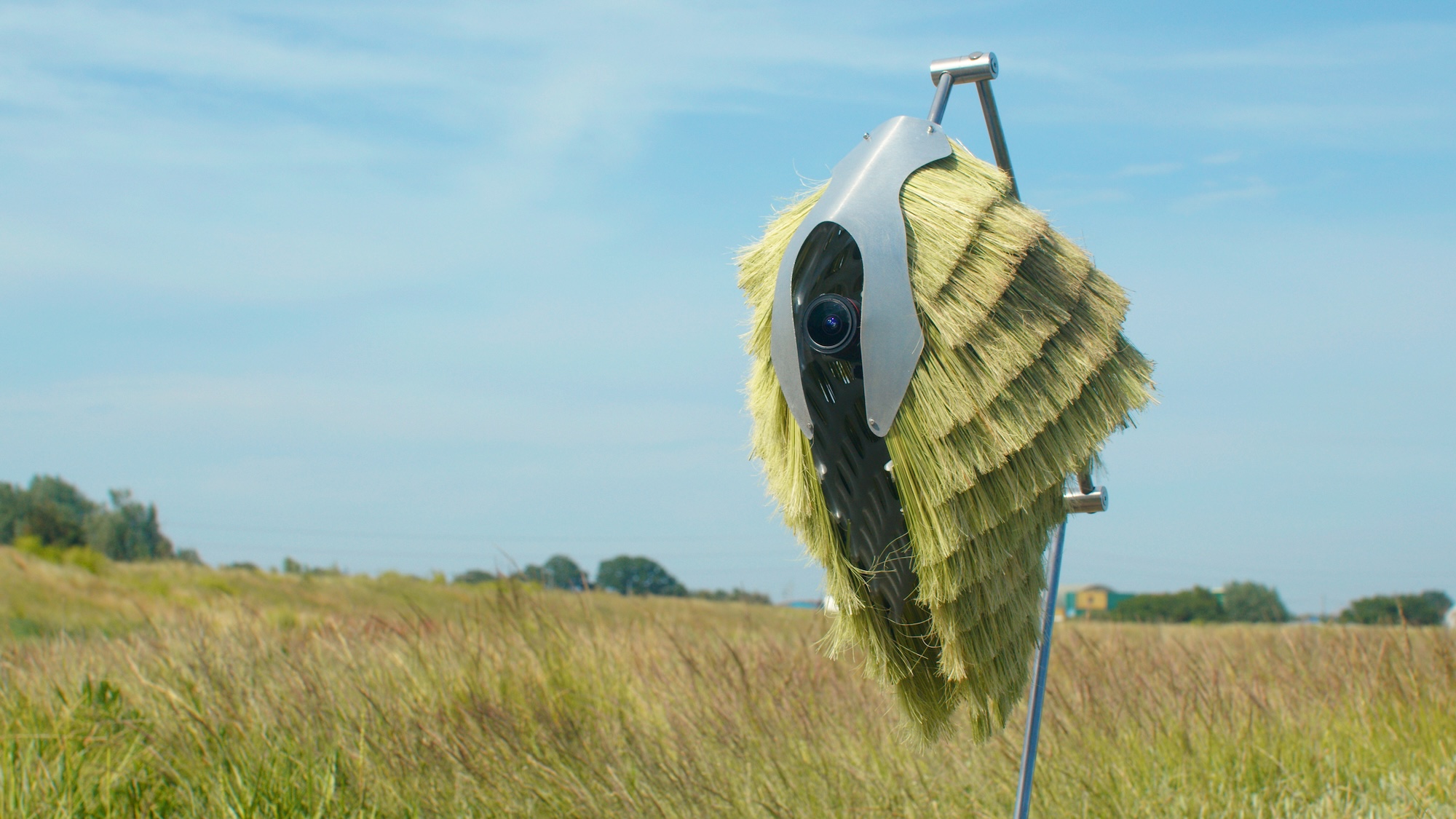
The article presents ten must-see highlights of the 61st Venice Biennale, curated by the editors of Monopol magazine. It covers the main exhibition at the Arsenale, national pavilions, and collateral events, including Sandra Knecht's beehouse installation, Isabel Nolan's Irish Pavilion exploring dreams and late medieval humanism, Chiara Camoni's Italian Pavilion blending ceramics and found materials, and Asim Waqif's bamboo construction in the Indian Pavilion. Other featured works include a church filled with surveillance cameras and the new Fondazione Dries Van Noten.

Where to go this weekend?

Wohin am Wochenende?

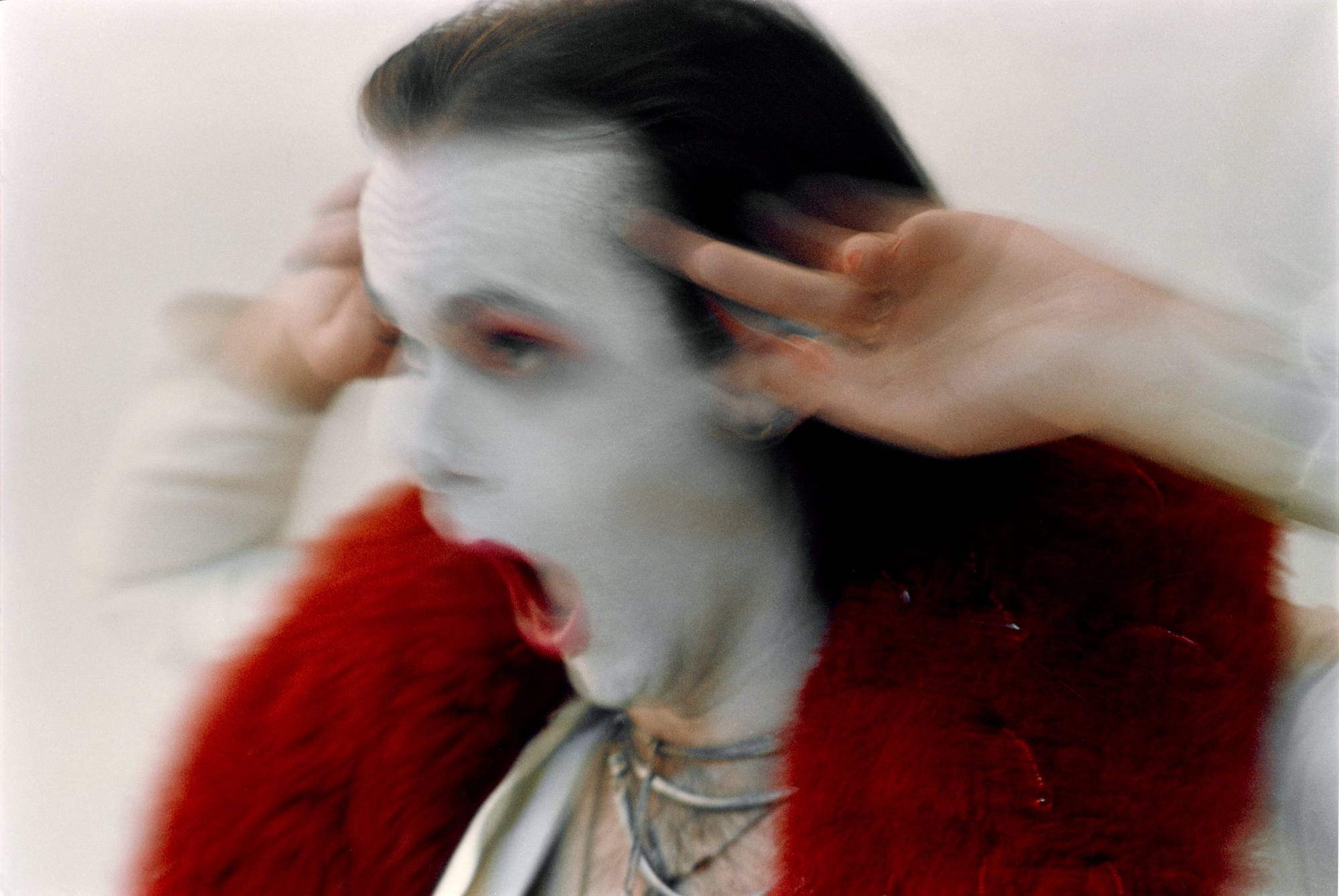
This week's art tips include Anton Corbijn's birthday exhibition at Fotografiska Berlin, featuring iconic portraits alongside personal favorites; the 25th anniversary of Daniel Libeskind's extension at the Jewish Museum Berlin; Refik Anadol's first Belgian AI-driven installation at Brusk in Bruges; the Schirn Kunsthalle Frankfurt's 40th anniversary weekend with free entry and performances; and a Lee Ufan solo show at Dia Beacon in New York, following his Wolfgang Hahn Prize.

How Tech Billionaires Turn Couture into Content

Wie Tech-Milliardäre Couture zu Content machen

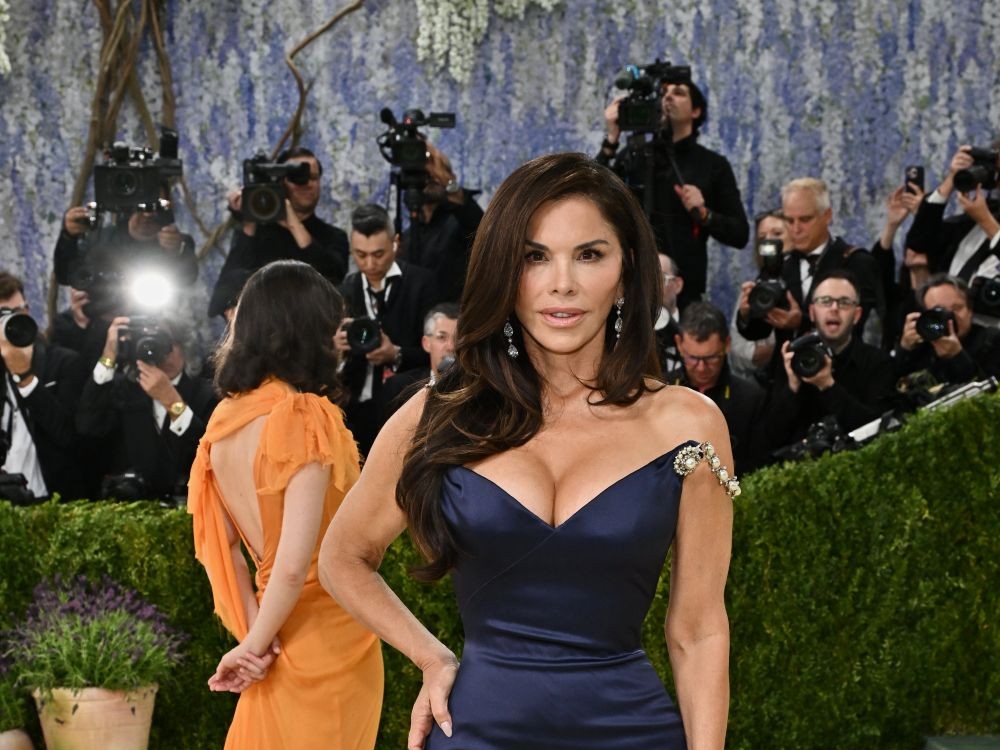
The Met Gala, long considered the premier event for fashion and cultural influence, has become increasingly dominated by tech billionaires. This year, Jeff Bezos and Lauren Sánchez Bezos purchased their role as co-hosts, sparking protests in New York and raising questions about whether money alone now buys entry into the highest echelons of fashion. Individual tickets cost $10,000 and a table $350,000, with sponsors including OpenAI, Snapchat, and Meta. The event, organized by Anna Wintour to raise funds for the Costume Institute at the Metropolitan Museum of Art, raised $31 million last year but has transformed from a benefit into a spectacle optimized for viral moments and algorithmic appeal.

Here You Have the Feeling That Reality Is a Different One

"Man hat hier das Gefühl, dass die Realität eine andere ist"

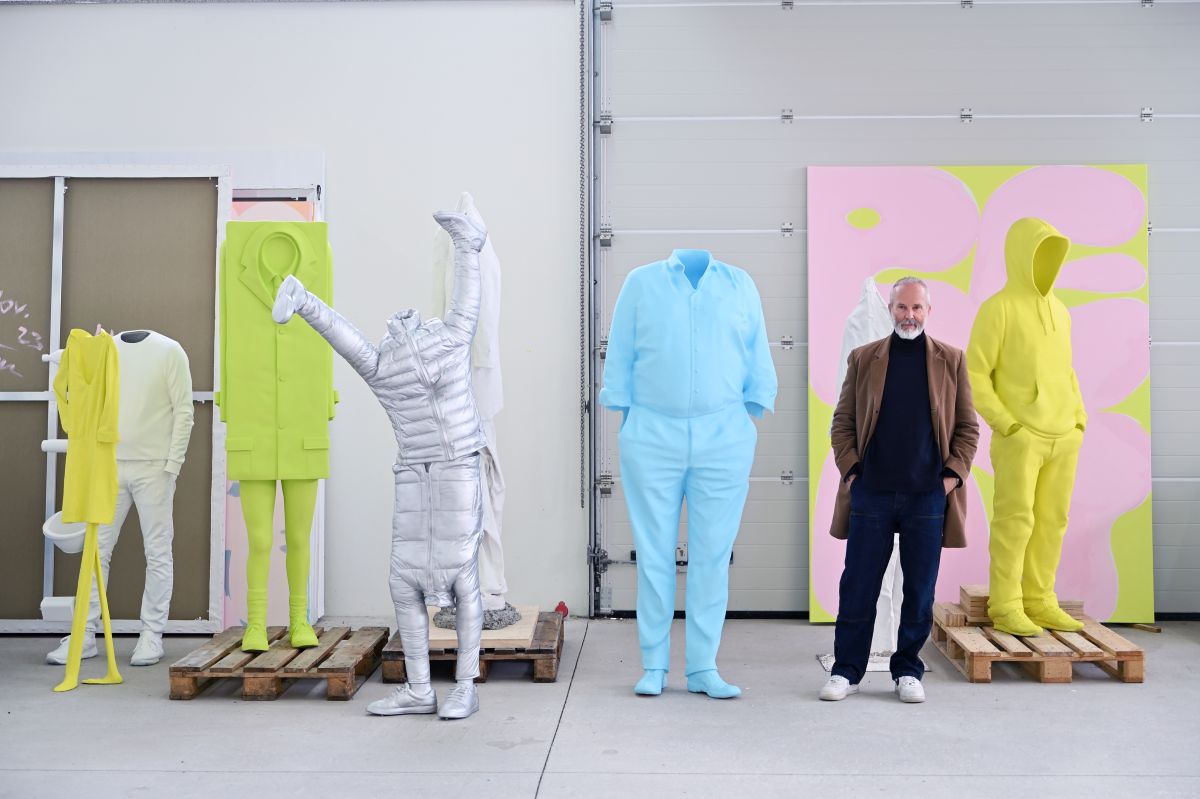
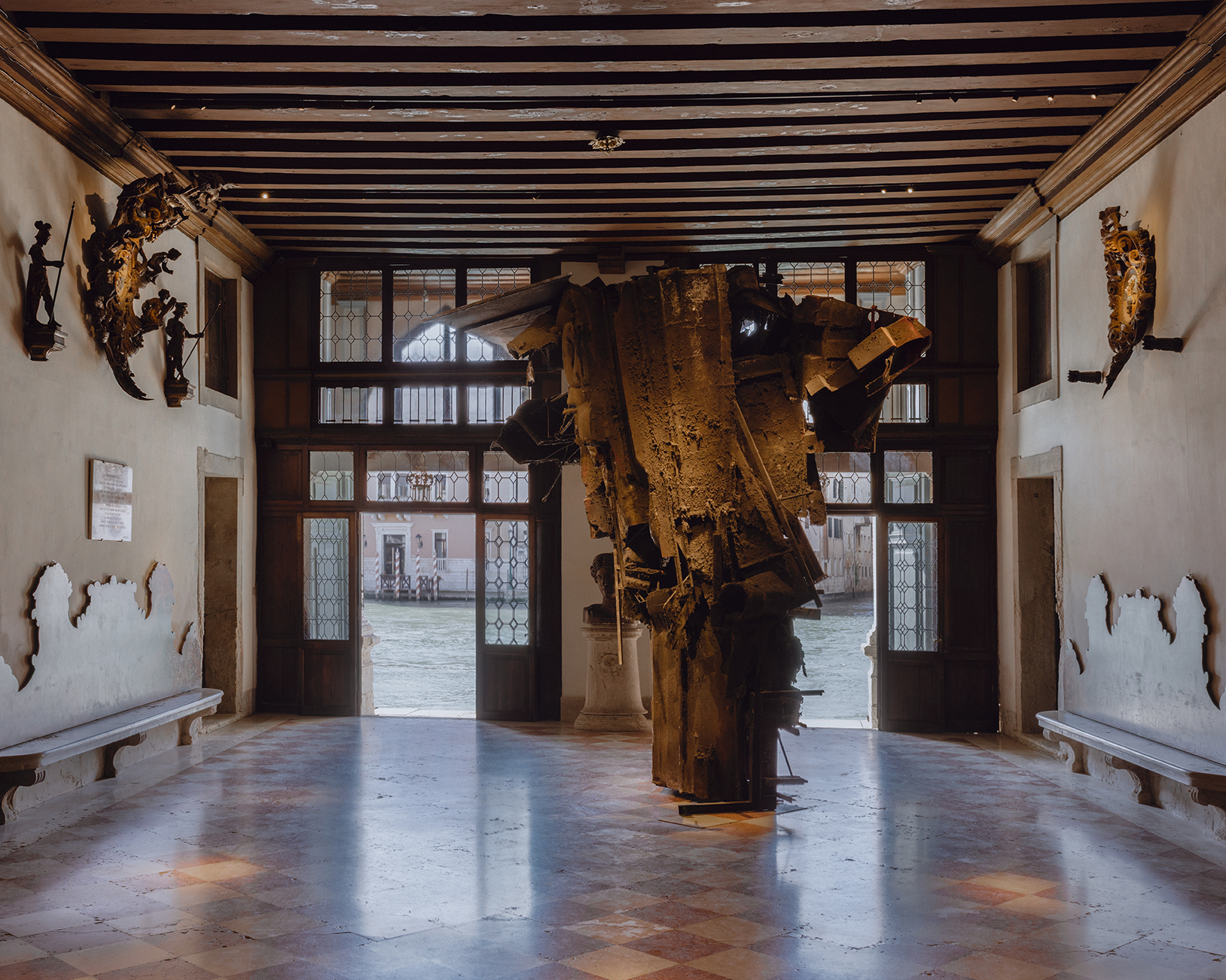
Austrian artist Erwin Wurm discusses his exhibition at the Museo Fortuny in Venice, where he confronts the overwhelming collection of the 19th-century polymath Mariano Fortuny. In an interview, Wurm describes the venue as a historic atelier house filled with tapestries and artifacts, and reflects on how his contemporary sculptures and performances will engage with the dense, time-capsule atmosphere of the space.

Master of Madonnas and the Market

Meister der Madonnen und des Marktes

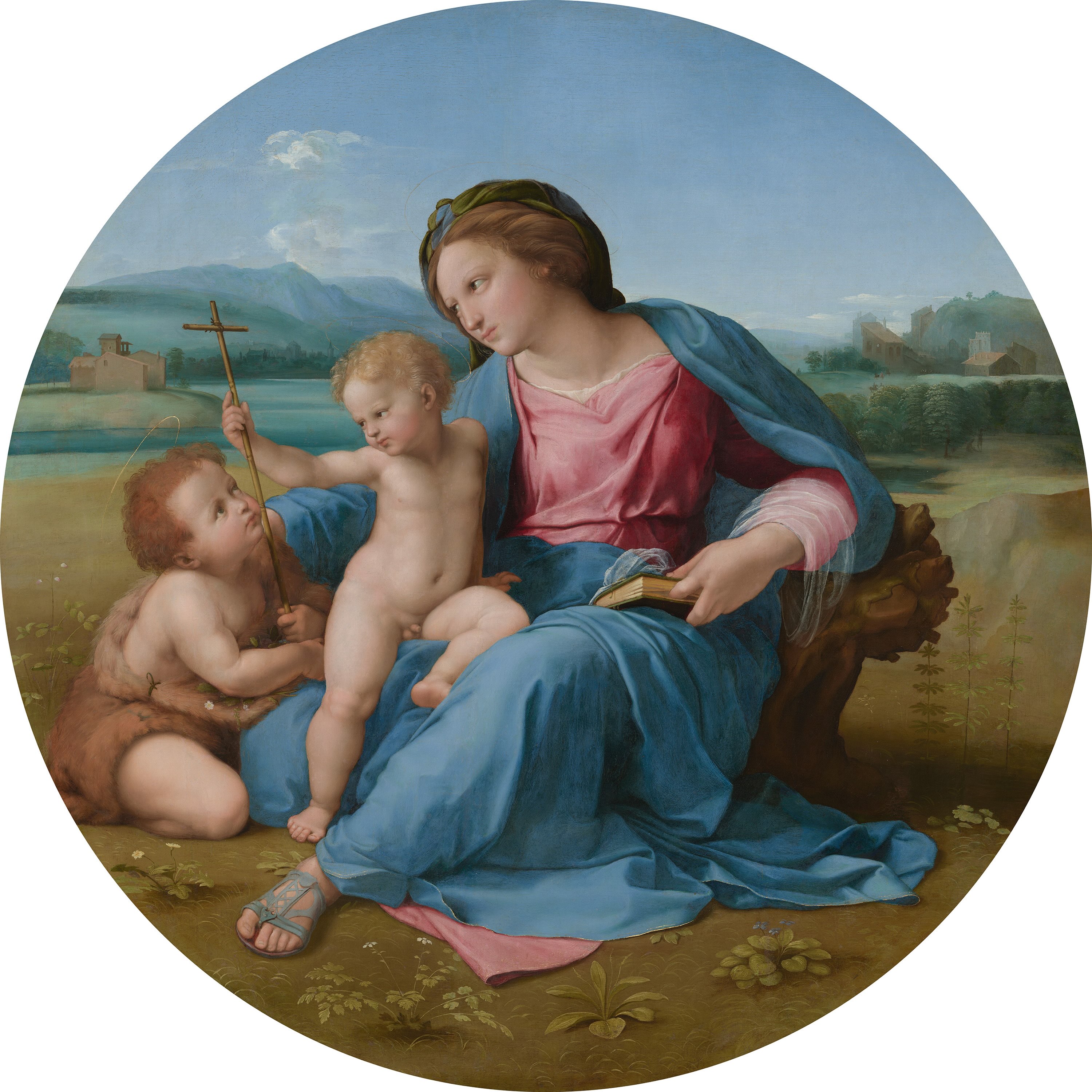
A major exhibition titled "Raphael: Sublime Poetry" has opened at the Metropolitan Museum of Art in New York, exploring how the Renaissance master Raphael's work was deeply intertwined with money, prestige, and patronage. The show traces his career from early mentorship under his father and influences from Leonardo da Vinci to his rivalry with Michelangelo, highlighting commissions from wealthy supporters like the aristocrat Elena Duglioli and Pope Leo X, who commissioned Raphael's extravagant tapestries for the Sistine Chapel.

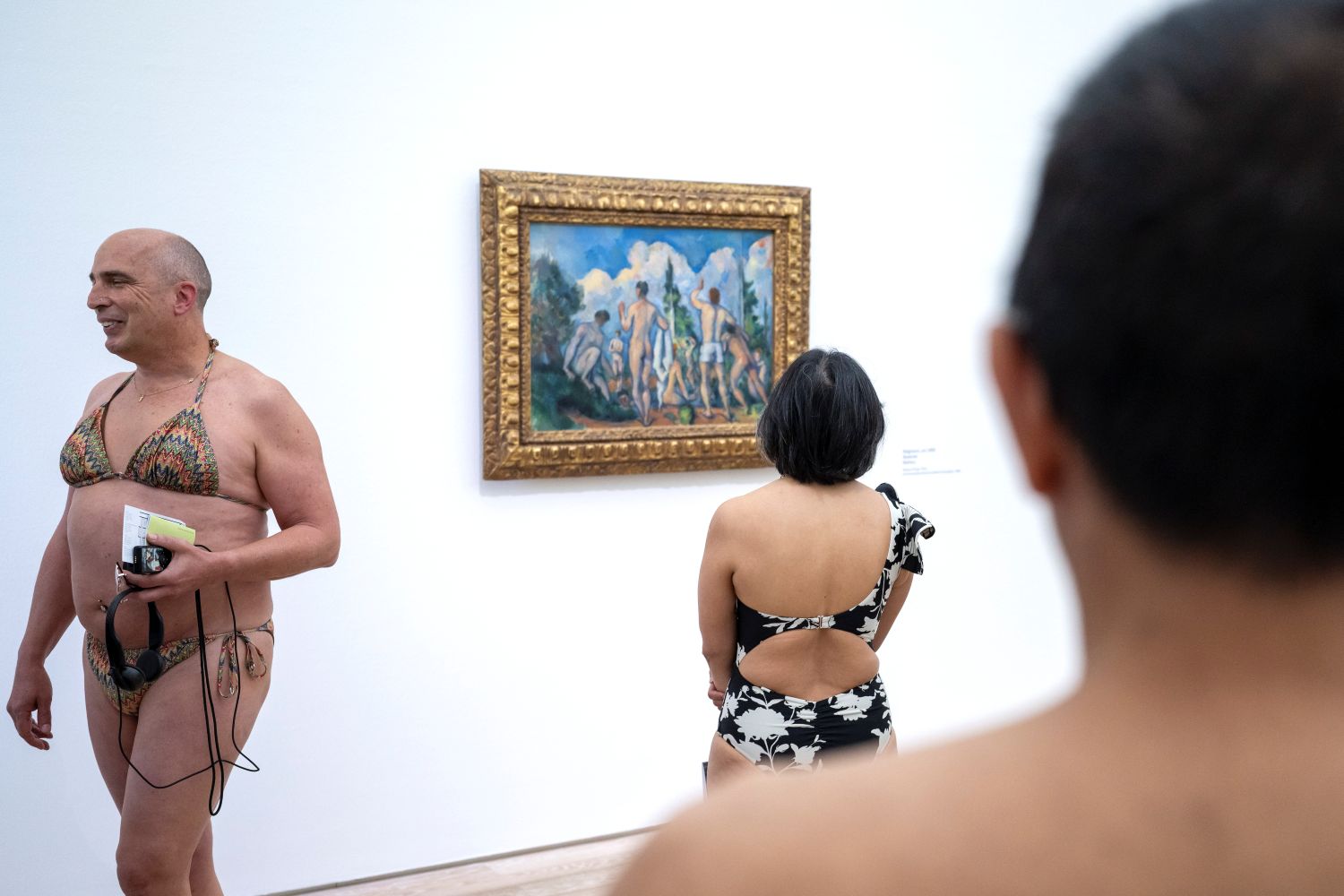
Fondation Beyeler: Freier Eintritt im Bikini

The Fondation Beyeler in Riehen, Switzerland, invited visitors to enter the museum for free if they came wearing swimwear, as part of a "Bathing Day" promotion. The event was inspired by Paul Cézanne, whose famous paintings of bathers are the subject of a current exhibition at the museum. The museum reported strong attendance and stated that the unusual setting brings art and visitors closer together, changing perception and reducing distance.

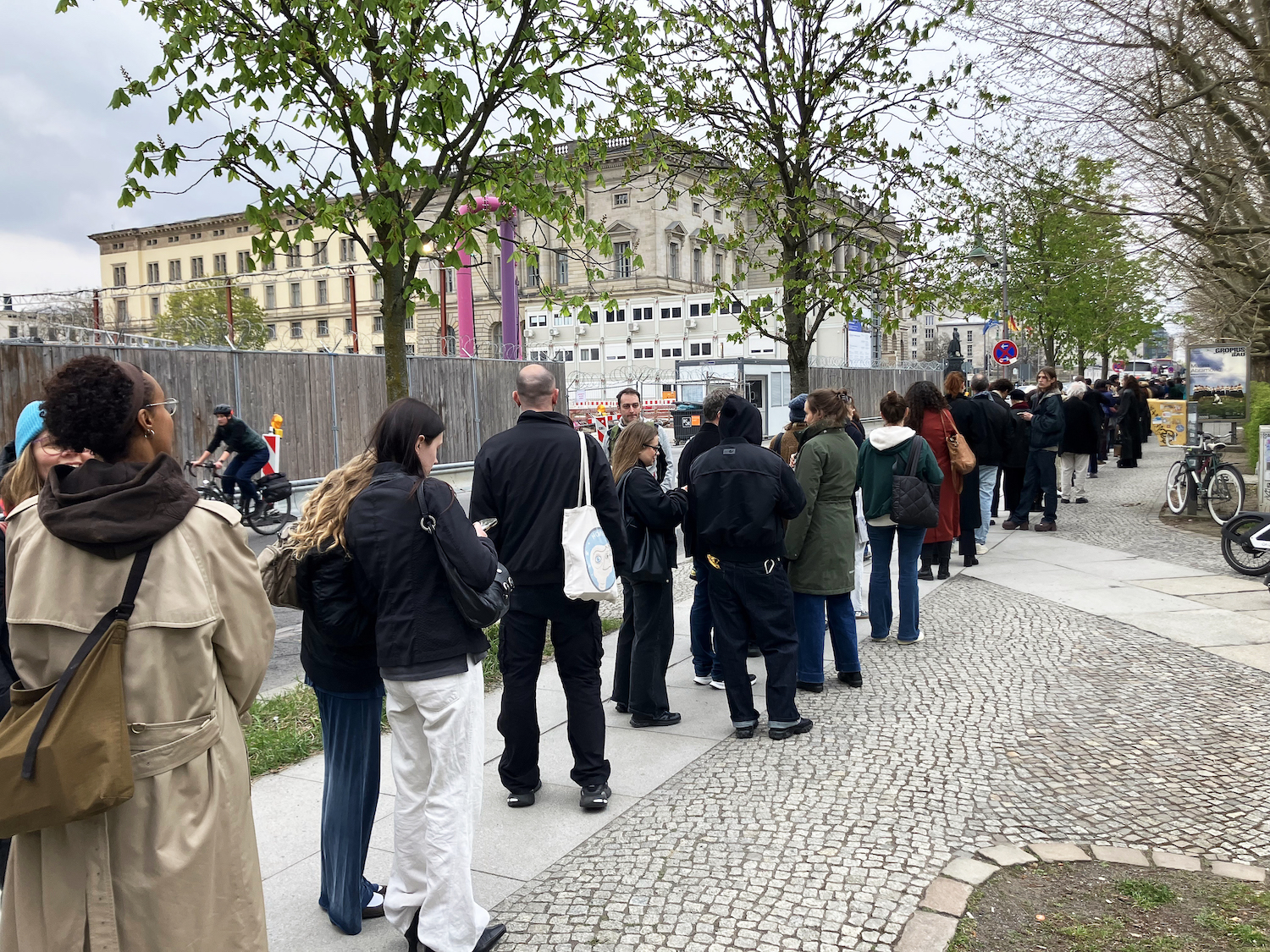
Gropius Bau öffnet abends länger

The Gropius Bau in Berlin has extended its evening opening hours by one hour, now open until 8 PM (closed Tuesdays), due to high demand for its exhibition of performance artist Marina Abramović. The show, titled "Balkan Erotic Epic," opened two weeks ago and drew long queues from the start. It features both new and older works, including performances where Abramović carved a star into her abdomen or lay in a burning installation until losing consciousness. The exhibition explores eroticism, politics, Balkan folklore, sexual energy, death, the political dimension of the body, and the Yugoslav wars.

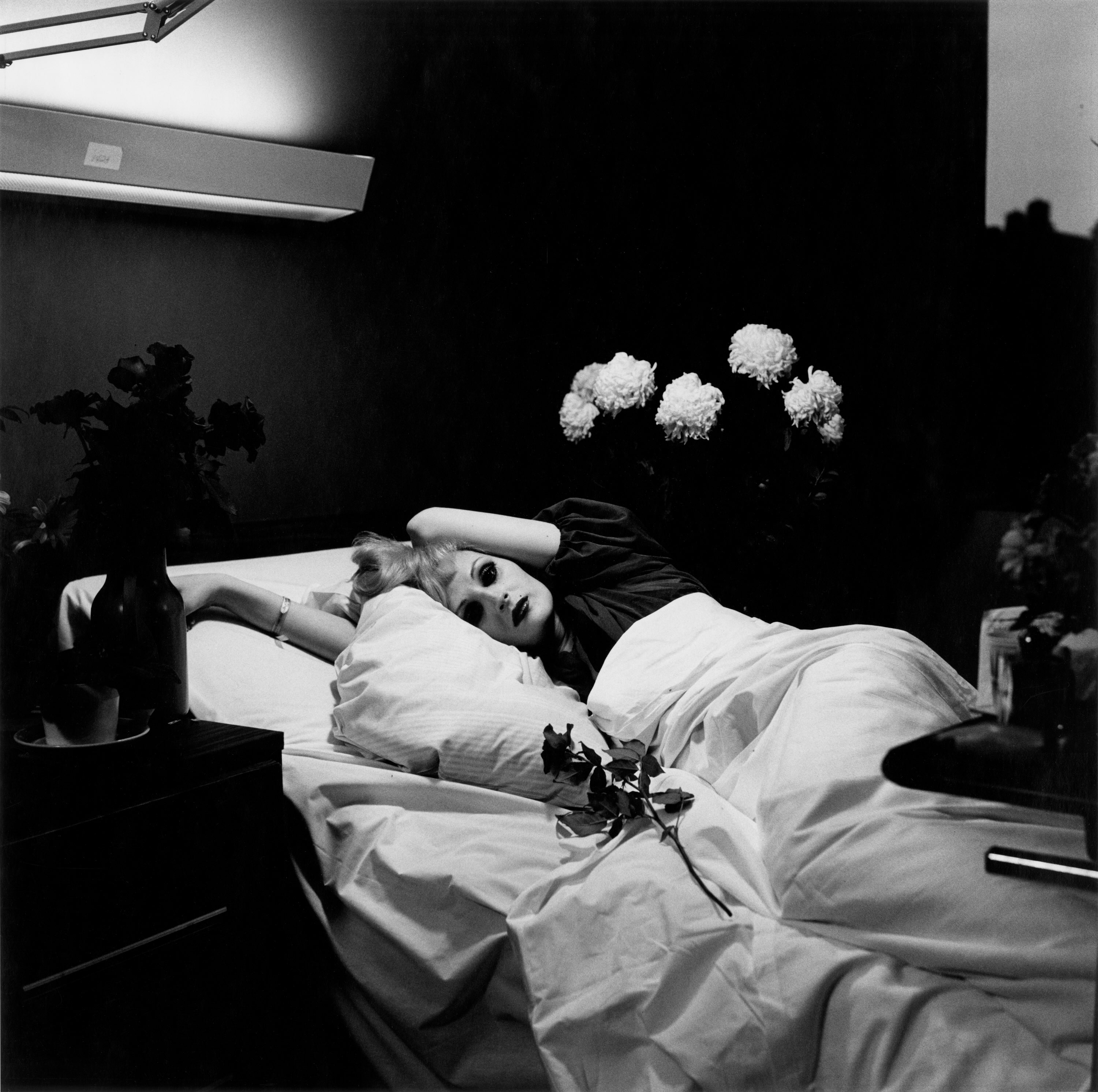
Monopol gives away 5 × 2 tickets for Peter Hujar and Liz Deschenes at the Gropius Bau

Monopol verlost 5 × 2 Tickets für Peter Hujar und Liz Deschenes im Gropius Bau

Monopol magazine is giving away 5 × 2 tickets to the exhibition "Peter Hujar / Liz Deschenes: Persistence of Vision" at the Gropius Bau in Berlin. The show pairs Hujar's iconic black-and-white photographs of New York's downtown scene—featuring figures like Susan Sontag, Divine, and David Wojnarowicz—with Liz Deschenes' abstract, material-focused works on glass and photosensitive paper. To enter, readers must email their name with the subject line "Hujar" by May 30.

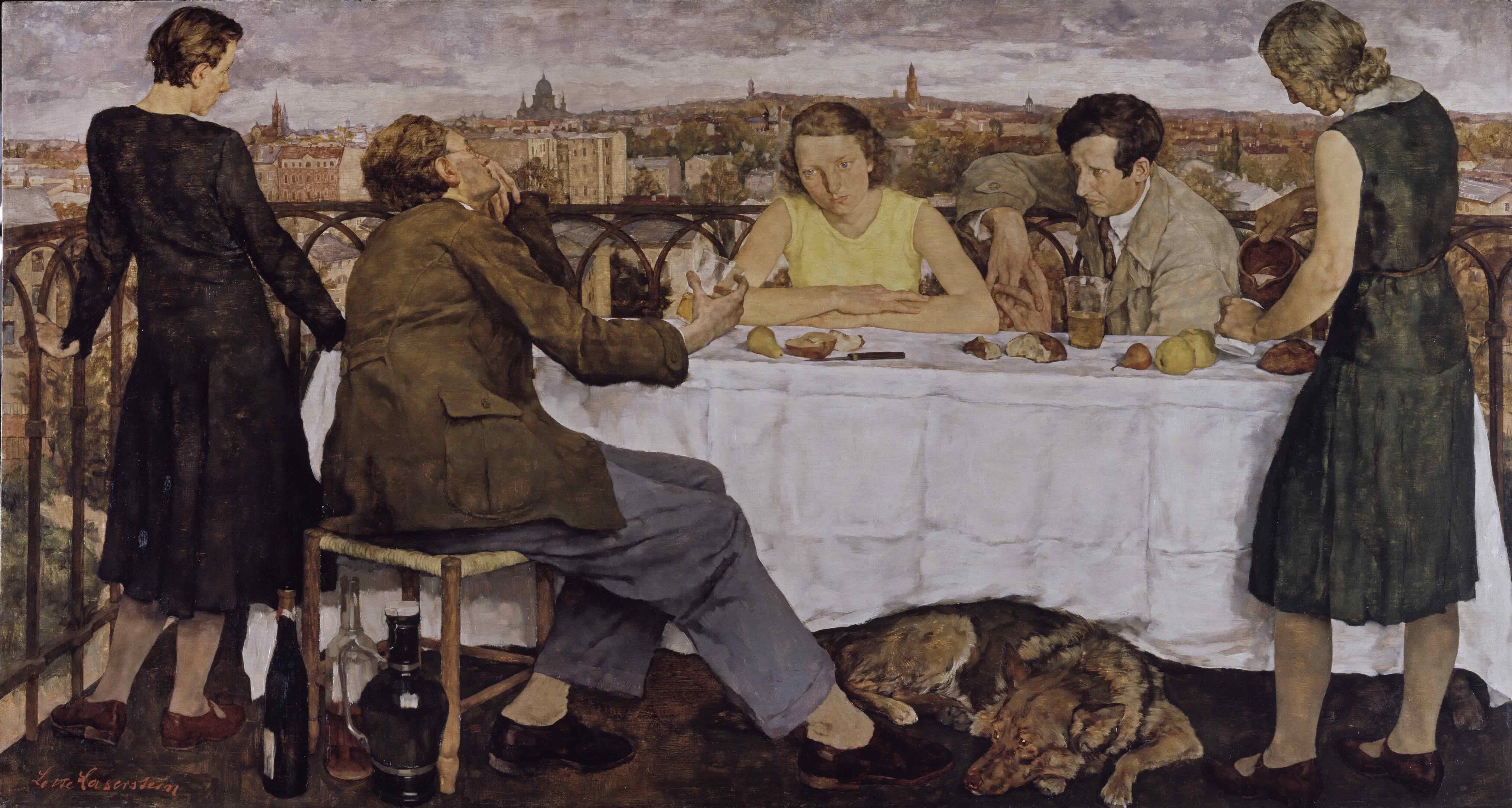
How much Berlin fits on 230 square meters?

Wie viel Berlin passt auf 230 Quadratmeter?

The Neue Nationalgalerie in Berlin has opened a compact exhibition titled "Ruin und Rausch: Berlin 1910–1930," featuring 35 works across just 230 square meters in a side cabinet of the lower floor. The show uses paintings, sculptures, film clips, and audio poems to tell the story of Berlin between World War I and the Nazi takeover, contrasting themes of excess and poverty, emancipation and extremism. It is structured in three chapters: "Berlin im Taumel" (Berlin in Frenzy), "Schatten der Großstadt" (Shadows of the Big City), and "Die Urbane Frau" (The Urban Woman), with works by artists such as Ernst Ludwig Kirchner, Otto Dix, and Otto Nagel.

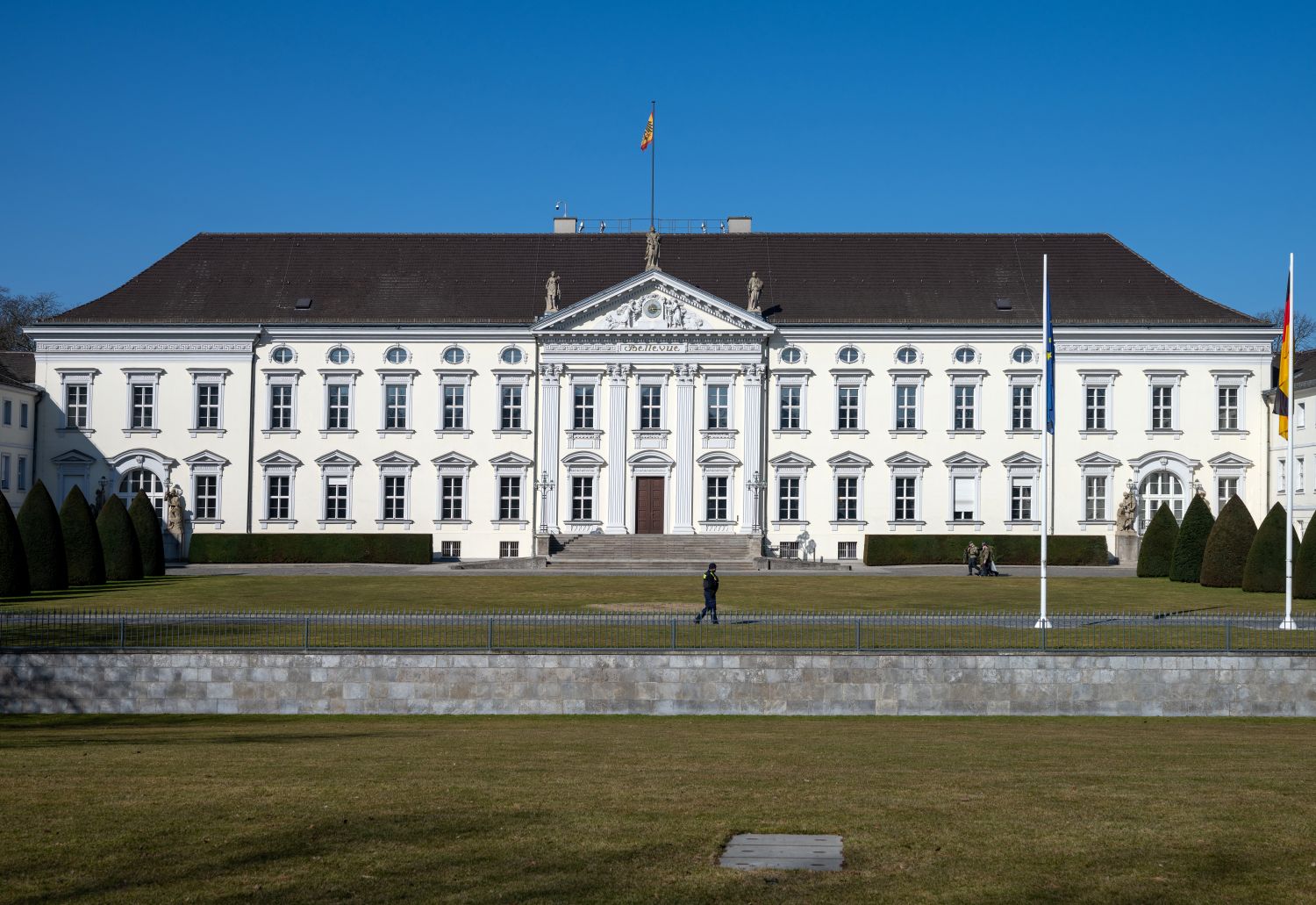
Schloss Bellevue wird temporär Ausstellungshaus

Schloss Bellevue, the official residence of German President Frank-Walter Steinmeier in Berlin, will be transformed into a temporary pop-up gallery for two weeks from June 13 to 28, before undergoing a major renovation expected to last around eight years. The exhibition, organized in cooperation with the Akademie der Künste, will feature works by artists including Katharina Grosse, Wolfgang Tillmans, and Monica Bonvicini, taking advantage of the emptied rooms ahead of the president's move-out before the summer break. Free timed-entry tickets will be available from May 18 via the Akademie's website.

Big Crisis, Small Gestures

Große Krise, kleine Gesten

The article reviews the second edition of the Klima Biennale Wien, which opened in early April in Vienna. It notes that while the biennale aims to address the urgent triple crisis of climate change, biodiversity loss, and pollution, its execution falls short. The exhibition features symbolic works such as a beached whale, a broken boat, and a compostable SUV sculpture, but these motifs feel repetitive and lack the necessary impact. The author contrasts these with historical precedents like Menashe Kadishman's 1978 Venice Biennale installation and Joseph Beuys' "7000 Eichen" (1982), arguing that the themes of nature and sustainability are not new, only the urgency has intensified.

"Du bist nun in die ewigen Jagdgründe der Kunst entschwunden"

This week's art news roundup covers several stories: Jonathan Meese publishes an obituary for his mother Brigitte Meese in Der Spiegel, describing her as a central figure in his life and work. Pussy Riot seeks to take over the Russian Pavilion at the Venice Biennale. The European Media Art Festival (EMAF) in Osnabrück faces controversy over antisemitism allegations linked to Palestinian-American filmmaker Basma al-Sharif, leading the city and state government to distance themselves from the festival. In the NZZ, Christian Wildhagen reports on conflicts over official political portraits, citing examples like Swiss councilor Martin Neukom rejecting paintings and Donald Trump criticizing his portrait. Art historian Horst Bredekamp pays tribute to Italian philosopher Federico Vercellone (1955–2026) in the FAZ, highlighting his theory of the 'self-activity of form.'

Salon des Refusés 2.0

Salon des Refusés 2.0

A group exhibition titled "we refuse_d" has opened at the Museum van Hedendaagse Kunst (M HKA) in Antwerp, bringing together 15 artists, many of whom faced cancellations or disinvitations from exhibitions following the October 7, 2023 attacks. The show, referencing the historic 1863 Salon des Refusés, aims to reclaim reputation and amplify marginalized voices, specifically focusing on Palestinian history and artists affected by the cultural fallout.

Because the Ego Suddenly Dissolves

"Weil das Ego sich plötzlich auflöst"

The art world is facing significant structural and political shifts, highlighted by the merger of Artnet and Artsy which has resulted in mass layoffs, particularly within the Artnet News editorial team and its Berlin operations. Simultaneously, tensions are rising in German cultural policy as gallery owner Rupert Pfab raises concerns over government interference in the Stiftung Kunstfonds jury selection, reflecting a broader climate of unease that includes recent controversies at the Berlinale.

How Alexander Calder Set Sculpture in Motion

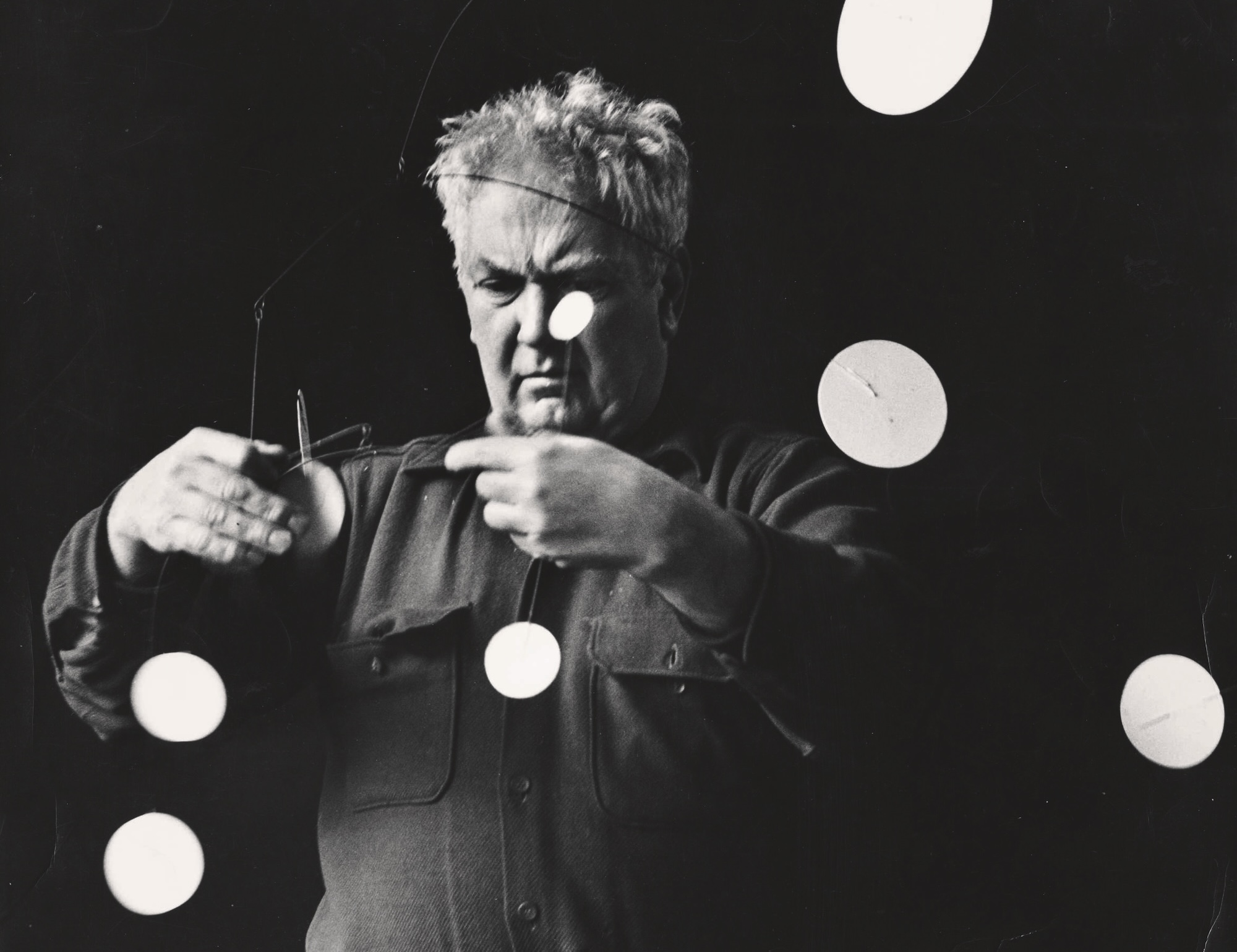
Wie Alexander Calder die Skulptur in Bewegung setzte

The Fondation Louis Vuitton in Paris has launched a major retrospective titled "Rêver en Équilibre," dedicated to the American sculptor Alexander Calder. Featuring over 300 works, the exhibition traces Calder’s journey from his 1926 arrival in Paris to his invention of the "mobile," a term coined by Marcel Duchamp. The show includes iconic large-scale hanging sculptures like "Rouge triomphant," wire figures from his famous "Cirque Calder," and rarely seen private loans, alongside paintings and jewelry that highlight his engineering background and poetic approach to abstraction.

Imitations of a Mediocre Teenager on Tranquilizers

"Nachahmungen eines mittelmäßigen Teenagers auf Tranquilizern"

The Victoria & Albert Museum has reportedly censored exhibition catalogs following pressure from Chinese printing firms, removing images and maps related to sensitive topics like Tibet and Tiananmen Square. This editorial roundup also highlights artist Molly Crabapple’s sharp critique of generative AI as a massive intellectual property theft and a profile of Rirkrit Tiravanija’s communal home in Thailand, which functions as a social sculpture.

‘Overworked’: Çağla Ulusoy in Conversation With ArtReview

ArtReview and Dirimart London are hosting a conversation between artist Çağla Ulusoy and ArtReview editor Fi Churchman about Ulusoy's book 'Overworked', which features 83 selected abstract paintings and accompanying collages. The event takes place on 6 June 2026 at Dirimart's London gallery, coinciding with the group exhibition 'Colour is the Place', which includes Ulusoy's work alongside artists Hashel Al Lamki, Tala Worrell, and Berke Yazıcıoğlu. Ulusoy's practice integrates lived experiences from various cultures into abstract compositions using materials like acrylic, oil paint, sand, and wax.

Fundación Casa Wabi x ArtReview Open-Call Residency Prize 2026–27

Fundación Casa Wabi and ArtReview have announced the ninth annual open-call residency prize for three artists or collectives, offering a residency at Casa Wabi in Puerto Escondido, Oaxaca, Mexico. The residency includes lodging, studio space, meals, and support for a community project, with applications due by 14 June 2026 and winners notified in July 2026. The prize aims to foster cultural cross-pollination between artists and local communities, with past winners including artists from Australia, the UK, Germany, Argentina, Brazil, and Mexico.

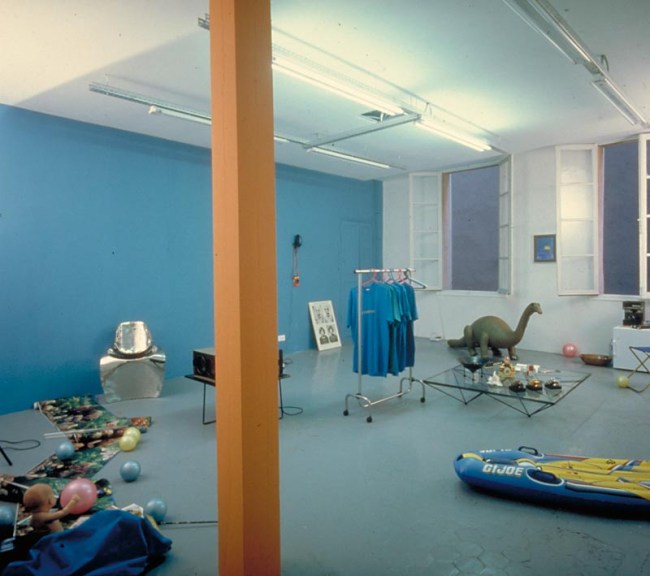
Renowned Gallery Air de Paris Bankrupted, Closing This Week

Air de Paris, the Paris gallery known for its punk ethos and commitment to cutting-edge Conceptual art, will close this week after 36 years and more than 400 exhibitions, amid bankruptcy proceedings. Founded in Nice in 1990 by Florence Bonnefous and Edouard Merino, the gallery was named after Marcel Duchamp’s 50cc of Paris Air and became legendary for its inaugural show, “Les Ateliers du Paradise,” which featured artists living in the gallery and later influenced critic Nicolas Bourriaud’s theory of relational aesthetics. The gallery moved to Paris in 1994 and later to Romainville in 2019, showing artists such as Paul McCarthy, Raymond Pettibon, Liam Gillick, Pierre Huyghe, and Dorothy Iannone.

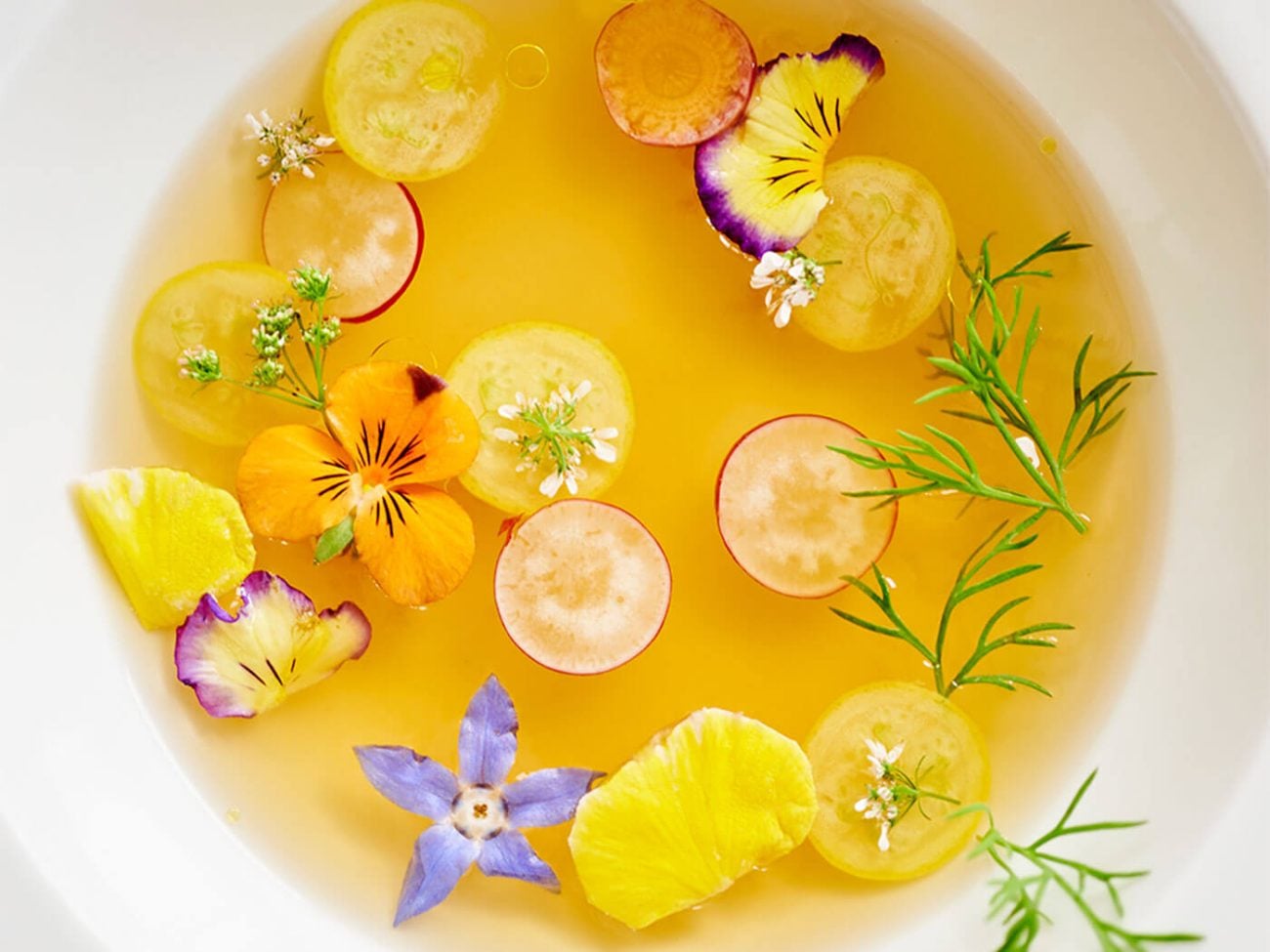
Alain Passard's Art Recipe: Monet's Sublime 'Water Lilies' Invade the Plate

La recette d’art d’Alain Passard : les sublimes « Nymphéas » de Monet s’invitent dans l’assiette

Chef Alain Passard shares a recipe inspired by Claude Monet's "Nymphéas" (Water Lilies) series, connecting the painter's obsessive depictions of his Giverny water garden to a spring consommé decorated with flower petals. The article recounts Monet's move to Giverny in 1883, his creation of a water garden, and his decades-long focus on painting the pond's surface, light, and reflections—culminating in the immersive panoramic panels gifted to France in 1918 and now housed at the Musée de l'Orangerie in Paris.

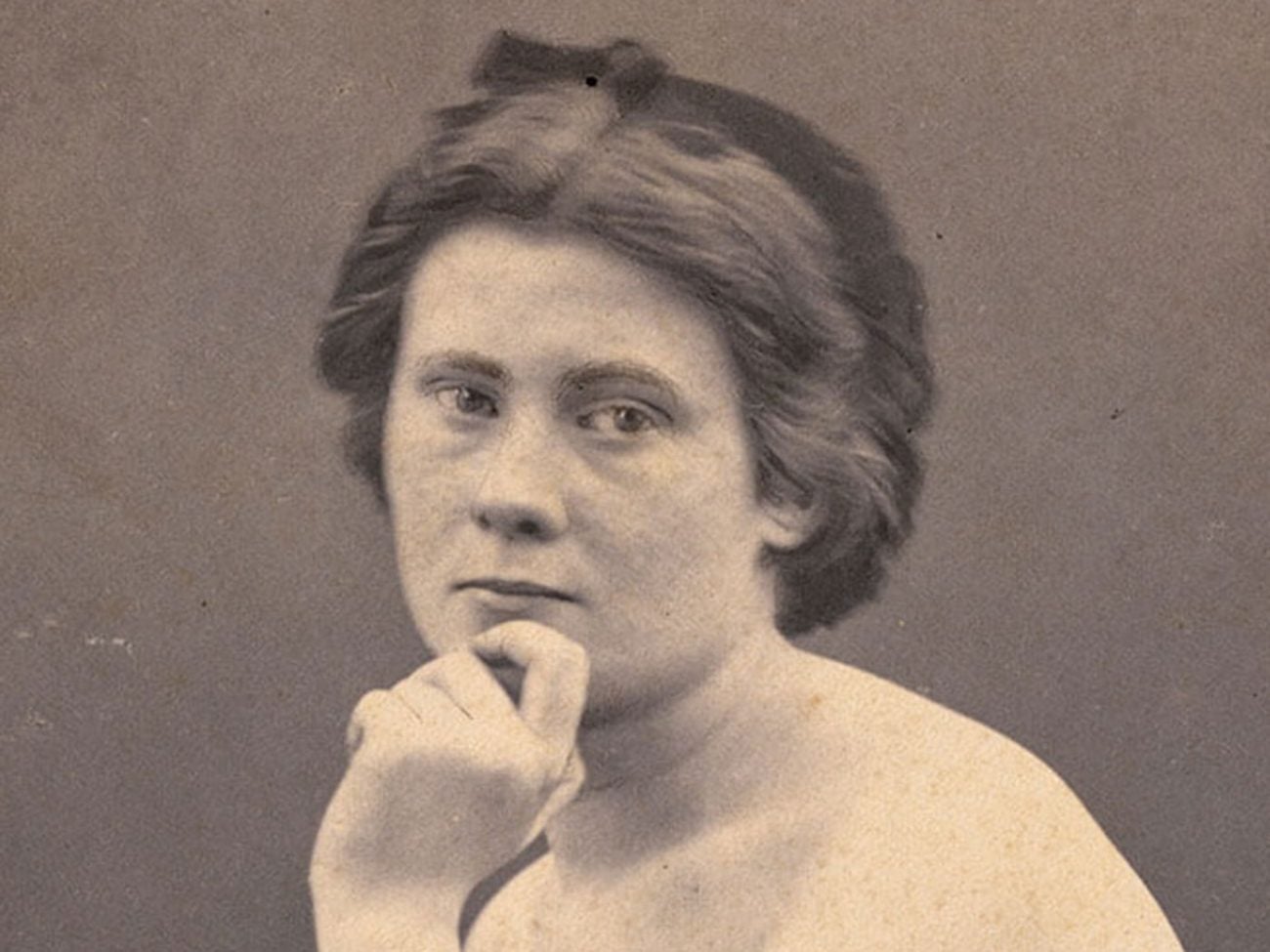
Photographs of Victorine Meurent who posed for 'Le Déjeuner sur l'herbe' discovered by chance in Grenoble

Les photos de Victorine Meurent qui ont servi de modèle au « Déjeuner sur l’herbe » retrouvées par hasard à Grenoble

A chance discovery at the Musée de Grenoble has unearthed two previously unknown photographs of Victorine Meurent, the favorite model of Édouard Manet, taken by Gaudenzio Marconi in 1863. Art historian Laure Boyer, while researching a different subject, recognized Meurent in the images and realized they directly served as studies for Manet's iconic paintings *Le Déjeuner sur l'herbe* and *Olympia*. The photographs show Meurent in poses nearly identical to the figures in both works, with only the orientation reversed in one case and facial expressions swapped between the two paintings.

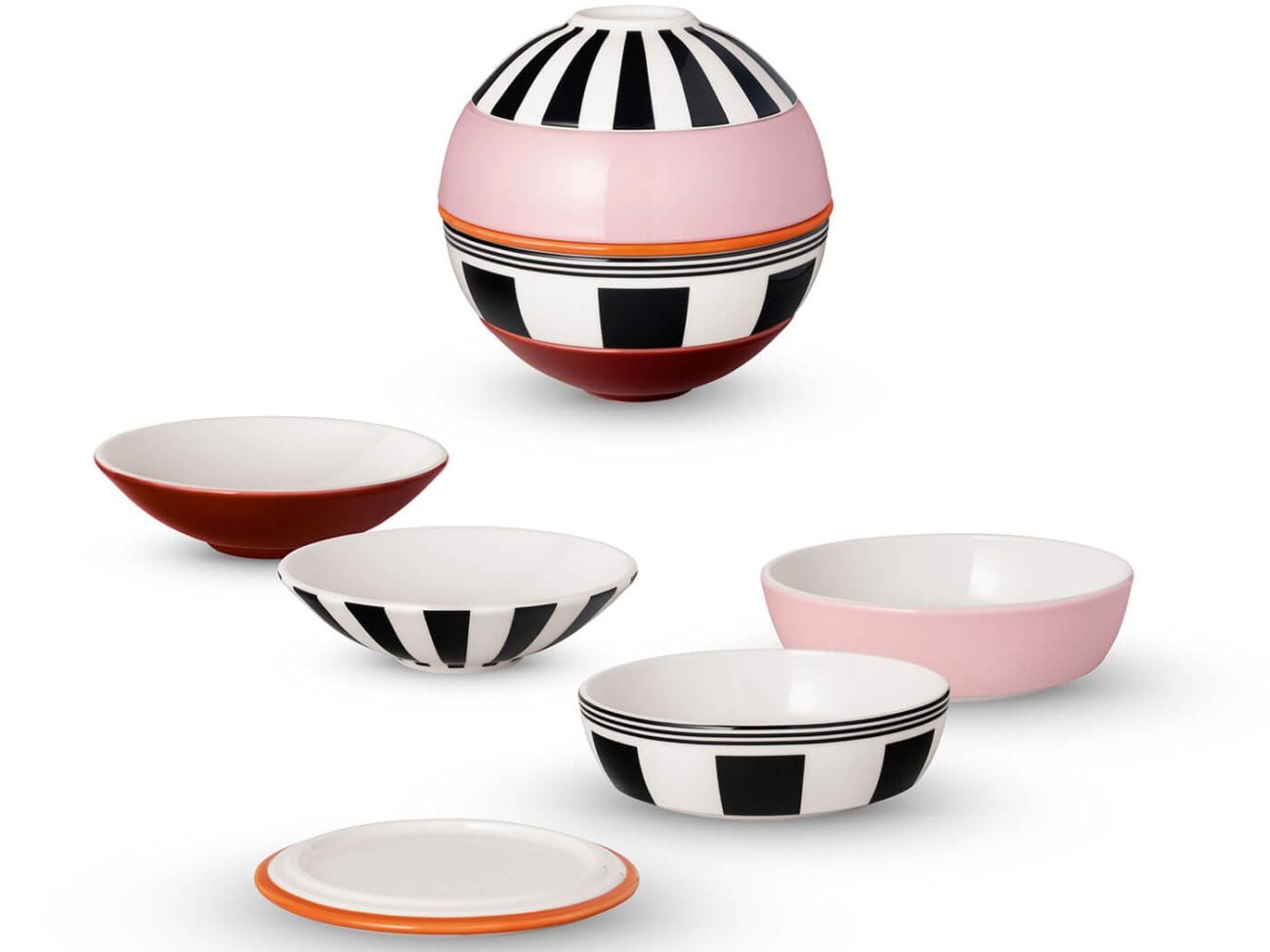
« La Boule » de Villeroy & Boch : l’art explosif et pop du pique-nique

Villeroy & Boch, the historic German porcelain manufacturer founded in 1748, launched "La Boule" ("Die Kugel") in 1971—a stackable 19-piece porcelain dinner service for four that compacts into a colorful decorative sphere. Designed by Helen von Boch, the eighth-generation family director, the set was part of a pop-design wave and came in original color variants that have since become collectors' items. The article also highlights related designs like the "La Bomba" picnic cutlery set (1968) and melamine set (1972), both held by MoMA, and notes Villeroy & Boch's collaborations with artists such as Keith Haring, Paloma Picasso, and Luigi Colani.

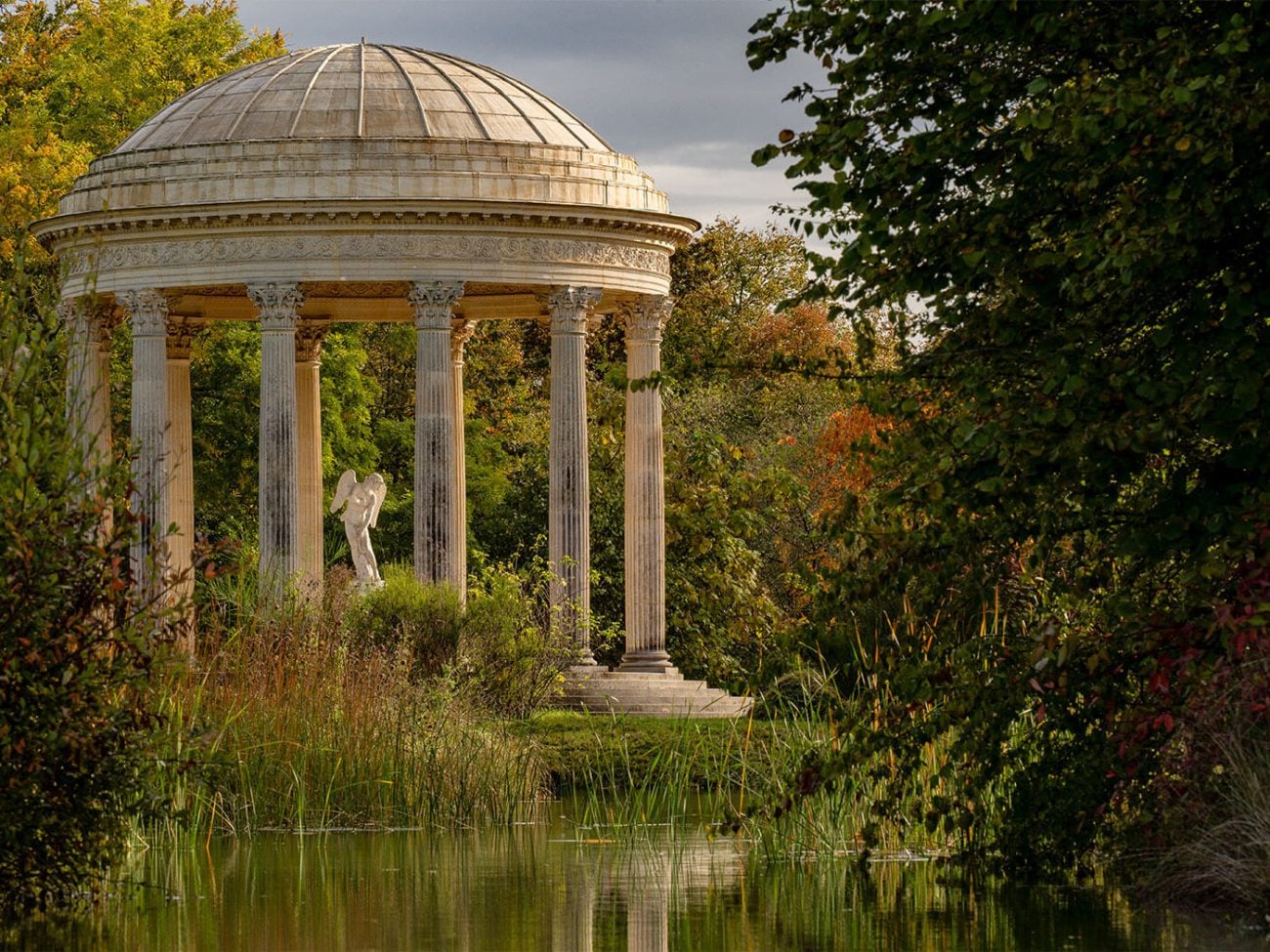
« Le jardin anglais incarne une vision de la société » : une expo à Versailles explore cette passion de l’Europe des Lumières

The article explores an exhibition at the Grand Trianon in Versailles dedicated to the English garden, a style that emerged in 18th-century Europe as a deliberate contrast to the rigid symmetry of the formal French garden. Curator Élisabeth Maisonnier and museum director Laurent Salomé explain how these gardens, with their winding paths, irregular flowerbeds, and surprise features like grottoes and pagodas, were carefully constructed to imitate and amplify nature's complexity, drawing on influences from antiquity, the Middle Ages, and China.

Museum Night in Paris and Île-de-France: 5 ideas to get off the beaten track

Nuit des musées à Paris et en Île-de-France : 5 idées pour sortir des sentiers battus

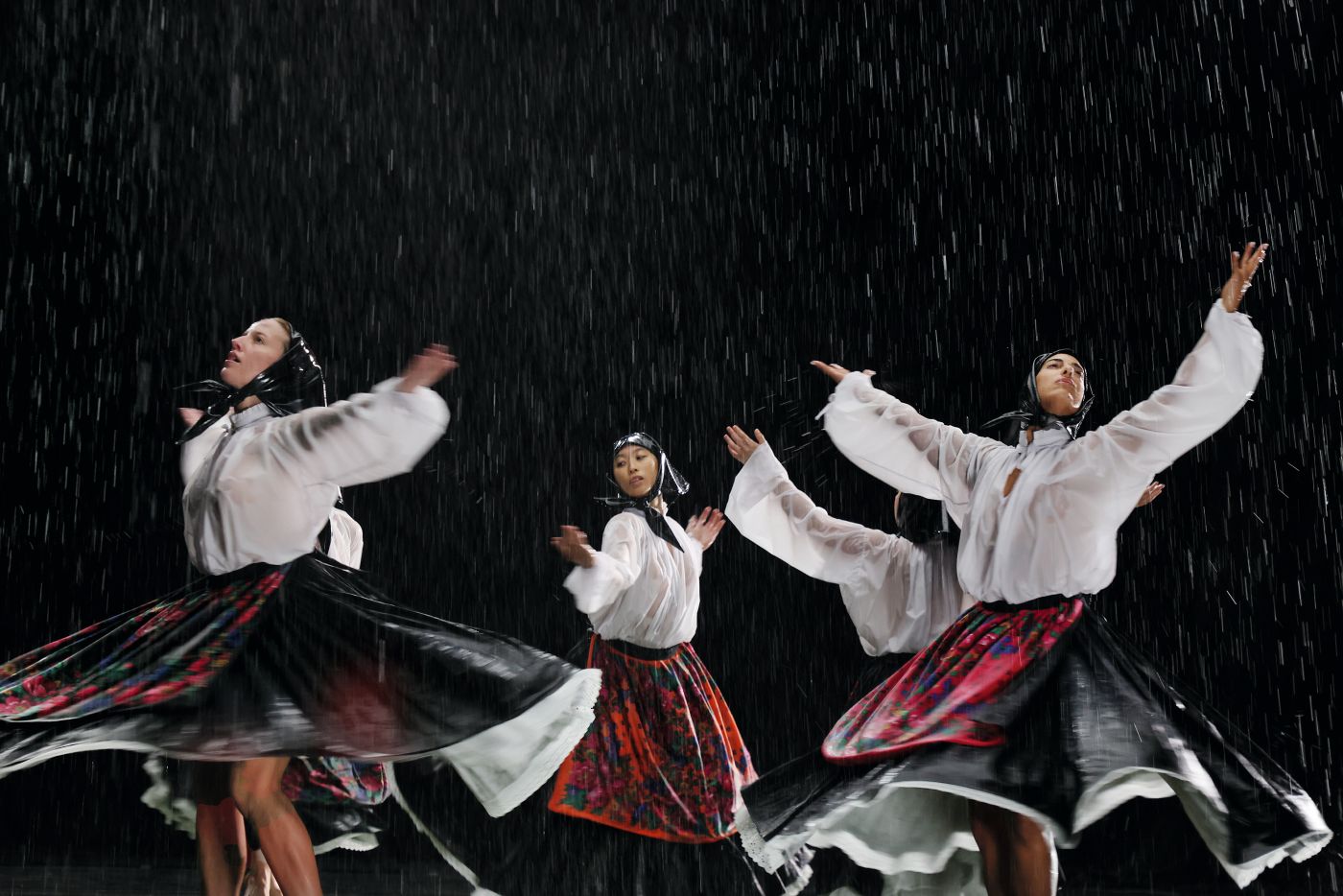
The article from Beaux Arts Magazine offers five alternative recommendations for experiencing the Nuit des Musées (Museum Night) in Paris and the Île-de-France region on May 23. Instead of visiting major museums like the Musée d'Orsay or the Grand Palais, readers are guided to lesser-known institutions and unique activities: exploring the craftsmanship of Sèvres porcelain at the Mobilier national, joining a festive dance workshop led by choreographer Wanjiru Kamuyu at the Palais de la Porte-Dorée, creating a collective fresco inspired by Jean Dubuffet at the Parc de l'Île Saint-Germain in Issy-les-Moulineaux, and immersing in the historical atmosphere of 1936 at the Musée de l'Histoire vivante in Montreuil.

« Les artistes sont des fous, des enfants » : rencontre avec Annette Messager au cœur du bric-à-brac poétique de son atelier

French artist Annette Messager, 82, welcomes Beaux Arts Magazine into her Malakoff studio and home ahead of her exhibition at the Musée de la Chasse et de la Nature in Paris. The studio is a chaotic, poetic bric-à-brac filled with hybrid creatures, stuffed toys, anatomical objects, and textile works, including her iconic piece "Les Piques" (1992–1993). Messager, who won the Golden Lion at the Venice Biennale in 2005, discusses her playful yet serious approach to art, describing artists as "mad, like children" who play constantly, sometimes very seriously. Her upcoming shows include presentations at Centre Pompidou Málaga, Galería Albarrán Bourdais in Madrid, the National Taiwan Museum of Fine Arts, and the Kunsthalle Prague.

The Best and Worst of the Stars at the 2026 Met Gala Inspired by Art History

Le meilleur et le pire des stars au Met Gala 2026 inspiré par l’histoire de l’art

On May 4, 2026, the Met Gala brought together 450 guests at the Metropolitan Museum of Art in New York under the theme "Fashion is Art," tied to the exhibition "Costume Art." Attendees were asked to draw inspiration from specific artworks, resulting in standout looks: Madonna channeled Leonora Carrington's "The Temptation of Saint Anthony" (1945) in a Saint Laurent gown, Kim Kardashian wore a custom piece by Allen Jones extending his "Cover Story 4/4" (2021), Hunter Schafer embodied Gustav Klimt's portrait "Mäda Primavesi" (1912-1913) in Prada, and Tessa Thompson referenced Yves Klein's "Anthropométries" in Valentino. Gracie Abrams also paid homage to Klimt's "The Kiss."

Au musée Marmottan Monet, la peinture de Giovanni Segantini hisse la modernité au sommet des Alpes

The Musée Marmottan Monet in Paris is hosting the first retrospective in France of Giovanni Segantini (1858–1899), a major but little-known figure of Symbolism. The exhibition traces his career through the lens of his geographical ascent into the Alps, from his early success with "Ave Maria à la traversée" (1886–1888) to his final triptych "La Vie, La Nature, La Mort," which he was working on when he died at age 41. Segantini's divisionist technique, which Vassily Kandinsky considered a precursor to abstraction, is highlighted as a means of expressing a dematerialized vision of the world.

« À qui appartiennent ces œuvres ? » : le destin des biens culturels spoliés par les nazis au cœur d’un nouvel espace au musée d’Orsay

On May 5, the Musée d'Orsay in Paris inaugurated a new dedicated space in the Pavillon Amont for artworks looted during World War II that remain unclaimed by their owners or heirs. The room, titled "À qui appartiennent ces œuvres ?" ("Who owns these works?"), features thirteen pieces including sculptures by Auguste Rodin and paintings by Auguste Renoir, Edgar Degas, and Eugène Boudin. These represent a fraction of the museum's 225 MNR (Musées nationaux récupération) holdings, part of a national legacy of approximately 2,000 looted works still held in French museums.