filter_list Showing 29 results for "44" close Clear
search
dashboard All 281 museum exhibitions 100trending_up market 80article culture 29article news 25article local 14gavel restitution 12article policy 11rate_review review 6person people 3candle obituary 1
date_range Range Today This Week This Month All
Subscribe

‘This is mine, I own it’: how Tracey Emin and Frida Kahlo inspired me to make meaning out of pain

The article is a personal essay by a writer who, after undergoing a colectomy in 2023, found inspiration in Tracey Emin's unflinching self-portraiture following her 2020 cancer diagnosis. The author describes taking her own post-surgery photographs, echoing Emin's mantra "This is mine, I own it," and reflects on Emin's current work, including the Tate Modern exhibition and paintings like "I watched Myself die and come alive" (2023) and "Barbed Wire Stitches" (2024). The essay also connects Emin's approach to that of Frida Kahlo, whose retrospective is upcoming at Tate.

boo the spookiest works in art history from samurai decapitations to ghoulish incubi

Artnet News has compiled a list of the spookiest, bloodiest, and most gruesome works in art history to celebrate Halloween. The selection includes Francisco de Goya's "Saturn Devouring His Son" (ca. 1820–23), Hermann Nitsch's blood-soaked "Schuttbild" (2013), Tsukioka Yoshitoshi's woodblock print of a samurai drinking from a severed head, and Théodore Géricault's macabre still lifes of body parts. Other entries feature Goya's "The Witches' Flight," Katsushika Hokusai's ghost story print "The Lantern Ghost, Oiwa-San," John Henry Fuseli's "The Nightmare," Vincent van Gogh's "Skull of a Skeleton with Burning Cigarette," and Utagawa Kuniyoshi's "Takiyasha The Witch and the Skeleton Spectre."

contemporary frames

Artist Harry Gould Harvey IV and others are reclaiming the frame as an integral part of the artwork, using found wood and elaborate designs to embed narrative, memory, and place. Harvey, represented by P.P.O.W., began making frames from a fallen black walnut tree, while artists like Jenna Rothstein create ceramic frames with spiky thorns. The New Museum Los Gatos recently honored Holly Lane, a pioneer who milled Renaissance-style frames in the 1980s, challenging the minimalist norm.

titian top 10 works ranked

Artnet News ranks the top 10 works of Renaissance master Titian, using criteria of suggestiveness, mystery, and pop culture relevance. The list includes paintings such as "Pietà" (1575–76), "Danaë" (1544–46), "Assumption of the Virgin" (1516–18), and "The Rape of Europa" (1560–61), with commentary on their composition, history, and cultural impact.

design amalia ulman home

Artist Amalia Ulman shares a personal inventory of 44 objects from her home, ranging from a pigeon-shaped oven mitt and a 1920s Austrian bronze cat figurine to a telephone-shaped lamp bought from a subway vendor and a graphite portrait of her late dog Holga. The list includes quirky functional items like a cane that turns into a stool, a wooden chair that transforms into a ladder, and sentimental keepsakes such as a red pompom from Holga's casket and a bag of gravel from the dog park. The objects reflect her daily life, travels, and memories, blending humor with melancholy.

Harnessing the winds of societal change: how art dealers have been able to shape taste for centuries

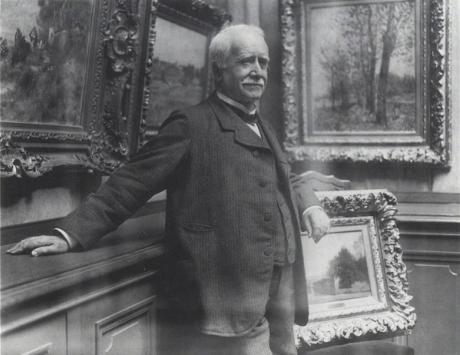
Valentina Castellani, a former Gagosian director, has authored a new book titled *Trading Beauty: Art Market Histories from the Altar to the Gallery* (out 1 May). The book traces how art dealers have historically leveraged societal changes—political, economic, and social—to reshape taste and market structures. Castellani begins in the Middle Ages, when art was made only on commission for patrons like the Catholic church and monarchies, and moves through key shifts such as the Dutch Republic's first open art market in the 17th century, which gave rise to the professional art dealer. She highlights dealers like Paul Durand-Ruel, Joseph Duveen, and Leo Castelli who capitalized on anti-establishment energy, new wealth, and post-war consumer culture to bring avant-garde art to the forefront.

see super bowl heroes depicted in classical paintings

A Nobilified, a start-up that lets customers insert themselves into classic paintings for about $140, has created a series of artworks depicting Super Bowl heroes from the New England Patriots and Seattle Seahawks in historical masterpieces. Patriots quarterback Tom Brady appears as Prometheus (1868) by Gustave Moreau, tight end Rob Gronkowski as Abduction of Ganymede by Jupiter (ca. 1644) by Eustache Le Sueur, while Seahawks quarterback Russell Wilson is shown in Ideal portrait of a Spanish King (ca. 1643) by Alonso Cano, with other players featured in works by John Singleton Copley and Benjamin West.

10 art historical deep dives

Artnet News published a roundup of 10 art historical deep dives from 2025, curated by an editor who expresses a deep passion for art history. The article highlights several featured stories, including the eccentric tale behind Carl Kahler's monumental cat painting "My Wife's Lovers" (1891), commissioned by Gilded Age patron Kate Birdsall Johnson; the record-breaking sale of Gustav Klimt's "Portrait of Elisabeth Lederer" for $236.4 million at Sotheby's New York, with its rich symbolism and Imperial Chinese motifs; the online resurgence of August Friedrich Schenck's obscure 19th-century painting "Anguish" (ca. 1878), popularized by TikTok; and the centenary of F. Scott Fitzgerald's "The Great Gatsby" with a deep dive into Francis Cugat's iconic cover art "Celestial Eyes" (1924).

who was j m w turner why so important british artist

This article profiles British painter Joseph Mallord William Turner (1775–1851), detailing his rise from a barber's son to one of Britain's most famous artists. It covers his early training at the Royal Academy Schools, his mastery of watercolor and oil, and his prolific output of over 500 oil paintings and thousands of works on paper. Key works discussed include *Jedburgh Abbey* (c. 1832), *Fishermen at Sea* (1796), and *The Battle of Trafalgar* (1822), the latter of which sparked controversy for historical inaccuracies. The piece notes that for his 250th birthday, international institutions are celebrating his legacy.

anne imhof doom nike jerseys

Anne Imhof, the German artist known for her sprawling performances and winner of the 2017 Venice Biennale Golden Lion, has created her first brand collaboration with Nike. She designed two rival jerseys for Nike's revived Total 90 line, inspired by the warring 'houses' from her Park Avenue Armory project *Doom: House of Hope*: a black-and-blue short-sleeve jersey for the Tigers and a red long-sleeve jersey with a wolf's head for the Wolves. The designs, realized with Zak Group, feature the Doom crest and 'Imhof 25' on the back, and were launched with a live performance by Berlin musicians Lia Lia and ATK44 during Berlin Art Week. The jerseys will be available from September 16 at Voo Berlin and Dover Street Market in London.

A View From the Easel With Celia Paul

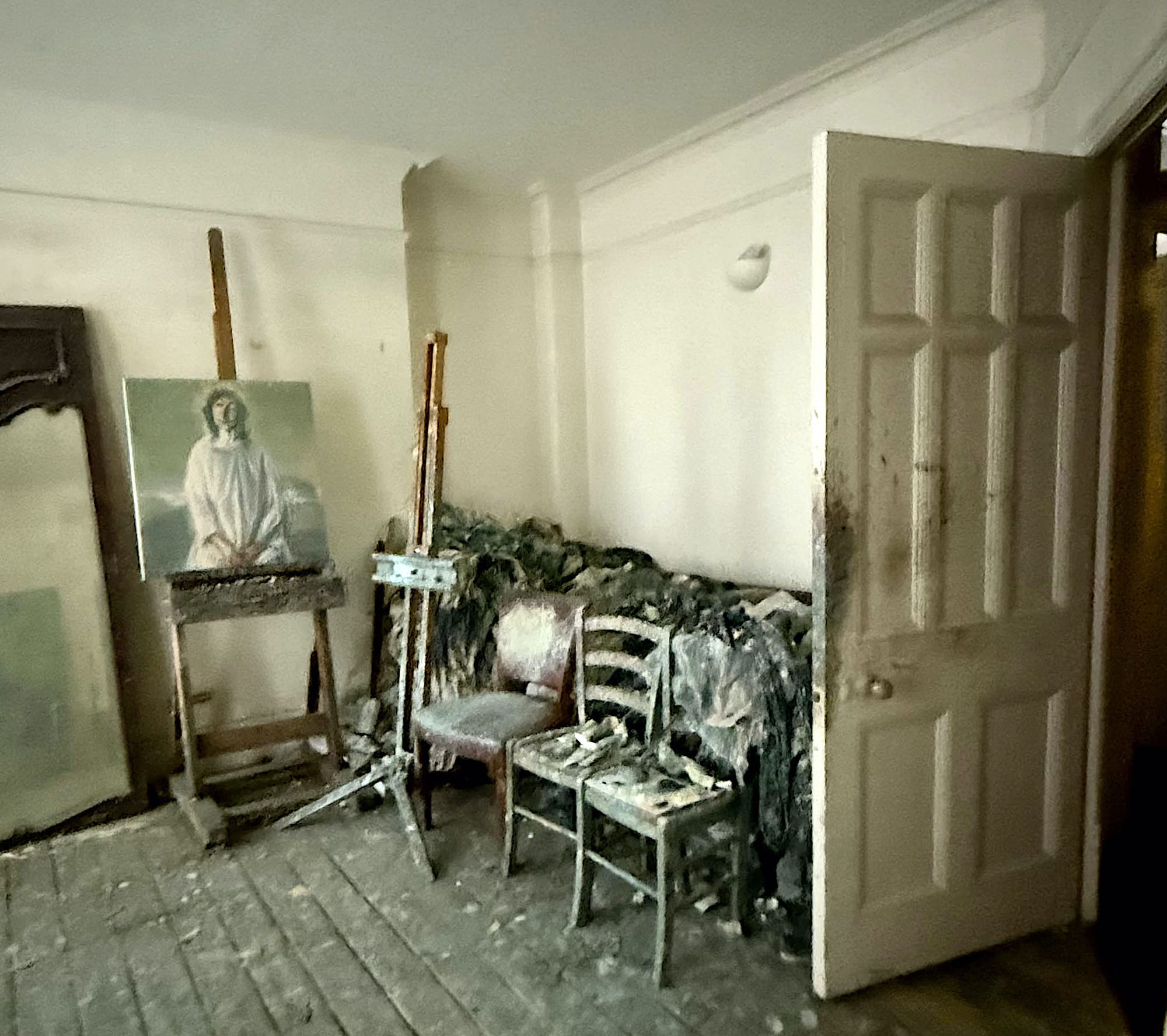
British painter Celia Paul provides an intimate look at her long-term studio and residence in London's Bloomsbury neighborhood, where she has lived and worked for 44 years. The artist describes a disciplined routine starting at 5am, emphasizing a need for silence and a pared-down environment to foster the introspection found in her seascapes and self-portraits.

Martin Schongauer in 2 Minutes

Martin Schongauer en 2 minutes

Martin Schongauer (c. 1445–1491), the Alsatian painter, draftsman, and engraver, is celebrated as the greatest German copperplate engraver before Albrecht Dürer and one of the first artists to achieve pan-European fame in his lifetime. The article outlines his life and career, from his early training in his father's goldsmith workshop in Colmar to his studies at the University of Leipzig and travels through Flanders, where he absorbed the influence of Rogier van der Weyden and Dirk Bouts. It highlights his 116 copper engravings, signed with the monogram 'M+S', which elevated engraving to a high art and circulated from Spain to Bohemia, inspiring Dürer and the young Michelangelo. Key works discussed include the painting 'La Vierge au buisson de roses' (1473) and the engraving 'La Tentation de saint Antoine' (c. 1470–1475).

These Are the 44 Best Art Museums in the U.S. Right Now

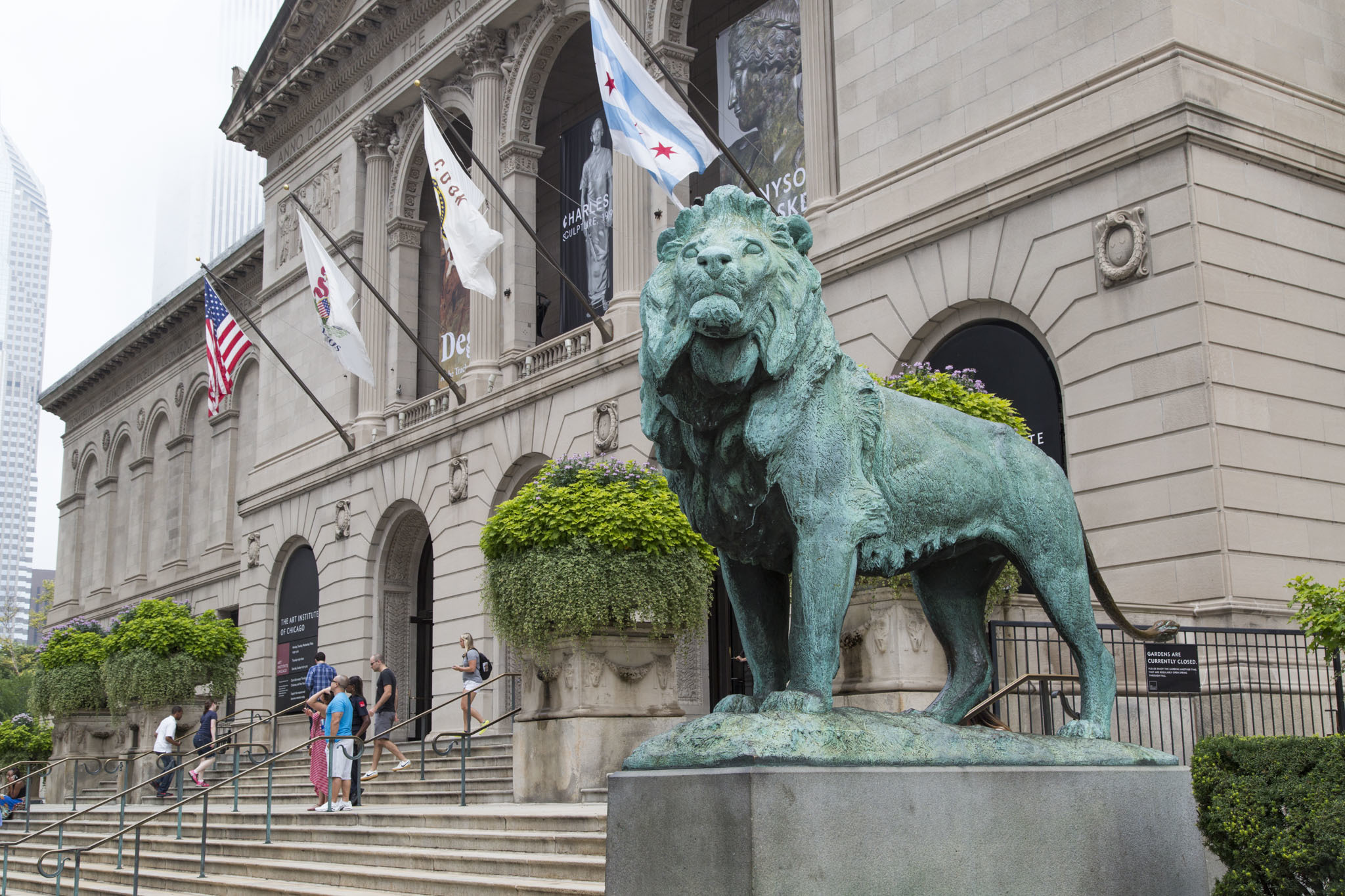
Time Out has published a list of the 44 best art museums in the U.S., ranking institutions like the Museum of Modern Art (MoMA), the Whitney Museum of American Art, and the Metropolitan Museum of Art (The Met) at the top. The article highlights each museum's collection highlights, architectural features, and visitor tips, with prices and recommendations for immersive experiences.

art bites courbet painting jeanne duval baudelaire

Gustave Courbet's 1855 masterpiece *The Artist's Studio* originally included a portrait of Jeanne Duval, the mixed-race actress and courtesan who was the muse and longtime lover of poet Charles Baudelaire. After a falling out, Baudelaire asked Courbet to remove her from the painting. Courbet painted over her figure with watercolor rather than oil, and over the past 170 years, the image of Duval has gradually reappeared as a pentimento—a ghostly trace of the erased figure.

frida kahlo auction record op ed

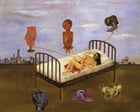
Frida Kahlo's 1940 painting *El Sueño (La Cama)* sold for $54.7 million at Sotheby's New York, setting a new auction record for the most expensive work by a woman artist, surpassing Georgia O'Keeffe's *Jimson Weed, White Flower No. 1* ($44.4 million in 2014). The sale sparked widespread commentary, with many framing it as a milestone for gender equity in the art market, while others noted the persistent gap between this price and those achieved by male artists like Leonardo da Vinci ($450.3 million) and Gustav Klimt ($236.4 million).

November Book Bag: from a tome of Japanese printmakers to the first Nina Chanel Abney monograph

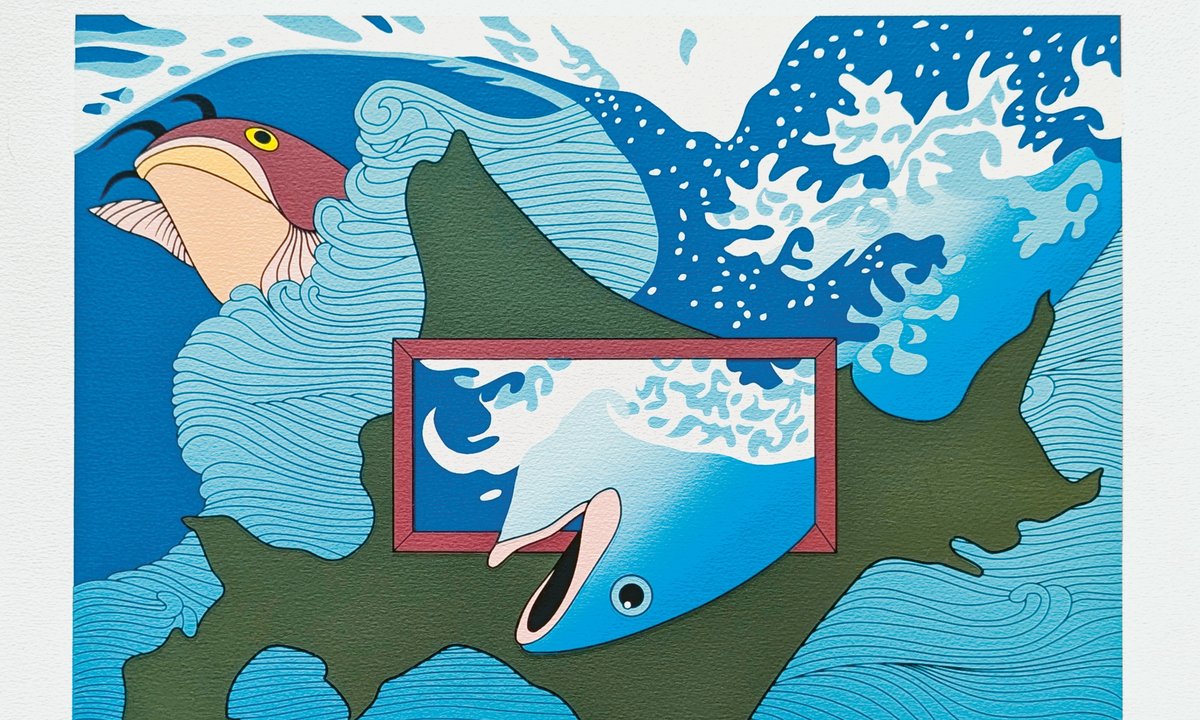
The article reviews four new art books released in November. It covers 'Modern Japanese Printmakers: New Waves and Eruptions' by Malene Wagner (Prestel), a survey of 44 Japanese printmakers from the early 20th century to today; the debut monograph on Nina Chanel Abney (Monacelli) with contributions from Thelma Golden and Jazmine Hughes; 'Massimo Listri: Italian Palaces' (Taschen), a photographic tour of grand Italian palaces; and 'Strange Discoveries: The Art of Denton Welch' (John Swarbrooke Fine Art), a catalogue accompanying the first solo exhibition of Welch's work in over 40 years.

The Artists Who Put Their Bodies Into the Work

This article from Google News, dated May 3, 2026, profiles a selection of artists who have used their own bodies as central elements in their work. It draws a connection to the Metropolitan Museum of Art's spring Costume Institute exhibition, "Costume Art," which places fashion in dialogue with other artworks. The roundup includes Marina Abramović, known for her 2010 MoMA performance "The Artist Is Present"; Chris Burden, who staged dangerous works like "Shoot" (1971); David Hammons, creator of the "Body Prints" series; Frida Kahlo, whose painting "The Broken Column" (1944) depicts her own physical pain; Ana Mendieta, whose "Silueta" series used her figure in the landscape; and Yoko Ono, a conceptual artist with a significant body-based practice.

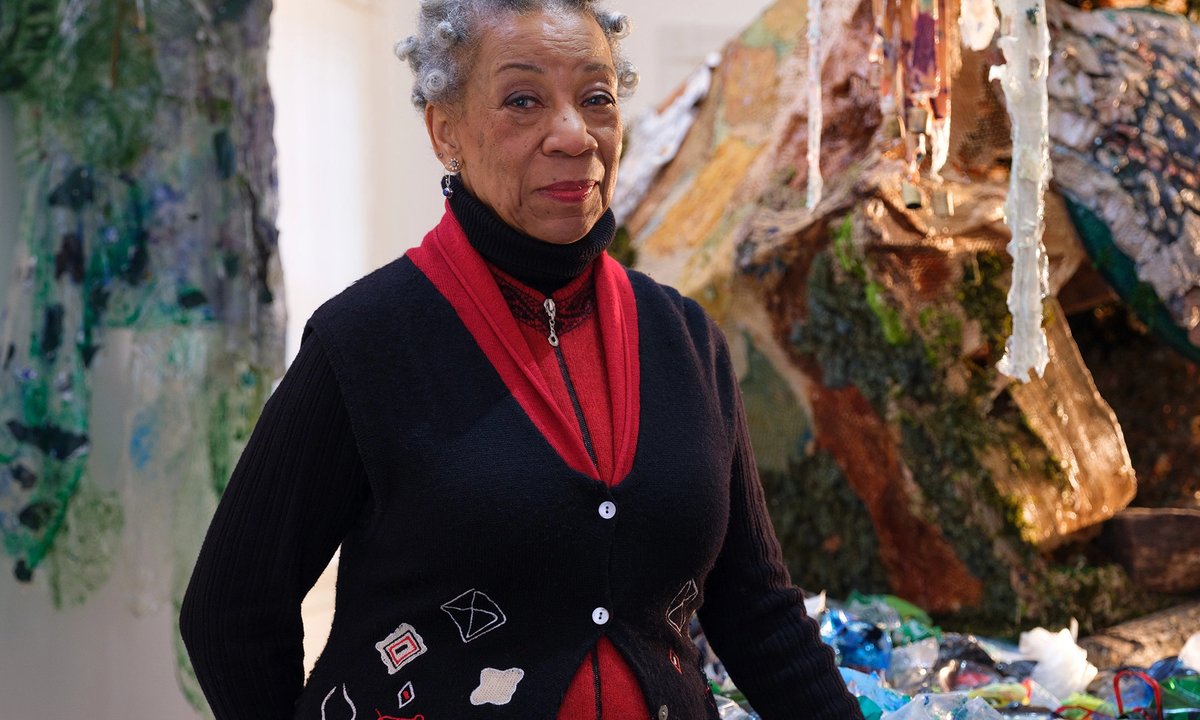
A brush with… Suzanne Jackson—podcast

This podcast episode features an in-depth conversation with artist Suzanne Jackson, who discusses her multifaceted career spanning drawing, painting, poetry, dance, and theatre. Born in 1944 in St. Louis and raised in San Francisco and Fairbanks, Alaska, Jackson draws on Native American and African American traditions to explore the spiritual connection between people and nature. She reflects on influences including Barbara Chase Riboud, Elizabeth Catlett, and Torkwase Dyson, and shares insights into her studio practice and her view on art's purpose. The episode also highlights her current survey exhibition "What is Love," which travels to SFMOMA, the Walker Art Center, and the Museum of Fine Arts, Boston through 2027.

An expert’s guide to Edvard Munch: five must-read books on the Norwegian Expressionist

The article presents a curated reading list on Edvard Munch, compiled by Trine Otte Bak Nielsen, a curator at the Munch Museum in Oslo. The list includes five key books: Ali Smith's essay "So in the Spruce Forest" (2025), Gerd Woll's catalogue raisonné "Edvard Munch: Complete Paintings" (2009), "Living Lines: Five Contemporary Artists on Edvard Munch's Drawings" (2021) edited by Halvor Haugen, Rolf E. Stenersen's biography "Edvard Munch: Close-up of a Genius" (1944/2013), and Stanislaw Przybyszewski's "Das Werk Des Edvard Munch" (1894). The selection coincides with the museum's exhibition "Lifeblood: Edvard Munch," which explores the artist's work through themes of health and sickness.

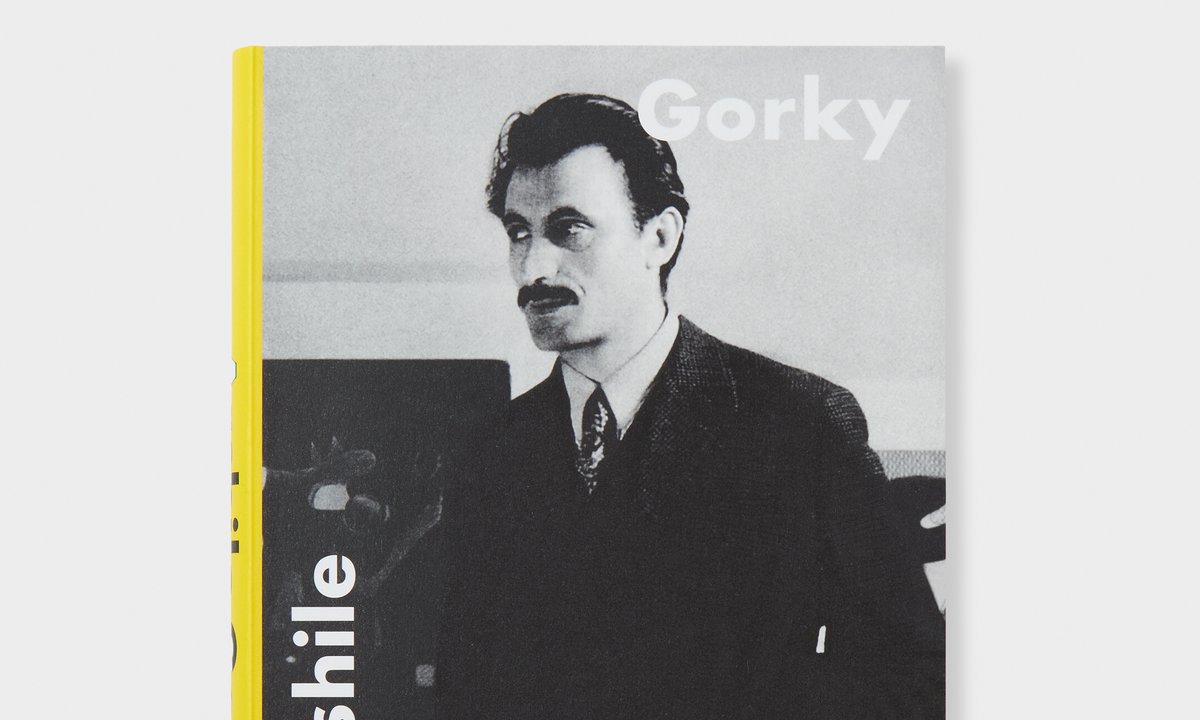
June Book Bag: from the cool influence of Ice Age art to the story of Arshile Gorky’s early years in the US

This article presents a roundup of six new art books released in June, covering a diverse range of topics. Titles include a monograph on Arshile Gorky's early years in New York, a collection exploring interspecies consciousness from the Serpentine Galleries, a book accompanying a British Museum exhibition on Ice Age art, a lavish Taschen monograph on Salvador Dalí, and a three-volume photographic study of the American West by Maryam Eisler and Alexei Riboud.

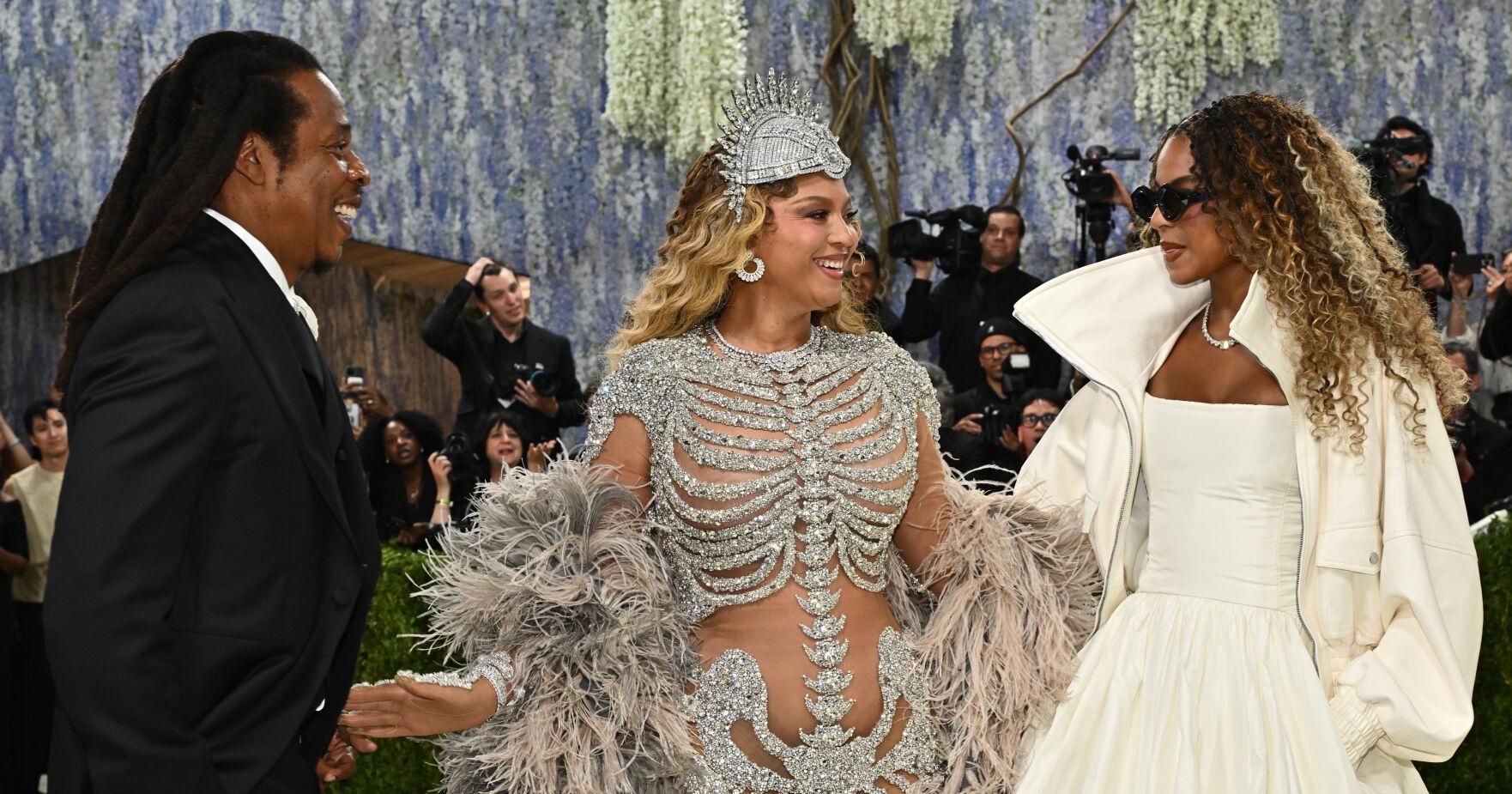
Was Beyoncé's Met Gala gown inspired by a Louisiana artist and her Creole heritage?

Beyoncé attended the 2026 Met Gala in a translucent gown by Olivier Rousteing, adorned with a bejeweled skeleton motif. Online sources suggest the design was inspired by 'Visitor,' a 1944 lithograph by Louisiana artist Caroline Durieux, who was a professor at Tulane University and LSU. The artwork, held by the LSU Museum of Art, depicts a skeleton in a translucent frock, echoing the gown's aesthetic. Art collector Jeremy K. Simien noted Durieux's influence and the potential value boost to the print from the Beyoncé connection.

Caravaggio, Class, Clothes, and Street Style by Elizabeth Currie

caravaggio class clothes street style elizabeth currie

An excerpt from Elizabeth Currie's upcoming book "Street Style: Art and Dress in the Time of Caravaggio" analyzes the significance of clothing in Caravaggio's painting *The Cardsharps*. The author dissects the garments of the three figures—a finely dressed youth, a possibly liveried servant, and a disheveled card sharp—to reveal how their attire provides clues to their social status, professions, and the complex, often deceptive relationships between them.

bernini the ecstasy of saint teresa

Gian Lorenzo Bernini's iconic Baroque sculpture *The Ecstasy of Saint Teresa* (1647–1652) is examined in detail, depicting the Spanish Carmelite nun Saint Teresa of Ávila in a moment of divine rapture as an angel pierces her heart with a golden arrow. The artwork, housed in the Cornaro Chapel at Santa Maria della Vittoria in Rome, was commissioned by Cardinal Federico Cornaro and remains one of Bernini's most celebrated and controversial masterpieces, blending theatricality, religious fervor, and virtuosic marble carving.

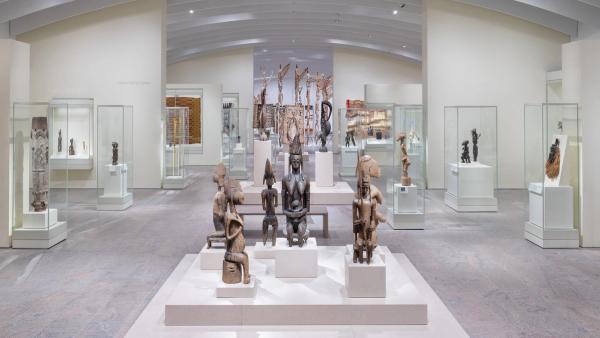
Arts of Africa

This article explores the deep history and cultural significance of Africa's artistic traditions, focusing on the continent as the cradle of human creativity. It traces the development of diverse cultures south of the Sahara over 160,000 years, highlighting how artists and workshops translated worldviews into enduring creations. The text also examines Africa's Atlantic Coast engagement from 1445 onward, detailing early European contact, trade agreements along the Gold Coast, and the forced exodus of captives during the transatlantic slave trade, which deprived the region of its productive youth.

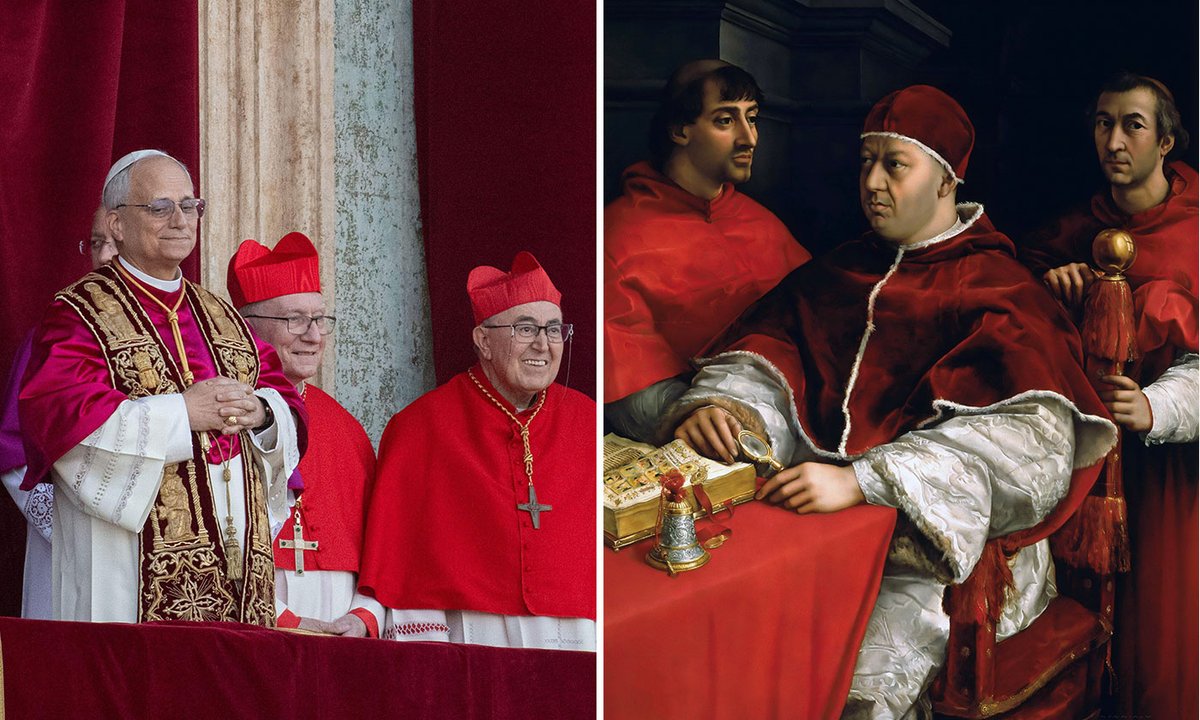
The art of being Pope Leo: from a Raphael portrait to the first pontiff to be captured on film

The article examines the artistic and historical legacy of popes named Leo, following the election of Robert Prevost as Pope Leo XIV on 8 May. It traces the name through figures like Leo I (Leo the Great), Leo IX, and Leo X, focusing on Raphael's iconic 1518-20 portrait of Pope Leo X with cardinals Giulio de' Medici and Luigi de Rossi. The piece also discusses Raphael's frescoes in the Vatican's Stanze and Loggia, which depict earlier Leonine popes, and highlights the Medici family's role in bankrolling the Renaissance.

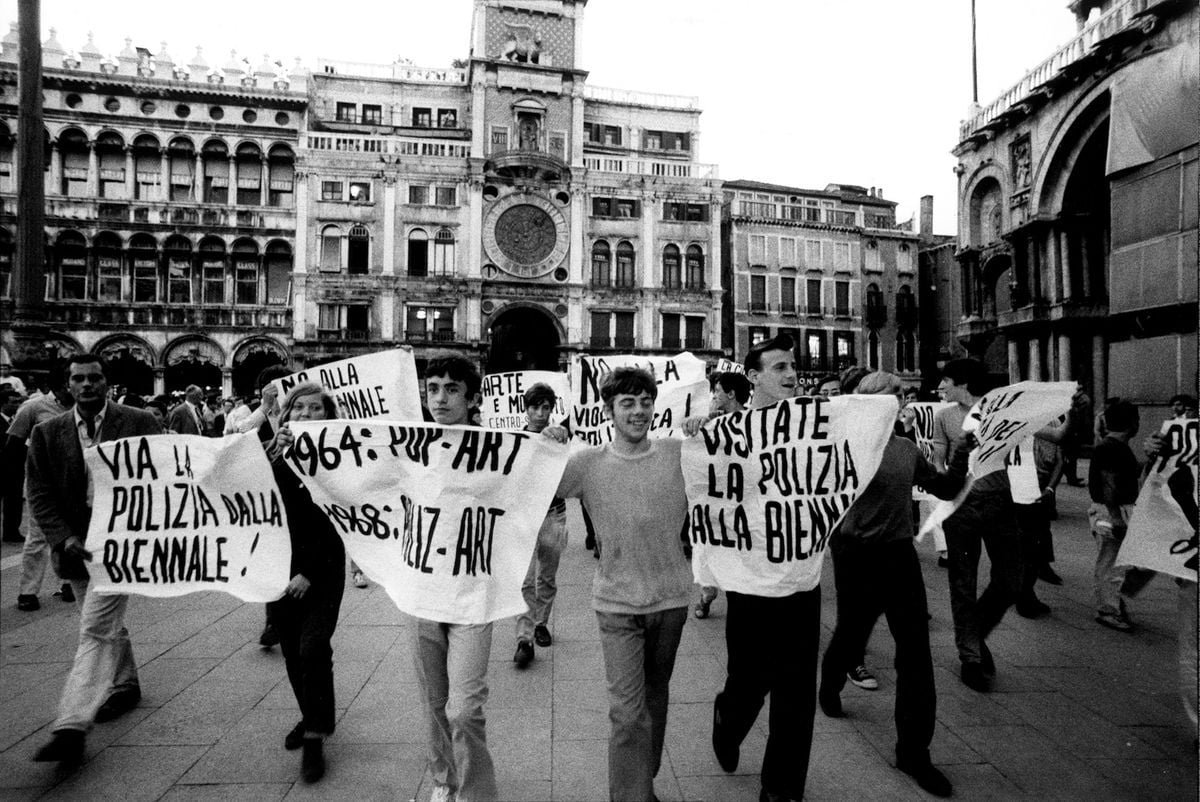
Since 1968, Protests Have Revealed the Real Impact of the Venice Biennale

The article recounts the 1968 protests at the Venice Biennale, where artists, students, and activists clashed with police over the event's perceived ties to bourgeois power and capitalist commodification. It draws parallels to the 2024 Biennale, where groups like Art Not Genocide Alliance, Pussy Riot, and Femen demonstrated against the participation of Russia and Israel, while artists staged strikes and performances like the Solidarity Drone Chorus to highlight the Gaza conflict.

Hilma af Klint en 2 minutes

Hilma af Klint (1862–1944) is profiled as a pioneering Swedish abstract artist who created a vast body of visionary, large-scale abstract paintings decades before Kandinsky, yet kept them secret during her lifetime. The article traces her life from a childhood steeped in science and nature, through her studies at the Royal Academy of Fine Arts in Stockholm, to her dual artistic practice: conventional landscapes and portraits for income, and radically abstract works guided by spiritualist séances and theosophical beliefs. She founded the group "The Five" with fellow female artists, and from 1906 onward produced the monumental series "Paintings for the Temple" (193 works), convinced she was channeling a higher force. She stipulated in her will that her abstract works not be revealed until 20 years after her death, and they were only rediscovered in the late 1960s.

Buried lines and bold beginnings

Timothy Akis, born around 1944 in Tsembaga village, Madang, is recognized as a pioneer of contemporary art in Papua New Guinea. His 1969 solo exhibition at the University of Papua New Guinea (UPNG) is considered the country's first Western-style show by a Papua New Guinean artist, catalyzing a modern art movement. Akis developed a distinctive drawing style using ballpoint, felt pen, and ink, depicting highlands creatures like cassowaries and flying foxes. His work inspired younger artists, notably Mathias Kauage, who became PNG's most internationally visible contemporary painter after seeing Akis's exhibition. Akis's career included exhibitions in Australia, Europe, and the United States, and his works are held by institutions such as the National Gallery of Australia and the Queensland Art Gallery, Gallery of Modern Art.

Stitches in time: the artist chronicling the DRC’s blood-soaked history in tapestry

Lucie Kamusekera, an 82-year-old artist in Goma, Democratic Republic of the Congo, creates embroidered tapestries on tobacco sacks that chronicle the country's violent history. Born in 1944 and taught sewing by Italian nuns, she began documenting contemporary conflicts after witnessing a military truck filled with corpses. Her more than 70 works depict events from the colonial Belgian Congo era to the 1961 assassination of Patrice Lumumba and the second Congo war, as well as personal tragedies including her husband's murder by rebels. Despite ongoing danger from rebel offensives, she continues to stitch from her home studio, training her children and great-granddaughter to carry on her work.