filter_list Showing 315 results for "ARCH" close Clear
dashboard All 4731 museum exhibitions 2428article news 718article local 347article culture 315trending_up market 303article policy 189person people 185gavel restitution 94rate_review review 74candle obituary 69article museum 3article event 3article museums & heritage 1article gallery 1article school 1
date_range Range Today This Week This Month All
Subscribe

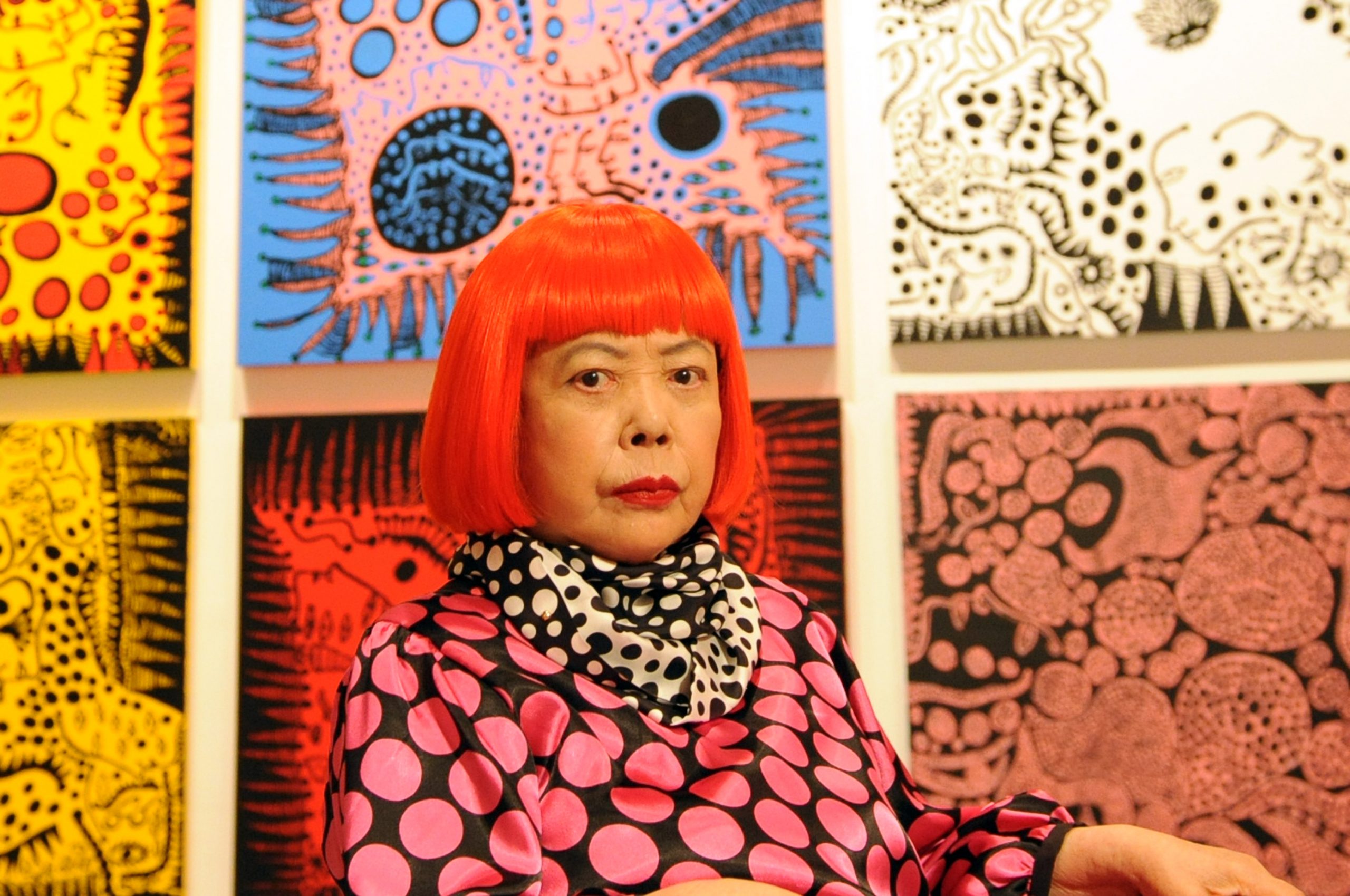
7 yayoi kusama works to know 2637394

Artnet News profiles seven key works by Yayoi Kusama, tracing her career from the 1960s to the present. The article highlights her iconic pieces such as *Narcissus Garden* (1966), a guerrilla installation at the Venice Biennale where she sold mirrored spheres, and *Death of a Nerve* (1976), a soft sculpture reflecting her emotional struggles after returning to Japan. It also notes her early life, including her traumatic childhood, move to New York, and friendships with artists like Georgia O'Keeffe and Joseph Cornell.
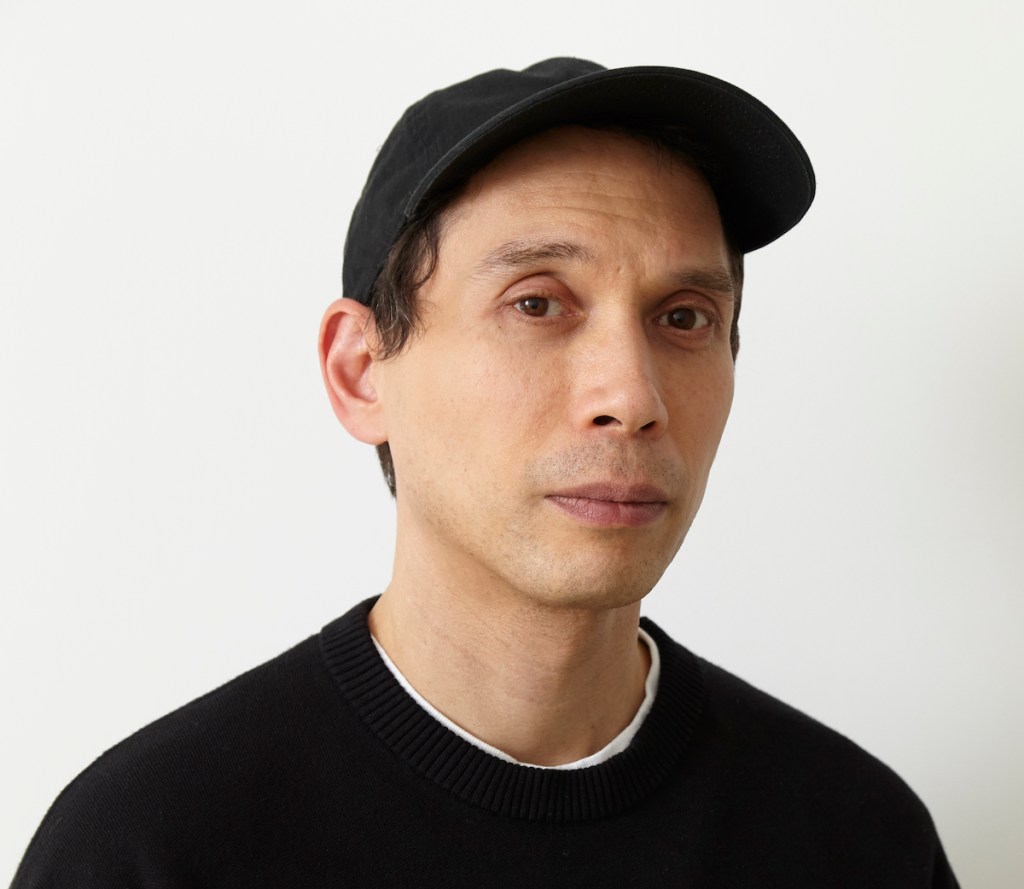
How Josh Kline Wrote the Essay That the Art World Can’t Stop Talking About

Artist Josh Kline has sparked intense debate across the New York art world with his viral essay, "New York Real Estate and the Ruin of American Art," published in the journal October. The text serves as a scathing critique of the current state of the American art industry, diagnosing it as "sick" due to skyrocketing real estate costs, systemic power imbalances, and a market that has become an unsustainable "conveyor belt" of commercial painting. Kline argues that the economic pressures of post-pandemic New York have made the city a hostile environment for experimental and conceptual practices.

art basel party june social diary 1234745714

ARTnews sent correspondents Daniel Cassady and George Nelson to cover the social scene at Art Basel, documenting their experiences across three nights of parties, dinners, and cocktail hours. Cassady's journey was marred by travel delays, but he eventually attended a dinner hosted by Thaddaeus Ropac at Safran Zunft, a garden party by Sean Kelly Gallery, and a late-night gathering organized by multiple galleries. Nelson arrived smoothly and joined Cassady for drinks, noting the challenges of street noise and cabbage smells near their Airbnb.

labubu art history 2665107

An ancient bronze artifact at China's Luoyang Museum has gone viral for its striking resemblance to Labubu, a wildly popular collectible toy created by Hong Kong artist Kasing Lung in 2015. The artifact, an Eastern Zhou Dynasty ceremonial danglu used as horse armor, dates to the Spring and Autumn period (770–476 B.C.E.) and is on display until August. Meanwhile, some internet users have drawn comparisons between Labubu and the Mesopotamian demon Pazuzu, sparking baseless conspiracy theories and TikTok warnings from overly devout Christians.

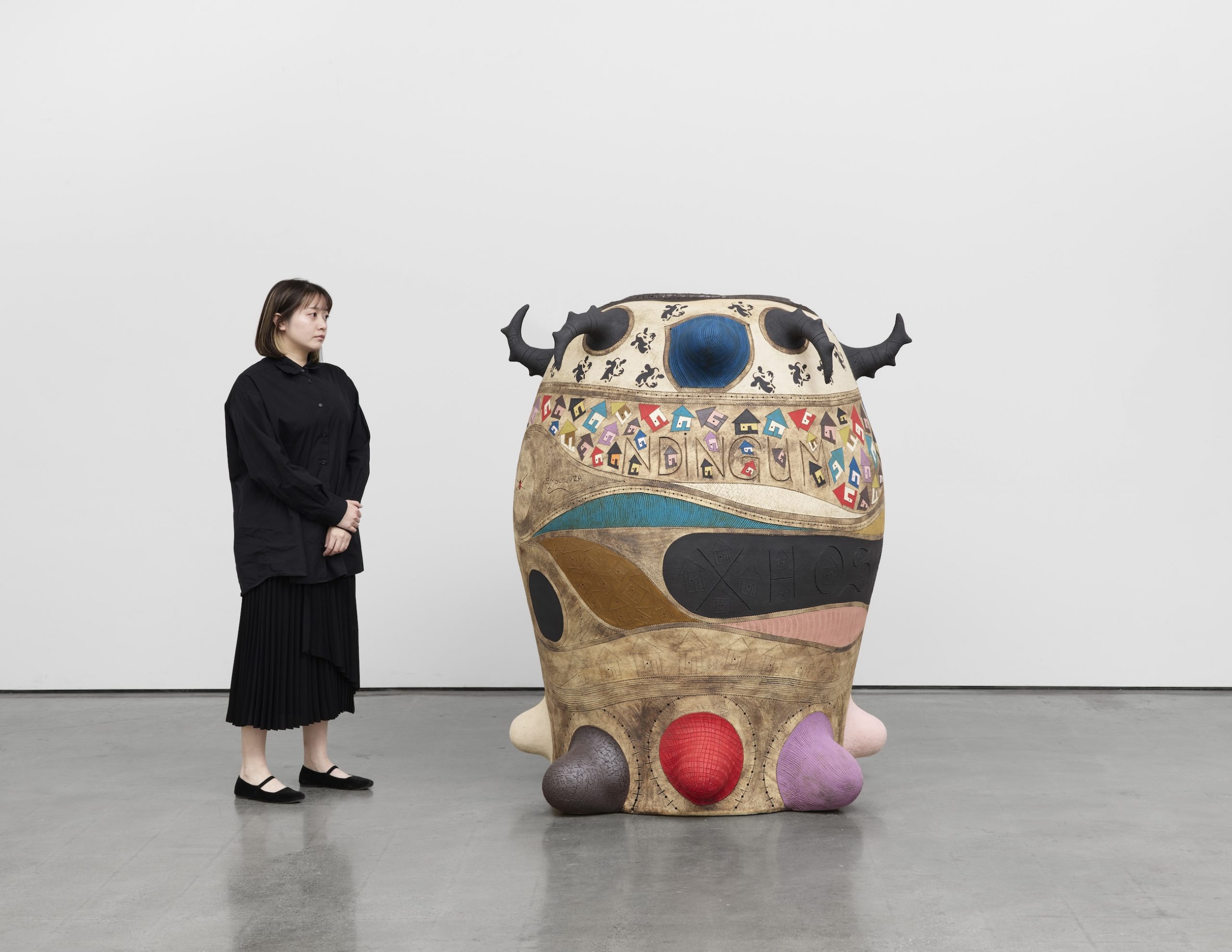
ceramics artists 2626757

The article examines the resurgence of ceramics as a fine art medium, tracing its history from ancient Chinese and Greek pottery to the record-breaking $36 million sale of a Ming Dynasty chicken cup in 2014. It highlights influential figures like Peter Voulkos, who established ceramics departments at major institutions, and artists such as Ken Price, Ron Nagle, and Betty Woodman. Recent major museum exhibitions—including 'Strange Clay' at London’s Hayward Gallery, 'Funk You Too!' at New York’s Museum of Arts and Design, and 'Ceramics in the Expanded Field' at MASS MoCA—showcase a new generation of artists pushing the medium beyond traditional craft.

My toddler threw a toy pig at an artwork – and inspired this guide for small kids in galleries

A journalist recounts a stressful visit to the Royal Academy with her toddler, where a toy pig was thrown toward a Kerry James Marshall painting. This incident serves as the catalyst for a new series exploring the compatibility of small children and art galleries, addressing the anxieties parents face regarding museum etiquette, accessibility, and the fear of damaging artworks.

new york fashion week artists designers jason wu rauschenberg 1234752761

During New York Fashion Week, Canadian designer Jason Wu unveiled his latest collection in a Brooklyn Navy Yard warehouse, but the runway show was preceded by a ten-piece installation of screen prints by American artist Robert Rauschenberg, on loan from the Rauschenberg Foundation. Wu spent months researching the artist's archive, focusing on the little-studied Hoarfrost series, and incorporated image transfers from 1970s newspapers and magazines into his garments. The show also featured other designer-art crossovers, including Proenza Schouler's debut under Rachel Scott at Olney Gleason gallery and Ashlynn Park's presentation at the International Center of Photography alongside works by Iranian artist Sheida Soleimani.

Comment | Cow in MSCHF project survives, but should the project have happened at all?

The Brooklyn-based art collective MSCHF concluded its two-year project 'Our Cow Angus,' in which the fate of a live cow was determined by token holders. Purchasers of tokens representing future hamburgers and leather had the option to return them via a 'remorse portal'; when over 50% were returned by the March 13 deadline, the cow was sent to a sanctuary instead of a slaughterhouse.

The Defining Themes of Today’s Biennial Art

The article analyzes the defining themes and styles of the past four years in the international biennial circuit, based on a survey of 130 biennials. It identifies a core group of artists who appeared most frequently, including Ali Eyal, Apichatpong Weerasethakul, Carolina Caycedo, Kapwani Kiwanga, and Tuan Andrew Nguyen, among others. Many of these artists are also featured in the upcoming 61st Venice Biennale curated by the late Koyo Kouoh. The piece categorizes their work under two broad themes: "Post-Colonial Post-Conceptualism," which involves poetic engagement with colonial history and artifacts, and "Families and Networks," where artists explore personal and political family histories.

these trends defined art in 2025 2722999

Artnet News recaps the defining trends of 2025 in the art world, highlighting five key stories. These include the resurgence of elaborate frames in contemporary art ("Bordercore"), the rise of "red-chip art" favored by a new breed of flashy collectors, a "para-pastoral" movement that twists idyllic rural scenes into unsettling visions, and the growing popularity of small-scale paintings driven by intimacy and market shifts.

hong kong fire bamboo culture 2723917

A deadly fire in Hong Kong's Tai Po district, which killed at least 159 people and left 31 missing, has sparked an online battle over the role of bamboo scaffolding in the blaze. Photographer Elaine Li and other artists, architects, and cultural historians are defending the centuries-old craft against early news reports that implicated it, fearing it may be unfairly blamed and regulated out of existence. Officials have ordered all scaffolding mesh removed and arrested 21 people on suspicion of manslaughter, but the conversation has grown into a broader fight to protect a cultural symbol of Hong Kong's identity.

how venices legendary hotel cipriani is rethinking luxury with art 2712567

The article describes a weekend stay at the Hotel Cipriani, a Belmond hotel in Venice, highlighting its role as a luxurious oasis amid the city's cultural offerings. It details visits to the Peggy Guggenheim Collection, including the exhibition "Manu-Facture: The Ceramics of Lucio Fontana," and the Gallerie dell'Accademia, while focusing on the hotel's upcoming redesign by architect Peter Marino, set to debut in 2025 with new suites and a lobby. The hotel's art program, including past collaborations like Daniel Buren's pavilion and future activations tied to the 2026 Venice Biennale, is also emphasized.

‘They accomplished so much, even as they were dying’: the groundbreaking gay art of Peter Hujar and Paul Thek

Author and Frieze Magazine editor-in-chief Andrew Durbin has released a dual biography titled 'The Wonderful World That Almost Was,' chronicling the lives and creative partnership of Peter Hujar and Paul Thek. The book focuses on their relationship from the mid-1950s through the 1970s, detailing their collaborative influence and the development of their respective practices in photography and sculpture before both died of AIDS-related complications in the late 1980s.

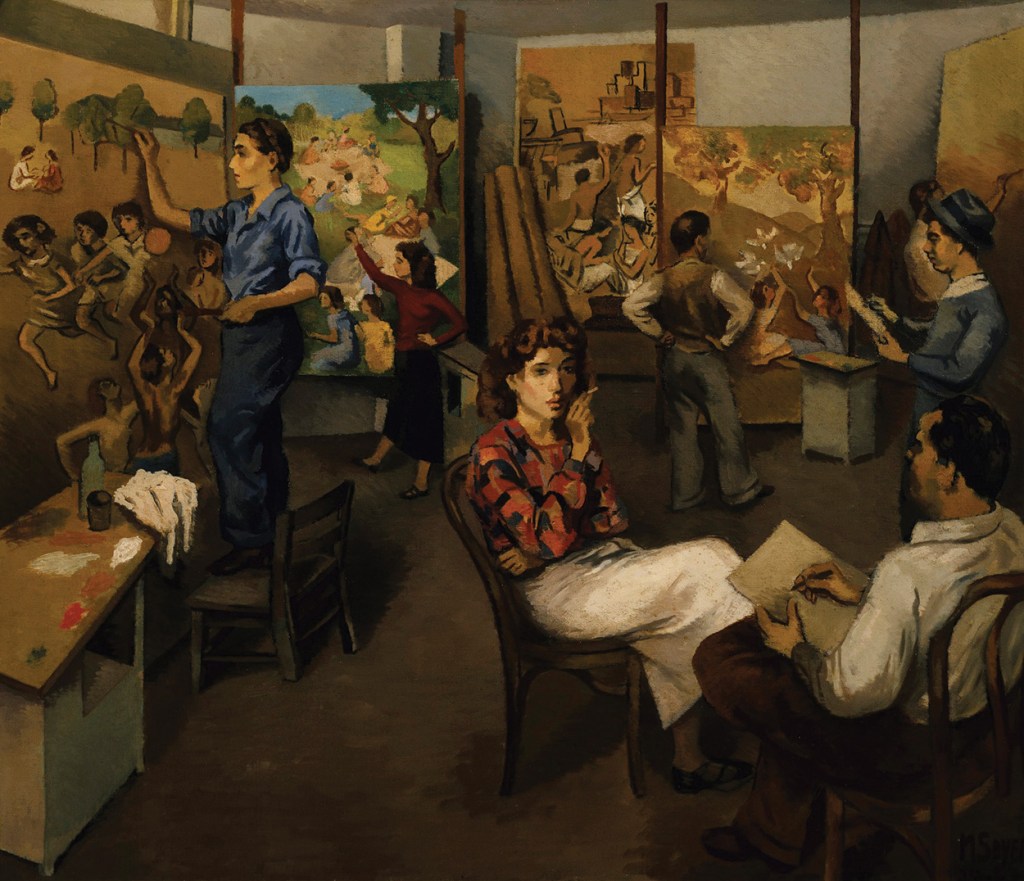
How the New Deal Treated Art as Essential to Democracy

The United States government transformed the role of the artist during the Great Depression by treating art as a vital public resource rather than a private luxury. Between 1933 and 1943, New Deal programs like the Public Works of Art Project (PWAP) commissioned hundreds of thousands of works for schools, libraries, and hospitals, providing 'plumbers' wages' to struggling creators. This federal patronage supported a generation of then-unknown figures, including Jackson Pollock, Mark Rothko, and Alice Neel, while focusing on the 'American scene' to make culture accessible to the general public.

dear ivanka trump moving protest 819011

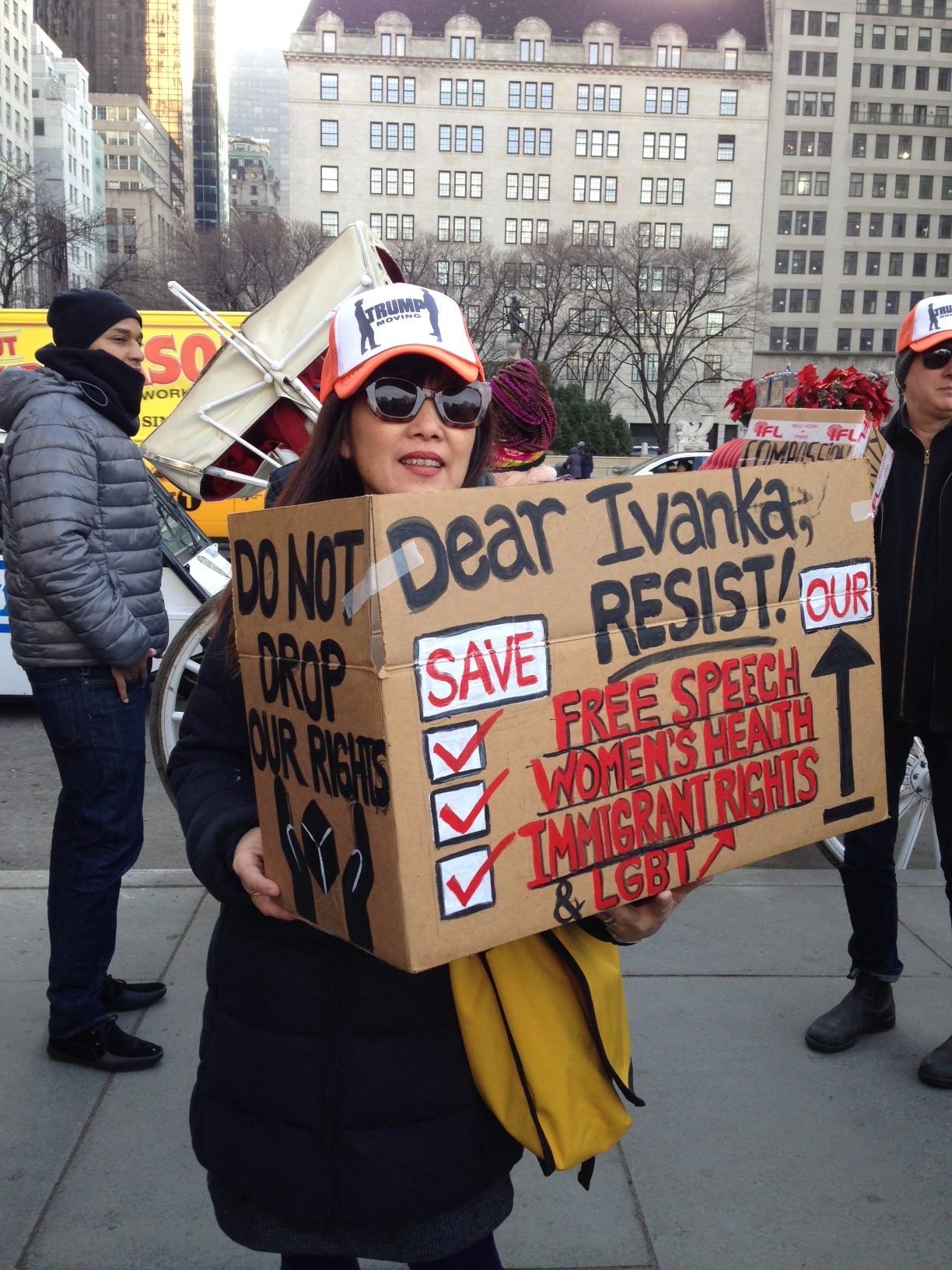
The activist collective Halt Action Group (HAG) organized a second 'Dear Ivanka' protest in New York City as Ivanka Trump prepared to move to Washington, D.C. Protesters marched from Grand Army Plaza to Trump’s Park Avenue residence, carrying symbolic moving boxes labeled with social and political concerns such as women's rights, affordable healthcare, and freedom of the press. The event featured prominent art world figures and utilized visual metaphors, including a disavowed Richard Prince artwork, to urge Trump to act as a moderate influence on her father’s administration.

v joy simmons collection tour baldwin hills home 1234756282

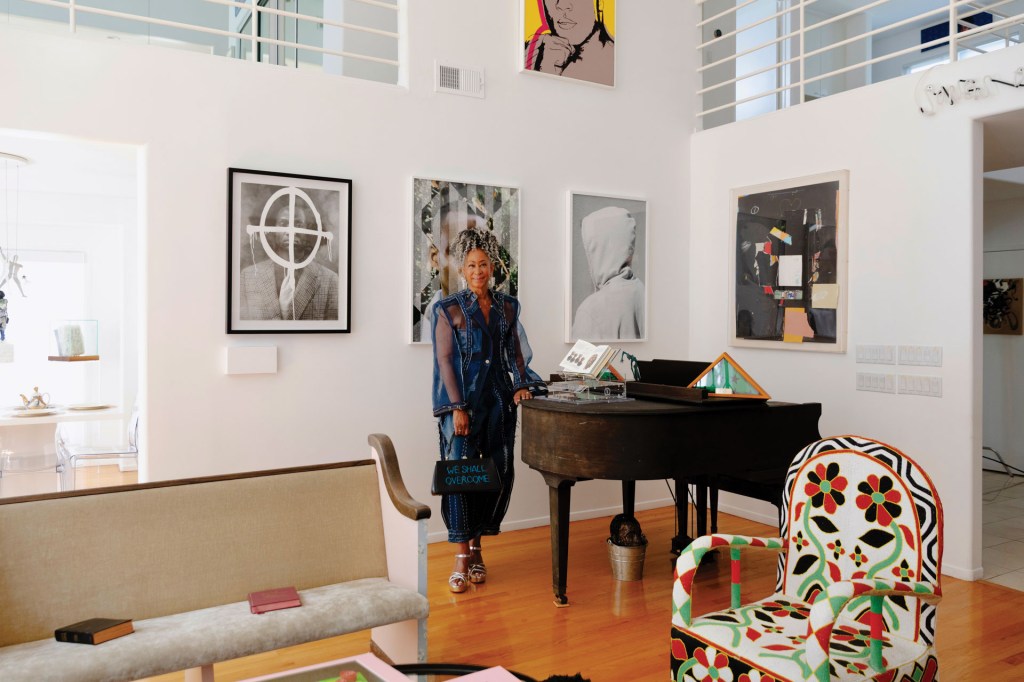
V. Joy Simmons, a Los Angeles-based physician and longtime art collector, opened her Baldwin Hills home to ARTnews for a tour of her extensive collection. The house features over 150 objects, including stained-glass windows by Varnette Honeywood and Joyce Dudnick, a site-specific column installation by Lauren Halsey, and works by Elizabeth Catlett, Romare Bearden, Kerry James Marshall, Mark Bradford, Kehinde Wiley, and Carrie Mae Weems, among many others. Simmons began collecting in the 1970s with a $50 lithograph by Catlett and has since built a collection that spans generations of Black artists, often juxtaposing older and younger artists in her displays.

art bites robert rauschenberg erased de kooning drawing 2633307

American Pop artist Robert Rauschenberg created his controversial work *Erased de Kooning Drawing* (1953) by taking a drawing from Abstract Expressionist legend Willem de Kooning and erasing almost all of its marks. Rauschenberg, then 28, had recently returned to New York after studies at Black Mountain College and the Art Students League. He convinced de Kooning to donate a drawing for the project with a bottle of Jack Daniels, and de Kooning insisted it be a work he would miss. The erasing took about a month and wore down roughly 40 erasers. The finished piece, framed in a traditional gilded frame and inscribed by Jasper Johns, is now held by the San Francisco Museum of Modern Art (SFMOMA), which used infrared technology in 2010 to reveal traces of de Kooning's original charcoal-and-pencil figures.

yayoi kusama georgia okeeffe pen pals 2630108

The article reveals the little-known friendship and correspondence between Japanese artist Yayoi Kusama and American modernist Georgia O'Keeffe. In 1955, a 26-year-old Kusama, inspired by O'Keeffe's work, wrote to her from Japan seeking guidance. O'Keeffe replied within 20 days, offering advice and encouragement, including urging Kusama to move to the United States and show her art widely. Their decades-long correspondence helped Kusama make her career-defining move to America, though the two met only once, in New York, six years after their first exchange.

documentary maintenance artist mierle laderman ukeles 2661201

A new documentary titled "Maintenance Artist," directed by Toby Perl Freilich, premiered at the Tribeca Film Festival this month. The film follows Mierle Laderman Ukeles, the longtime unpaid artist-in-residence with New York City's Department of Sanitation, as she reflects on her career. It traces her journey from graduate student at Pratt Institute to pioneering maintenance art, including her Queens Museum retrospective and international projects elevating everyday workers. The documentary features interviews with art historians, curators, and city officials, and highlights Ukeles's iconic performances, such as shaking hands with every sanitation worker over 11 months.

8 gulf artists defining the regions new cultural renaissance 2728529

Artnet News profiles eight Gulf artists who are shaping the region's cultural renaissance, including Mohammad Alfaraj and Dana Awartani. The article highlights their growing international recognition, with Alfaraj winning Art Basel Emerging Artist and Gold Awards in 2025 and Awartani exhibiting at the 2024 Venice Biennale. It notes the expansion of major art fairs like Art Basel and Frieze into the Gulf, alongside new homegrown initiatives such as the Diriyah Contemporary Art Biennale and Rubaiya Qatar.

On Curating Carnage

On Curating Carnage

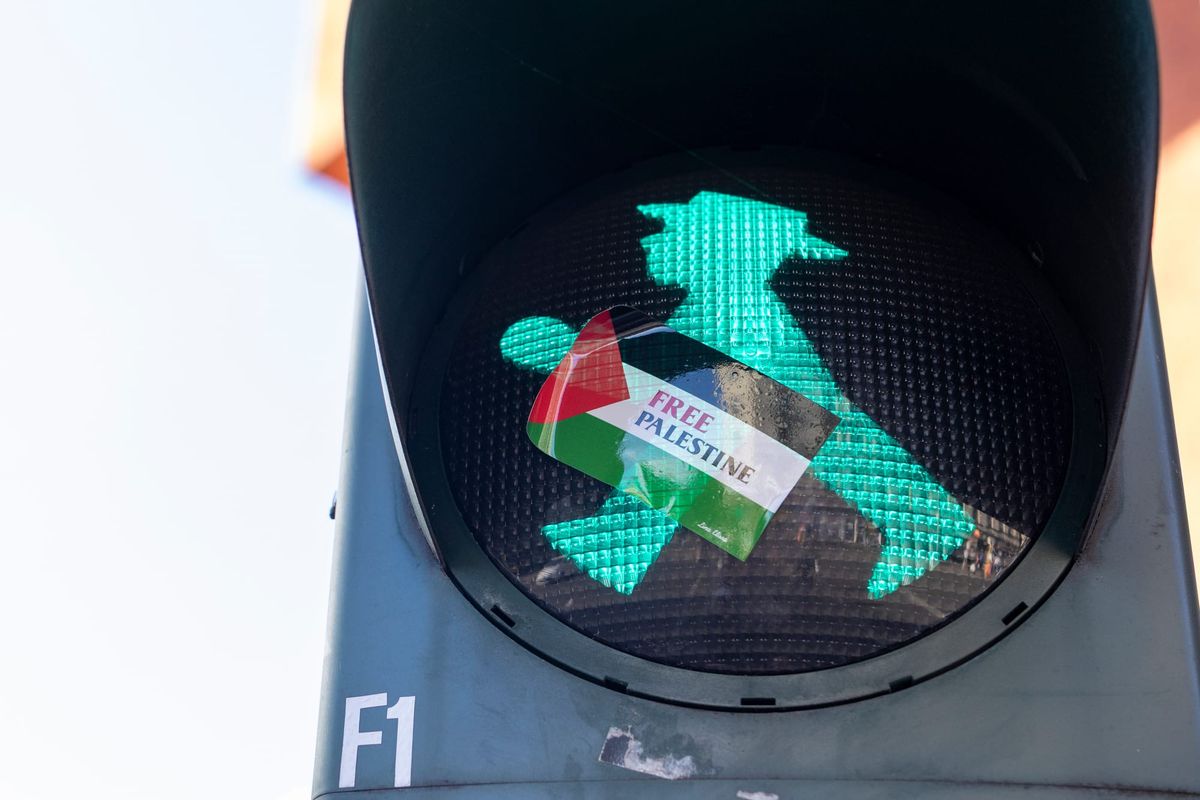
The Berlin-based art journal *OnCurating* published a September 2025 issue titled "Let’s Talk About… Anti-Democratic, Anti-Queer, Misogynist, Antisemitic, Right-Wing Spaces and Their Counter-Movements." The article critiques this publication, arguing it uses the language of feminism, anti-racism, and anti-Semitism as a political tool to unconditionally support Israel and demonize the Palestinian cause, thereby aligning with German state policy and a specific strain of leftist thought known as Antideutsch.

What does winning an arts prize really mean?

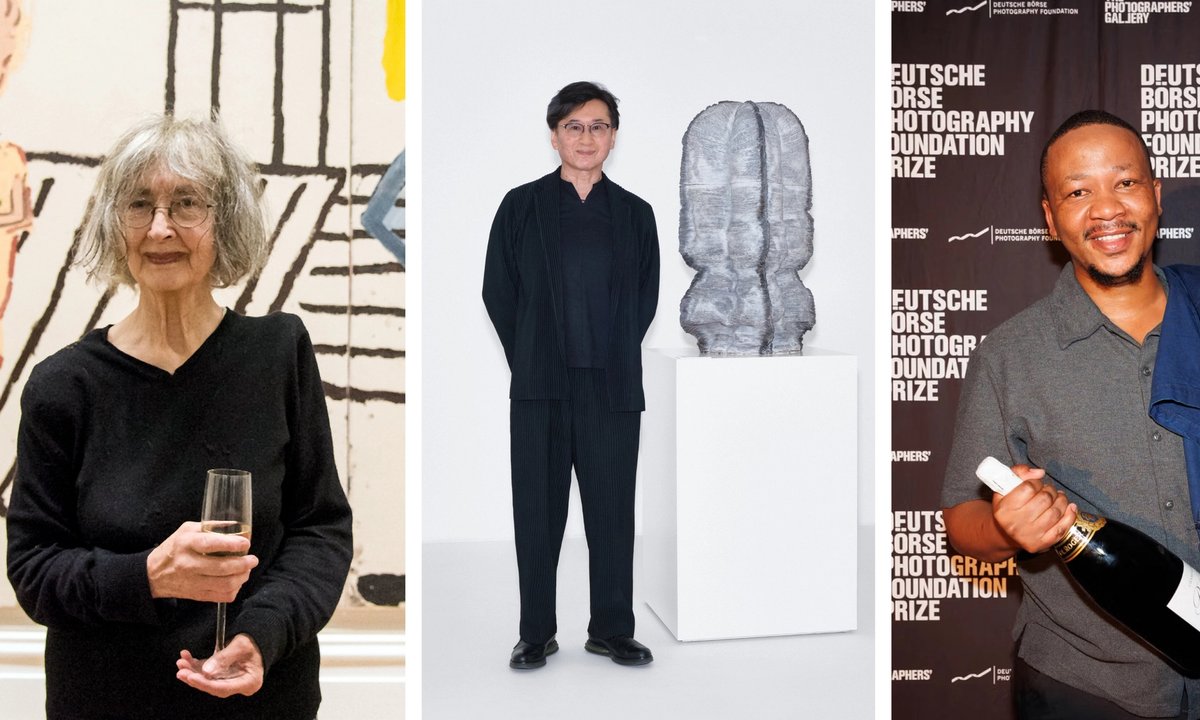
The article examines the history and impact of major art prizes, including the Turner Prize (established 1984), the John Moores Painting Prize (nearly 70 years old), and the Loewe Foundation Craft Prize (annual award). It traces the origins of art prizes back to 19th-century Paris salons and highlights how these awards provide cash, recognition, and career acceleration for artists. Specific examples include Rose Wylie, who won the John Moores Prize at age 80 and later joined David Zwirner and secured a Royal Academy solo show, and Samuel Ross, who used his Hublot Design Prize winnings to start his own company.

art how to start art collection advice

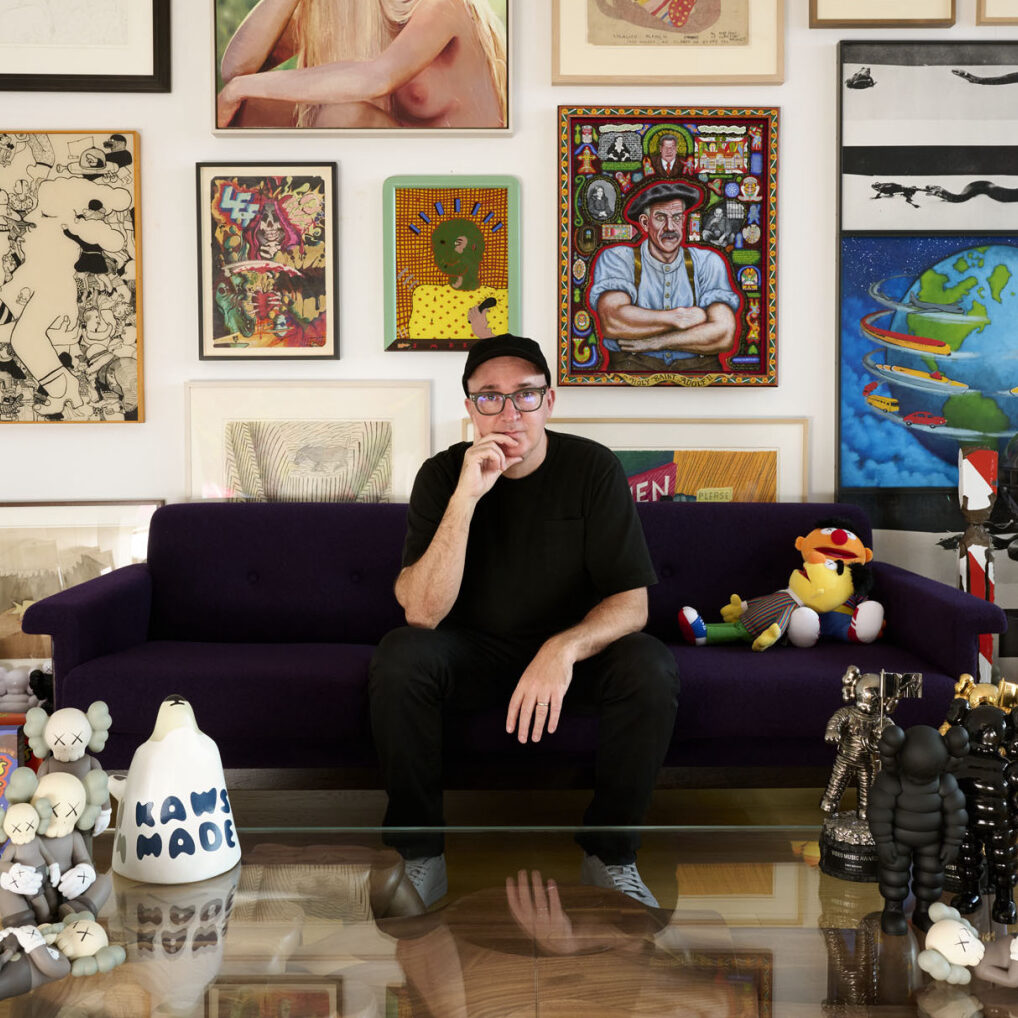
Cultured magazine profiles 10 art collectors, sharing the stories of their first acquisitions. The article features collectors such as Miami real estate developer Craig Robins, hotelier Steve Wilson, Allison Sarofim, Brandon John Harrington, James Frey, and Rodrigo Padilla, recounting how they began their collections—from a Dalí sketch and a Matisse drawing to an Andy Warhol portrait and a late-night Instagram purchase. Each narrative highlights the personal, often serendipitous moments that sparked a lifelong passion for art.

How to Take Great Photographs of Art, According to Artists

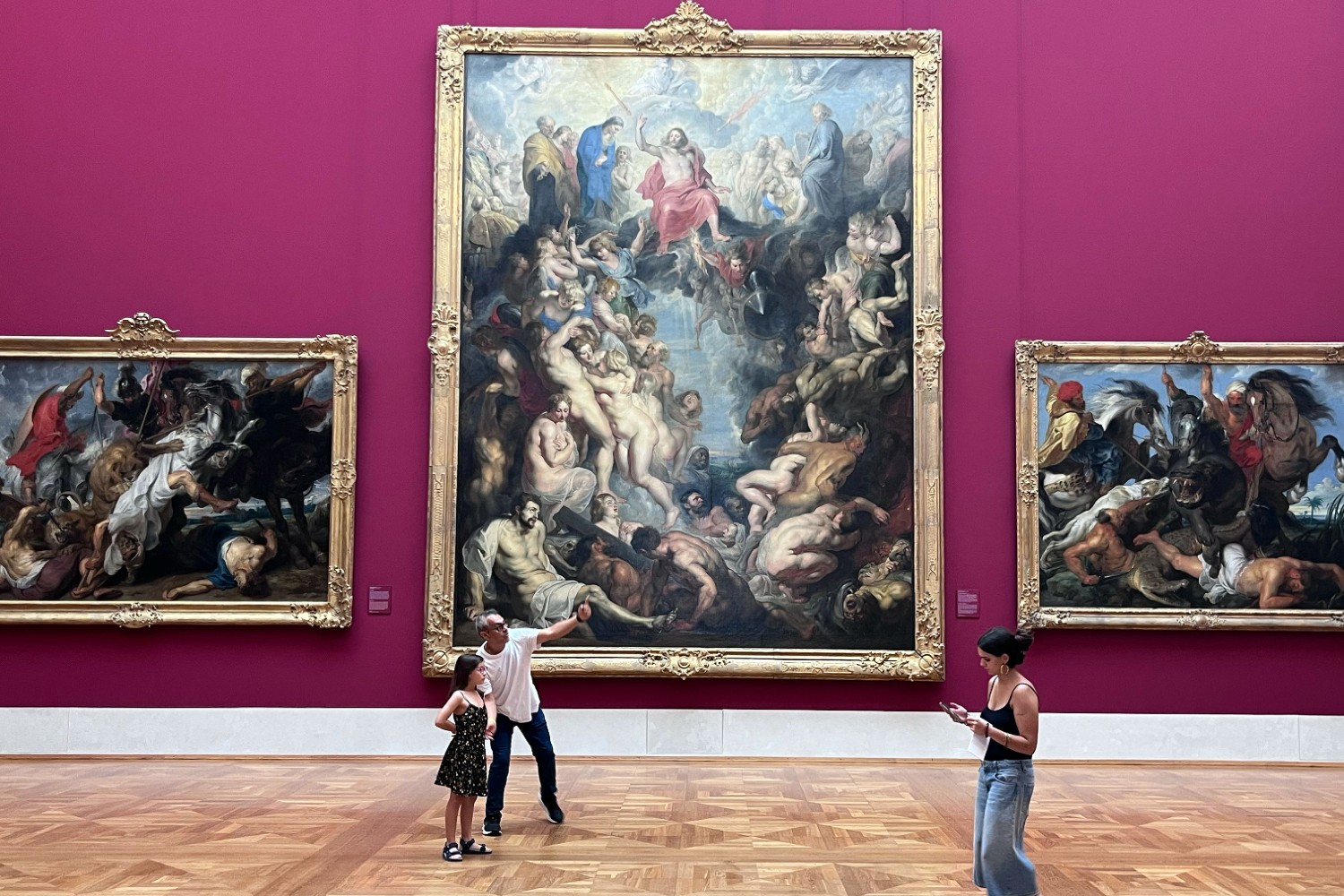
Contemporary gallery-going has become synonymous with digital documentation, as visitors increasingly use smartphones to capture paintings, sculptures, and installations. This shift from passive observation to active photography serves as a method of personal archiving, allowing viewers to preserve the fleeting experience of a physical exhibition and share it within their social circles.

Look Inside the Art-Filled Home of New York City's Cultural Crusaders

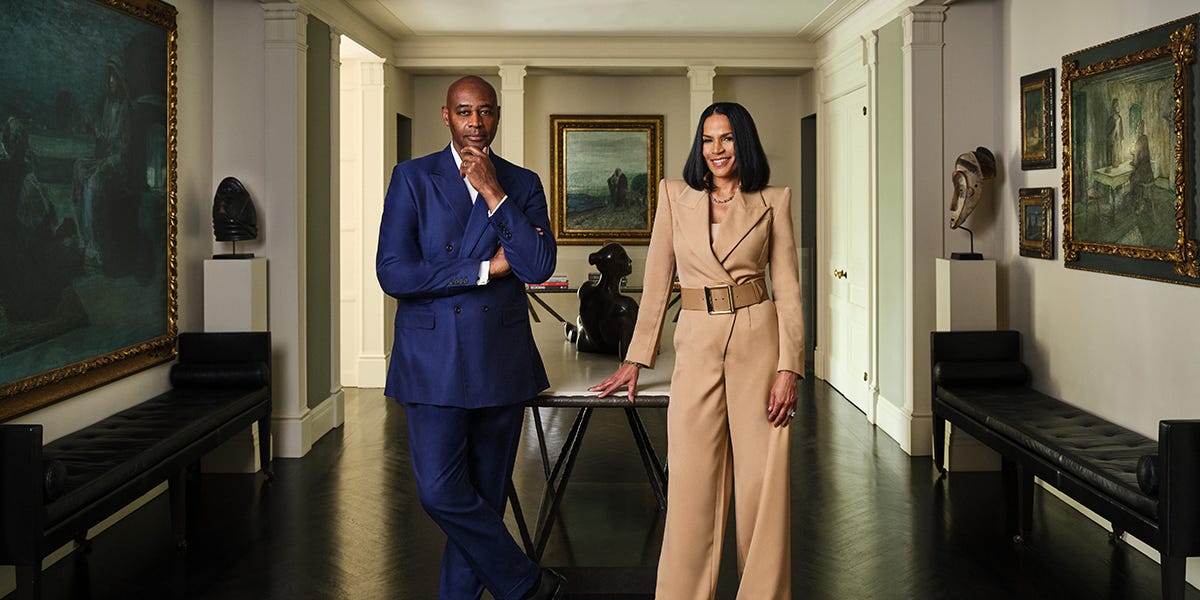
This profile explores the Upper West Side residence of Crystal McCrary McGuire and Raymond J. McGuire, a power couple deeply embedded in New York City’s cultural and financial sectors. Their home serves as a private gallery for a significant collection of African American art, featuring masterworks by Norman Lewis, Henry Ossawa Tanner, Elizabeth Catlett, and Romare Bearden. The couple’s shared passion for collecting began independently, sparked by their formative years studying in France, and has since evolved into a joint mission to preserve and live alongside Black artistic heritage.

13 Nudes That Changed Western Art History

The article presents a curated list of 13 seminal Western artworks featuring the nude form, highlighting how each piece shifted artistic conventions and cultural perceptions. It begins with the Paleolithic Venus of Willendorf and moves chronologically through works by artists including Sandro Botticelli, Leonardo da Vinci, Lavinia Fontana, and Édouard Manet, analyzing their groundbreaking approaches to depicting the human body.

frank lloyd wright guggenheim leeches teeth pulled 1234768289

Frank Lloyd Wright, the renowned architect of New York's Solomon R. Guggenheim Museum, underwent bizarre medical treatments at the urging of Hilla Rebay, the artist and curator who commissioned him to design the museum. Rebay, a Prussian-born baroness and advisor to Solomon R. Guggenheim, convinced Wright to have all his teeth pulled and replaced with dentures within six weeks of their meeting, and also subjected him and his wife to leech bloodletting to drain 'old' blood. The Wrights stopped following her advice when she eyed their daughter's teeth.

shana moulton wellness culture buffalo interview 1234741025

Shana Moulton, an artist and chair of the art department at the University of California, Santa Barbara, discusses her exhibition "Meta/Physical Therapy" at the Museum of Modern Art in New York and her retrospective at the Buffalo Institute for Contemporary Art. The article centers on Moulton's semi-autobiographical alter ego, Cynthia, a hypochondriac navigating New Age wellness culture through video installations, performances, and a collection of eccentric objects. Moulton explores themes of hypochondria, hospital art, and the absurdity of wellness consumerism, drawing from her upbringing in a California mobile home park and her long-running video series "Whispering Pines" (2002–18).

the phoenician scheme wes anderson renoir art collecting 1234743890

Wes Anderson's new film *The Phoenician Scheme* features a protagonist, Zsa-Zsa Korda (played by Benicio del Toro), who is a jet-setting high roller with a vast but neglected art collection housed in a 16th-century palazzo. The collection includes authentic masterpieces such as an 1889 Renoir portrait once owned by Greta Garbo, a 1942 Magritte, and a 17th-century van Schooten still life, alongside replicas like a Peter Paul Rubens. The film, now playing in New York and Los Angeles, uses these artworks as props and backdrops, reflecting the protagonist's indifference to his possessions amid his shady business schemes and fractured family relationships.

Harnessing the winds of societal change: how art dealers have been able to shape taste for centuries

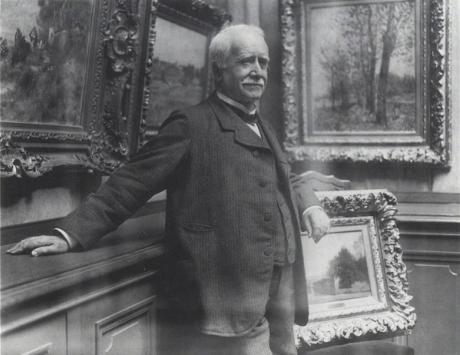
Valentina Castellani, a former Gagosian director, has authored a new book titled *Trading Beauty: Art Market Histories from the Altar to the Gallery* (out 1 May). The book traces how art dealers have historically leveraged societal changes—political, economic, and social—to reshape taste and market structures. Castellani begins in the Middle Ages, when art was made only on commission for patrons like the Catholic church and monarchies, and moves through key shifts such as the Dutch Republic's first open art market in the 17th century, which gave rise to the professional art dealer. She highlights dealers like Paul Durand-Ruel, Joseph Duveen, and Leo Castelli who capitalized on anti-establishment energy, new wealth, and post-war consumer culture to bring avant-garde art to the forefront.