filter_list Showing 162 results for "ART" close Clear
dashboard All 3379 museum exhibitions 1594article local 510article news 373trending_up market 256article culture 162person people 161article policy 118rate_review review 84candle obituary 59gavel restitution 54article event 5article events 2article satire 1
date_range Range Today This Week This Month All
Subscribe

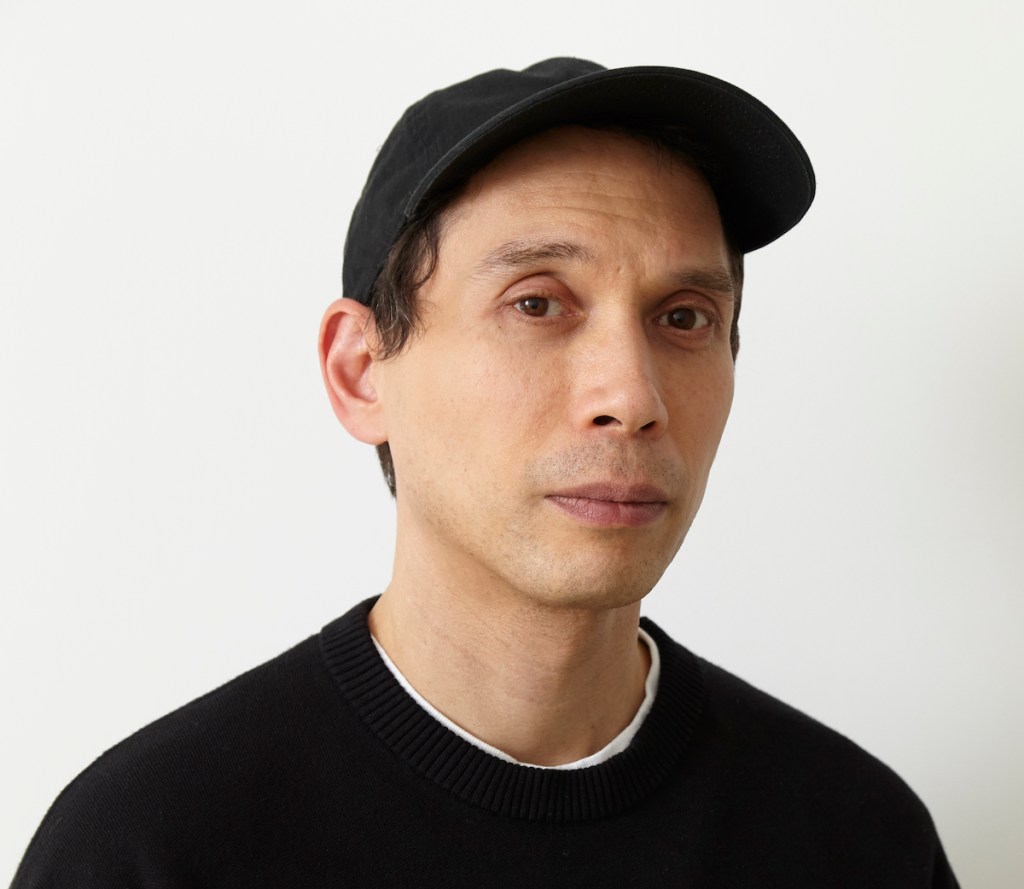
How Josh Kline Wrote the Essay That the Art World Can’t Stop Talking About

Artist Josh Kline has sparked intense debate across the New York art world with his viral essay, "New York Real Estate and the Ruin of American Art," published in the journal October. The text serves as a scathing critique of the current state of the American art industry, diagnosing it as "sick" due to skyrocketing real estate costs, systemic power imbalances, and a market that has become an unsustainable "conveyor belt" of commercial painting. Kline argues that the economic pressures of post-pandemic New York have made the city a hostile environment for experimental and conceptual practices.
How the New Deal Treated Art as Essential to Democracy

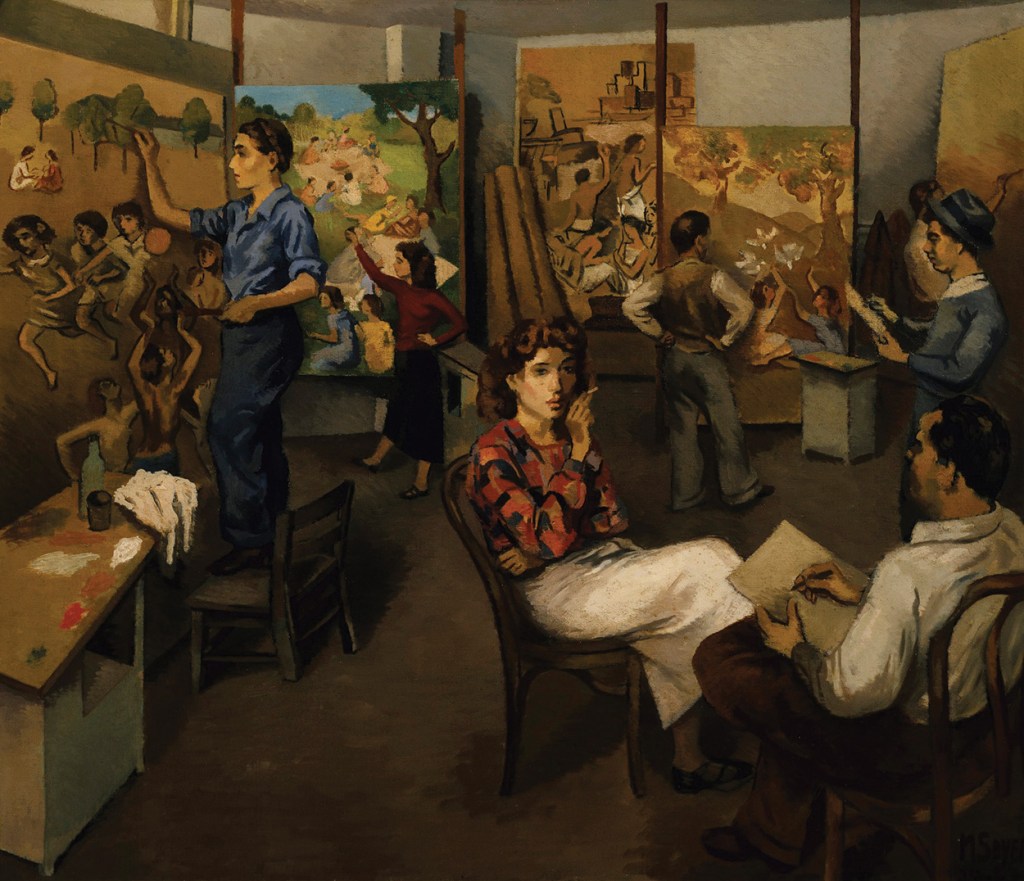
The United States government transformed the role of the artist during the Great Depression by treating art as a vital public resource rather than a private luxury. Between 1933 and 1943, New Deal programs like the Public Works of Art Project (PWAP) commissioned hundreds of thousands of works for schools, libraries, and hospitals, providing 'plumbers' wages' to struggling creators. This federal patronage supported a generation of then-unknown figures, including Jackson Pollock, Mark Rothko, and Alice Neel, while focusing on the 'American scene' to make culture accessible to the general public.

Shoplifting, sex shows and sheepdog-breeding: great artists and the side-hustles they did to get by

The article explores the unconventional and often illicit side jobs that famous artists historically took to support their creative pursuits. It details examples like Jean Genet's specialized book theft, Jean-Luc Godard's pilfering of books and cash, Chantal Akerman's ticket-skimming at a porn theater, and Kathy Acker's simulated sex show performances, highlighting how financial necessity drove them to inventive, sometimes desperate, measures.

What’s the True State of Bangkok’s Art Ecosystem?

The article examines the current state of Bangkok's art scene, which is experiencing a surge of private investment and international attention. New institutions like UNITED Unlimited and Misiem's/bangkok are opening, and events like the Bangkok Art Biennale are gaining prominence, leading some international media to compare the city's potential to art hubs like Miami.

The Philosopher Who Predicted Our Post-Literate Art Moment

Art critic Martha Schwendener has released a new book titled 'The Society of the Screen: Vilém Flusser’s Radical Prescience,' exploring the prophetic theories of the late philosopher Vilém Flusser. Flusser, a Prague-born thinker who lived in Brazil and Europe, argued in the 1980s that society was transitioning from a text-based culture to one dominated by 'technical images,' a shift he believed would fundamentally alter human consciousness and the function of the 'apparatus' in daily life.

‘They accomplished so much, even as they were dying’: the groundbreaking gay art of Peter Hujar and Paul Thek

Author and Frieze Magazine editor-in-chief Andrew Durbin has released a dual biography titled 'The Wonderful World That Almost Was,' chronicling the lives and creative partnership of Peter Hujar and Paul Thek. The book focuses on their relationship from the mid-1950s through the 1970s, detailing their collaborative influence and the development of their respective practices in photography and sculpture before both died of AIDS-related complications in the late 1980s.

How to Take Great Photographs of Art, According to Artists

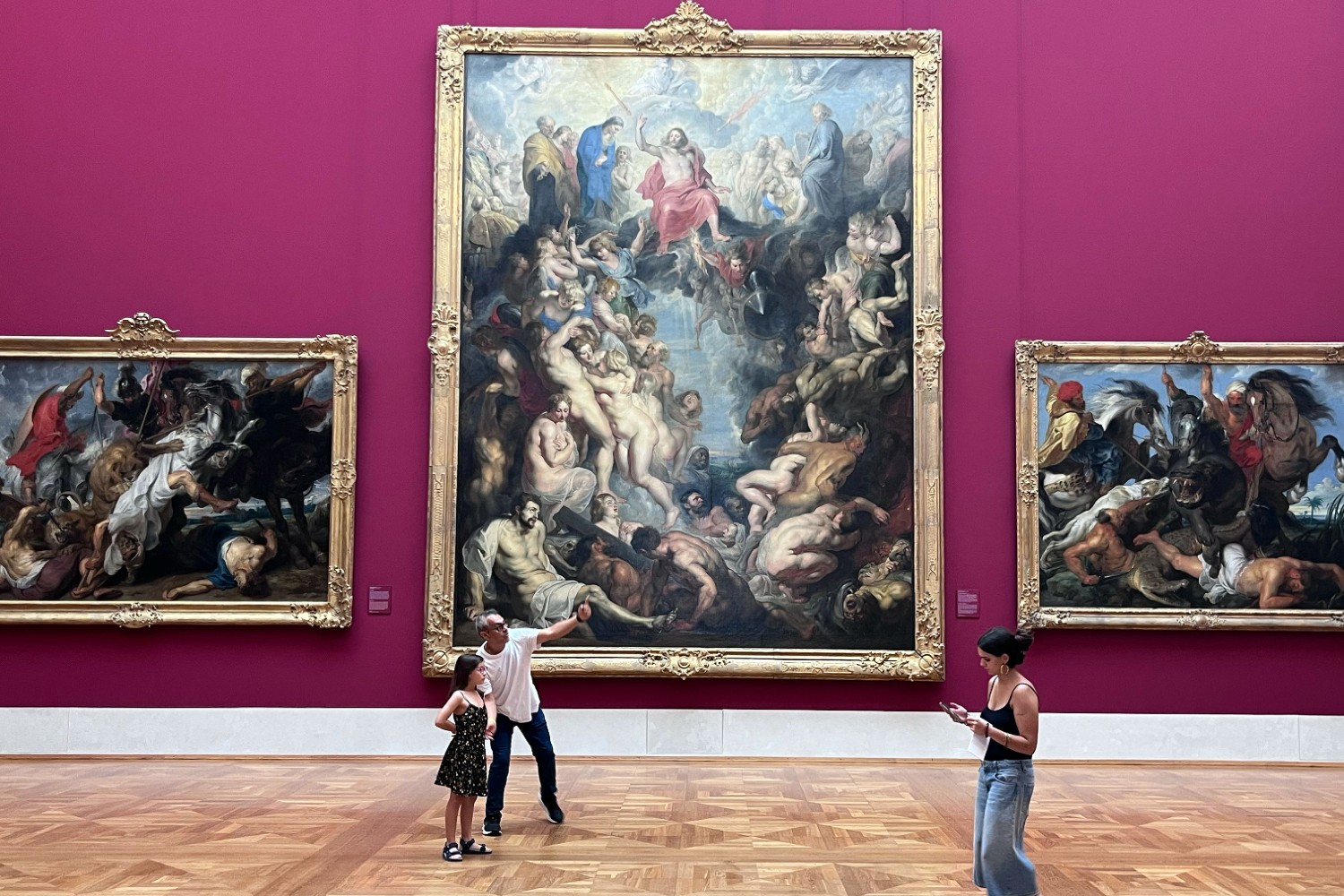
Contemporary gallery-going has become synonymous with digital documentation, as visitors increasingly use smartphones to capture paintings, sculptures, and installations. This shift from passive observation to active photography serves as a method of personal archiving, allowing viewers to preserve the fleeting experience of a physical exhibition and share it within their social circles.

Caravaggio Documentary Will Premiere on Marquee TV Next Week

A feature-length documentary about Baroque painter Caravaggio, directed by Phil Grabsky and David Bickerstaff, will premiere on the streaming platform Marquee TV on April 6. The film, part of the "Exhibition on Screen" series, was previously released in theaters last fall and focuses on the artist's innovative painting style rather than his notorious personal life.

Which City Will Be the Next Asian Art Hub? That’s the Wrong Question

The traditional quest to identify a single dominant Asian art hub is being challenged by the organic growth of decentralized scenes in cities like Bangkok and Hanoi. While Hong Kong and Seoul remain established centers, private initiatives and artist-led projects in Thailand and Vietnam are building resilient, hybrid ecosystems that prioritize long-term structural depth over immediate auction results. From the opening of Dib Bangkok to experimental exhibitions in Hanoi, these cities are transitioning from peripheral status to significant cultural players through a mix of private museums, biennials, and non-profit platforms.

Why Was Sarah Miriam Peale, Pioneering Member of America’s First Art Dynasty, Left Behind?

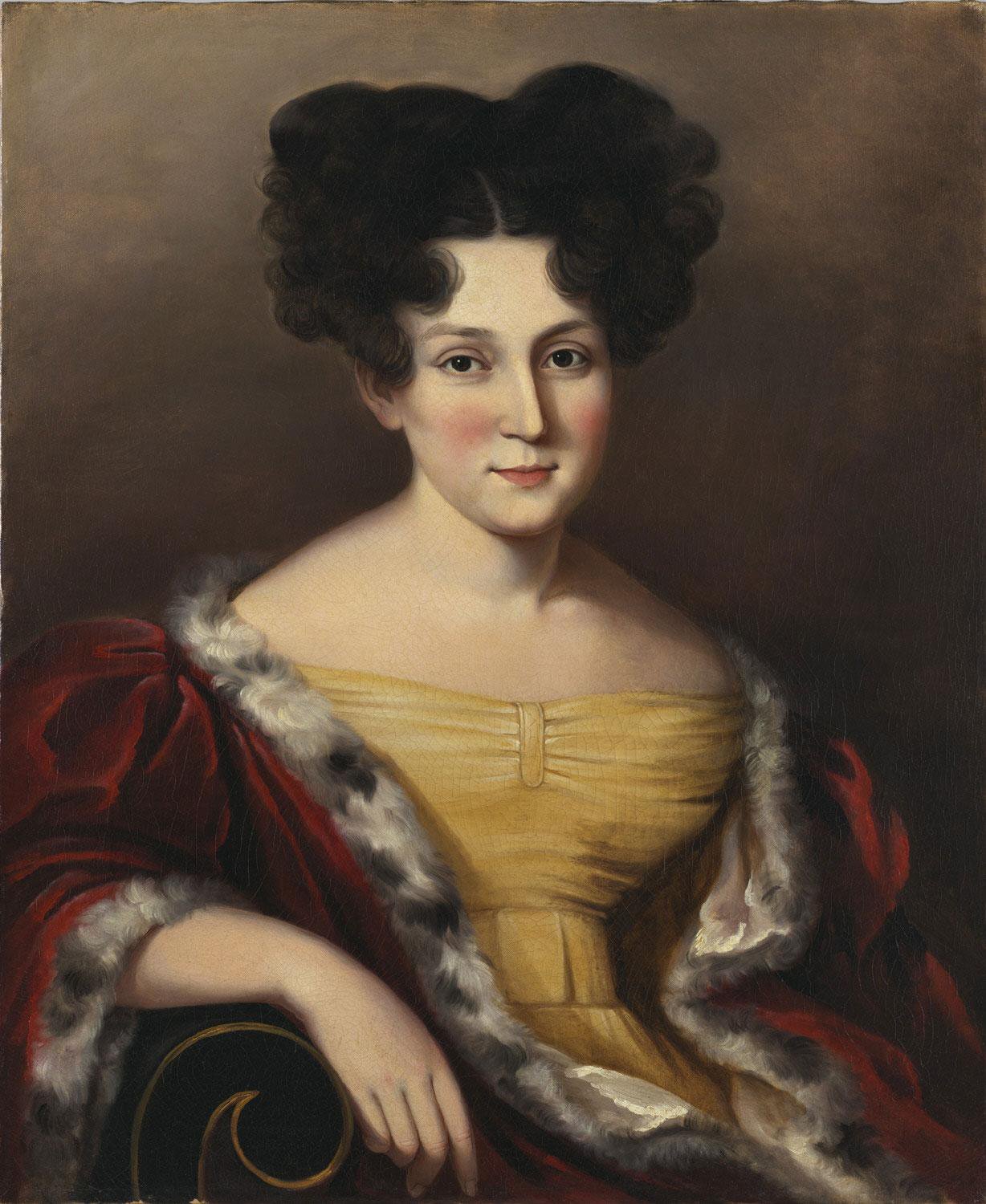
Sarah Miriam Peale, a member of the prominent Peale art dynasty and arguably the first professional woman artist in the United States, is finally receiving long-overdue institutional recognition. Despite a prolific sixty-year career painting portraits of political figures and still lifes in Baltimore and St. Louis, her legacy was largely overshadowed by her uncle Charles Willson Peale and her male cousins. Her independence as an unmarried woman who supported herself entirely through her craft marked a radical departure from the gender norms of the 19th century.

More Than Breakfast

Mehr als Frühstück

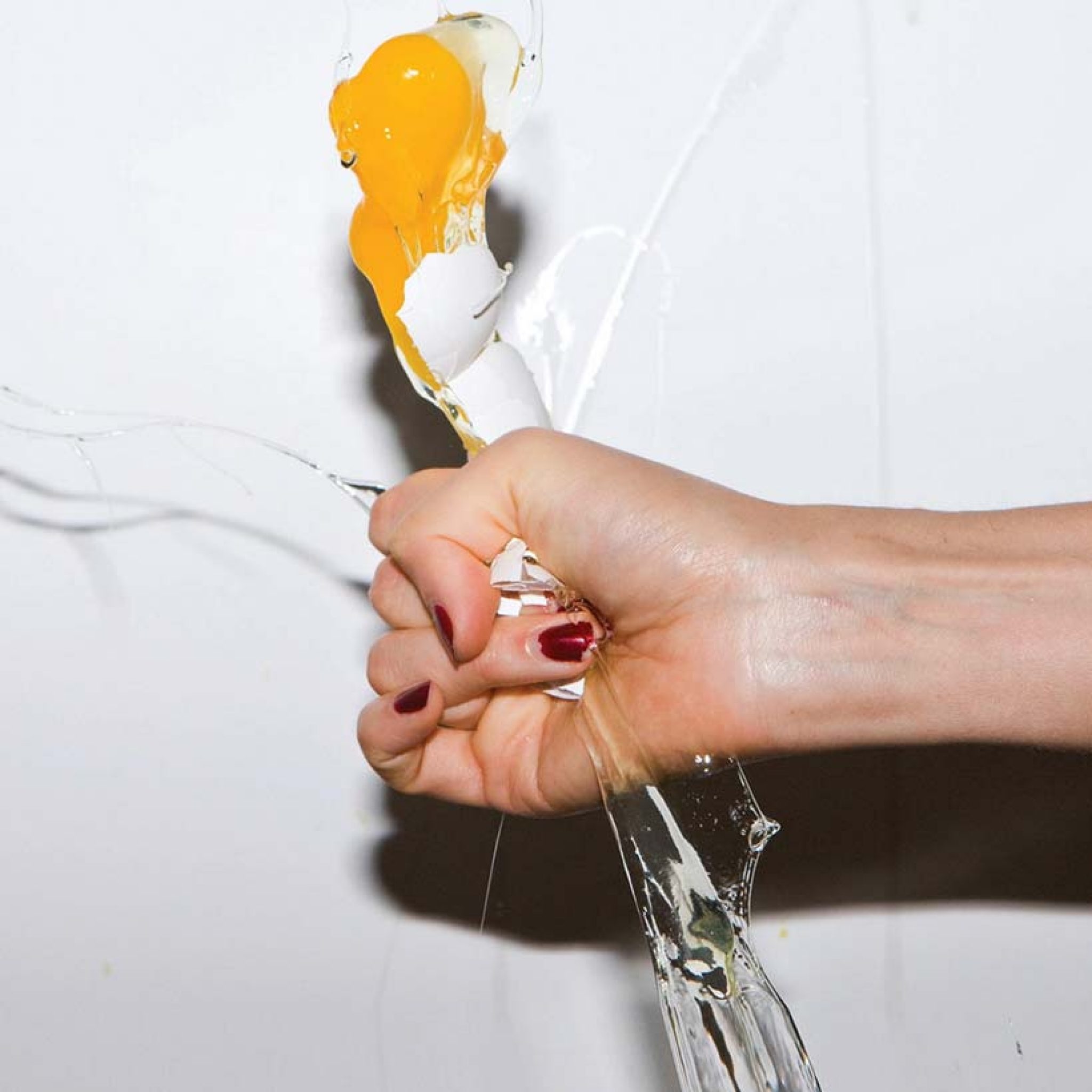
The article explores the enduring presence and symbolism of the egg as a motif throughout art history. It highlights works by artists from Hieronymus Bosch and Pieter Bruegel the Elder to Salvador Dalí and Constantin Brâncuși, showing how the egg has been used in painting, sculpture, and photography to represent themes of origin, life, and perfect form.

Andrew Lloyd Webber Is Writing a Musical About the Heist that Made ‘Mona Lisa’ Famous

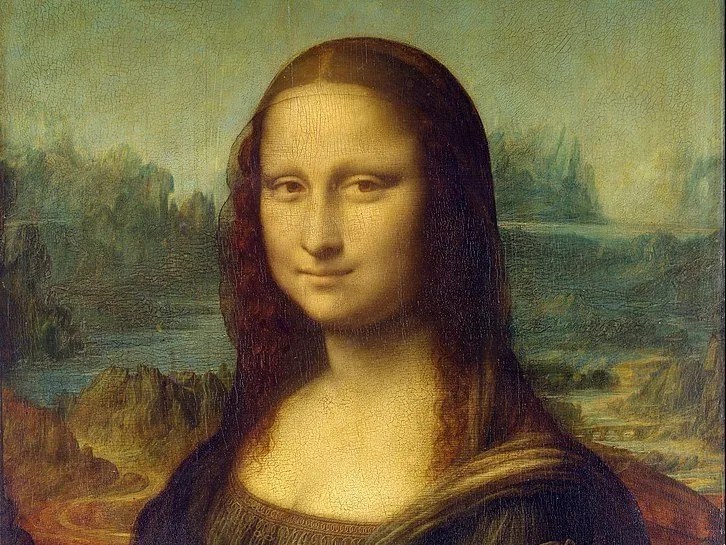
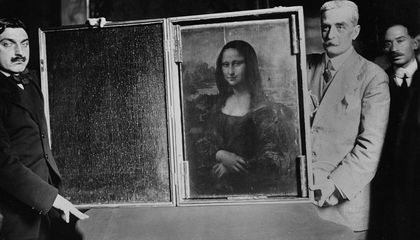
Renowned composer Andrew Lloyd Webber has announced he is developing a new musical centered on the 1911 theft of Leonardo da Vinci’s Mona Lisa. The production will dramatize the true story of Vincenzo Peruggia, a Louvre employee who stole the masterpiece and hid it for two years before it was recovered in Italy. Lloyd Webber revealed the project following the Broadway opening of Cats: The Jellicle Ball, noting that he is beginning the writing process immediately.

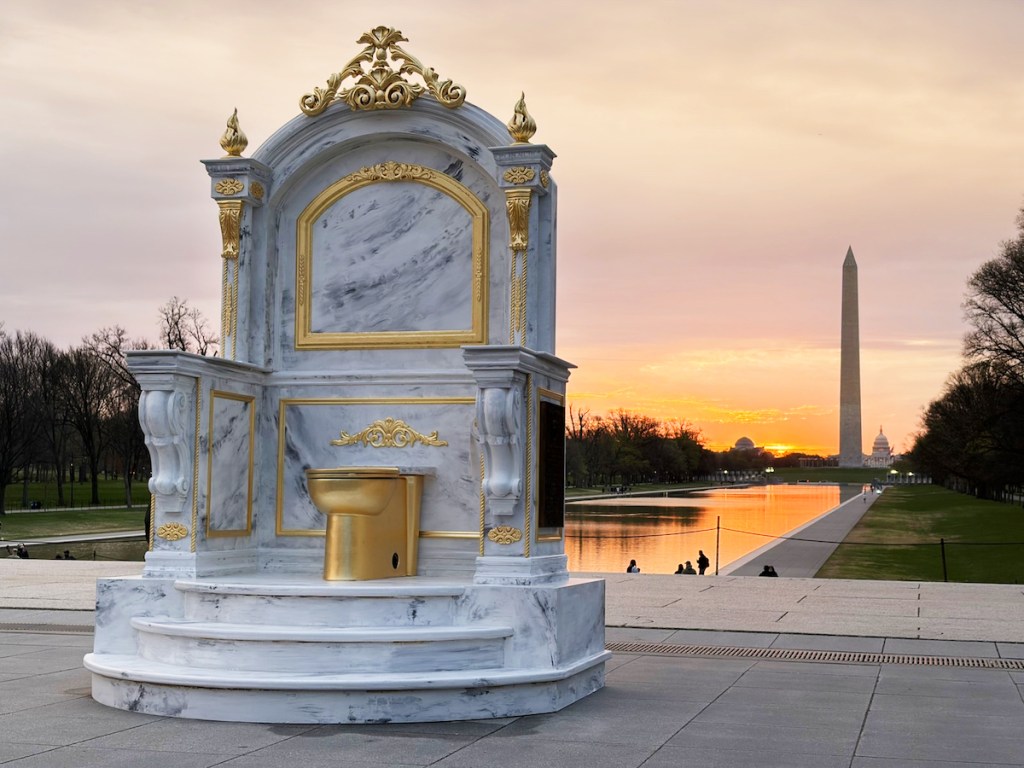
Giant Golden Toilet Sculpture Appears Near Lincoln Memorial in D.C.: ‘A Throne Fit for a King’

An anonymous artist collective known as the Secret Handshake has installed a 10-foot-tall golden toilet sculpture titled 'A Throne Fit for a King' near the Lincoln Memorial in Washington, D.C. The work is a satirical monument to former President Donald Trump's controversial renovation of the White House's Lincoln Bathroom, which he outfitted with gold fixtures during a government shutdown.

How Wayne McGregor’s epic ballets draw on help from his artistic friends

Choreographer Wayne McGregor’s upcoming production at the Royal Opera House, 'Alchemies', highlights his career-long commitment to cross-disciplinary collaboration with visual artists and designers. The program features a world premiere with costumes by fashion designer Saul Nash, alongside revivals of 'Yugen' and 'Untitled, 2023'. These works incorporate significant contributions from the art world, including set designs by ceramicist Edmund de Waal and previous collaborations with figures like Tacita Dean and Olafur Eliasson.

Nine Lessons on My Path From Engagement to Leadership

The article is an excerpt from the forthcoming field resource 'Curating Engagement,' featuring a first-person reflection by an arts professional. The author outlines nine lessons learned over two decades of practice, moving from engagement-focused roles to institutional leadership. Key lessons emphasize curiosity as a foundational practice, engagement as a form of service to communities rather than extraction, and the importance of site and history as collaborators in curatorial work.

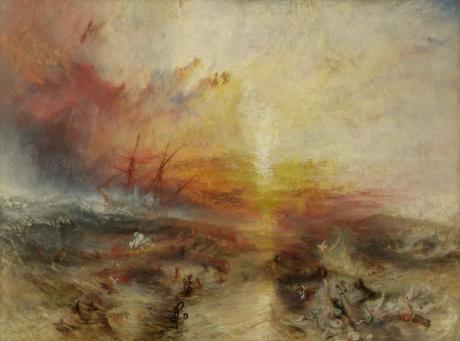
A book exploring the evolution of J.M.W. Turner’s positions on slavery

Art historian Sam Smiles has released a comprehensive new book examining J.M.W. Turner’s complex relationship with the slave trade, expanding on his 2007 discovery of the artist's personal investment in a Jamaican cattle farm that utilized enslaved labor. The research traces Turner’s financial ties from his early patronage by wealthy plantation owners to his own speculative ventures, challenging the long-held perception of the artist as a straightforward abolitionist.

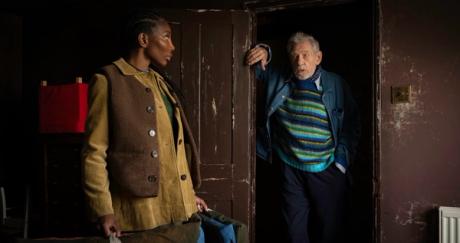
In The Christophers, an aging artist’s unfinished masterpieces are subjects of speculation and scheming

The Christophers is a new film starring Ian McKellen as Julian Sklar, a once-celebrated 1970s painter who has become a social pariah and reality TV villain. The plot follows a 'reverse art heist' where Sklar’s estranged children hire a restorer and former forger, played by Michaela Coel, to secretly finish a series of nine incomplete portraits of his former lover. The goal is to inflate the works' market value so they can be 'discovered' as masterpieces upon the aging artist's death.

Made in Fire Island: how artists were at the heart of the LGBTQ+ mecca

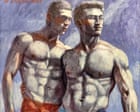
A new book titled 'Fire Island Art: 100 Years' chronicles the century-long, integral relationship between artists and the LGBTQ+ community on Fire Island. The book, edited by John Dempsey, traces the creative legacy from pre-war artists like Paul Cadmus to modern figures, highlighting how the island's unique environment fostered both sexual and artistic freedom.

Andrew Lloyd Webber Says He's Writing a New Musical About the Time the 'Mona Lisa' Vanished Without a Trace in 1911

Andrew Lloyd Webber, the legendary composer behind 'The Phantom of the Opera,' has announced he is developing a new musical centered on the 1911 theft of Leonardo da Vinci’s 'Mona Lisa.' The production will dramatize the true story of Vincenzo Peruggia, an Italian glazier who stole the masterpiece from the Louvre, leading to a two-year international search before the painting was recovered in Italy.

Salvador Dalí’s Frustrating Vision of the Divine

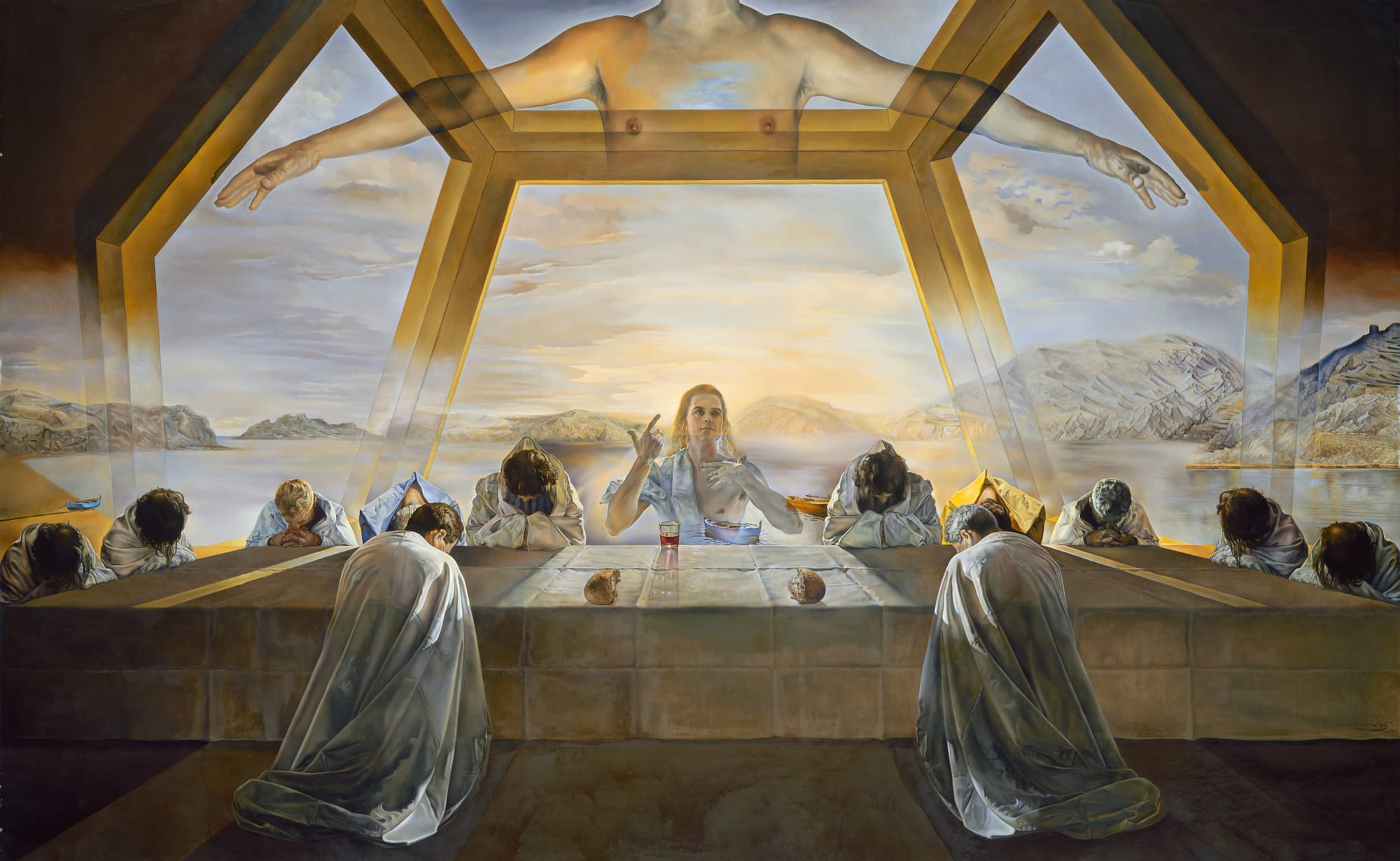
A feature article examines Salvador Dalí's controversial religious painting "Christ of Saint John of the Cross" (1951), which was physically attacked by vandals on two separate occasions—once with a rock in 1961 and later with an air rifle. The painting, part of Dalí's "Nuclear Mysticism" phase, depicts a floating, unblemished Christ from an aerial perspective, based on a drawing by the mystic St. John of the Cross and modeled by a Hollywood stunt double.

A View From the Easel With Celia Paul

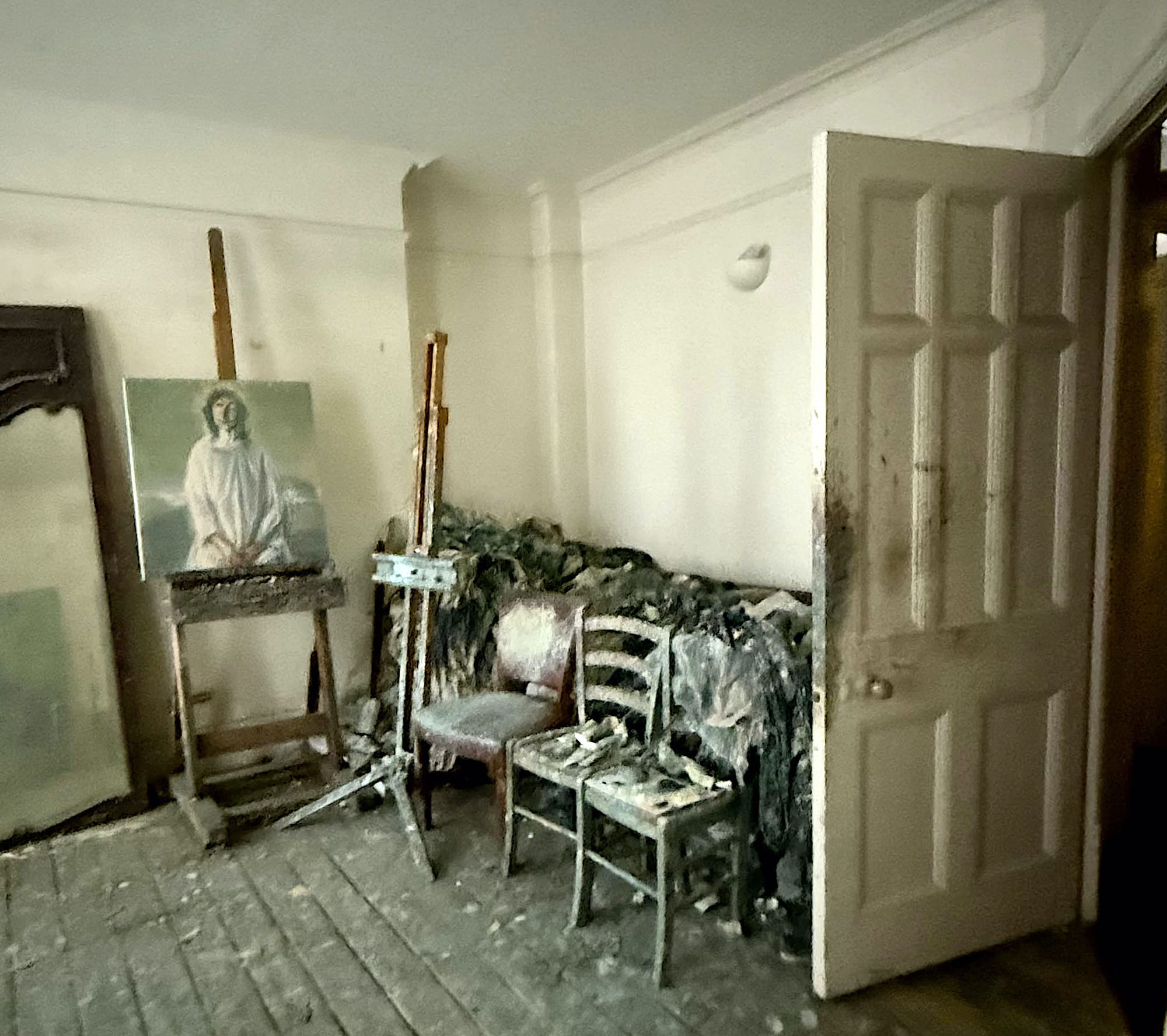
British painter Celia Paul provides an intimate look at her long-term studio and residence in London's Bloomsbury neighborhood, where she has lived and worked for 44 years. The artist describes a disciplined routine starting at 5am, emphasizing a need for silence and a pared-down environment to foster the introspection found in her seascapes and self-portraits.

Josh Kline Misses the Mark

Critic Aruna D’Souza responds to a viral essay by artist Josh Kline regarding the extreme financial pressures of living and working in New York City. While Kline suggests that artists should abandon the city due to the affordability crisis, D’Souza argues that leaving is not a viable long-term solution and calls for a more proactive approach to systemic change within the urban art ecosystem.

Josh Kline Misses the Mark

Critic Aruna D’Souza responds to a viral essay by artist Josh Kline, who argued that the extreme cost of living in New York City has made it impossible for artists to survive, suggesting they should relocate. While D’Souza acknowledges the validity of Kline's frustrations regarding the affordability crisis, she rejects his conclusion that mass exodus is the answer, calling instead for collective action and structural change within the city.

The Best April Fools’ Jokes in the Art World This Year

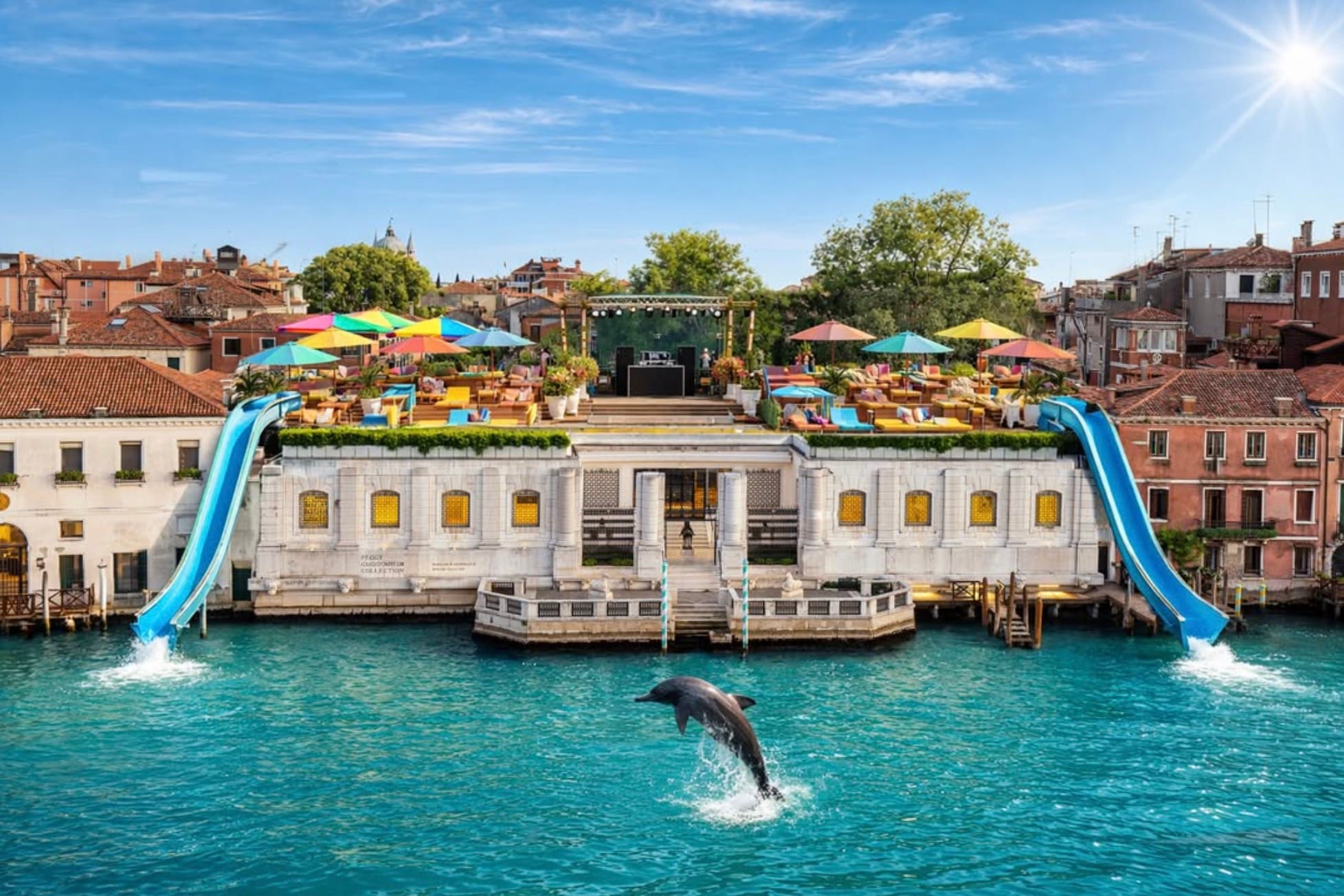
Hyperallergic compiled a list of notable April Fools' Day pranks executed by major arts and cultural institutions in 2025. The jokes included the Morgan Library and Museum pretending to give its ornate interior a cheap "Landlord Special" makeover, the New York Public Library announcing it would replace its iconic lion statues with beaver sculptures, and the Brooklyn Museum and Brooklyn Botanic Garden proposing a whimsical, amusement park-style tunnel connecting their campuses.

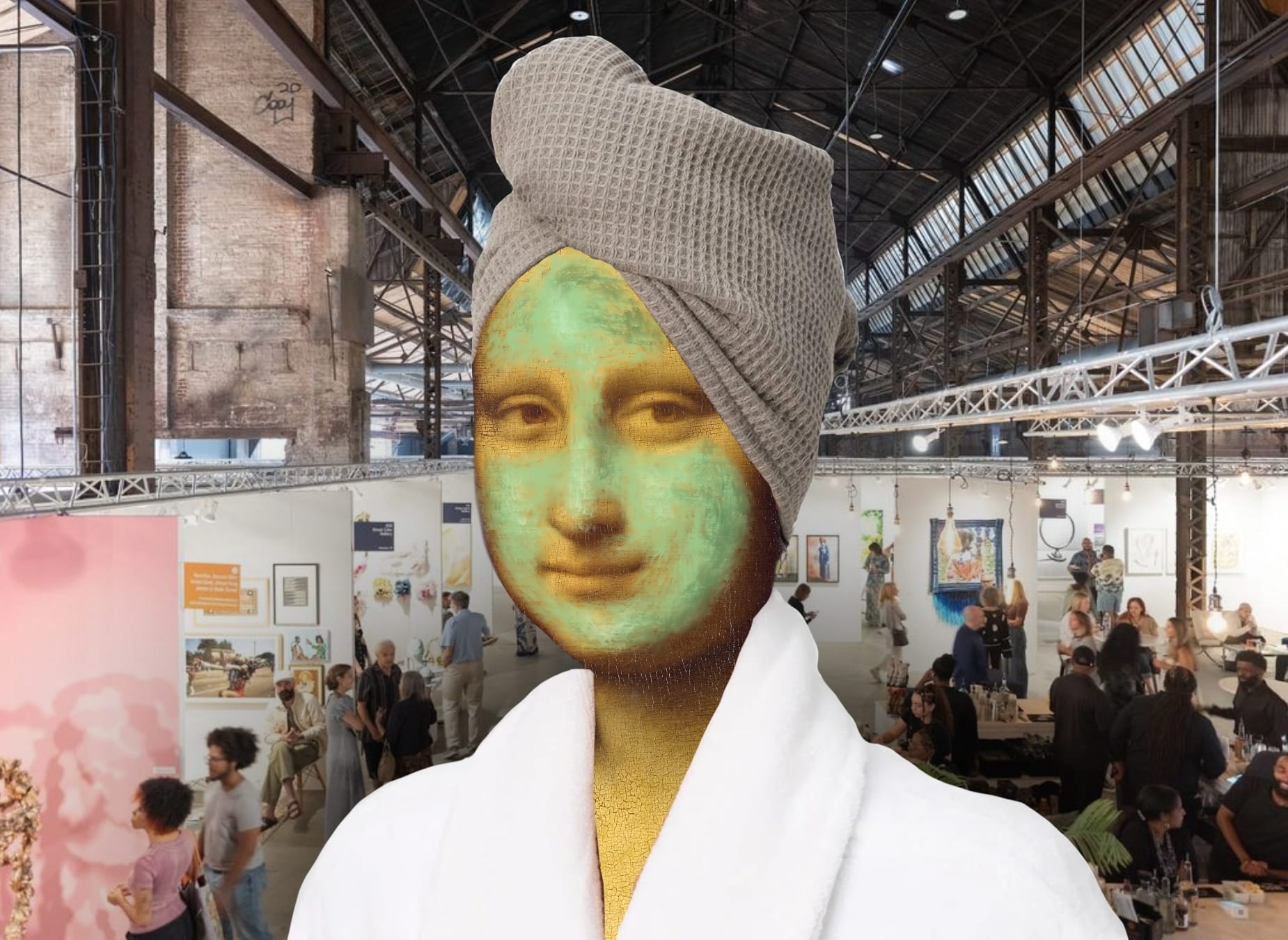
51% of Men Say Mona Lisa "Should Smile More"

A new visitor experience survey at the Louvre Museum has revealed that 51% of male respondents believe Leonardo da Vinci's Mona Lisa "should smile more." The finding highlights a specific demographic's critique of the artwork's famously enigmatic expression.

50 Women Artists You Absolutely Should Know

50 artistes femmes que vous devriez absolument connaître

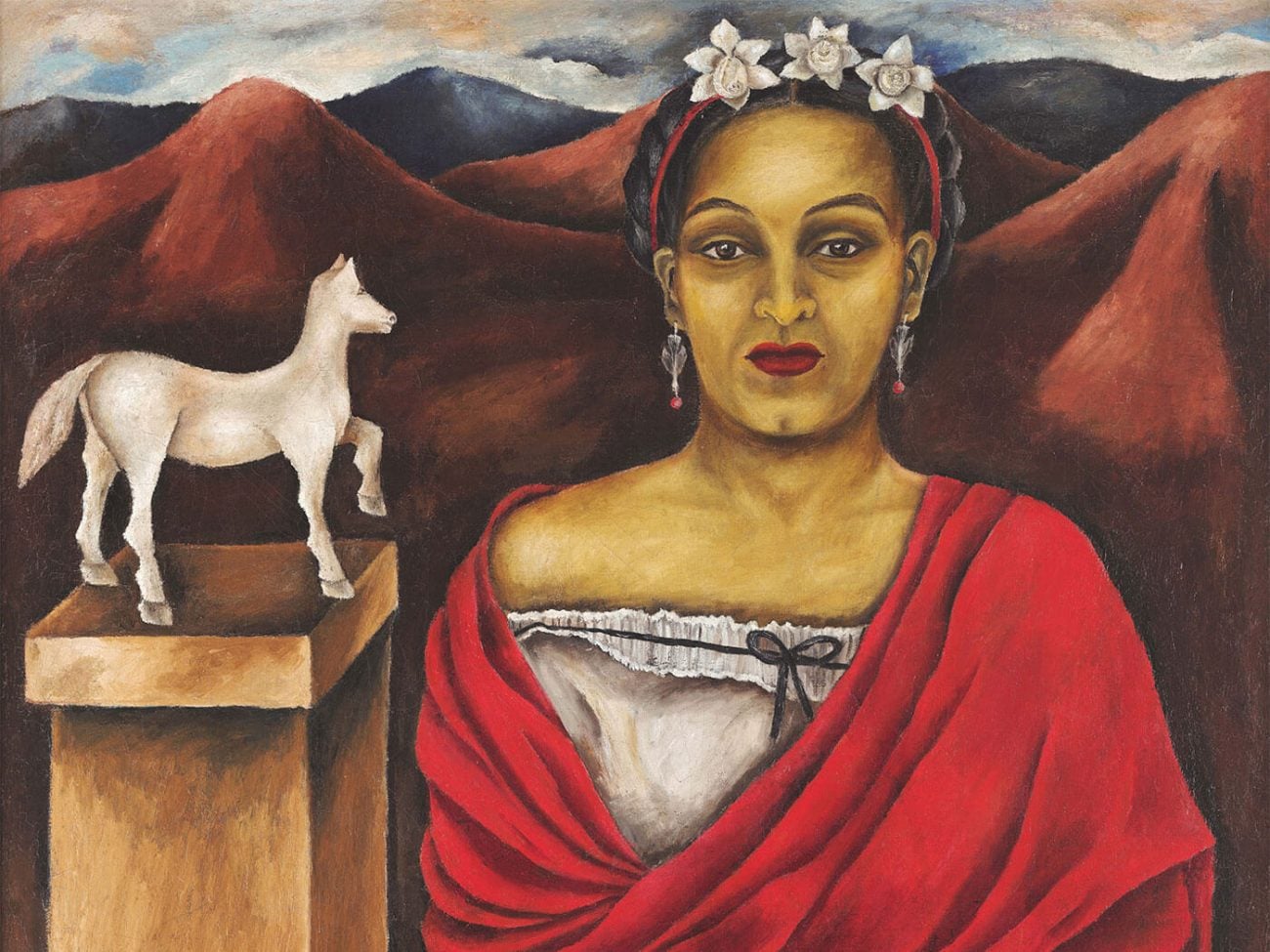
Beaux Arts Magazine is publishing a multi-part series throughout March highlighting 50 historically significant but often overlooked women artists. The series profiles figures like Impressionist painter Marie Bracquemond, whose career was curtailed by her husband, pioneering Spanish photographer Mey Rahola, and Brazilian modernist Tarsila do Amaral, who will be the subject of a major exhibition at the Musée du Luxembourg in 2024.

The story of London's Great Exhibition, as seen through the eyes of artists

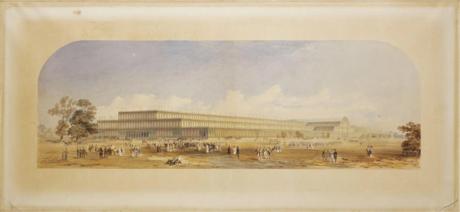
Julius Bryant’s new book, the fourth volume in his history of the Victoria and Albert Museum, re-examines the 1851 Great Exhibition through its visual legacy. By analyzing paintings, prints, and ephemera—including the vast archive of Charles Wentworth Dilke—Bryant reconstructs the 'Crystal Palace' experience, highlighting the youth of its organizers and the staggering speed of its construction. The narrative shifts focus away from traditional social theory toward the actual visual evidence of the event, from David Roberts’s massive panoramic paintings to the 235 sculptures that defined the era's artistic output.

I thought my cuckoo clock was amazing, but it’s got nothing on my statue of Bert the cheery chef | Adrian Chiles

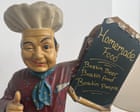
Adrian Chiles, a writer and broadcaster, recounts his acquisition of a whimsical figurine of a cheerful chef, which he named Bert after the reclamation yard owner from whom he bought it in the Black Country. He describes the personal joy and daily lift the statue brings him, contrasting it with a cuckoo clock whose novelty eventually wore off. Chiles details the statue's charming, slightly worn appearance and its role as a conversation piece, particularly due to the West Midlands slang word "bostin'" written on its menu board.

Art Problems: Do I Need to Go to Art Fairs?

Art critic Paddy Johnson addresses the common dilemma faced by unrepresented artists regarding the necessity of attending major art fairs. While acknowledging that fairs can be physically exhausting and prohibitively expensive, Johnson argues that their true value lies in strategic information gathering and long-term career planning rather than immediate sales or representation.

Do you remember the last negative review you read?

« Vous souvenez-vous de la dernière critique négative que vous avez lue ? »

The traditional art of negative criticism is vanishing from mainstream media, replaced by a culture of polite consensus or violent but unprincipled social media attacks. Historically, critics like Baudelaire, Zola, and Huysmans used sharp, subjective arguments to defend avant-garde movements and challenge academicism, viewing the attack on certain artists as a necessary byproduct of championing others. Today, limited editorial space and a desire to support the arts have led French journalists to focus almost exclusively on praise, resulting in a loss of discernment and comparative analysis.