
filter_list Showing 13 results for "ART" close Clear
dashboard All 285 museum exhibitions 150article local 41article news 27trending_up market 16article policy 14article culture 13person people 11rate_review review 8candle obituary 2gavel restitution 2article event 1
date_range Range Today This Week This Month All
Subscribe

Literature Today: The Crisis of the Novel as a Symptom of Social Change

La letteratura oggi: la crisi del romanzo come sintomo di un cambiamento sociale

The article examines the perceived crisis of the novel as a literary form, tracing its historical rise alongside the bourgeoisie in the 17th and 18th centuries. It argues the novel functioned as a mirror for a coherent social class with shared values, serving as a device for collective representation. The form's foundational premise of a recognizable community began to fracture in the 20th century, particularly after World War II, as societies atomized and grand ideological narratives collapsed.
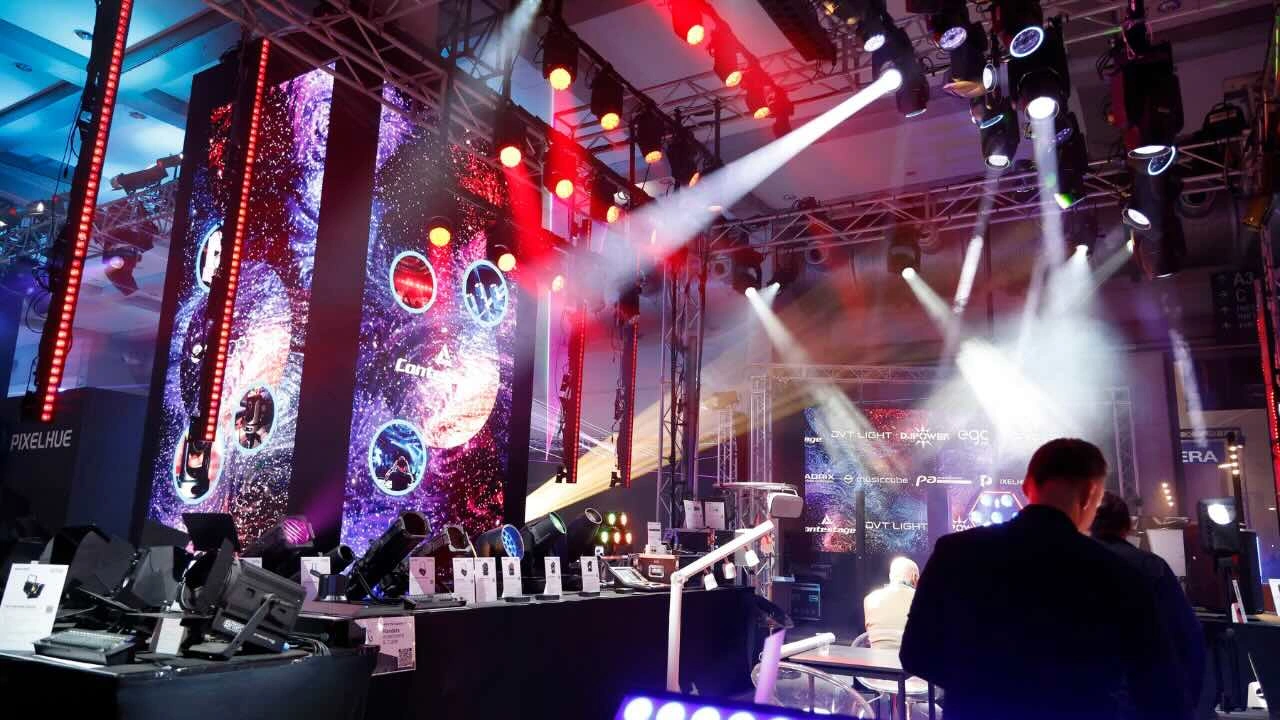
What does a technology fair have to do with the art world? A report from MIR in Rimini

Cosa c’entra una fiera della tecnologia con il mondo dell’arte? Un report dal MIR di Rimini

The article reports from the MIR (Live Entertainment Expo) technology trade fair in Rimini, an event focused on professional audio/video equipment and systems integration. While dominated by corporate stands and live sound demonstrations, the fair also hosted discussions on the precarious working conditions and pension system for cultural and entertainment workers, revealing underlying anxieties in the creative industries.

Rika Nakajima: A New Book of the Dead, Part 3

連載 中島りか 新しい死者の書 第三回

Japanese artist Rika Nakajima reflects on the trial of Tetsuya Yamagami, who assassinated former Prime Minister Shinzo Abe in 2022, weaving together her own experience running the project space "Datsuisho – (a) place to be naked" in Tokyo's Yanaka district. As the space faced demolition in late 2025, Nakajima draws parallels between the trial's timing and the closure of her venue, recalling earlier events at the space that discussed the state funeral controversy and the cult issues exposed by the assassination. She describes attending the trial in Nara, observing Yamagami's demeanor, and connecting the case to broader themes of political aesthetics, fascism, and the theatricality of the judicial system.

How One Cooperative Champions the Quechua Weavers of Peru’s Sacred Valley

The nonprofit organization Awamaki was founded in 2009 to support Quechua communities in Peru's Sacred Valley, particularly women weavers, as they navigate economic shifts and climate change. It now assists nine cooperatives comprising 174 artisans, providing structural support for selling traditional textiles and coordinating tourism to generate income while preserving cultural practices.

Theater in Paris: Studio Hébertot brings to life the companions of Pablo Picasso, from Fernande Olivier to Françoise Gilot

Théâtre à Paris : le Studio Hébertot fait revivre les compagnes de Pablo Picasso, de Fernande Olivier à Françoise Gilot

A theatrical production titled 'Les Amours de Pablo' is being staged at the Studio Hébertot in Paris until the end of May 2026. The play, created by the Compagnie Bille en Tête, focuses on the intimate and tumultuous relationships of Pablo Picasso, but primarily aims to give voice and substance to seven of his romantic partners, portraying them as complex individuals and artists in their own right.

ART CRITICISM: CLARITY OR MORAL AUTHORITARIANISM?

CRÍTICA DE ARTE: ¿CLARIDAD O AUTORITARISMO MORAL?

The article is a critical essay examining the state of contemporary art production in Mexico, arguing it has become a privatized field designed to please wealthy elites and foreign collectors. It contends that art has shifted from being partly publicly funded to being driven by the market and private initiative, leading to a culture of self-censorship, precarity, and a desperate ambition for visibility and sales.

13 Nudes That Changed Western Art History

The article presents a curated list of 13 seminal Western artworks featuring the nude form, highlighting how each piece shifted artistic conventions and cultural perceptions. It begins with the Paleolithic Venus of Willendorf and moves chronologically through works by artists including Sandro Botticelli, Leonardo da Vinci, Lavinia Fontana, and Édouard Manet, analyzing their groundbreaking approaches to depicting the human body.

Why AI Doesn't Steal Our Imagination – with Jenifer Becker

Warum KI uns nicht die Fantasie raubt – mit Jenifer Becker

Author and cultural scholar Jenifer Becker discusses the impact of artificial intelligence on creativity in the Monopol podcast "Fantasiemuskel." She argues that while AI-generated text is often generic, it can liberate us from the romantic myth of the solitary genius by demonstrating that most ideas already exist. Becker leads the "AI Lab Kit" at the Hildesheim Literature Institute, using experimental projects to push language models beyond their algorithmic comfort zones.

The National Museum of Mexican Art’s Special Mission

The National Museum of Mexican Art (NMMA) in Chicago was founded in 1987 by a group of public school educators, led by Carlos Tortolero, to address a lack of Mexican history and culture in the curriculum. It has grown into a 48,000-square-foot institution with a collection of over 20,000 objects, spanning from Pre-Columbian times to the present, and was the first Latino museum in the U.S. to be accredited by the American Alliance of Museums.

There Has Never Been an Apolitical Venice Biennale

The Venice Biennale, with its national pavilion structure, has always been a platform for political expression and soft power, a reality evident from its early 20th-century origins. Contemporary critic Arturo Lancellotti's 1909 review of the German and British pavilions was steeped in geopolitical context, revealing how national artistic displays were interpreted through the lens of imperial power and military alliances.

Art and Social Consciousness: The Ideals of Legendary Artist Joseph Beuys Told in a Comic

Arte e coscienza sociale: gli ideali del leggendario artista Joseph Beuys raccontati in un fumetto

A new graphic novel by Italian illustrator Gianluca Costantini explores the life and social ideals of the legendary German artist Joseph Beuys. The comic focuses on Beuys's final major work, 'Palazzo Regale' (1985), an environmental installation housed at the K20 museum in Düsseldorf, interpreting it as a synthesis of his belief in art as a transformative social force.

Dance Your Way to the Museum

Curator Naz Cuguoğlu argues in an opinion essay that museums should embrace the ethos of rave culture to become more welcoming and inclusive spaces, suggesting they can foster new forms of belonging. The article also covers several other art stories, including the discovery of pre-Hispanic rock art in Mexico that led to the rerouting of a train line, an exhibition of Genesis P-Orridge's mail art in Toronto, and artist Jean Shin's memorial project at Green-Wood Cemetery.

Design Theft in Platform Capitalism

Designklau im Plattformkapitalismus

The article details a growing trend of design plagiarism within the platform economy, where large interior trade platforms and fast-design companies systematically copy the original work of small, independent design studios. These copies are then mass-produced and sold globally at lower prices, often marketed directly through social media channels. The original designers find it nearly impossible to defend their intellectual property due to the high cost and complexity of legal action, especially against international entities.