filter_list Showing 18 results for "ARTnews" close Clear
search
dashboard All 265 article news 70museum exhibitions 66trending_up market 51article culture 18article policy 15person people 15gavel restitution 13candle obituary 11rate_review review 4article local 2
date_range Range Today This Week This Month All
Subscribe

The 21st Century’s Biggest Art Trend is Not a Style. But Once You See It, You’ll Notice It Everywhere.

The article traces the evolution of "systems art," a term coined by critic Jack Burnham in 1968 to describe art that uses rules, seriality, and repetition to mirror and reveal the growing protocols of the Cold War era. It highlights early practitioners like Kenneth Noland, Robert Morris, Dan Flavin, and notably Hans Haacke and Adrian Piper, who shifted from atmospheric systems (e.g., Haacke's *Condensation Cube*) to social systems (e.g., Haacke's *Shapolsky et al. Manhattan Real Estate Holdings*). The piece argues that systems thinking has become unavoidable in contemporary life—from algorithms to systemic racism—and that art remains a crucial tool for making these invisible systems legible.
One Erased Vermeer, Two Books, and No Consensus

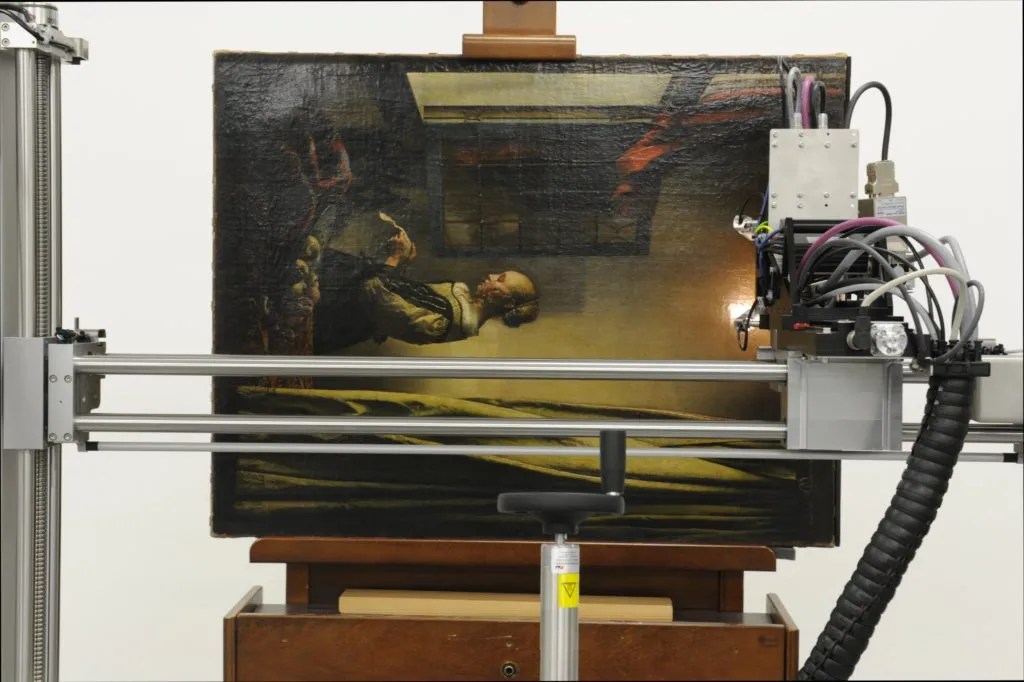
Two new books examine the legacy of Johannes Vermeer from contrasting angles. Ruth Bernard Yeazell's "Vermeer's Afterlives" (Princeton University Press) explores how the artist's open-ended, figureless interiors have inspired later creators, from painter George Deem to novelist Tracy Chevalier. Andrew Graham-Dixon's "Vermeer: A Life Lost and Found" restores the historical and religious context of 17th-century Delft, arguing that modern readings have overlooked the original meanings of Vermeer's works.

The Met’s Frida & Diego Opera Imagines Feminist Revenge from Beyond the Grave

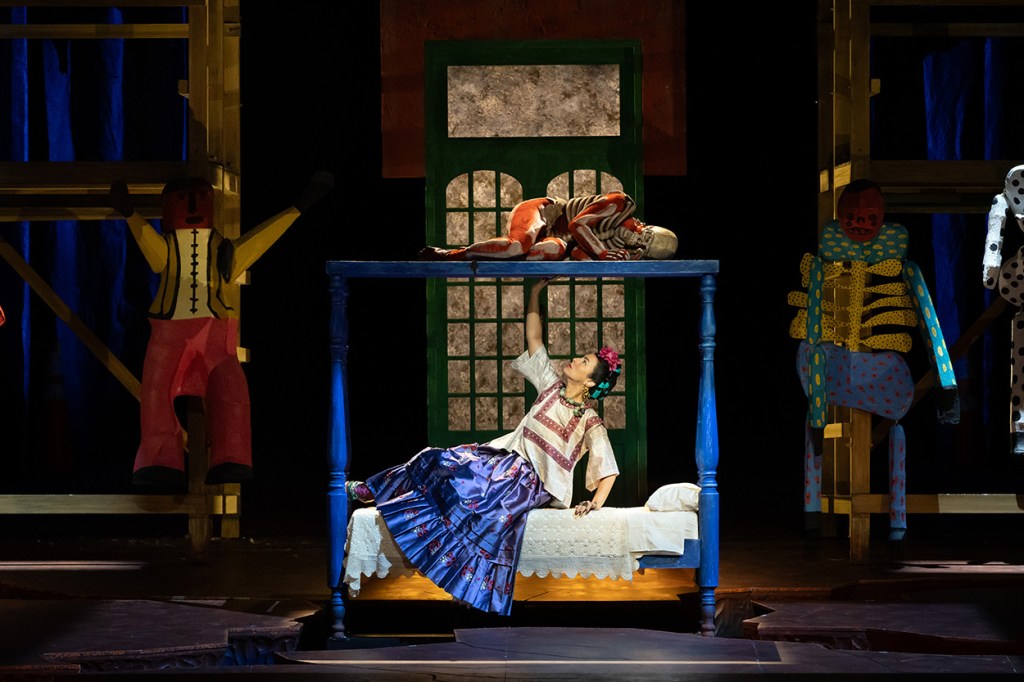
The Metropolitan Opera has opened "El Último Sueño de Frida y Diego," a new opera by composer Gabriela Lena Frank and librettist Nilo Cruz that imagines Frida Kahlo returning from the underworld during Día de los Muertos for a reunion with her husband Diego Rivera. The production features mezzo-soprano Isabel Leonard as Frida, Carlos Álvarez as Diego, and choreography by Deborah Colker, with sets by Jon Bausor that evoke Kahlo's iconic paintings and mirror. The opera explores themes of pain, creativity, and marital strife, granting Kahlo physical freedom denied to her in life while centering her perspective over Rivera's.

Amy Sherald Dresses As Her Own Award-Winning Painting for Met Gala

Amy Sherald attended the 2025 Met Gala dressed as the subject of her own award-winning painting, *Miss Everything (Unsuppressed Deliverance)* (2014). The work, which won the Outwin Boochever Prize at the National Portrait Gallery and appeared on a *New Yorker* cover, depicts a young girl holding an oversized teacup. Sherald collaborated with designer Thom Browne to recreate the painting's look, including a red fascinator, as part of the gala's theme “Fashion Is Art,” which also aligns with the Costume Institute's exhibition “Costume Art.” Sherald served on the gala's committee alongside artists Anna Weyant and Tschabalala Self.

Two of Modernism’s Lesbian Icons Get the Novel Treatment

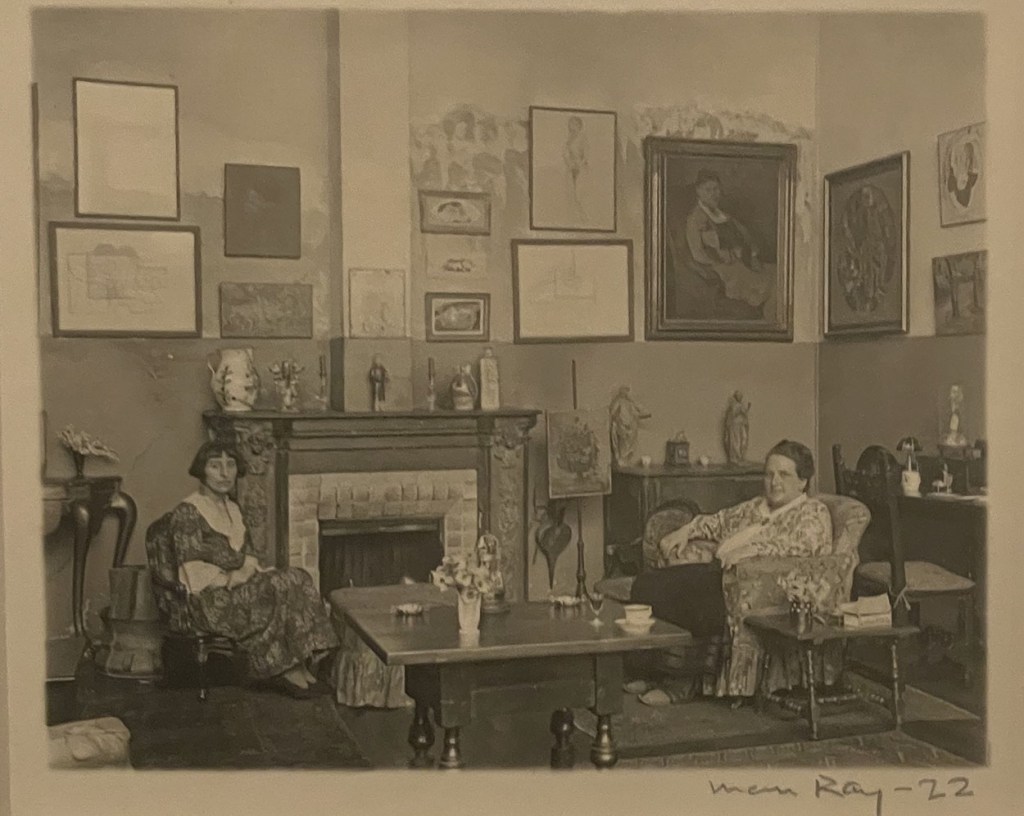
Deborah Levy's novel "My Year in Paris with Gertrude Stein" follows an unnamed narrator who travels to Paris to write an essay about Gertrude Stein, struggling with the weight of Stein's legacy while visiting her grave at Père Lachaise cemetery. The book explores Stein's life as a modernist icon, her relationship with Alice B. Toklas, and her role as a host to figures like Pablo Picasso and Ernest Hemingway, while the narrator grapples with Stein's defiant personality and literary style.

5 Art Novels to Read This Summer

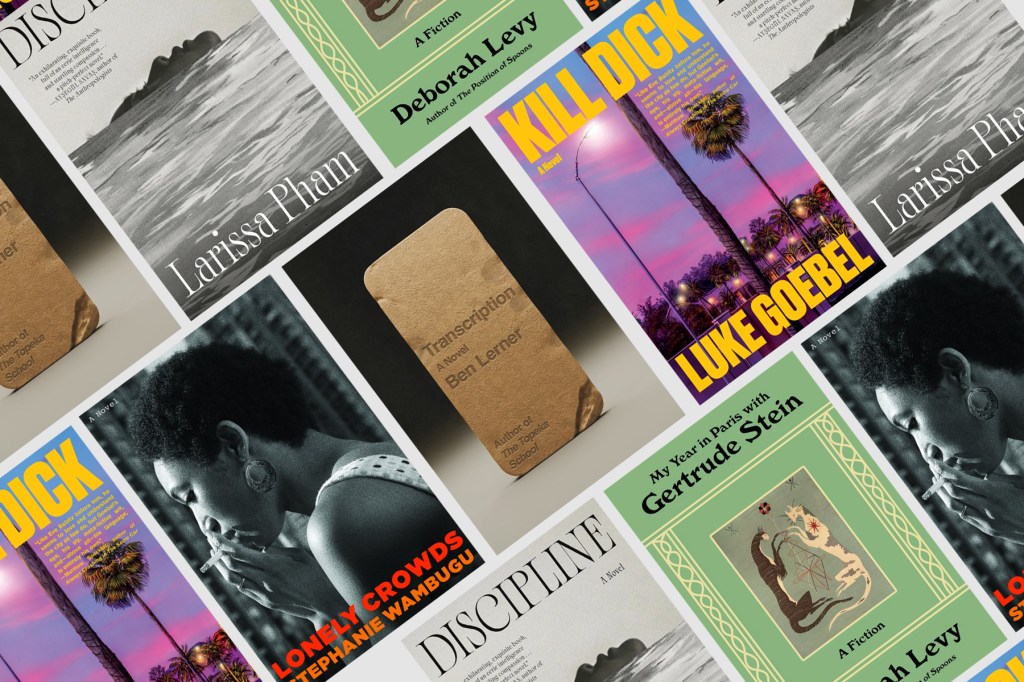
ARTnews has published a list of five art novels to read this summer, all released within the past year. The featured books include Ben Lerner's 'Transcription,' Larissa Pham's 'Discipline,' Deborah Levy's 'My Year in Paris with Gertrude Stein: A Fiction,' Stephanie Wambugu's 'Lonely Crowds,' and Luke Goebel's 'Kill Dick.' Each novel explores how art emerges through relationships—with friends, mentors, parents, lovers, and historical artists—offering a range of perspectives from anxious inner monologues to satirical critiques of the art world.

How Well Do the Met Gala’s Attendees Know Their Art History? We Critique Looks by Madonna, Hunter Schafer, and More

The article critiques nine outfits from the 2026 Met Gala, which was held under the theme 'Fashion Is Art' in conjunction with the Costume Institute's new exhibition 'Costume Art' at the Metropolitan Museum of Art. It analyzes how attendees like Hunter Schafer, Lauren Sánchez Bezos, and Kylie Jenner referenced specific artworks—such as Gustav Klimt's *Mäda Primavesi* and John Singer Sargent's *Madame X*—in their fashion choices, evaluating the success of these art-historical allusions.

Trevor Paglen’s New Book Says AI Is Rewriting What Images Do

Artist Trevor Paglen has published a new book, *How to See Like a Machine: Images After AI*, which argues that generative AI and computer vision are fundamentally changing how images function in culture. Drawing on his decade-long practice, Paglen contends that images are no longer merely representations for human interpretation but have become operational tools—'activations' that trigger automated responses and shape reality. He cites examples such as surveillance cameras at grocery stores, the Samsara navigation system in trucks, and the ImageNet database to illustrate how machine vision systems normalize surveillance in service of capital, a phenomenon he terms 'machine realism.'

7 Books We’re Looking Forward to in May

ARTnews has published a list of seven art books to look forward to in May 2026, covering a wide range of topics from contemporary theory and AI imagery to historical biographies and the Venice Biennale. Featured titles include Dena Yago's collected writings 'That Figures,' Victoria Johnson's biography of Frederic Church 'Glorious Country,' Trevor Paglen's 'How to See Like a Machine,' Nicholas Fox Weber's 'Anni Albers: A Life,' Massimiliano Gioni's 'High Waters: An Oral History of the Venice Biennale,' Rennie McDougall's 'Nonstop Bodies: How Dance Shaped New York City,' and Paul Elie's 'Last Supper: Art, Faith, Sex and Controversy in the 1980s.'

Delegitimation, Denunciation and Insecurity

"Delegitimation, Denunziation und Verunsicherung"

German cultural critic Georg Seeßlen warns in his taz column of a right-wing 'war of conquest' targeting liberal cultural institutions through systematic delegitimation, denunciation, and intimidation. Meanwhile, a new Berlin artist study reveals that the average annual income from artistic work is just €6,000, highlighting a structural dysfunction in the art system. Additionally, Jonathan Meese's play 'Alaska Kid' has been canceled at the Volksbühne Berlin following the death of his mother Brigitte Meese, who was his organizer, muse, and confidante.

Photographer and Activist Claudia Andujar, Known for Documenting Yanomami People of Brazil, Is the Subject of a New Biopic

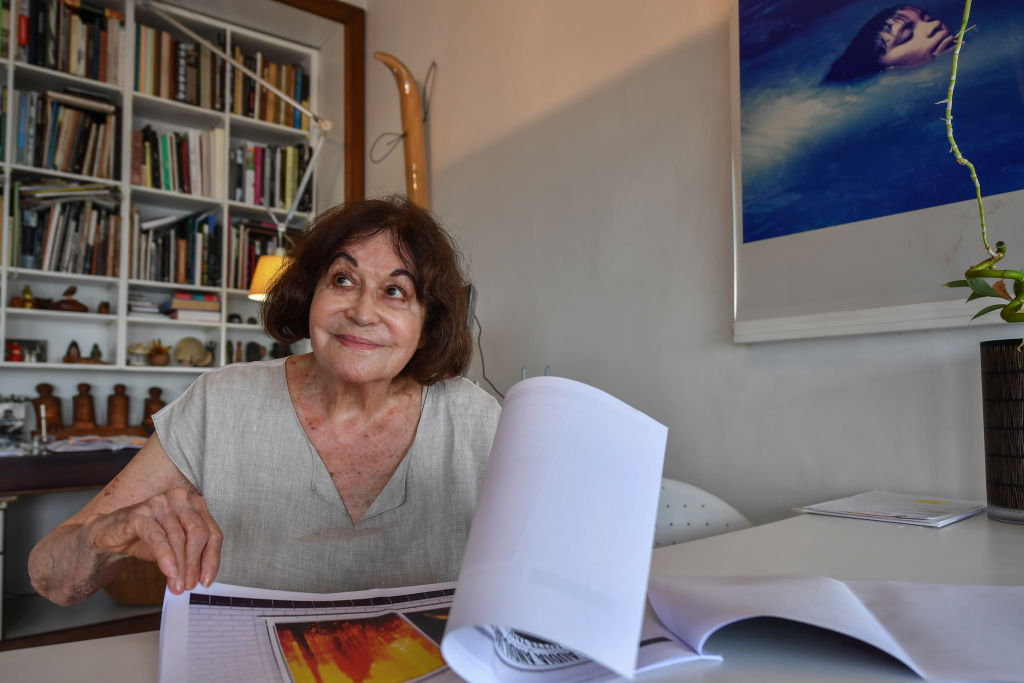
A new biopic titled *The Outsider (A Estrangeira)* will tell the story of photographer and activist Claudia Andujar, known for documenting the Yanomami people of Brazil. The film is written and directed by Sandra Delgado, produced by São Paulo’s Maria Farinha Filmes, and stars Inga Ibsdotter Lilleaas in the lead role, with Wagner Moura as an executive producer and cast member. The project is based on two decades of research and focuses on Andujar’s journey from Holocaust survivor to Brazilian artist who used photography to resist the military dictatorship’s destruction of Yanomami land in the 1970s.

Ren Light Pan Dramatizes the Dilemma of the Trans Artist.

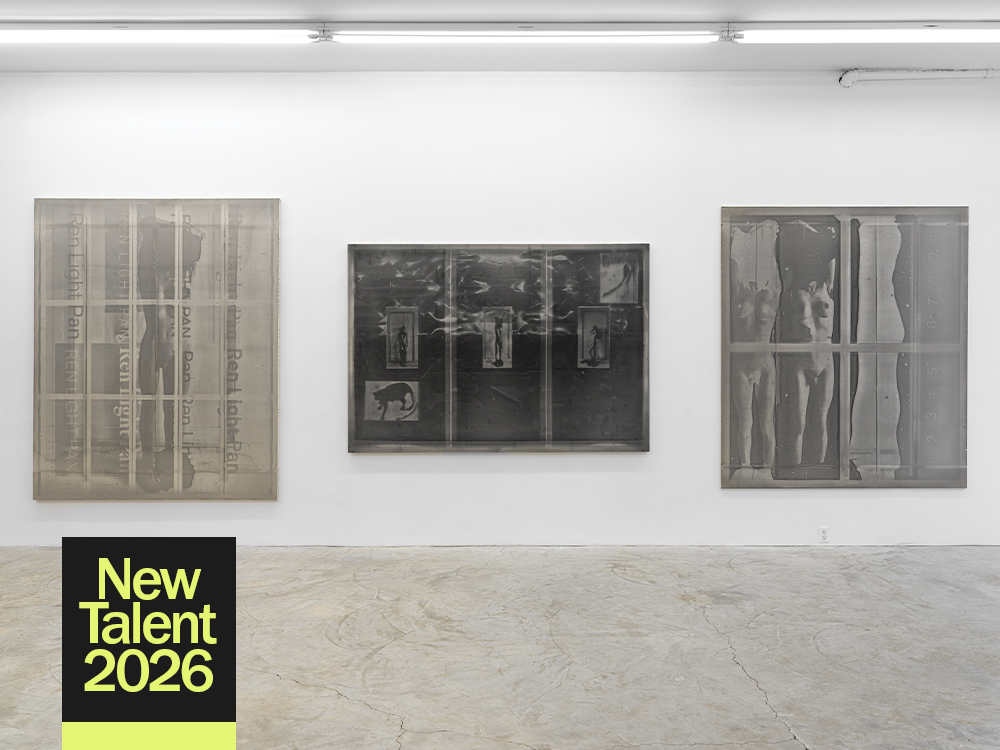
Ren Light Pan, a transgender artist working in a tiny New York studio, creates striking duotone images using a self-invented process involving ink, water, heat lamps, and transparent film. Her recent works center on the classical figure of Sleeping Hermaphroditus, a marble Roman copy of an ancient Greek bronze, which she reproduces from a photograph that includes spectators' legs. Pan's method, which she developed to circumvent perfectionist tendencies, involves suspending a primed canvas over a mixture of ink and water, then applying heat to transfer the image over one to two hours. She has also made works based on her own body, though she has abandoned the durational performance aspect since transitioning.

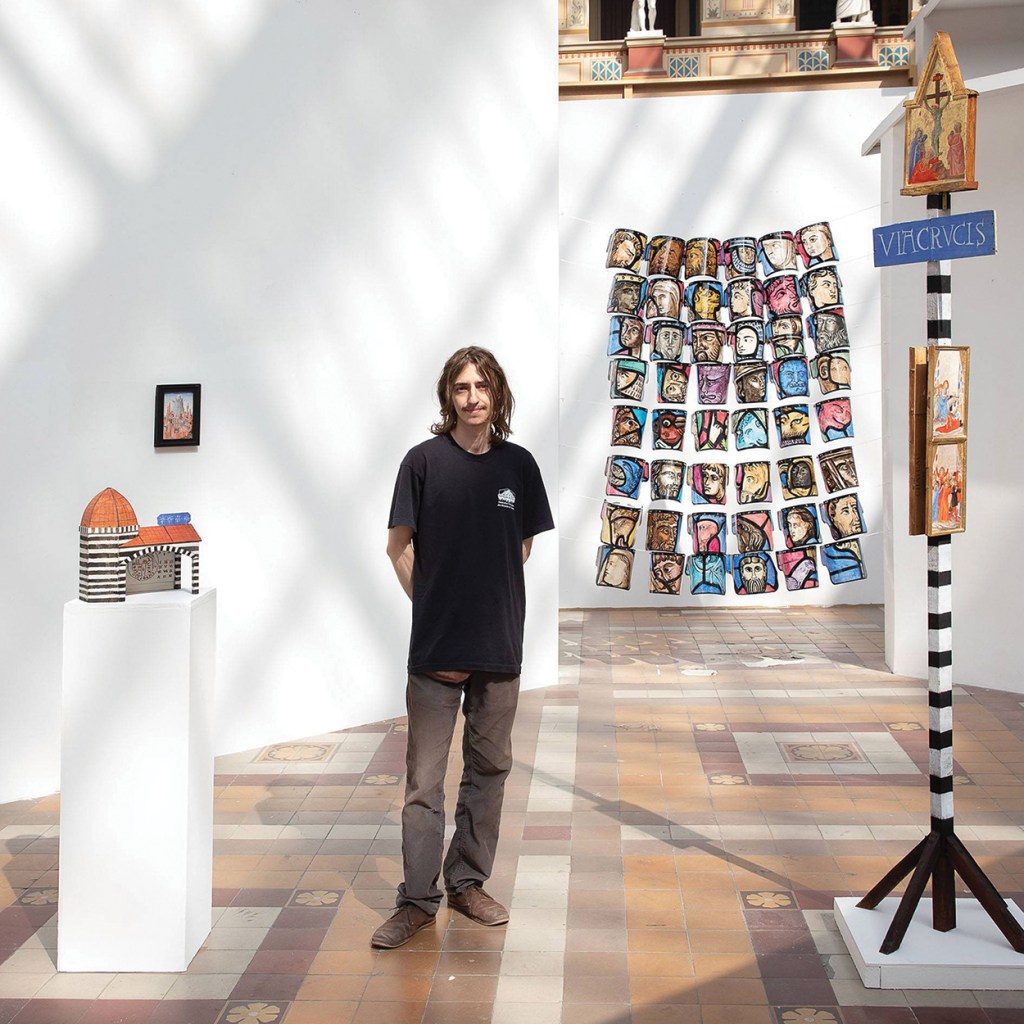
Malo Chapuy Reimagines Medieval Art on the Cover of our New Talent Issue

Malo Chapuy's painting *Virgin with Codex* (2025) appears on the cover of Art in America's new talent issue. In an interview from his Paris studio, Chapuy explains how he reinterprets medieval and early Renaissance Flemish painting by mixing its motifs with contemporary and sci-fi elements, such as gothic cathedral spaceships and QR codes designed to function like medieval manuscripts for future postapocalyptic monks. He describes his process as making "forgeries," using traditional techniques like oil on wood panels, homemade lead white, and self-carved frames to mimic aged Old Master works while addressing themes of ecological collapse, apocalyptic anxiety, and planetary exile.

Henrike Naumann Stared Down a Divided Germany’s Past While Eyeing Our Troubled Present

Henrike Naumann, a German artist known for using secondhand furniture and design to explore political extremism and consumer capitalism, is profiled in ARTnews. The article recounts her first US exhibition, “Re-Education” at SculptureCenter in New York in 2022, where she created installations referencing the January 6 Capitol attack, juxtaposing Federal-style office furniture with a Flintstonian mancave and chairs arranged by ideological subtext. The show gained unexpected attention when German media covered it, linking her small hometown of Zwickau with New York, and she later visited Thomas Hart Benton’s murals at the Met to understand American power and aesthetics.

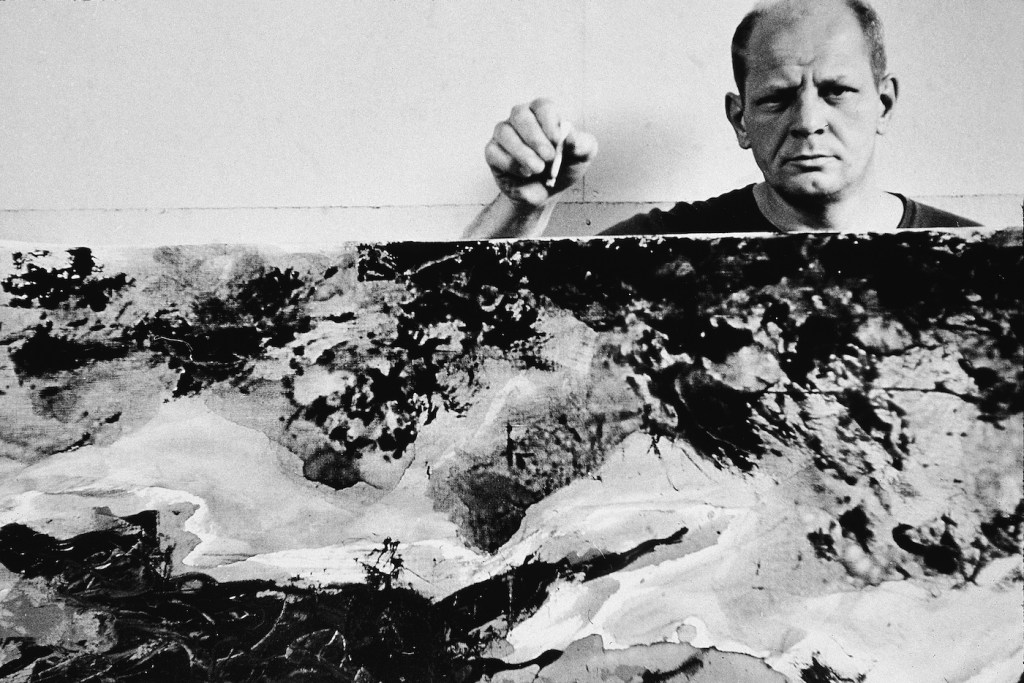
Jackson Pollock Transformed American Art—and Was Destroyed by His Own Success

The article traces Jackson Pollock's transformative yet destructive rise to fame, focusing on his move to East Hampton with Lee Krasner, his development of drip painting in a small unheated barn, and the influence of predecessors like Janet Sobel and Max Ernst. It details his 1948 debut at the Betty Parsons Gallery, the mocking 1949 Life Magazine feature that ironically catapulted him to celebrity, and photographer Hans Namuth's documentation of his process, which revealed the deliberate nature of his technique.

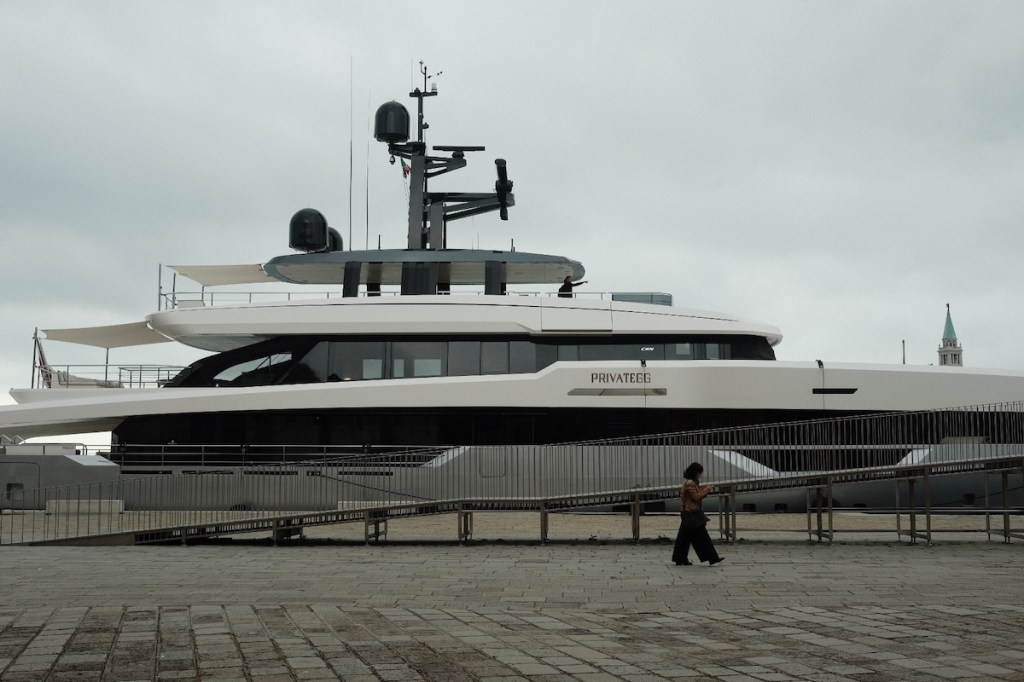
Who Owns the Megayachts Docked Outside the Venice Biennale?

The article examines the megayachts docked outside the Venice Biennale, focusing on the 170-foot vessel 'Private GG' owned by Giancarlo Giammetti, cofounder of the Valentino fashion house. Giammetti, a serious art collector, was in Venice for the Biennale opening, posting photos of artworks and a dinner with actress Salma Hayek and her husband François-Henri Pinault, a major art collector. The yacht, built in 2022 by CRN, features luxury amenities including a jacuzzi, cinema saloon, and beach club.

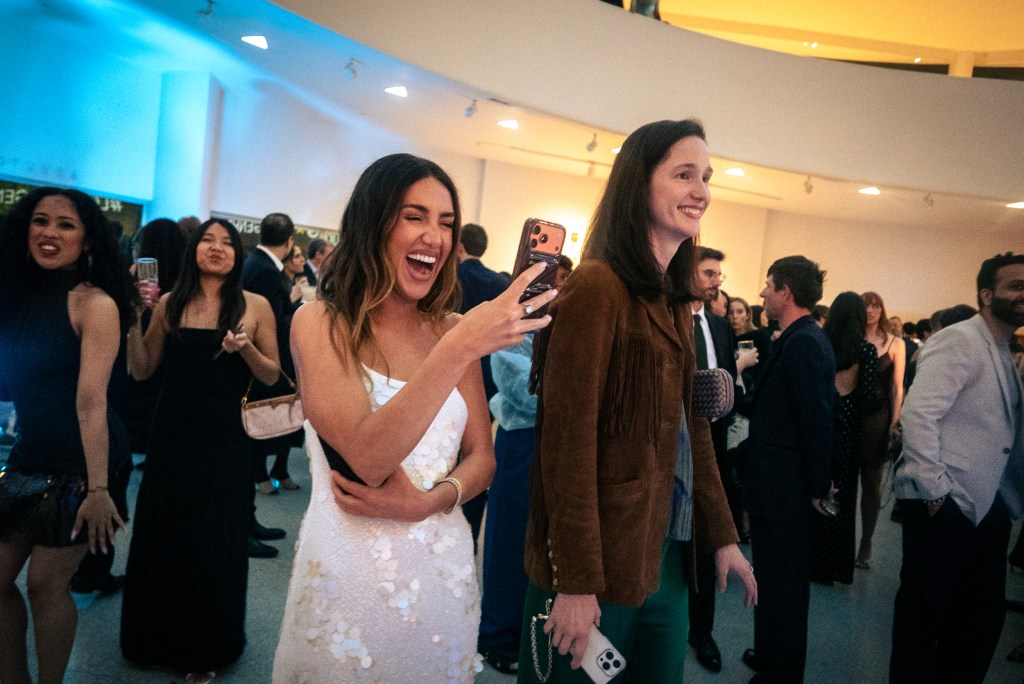
Elle Peréz Gets Personal with the Next-Gen Collectors Changing the Art World

Elle Peréz, a photographer and co-chair of the Young Collectors Council (YCC) at an unnamed museum, discusses the group's activities in an interview. The YCC meets twice a year to acquire artworks through a transparent process involving curator presentations and studio visits, with members voting on acquisitions. Peréz highlights the party celebrating Diane Severin Nguyen's commissioned piece, noting the seamless integration of music, art, and aesthetics, and emphasizes that the acquisition meetings are the core of the group's appeal.

Art and Cultural Engagement Can Slow the Pace of Aging: Report

A new study published in the journal *Innovation in Aging* finds that engaging with arts and cultural activities can slow biological aging at a molecular level. Led by Daisy Fancourt of University College London, the research measured participation in four types of activities—participatory arts, receptive arts, visiting heritage sites, and other cultural activities—and used epigenetic clocks to assess aging. Those who engaged at least once a week showed a four-percent slowdown in aging, while monthly engagement yielded a three-percent slowdown.