filter_list Showing 25 results for "Ace" close Clear
dashboard All 509 museum exhibitions 280article local 87article news 59article culture 25trending_up market 18rate_review review 11candle obituary 11article policy 8person people 7gavel restitution 3
date_range Range Today This Week This Month All
Subscribe

Harnessing the winds of societal change: how art dealers have been able to shape taste for centuries

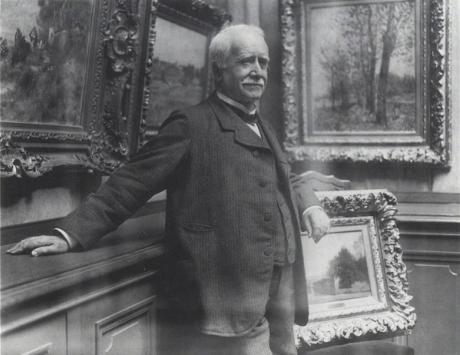
Valentina Castellani, a former Gagosian director, has authored a new book titled *Trading Beauty: Art Market Histories from the Altar to the Gallery* (out 1 May). The book traces how art dealers have historically leveraged societal changes—political, economic, and social—to reshape taste and market structures. Castellani begins in the Middle Ages, when art was made only on commission for patrons like the Catholic church and monarchies, and moves through key shifts such as the Dutch Republic's first open art market in the 17th century, which gave rise to the professional art dealer. She highlights dealers like Paul Durand-Ruel, Joseph Duveen, and Leo Castelli who capitalized on anti-establishment energy, new wealth, and post-war consumer culture to bring avant-garde art to the forefront.

Expanded Vocabulary: Revisiting Deborah Kass’ Studio

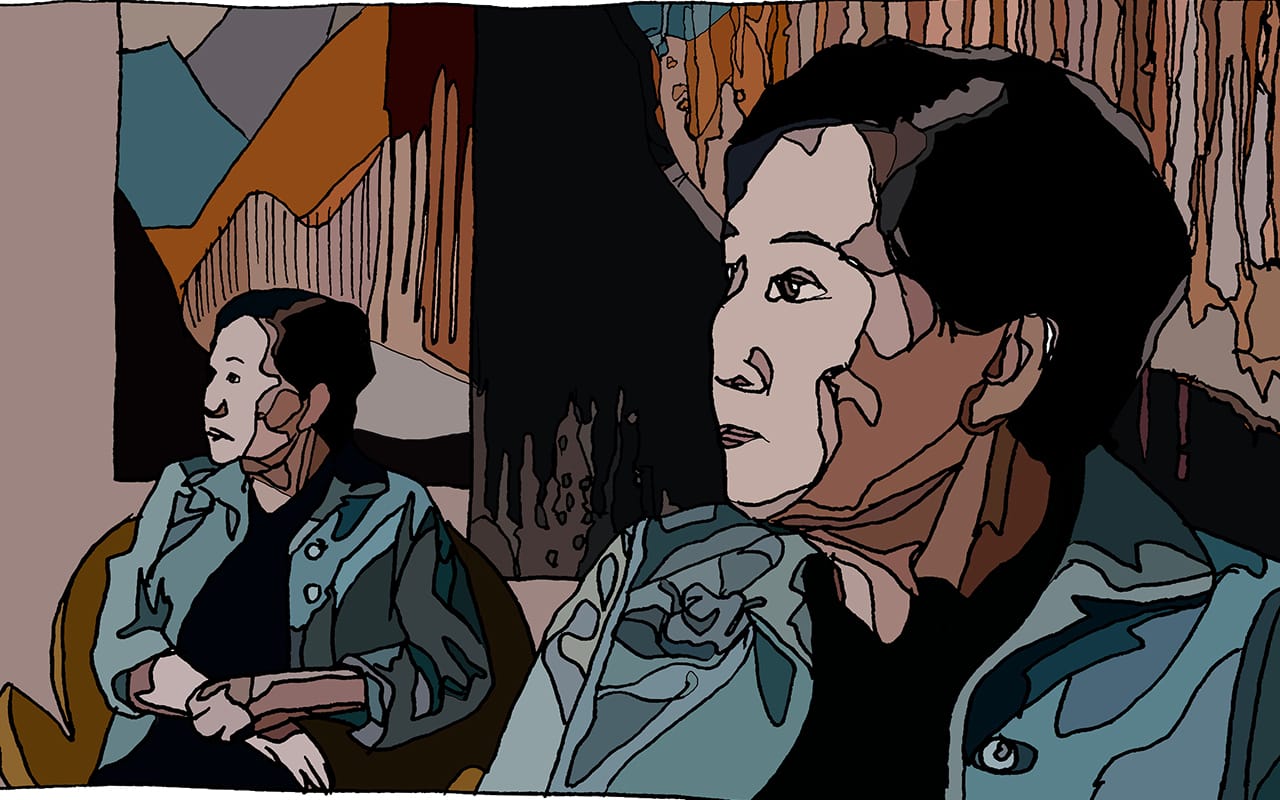
The article recounts the author's visit to Deborah Kass's Brooklyn studio, which she shares with her wife, artist Patricia Cronin. The visit was prompted by logistical issues related to the author's exhibition "Social Minimalism" (2025). During the visit, the author and Kass revisited themes central to Kass's work over three decades: the exclusion of women from art history, Jewish identity, queer voice, lesbian subjectivity, and postwar American art. The conversation also touched on Kass's series including the Warhol Project, Feel Good Paintings, No Kidding, and the large painting/sculpture installation "Everybody" (2019), which was recently featured in a conversation between Kass and Titus Kaphar in Interview magazine.

Lee ShinJa's Handwoven Portals

Hyperallergic profiles the work of South Korean textile artist Lee ShinJa, whose handwoven artworks are described as 'portals' that bridge traditional craft and contemporary abstraction. The article highlights her use of traditional Korean weaving techniques to create layered, ethereal pieces that evoke both physical and metaphysical spaces.

The Guardian view on the legacy of the Festival of Britain: look to the future | Editorial

The Guardian editorial reflects on the 75th anniversary of the Festival of Britain, launched by King George VI on 3 May 1951 as a "tonic" for a war-weary nation. It highlights the festival's most enduring legacy: the construction of the South Bank, including the Royal Festival Hall, which later became the Southbank Centre—the UK's largest arts complex. This summer, commemorations include poems from London schoolchildren projected onto its walls and a mobile poetry library visiting coastal towns, recreating the journey of the repurposed naval ship Campania. The festival, a triumph for the Labour government, faced critics like Evelyn Waugh and Noël Coward, and much of its physical infrastructure was demolished by the incoming Conservative government, save for the Royal Festival Hall.

Sur Arte Radio et dans une expo, l’enquête d’Adrianna Wallis sur les traces de sa grand-mère peintre spoliée par les nazis

Artist Adrianna Wallis (born 1981) discovers that her paternal grandmother, painter Diane Esmond (1910–1981), was a victim of Nazi looting during World War II. After being contacted by historians Patricia Helletzgruber and Sophie Juliard, Wallis learns that much of Esmond's work was systematically destroyed by the ERR, the Nazi organization responsible for art theft in occupied countries. This revelation sparks a personal investigation that becomes a podcast for Arte Radio titled "Il restera la gravité," blending documentary, autobiographical inquiry, and sound installation. Wallis delves into archives, examining microfilms and lists that detail 46 of Esmond's paintings—each methodically described and declared destroyed, such as "Woman in blue evening dress: annihilated."

Primitivism to Reinvent Art

Le primitivisme pour réinventer l’art

Philippe Dagen has published the third and final volume of his series on primitivism, covering the period from World War II to the late 1970s. The book traces how Western artists, from Barnett Newman and Jackson Pollock to members of the CoBrA movement and figures like Jean Dubuffet, Lucio Fontana, and Yayoi Kusama, engaged with so-called "primitive" art from Africa, Oceania, and the Americas, often as a means of rejecting or redefining modern civilization. Dagen also examines the intellectual debates surrounding primitivism, including the critiques of colonized peoples who refused the label "primitive," and the shifting attitudes of thinkers like Claude Lévi-Strauss, Michel Leiris, and Aimé Césaire.

GEORGE FEBRES: TRANSLATION, IRONY, AND LIBERATION. AN ECUADORIAN ARTIST IN THE DIASPORA

The article examines the life and work of George Febres (1943–1996), an Ecuadorian artist who spent most of his career in the United States, primarily in New Orleans. Febres’s practice blends Pop Art, Neo-Surrealism, and Southern US culture with his experiences as a migrant and queer subject, using bilingualism and ironic tropical imagery to create a hybrid, irreverent body of work. Despite his significance, no works by Febres exist in Ecuadorian public collections, and no major retrospective has been held in his home country, reflecting a broader erasure of queer narratives from national art history.

GEORGE FEBRES: TRADUCCIÓN, IRONÍA Y LIBERACIÓN. UN ARTISTA ECUATORIANO EN LA DIÁSPORA

George Febres (Guayaquil, 1943 – New Orleans, 1996) was an Ecuadorian artist whose work blended pop art, neo-surrealism, and Southern U.S. culture, shaped by his experience as a migrant and queer individual. The article traces his life from a privileged but unstable childhood in Ecuador to his migration to the United States, where he was drafted during the Vietnam War and eventually settled in New Orleans. Febres used bilingualism and ironic appropriation of tropical imagery to create a hybrid, irreverent body of work that challenges the official historiography of Ecuadorian art.

Final book in trilogy asks: What is the future of the art world?

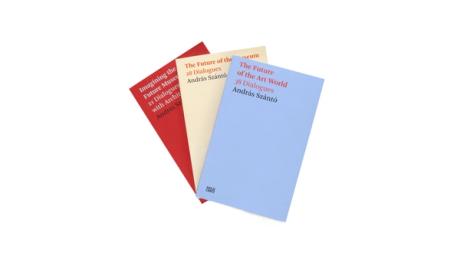
Cultural strategist András Szántó has published the third and final volume of his trilogy on the future of museums, titled *What Is the Future of the Art World?*. The book features dialogues with a wide range of art-world figures—including gallerists José Kuri and Atsuko Ninagawa, collectors Alain Servais and Sylvain Levy, artists William Kentridge and Holly Herndon & Mathew Dryhurst, curator Fatoş Üstek, network scientist Albert-László Barabási, former Art Basel director Marc Spiegler, and Sheikha Al-Mayassa Al Thani—who discuss topics such as the definition of the art world, its rules, and its future trajectory. Szántó notes that there is no consensus on whether the art world is still expanding or entering a phase of slowdown, with different regions moving on divergent paths.

Nikita Kadan Questions Whether War Ever Ends

Ukrainian artist Nikita Kadan, in an interview with Frieze, reflects on his practice and the ongoing psychological and physical toll of war, questioning whether conflict ever truly ends. He discusses his recent works, which grapple with the persistent state of war in Ukraine, the transformation of urban spaces, and the collective trauma that outlasts active hostilities.

Nine Artists on the Gardens They’ll Never Forget

Nine artists, including Hiroshi Sugimoto, Irene Neuwirth, and Umberto Pasti, share personal reflections on unforgettable gardens from around the world. Each contributor describes a specific garden that left a lasting impression, ranging from historic estates to wild natural landscapes, highlighting the sensory and emotional impact of these spaces.

Yu-Chi Lyra Kuo Shares a Vision for the Future of Art, Technology, and Creativity

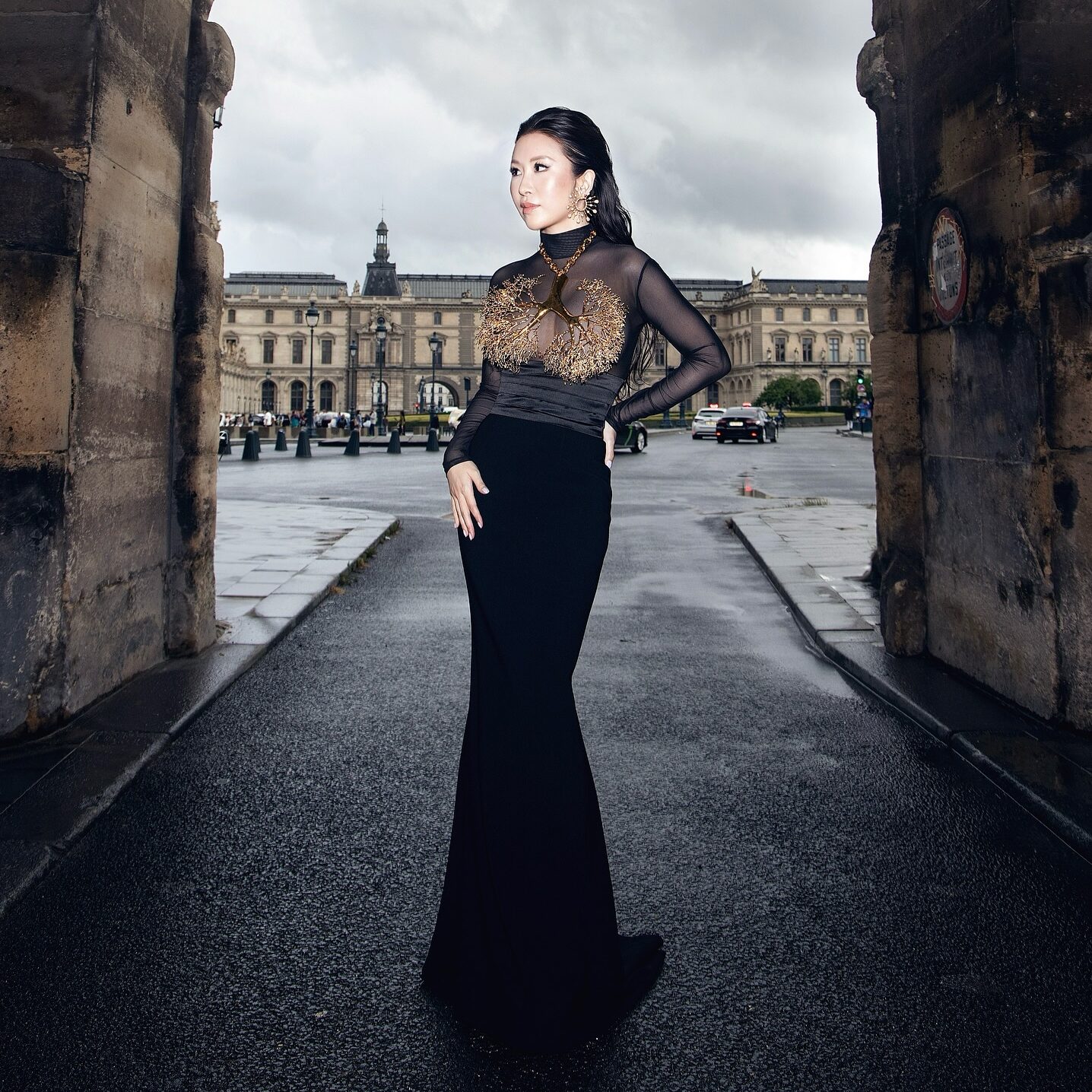
Yu-Chi Lyra Kuo, an entrepreneur, investor, Harvard-educated lawyer, former Princeton academic, and board member of the Shed, shares her vision for integrating frontier technologies like artificial intelligence and robotics into the art world. She argues that these tools can enhance human creativity rather than replace it, drawing on her early experiences with Asian antiquities and her pioneering work in blockchain, including co-founding OpenSea 2.0. The article, based on an interview with CULTURED, traces her journey from collecting a jade gourd as a child to advising tech companies and joining the board of the Shed, a Bloomberg-backed cultural center in Hudson Yards.

“Persona” Crafts a Lineage of Performed Identity

Boston Art Review (BAR) has published an article titled “Persona” Crafts a Lineage of Performed Identity, exploring how contemporary artists use persona and self-performance to trace a lineage of identity construction. The piece examines works by artists who adopt alter egos or theatrical roles to challenge fixed notions of selfhood, drawing connections to historical precedents in art and culture.

Khaled Sabsabi: Splintered Worlds

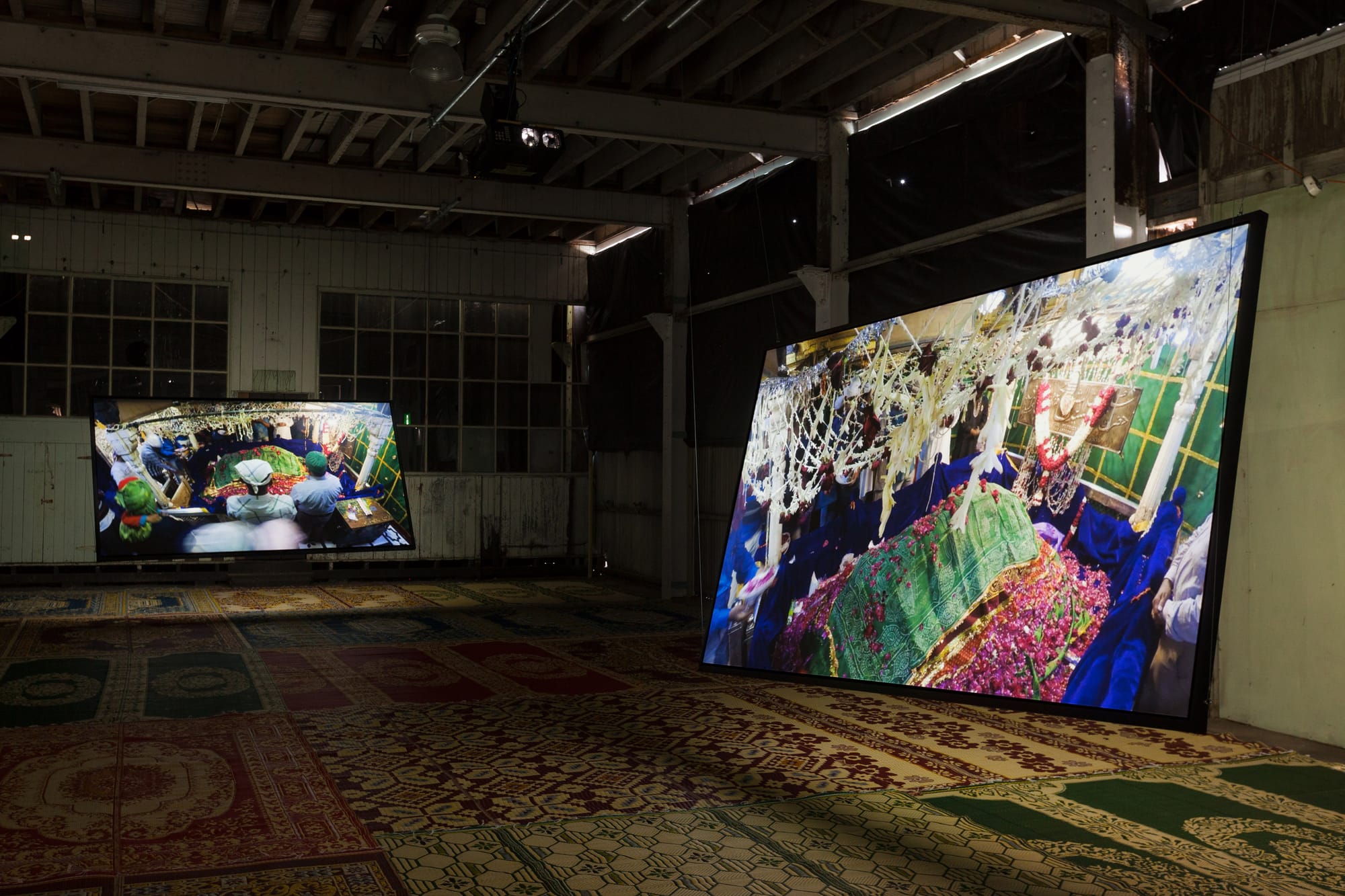
Khaled Sabsabi, a Lebanese Australian artist, explores the intersection of spirituality and perception through video and mixed-media installations rooted in Sufism. His work, such as the 18-minute video *Lefke Morning* (2012–18), captures the Naqshbandi-Haqqani Sufi Order's dawn meditations, using blurred imagery and soundscapes to challenge Islamophobic media tropes and evoke a sense of unity. Sabsabi's practice also draws on hip-hop, which he performed as "Peacefender" in the 1980s, using music to address social issues and support marginalized communities in Western Sydney.

Met Gala 2026: Everything to Know About the Theme, Co-Chairs, Dress Code and More

The 2026 Met Gala will take place on May 4 at the Metropolitan Museum of Art in New York City, with the theme "Costume Art" and a dress code of "Fashion Is Art." The event honors the spring 2026 exhibition of the same name, which inaugurates the Costume Institute's first permanent galleries, the nearly 12,000-square-foot Condé M. Nast Galleries. Co-chairs include Beyoncé, Nicole Kidman, Venus Williams, and Anna Wintour. The red carpet livestream will be hosted by Ashley Graham, La La Anthony, Cara Delevingne, and Emma Chamberlain on Vogue's digital platforms.

Linocuts by Eduardo Robledo Celebrate Mexican Heritage and Community

Eduardo Robledo, a Mexico City-based artist from Xochimilco, creates detailed linocuts that celebrate Mexican heritage, community, and spiritual motifs. His work features traditional symbols like skulls, skeletons, and Sacred Hearts alongside regional animals and cultural references such as Xochimilco's canal boats. Robledo also engages in social activism through printmaking, viewing it as a democratic medium for spreading messages about causes he supports. His prints are available at Hecho a Mano in Santa Fe, and he co-founded Lugar de Huida, a gallery in Mexico City that highlights Mexican printmakers.

Michelangelo and Rodin: Finding the Living Spirit in Stone

The New York Times article examines the artistic kinship between Michelangelo and Auguste Rodin, focusing on how both sculptors sought to animate stone with a sense of living spirit and emotional intensity. It explores their shared techniques, such as leaving surfaces unfinished to suggest movement and inner life, and highlights key works including Michelangelo's "Slaves" and Rodin's "The Gates of Hell."

‘Was she going to an appointment, maybe even a romantic one?’: ASA’s best phone picture

ASA, an anonymous photographer, captured a candid iPhone X image in Bastia, Corsica, during the summer of 2018. The photograph shows a woman walking through strong sunlight, reduced to a silhouette against burned facades. ASA waited patiently for the right passerby, later imagining the woman might be heading to a romantic appointment, though they emphasize the work is about shape, movement, and contrast rather than identity.

Creating Variety in Contemporary Rome: The Story of the Conventicola degli Ultramoderni on Sky Arte

Fare varietà nella Roma contemporanea: la storia della Conventicola degli Ultramoderni su Sky Arte

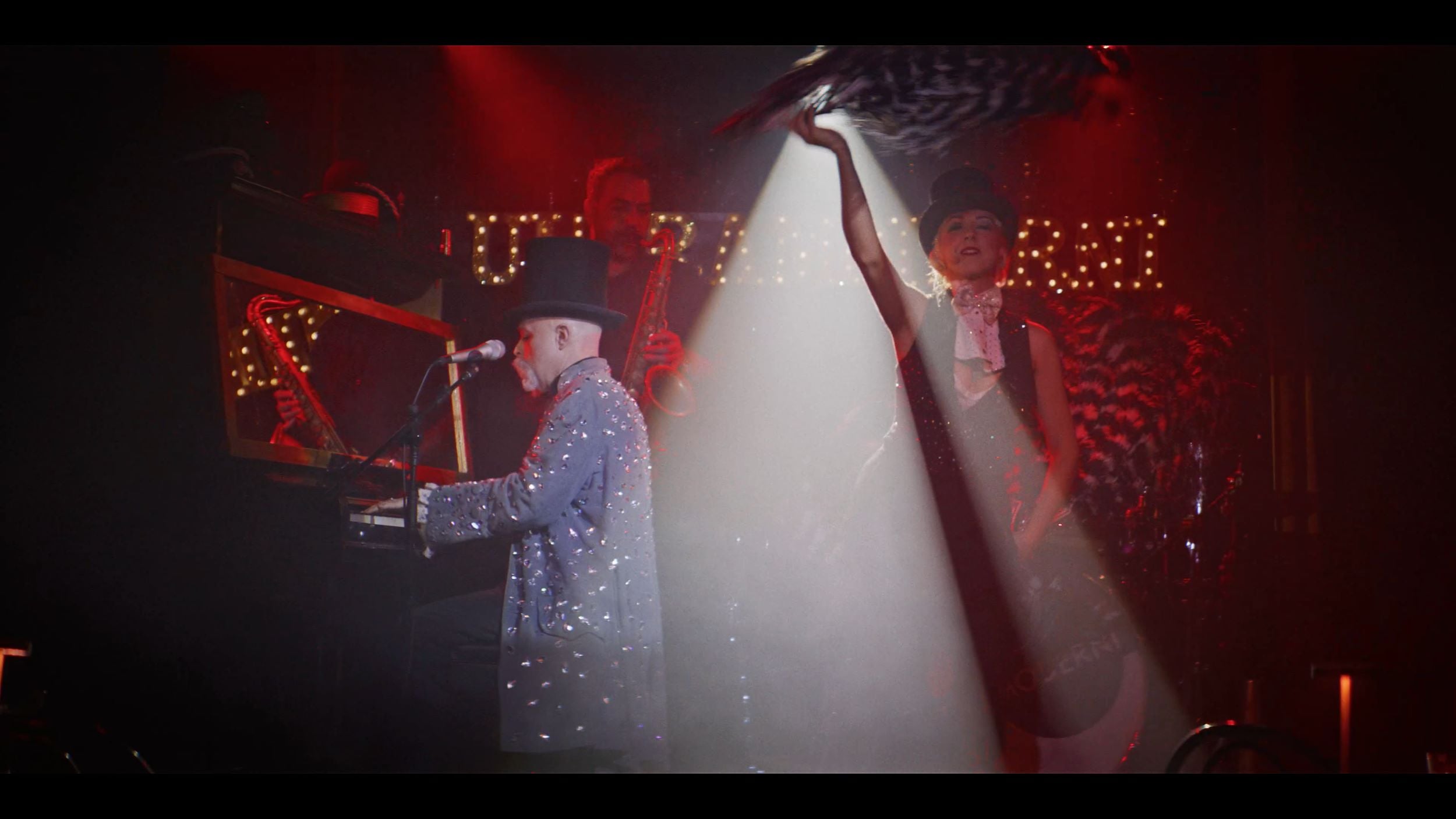
On Sunday, May 3, Sky Arte will premiere the documentary "Ultramoderni," which chronicles the rise of the Conventicola degli Ultramoderni, a unique artistic collective in Rome. Founded by Sior Mirkaccio and Madame de Freitas, who met in 2011, the group operates from a small hidden venue in the San Lorenzo district, blending music, cabaret, burlesque, and contemporary variety shows with a retro-futuristic aesthetic. The documentary, filmed in their Roman space, features interviews with the duo and excerpts from their performances, tracing how they built a diverse community of enthusiasts around their reinvention of past traditions.

The first of May starts a new issue of Pax. Previews of the newsletter on cultural tourism (subscribe)

Il primo maggio parte una nuova uscita di Pax. Le anticipazioni della newsletter sul turismo culturale (abbonatevi)

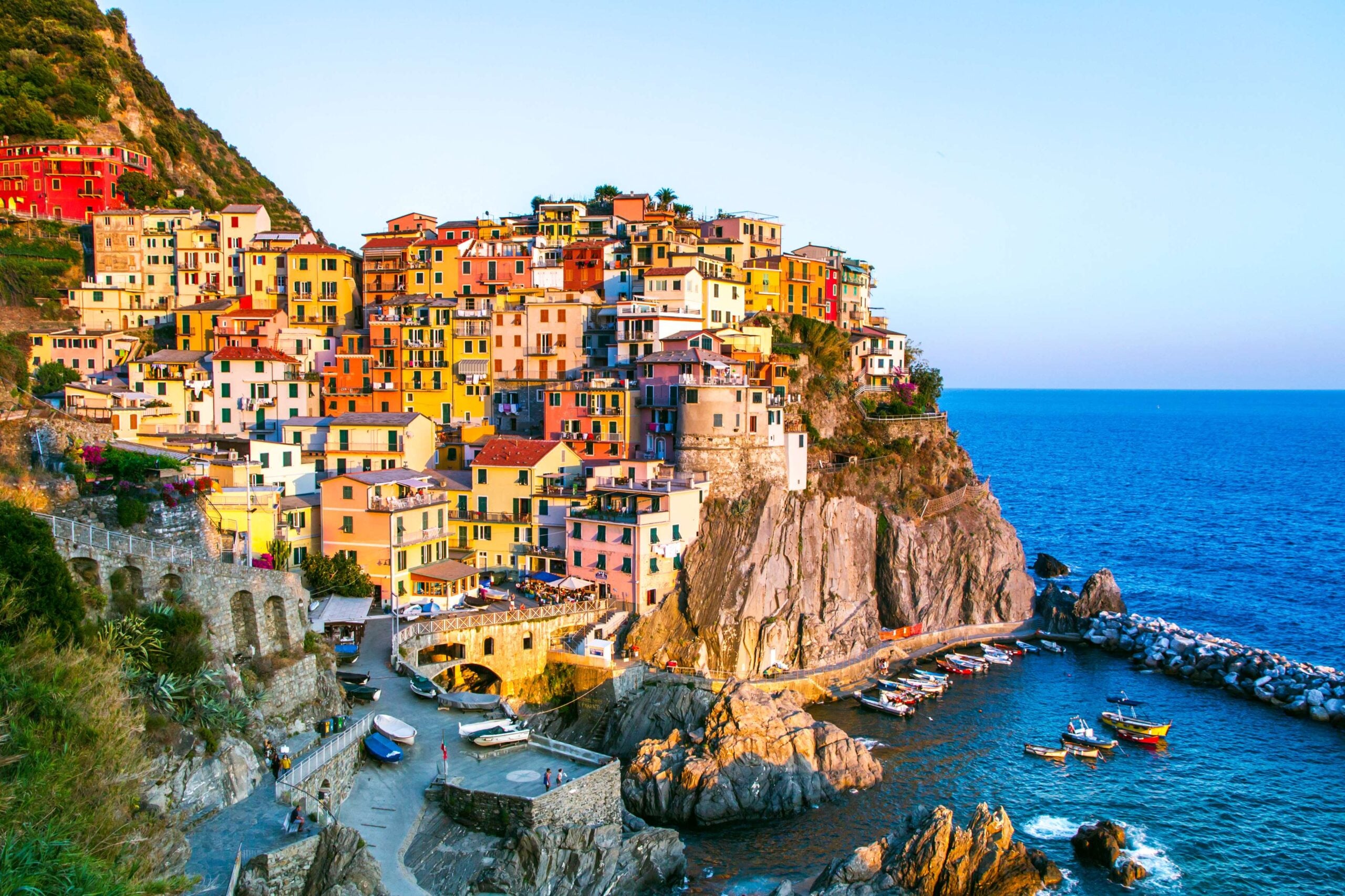
The article previews the upcoming May 1st issue of Pax, a newsletter by Artribune focused on cultural tourism. It highlights a feature on Italy's colorful villages, explaining how bright colors historically aided sailors and fishermen, and how white facades served hygienic purposes. The issue also covers off-the-beaten-path destinations like Bolsena, which recently opened a contemporary art space in Palazzo Cozza Caposavi, and explores slow tourism practices such as barefooting, discussed with its founder Andrea Bianchi. Additional content includes a roundup of cultural initiatives from Berlin to Naples, Budapest's Citadella reopening, and the Sussex forest's Winnie-the-Pooh centenary.

In the Studio with Jevon Brown

Artist Jevon Brown, a Miamian of Bahamian, Jamaican, and Black Southern descent, discusses his multidisciplinary practice in an interview conducted in his Miami Beach apartment and studio. Brown works across textiles, silkscreen printing, fashion, and photography to explore cultural identity, belonging, queerness, and history. He describes how memories of Miami sunsets, family members like his uncle (a sneakerhead and hat collector), and ancestral references inform his creative process. Key works discussed include the "HAIREtage" series (2025), which uses materials like burlap and raffia to connect contemporary streetwear culture with African and Caribbean spirituality, and his inclusion in the exhibition "Material, Material World" at David Castillo Gallery.

Exploring Shekhawati: Rajasthan’s open-air art gallery of frescoed havelis

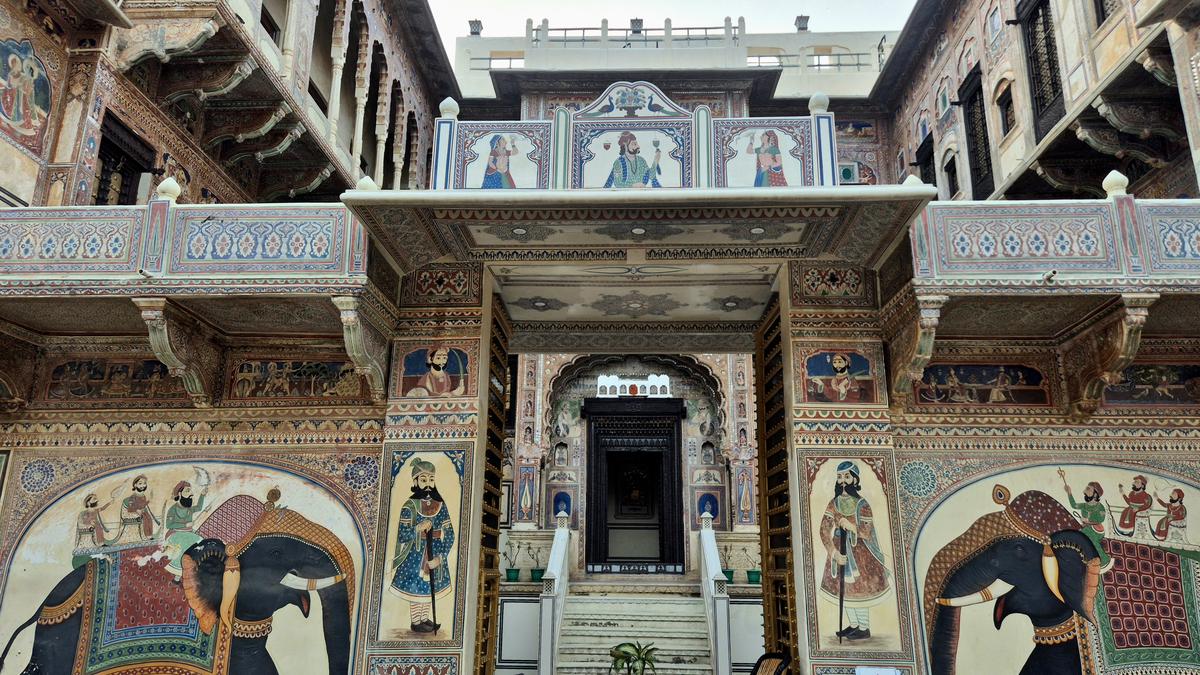
The article explores the Shekhawati region of northern Rajasthan, India, known as the world's largest open-air art gallery. It focuses on the 18th–20th century merchant havelis (mansions) hand-painted with intricate frescoes, many of which are now being restored as heritage hotels. The author recounts a personal stay at Malji Ka Kamra, a restored haveli in Mandawa, describing its blend of Italianate and Rajput architecture and the overwhelming frescoes covering every surface, depicting portraits, floral motifs, and scenes of daily life.

A brand-new novel is set in Renaissance Venice and its powerful Arsenal (where the Biennale is held)

Un nuovissimo romanzo è ambientato nella Venezia rinascimentale e nel suo potente Arsenale (quello dove si tiene la Biennale)

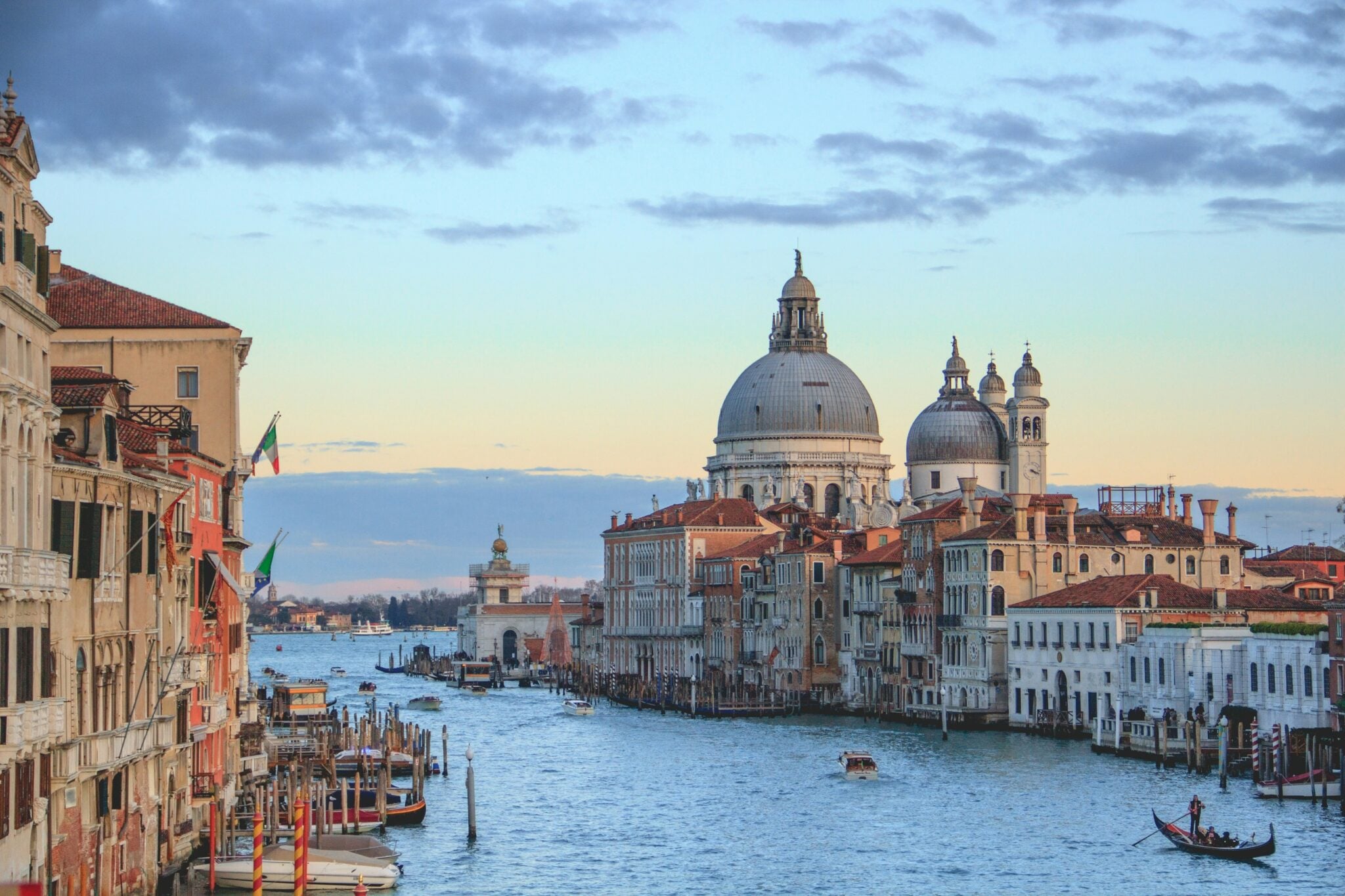
Allegra Scattaglia and Luca Josi have co-authored a new novel titled "Venetians – Il segreto dell’Arsenale," published by Sonzogno. Set in Renaissance Venice, the story follows young patrician Marcantonio Bragadin as he becomes entangled in a plot driven by the city's sophisticated and ruthless political system. The narrative highlights the Arsenal, one of the world's first proto-industrial shipbuilding complexes, which also hosts the Venice Biennale. The book weaves together art, technology, diplomacy, and intrigue, featuring historical figures such as Titian, Tintoretto, Albrecht Dürer, Leonardo da Vinci, and Aldus Manutius.

Hilma af Klint en 2 minutes

Hilma af Klint (1862–1944) is profiled as a pioneering Swedish abstract artist who created a vast body of visionary, large-scale abstract paintings decades before Kandinsky, yet kept them secret during her lifetime. The article traces her life from a childhood steeped in science and nature, through her studies at the Royal Academy of Fine Arts in Stockholm, to her dual artistic practice: conventional landscapes and portraits for income, and radically abstract works guided by spiritualist séances and theosophical beliefs. She founded the group "The Five" with fellow female artists, and from 1906 onward produced the monumental series "Paintings for the Temple" (193 works), convinced she was channeling a higher force. She stipulated in her will that her abstract works not be revealed until 20 years after her death, and they were only rediscovered in the late 1960s.

‘It’s a world heritage site, but it’s my home’: the last resident of Casa Milà on life in Gaudí’s masterwork

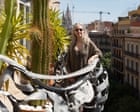
Ana Viladomiu, a 70-year-old writer, is the last remaining tenant of Antoni Gaudí’s Casa Milà (La Pedrera) in Barcelona, a UNESCO World Heritage site that receives about a million visitors annually. She has lived in the luminous apartment since 1988, originally moving in with her then-husband Fernando Amat, owner of the iconic design store Vinçon. Viladomiu holds a rare renta antigua (fixed-rent contract) that allows her to stay until she or Amat dies, after which the not-for-profit foundation managing the building will take ownership. The rest of the building now houses offices and cultural event spaces.