filter_list Showing 822 results for "Ali" close Clear
search
dashboard All 10930 museum exhibitions 5183article news 1240article local 1170trending_up market 1126article culture 822person people 449article policy 352rate_review review 256candle obituary 191gavel restitution 124article event 12article events 2article gallery 1article museum 1article school 1
date_range Range Today This Week This Month All
Subscribe

30 Iconic Feminist Works By Women Artists

ARTnews has expanded its list of iconic feminist works by women artists, adding 15 new entries to a previous selection. The article highlights specific pieces, such as Edmonia Lewis's *The Death of Cleopatra* (1876), Mary Cassatt's *The Reader* (1877), and Alice Pike Barney's *Medusa* (1892) and *Lucifer* (1902), providing historical context for each artist and their contribution to feminist discourse through art.

art trends 2026

Art critic Ben Davis reflects on the cultural landscape of early 2026, identifying a chaotic aesthetic defined by AI-generated imagery, esoteric Nazi dog whistles, internet trolling, and gaudy luxury, which he calls the "Chaotic Style." He also discusses the muted response to the 2025 Fall of Freedom initiative, the ongoing credibility crisis of liberal institutions over Gaza, and the need for serious AI criticism that moves beyond dismissing it as "slop."

best artworks 2025

Artnet News editors and journalists compiled their annual roundup of the best artworks seen in 2025, highlighting standout pieces from around the world. Among the featured works are Richard Serra's monumental steel sculpture "East-West/West-East" (2014) in the Qatari desert, Emma Ferrer's painting "You Will Return the Evil to Its Steppe (Homage to Josefa de Óbidos)" (2024) shown at New York's Sapar Contemporary, and Kerry James Marshall's "The White Queens of Africa: Colette" (2025) from his retrospective at the Royal Academy of Art. Each artwork is accompanied by a personal reflection from the journalist who encountered it.

art world acronyms

The article provides a comprehensive guide to essential acronyms used in the art world, explaining what each abbreviation stands for and its significance. It covers organizations like AAM (American Alliance of Museums), AAMD (Association of Art Museum Directors), and ADAA (Art Dealers Association of America), as well as art fairs such as ABMB (Art Basel Miami Beach) and ARCO (Arte Contemporáneo in Madrid). It also includes advisories like AIG (Art Intelligence Global), historical galleries like AIR (Artists in Residence), and defunct fairs like FIAC (Foire Internationale d'Art Contemporain), offering context on their origins and current relevance.

museum artists

The article reflects on the final 2025 edition of the Museum Artists list, which tracks the most exhibited artists in U.S. museums each quarter. The author notes that the top artists—such as Marie Watt, Jeffrey Gibson, and Rose B. Simpson—have remained consistent throughout the year, with a narrow band of stars appearing in many shows while a long tail of artists have limited visibility. Below the top 15, notable names include Julie Mehretu, Wangechi Mutu, and Jean Shin, with a cluster of older white female artists like Petah Coyne and Joyce Kozloff also gaining recognition.

david diao icons 2025

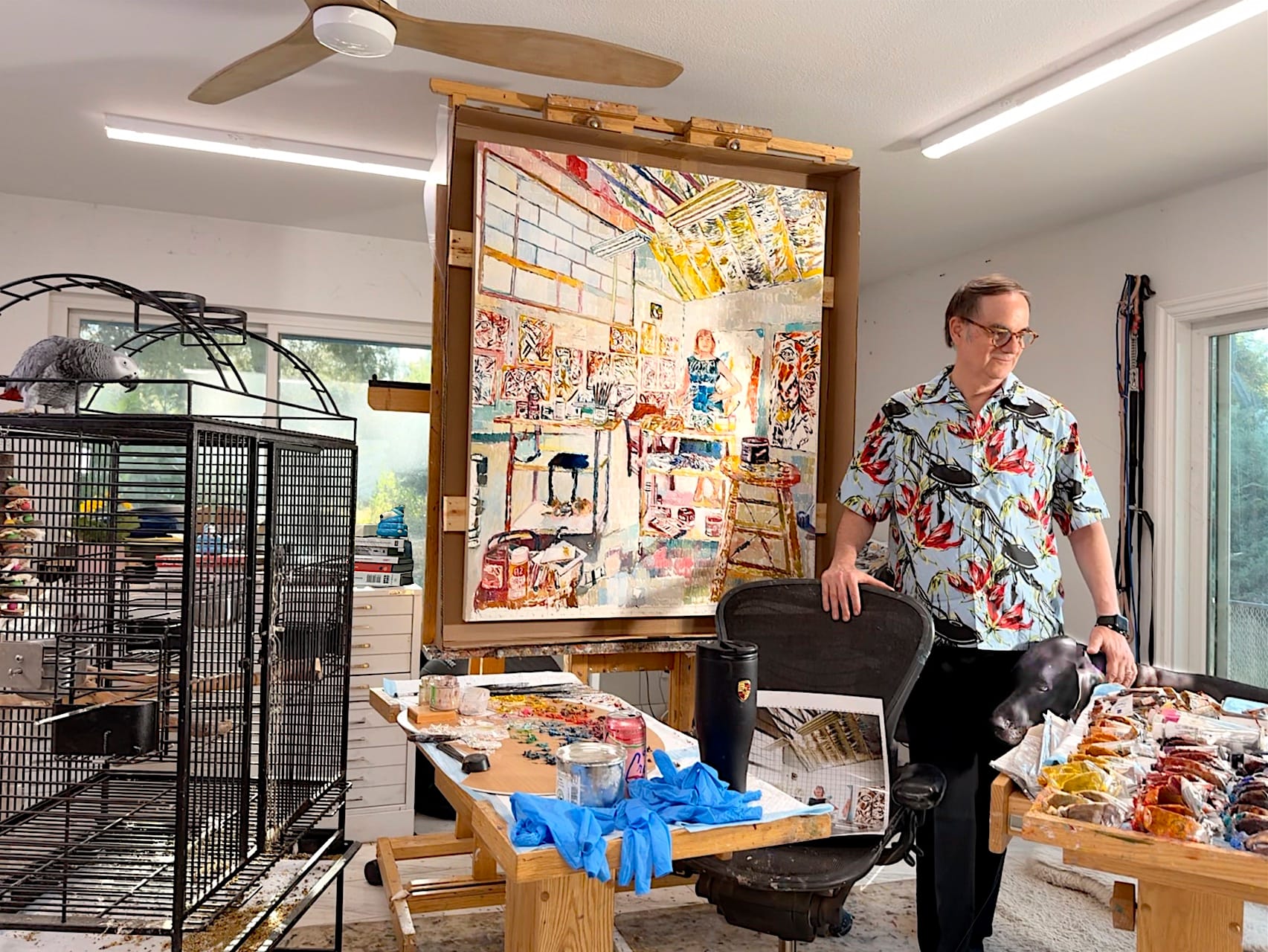
Artist David Diao reflects on his long engagement with Barnett Newman's work, from his 1966 experience as an art handler installing Newman's 'Stations of the Cross' series at the Guggenheim Museum to his own paintings that reference Newman both admiringly and critically. Diao's 1992 work 'Barnett Newman: Paintings by Title & Size' lists all 118 of Newman's paintings against a red background, treating them as inventory rather than masterpieces, while later works like 'BN: Spine 2' (2013) incorporate the worn fold of a Newman catalog cover. The article, based on a studio visit, captures Diao's matter-of-fact perspective on Newman's art and his own decades-long dialogue with the Abstract Expressionist.

jean baudrillard photography art performance

Jean Baudrillard, the French philosopher whose concept of simulation inspired *The Matrix* (1999), is the subject of a new biography by Emmanuelle Fantin and Bran Nicol. The article explores Baudrillard's complex relationship with the art world: he was celebrated by artists and served on *Artforum*'s editorial board, yet he disavowed the Neo-Geo movement that claimed his ideas, arguing that art had become indistinguishable from commerce and lost its critical distance. His 1987 lecture at the Whitney Museum drew thousands, but he used the platform to declare art's irrelevance.

forget blue chip art its a red chip art world now

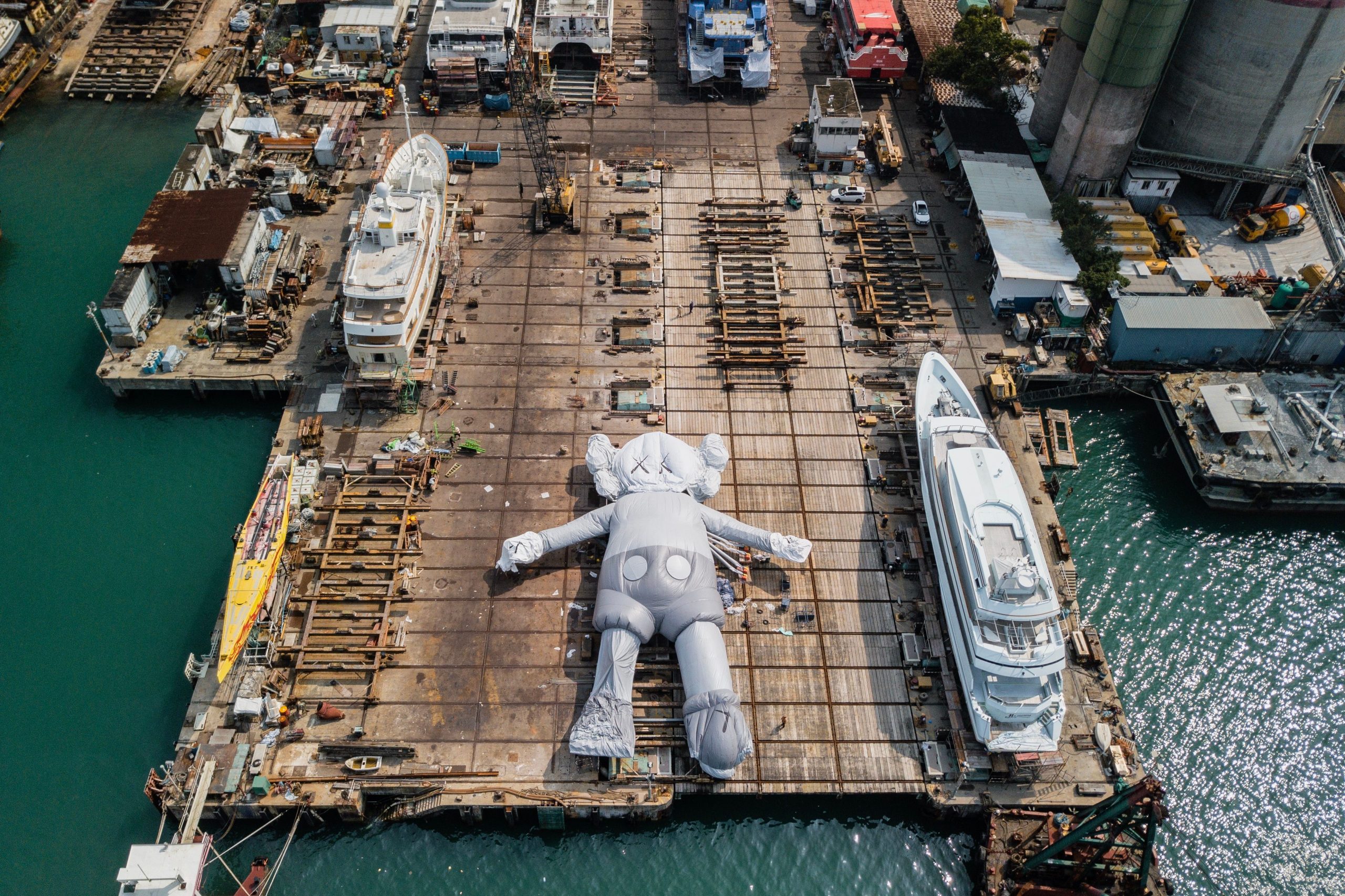
The article introduces and defines the concept of "red-chip art," a new category of art collecting that rejects traditional art-historical reverence in favor of aesthetics rooted in street art, graffiti, super-flat cartoons, multi-colored chrome, and crypto culture. It describes red-chip collectors as mysteriously affluent millennials, techies, hip-hop visionaries, and crypto aspirants who gravitate toward artworks that resemble toys, limited-edition dolls, NFTs, and memecoins, often consumed at venues like the Eden Fine Art gallery at the Wynn in Las Vegas or parties during Art Basel Miami Beach. Key artists associated with this movement include KAWS, George Condo, Virgil Abloh, Tom Sachs, Alex Israel, Damien Hirst, Harmony Korine, Yoshitomo Nara, and Banksy, with Jeff Koons and Takashi Murakami seen as transitional "purple chip" figures.

modern contemporary art

The article explores the distinction between Modern and contemporary art, explaining that Modern art emerged in the late 19th century as a reaction to classical art and the Industrial Revolution, with movements like Impressionism, Cubism, Futurism, and Surrealism redefining painting in response to photography. Contemporary art, by contrast, is a reaction to Modern art, with its start debated between World War II and the 1960s-70s consumerist era, encompassing diverse mediums such as sculpture, street art, and performance art, exemplified by artists like Jeff Koons, Banksy, and Yoko Ono.

The 21st Century’s Biggest Art Trend is Not a Style. But Once You See It, You’ll Notice It Everywhere.

The article traces the evolution of "systems art," a term coined by critic Jack Burnham in 1968 to describe art that uses rules, seriality, and repetition to mirror and reveal the growing protocols of the Cold War era. It highlights early practitioners like Kenneth Noland, Robert Morris, Dan Flavin, and notably Hans Haacke and Adrian Piper, who shifted from atmospheric systems (e.g., Haacke's *Condensation Cube*) to social systems (e.g., Haacke's *Shapolsky et al. Manhattan Real Estate Holdings*). The piece argues that systems thinking has become unavoidable in contemporary life—from algorithms to systemic racism—and that art remains a crucial tool for making these invisible systems legible.

My toddler threw a toy pig at an artwork – and inspired this guide for small kids in galleries

A journalist recounts a stressful visit to the Royal Academy with her toddler, where a toy pig was thrown toward a Kerry James Marshall painting. This incident serves as the catalyst for a new series exploring the compatibility of small children and art galleries, addressing the anxieties parents face regarding museum etiquette, accessibility, and the fear of damaging artworks.

Which City Will Be the Next Asian Art Hub? That’s the Wrong Question

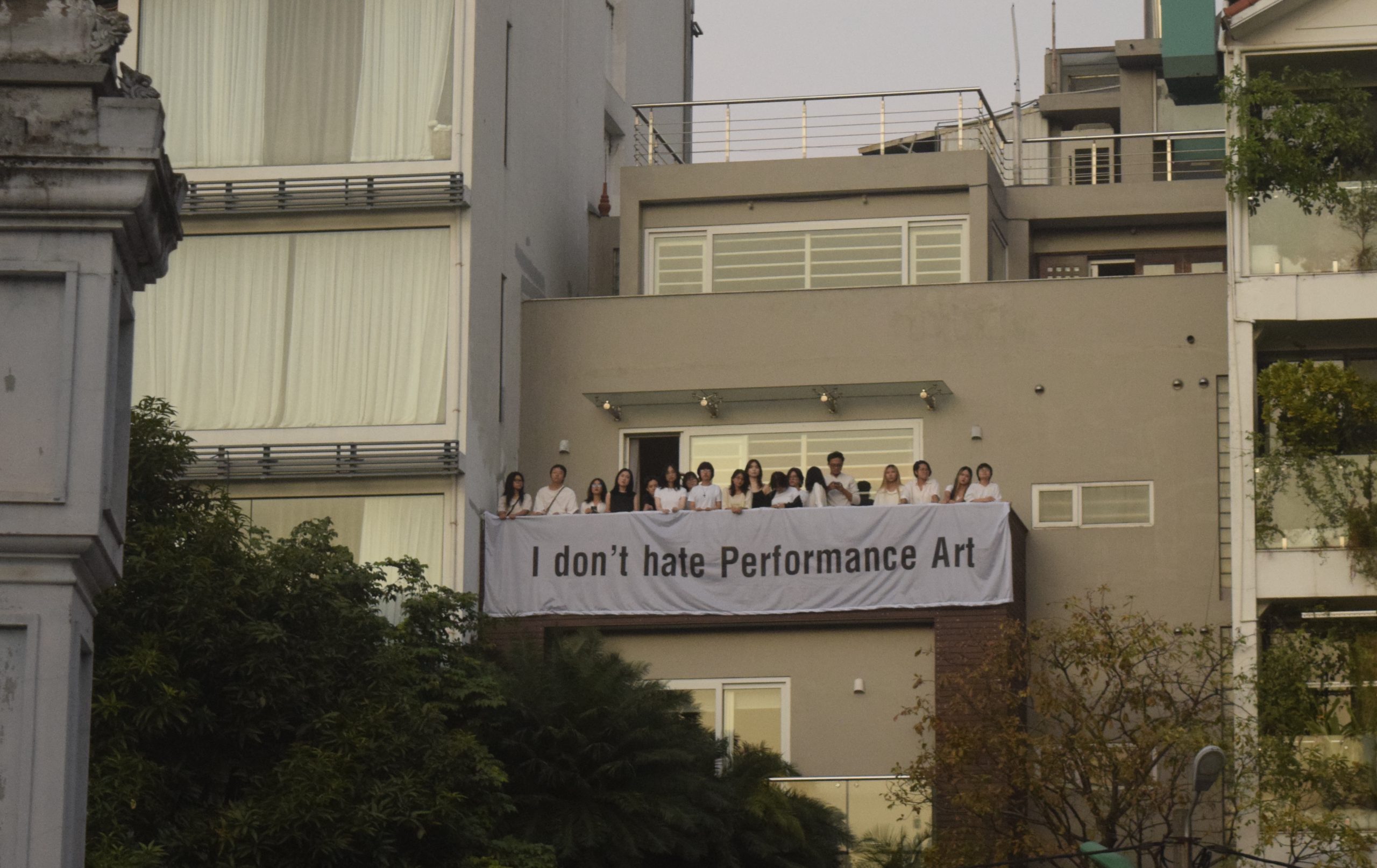
The traditional quest to identify a single dominant Asian art hub is being challenged by the organic growth of decentralized scenes in cities like Bangkok and Hanoi. While Hong Kong and Seoul remain established centers, private initiatives and artist-led projects in Thailand and Vietnam are building resilient, hybrid ecosystems that prioritize long-term structural depth over immediate auction results. From the opening of Dib Bangkok to experimental exhibitions in Hanoi, these cities are transitioning from peripheral status to significant cultural players through a mix of private museums, biennials, and non-profit platforms.

Monet and Van Gogh Masterpieces Hit the Shampoo Aisle

Beauty brand Dove has launched a limited-edition haircare collection called "The Art of Repair" featuring iconic artworks by Claude Monet, Mary Cassatt, and Vincent van Gogh on its product packaging. The shampoo, conditioner, and serum bottles display images of Monet's *The Japanese Footbridge*, Cassatt's *The Loge*, and Van Gogh's *Roses*, drawing a parallel between art conservation and hair repair. The collection is exclusively available at Walmart.

judy chicago google

Artist Judy Chicago recounts her frustrating experiences with public art commissions, focusing on a recent failed collaboration with Google for its Chicago headquarters at the Thompson Center. After being encouraged by her dealer to apply, Chicago was awarded a commission in fall 2025 to create a large terrazzo floor and a 17-story glass elevator shaft using her "Through the Flower" imagery. However, the project fell through after months of effort, mirroring earlier disappointments with the Beverly Hills Sculpture Park, where a city councilor questioned the value of her work, which Chicago attributes to institutionalized sexism.

re air uncovering the louvres hidden stories

Artnet News re-airs a podcast episode exploring the hidden stories of the Louvre, prompted by a recent daylight heist in which thieves stole eight pieces of royal jewelry from the Paris museum. The episode features Elaine Sciolino, a former Paris bureau chief for the New York Times, who discusses her book *Adventures in the Louvre: How to Fall in Love with the World’s Greatest Museum*, based on unprecedented access to the museum's guards, curators, and hidden rooms.

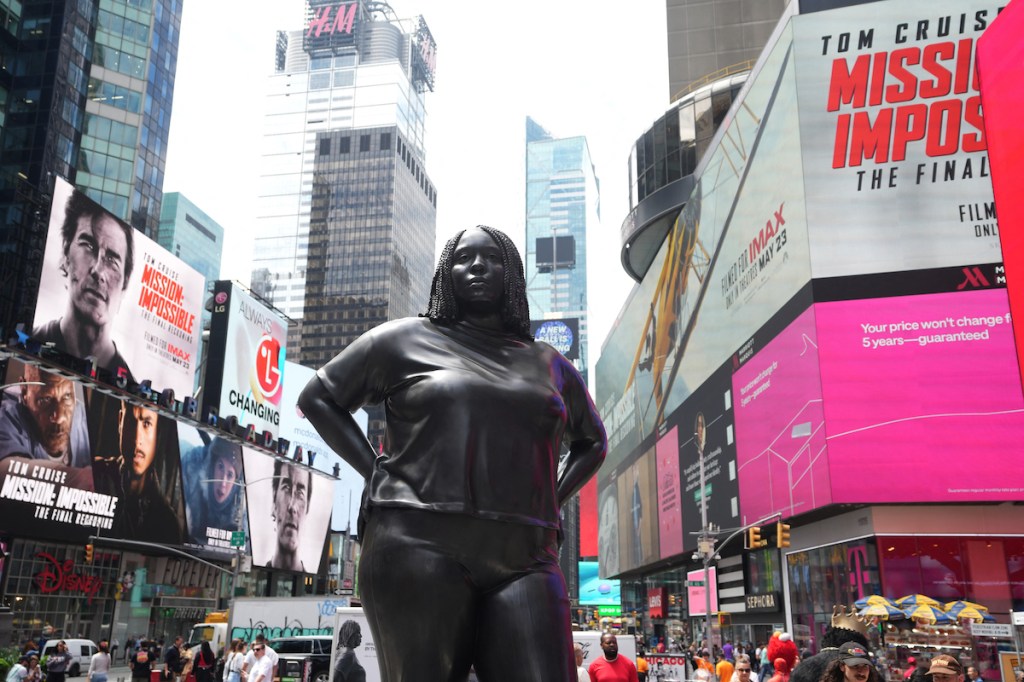
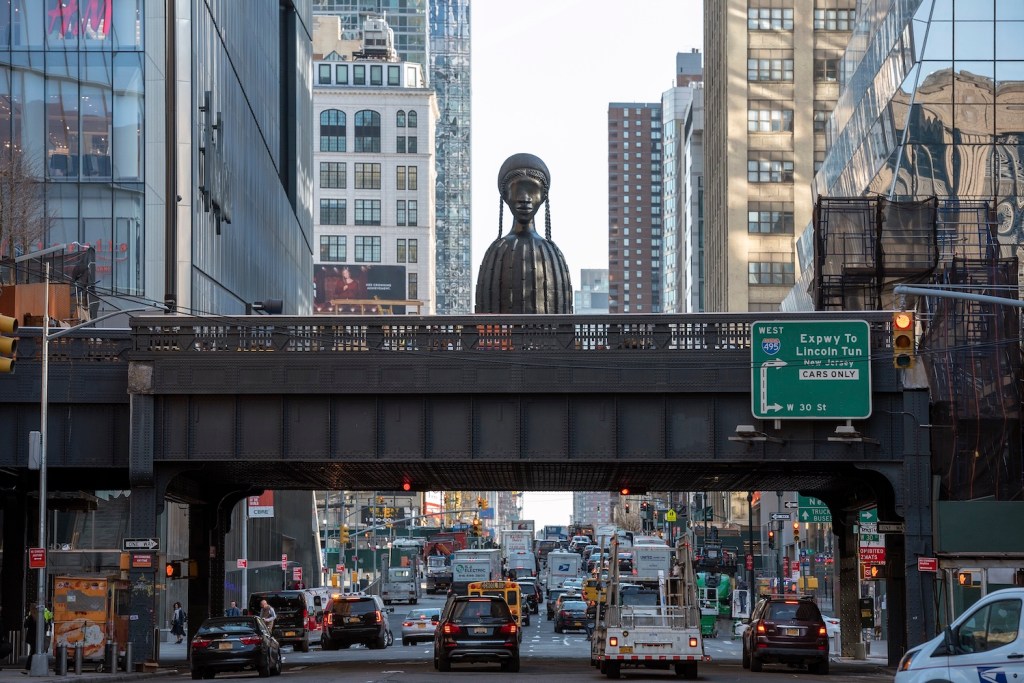
times square statue thomas j price statue debate

A 12-foot-tall bronze statue of a Black woman by British sculptor Thomas J. Price, titled *Grounded in the Stars* (2023), has been installed in Times Square, sparking a polarized public reaction. Online, conservative commentators and social media users have labeled the work a sign of a "very sick society" and a "death of civilization," with racist AI-generated and Photoshopped images circulating. In person, the sculpture has drawn both affirming responses—such as a Black woman mimicking its defiant pose—and disrespectful acts, including a white man groping the statue's buttocks for a photo. The work, which stands near permanent monuments to white male figures, will be on view until June 17.

art market open door policy jeff magid

Jeff Magid, a New York, Los Angeles, and Mexico City–based art collector, plans to open Cuernavaca Tres, a public art foundation in Mexico City, in 2026. In an opinion piece for ARTnews, he argues that the current downturn in the art market—marked by declining sales and gallery closures—is not due to economic cycles or financialization, but rather a simple mismatch: there are more galleries, auctions, fairs, and artists than ever, while the number of buyers has not kept pace. Magid criticizes the luxury retail model adopted by many galleries, which prioritizes exclusivity and status signaling, and contends that this approach fails to attract enough new collectors to sustain the market.

collectors reveal key advice

Collectors share advice for aspiring art patrons in a two-part series, recounting their early mistakes and lessons learned. Diana Bowes, board chair of the Aldrich Contemporary Art Museum, recalls buying her first pieces at Art Basel in 2006 and warns against purchasing art online without seeing it in person, as well as protecting works from water, children, and house painters. Mana Jalalian, an interior designer based in Dubai with over 400 works by Iranian artists, emphasizes following instincts, continuous learning, and the value of working with an art advisor.

how top curators spot the artists of tomorrow

Artnet News spoke to seven leading curators about how they identify emerging artists who will become the next big names. The curators, including Amy Smith-Stewart of The Aldrich Contemporary Art Museum and iLiana Fokianaki of Kunsthalle Bern, describe their methods: seeking artists who address erased histories, geopolitical contexts, and marginalized perspectives. The article also references a recent debate sparked by Dean Kissick's polemic 'The Painted Protest' in Harper's, which criticized contemporary art for being overly dictated by identity politics, a view countered by curators who affirm their commitment to socially engaged work.

ceramics artists

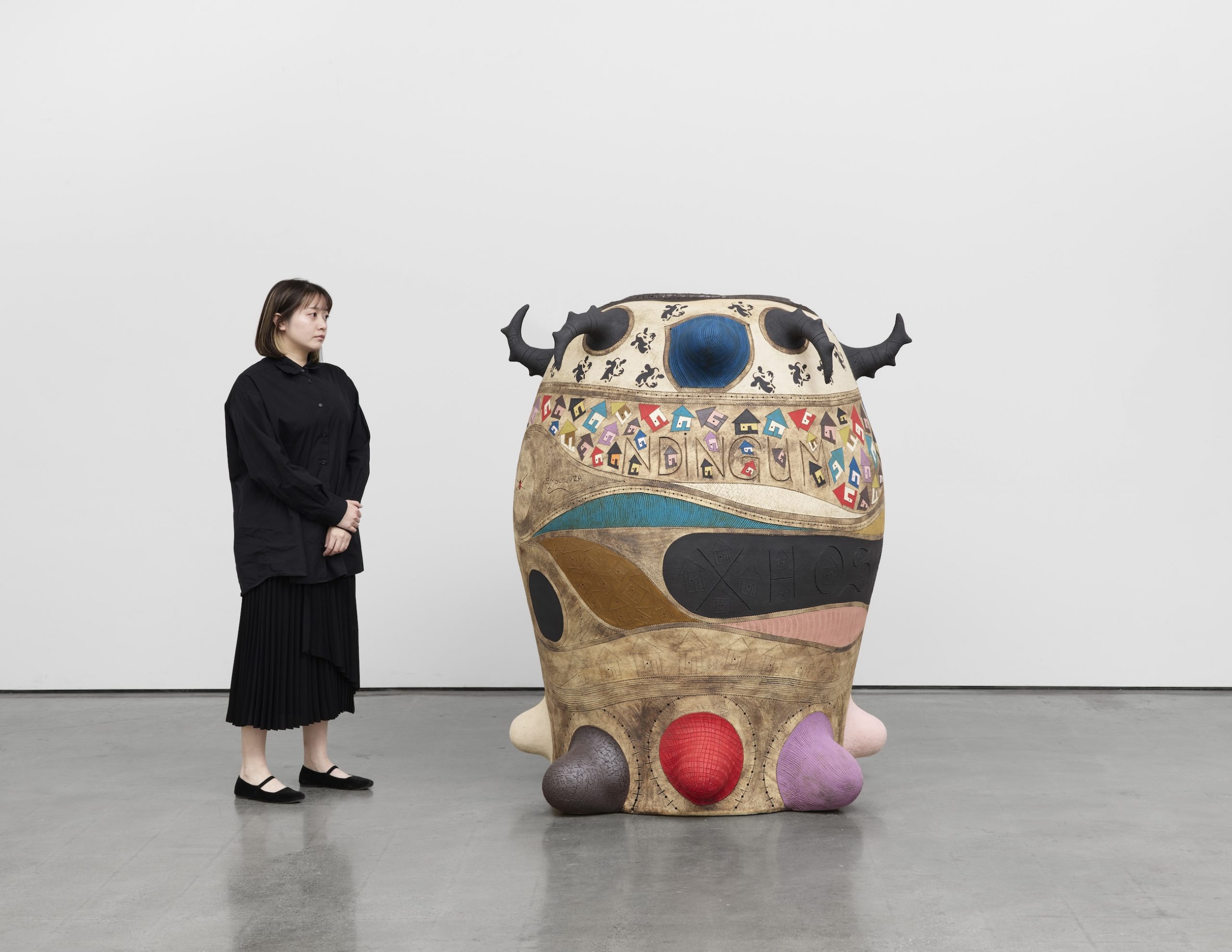
The article examines the resurgence of ceramics as a fine art medium, tracing its history from ancient Chinese and Greek pottery to the record-breaking $36 million sale of a Ming Dynasty chicken cup in 2014. It highlights influential figures like Peter Voulkos, who established ceramics departments at major institutions, and artists such as Ken Price, Ron Nagle, and Betty Woodman. Recent major museum exhibitions—including 'Strange Clay' at London’s Hayward Gallery, 'Funk You Too!' at New York’s Museum of Arts and Design, and 'Ceramics in the Expanded Field' at MASS MoCA—showcase a new generation of artists pushing the medium beyond traditional craft.

art bites dan flavin airily dog

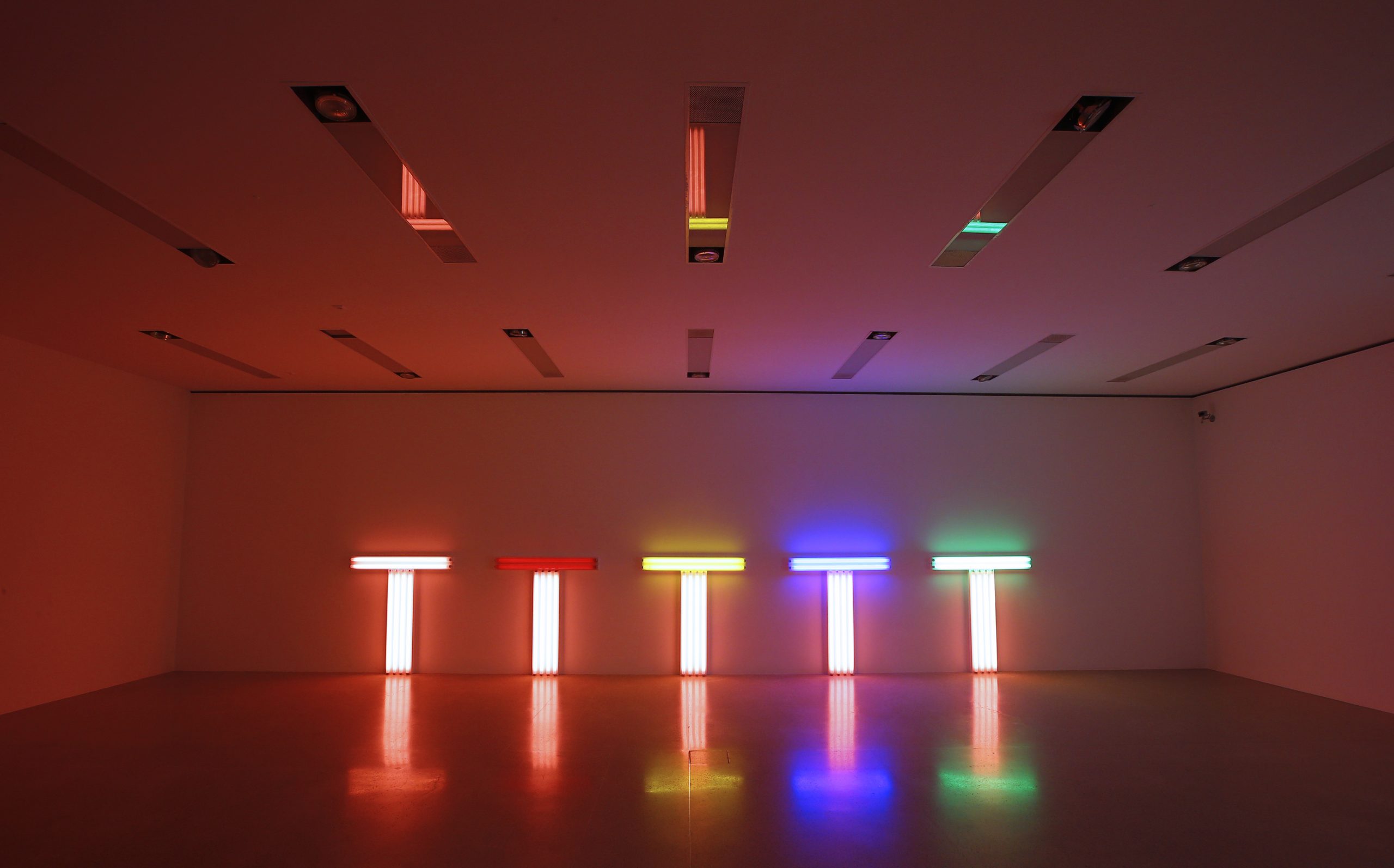
Dan Flavin, the renowned Minimalist artist known for his fluorescent light installations, created two artworks dedicated to his golden retriever Airily, who was a champion show dog. The works, titled "untitled (to my dear bitch, Airily)" (1981) and "untitled (to my dear bitch, Airily) 2" (1984), are discussed in the context of Flavin's practice of dedicating pieces to people and pets. The second work, held by Kunstmuseum Basel, was displayed at the Pulitzer Arts Foundation in 2008 and at Dia Bridgehampton in 1985.

What’s the True State of Bangkok’s Art Ecosystem?

The article examines the current state of Bangkok's art scene, which is experiencing a surge of private investment and international attention. New institutions like UNITED Unlimited and Misiem's/bangkok are opening, and events like the Bangkok Art Biennale are gaining prominence, leading some international media to compare the city's potential to art hubs like Miami.

‘This is mine, I own it’: how Tracey Emin and Frida Kahlo inspired me to make meaning out of pain

The article is a personal essay by a writer who, after undergoing a colectomy in 2023, found inspiration in Tracey Emin's unflinching self-portraiture following her 2020 cancer diagnosis. The author describes taking her own post-surgery photographs, echoing Emin's mantra "This is mine, I own it," and reflects on Emin's current work, including the Tate Modern exhibition and paintings like "I watched Myself die and come alive" (2023) and "Barbed Wire Stitches" (2024). The essay also connects Emin's approach to that of Frida Kahlo, whose retrospective is upcoming at Tate.

Beer With a Painter: Keith Mayerson

Hyperallergic interviews Los Angeles-based painter Keith Mayerson, who discusses his ongoing 'My American Dream' series—a cosmology of paintings blending American identity, activism, and popular culture. The conversation covers his early influences from comics, the Muppets, and Hunter S. Thompson, his transition from cartooning to painting, and his vibratory, swirling brushwork. Mayerson's work has been featured in the 2014 Whitney Biennial and is currently on view at the Aspen Art Museum and the Pollock-Krasner House.

Inside Sunpride Foundation’s Mission to Champion LGBTQ+ Art Across Asia

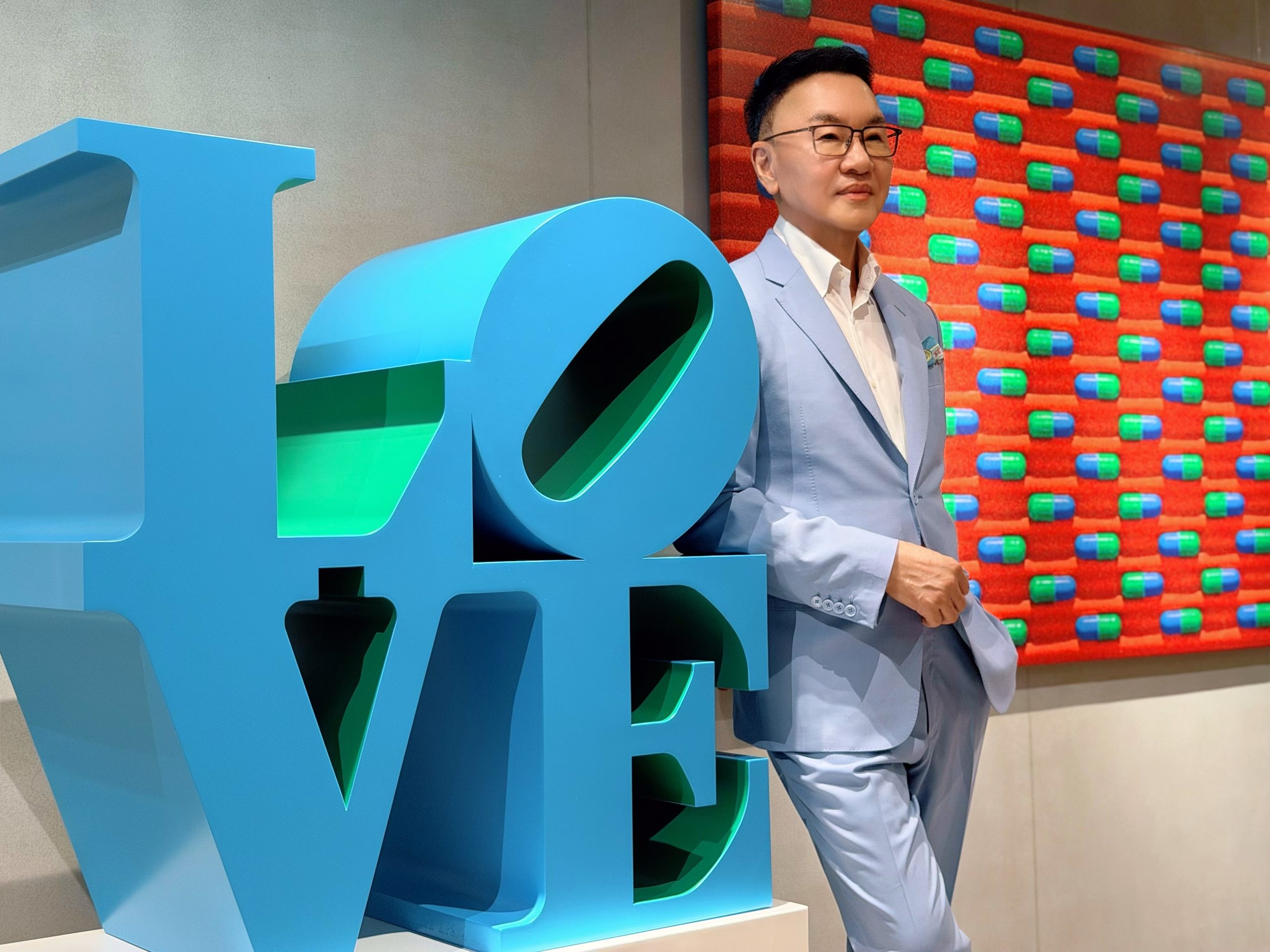
Patrick Sun founded the Sunpride Foundation in 2014 to support LGBTQ+ communities through art, combining his passion for contemporary queer Asian art with philanthropy. The foundation's flagship "Spectrosynthesis" exhibition series has been staged at major institutions across Asia, including the Museum of Contemporary Art, Taipei, and the Bangkok Art and Culture Centre. The latest iteration, "Spectrosynthesis Seoul," opened at Seoul's Art Sonje Center and runs through June 28, 2026. Sun, a Hong Kong-born real estate developer and longtime art collector, built the foundation's collection with a focus on works suitable for museum exhibitions about queer identity.

The Defining Themes of Today’s Biennial Art

The article analyzes the defining themes and styles of the past four years in the international biennial circuit, based on a survey of 130 biennials. It identifies a core group of artists who appeared most frequently, including Ali Eyal, Apichatpong Weerasethakul, Carolina Caycedo, Kapwani Kiwanga, and Tuan Andrew Nguyen, among others. Many of these artists are also featured in the upcoming 61st Venice Biennale curated by the late Koyo Kouoh. The piece categorizes their work under two broad themes: "Post-Colonial Post-Conceptualism," which involves poetic engagement with colonial history and artifacts, and "Families and Networks," where artists explore personal and political family histories.

13 Nudes That Changed Western Art History

The article presents a curated list of 13 seminal Western artworks featuring the nude form, highlighting how each piece shifted artistic conventions and cultural perceptions. It begins with the Paleolithic Venus of Willendorf and moves chronologically through works by artists including Sandro Botticelli, Leonardo da Vinci, Lavinia Fontana, and Édouard Manet, analyzing their groundbreaking approaches to depicting the human body.

The Philosopher Who Predicted Our Post-Literate Art Moment

Art critic Martha Schwendener has released a new book titled 'The Society of the Screen: Vilém Flusser’s Radical Prescience,' exploring the prophetic theories of the late philosopher Vilém Flusser. Flusser, a Prague-born thinker who lived in Brazil and Europe, argued in the 1980s that society was transitioning from a text-based culture to one dominated by 'technical images,' a shift he believed would fundamentally alter human consciousness and the function of the 'apparatus' in daily life.

ben lerner transcription artwork rose salane rings

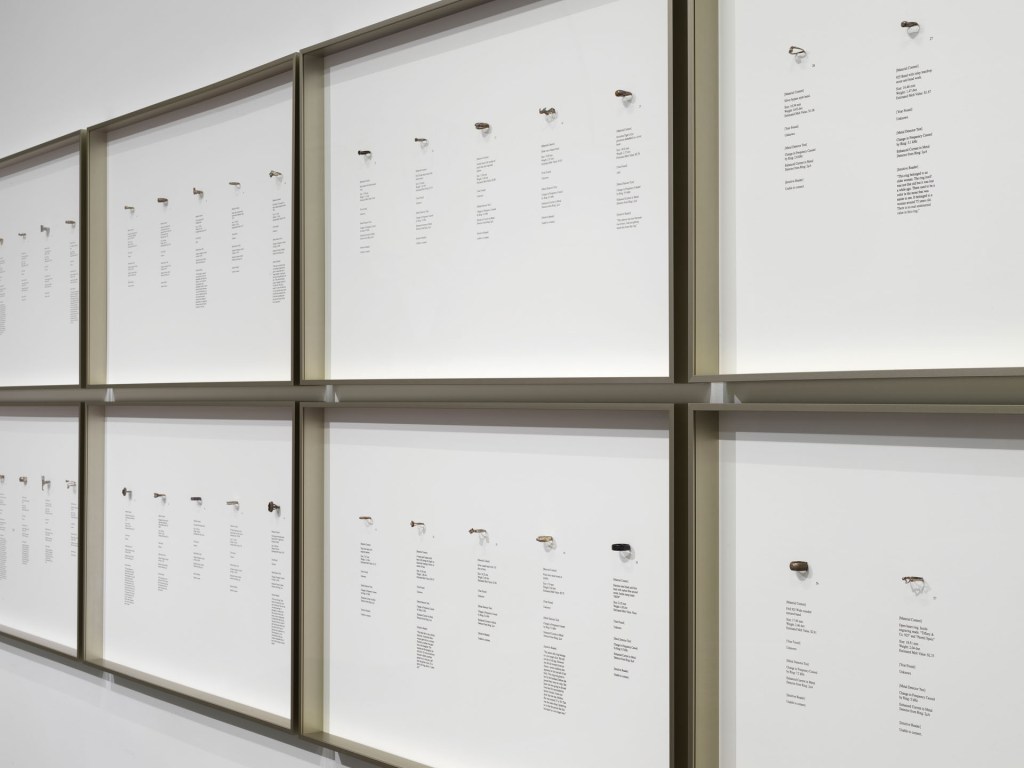
Novelist Ben Lerner reflects on Rose Salane’s installation '60 Detected Rings (1991–2021)' as part of a new series exploring impactful artworks. The piece consists of rings recovered by a metal detectorist over three decades in Atlantic City, which Salane subsequently analyzed through laboratory 'melt value' reports and psychic readings. Lerner describes the work as a profound exercise in 'revaluation,' where discarded objects are transformed into auratic relics through scientific and spiritual inquiry.

boo the spookiest works in art history from samurai decapitations to ghoulish incubi

Artnet News has compiled a list of the spookiest, bloodiest, and most gruesome works in art history to celebrate Halloween. The selection includes Francisco de Goya's "Saturn Devouring His Son" (ca. 1820–23), Hermann Nitsch's blood-soaked "Schuttbild" (2013), Tsukioka Yoshitoshi's woodblock print of a samurai drinking from a severed head, and Théodore Géricault's macabre still lifes of body parts. Other entries feature Goya's "The Witches' Flight," Katsushika Hokusai's ghost story print "The Lantern Ghost, Oiwa-San," John Henry Fuseli's "The Nightmare," Vincent van Gogh's "Skull of a Skeleton with Burning Cigarette," and Utagawa Kuniyoshi's "Takiyasha The Witch and the Skeleton Spectre."