filter_list Showing 22 results for "Allen" close Clear
search
dashboard All 230 museum exhibitions 143article culture 22article local 18trending_up market 12rate_review review 9article news 9person people 8article policy 6gavel restitution 2candle obituary 1
date_range Range Today This Week This Month All
Subscribe

‘This is mine, I own it’: how Tracey Emin and Frida Kahlo inspired me to make meaning out of pain

The article is a personal essay by a writer who, after undergoing a colectomy in 2023, found inspiration in Tracey Emin's unflinching self-portraiture following her 2020 cancer diagnosis. The author describes taking her own post-surgery photographs, echoing Emin's mantra "This is mine, I own it," and reflects on Emin's current work, including the Tate Modern exhibition and paintings like "I watched Myself die and come alive" (2023) and "Barbed Wire Stitches" (2024). The essay also connects Emin's approach to that of Frida Kahlo, whose retrospective is upcoming at Tate.
No Attitude, Nowhere: Conviction, Zero Meaning

Keine Haltung, nirgends Gesinnung, null Bedeutung

The article critiques the current state of the art world and broader culture, arguing that right-wing calls for depoliticized art are intensifying while the progressive art establishment silently tolerates a culture war that restricts free expression. It uses the 2025 Met Gala as a prime example, describing the event as a heartless display of wealth and power aligned with Trump-era capitalism, where celebrities and artists perform progressive values while participating in a spectacle sponsored by anti-union figures like Jeff Bezos. The author draws on Hannah Arendt's ethics lectures to suggest that moral norms have collapsed overnight, and that the commercial art world now legitimizes anti-democratic tendencies through its silence.

We are in danger of losing our sense of community

"Wir drohen das Gespür für die Gemeinschaft zu verlieren"

Christophe Cherix, the new director of the Museum of Modern Art in New York, discusses his first months in the role, emphasizing museums as "safe social places" in an era of anxiety and screen-induced isolation. He advocates for collective vision-building with staff and defends the MoMA's independence against political pressure in Trump-era America. Separately, critic Paco Barragán argues in The Observer that biennials are in a structural crisis of repetition, tracing their history from instruments of national soft power to a "Global Neo-Liberal Biennial" system that co-opts diversity without changing its core logic. He introduces the concept of the "vibe-ennial," where discourse is replaced by atmosphere and critique by affect. Meanwhile, longtime Bonn museum director Stephan Berg critiques the boom in immersive art experiences like "Van Gogh – The Immersive Experience," calling them a "surrogate reality" tailored to the Instagram age that destroys the integrity of original works. Artforum reconstructs late-1960s debates on art criticism, focusing on Barbara Rose's challenge to formalists like Clement Greenberg and Rosalind Krauss, arguing that art must engage with societal conflicts such as Black Power and war resistance.

Two of Modernism’s Lesbian Icons Get the Novel Treatment

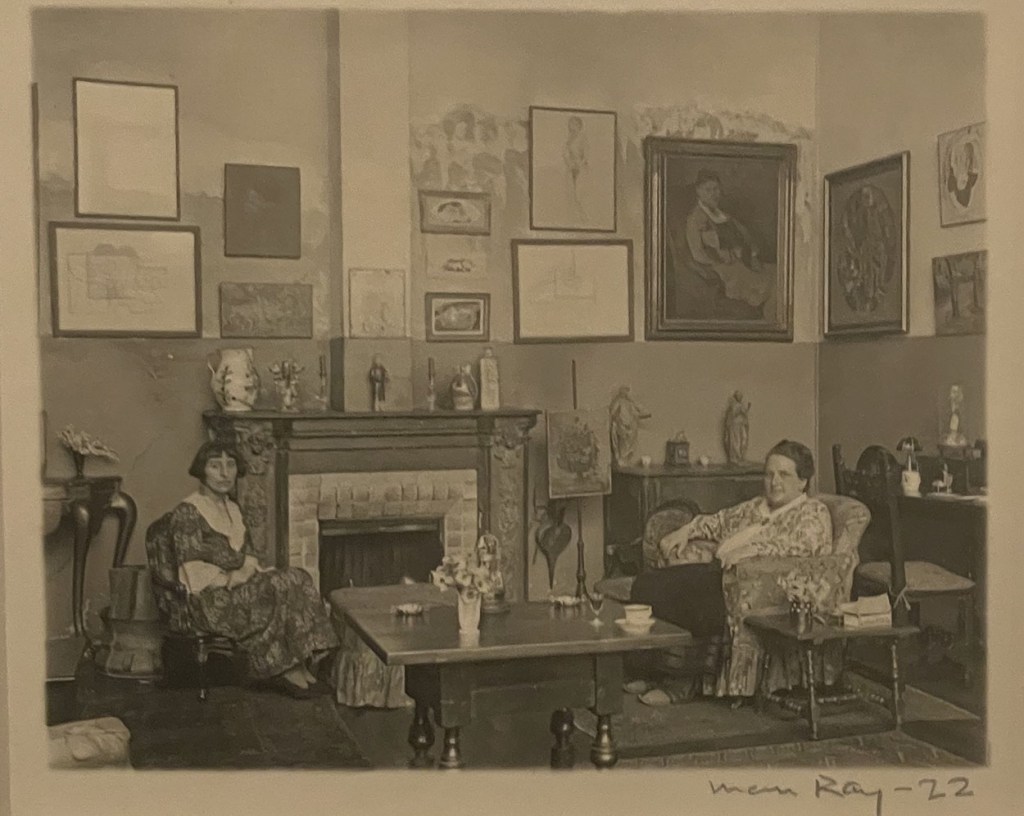
Deborah Levy's novel "My Year in Paris with Gertrude Stein" follows an unnamed narrator who travels to Paris to write an essay about Gertrude Stein, struggling with the weight of Stein's legacy while visiting her grave at Père Lachaise cemetery. The book explores Stein's life as a modernist icon, her relationship with Alice B. Toklas, and her role as a host to figures like Pablo Picasso and Ernest Hemingway, while the narrator grapples with Stein's defiant personality and literary style.

How Is Arts Patronage Changing?

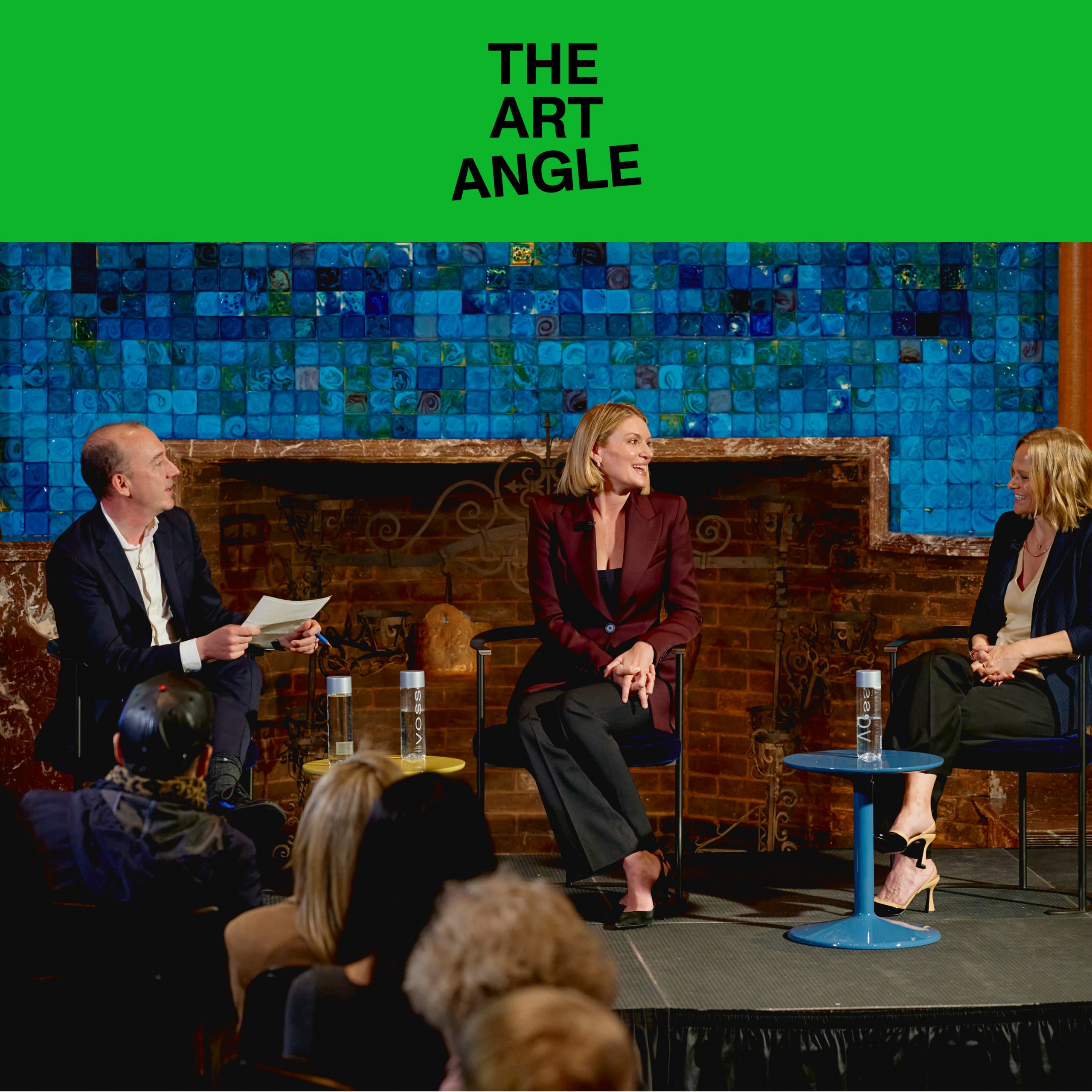
At TEFAF New York, Artnet News editor Andrew Russeth moderated a panel titled “Who Supports Art Now? Patronage in a Shifting Cultural Landscape” featuring two prominent figures in American arts philanthropy: Sarah Arison and Michi Jigarjian. Arison, who became the youngest president of the Museum of Modern Art’s board in 2024 at age 39, also leads the Arison Arts Foundation and chairs YoungArts. Jigarjian, CEO of Work of Art Holdings and a partner at 7G Group, has led Baxter St at CCNY for 15 years and serves on the boards of the Brooklyn Museum and MoMA PS1. The discussion took place during fair week in mid-May at the Park Avenue Armory.

In the Studio with Casey Engel

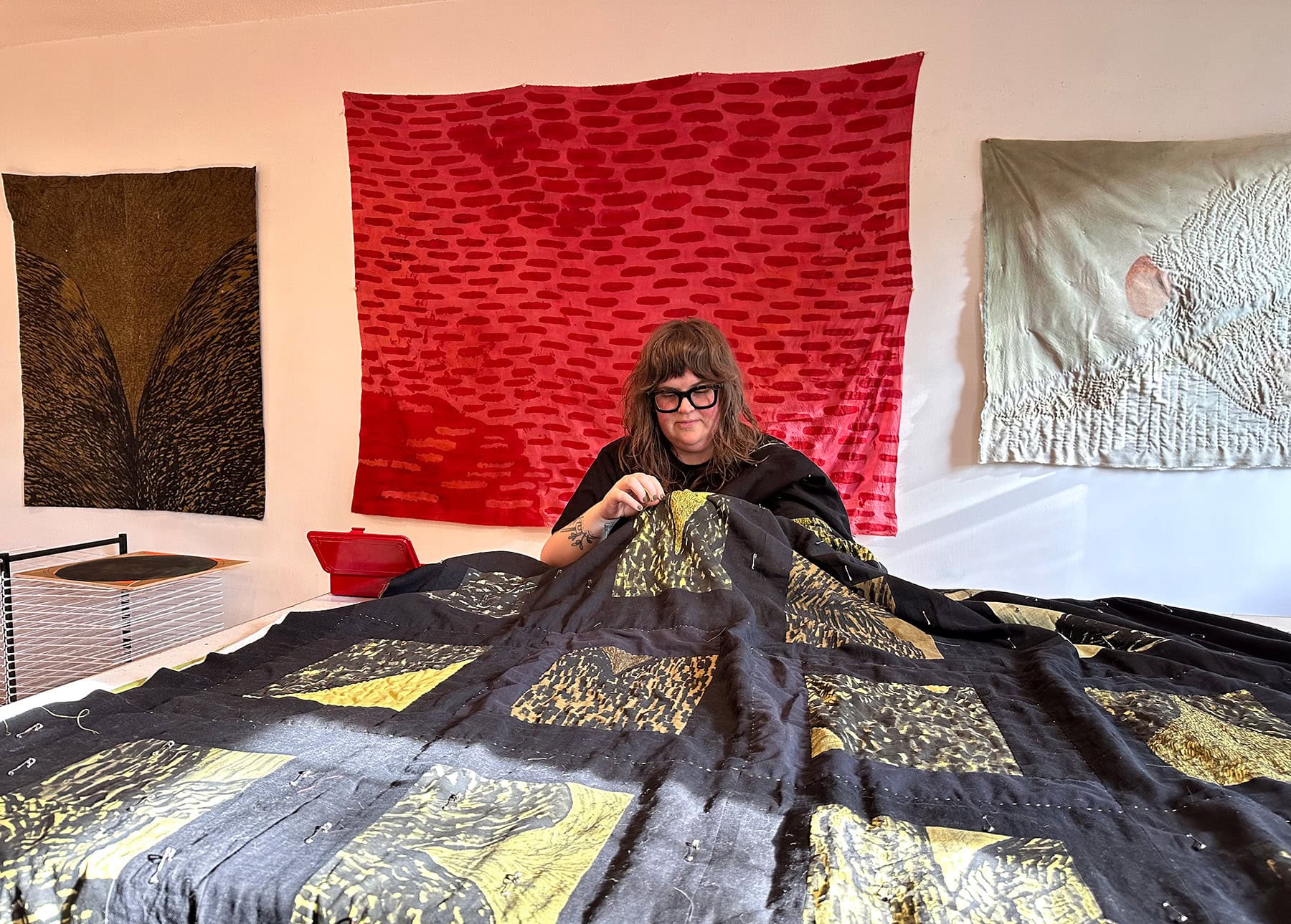
Casey Engel, an artist based in Asheville, North Carolina, is profiled in her studio, where she creates ceramic, fiber, and paper works that blend craft traditions with avant-garde sensibilities. The article, structured as an interview with writer Merin McDivitt, explores Engel's tactile process—from pinching clay to hand-stitching quilts—and her emphasis on touch, intuition, and the tension between functionality and art. Engel previously curated over sixty shows at Blue Spiral 1 before dedicating herself full-time to her own practice.

Global Art Biennials: Renovation, Revelation—or Repetition?

The article examines the current state of global art biennials, arguing that recent controversies—such as the 2022 documenta antisemitism crisis and geopolitical tensions at the 61st Venice Biennale—reveal these exhibitions as deeply politicized platforms rather than neutral cultural events. It highlights how juries and curators have introduced geopolitical criteria, and cites ongoing debates in Artforum (April 2026) featuring voices like Daniel Birnbaum, Michelle Grabner, and Adam Szymczyk, who diagnose visible tensions but overlook deeper structural conditions.

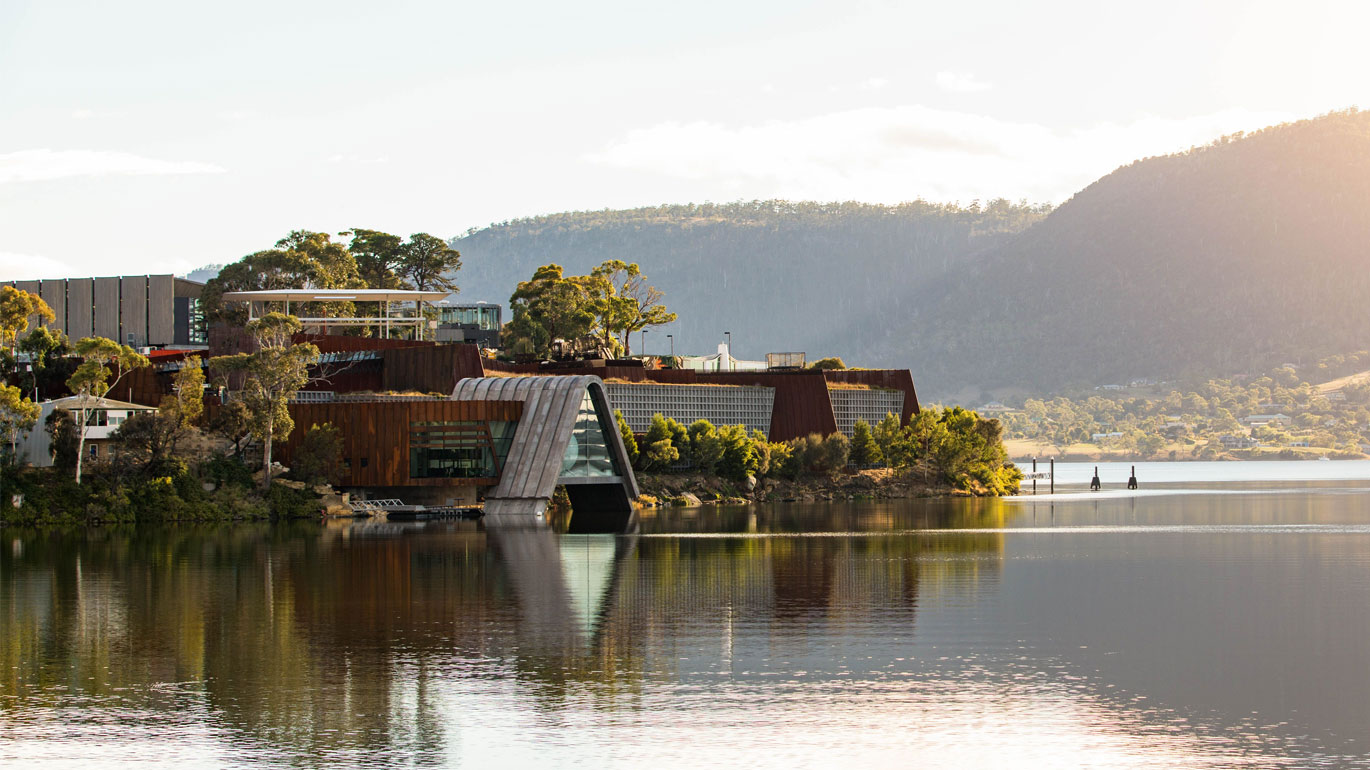
How Tasmania became one of the world’s most exciting art destinations

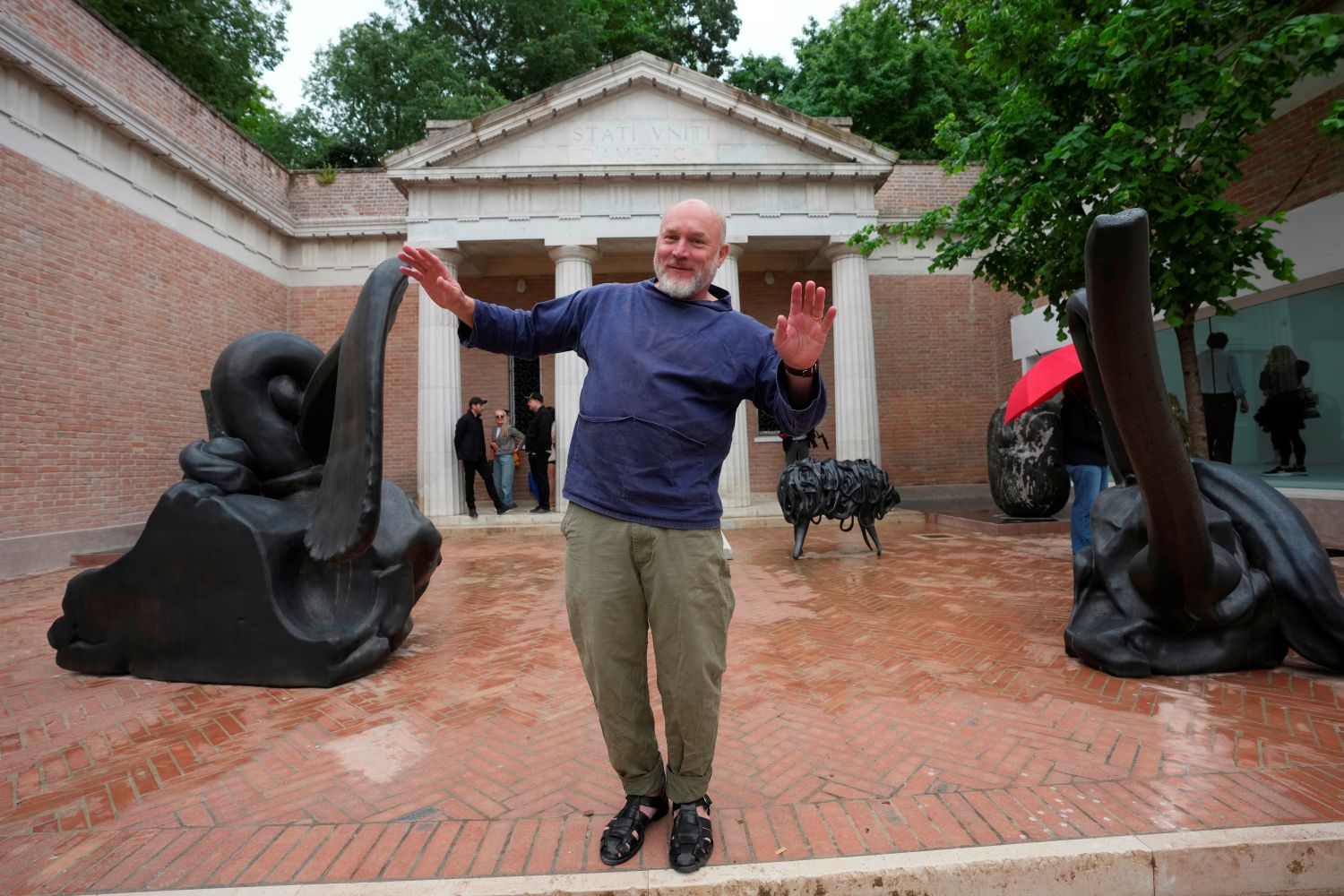
Helen Ochyra reports on how Tasmania, particularly Hobart, has emerged as a leading global art destination, driven largely by MONA (Museum of Old and New Art). The privately funded museum, founded by art collector David Walsh, recently opened a $100 million AUD wing housing a towering concrete amphitheatre by German artist Anselm Kiefer. Beyond MONA, Hobart hosts the provocative winter festival Dark Mofo, the science-and-culture Beaker Street Festival, and the inaugural Island Readers & Writers Festival, cementing its reputation for cutting-edge arts and culture.

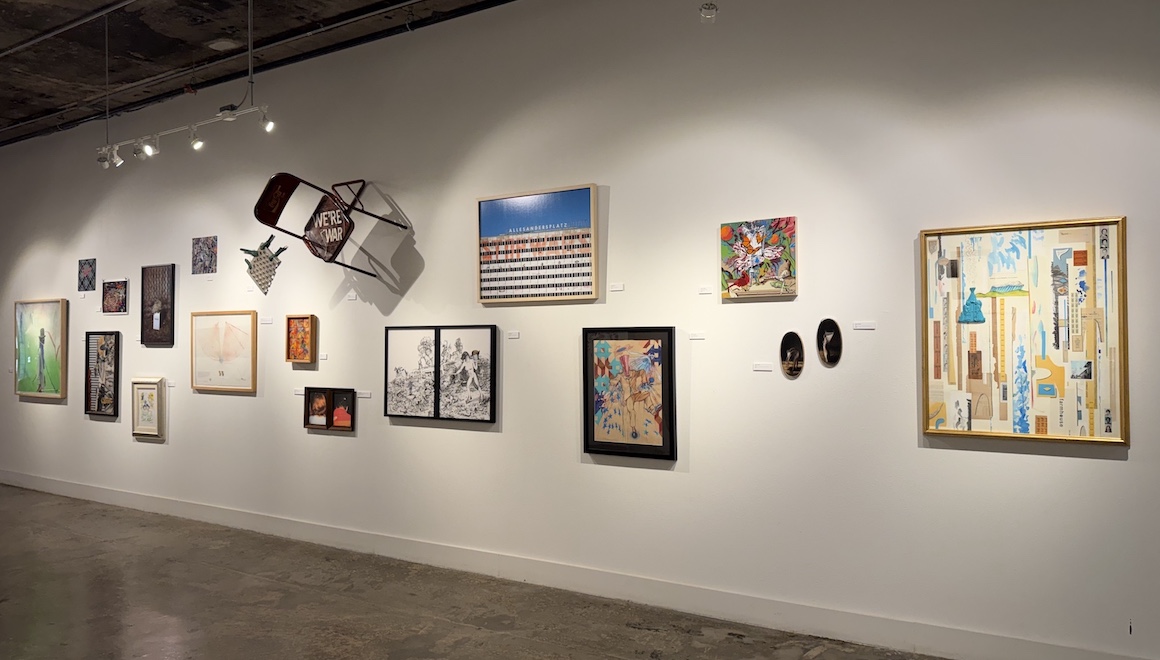
The Whelm of Massive Group Shows, and My Tender Eyes

The article reflects on the overwhelming experience of massive group exhibitions, using examples like Lawndale's "The Big Show" (77 artists in 2025), "Hecho en Dallas" (66 artists), and the School of the Art Institute of Chicago's 1999 MFA thesis show (around 150 artists). The author, a gallerist, recounts visiting two recent San Antonio shows—"A Postmodernist Says ¿Que?" at Centro de Artes and "Fan of a Fan 3" at C7 Space—which feature dozens of works hung salon-style, forcing viewers to make choices about where to focus attention.

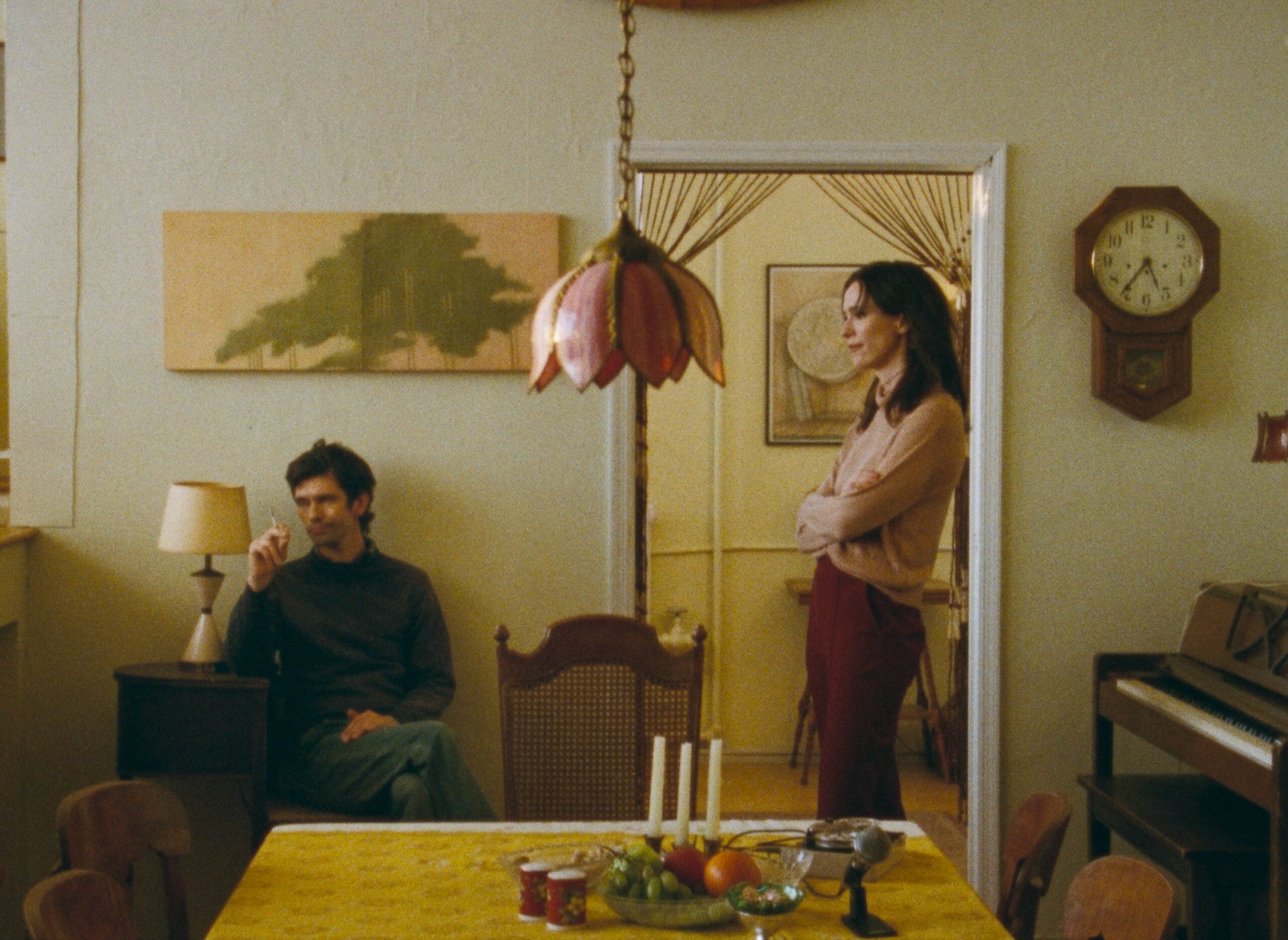
On the MUBI platform arrives the story of the great New York photographer Peter Hujar

Sulla piattaforma Mubi arriva la storia del grande fotografo newyorchese Peter Hujar

MUBI has announced the exclusive streaming release of "Peter Hujar's Day," a film directed by Ira Sachs, set to premiere on May 22. The film is based on a 1974 conversation between photographer Peter Hujar and author Linda Rosenkrantz, and stars Ben Whishaw as Hujar and Rebecca Hall. It reconstructs a single day in Hujar's life, capturing the creative energy and precariousness of 1970s New York, with appearances from figures like Allen Ginsberg and Susan Sontag.

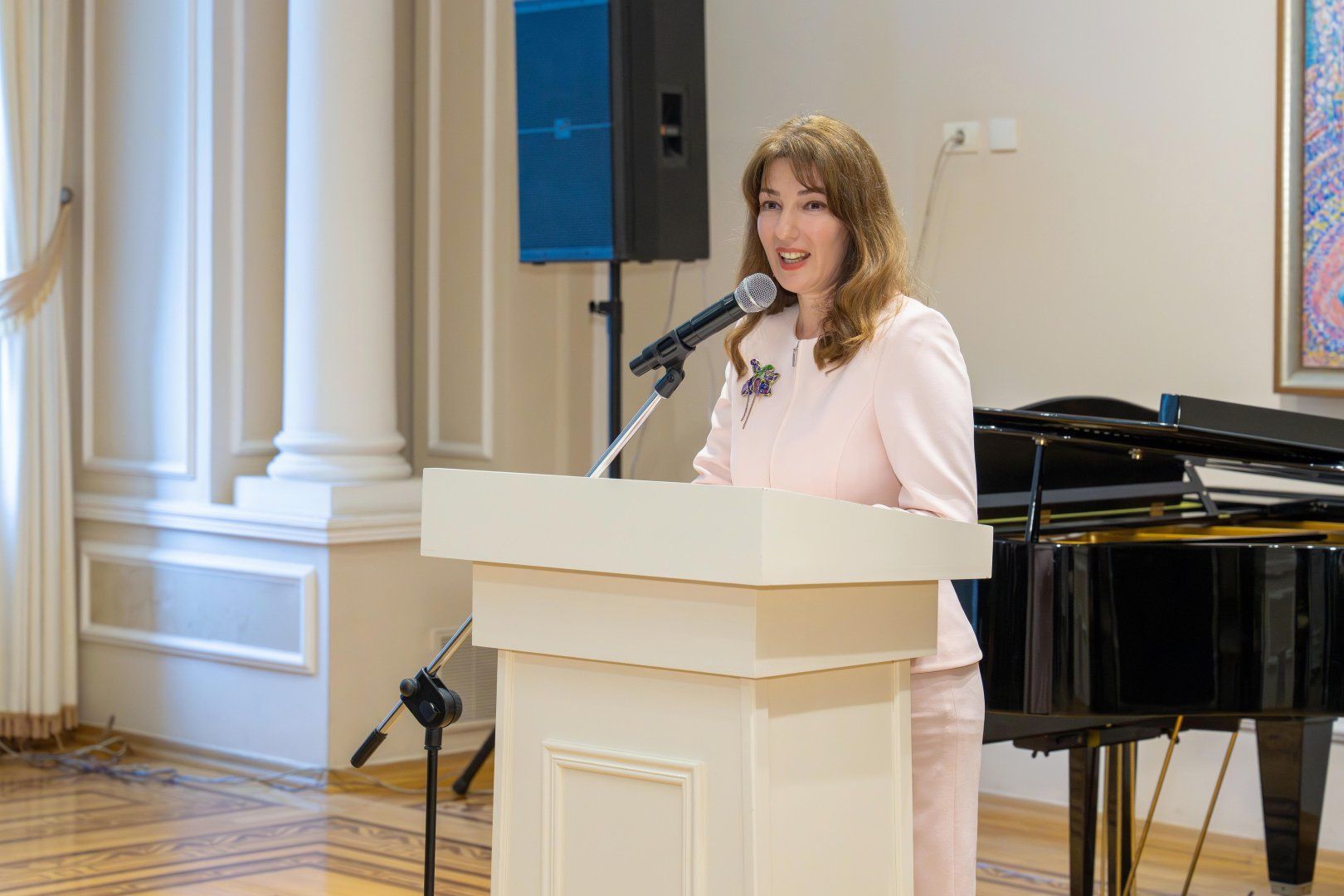
WUF13: Director of National Art Museum explains how art shapes cities and urban change [INTERVIEW]

At the 13th session of the World Urban Forum (WUF13) in Baku, Shirin Malikova, director of the Azerbaijan National Art Museum, gave an interview discussing how art reflects and shapes urban development. She cited historical examples such as Bernardo Bellotto's 18th-century vedute paintings, which were used to reconstruct Warsaw's historic center after WWII, and the Eiffel Tower, originally a temporary installation that became a permanent symbol of Paris. The museum also presented an exhibition at the forum focusing on Baku's transformation across different eras, highlighting how art captures the multilayered history and cultural identity of cities.

‘Anger, curiosity and hope’: a planet of protest – in pictures

Matthew Connors' new photo book, *The Axe Will Survive the Master*, compiles 12 years of protest photography from Hong Kong, Cairo, New York, Kyiv, North Korea, and beyond. Published by MACK Books, the work weaves together images from the Occupy movement, the Egyptian revolution, Hong Kong's pro-democracy protests, the war in Ukraine, and other confrontations with authoritarian power, dissolving geographic boundaries into a single sequence drawn from an archive of 200,000 images.

Dolce Vita is Over

Dolce Vita war gestern

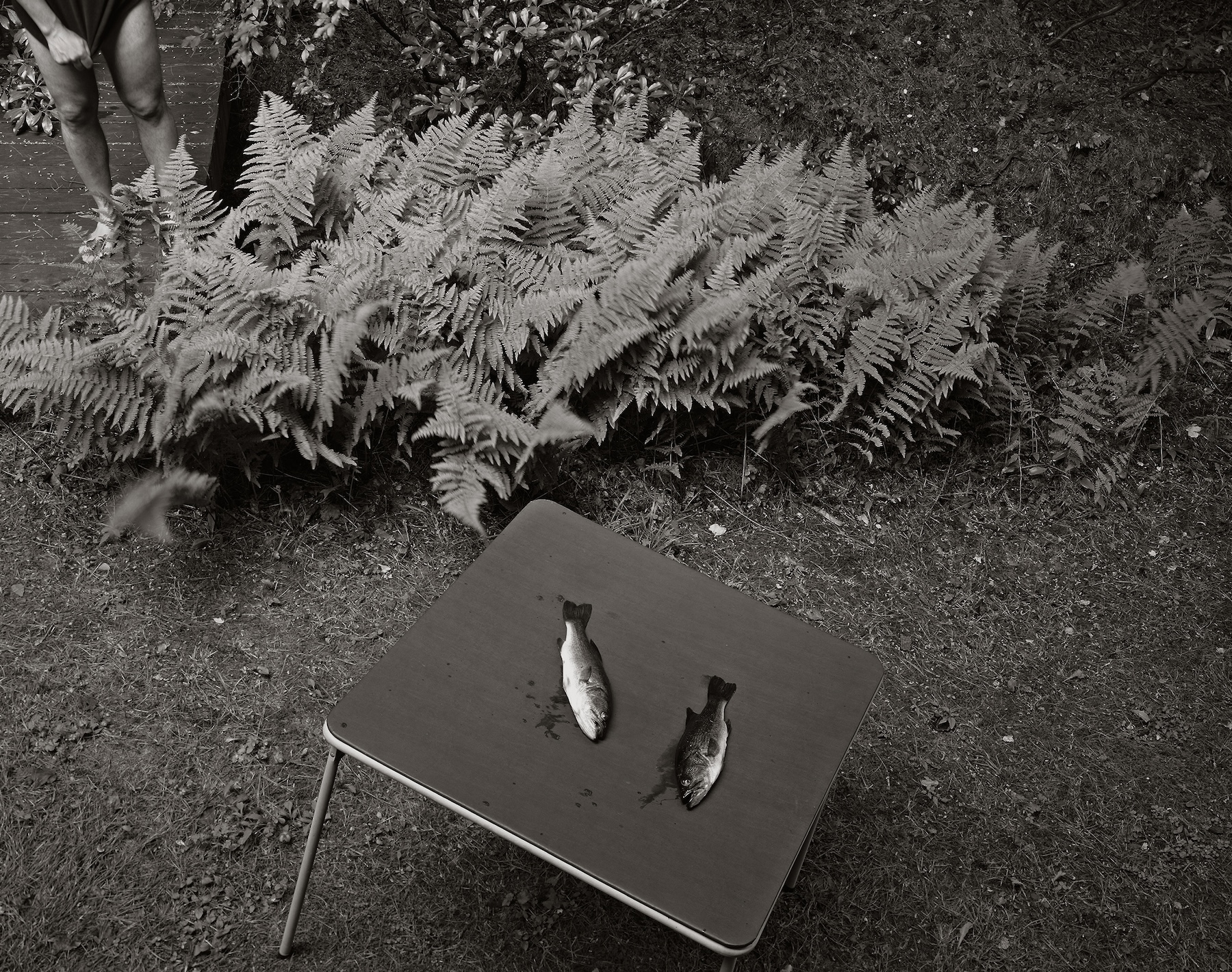
Andrea Modica's new photobook "Italian Story" collects four decades of photographs taken in Italy, beginning with her first trip there in the late 1980s. Born in 1960 to a family with roots in Sicily and Naples, Modica received a Fulbright scholarship to travel to Sicily and photograph the origins of the Catholic imagery, gender roles, and family structures she experienced growing up in New York. The book, however, is not a documentary of her heritage; instead, it presents dreamlike, surreal images—motionless bodies in water, dead fish, figures behind mosquito nets, Madonna statues—that resist clear narrative or identity politics. Modica works with an 8x10 large-format analog camera and prints using the historic platinum-palladium process, giving the images a timeless, collaborative quality.

Lifting Belly, Soft Bodies: Zuzanna Szary Talks with Wojciech Szymański

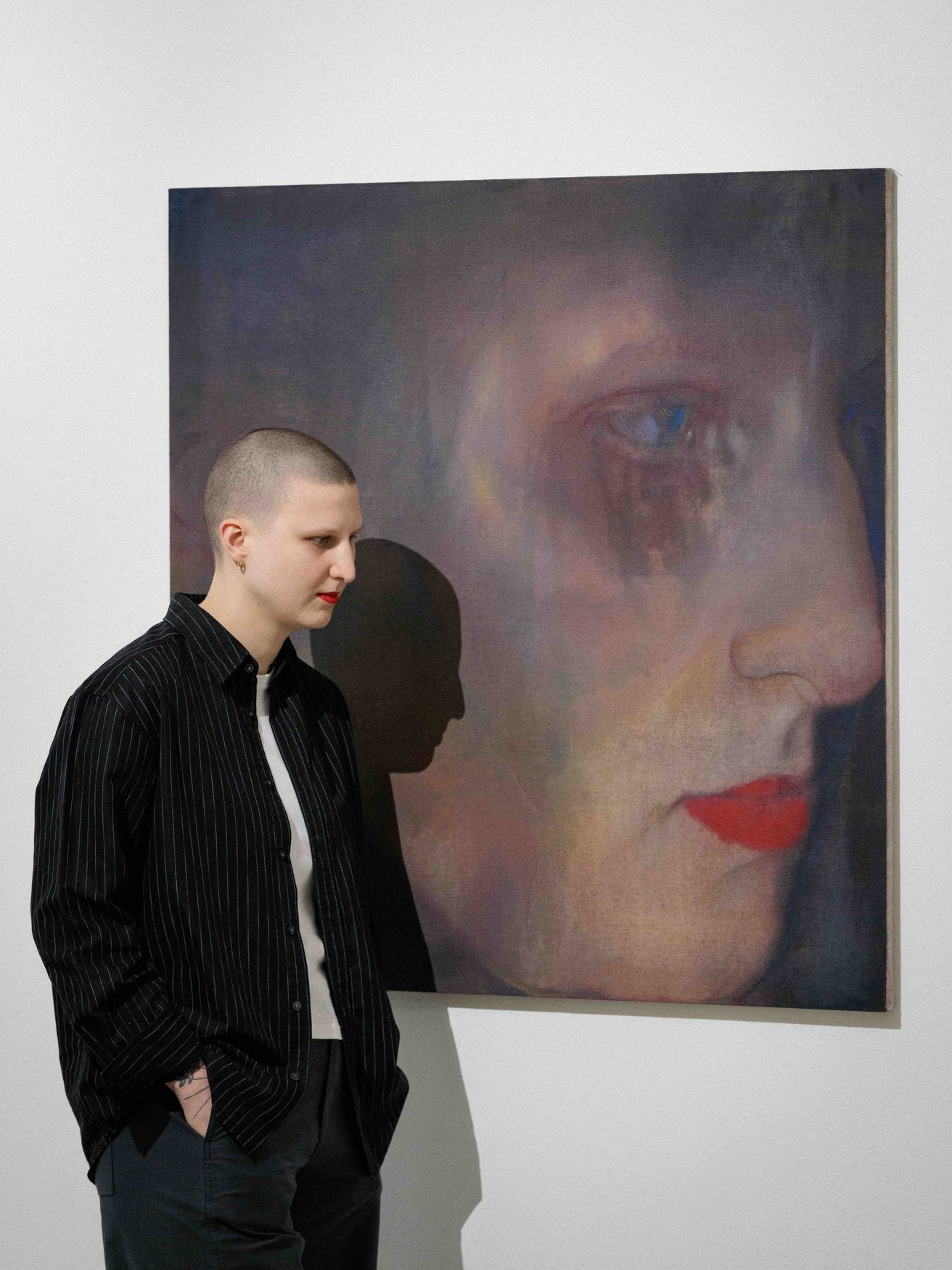
Polish painter Zuzanna Szary discusses her artistic journey and the intersection of queer identity, domesticity, and painting in an interview with Wojciech Szymański. Szary recounts discovering her lesbian identity in junior high and turning to painting after a period of clinical depression, eventually studying at the Academy of Fine Arts in Krakow. Her work, which has evolved from portraits of partners to still lifes centered on food and home, explores themes of softness, sensuality, and the politics of the body, drawing inspiration from figures like Gertrude Stein and Alice B. Toklas.

Artribune Podcast: l’artista Vincenzo Schillaci parla nel suo Monologhi al Telefono

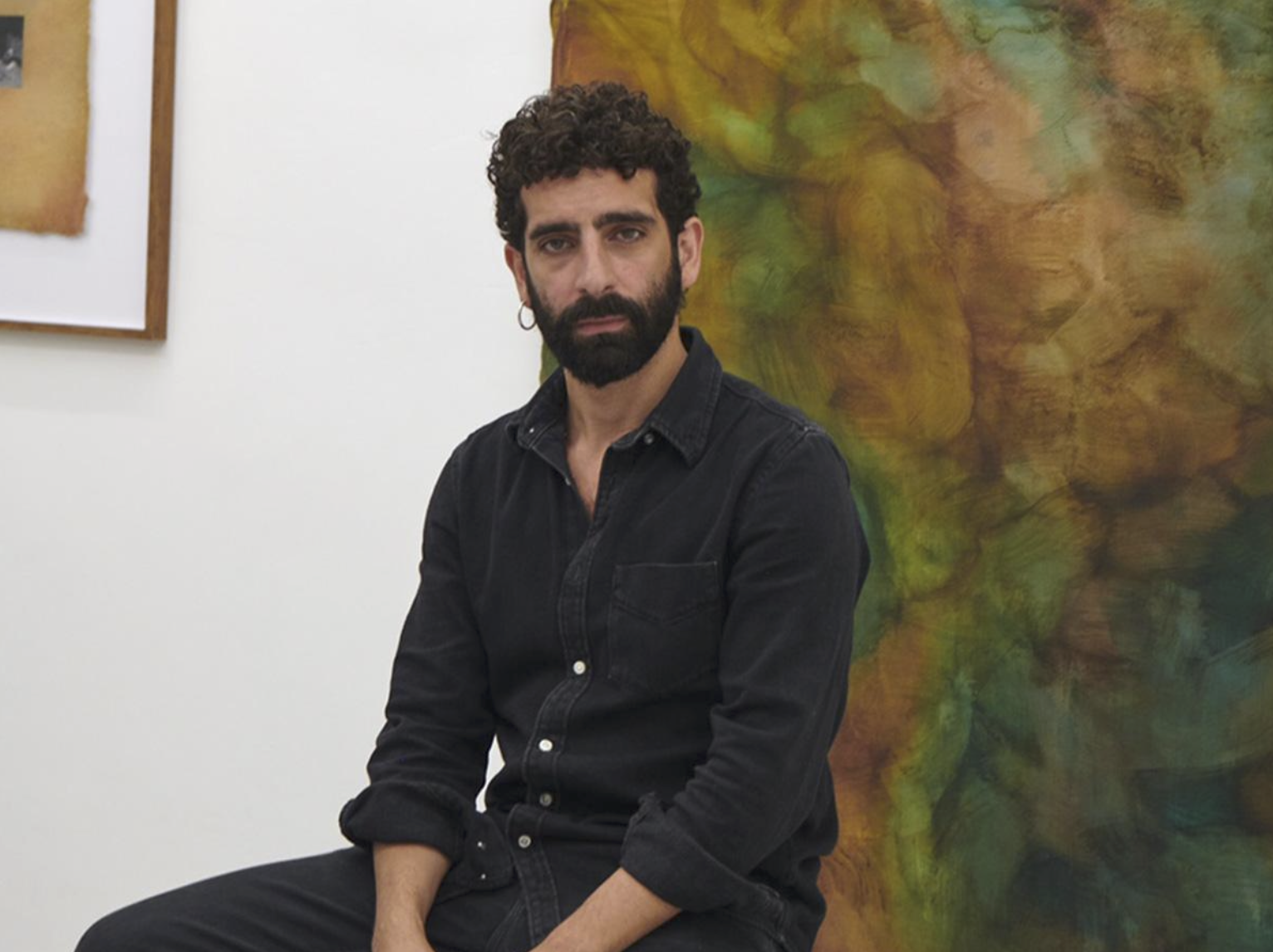
The latest episode of the Artribune Podcast features artist Vincenzo Schillaci (born 1984 in Palermo), recorded via telephone. Schillaci discusses his evolving artistic practice, where painting is an ongoing process of layering and erasure. His work spans painted surfaces, works on paper, and bronze interventions, forming an open system in which the artwork continuously transforms, challenging the boundaries between gesture, material, and form. The episode highlights his recent series inspired by Aristotle's concept of phantasma, and his exploration of materials like electrodeposited copper and bronze to capture different states of the image.

In my Auntieversum, everyone is free, there are no rules

"In meinem Auntieversum sind alle frei, es gibt keine Regeln"

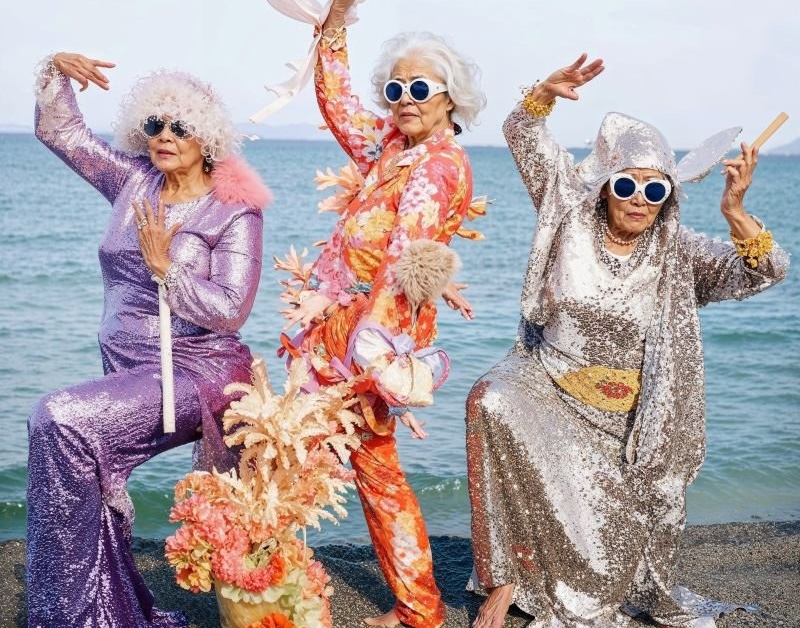
Wenhui Lim, a Singapore-raised artist and former architecture designer, creates AI-generated images and videos featuring older Asian women she calls 'Aunties.' Her surreal 'Auntieversum' depicts these figures bathing in oversized ramen bowls, playing with pastel jellyfish, and driving sushi cars—a fantastical parallel universe where they are free from societal and familial expectations. Lim began the project in early 2023 as a personal exploration to reconcile her own feelings toward the aunties in her life, who often made blunt comments about her appearance while also plying her with food.

10 Tips for Getting the Most Out of Your Next Museum Visit

This article offers ten practical tips for enhancing museum visits, emphasizing preparation, physical comfort, and mindful engagement. It advises planning around specific artworks using online databases, addressing bodily needs like food and hydration, and timing visits to avoid crowds. The piece also recommends slowing down to spend ten minutes per work, using techniques like slow looking to deepen appreciation.

6 Nigerian Gen Z Painting Artists We Should All Recognize By Now

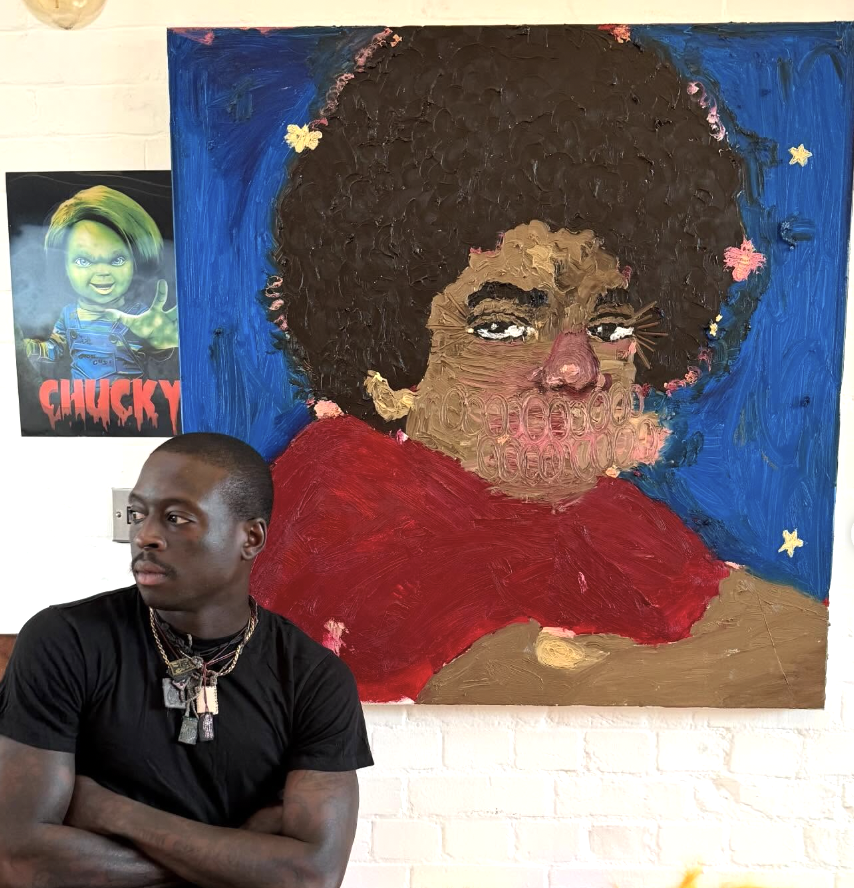
This article profiles six Nigerian Gen Z painting artists who are gaining international recognition for their vibrant, culturally reflective works. The featured artists include Anthony Azekwoh, known for blending classical and digital styles; Olaolu Slawn, a former skateboarder turned graffiti-style artist with collaborations like Rolex and Formula 1; Chigozie Obi, whose multidimensional art explores activism and mental health; Ayanfe Olarinde, a self-taught multidisciplinary artist; Adeoluwa Oluwajoba, a mixed-media artist and curator; and Meju Lawrence, known for colorful, animated pieces displayed in notable galleries.

Art-Science Undisciplined: A Playbook for Transformative Collaboration

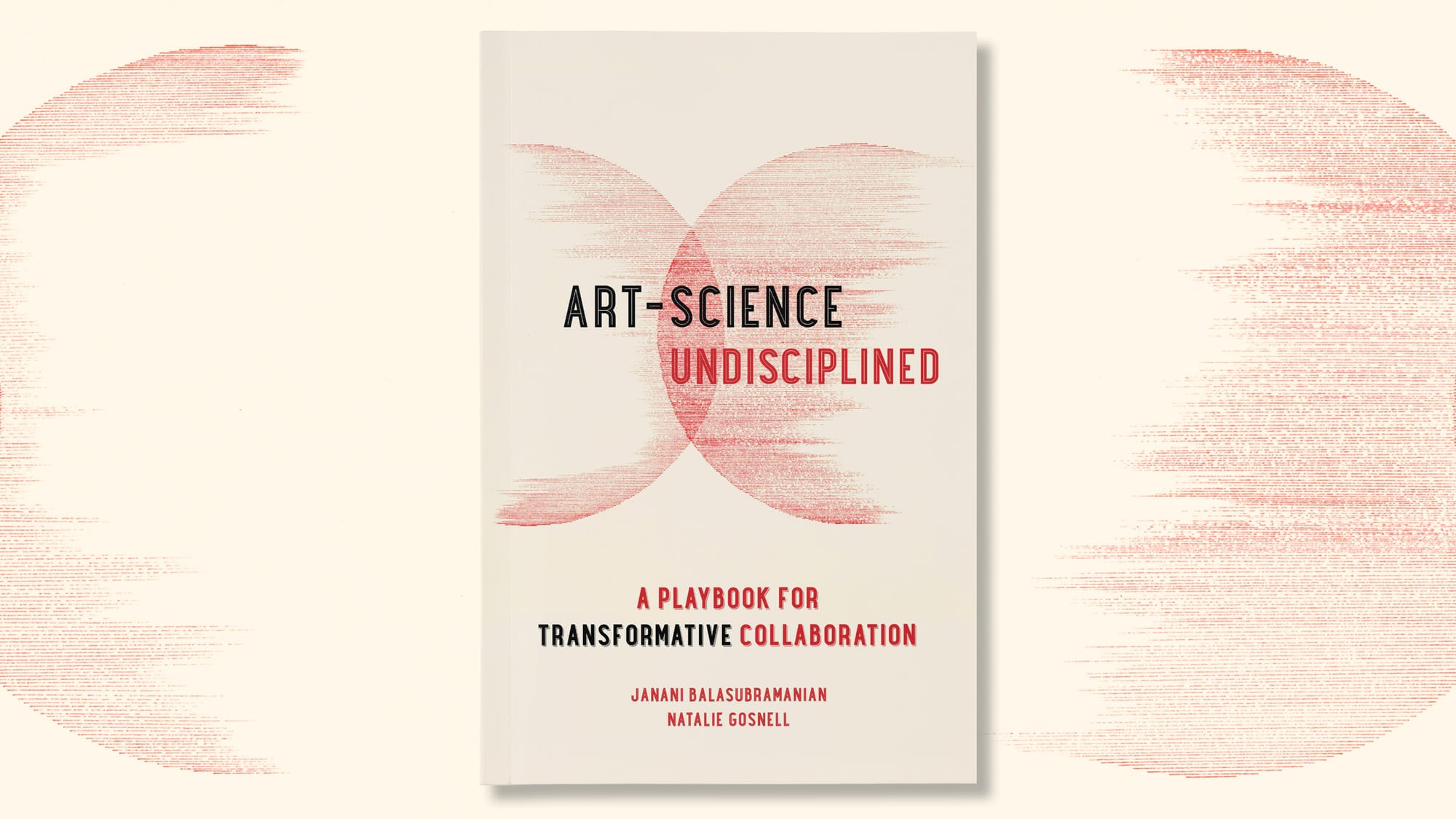
Artist Janani Balasubramanian and astrophysicist Natalie Gosnell have co-authored a book titled "Art-Science Undisciplined: A Playbook for Transformative Collaboration," published by the University of California Press. The book reimagines collaboration between art and science as a shared, values-based practice rooted in curiosity, experimentation, and joy, rather than treating them as separate disciplines. It draws from the authors' own partnership and the experiences of other interdisciplinary creators, offering practical strategies for building relationships based on mutual respect, trust, and imagination, while addressing real-world constraints like institutional demands and limited resources.

Why the art market should finally be on LinkedIn

Warum der Kunstmarkt endlich auf LinkedIn sollte

The article argues that the art market's heavy reliance on Instagram for communication and sales is misguided, suggesting that LinkedIn offers far greater potential for business-to-business transactions and professional networking. It critiques the art world's preference for Instagram's visual focus, noting that LinkedIn's professional environment and targeting capabilities are better suited for discreet, high-value art sales.

Where Art Meets Memory: The Gallery Kalo Journey

Gallery Kalo founder Përparim Kalo discusses the origins and philosophy of his Tirana-based gallery in a Q&A. Founded in 2014, the gallery began as a personal collection shared with the public and has since grown into a cultural meeting point that promotes artistic authenticity, inclusivity, and community engagement. Its vision has expanded beyond Tirana to villages along the Vjosa and Drino rivers, connecting art with landscape and local heritage.

Board game celebrates Philippine modern art - BusinessWorld

A new board game titled "Likha" has been released, celebrating Philippine modern art. The game features artworks from renowned Filipino modern artists and aims to educate players about the country's art history and cultural heritage through an engaging, interactive format.