filter_list Showing 19 results for "America" close Clear
dashboard All 533 museum exhibitions 306article news 61article local 32person people 32trending_up market 30article culture 19candle obituary 18rate_review review 16article policy 16gavel restitution 2article event 1
date_range Range Today This Week This Month All
Subscribe

How Josh Kline Wrote the Essay That the Art World Can’t Stop Talking About

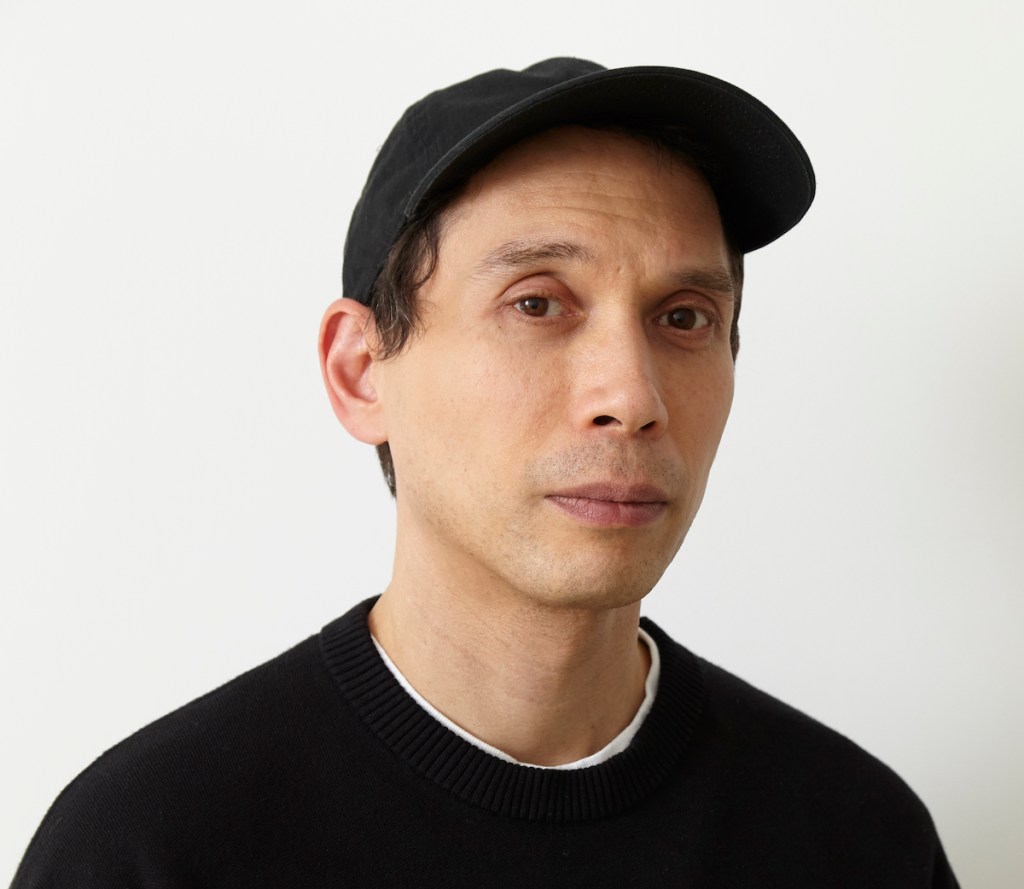
Artist Josh Kline has sparked intense debate across the New York art world with his viral essay, "New York Real Estate and the Ruin of American Art," published in the journal October. The text serves as a scathing critique of the current state of the American art industry, diagnosing it as "sick" due to skyrocketing real estate costs, systemic power imbalances, and a market that has become an unsustainable "conveyor belt" of commercial painting. Kline argues that the economic pressures of post-pandemic New York have made the city a hostile environment for experimental and conceptual practices.
How the New Deal Treated Art as Essential to Democracy

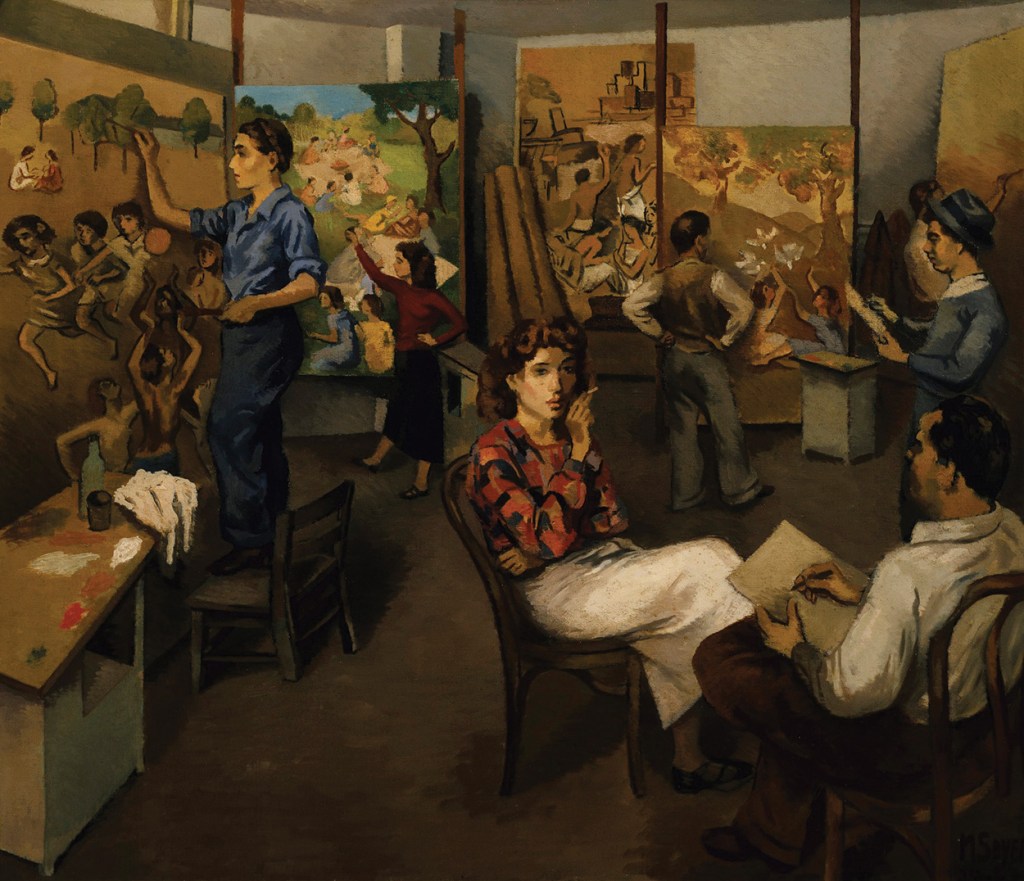
The United States government transformed the role of the artist during the Great Depression by treating art as a vital public resource rather than a private luxury. Between 1933 and 1943, New Deal programs like the Public Works of Art Project (PWAP) commissioned hundreds of thousands of works for schools, libraries, and hospitals, providing 'plumbers' wages' to struggling creators. This federal patronage supported a generation of then-unknown figures, including Jackson Pollock, Mark Rothko, and Alice Neel, while focusing on the 'American scene' to make culture accessible to the general public.

Why Was Sarah Miriam Peale, Pioneering Member of America’s First Art Dynasty, Left Behind?

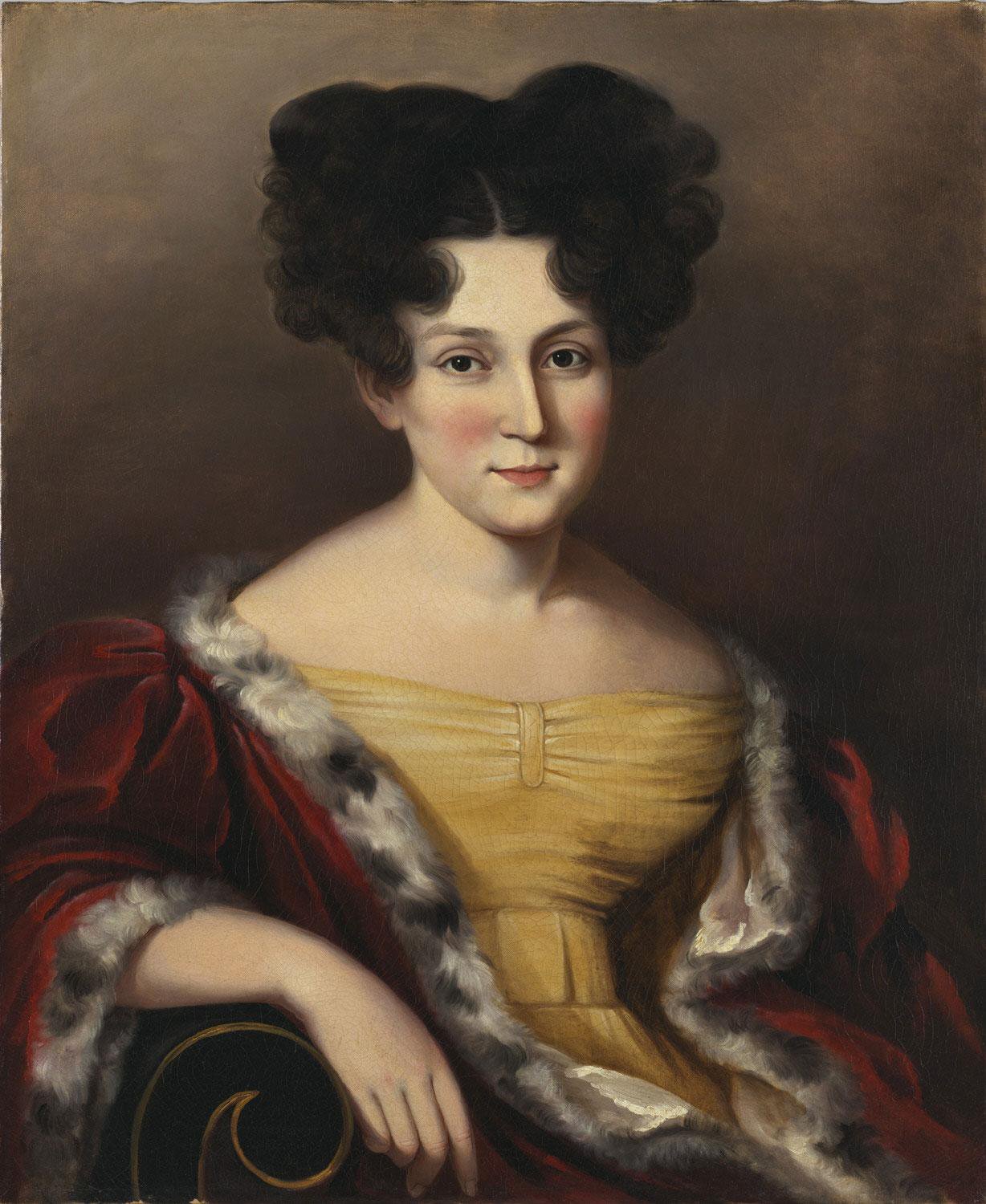
Sarah Miriam Peale, a member of the prominent Peale art dynasty and arguably the first professional woman artist in the United States, is finally receiving long-overdue institutional recognition. Despite a prolific sixty-year career painting portraits of political figures and still lifes in Baltimore and St. Louis, her legacy was largely overshadowed by her uncle Charles Willson Peale and her male cousins. Her independence as an unmarried woman who supported herself entirely through her craft marked a radical departure from the gender norms of the 19th century.

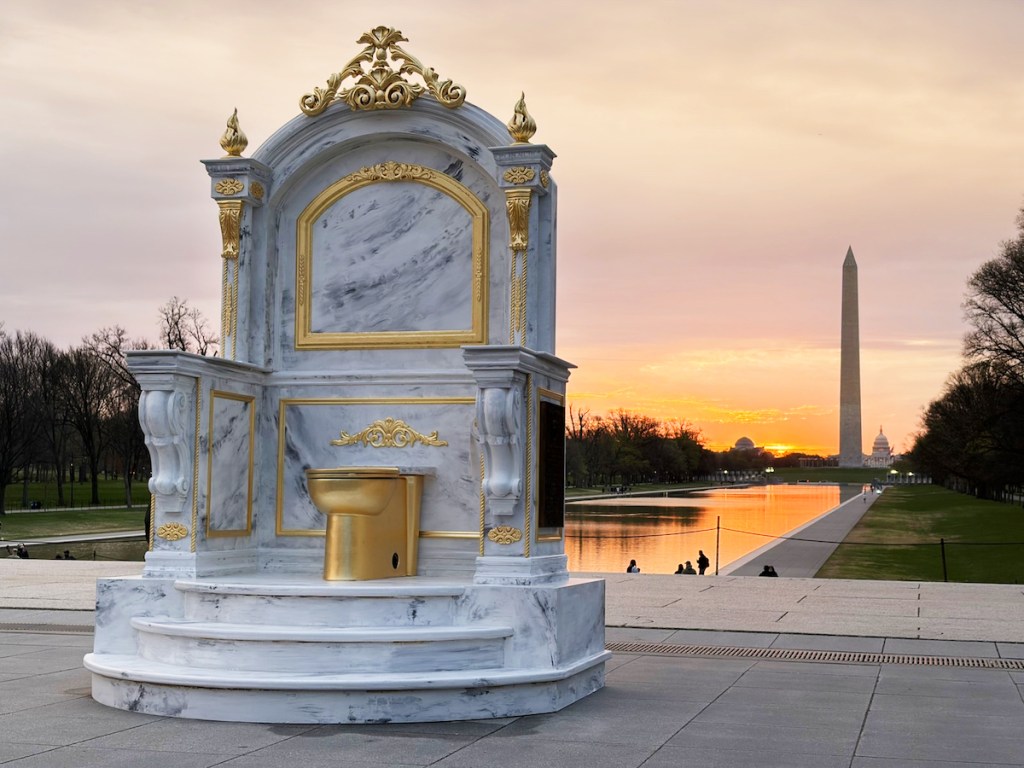
Giant Golden Toilet Sculpture Appears Near Lincoln Memorial in D.C.: ‘A Throne Fit for a King’

An anonymous artist collective known as the Secret Handshake has installed a 10-foot-tall golden toilet sculpture titled 'A Throne Fit for a King' near the Lincoln Memorial in Washington, D.C. The work is a satirical monument to former President Donald Trump's controversial renovation of the White House's Lincoln Bathroom, which he outfitted with gold fixtures during a government shutdown.

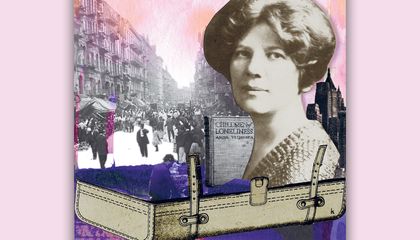
‘The Queen of the Ghetto’ Gave New York’s Immigrant Community a Voice. A Century Later, It’s Re-emerging

Anzia Yezierska, a Polish-Jewish immigrant who arrived in New York in 1890, defied traditional gender expectations to become a leading literary voice of the 1920s. Dubbed the 'Queen of the Ghetto,' she documented the raw struggles of immigrant women on the Lower East Side using a unique 'immigrant English' style that captured Yiddish idioms. After escaping a restrictive marriage and pursuing an education at Columbia University, she channeled her personal frustrations into stories of poverty, ambition, and the psychological toll of assimilation.

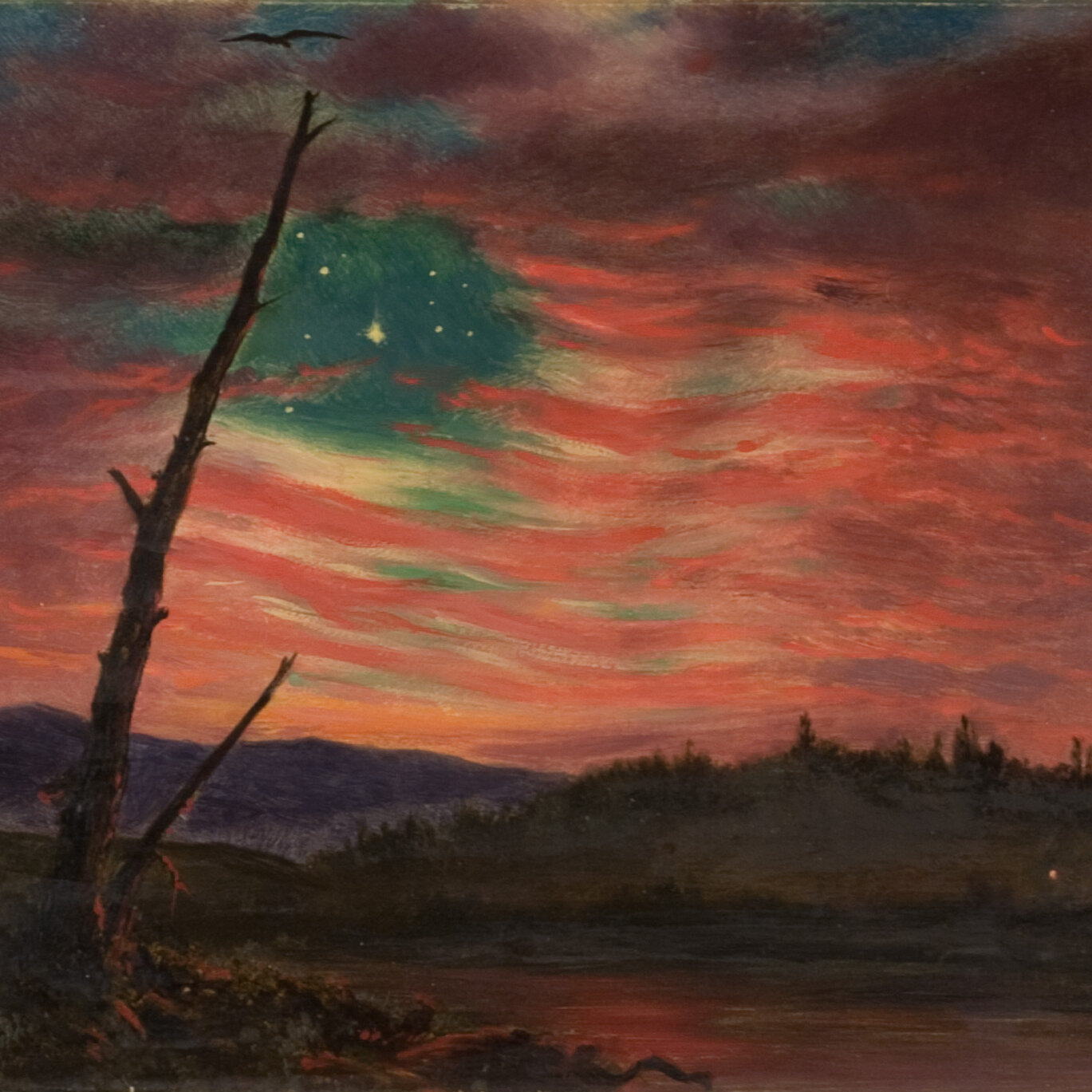
Honoring Frederic Church: Beyond the Hudson River School

Art historians and curators are re-evaluating the legacy of Frederic Church, arguing that his contributions extend far beyond his traditional classification as a Hudson River School landscape painter. New research highlights his sophisticated engagement with 19th-century science, his architectural achievements at his estate, Olana, and his role as a global traveler who captured the spirit of the Andes and the Arctic.

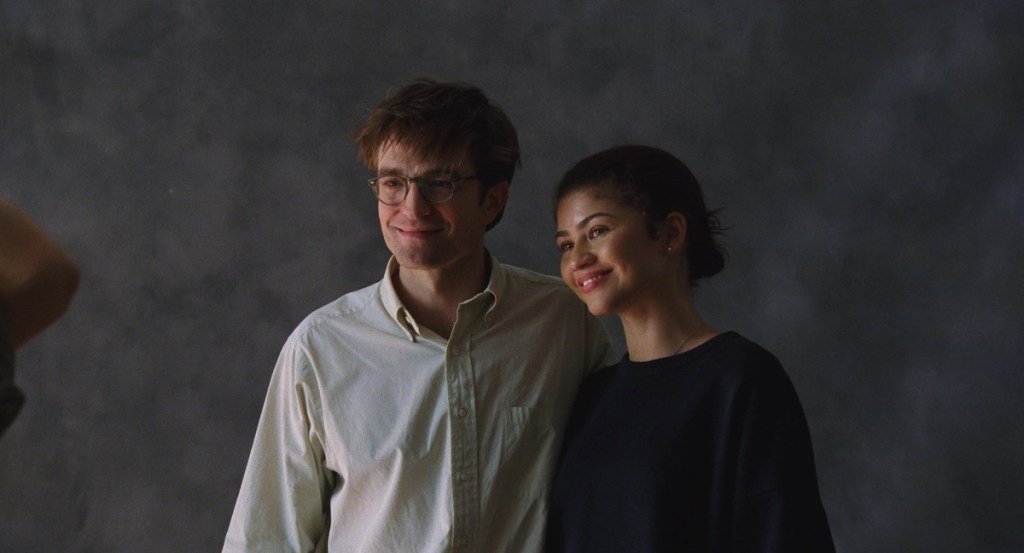
Did This Photographer’s Provocative Work Inspire a Key Plot Point in The Drama?

The new film *The Drama*, directed by Kristoffer Borgli and starring Zendaya and Robert Pattinson, features a central plot point involving a fictional photobook titled *Brainrot*. In the movie, Pattinson’s character, a museum curator, becomes obsessed with the book's provocative imagery of young women with firearms after learning of his fiancée’s past violent intentions. While *Brainrot* is a fictional creation, its aesthetic and subject matter draw significant parallels to Lindsay McCrum’s 2011 photography book, *Chicks with Guns*, which documented the diverse demographics of female gun owners in America.

This Massive Collection of More Than a Million Tools Tells the Striking History of Jewelry Making in America

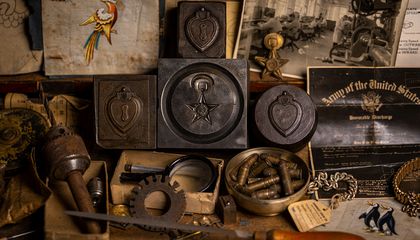
Kevin Potter, a jeweler based in Tucson, Arizona, has assembled the world's largest collection of artifacts from America's industrial jewelry manufacturing era. His collection, housed in two warehouses, contains an estimated 1.2 million hubs and dies—the hand-carved steel tools used to mass-produce jewelry through die-striking—along with related machinery and ephemera, preserving a vast physical archive of a vanished craft.

New York is so expensive that it is no longer possible to produce art and culture in the city

New York è così cara che ormai non è più possibile produrre arte e cultura in città

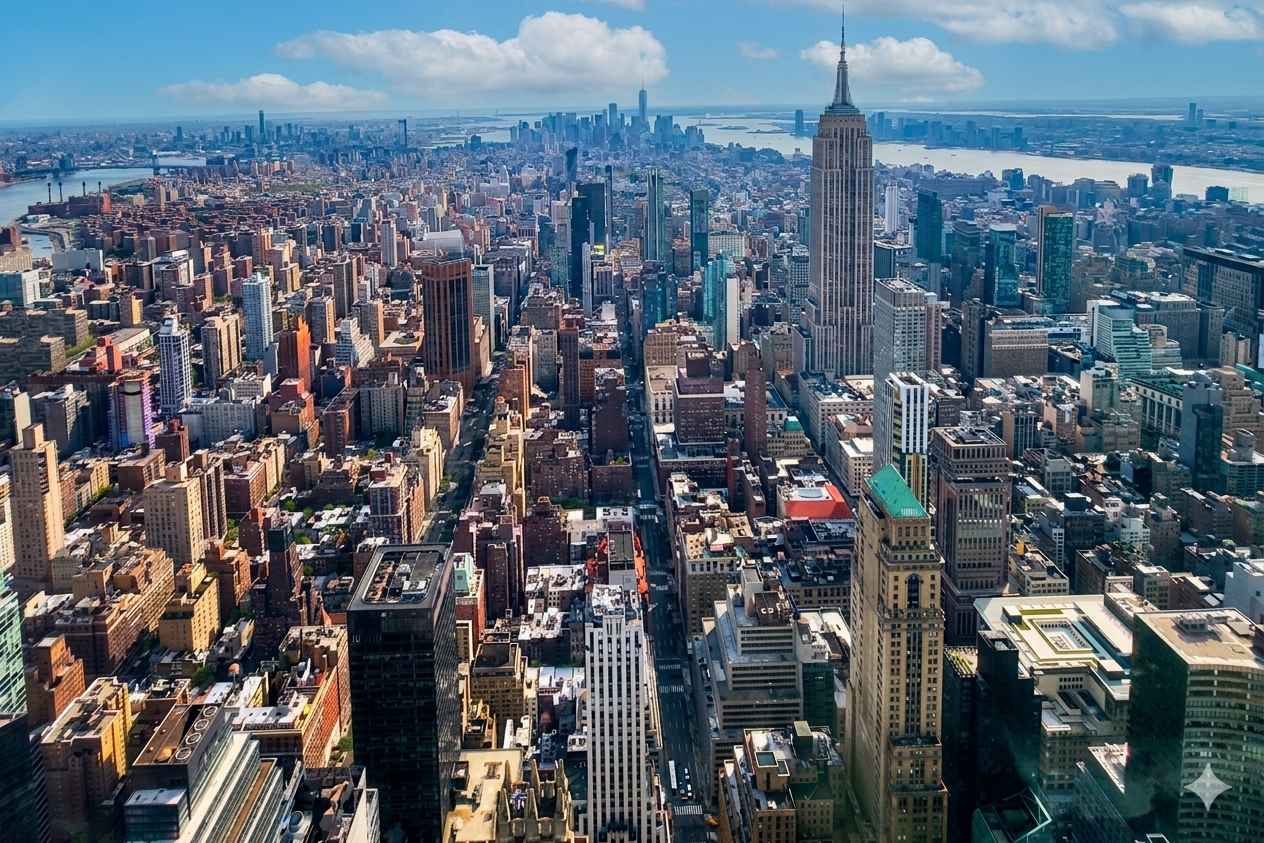
Artist and curator Josh Kline has sparked a significant industry debate with his essay, "New York Real Estate and the Ruin of American Art," which argues that the city's prohibitive real estate market is dismantling its cultural foundation. Kline posits that the financialization of property and the disappearance of affordable lofts and mid-size galleries have created an unsustainable ecosystem where only those with independent wealth can survive. This economic pressure is forcing a generation of creative workers to choose between their practice and basic survival, leading to a stagnation of innovation.

A Delightful Short Film Highlights the Remarkable Self-Taught Art of George Voronovsky

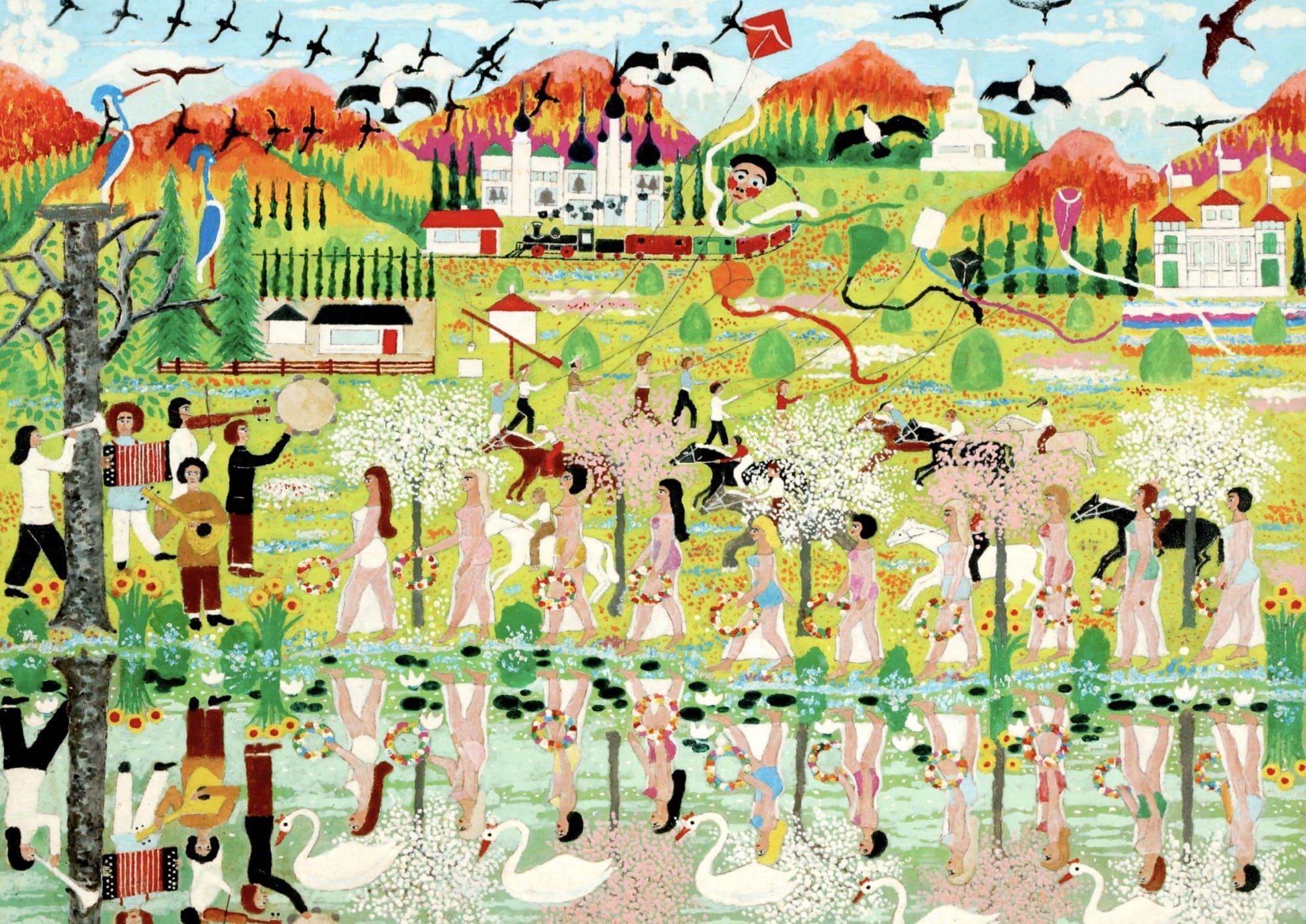
Ukrainian-born artist Jonko “George” Voronovsky transformed his modest retirement room at Miami’s Colony Hotel into a dense, vibrant sanctuary of over 5,000 artworks. After surviving the horrors of the Russian Revolution, Nazi labor camps, and permanent separation from his family, Voronovsky immigrated to the U.S. and spent his final years creating "memoryscapes." These works, crafted from found materials like pizza boxes and soda cans, depicted idyllic, colorful scenes of his youth in Ukraine, contrasting sharply with the trauma of his past.

Inside a Black Panther Family Album

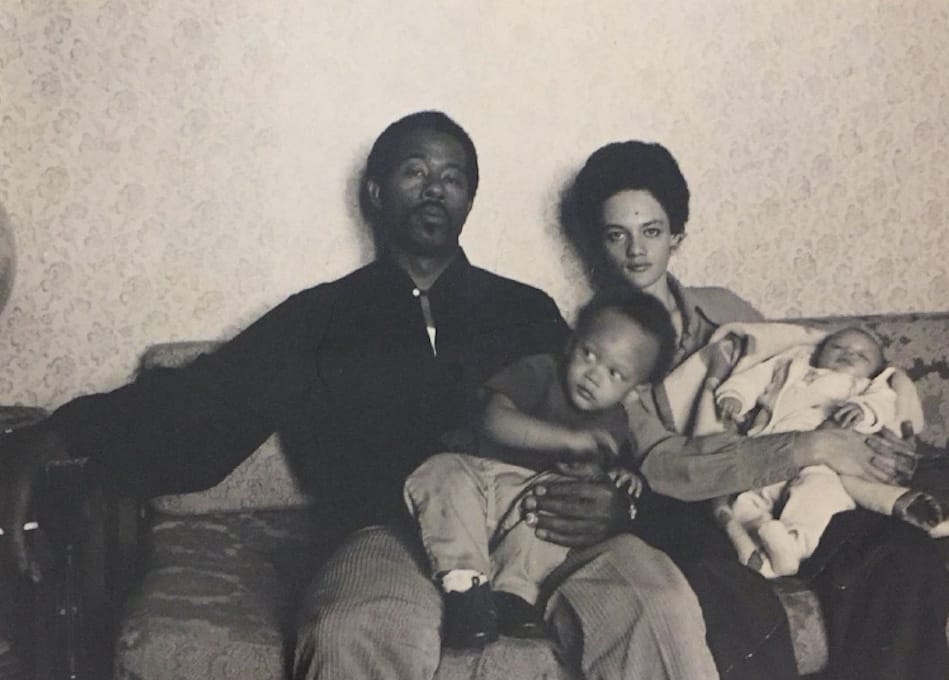
Scholar Leigh Raiford examines the personal family archives of Black Panther Party leaders Kathleen and Eldridge Cleaver, specifically focusing on photographs taken during their period of exile in the 1970s. The analysis centers on how domestic objects, such as a zebra-print carver chair and various African artifacts, transitioned from private household items to iconic symbols of Black Power and cultural nationalism in the public sphere.

The shot that shows the absurdity of war: Peter van Agtmael’s best photograph

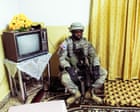
Photographer Peter van Agtmael reflects on a photograph he took 20 years ago while embedded with the U.S. military in Iraq. The image, captured during his first experience of war, depicts a dejected American soldier sitting in an ordinary Iraqi living room, a scene he describes as showing the vast military machine mobilized in the Middle East.

How to Survive AI

Two documentaries premiering at the 2026 Sundance Film Festival directly confront the discourse surrounding artificial intelligence. Valerie Veatch's 'Ghost in the Machine' traces the racist, eugenicist origins of AI research, linking it to a history of American techno-fascism, while Daniel Roher and Charlie Tyrell's 'The AI Doc: Or How I Became an Apocaloptimist' offers a more measured, personal exploration of public anxieties about the technology.

LOG: PANAMA. CULTURE AND POLITICS IN THE FRAMEWORK OF A REGIONAL MEETING DRIVEN BY CAF

BITÁCORA: PANAMÁ. CULTURA Y POLÍTICA EN EL MARCO DE UN ENCUENTRO REGIONAL IMPULSADO POR CAF

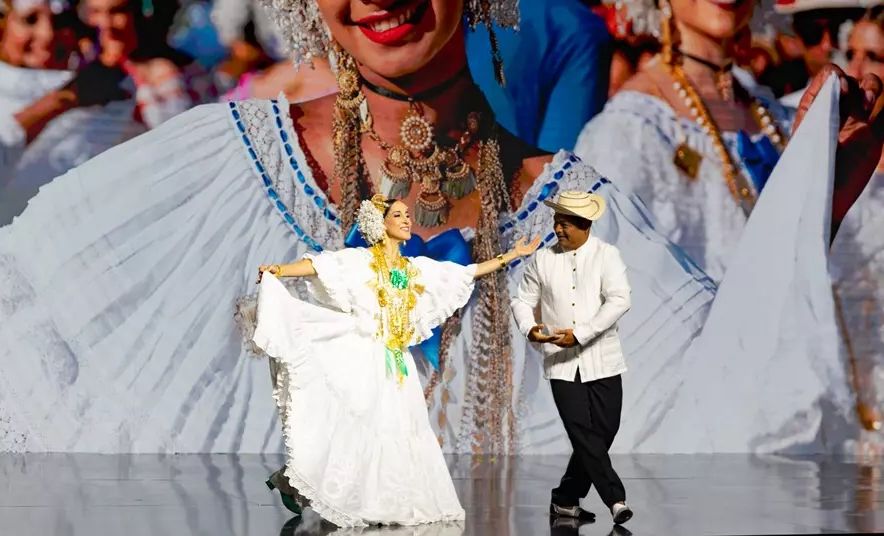
Artishock Revista covered the CAF Festival 'Voces por nuestra región: Cultura que mueve el mundo,' held in Panama in January 2026. The event, organized by CAF – Banco de Desarrollo de América Latina y el Caribe, aimed to reposition Latin American and Caribbean culture as a strategic axis for sustainable development. It featured panels, sectoral forums, and co-creation spaces designed to activate alliances and strengthen regional networks for artists and cultural projects.

Required Reading

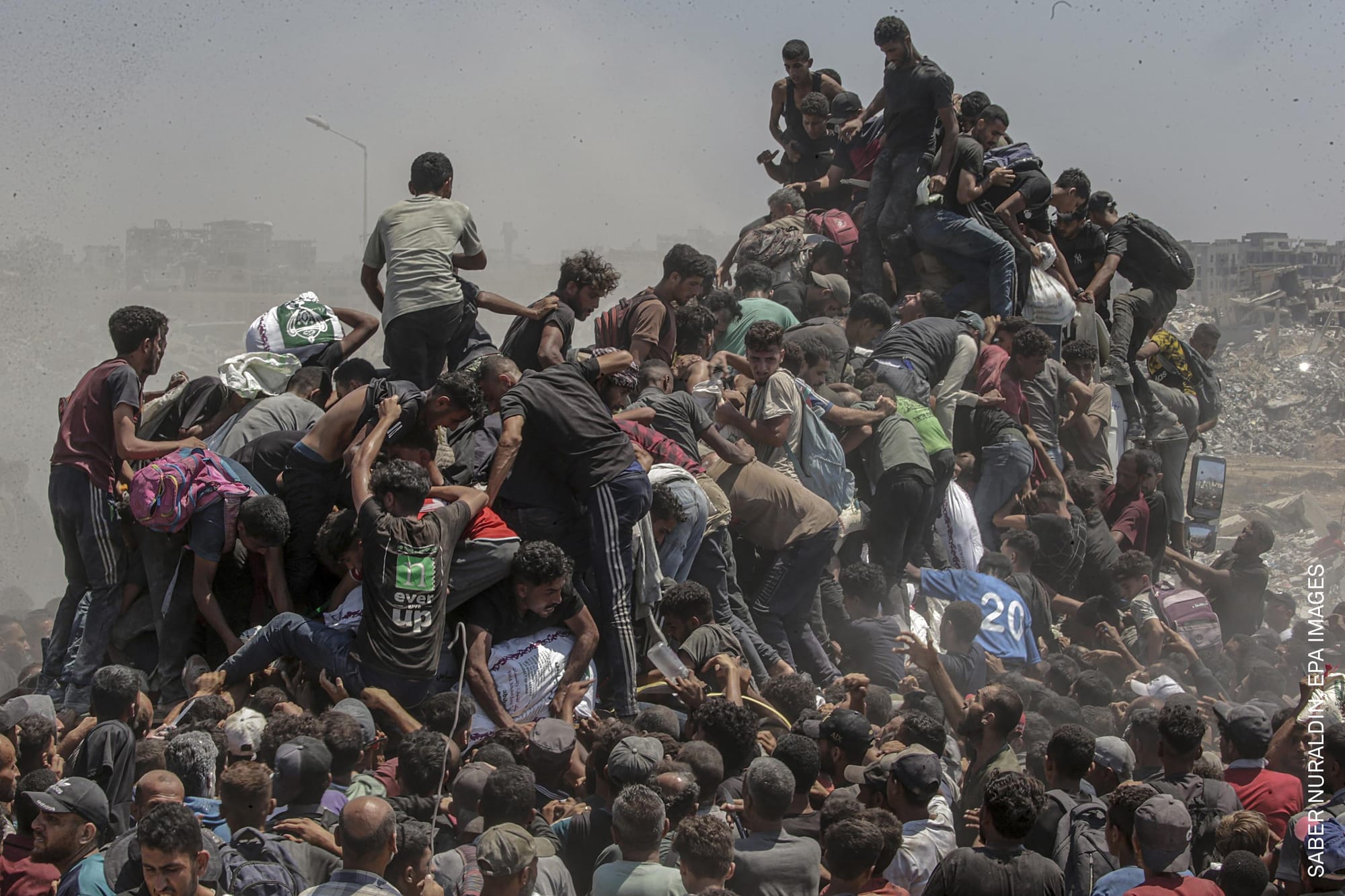
This week's Required Reading from Hyperallergic features a photo by Saber Nuraldin, a finalist for the World Press Photo of the Year, depicting Palestinians climbing an aid truck in Gaza during famine caused by Israel's blockade. The article also includes Elena Megalos's essay on the American Museum of Natural History as a site of motherhood, and reports on Meenu Batra, a legal interpreter arrested by ICE, and the New York Times blocking the Internet Archive from crawling its site.

Story of the designer who transformed MotoGP by designing Valentino Rossi's bikes and suits

Storia del designer che ha trasformato la MotoGP disegnando moto e tute di Valentino Rossi

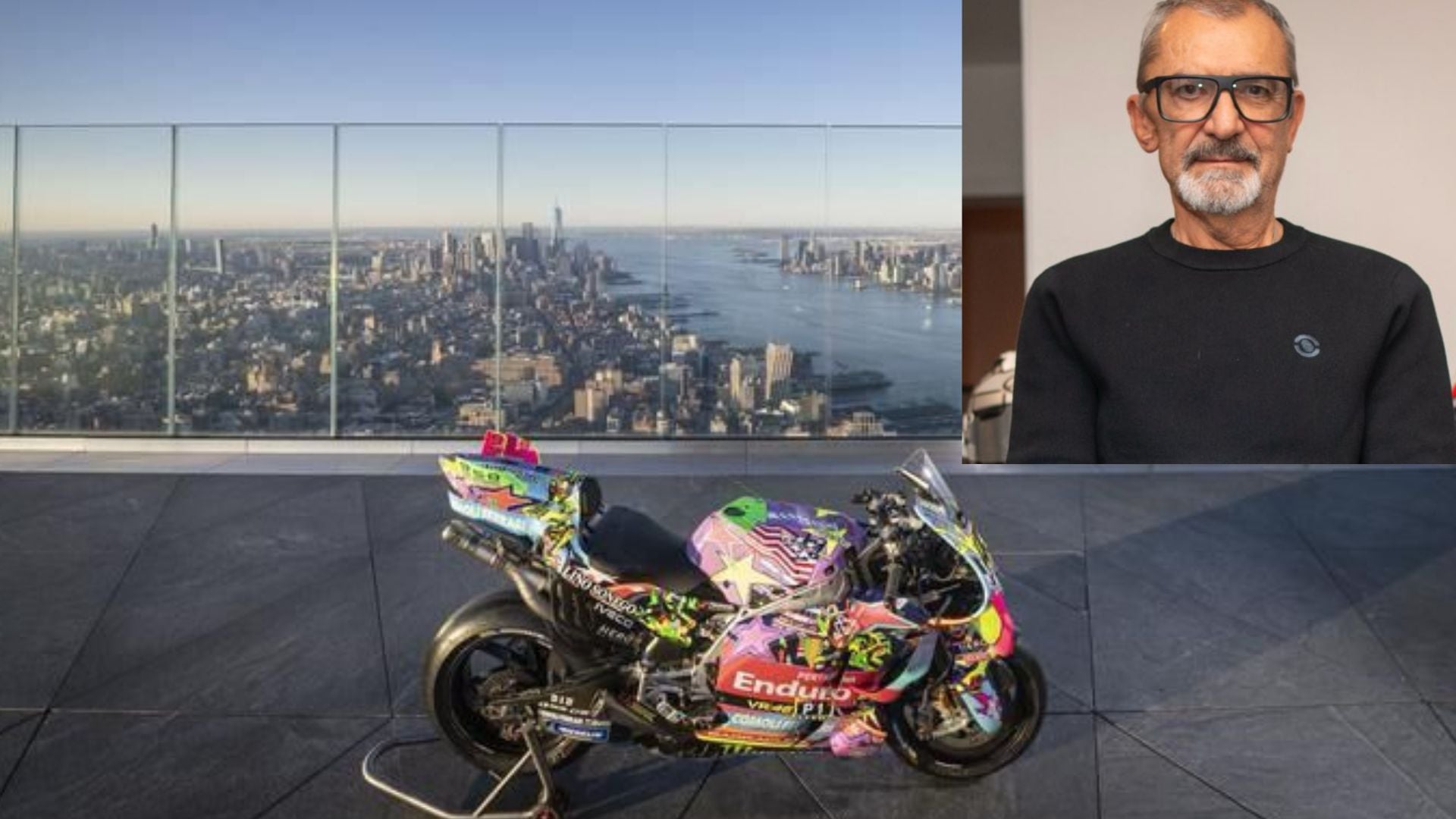
Aldo Drudi, the influential designer who transformed the visual aesthetics of MotoGP, created a special site-specific livery for the Pertamina Enduro VR46 Racing Team's presentation at The Edge in Hudson Yards, New York. The livery, unveiled on March 24, 2026 for the United States Grand Prix, is a complex graphic composition that references team history, Valentino Rossi, and American culture, elevating motorcycle design to a form of moving art.

The National Museum of Mexican Art’s Special Mission

The National Museum of Mexican Art (NMMA) in Chicago was founded in 1987 by a group of public school educators, led by Carlos Tortolero, to address a lack of Mexican history and culture in the curriculum. It has grown into a 48,000-square-foot institution with a collection of over 20,000 objects, spanning from Pre-Columbian times to the present, and was the first Latino museum in the U.S. to be accredited by the American Alliance of Museums.

joshua johnson 2745691

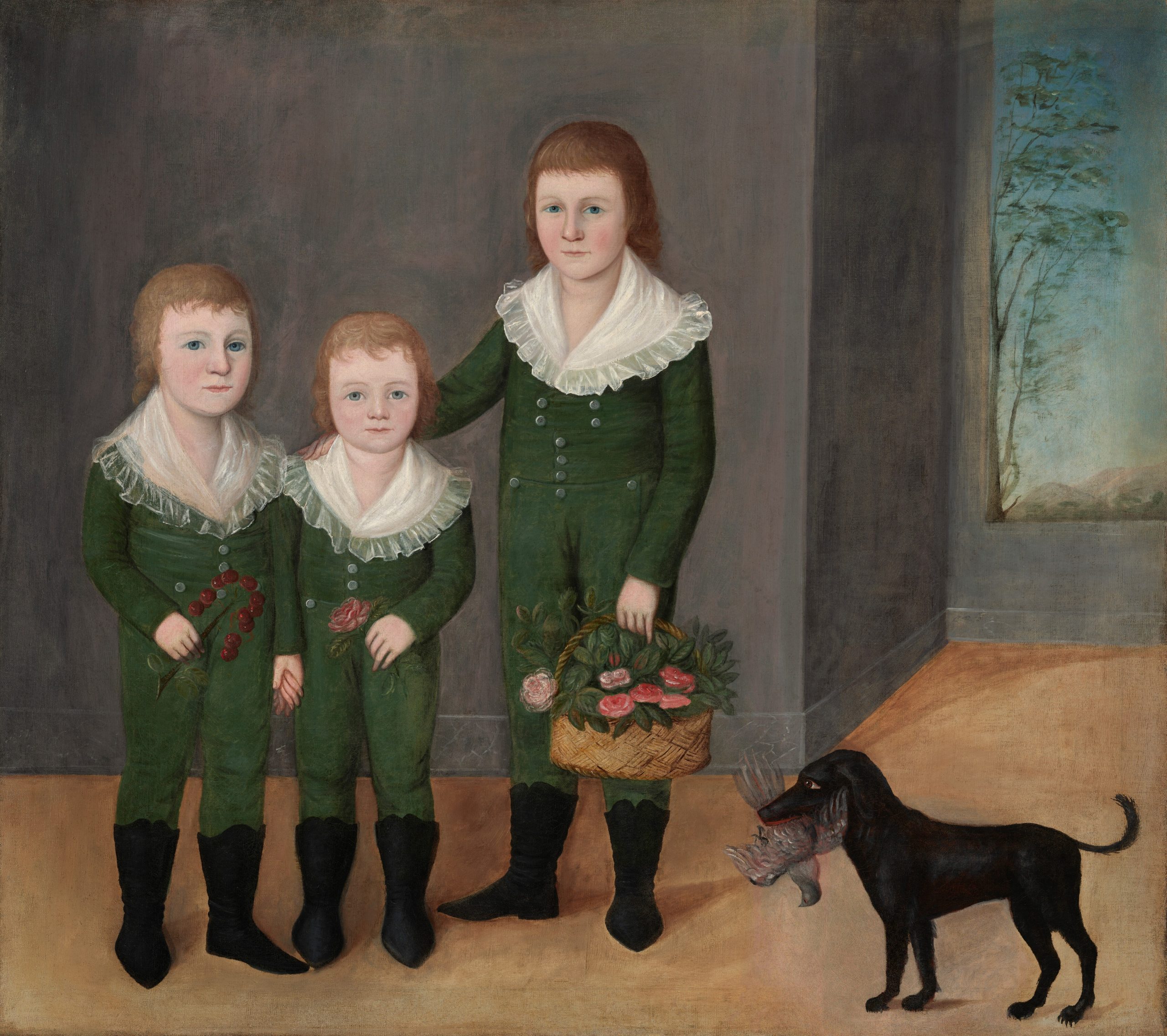
Joshua Johnson, born into slavery in Maryland around 1763, emerged in the late 18th century as the first documented Black professional artist in the United States. After gaining his freedom in 1782, Johnson established himself in Baltimore as a self-taught portraitist, advertising his services in local newspapers and catering to the city's prominent families. His body of work, consisting of approximately 83 attributed paintings, is characterized by a distinct flatness and three-quarter profile compositions typical of early American folk art.

Barkley L. Hendricks | Biography, Paintings, Photography & Legacy

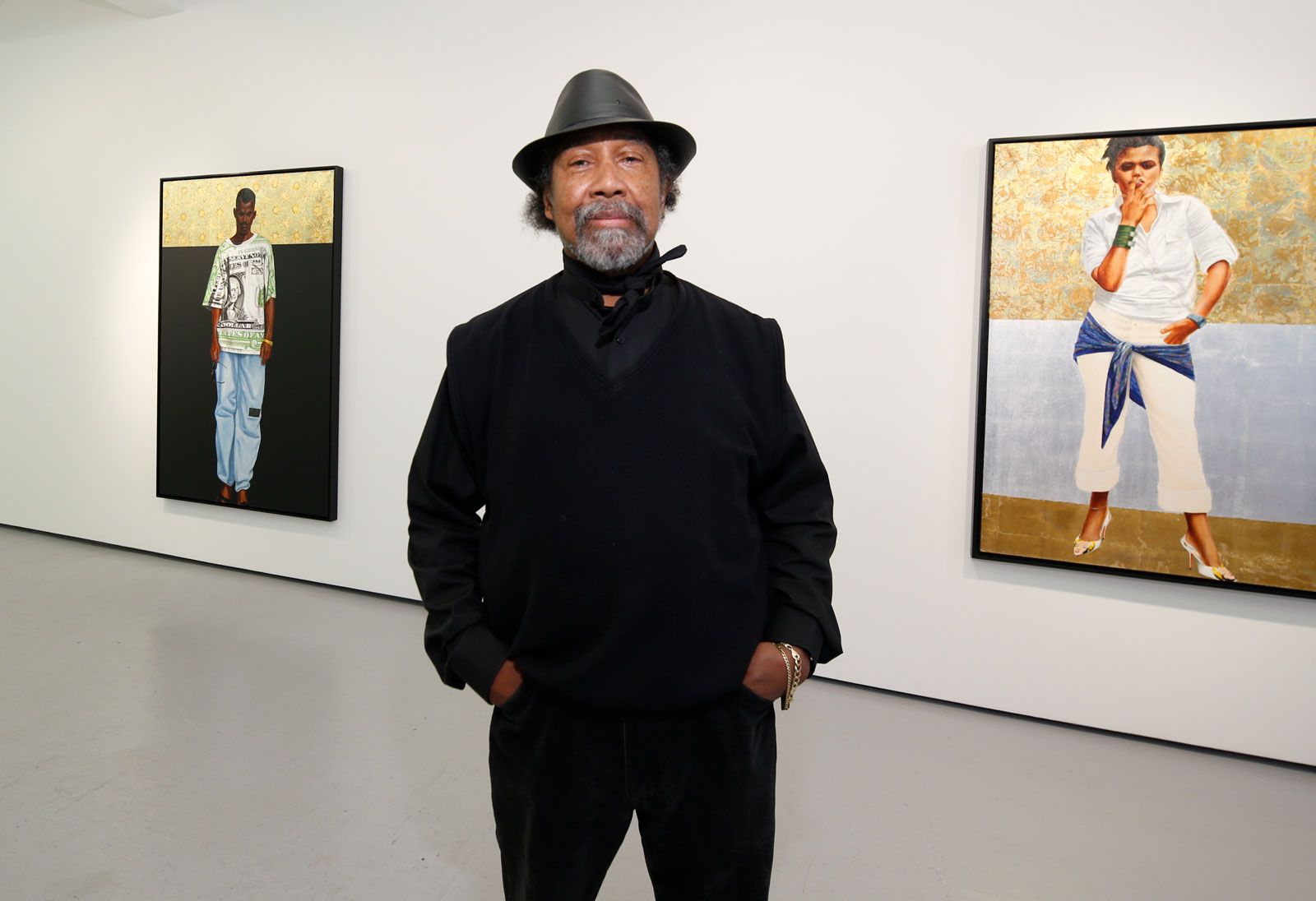
Barkley L. Hendricks was a transformative American portrait artist known for depicting ordinary Black men and women with the scale and technical mastery typically reserved for European Old Masters. After a pivotal trip to Europe in the 1960s where he noted the absence of Black subjects in museum collections, Hendricks dedicated his career to elevating Black identity through bold, life-sized oil paintings and photography. His work often featured vibrant monochromatic backgrounds and subjects drawn from his personal life, popular music, and urban culture.