filter_list Showing 129 results for "BEI" close Clear
search
dashboard All 1613 museum exhibitions 623trending_up market 264article news 210article local 136article culture 129article policy 78person people 71gavel restitution 38rate_review review 36candle obituary 26article events 1article event 1
date_range Range Today This Week This Month All
Subscribe

los angeles frieze art world jeffrey epstein tod lippy

Artist Tod Lippy is launching a mobile protest piece titled "All Of the Gang" during Frieze Los Angeles, featuring an LED truck that displays emails and documents linking prominent art world figures to Jeffrey Epstein. The project highlights correspondence and associations involving major industry names like Larry Gagosian, Leon Black, and David A. Ross, aiming to confront the public with the industry's perceived complicity and lack of accountability.
7 yayoi kusama works to know

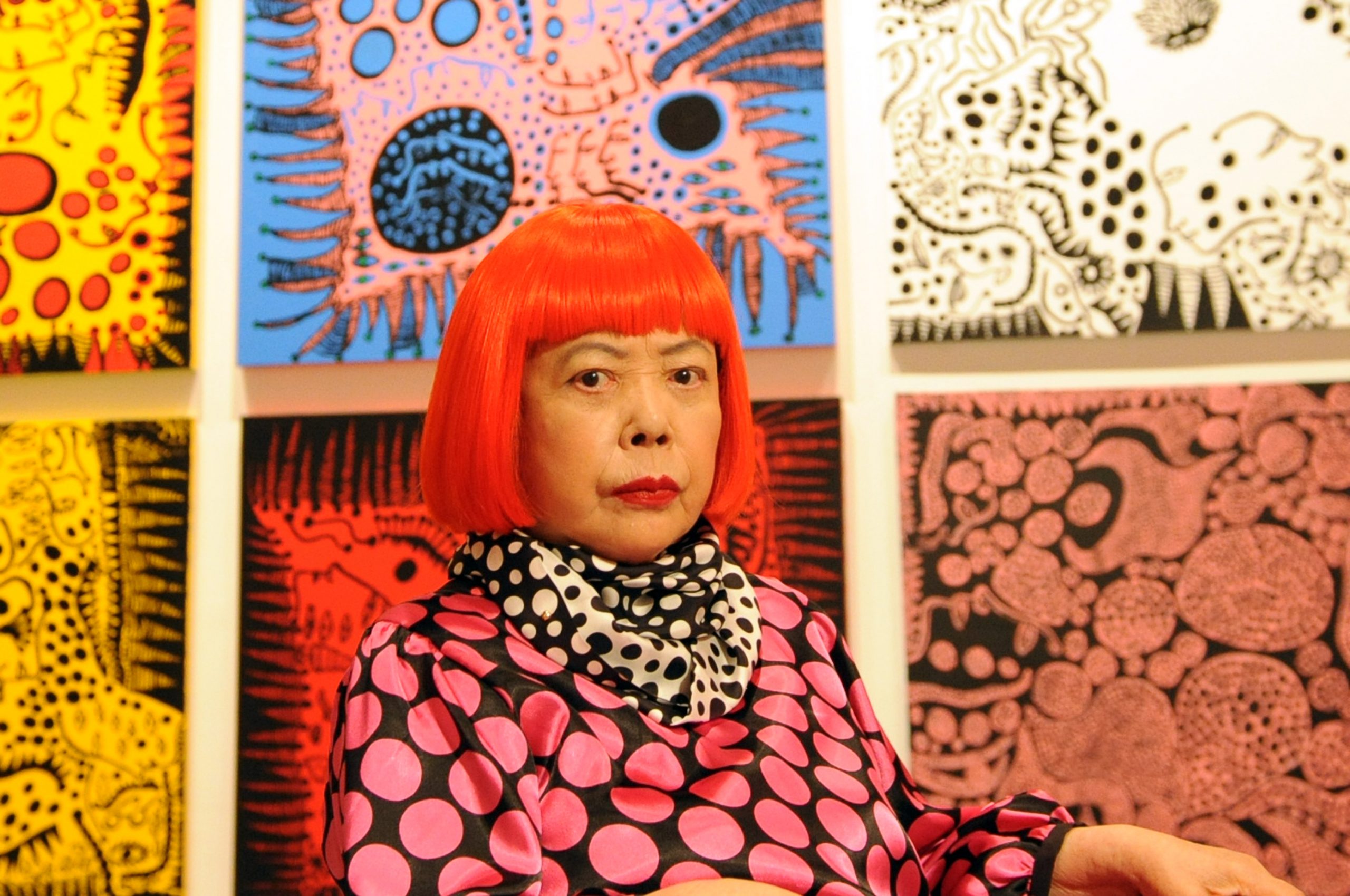
Artnet News profiles seven key works by Yayoi Kusama, tracing her career from the 1960s to the present. The article highlights her iconic pieces such as *Narcissus Garden* (1966), a guerrilla installation at the Venice Biennale where she sold mirrored spheres, and *Death of a Nerve* (1976), a soft sculpture reflecting her emotional struggles after returning to Japan. It also notes her early life, including her traumatic childhood, move to New York, and friendships with artists like Georgia O'Keeffe and Joseph Cornell.

The 21st Century’s Biggest Art Trend is Not a Style. But Once You See It, You’ll Notice It Everywhere.

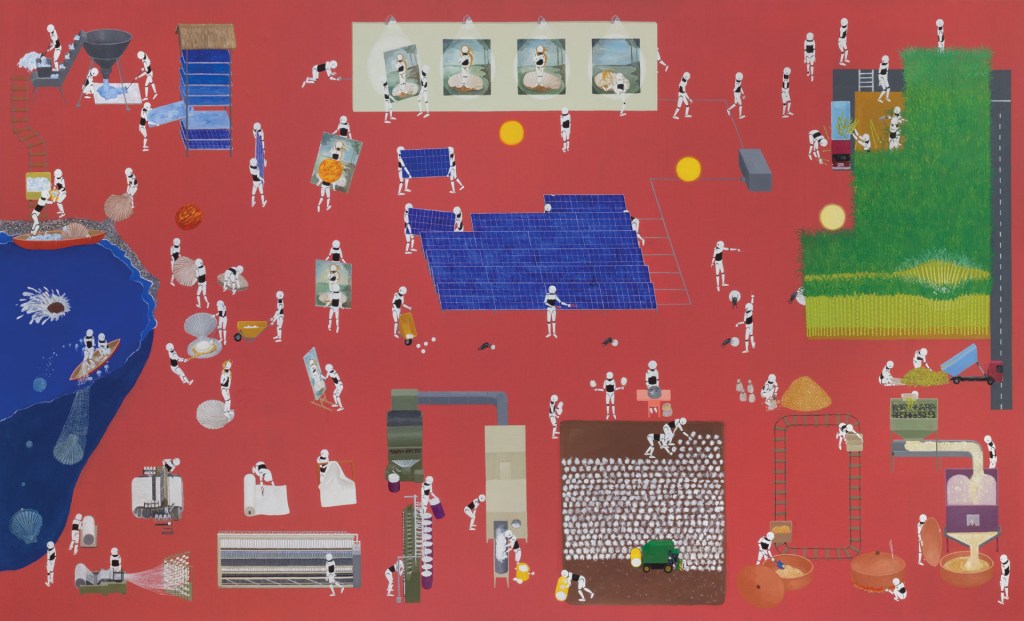
The article traces the evolution of "systems art," a term coined by critic Jack Burnham in 1968 to describe art that uses rules, seriality, and repetition to mirror and reveal the growing protocols of the Cold War era. It highlights early practitioners like Kenneth Noland, Robert Morris, Dan Flavin, and notably Hans Haacke and Adrian Piper, who shifted from atmospheric systems (e.g., Haacke's *Condensation Cube*) to social systems (e.g., Haacke's *Shapolsky et al. Manhattan Real Estate Holdings*). The piece argues that systems thinking has become unavoidable in contemporary life—from algorithms to systemic racism—and that art remains a crucial tool for making these invisible systems legible.

My toddler threw a toy pig at an artwork – and inspired this guide for small kids in galleries

A journalist recounts a stressful visit to the Royal Academy with her toddler, where a toy pig was thrown toward a Kerry James Marshall painting. This incident serves as the catalyst for a new series exploring the compatibility of small children and art galleries, addressing the anxieties parents face regarding museum etiquette, accessibility, and the fear of damaging artworks.

Which City Will Be the Next Asian Art Hub? That’s the Wrong Question

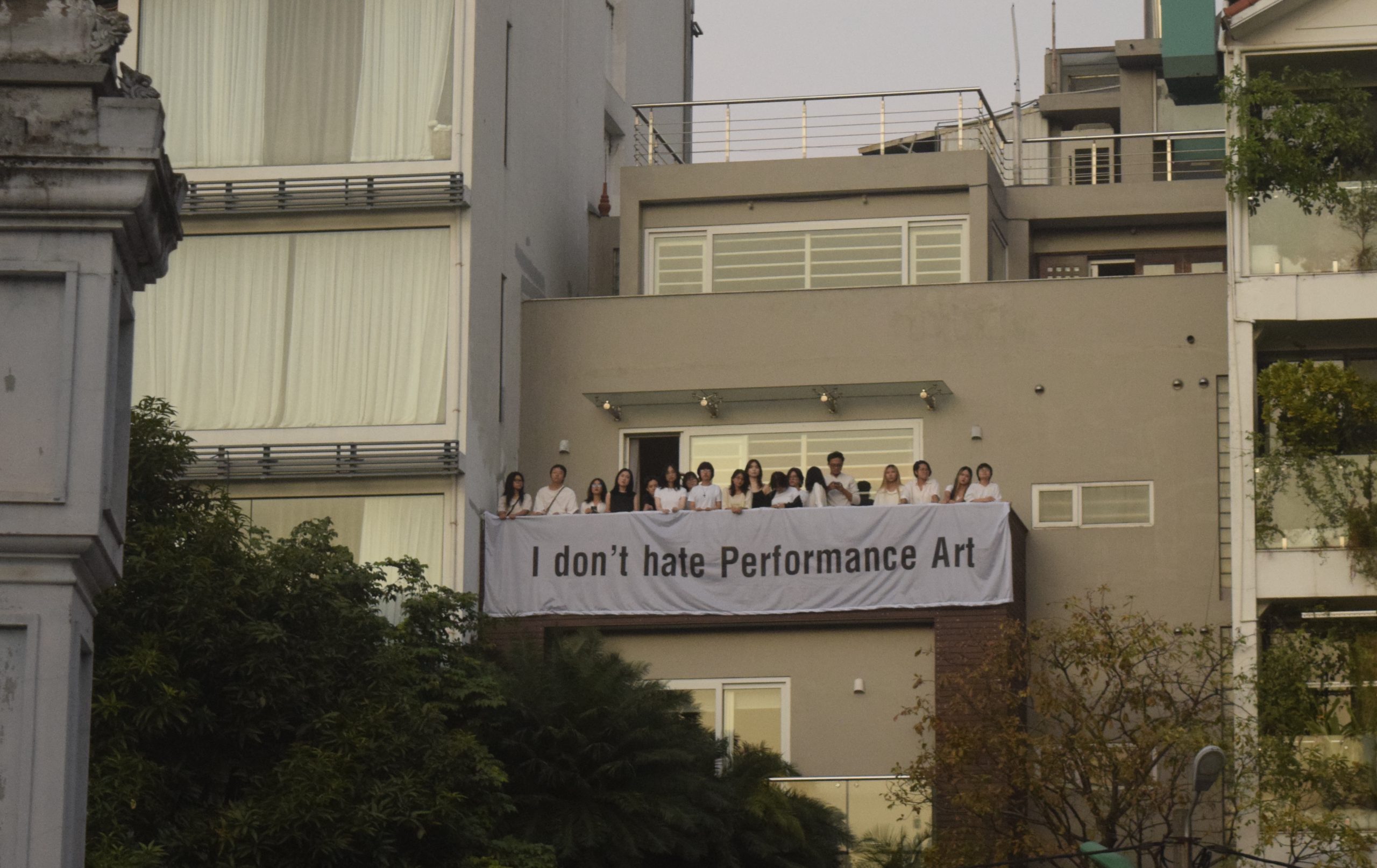
The traditional quest to identify a single dominant Asian art hub is being challenged by the organic growth of decentralized scenes in cities like Bangkok and Hanoi. While Hong Kong and Seoul remain established centers, private initiatives and artist-led projects in Thailand and Vietnam are building resilient, hybrid ecosystems that prioritize long-term structural depth over immediate auction results. From the opening of Dib Bangkok to experimental exhibitions in Hanoi, these cities are transitioning from peripheral status to significant cultural players through a mix of private museums, biennials, and non-profit platforms.

judy chicago google

Artist Judy Chicago recounts her frustrating experiences with public art commissions, focusing on a recent failed collaboration with Google for its Chicago headquarters at the Thompson Center. After being encouraged by her dealer to apply, Chicago was awarded a commission in fall 2025 to create a large terrazzo floor and a 17-story glass elevator shaft using her "Through the Flower" imagery. However, the project fell through after months of effort, mirroring earlier disappointments with the Beverly Hills Sculpture Park, where a city councilor questioned the value of her work, which Chicago attributes to institutionalized sexism.

how top curators spot the artists of tomorrow

Artnet News spoke to seven leading curators about how they identify emerging artists who will become the next big names. The curators, including Amy Smith-Stewart of The Aldrich Contemporary Art Museum and iLiana Fokianaki of Kunsthalle Bern, describe their methods: seeking artists who address erased histories, geopolitical contexts, and marginalized perspectives. The article also references a recent debate sparked by Dean Kissick's polemic 'The Painted Protest' in Harper's, which criticized contemporary art for being overly dictated by identity politics, a view countered by curators who affirm their commitment to socially engaged work.

ceramics artists

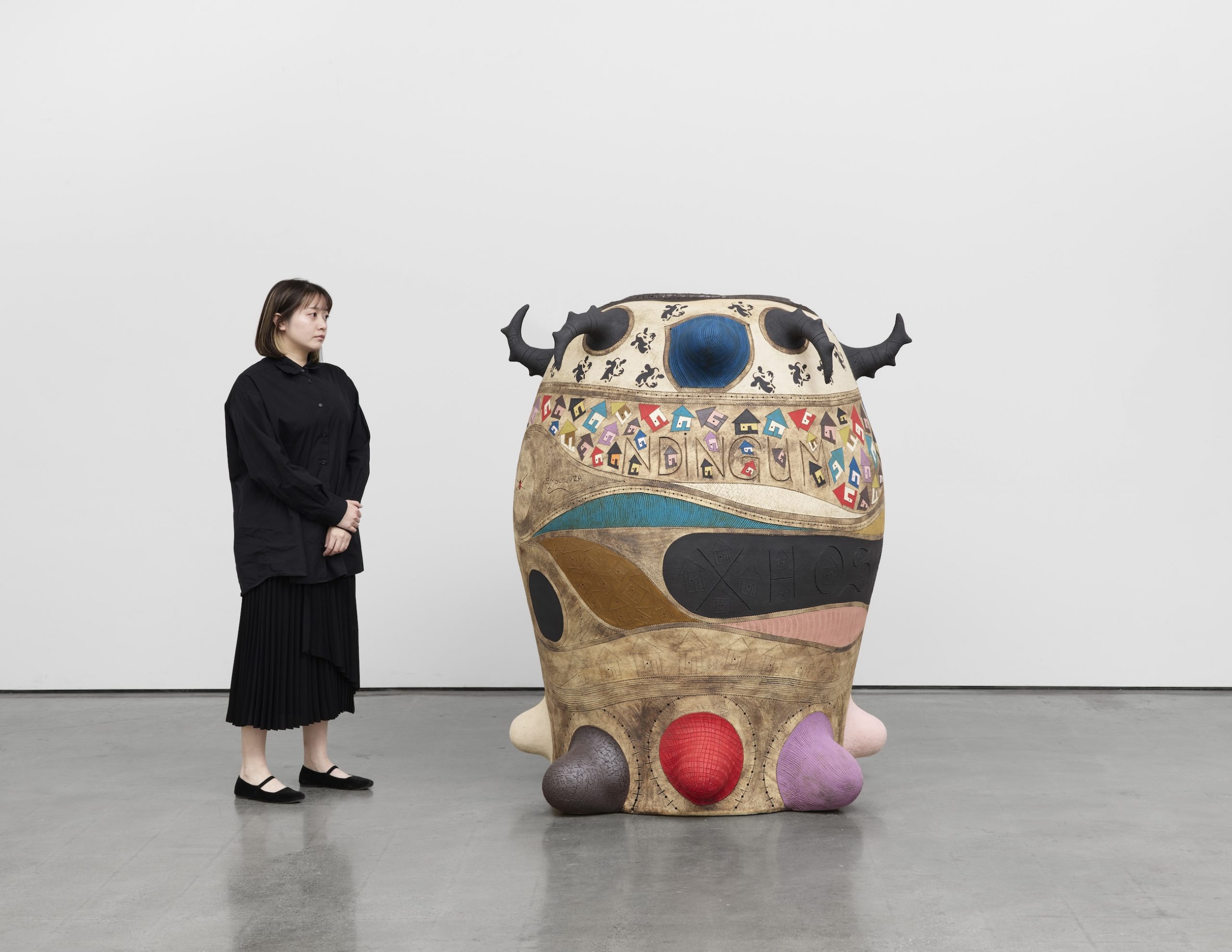
The article examines the resurgence of ceramics as a fine art medium, tracing its history from ancient Chinese and Greek pottery to the record-breaking $36 million sale of a Ming Dynasty chicken cup in 2014. It highlights influential figures like Peter Voulkos, who established ceramics departments at major institutions, and artists such as Ken Price, Ron Nagle, and Betty Woodman. Recent major museum exhibitions—including 'Strange Clay' at London’s Hayward Gallery, 'Funk You Too!' at New York’s Museum of Arts and Design, and 'Ceramics in the Expanded Field' at MASS MoCA—showcase a new generation of artists pushing the medium beyond traditional craft.

What’s the True State of Bangkok’s Art Ecosystem?

The article examines the current state of Bangkok's art scene, which is experiencing a surge of private investment and international attention. New institutions like UNITED Unlimited and Misiem's/bangkok are opening, and events like the Bangkok Art Biennale are gaining prominence, leading some international media to compare the city's potential to art hubs like Miami.

‘A gift that keeps on giving’: the witty world of Lee Friedlander – in pictures

The Guardian published a photo essay celebrating American photographer Lee Friedlander, featuring images from his career spanning the 1950s to the 2010s. The article highlights his new book "Life Still," published by Aperture, which collects over 130 photographs—most previously unpublished—showcasing his signature wit and his eye for the American social landscape, including chain link fences, roadside signs, and still lifes. The piece includes commentary from curator Peter Galassi and notes Friedlander's influences from Walker Evans and Robert Frank.

art always too late after avant garde

This article argues that the traditional view of art as a vanguard force predicting cultural change is outdated in the early 21st century. It contends that the rapid acceleration of mainstream culture, driven by social media and news cycles, makes it nearly impossible for traditional fine art media like painting and sculpture to stay ahead of the curve. The author suggests that forward-looking art now emerges from para-artistic digital practices such as AI experiments, Red Chip art, NFTs, memes, and TikTok lore, which often challenge conventional aesthetic and ethical standards. Citing Claire Bishop's 2024 book *Disordered Attention*, the piece notes that contemporary artworks tend to be symptomatic of larger conditions rather than anticipatory, and that artists like Artie Vierkant, Joshua Citarella, and Brad Troemel have pivoted from art-making to art-adjacent content creation.

swiss artist publisher childrens books rachel harrison

Rachel Harrison's recent exhibition "The Friedmann Equations" at Greene Naftali in New York was a highlight of 2025, featuring her signature brainy, oblique, and funny sculptures and drawings. The show included works alluding to Marcel Duchamp and his alter-ego Rrose Sélavy, as well as drawings riffing on Hans Holbein's portraits of Henry VIII and his court. During a visit to the gallery, Harrison's dealer Carol Greene handed the author a copy of Harrison's new children's book, "Hold Still, Henry!", which reproduces those Holbein-inspired drawings in a board-book format for young readers. The book is published by Rookie Books, a small press founded in 2022 by artist Camillo Paravicini of Basel, Switzerland, who has previously worked with artists like Monster Chetwynd, Martin Parr, and Nathalie Du Pasquier.

Can Art Feel?

Hyperallergic's newsletter explores the question of whether artworks can possess personhood, drawing on Lisa Siraganian's essay that references the 2010 Citizens United Supreme Court decision and Pierre Huyghe's uncanny human statues. Other featured pieces include Ed Simon's review of Elizabeth Goldring's new book on Hans Holbein the Younger, Michael Glover's introduction to George Stubbs's equine portraits at the National Gallery in London, and news of a historic $116M gift to the National Gallery of Art for an artwork lending program. The newsletter also covers Byron Kim's exhibition at James Cohan Gallery, the new V&A East museum in London, and obituaries for Desmond Morris, James Hayward, and Flo Oy Wong.

these trends defined art in 2025

Artnet News recaps the defining trends of 2025 in the art world, highlighting five key stories. These include the resurgence of elaborate frames in contemporary art ("Bordercore"), the rise of "red-chip art" favored by a new breed of flashy collectors, a "para-pastoral" movement that twists idyllic rural scenes into unsettling visions, and the growing popularity of small-scale paintings driven by intimacy and market shifts.

Rocked on their heels: how exhibitions can change the course of artists’ lives

Alyce Mahon's new book, *Dorothea Tanning: A Surrealist World*, explores how the 1936 MoMA exhibition *Fantastic Art, Dada, Surrealism* profoundly transformed the young artist Dorothea Tanning, who described being "rocked on my run-over heels" by the experience. The article also recounts similar life-changing exhibition encounters for contemporary artists Lorna Simpson and Hurvin Anderson, as discussed on *The Week in Art* and *A brush with…* podcasts, highlighting how specific shows shaped their artistic trajectories.

2025 Art21 at the Movies

2025 Art21 at the Movies

On October 8 and 10, 2025, Art21 hosted its second 'Art21 at the Movies' event in New York. The two-day program featured film premieres, artist talks, and screenings at venues including the Metrograph and the Museum of Modern Art. It highlighted artists from the 'Art in the Twenty-First Century' series and included discussions with filmmakers and curators.

hazel knapp

Hazel Knapp, a self-taught artist with Charcot-Marie-Tooth disease, painted Vermont landscapes from her wheelchair between the 1930s and 1940s, often with her mother Elsie by her side describing the terrain. Knapp exhibited at the 1939 Museum of Modern Art show alongside Grandma Moses and Morris Hirshfield, was profiled in Sidney Janis's book *They Taught Themselves*, and sold ten paintings to Gertrude Stein, who planned an unrealized Paris exhibition. Despite this promising start, Knapp fell into obscurity after her mother's death.

women who loved picasso book

A new book titled *Hidden Portraits: The Untold Stories of Six Women Who Loved Picasso* by Sue Roe (published by Faber and W.W. Norton) examines the lives of Picasso's six most significant partners: Fernande Olivier, Olga Khokhlova, Marie-Thérèse Walter, Dora Maar, Françoise Gilot, and Jacqueline Roque. The book challenges the narrative that these women were passive muses, instead revealing their personal ambitions and reasons for entering relationships with the artist, drawing on journals and historical context to present their perspectives.

art best most iconic photos of the 21st century

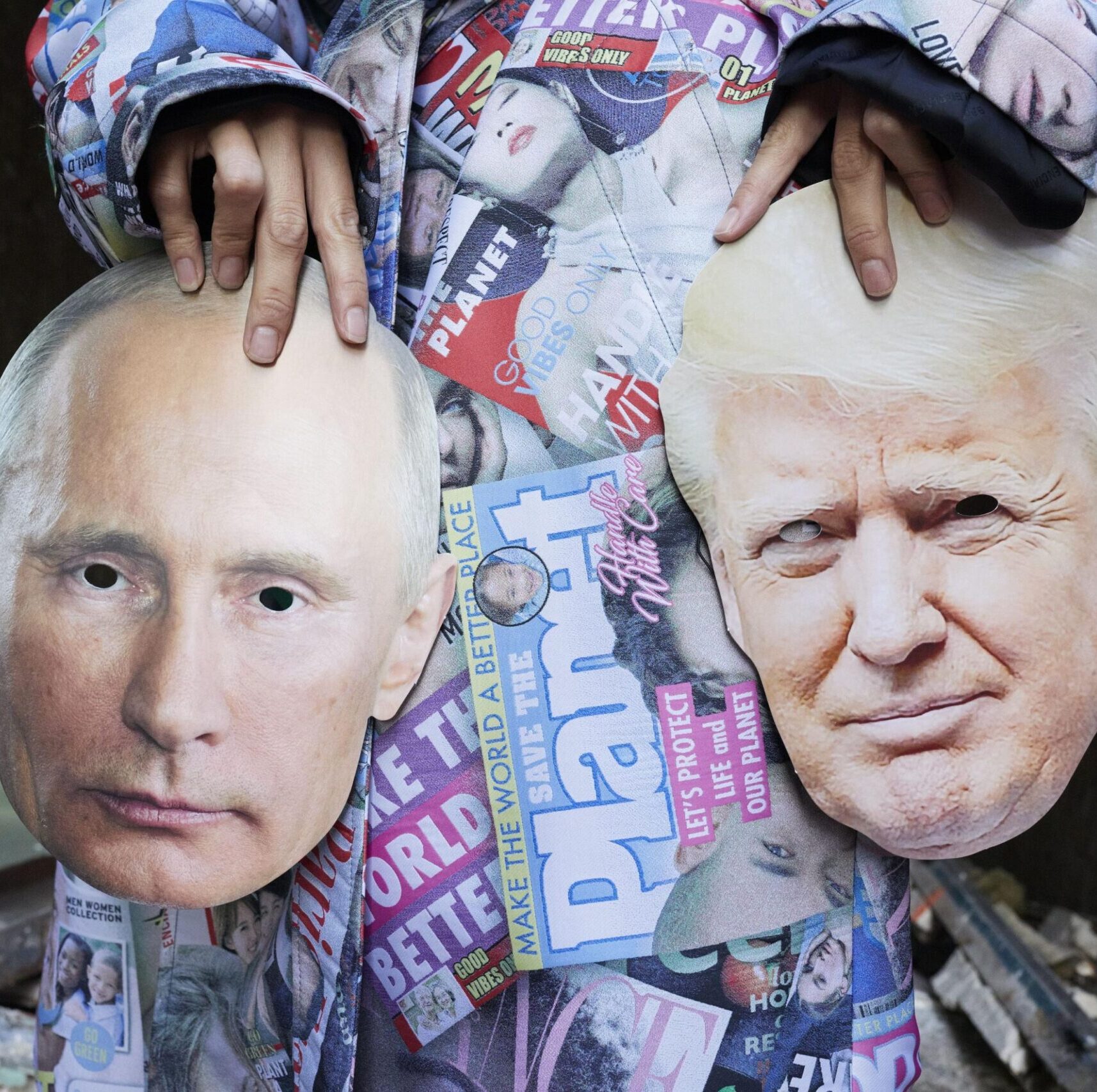
Cultured magazine asked 25 photographers to each select a single image for a time capsule representing the first quarter of the 21st century. The resulting portfolio includes works by Juergen Teller (a Balenciaga ad featuring Putin, Trump, and climate imagery), Sinna Nasseri (a cat amid a California wildfire), Naima Green (a domestic scene mediated by smartphones), Lele Saveri (a critique of property ownership), and Trevor Paglen (a CIA black site in Kabul), among others.

Two of Modernism’s Lesbian Icons Get the Novel Treatment

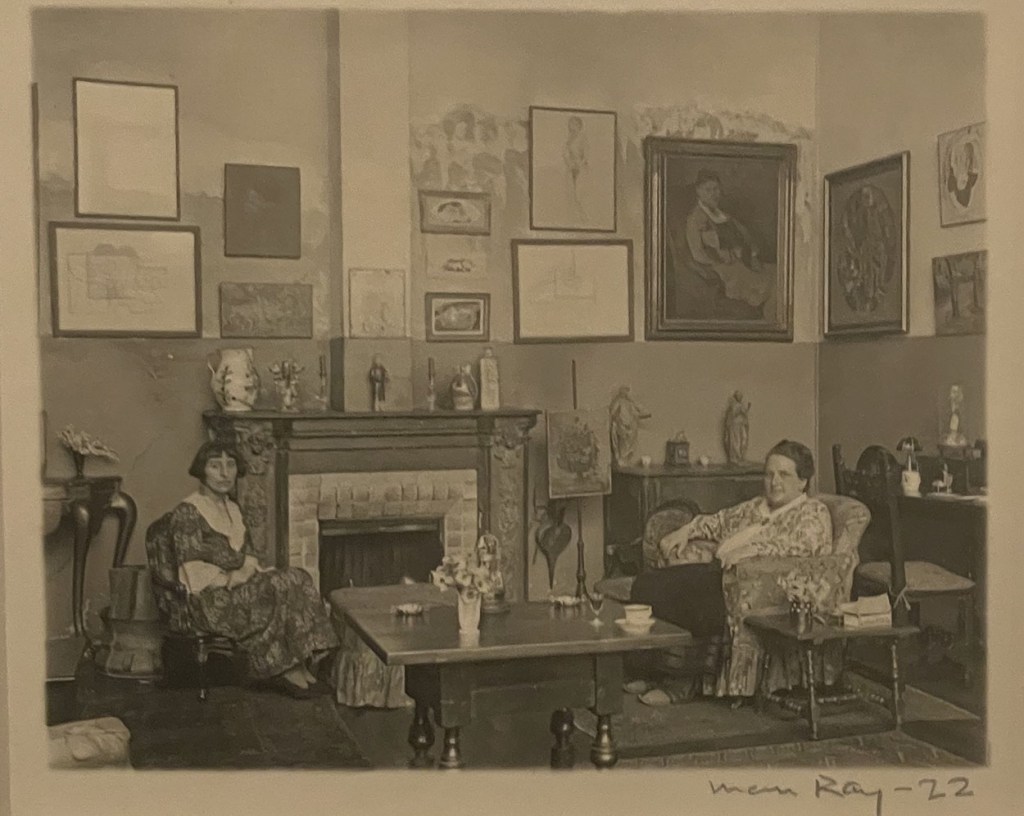
Deborah Levy's novel "My Year in Paris with Gertrude Stein" follows an unnamed narrator who travels to Paris to write an essay about Gertrude Stein, struggling with the weight of Stein's legacy while visiting her grave at Père Lachaise cemetery. The book explores Stein's life as a modernist icon, her relationship with Alice B. Toklas, and her role as a host to figures like Pablo Picasso and Ernest Hemingway, while the narrator grapples with Stein's defiant personality and literary style.

‘Depraved in all the right ways’: why forgotten no wave visionary Gordon Stevenson is about to take off

The article profiles Gordon Stevenson, a forgotten visionary of the no wave movement in late-1970s New York, who was an artist, jewelry designer, musician, and filmmaker best known for the notorious film *Ecstatic Stigmatic*. Decades after his death from AIDS, a storage unit full of his lost work has been discovered, including jewelry, mail-art collaborations with Ray Johnson, and clues to a surviving print of his film. His family has also recovered hundreds of letters he wrote to his parents, chronicling his life in downtown New York and his experiences as one of the city's first AIDS patients. The piece traces his journey from a small town in Georgia, where he met his wife Mirielle Cervenka (who later renamed Exene Cervenka), to their punk-era jewelry brand LHOOQ and his lasting influence on gothic fashion.

frida kahlo commercialization too far

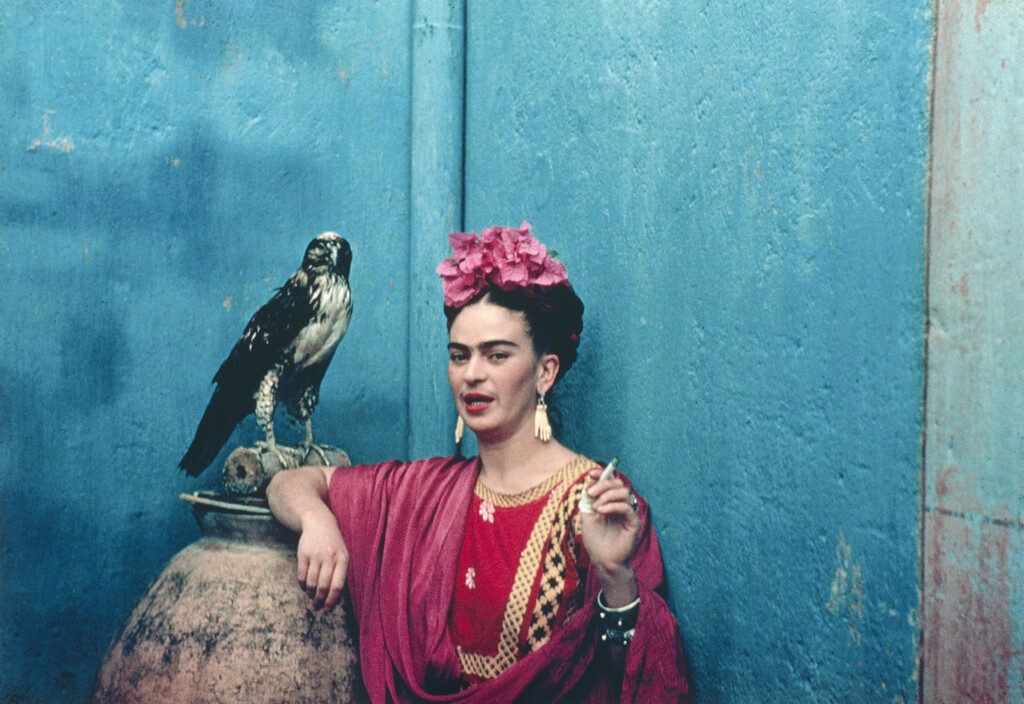
Frida Kahlo’s descendants are expressing growing concern over the hyper-commercialization of the artist’s image, which has expanded from museum walls to coffee mugs, dolls, and even a luxury apartment complex in Miami. Cristina Kahlo, the artist’s great-niece, warns that the proliferation of licensed merchandise by the Frida Kahlo Corporation (FKC) often distorts Kahlo’s legacy, reducing a complex painter to a shallow pop-culture brand. This family tension highlights a rift between those profiting from the trademark and those who believe the artist's historical significance is being eclipsed by 'Fridamania.'

year of the horse art history

The article highlights six iconic horse-themed artworks from across history and cultures to mark the Year of the Fire Horse in the East Asian zodiac. It features George Stubbs's "Whistlejacket," Han Gan's "Night-Shining White," and Frederic Remington's "The Broncho Buster," among others, detailing their artistic significance and historical contexts.

untangling the myths behind henri rousseau eccentric masterpiece

The article examines the history and critical reception of Henri Rousseau's 1897 painting *The Sleeping Gypsy*. It details the painting's creation, its initial exhibition at the Société des Artistes Indépendants, and its subsequent journey through the art market—from being lost and rediscovered at a coal dealer's to being sold by dealer Daniel-Henry Kahnweiler and collected by John Quinn, before ultimately entering the collection of The Museum of Modern Art in New York.

see super bowl heroes depicted in classical paintings

A Nobilified, a start-up that lets customers insert themselves into classic paintings for about $140, has created a series of artworks depicting Super Bowl heroes from the New England Patriots and Seattle Seahawks in historical masterpieces. Patriots quarterback Tom Brady appears as Prometheus (1868) by Gustave Moreau, tight end Rob Gronkowski as Abduction of Ganymede by Jupiter (ca. 1644) by Eustache Le Sueur, while Seahawks quarterback Russell Wilson is shown in Ideal portrait of a Spanish King (ca. 1643) by Alonso Cano, with other players featured in works by John Singleton Copley and Benjamin West.

suprising history behind whistlers mother

The article explores the enduring appeal of James McNeill Whistler's 1871 painting commonly known as "Whistler’s Mother," officially titled "Arrangement in Grey and Black, No.1." It recounts how the painting was acquired by the French state in 1891 and became the first American painting in the Louvre, now housed at the Musée d'Orsay. The piece also reveals little-known facts: the sitter's full name was Anna Matilda McNeill Whistler, who wore mourning clothes for 31 years after being widowed and moved in with her son in London, displacing his mistress. The article includes her recipe for a dessert called Floating Island and notes that Whistler incorporated his earlier etching "Black Lion Wharf" into the portrait.

curators reveal their favorite artworks of all time

Artnet News asked leading curators and museum directors to share their favorite artworks of all time. Connie Butler of MoMA PS1 chose David Hammons's "Bliz-aard Ball Sale" (1983), praising its connection from Duchamp to AI. Julieta Gonzalez of the Wexner Center selected Hans Holbein the Younger's "The Ambassadors" (1533), highlighting its anamorphic skull as a metaphor for viewing modernity from the margins. Madeleine Grynsztejn of MCA Chicago picked Francisco Goya's "A Pilgrimage to San Isidro" (1819–23) from his Black Paintings cycle, calling it a metaphor for fanaticism.

art pop culture crossover 2025

Artnet News recapped nine notable art and design crossovers in pop culture from 2025. These include a Renoir painting spotted in a Wes Anderson film, a John Everett Millais reference on a Taylor Swift album cover, and a Dieter Rams chair appearing in the TV show "Severance." The article also highlights painter Ronan Day-Lewis bringing his visual world to film with his debut "Anemone," Spike Lee incorporating his art collection into the film "Highest 2 Lowest," and Frank Lloyd Wright's Oak Park home being featured on the TV series "The Bear."

burton the meeting on the turret stairs

The article explores Frederic William Burton's iconic Victorian watercolor *Hellelil and Hildebrand, the Meeting on the Turret Stairs* (1864), held at the National Gallery of Ireland. It recounts the tragic medieval Danish ballad that inspired the painting, in which the noblewoman Hellelil and her guard Heldebrand are doomed lovers. Burton, an Irish painter influenced by the Pre-Raphaelite Brotherhood, worked exclusively in watercolor and gouache, making this delicate piece a technical marvel. The museum displays it only one hour twice weekly to protect it from light damage.

hans holbein tudor legacy

A new biography by art historian Elizabeth Goldring, titled "Holbein: Renaissance Master," traces the journey of German painter Hans Holbein the Younger from his humble beginnings in Augsburg to becoming the official painter of King Henry VIII in Tudor England. The book, already released in the U.K. and hitting U.S. bookshops on January 6, examines how Holbein's portraits—including the iconic image of Henry VIII and rival courtiers Thomas More and Thomas Cromwell—defined the visual legacy of the Tudor dynasty. Goldring highlights Holbein's ability to confer power through paint, with his works still shaping global perceptions of the Tudors centuries later.