filter_list Showing 36 results for "BOD" close Clear
dashboard All 456 museum exhibitions 303article culture 36article news 27article local 26person people 21rate_review review 18candle obituary 12trending_up market 6article policy 5article event 1gavel restitution 1
date_range Range Today This Week This Month All
Subscribe

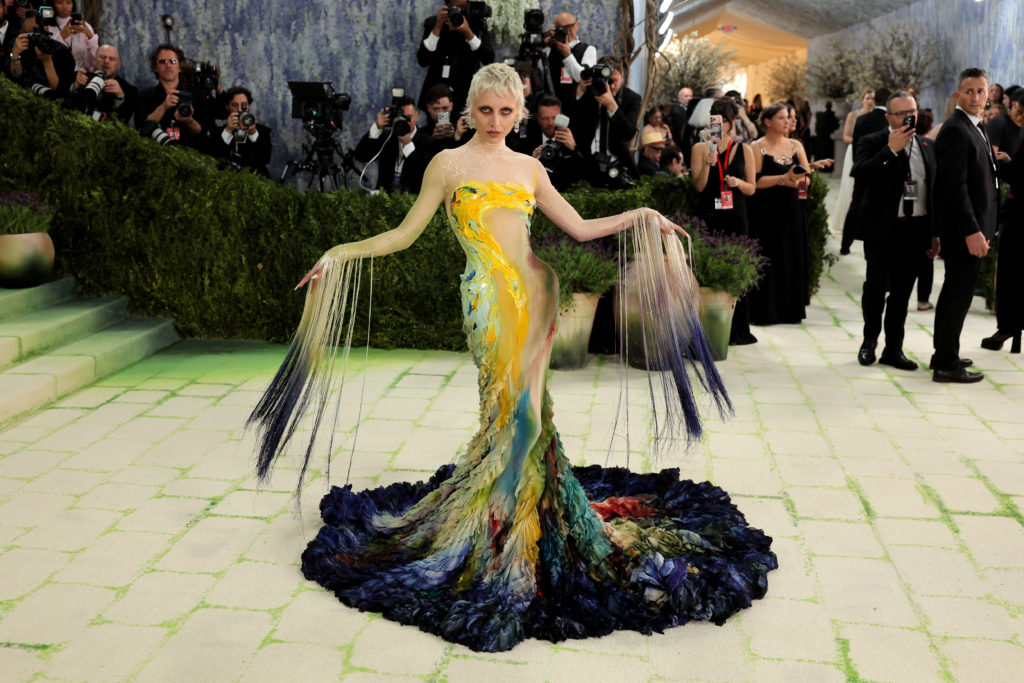
Here’s How Stars at the 2026 Met Gala Nodded to Art History

The 2026 Met Gala, themed "Fashion Is Art," saw celebrities and fashion figures wearing outfits directly inspired by or referencing iconic artworks and art historical movements. Notable nods included Chloe Malle in a gown referencing Frederic Leighton's *Flaming June*, Lauren Sánchez Bezos in a Schiaparelli dress echoing John Singer Sargent's *Madame X*, and Hunter Schafer channeling Gustav Klimt's portrait *Mäda Primavesi*. Other attendees like Anne Hathaway, Hailey Bieber, and Karan Johar also drew from specific paintings, sculptures, and poems, while stylist Law Roach wore a hand-painted piece by Gabonese artist Naïla Opiangah.

The Defining Themes of Today’s Biennial Art

The article analyzes the defining themes and styles of the past four years in the international biennial circuit, based on a survey of 130 biennials. It identifies a core group of artists who appeared most frequently, including Ali Eyal, Apichatpong Weerasethakul, Carolina Caycedo, Kapwani Kiwanga, and Tuan Andrew Nguyen, among others. Many of these artists are also featured in the upcoming 61st Venice Biennale curated by the late Koyo Kouoh. The piece categorizes their work under two broad themes: "Post-Colonial Post-Conceptualism," which involves poetic engagement with colonial history and artifacts, and "Families and Networks," where artists explore personal and political family histories.

Amy Sherald Dresses As Her Own Award-Winning Painting for Met Gala

Amy Sherald attended the 2025 Met Gala dressed as the subject of her own award-winning painting, *Miss Everything (Unsuppressed Deliverance)* (2014). The work, which won the Outwin Boochever Prize at the National Portrait Gallery and appeared on a *New Yorker* cover, depicts a young girl holding an oversized teacup. Sherald collaborated with designer Thom Browne to recreate the painting's look, including a red fascinator, as part of the gala's theme “Fashion Is Art,” which also aligns with the Costume Institute's exhibition “Costume Art.” Sherald served on the gala's committee alongside artists Anna Weyant and Tschabalala Self.

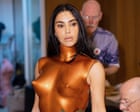
Soft armour, pert nipples: how London design team made Kim Kardashian’s Met Gala breastplate

Kim Kardashian wore an orange fibreglass breastplate to the 2024 Met Gala, created by the east London design duo Whitaker Malem (Patrick Whitaker and Keir Malem) in collaboration with British pop artist Allen Jones. The breastplate was cast from a mould derived from Jones's 1969 sculpture "Hatstand," finished by car bodyshop MPS Body and Paint in Kent, and paired with a hand-painted leather skirt. Kardashian directly contacted the duo in early April, flew to the UK for fittings, and chose the piece to interpret the gala's "fashion is art" dress code, which explored the dressed and undressed human body.

7 Books We’re Looking Forward to in May

ARTnews has published a list of seven art books to look forward to in May 2026, covering a wide range of topics from contemporary theory and AI imagery to historical biographies and the Venice Biennale. Featured titles include Dena Yago's collected writings 'That Figures,' Victoria Johnson's biography of Frederic Church 'Glorious Country,' Trevor Paglen's 'How to See Like a Machine,' Nicholas Fox Weber's 'Anni Albers: A Life,' Massimiliano Gioni's 'High Waters: An Oral History of the Venice Biennale,' Rennie McDougall's 'Nonstop Bodies: How Dance Shaped New York City,' and Paul Elie's 'Last Supper: Art, Faith, Sex and Controversy in the 1980s.'

13 Nudes That Changed Western Art History

The article presents a curated list of 13 seminal Western artworks featuring the nude form, highlighting how each piece shifted artistic conventions and cultural perceptions. It begins with the Paleolithic Venus of Willendorf and moves chronologically through works by artists including Sandro Botticelli, Leonardo da Vinci, Lavinia Fontana, and Édouard Manet, analyzing their groundbreaking approaches to depicting the human body.

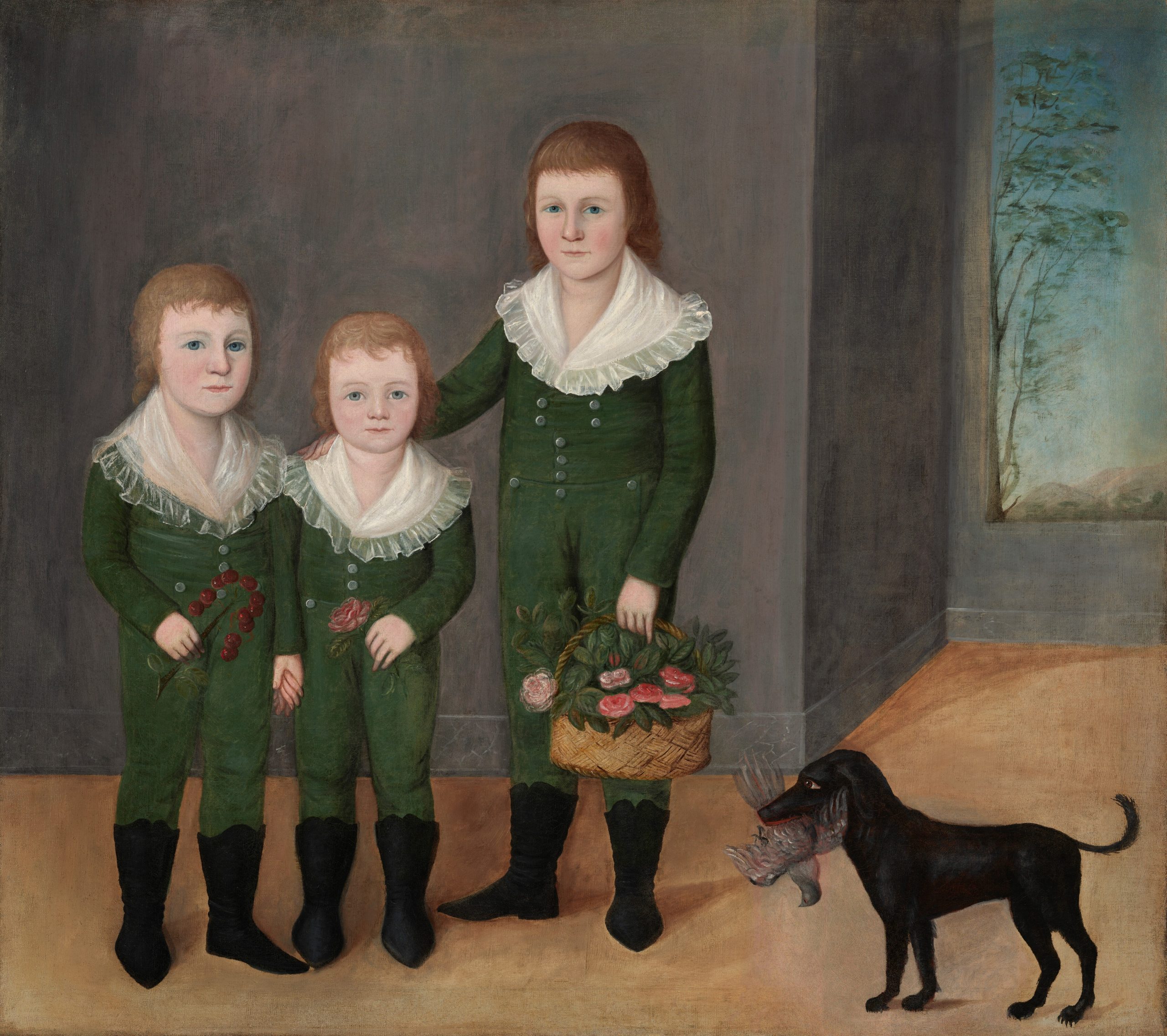
joshua johnson 2745691

Joshua Johnson, born into slavery in Maryland around 1763, emerged in the late 18th century as the first documented Black professional artist in the United States. After gaining his freedom in 1782, Johnson established himself in Baltimore as a self-taught portraitist, advertising his services in local newspapers and catering to the city's prominent families. His body of work, consisting of approximately 83 attributed paintings, is characterized by a distinct flatness and three-quarter profile compositions typical of early American folk art.

Expanded Vocabulary: Revisiting Deborah Kass’ Studio

The article recounts the author's visit to Deborah Kass's Brooklyn studio, which she shares with her wife, artist Patricia Cronin. The visit was prompted by logistical issues related to the author's exhibition "Social Minimalism" (2025). During the visit, the author and Kass revisited themes central to Kass's work over three decades: the exclusion of women from art history, Jewish identity, queer voice, lesbian subjectivity, and postwar American art. The conversation also touched on Kass's series including the Warhol Project, Feel Good Paintings, No Kidding, and the large painting/sculpture installation "Everybody" (2019), which was recently featured in a conversation between Kass and Titus Kaphar in Interview magazine.

The Future of Museums Is a Dance Floor

Museums and art institutions are increasingly incorporating nightlife and rave culture into their programming, treating the dance floor as a site of cultural and political significance. Exhibitions like Steve McQueen's 2024 Dia Beacon show, the 2018 'Elements of Vogue' in Madrid, the Swiss National Museum's 2025 'Techno' exhibition, and the author's own 2025 curatorial project 'Rave into the Future: Art in Motion' at the Asian Art Museum demonstrate this institutional turn.

The Best and Worst of the Stars at the 2026 Met Gala Inspired by Art History

Le meilleur et le pire des stars au Met Gala 2026 inspiré par l’histoire de l’art

On May 4, 2026, the Met Gala brought together 450 guests at the Metropolitan Museum of Art in New York under the theme "Fashion is Art," tied to the exhibition "Costume Art." Attendees were asked to draw inspiration from specific artworks, resulting in standout looks: Madonna channeled Leonora Carrington's "The Temptation of Saint Anthony" (1945) in a Saint Laurent gown, Kim Kardashian wore a custom piece by Allen Jones extending his "Cover Story 4/4" (2021), Hunter Schafer embodied Gustav Klimt's portrait "Mäda Primavesi" (1912-1913) in Prada, and Tessa Thompson referenced Yves Klein's "Anthropométries" in Valentino. Gracie Abrams also paid homage to Klimt's "The Kiss."

Met Gala guests from Beyoncé to Nicole Kidman set to flaunt fashion as art

The article previews the 2025 Met Gala, where celebrities including Beyoncé, Nicole Kidman, and Venus Williams will ascend the Metropolitan Museum of Art's steps dressed according to the dress code "Fashion is art." The event, which raises funds for the museum's Costume Institute, encourages guests to treat fashion as an embodied art form, drawing on historical collaborations between designers and artists—such as Elsa Schiaparelli with Salvador Dalí, Yves Saint Laurent with Piet Mondrian, and Marc Jacobs with Takashi Murakami. The red carpet will be livestreamed by Vogue and the Associated Press.

How to watch the 'Costume Art' Met Gala red carpet

The 2026 Met Gala, held on May 4 at the Metropolitan Museum of Art in New York, featured a dress code titled 'Costume Art' that explicitly frames fashion as an embodied art form. Celebrities including Beyoncé, Nicole Kidman, and Venus Williams ascended the museum's steps wearing archival fashion pieces and custom creations, with references to artistic collaborations such as Elsa Schiaparelli and Salvador Dalí's lobster dress, Yves Saint Laurent's Mondrian-inspired designs, and Marc Jacobs' work with Takashi Murakami. The event raises funds for the museum's Costume Institute, whose spring exhibition 'Costume Art' examines the centrality of the dressed body.

GEORGE FEBRES: TRANSLATION, IRONY, AND LIBERATION. AN ECUADORIAN ARTIST IN THE DIASPORA

The article examines the life and work of George Febres (1943–1996), an Ecuadorian artist who spent most of his career in the United States, primarily in New Orleans. Febres’s practice blends Pop Art, Neo-Surrealism, and Southern US culture with his experiences as a migrant and queer subject, using bilingualism and ironic tropical imagery to create a hybrid, irreverent body of work. Despite his significance, no works by Febres exist in Ecuadorian public collections, and no major retrospective has been held in his home country, reflecting a broader erasure of queer narratives from national art history.

GEORGE FEBRES: TRADUCCIÓN, IRONÍA Y LIBERACIÓN. UN ARTISTA ECUATORIANO EN LA DIÁSPORA

George Febres (Guayaquil, 1943 – New Orleans, 1996) was an Ecuadorian artist whose work blended pop art, neo-surrealism, and Southern U.S. culture, shaped by his experience as a migrant and queer individual. The article traces his life from a privileged but unstable childhood in Ecuador to his migration to the United States, where he was drafted during the Vietnam War and eventually settled in New Orleans. Febres used bilingualism and ironic appropriation of tropical imagery to create a hybrid, irreverent body of work that challenges the official historiography of Ecuadorian art.

The glories of Francisco de Zurbarán’s paintings | Letters

Two letters to the editor respond to Charlotte Higgins's article on Francisco de Zurbarán. Paul McGilchrist critiques the physical inaccuracy of crucifixion depictions, including Zurbarán's *The Crucified Christ*, noting that most paintings fail to convey the true weight and distortion of a body suspended by nails. Jean Wilson highlights Zurbarán's series *Jacob and his 12 Sons* at Auckland Palace in Bishop Auckland, describing its history since 1756 and its connection to Bishop Trevor's support for Jewish rights.

Women behind the lens: ‘After state massacres, I began burning the prints as an act of mourning’

Iranian-Canadian visual journalist and artist Parisa Azadi describes her process of creating protest photographs during the 2022 Iranian revolution from exile in Dubai. Unable to return to Iran, she used open-source protest footage from social media, isolating frames and printing them with a Fujifilm instax camera to transform ephemeral digital images into physical objects. In January 2026, after state massacres and executions, she began burning these prints as an act of mourning, scarring their surfaces to echo the violence they depict.

8 Art Films Worth Watching in May

8 Kunstfilme, die sich im Mai lohnen

Monopol magazine presents eight art films worth streaming in May, including a documentary featuring 40,000 slides from critic Jerry Saltz capturing the 1990s New York art scene, Shirin Neshat's film "Women Without Men" about women in 1953 Tehran, Christian Petzold's new film "Miroirs No. 3," and a documentary on the Shroud of Turin. The roundup also includes a politically charged drama directed by Yael Bartana and a Dada-metal film, offering a diverse selection of art-related cinema.

This Years Met Gala Felt More Like an Art Exhibition Than a Red Carpet

The 2026 Met Gala, held on May 4 at the Metropolitan Museum of Art in New York, was widely described as feeling more like an art exhibition than a traditional red carpet. The theme, "Costume Art," with the dress code "Fashion Is Art," encouraged celebrities to treat their bodies as canvases. Beyoncé made a highly anticipated return after a decade, serving as a co-chair alongside Nicole Kidman, Venus Williams, and Anna Wintour. Beyoncé wore a sculptural skeleton-inspired design by Olivier Rousteing, while Kiddon wore a shimmering red Chanel gown and Williams donned a Swarovski crystal gown inspired by her Smithsonian portrait. Other notable looks included Sabrina Carpenter in a Dior dress made from vintage film strips, Kendall Jenner referencing classical sculpture, Madonna channeling surrealist painter Leonora Carrington, and Heidi Klum arriving as a marble statue. Inside, live performances by Sabrina Carpenter and Stevie Nicks added to the spectacle.

The best looks from the 2026 Met Gala

The 2026 Met Gala, themed 'Costume Art,' took place at the Metropolitan Museum of Art, honoring the Costume Institute's spring exhibition on the role of the dressed body in art history. Co-chaired by Nicole Kidman, Venus Williams, Anna Wintour, and Beyoncé, the event featured A-list celebrities, pop stars, and tech titans on the museum's grand staircase, with a dress code of 'Fashion Is Art' encouraging guests to treat the body as a canvas. Notable attendees included Sabrina Carpenter, Doechii, Rosé, Gigi Hadid, Katy Perry, and Charli XCX, with many wearing custom designs from houses like Marc Jacobs, Saint Laurent, Thom Browne, and Jean Paul Gaultier.

At the 2026 Met Gala, Black stars and socialites turned the human form into art

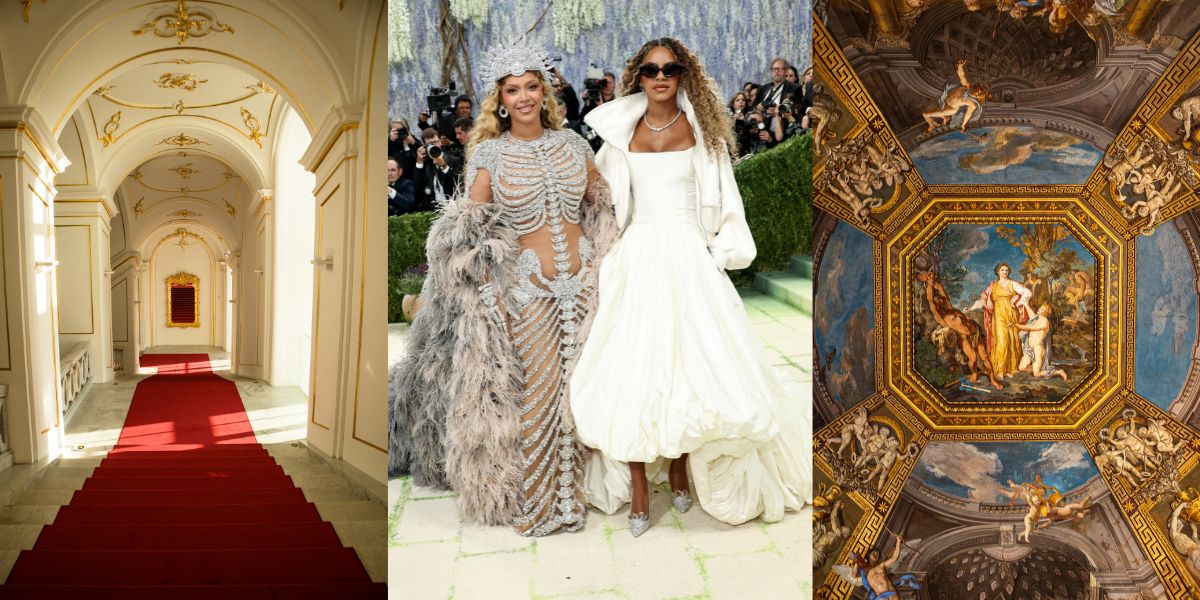
The 2026 Met Gala, held at the Metropolitan Museum of Art under the theme 'Costume Art,' featured Black celebrities and socialites interpreting the human form as art on the red carpet. Notable attendees included Beyoncé in a skeletal silver gown by Olivier Rousteing, Colman Domingo inspired by Jean-Michel Basquiat, Rihanna in a custom Maison Margiela 'living sculpture' by Glenn Martens, and Venus Williams co-chairing the event while wearing a look referencing her own portrait by Robert Pruitt. Others like SZA, Tschabalala Self, and Cardi B offered surreal or literal nods to art history and body imagery.

The Artists Who Put Their Bodies Into the Work

This article from Google News, dated May 3, 2026, profiles a selection of artists who have used their own bodies as central elements in their work. It draws a connection to the Metropolitan Museum of Art's spring Costume Institute exhibition, "Costume Art," which places fashion in dialogue with other artworks. The roundup includes Marina Abramović, known for her 2010 MoMA performance "The Artist Is Present"; Chris Burden, who staged dangerous works like "Shoot" (1971); David Hammons, creator of the "Body Prints" series; Frida Kahlo, whose painting "The Broken Column" (1944) depicts her own physical pain; Ana Mendieta, whose "Silueta" series used her figure in the landscape; and Yoko Ono, a conceptual artist with a significant body-based practice.

WHEN FASHION MEETS ART QUOTES BODIES AND POWER AT THE MET GALA

The 2026 Met Gala took place on the first Monday of May, opening the Costume Institute's spring exhibition 'Costume Art' at the Metropolitan Museum of Art. The dress code 'Fashion is Art' prompted celebrities to treat the body as a canvas, with attendees like Hunter Schafer, Madonna, Rachel Zegler, Angela Bassett, Kendall Jenner, Troye Sivan, and Emma Chamberlain referencing specific artworks—from Gustav Klimt's *Mada Primavesi* to the *Winged Victory of Samothrace*—and historical fashion pieces.

Bodies in Motion, Bodies at Rest: Ali Cherri in Conversation with Kaelen Wilson-Goldie

This article presents a conversation between artist Ali Cherri and writer Kaelen Wilson-Goldie, marking the second installment of a collaborative series between TextWork by Fondation Pernod Ricard and Mousse Magazine. The series features in-depth dialogues between artists from the TextWork program and magazine contributors, expanding on the traditional interview format, and is set to continue until 2027.

Group "New Generation" Plans "Art Protest" on Wednesday

Gruppe "Neue Generation" plant "Kunstprotest" am Mittwoch

The activist group "Neue Generation" has announced a week of protests in Berlin under the theme "Revolution Days," promising creative and artistically designed actions. Their activities began with a "protest dance" on the steps of the Reichstag building, leading to three participants being investigated for trespassing. The group has scheduled a "Kunstprotest" (art protest) for Wednesday and a "revolutions attempt in the government district" for Thursday.

Contrast Reigns in Austn Fischer’s Conspicuous Black-and-White Photos

Austn Fischer, a Wisconsin-born, London-based photographer, creates black-and-white images that explore fashion as performance and identity. His work features striking contrasts, such as lace ruffs paired with athletic wear, and he has collaborated with clients like The New Statesman and Crack Magazine, photographing subjects including Ai Weiwei and David Byrne. Fischer describes his process as working backwards, arranging scenes intuitively and later reflecting on their personal significance, especially regarding his sexuality and masculinity.

How super-skinny red carpet trend at Met Gala clashes with own its body-positive Costume Art show

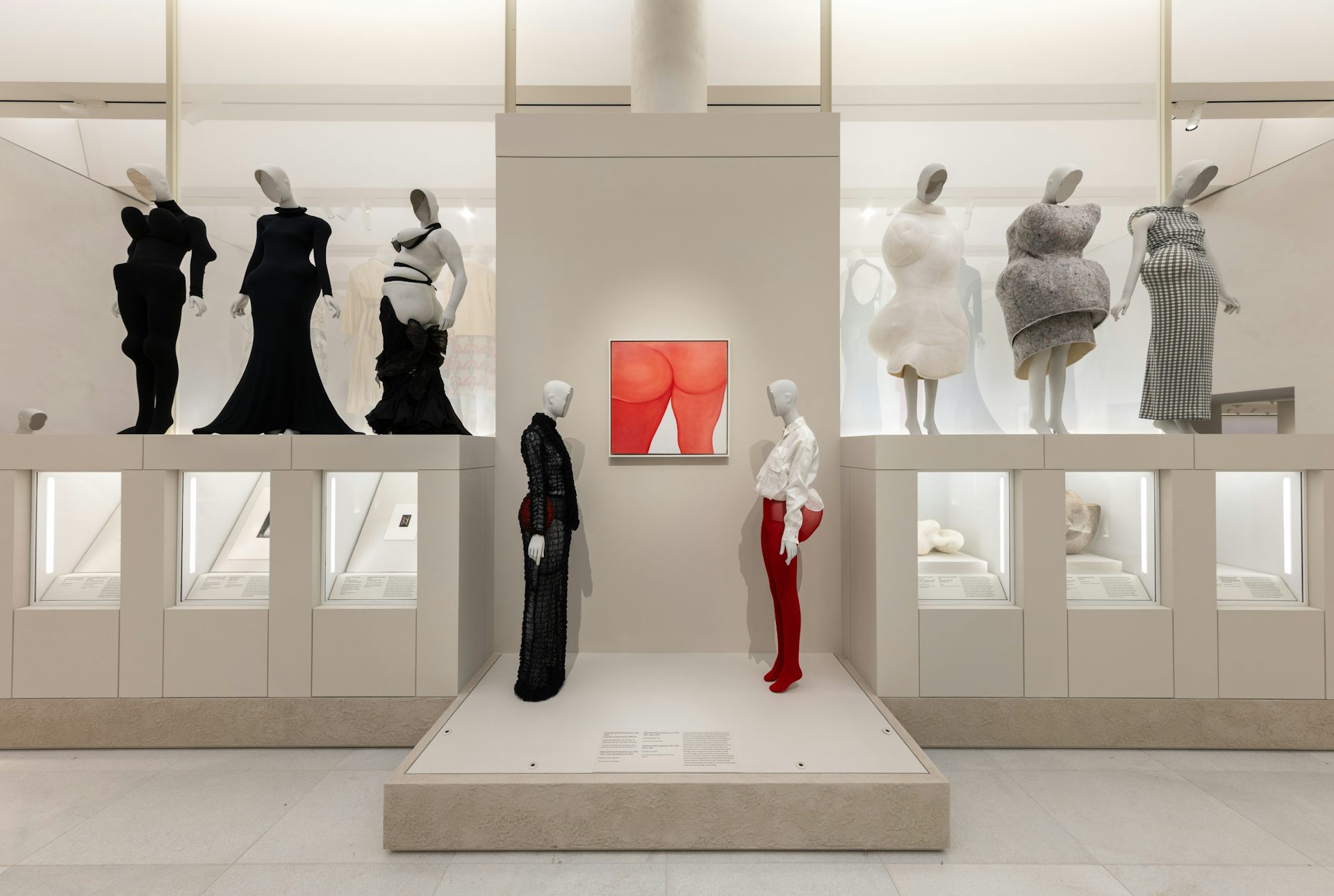
The Met Gala, organized by Vogue and themed around "costume art," was accompanied by an exhibition of the same name at New York's Metropolitan Museum of Art opening May 10, focusing on the dressed body. While the exhibition has been praised for using inclusive mannequins representing diverse body types—including variously abled, fat, thin, and pregnant forms—the red carpet was criticized for its overwhelming thinness and the involvement of honorary chairs Jeff Bezos and Lauren Sánchez Bezos, who reportedly sponsored the event for $10 million, sparking boycott calls. Fashion commentators like Diet Prada noted the Gala was more poorly received than ever, with some celebrities absent.

Met Gala 2026: Everything to Know About the Theme, Co-Chairs, Dress Code and More

The 2026 Met Gala will take place on May 4 at the Metropolitan Museum of Art in New York City, with the theme "Costume Art" and a dress code of "Fashion Is Art." The event honors the spring 2026 exhibition of the same name, which inaugurates the Costume Institute's first permanent galleries, the nearly 12,000-square-foot Condé M. Nast Galleries. Co-chairs include Beyoncé, Nicole Kidman, Venus Williams, and Anna Wintour. The red carpet livestream will be hosted by Ashley Graham, La La Anthony, Cara Delevingne, and Emma Chamberlain on Vogue's digital platforms.

Karmic Modernism. In Conversation with Elizabeth Englander by Nick Irvin

Elizabeth Englander, an artist working primarily in assemblage with materials like children's furniture, nutcrackers, and old clothing, discusses her recent exhibitions and spiritual approach to art in an interview with Nick Irvin for Flash Art. The conversation covers her show "The Elizabethan Lumber Room" (2026) at a. SQUIRE in London, the modular barrister's bookcase inherited from her mother, and her "Parinirvana" series (2025) that explores themes of death and sacred art through papier-mâché, paint, and mylar. Englander also references influences such as Constantin Brâncuși, her graduate advisor Tom Weaver, and Erwin Panofsky's writings on tomb sculpture.

Hilma af Klint en 2 minutes

Hilma af Klint (1862–1944) is profiled as a pioneering Swedish abstract artist who created a vast body of visionary, large-scale abstract paintings decades before Kandinsky, yet kept them secret during her lifetime. The article traces her life from a childhood steeped in science and nature, through her studies at the Royal Academy of Fine Arts in Stockholm, to her dual artistic practice: conventional landscapes and portraits for income, and radically abstract works guided by spiritualist séances and theosophical beliefs. She founded the group "The Five" with fellow female artists, and from 1906 onward produced the monumental series "Paintings for the Temple" (193 works), convinced she was channeling a higher force. She stipulated in her will that her abstract works not be revealed until 20 years after her death, and they were only rediscovered in the late 1960s.

No One Understood the 2026 Met Gala Theme Quite Like Bad Bunny

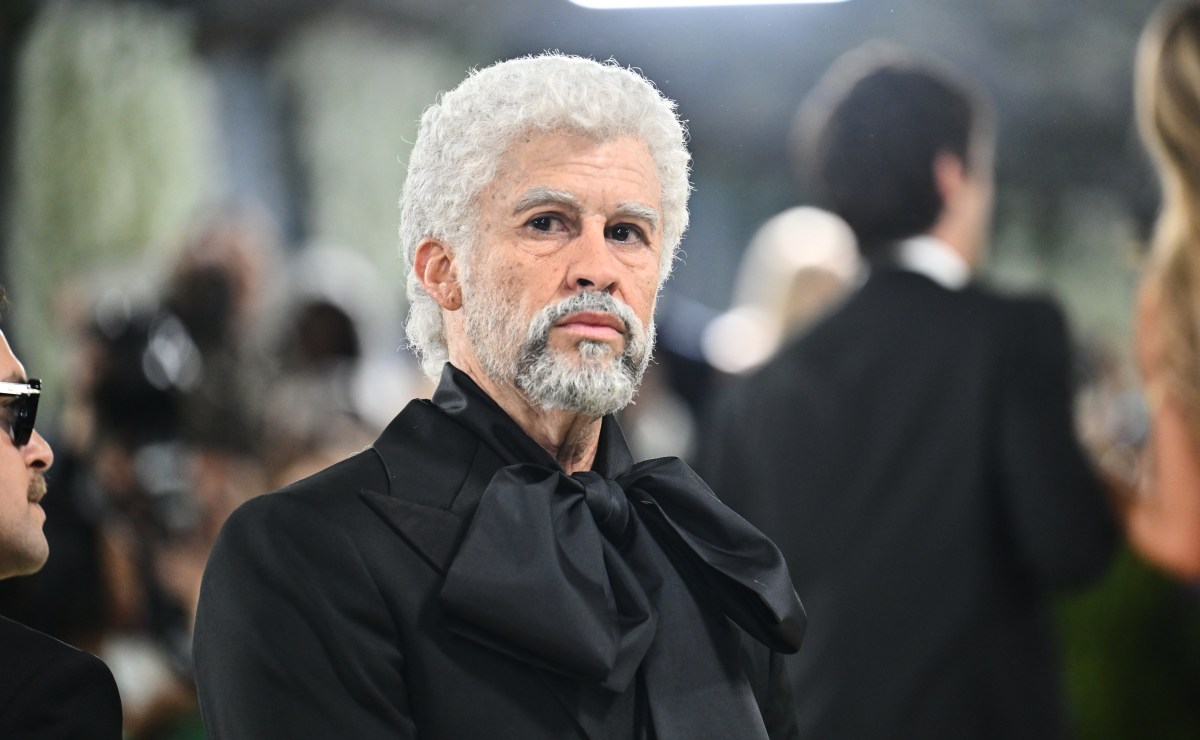
At the 2026 Met Gala, Puerto Rican superstar Bad Bunny arrived in a transformative look that made him nearly unrecognizable. He wore a black pussy-bow blouse, wrap blazer, and trousers, with prosthetics and makeup by Mike Marin turning him into an old man, accessorized with a cane. The gala's theme, inspired by the Metropolitan Museum of Art's 'Costume as Art' exhibition, had a dress code of 'Fashion is Art,' and Bad Bunny's choice specifically highlighted the aging body, aligning with the exhibition's focus on the body at all stages.