filter_list Showing 21 results for "BOD" close Clear
search
dashboard All 469 museum exhibitions 330article culture 45article local 23rate_review review 21candle obituary 21article news 12person people 10trending_up market 5article policy 2
date_range Range Today This Week This Month All
Subscribe

What ‘Costume Art’ Gets Wrong About the Body

The Metropolitan Museum of Art's Costume Institute spring exhibition, featuring nearly 400 objects, pairs garments and ensembles with Western figurative artworks from the museum's permanent collection in dyadic, associative displays. The show eschews traditional art-historical timelines and context in favor of visual and thematic parallels—comparing, for example, Rudi Gernreich's Pubikini with an Egyptian statuette, or Ying Gao's sound-responsive dress with a David Hockney drawing. The exhibition is sponsored by Jeff and Lauren Sánchez Bezos.
Diedrick Brackens’s Tapestries Beckon the Light of Freedom

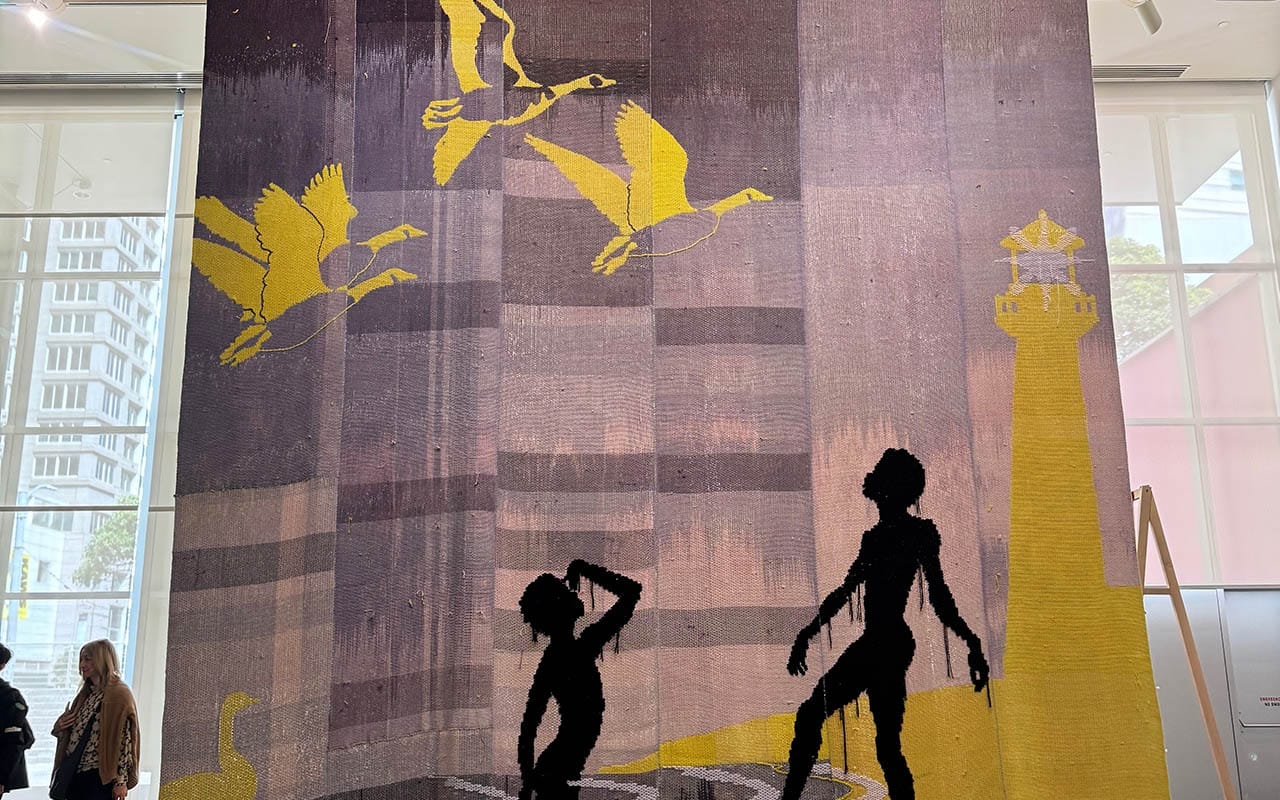
Diedrick Brackens presents his first solo exhibition in the Bay Area, "gather tender night," at Yerba Buena Center for the Arts in San Francisco. Guest-curated by Eungie Joo, the show features 15 tapestries from 2020 onward and three new works from 2026, including the immersive installation "clearing (2026)." Brackens, a Black queer artist and CCA professor, uses hand-dyed cotton and acrylic yarn to weave narratives of personal memory, myth, and the natural world, drawing from West African weaving, California fiber art, European tapestry, and Gee's Bend quilting. His approach, influenced by the "sloppy craft" ethos of his mentor Josh Faught, embraces unfinished edges and visible process as acts of refusal against polished traditions.

Marianna Simnett’s Furry Friends

Marianna Simnett’s exhibition at Société, Berlin, features a provocative mix of film, painting, and sculpture that revels in grotesque, erotic, and fantastical transformations. Works like *Hyena and Swan in the Midst of Sexual Congress* (2019) and the films *Leda was a Swan* (2025) and *Blue Moon* (2022) reimagine classical myths and fairy tales through a feminist, body-horror lens, using AI-assisted visuals and stop-motion to explore themes of animality, abjection, and pleasure. The show includes taxidermy-inspired animations, BDSM-inflected live-action shorts, and sculptures that ensnare human figures in animal forms.

Sophia Rivera’s Mythology of Everyday New York

The article reviews "Sophie Rivera: Double Exposures" at El Museo del Barrio, the first survey of the late Nuyorican photographer Sophie Rivera, who died in 2021. The exhibition spans her career, including her feminist conceptual series "Rouge et Noir" and "Bowl Study" (c. 1976–78), which depict intimate bodily waste like used tampons and feces, and her socially engaged "Latino Portraits" series from the late 1970s, which countered negative media stereotypes of Puerto Ricans with affectionate, mythologizing portraits. The review highlights a moment where the critic misidentifies abstract toilet photographs as pinhole or double exposures before learning their true subject.

Is This What “Made in America” Looks Like?

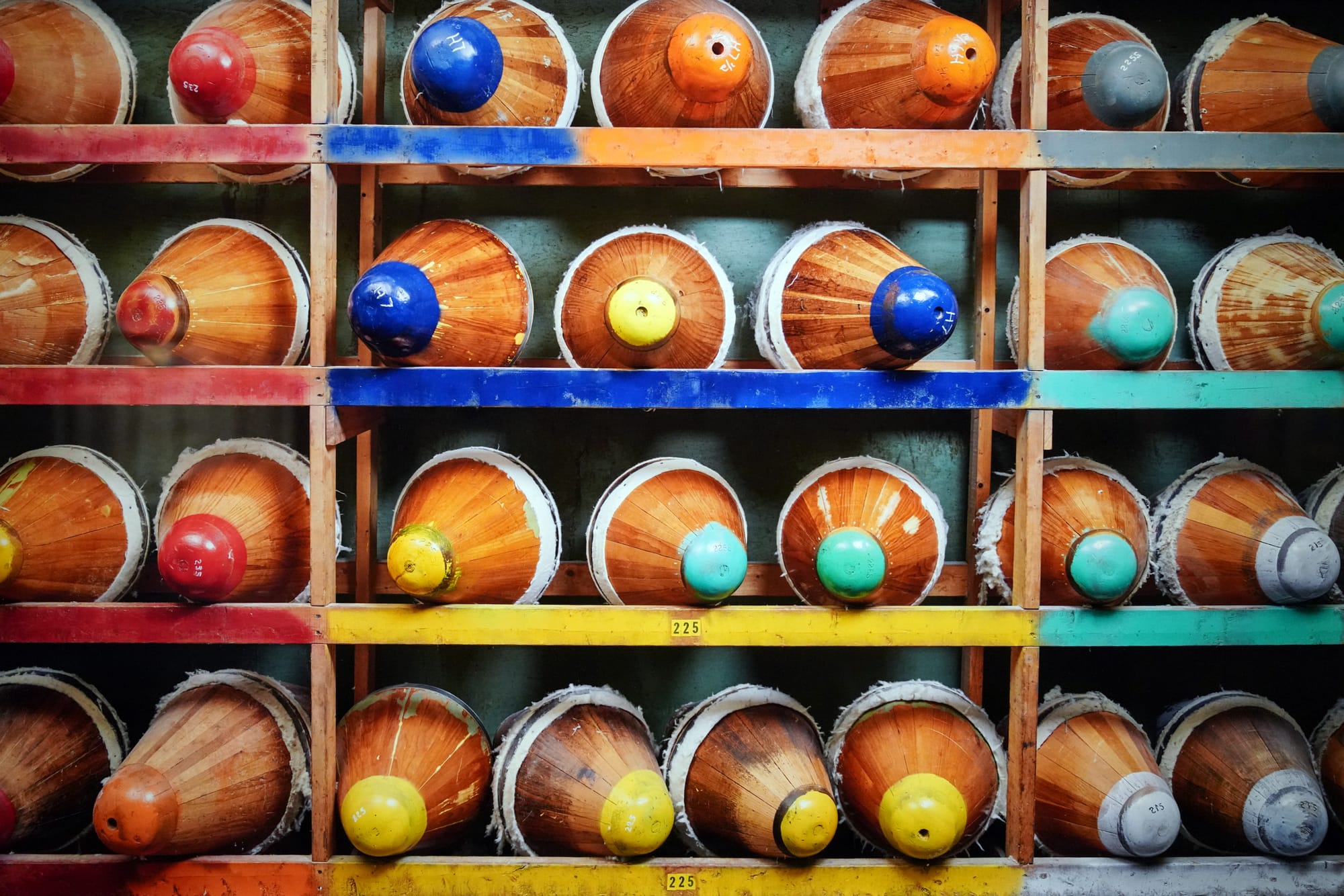
Christopher Payne's exhibition "Made in America: The Industrial Photography of Christopher Payne" at the Cooper Hewitt, Smithsonian Design Museum showcases 72 large-format photographs documenting active American factories and manufacturing processes. The trained architect turned photographer spent a decade visiting dozens of production sites across the United States, from the New York Times printing plant in Queens to the Bollman Hat Company in Pennsylvania, capturing workers' craftsmanship and the intricate steps involved in making everything from Peeps candies to jet engines. The exhibition is organized into three sections—traditional handcraft, large-scale production, and cutting-edge technologies—and coincides with the Smithsonian's celebration of the nation's 250th anniversary.

The Revolutionary Tapestry of Nigerian Modernism

The exhibition "Nigerian Modernism" at Tate Modern in London is the first show of its kind in the UK, surveying how Nigerian artists forged a postcolonial identity across the 20th century. It features works by pioneers such as Aina Onabolu, Benedict Enwonwu, and members of the radical Zaria Art Society, including Uche Okeke, Jimo Akolo, and Clara Etso Ugbodaga-Ngu, highlighting their break from British artistic traditions and embrace of local visual heritage.

Yu Ji’s Democratic Play

Yu Ji's solo exhibition at PPOW, New York, titled "Origin of the Tiger," presents sculptures and collages created after a residency she organized in Phnom Penh that offered art education to children. The show features works like reed mats with snail shells, a Sony Trinitron looping video, collaged drawings incorporating Cambodian children's art, and composite sculptures such as chairs with concrete knee casts and a figure inspired by a misattributed sixth-century Krishna statue. The exhibition draws on a Khmer folktale about transformation and includes audio of children reciting the story, though the children appear more as muses than collaborators.

Mary Frank Creates Her Own Pantheon

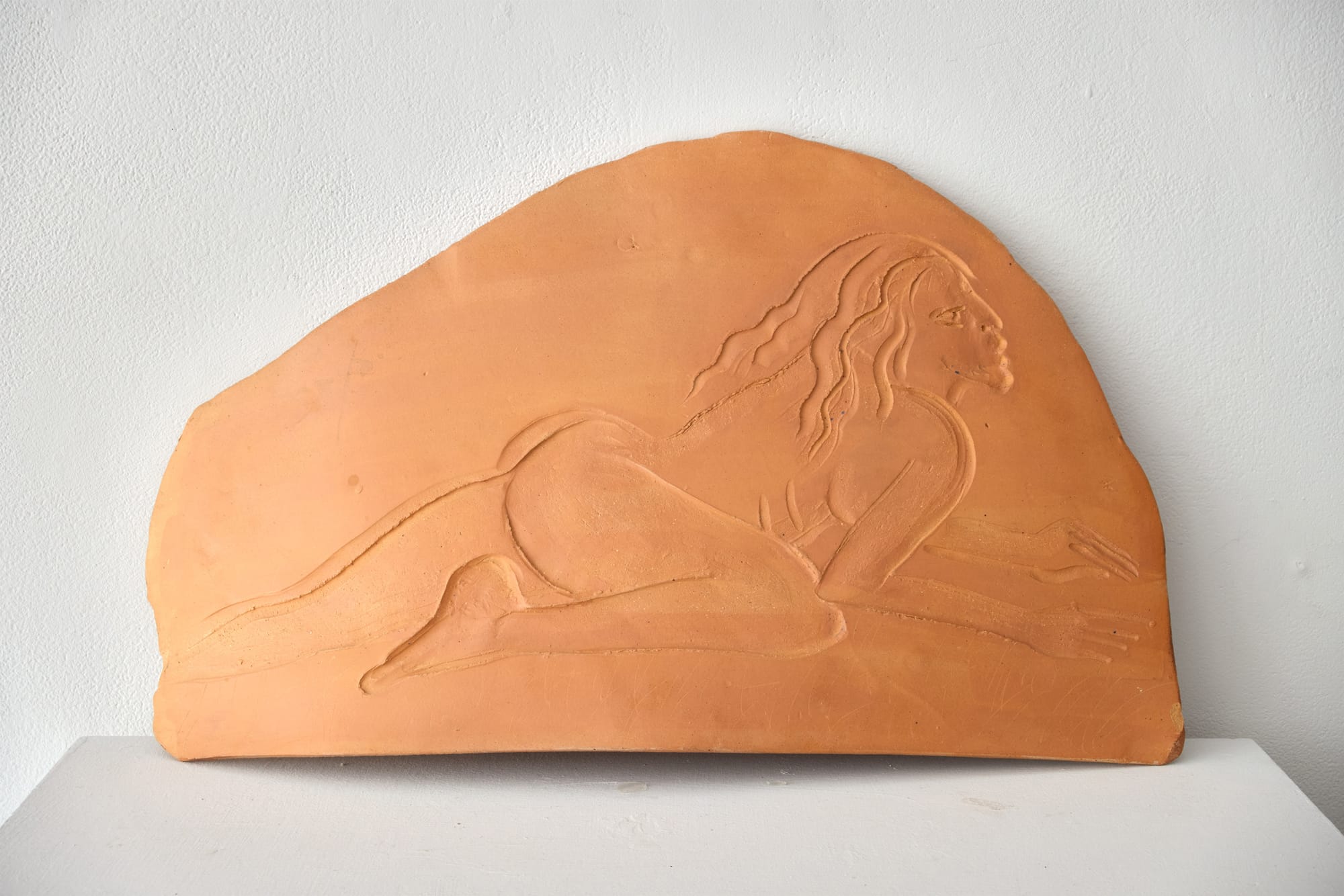
Mary Frank, an artist in her early 90s known for mythologically rooted sculpture and works on paper, is the subject of a focused exhibition at Steven Harvey Fine Art Projects in New York. Curated by Steven Harvey, the show presents 11 sculptures in wood, bronze, and ceramic from 1958 to 1985, alongside five works on paper, including a monotype and an oil-on-paper piece. Frank’s work, influenced by her study with Martha Graham, centers on self-sustaining female figures that embody agency, tenderness, and survival, often rendered in ceramic slabs or carved wood.

Is there really an energy transformation in Marina Abramović's exhibition in Venice?

Nella mostra di Marina Abramović a Venezia c’è davvero una trasformazione di energia?

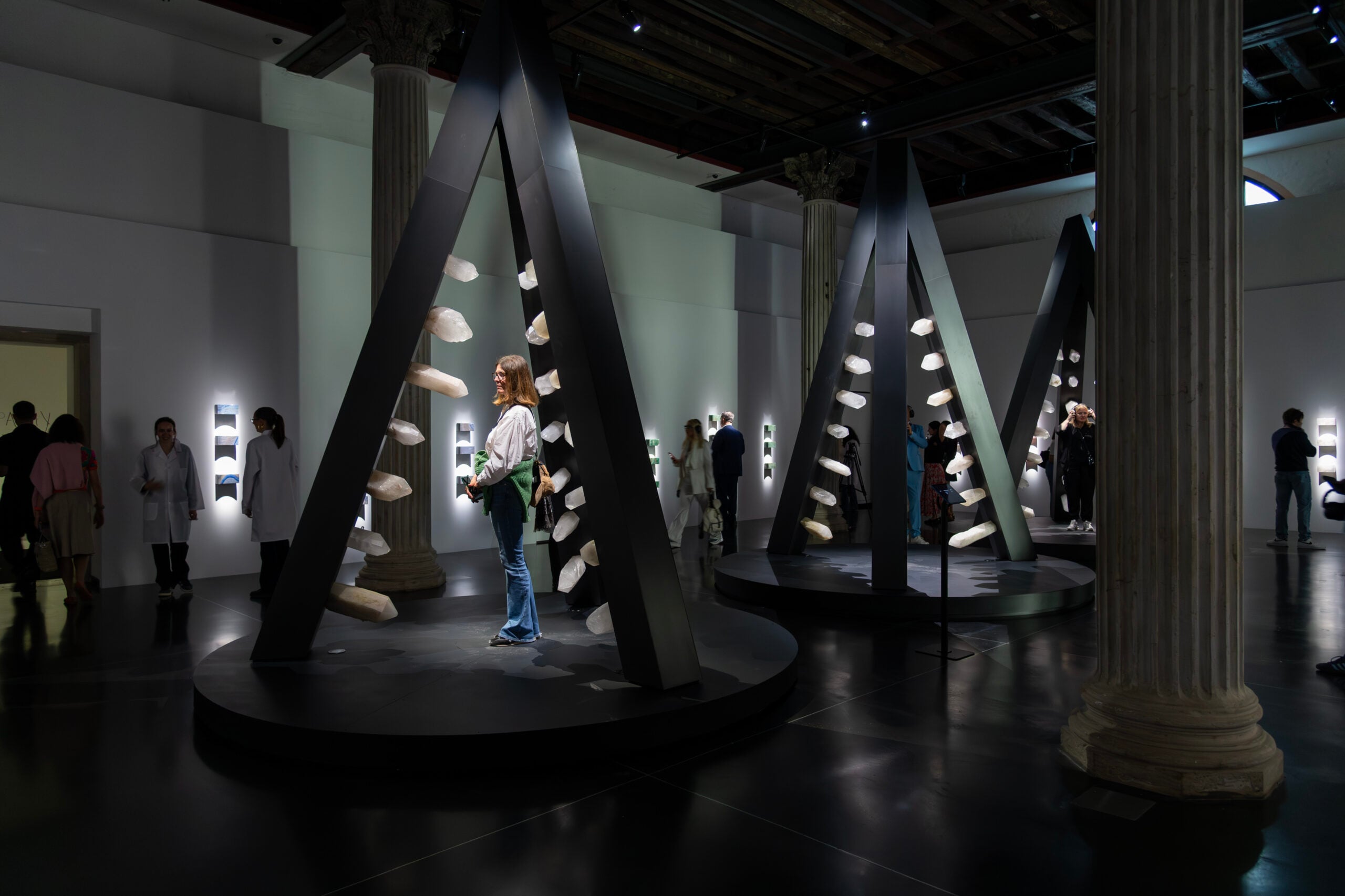
At the Gallerie dell'Accademia in Venice, Marina Abramović's exhibition "Transforming Energy" opens to the public from May 9 to September 30, 2026, as part of the 2026 Venice Biennale. The show is designed as an experiential device that moves beyond traditional exhibition formats, inviting viewers to determine their own presence through a sequence of rooms built around relationships between body, materials, and time. Crystals and locks of hair function not as decoration but as presences to be inhabited, demanding radical attention rather than spectacular participation. During the press conference, Abramović and curator Shai Baitel insisted that the materials, especially the crystals, possess real energy capable of directly affecting the viewer's body and perception, not merely as metaphor but as an active condition.

Nancy Holt review – cosmic thrills as the universe’s hidden power is unleashed

The Guardian reviews a major UK exhibition of land artist Nancy Holt (1938-2014) at Goodwood in West Sussex, the largest show of her work to date. The exhibition features two large outdoor installations—Ventilation System, a metallic tubular structure resembling building lungs, and Hydra’s Head, six concrete pools arranged like the Hydra constellation in a chalk quarry—alongside indoor photographs, diagrams, and light works. The review praises the cosmic scale and bodily connection of the outdoor pieces but finds the indoor works less effective at conveying Holt’s themes of universal vastness and interconnectedness.

Karla Knight’s Cosmic Conspiracies

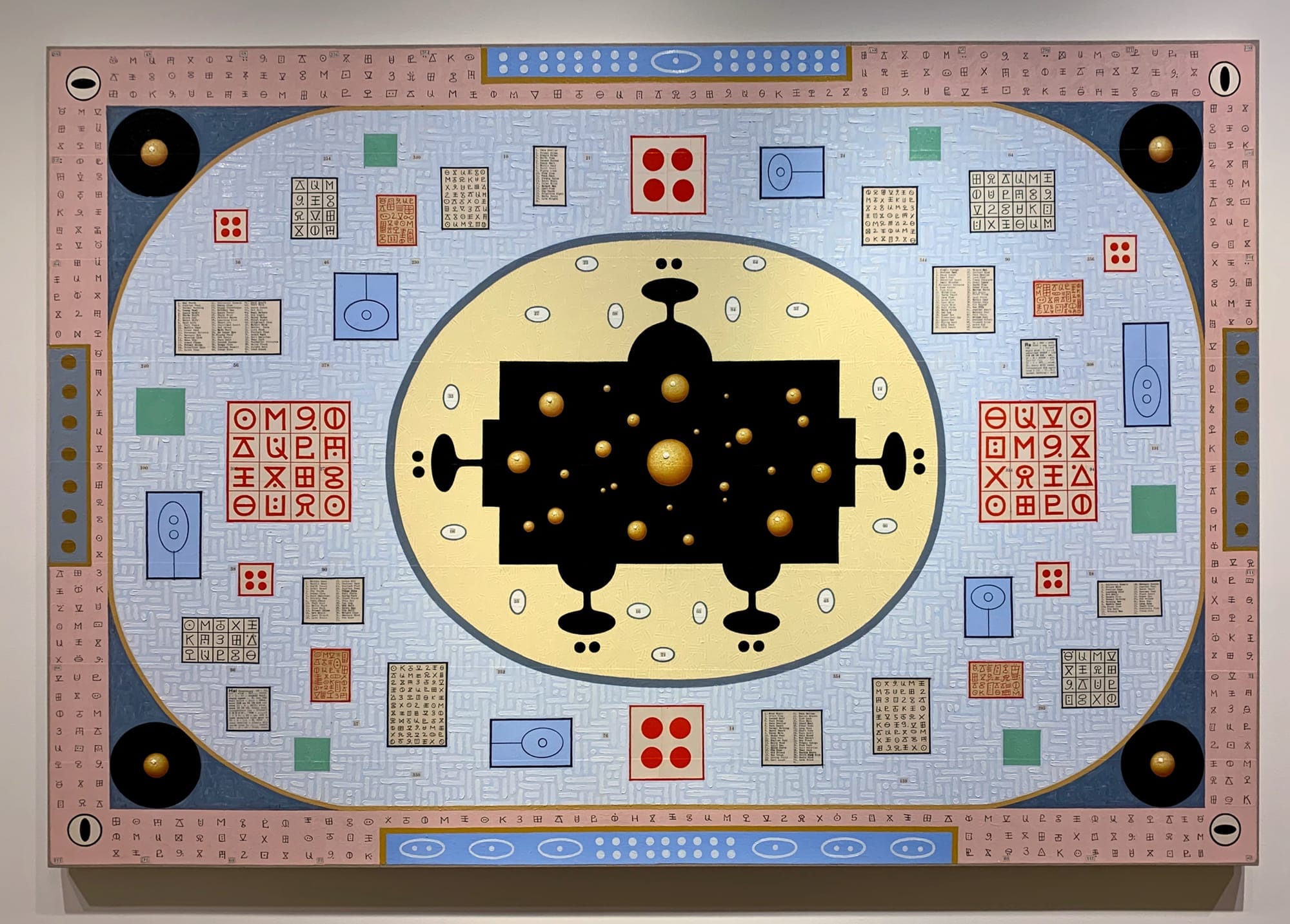
Karla Knight's exhibition "Orbit" at Andrew Edlin Gallery presents her game-like paintings and tapestries filled with cryptic symbols, cosmic diagrams, and celestial imagery. Works such as "Orbiter 2" (2024–25) and "Feelers" (2025–26) feature irregular black devices, floating spheres, and rows of arcane script, inviting viewers to decode what appear to be blueprints for extraterrestrial systems or maps of hidden dimensions. Knight employs meticulous grids, bold primary colors, and textile techniques to render the paranormal as strangely normal.

"She's Like the Wind"

The article reviews "She's Like the Wind," an annual all-female group exhibition at Deep Space gallery in Jersey City, featuring works by artists Delilah Ray Miske, Leigh Cunningham, and SarahGrace. Miske's painting "Lemon Lime Toe of God" shows only a woman's leg and foot, while Cunningham's oil paintings present figures as blurred forms seen through a translucent curtain, and SarahGrace's textile works depict headless female nudes with suggestive titles like "Provoke" and "Dominate." The show marks a departure from the gallery's typically family-friendly, sex-averse programming.

Seba Calfuqueo and the Colonized Body

Andrew Durbin reviews national pavilions at the 2026 Venice Biennale, critiquing the US presentation as vacuous while praising incisive and moving installations from Britain and Germany. The review highlights Seba Calfuqueo's work in the context of colonized bodies, though the article's main focus is on the comparative quality of the pavilions.

Gabrielle Goliath Sounds a Call to Action in Venice

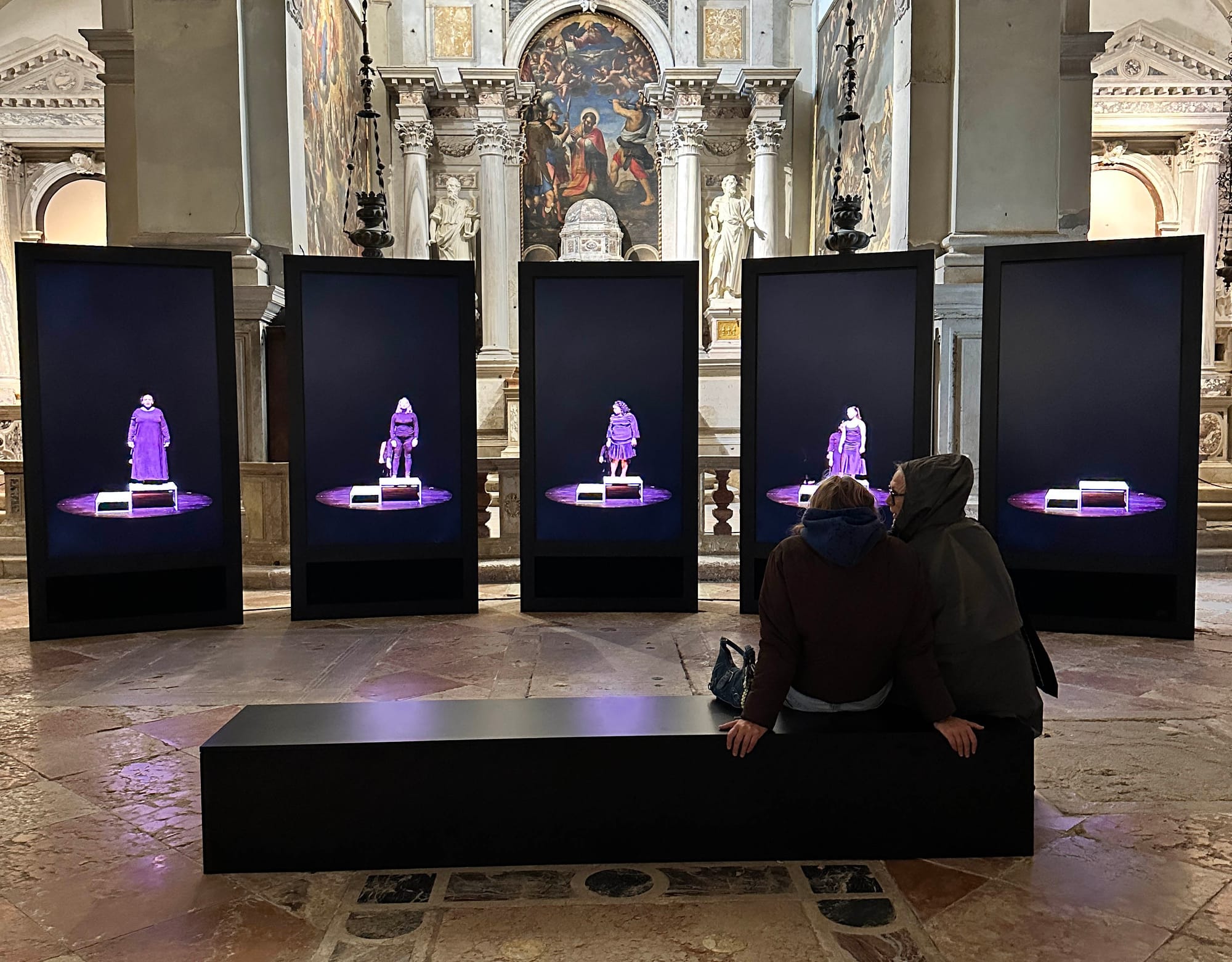
Gabrielle Goliath’s exhibition "Elegy" is presented as South Africa’s unofficial pavilion at the 61st Venice Biennale, after the country’s Culture Minister Gayton McKenzie overrode an independent committee’s selection of Goliath, citing her proposed inclusion of a memorial for Palestinians killed in Gaza. The installation features three video works in which singers sound a single note in tribute to victims of violence: a South African femicide victim, two women killed in Germany’s colonial genocide in Namibia, and Palestinian poet Heba Abunada. The show occupies the Chiesa di Sant'Antonin in Venice, curated with Ingrid Masondo, after a legal challenge against McKenzie was dismissed.

Body as Device. Guide and Reflection on the Performances of the Venice Biennale

Corpo come dispositivo. Guida e riflessione sulle performance della Biennale di Venezia

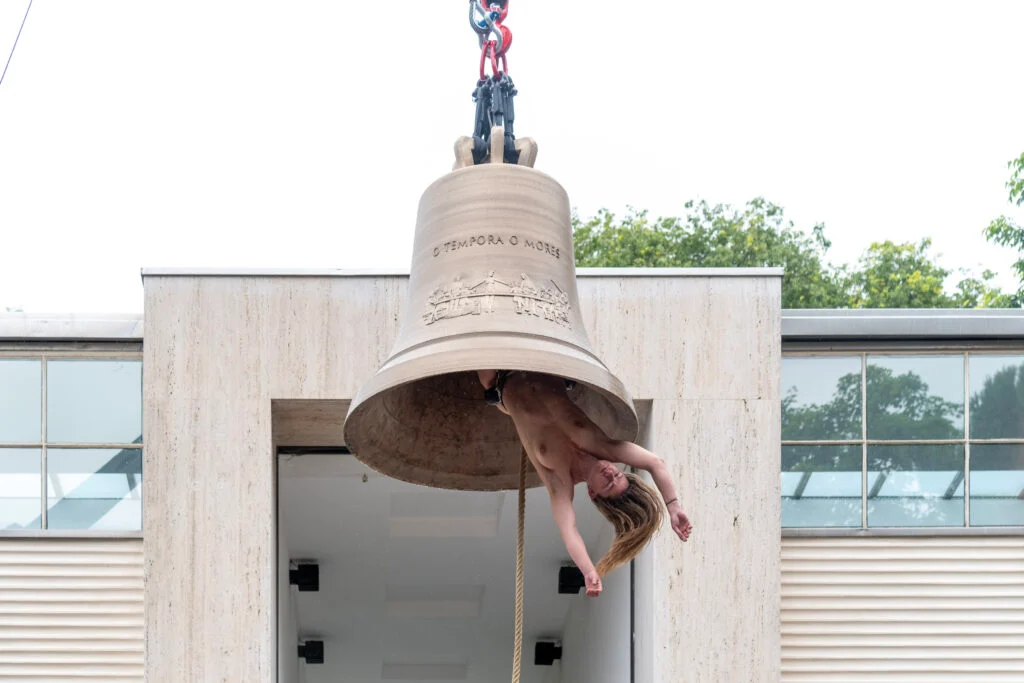
The article analyzes the role of performance art at the 2026 Venice Biennale, arguing that performance is no longer a rediscovered genre but a structurally institutionalized primary form of experience production. It examines how the body reemerges not as an alternative to image-based works but as an internal interruption of the artwork system, preventing closure and reintroducing instability. Key pavilions are discussed: Austria's Florentina Holzinger with "Sancta" draws on 1970s radical performance and feminist body art, creating an immersive environment of continuous movement; Belgium's Miet Warlop with "IT NEVER SSST" engages post-dramatic theater and postmodern dance repetition; Japan's Ei Arakawa-Nash with "Grass Babies, Moon Babies" activates Gutai avant-garde legacies through viewer interaction with soft dolls.

Adrian Ghenie: Roman Campagna | Exhibition review

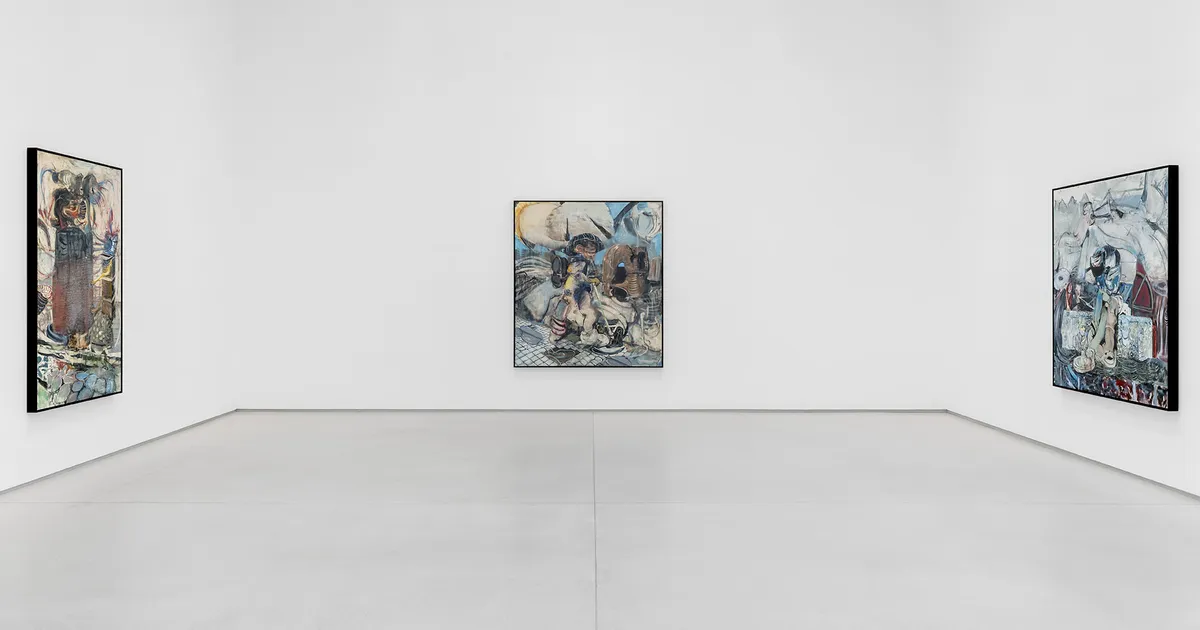
Adrian Ghenie's exhibition "Roman Campagna" at a Paris gallery presents a series of paintings and charcoal drawings that subvert the romantic cliché of an artist's transformative encounter with Rome. Ghenie populates landscapes inspired by the Appian Way with grotesque, alien-headed figures hunched over smartphones, urinating on monuments, or weeping at sunsets, using brown and grey tones punctuated by bright colors. The works reference Francis Bacon and William S. Burroughs, and include direct allusions to Bacon's reinterpretation of van Gogh's self-portrait, as well as a copy of a Pompeii mosaic. The show also features large charcoal drawings on paper that reveal Ghenie's process of constructing his contemporary, alienated figures.

Zurbarán review: Even the godless will be enraptured by this drama

The article reviews a major exhibition of 17th-century Spanish painter Francisco de Zurbarán, highlighting his dramatic religious works such as a stark crucifixion, a depiction of St. Peter crucified upside down, and a series of saintly princesses. It notes the exhibition's effective hanging, the artist's use of vivid color and theatrical lighting, and includes recently attributed works like a mysterious giant head. The review emphasizes the blend of high drama, emotion, and Catholic piety in Zurbarán's paintings, as well as his still lifes that rival those of Velázquez.

Joan Semmel Roars at The Jewish Museum

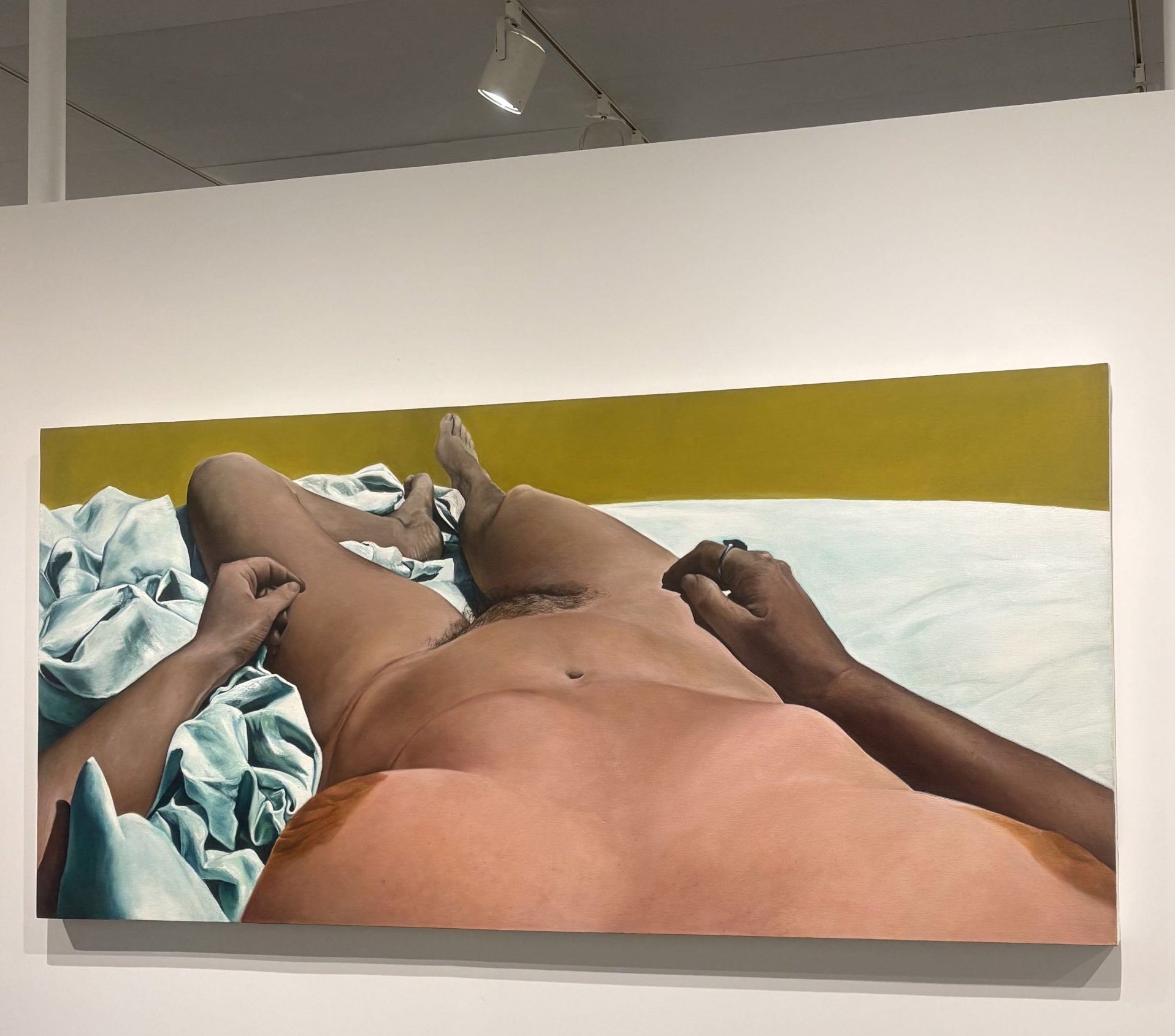
The article reviews Joan Semmel: In the Flesh, a retrospective exhibition at The Jewish Museum in New York (December 2025 – May 2026). The author describes an initial discomfort with Semmel's graphic nude paintings of aging female bodies, but after researching the artist's significance in feminist art, comes to appreciate her unapologetic honesty. The show is arranged chronologically, tracing Semmel's evolution from works like Erotic Yellow (1973) to later paintings that grow in confidence and freedom, all while maintaining a focus on female embodiment and pleasure from a female perspective.

‘Costume Art’ Review: Fashion and the Human Form at the Met

The article reviews 'Costume Art,' an exhibition at the Metropolitan Museum of Art that explores the intersection of fashion and the human form. It examines how garments and accessories are presented as sculptural objects, highlighting the dialogue between clothing and the body through historical and contemporary pieces.

Beyond the body: Jess Self’s emotive power at the Marietta Cobb Museum of Art

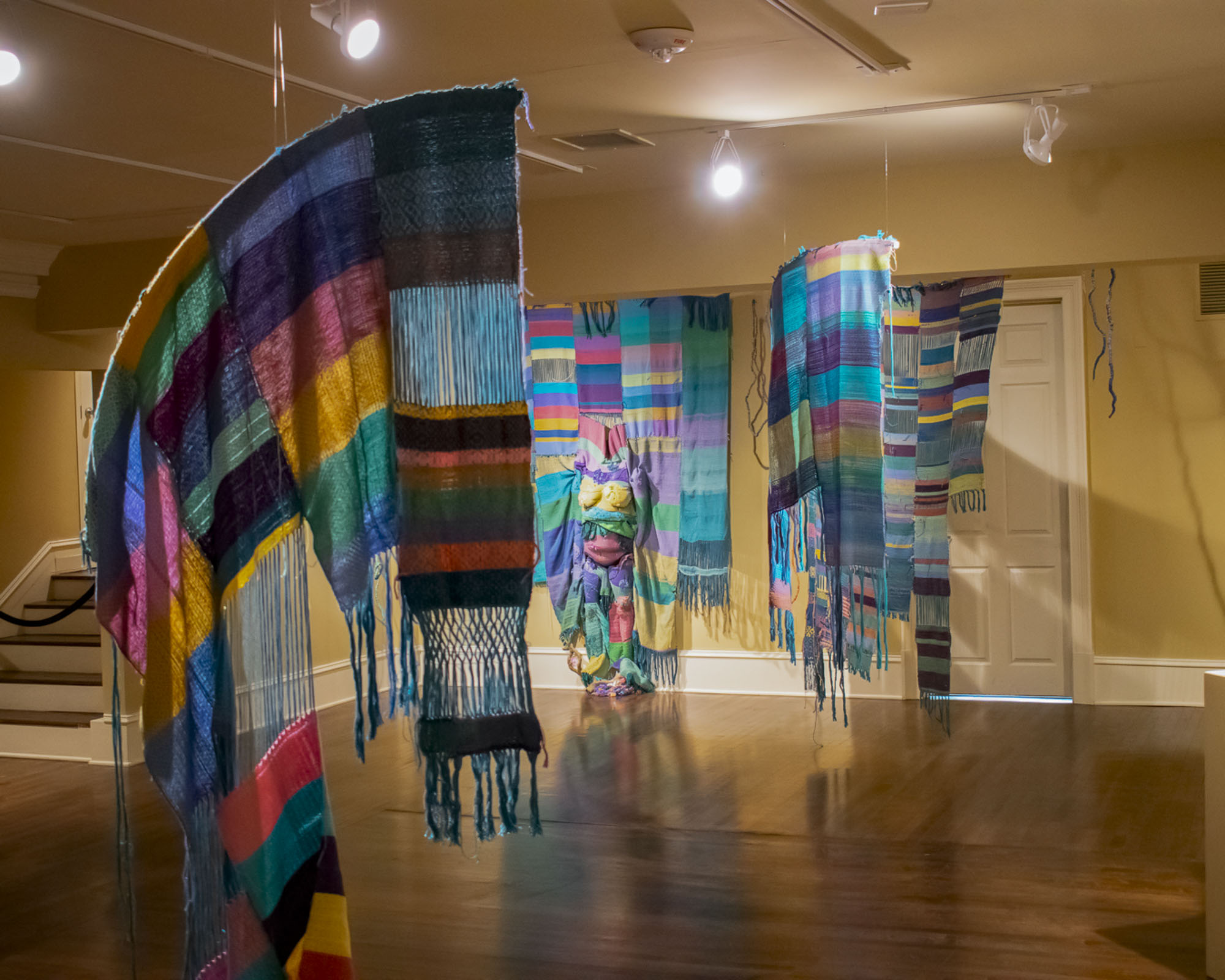
Jess Self, a Decatur-based sculptor and educator, presents *Celestial Perspectives* at the Marietta Cobb Museum of Art, an immersive textile environment that explores autobiography through figurative form. The exhibition features works in resin, plaster, felted wool, fiber, and rope, including the large-scale installation *The Veil* and the compelling *She Who Ties Magic Knots*, a resin and plaster cast of the artist's pregnant torso. Self's practice draws on Jungian archetypes and spiritual traditions, and the show communicates themes of connectivity, motherhood, bodily experience, and transcendence without relying on wall text.

Review: Dallas artist's latest show is bold, vast and staggering

A review of a Dallas artist's latest exhibition describes the show as bold, vast, and staggering, though the specific artist and gallery are not named in the available text. The article appears to be a critical appraisal of the artist's new body of work, emphasizing its scale and ambition.