filter_list Showing 7 results for "Bound" close Clear
dashboard All 71 museum exhibitions 53article culture 7article news 3candle obituary 3trending_up market 2person people 2article local 1
date_range Range Today This Week This Month All
Subscribe

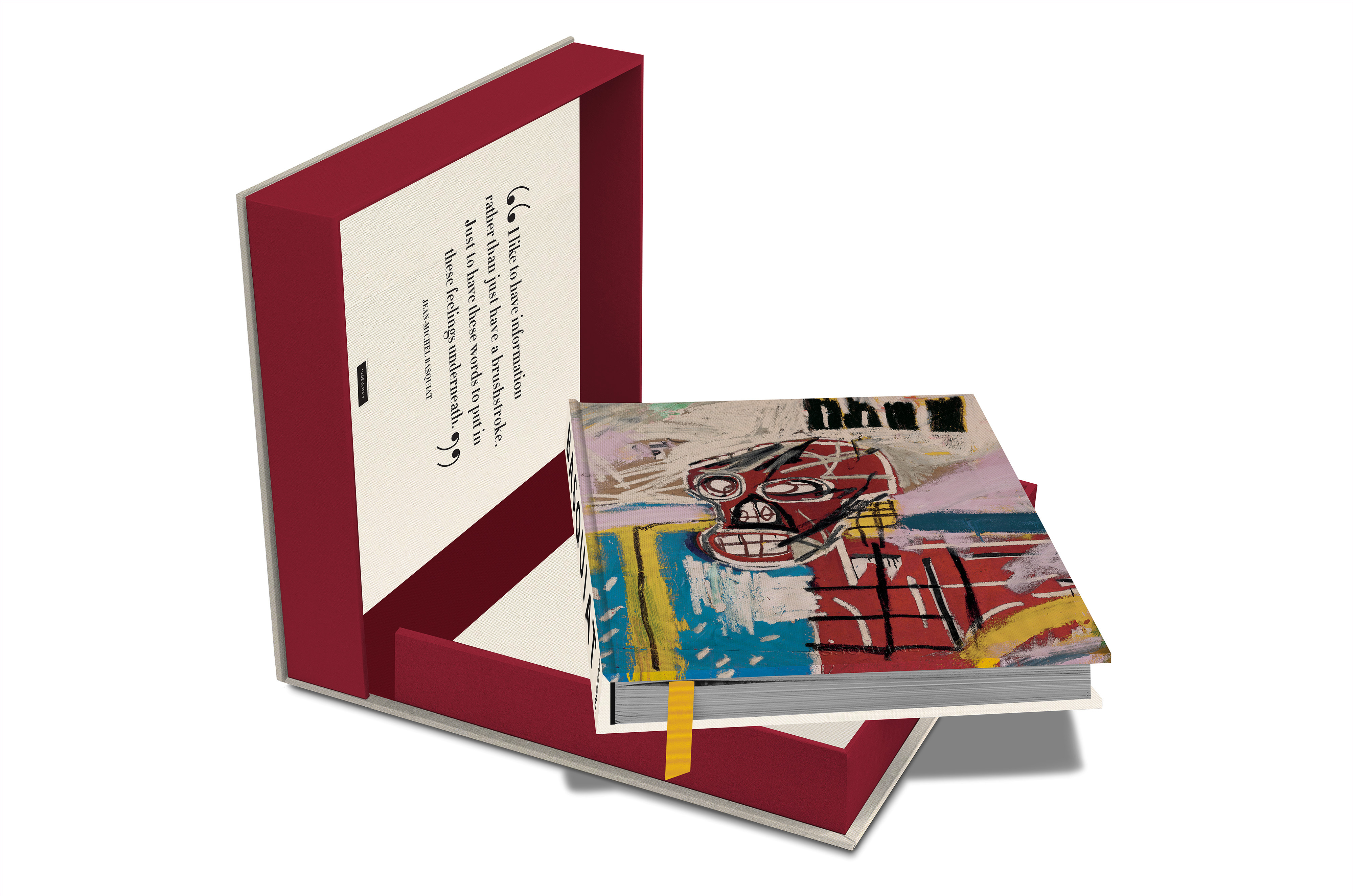
Major new Jean-Michel Basquiat collector’s book, priced at $1,400, released from Assouline.

Assouline has released a new collector's book titled "Basquiat: The World of Jean-Michel," a 348-page volume featuring over 200 artworks and archival photographs of Jean-Michel Basquiat. Priced at $1,400, the book is part of the publisher's Ultimate Collection of large-format, hand-bound volumes, and is organized thematically into six chapters covering Basquiat's depictions of heads, New York City's influence on his work, his use of silkscreens, and spiritual themes.
Why artists’ love for opera will never die

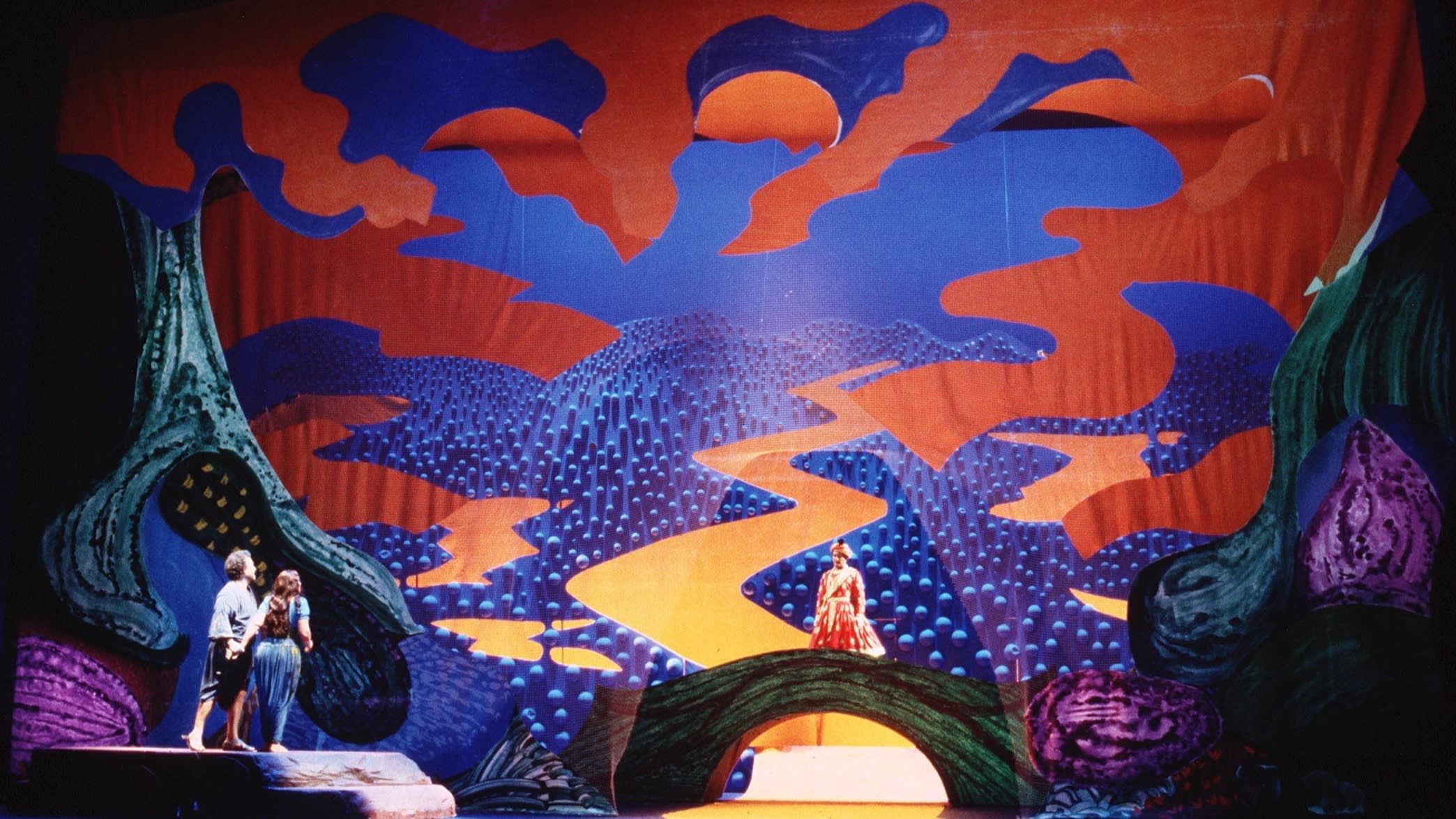
This article explores the enduring fascination that visual artists have with opera, tracing a historical lineage from figures like Oskar Kokoschka and David Hockney to contemporary practitioners such as William Kentridge and Tacita Dean. It examines how opera's fusion of music, drama, and visual spectacle has inspired artists to create set designs, costumes, and even direct productions, often blurring the boundaries between fine art and performance.

Art and technology meet in the augmented reality of artist Lois He

Arte e tecnologia si incontrano nella realtà aumentata dell’artista Lois He

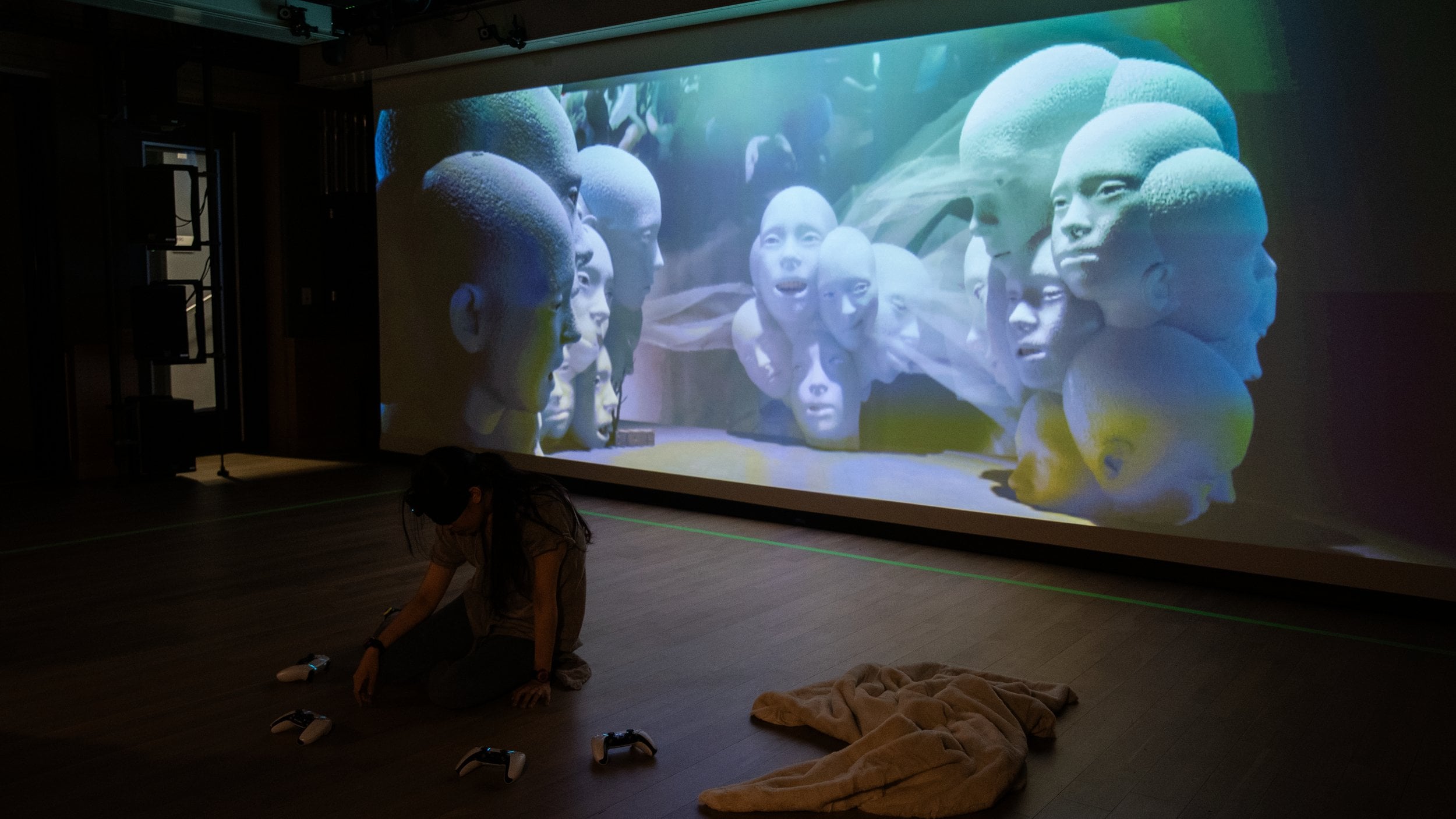
Lois He, a Chinese-born artist now based in New York, creates immersive XR installations that blend art and technology, transforming viewers into active participants. Her works, such as "Rising River," an AI-driven virtual reality experience, and "The Silent Carnival," a digital reinterpretation of Goethe's Faust, explore identity, emotion, and the impact of external agents like technology and culture. He also collaborates with institutions like the Museo Dalí and the NYU Neuroscience Institute, merging art with literature and science.

The Art of Performing Maintenance

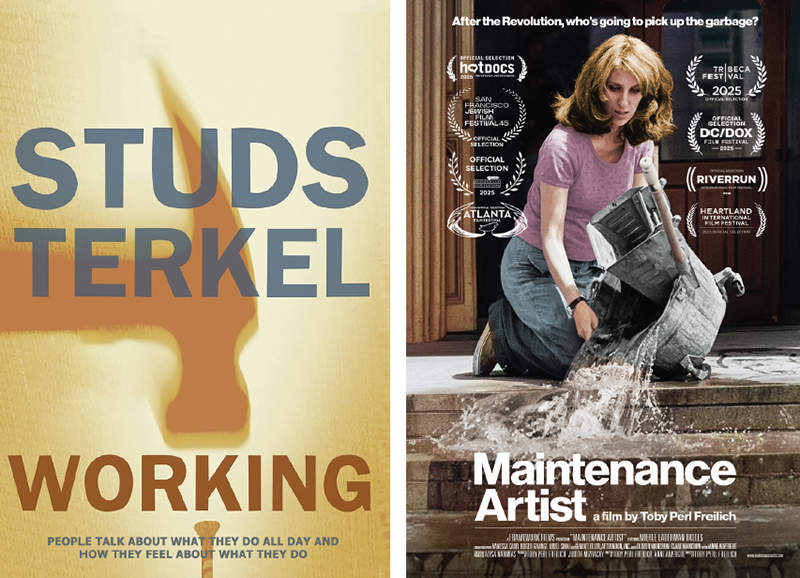
This article explores the work of artist Mierle Laderman Ukeles, who in 1969 wrote her "Manifesto for Maintenance Art" after experiencing a crisis of meaning following the birth of her first child. She proposed that routine maintenance tasks—like cleaning, cooking, and laundry—could be redefined as art when performed in public, particularly in museums. The article traces her early exhibitions at the Wadsworth Athenaeum, where she swept and mopped as performance, and her later projects interviewing passersby on New York City sidewalks and embedding herself in a Manhattan office building, where she invited workers to declare their maintenance tasks art.

Torna TAILOR. Ecco come abbonarsi alla newsletter di Artribune sulla cultura del vestire

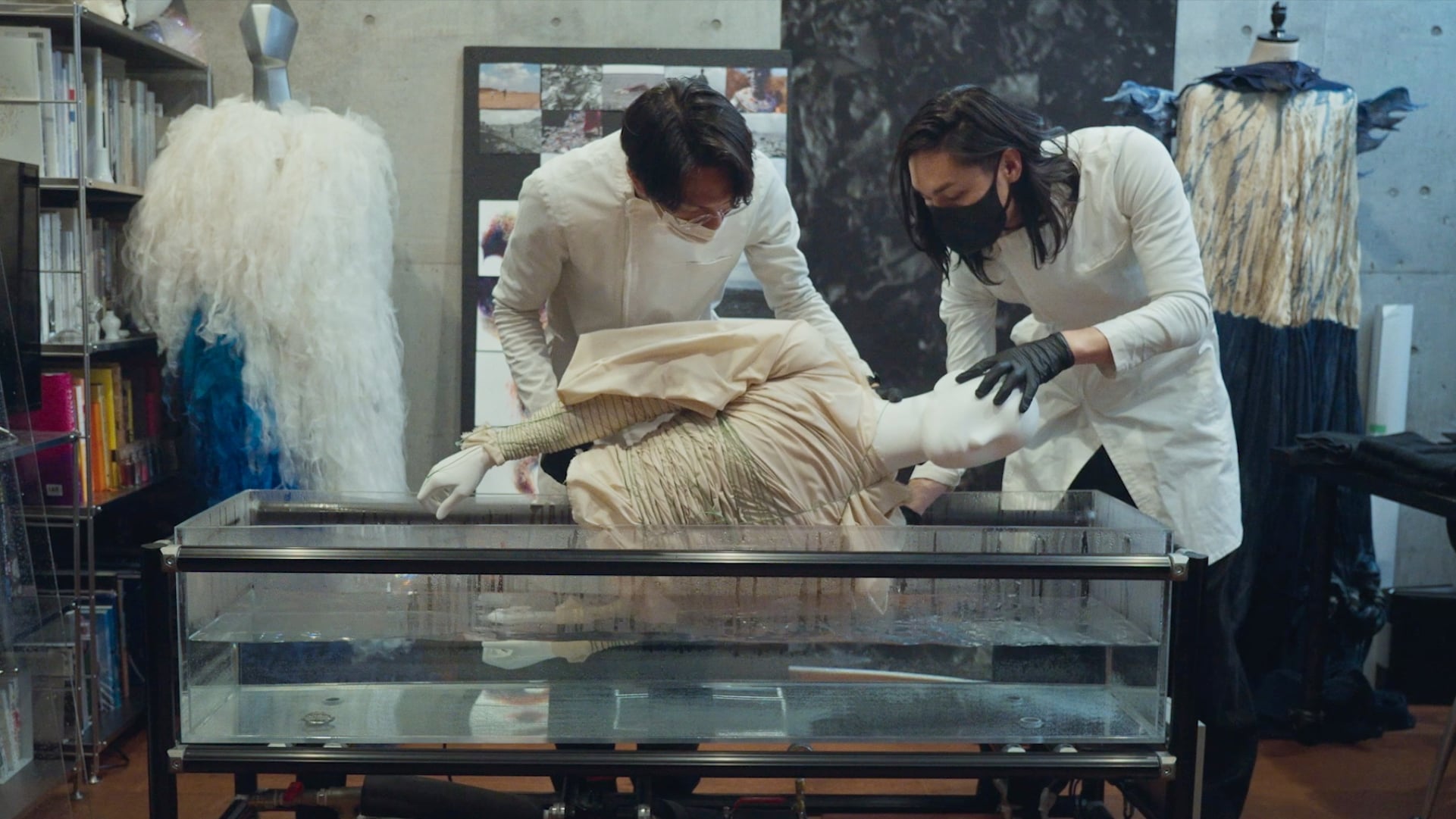
TAILOR, the vertical newsletter from Artribune exploring the intersections of art and fashion, returns on Sunday, May 17, 2026. The upcoming issue focuses on "Science Fashion," an event held from May 13 to 15 at the MACRO – Museo d'Arte Contemporanea di Roma, curated by Dobrila Denegri, which investigates relationships between fashion, science, and new technologies. The newsletter also examines the rapid spread of the non-color white in fashion and design as a response to pandemic, crisis, and geopolitical tensions, offering analytical content for professionals, students, and enthusiasts.

Mirei Monticelli’s Hand-Woven Banana Leaf Lamps Swell Between Material and Movement

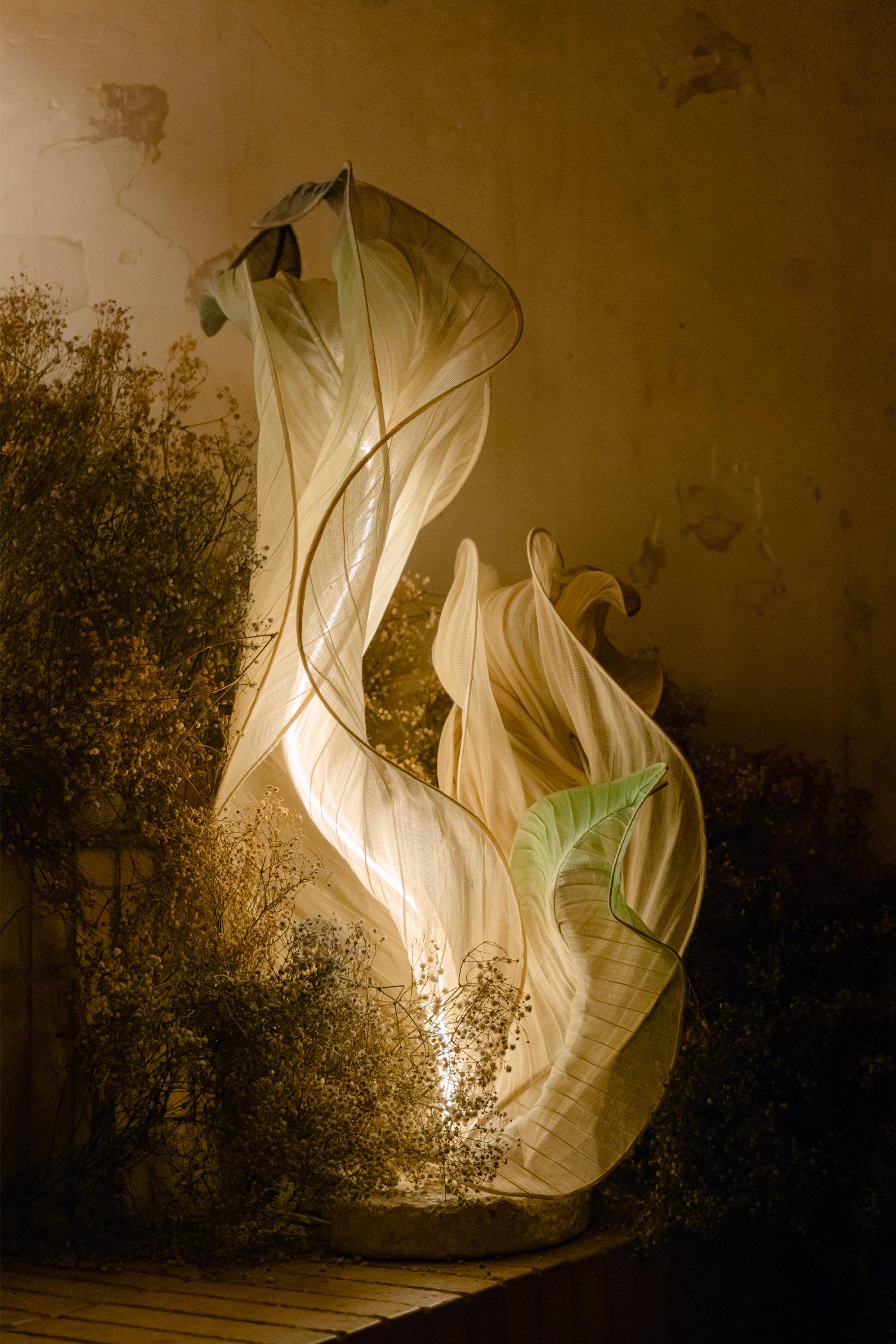
Milan-based Filipina designer Mirei Monticelli creates biomorphic lighting fixtures from hand-woven Banaca fabric, made from Abacá fiber sourced from the Philippines. Her studio collaborates with a community of weavers in the Bicol province, developing the material through a long-term relationship. The lamps, which blend sculpture and utility, were recently featured in an installation titled 'Pleasure Garden' at Milan Design Week. Monticelli’s process incorporates techniques from garment construction, learned from her mother, a fashion designer.

The Biennale and the Weight of Flags. What Is the Point of National Pavilions?

La Biennale e il peso delle bandiere. Che senso hanno i padiglioni nazionali?

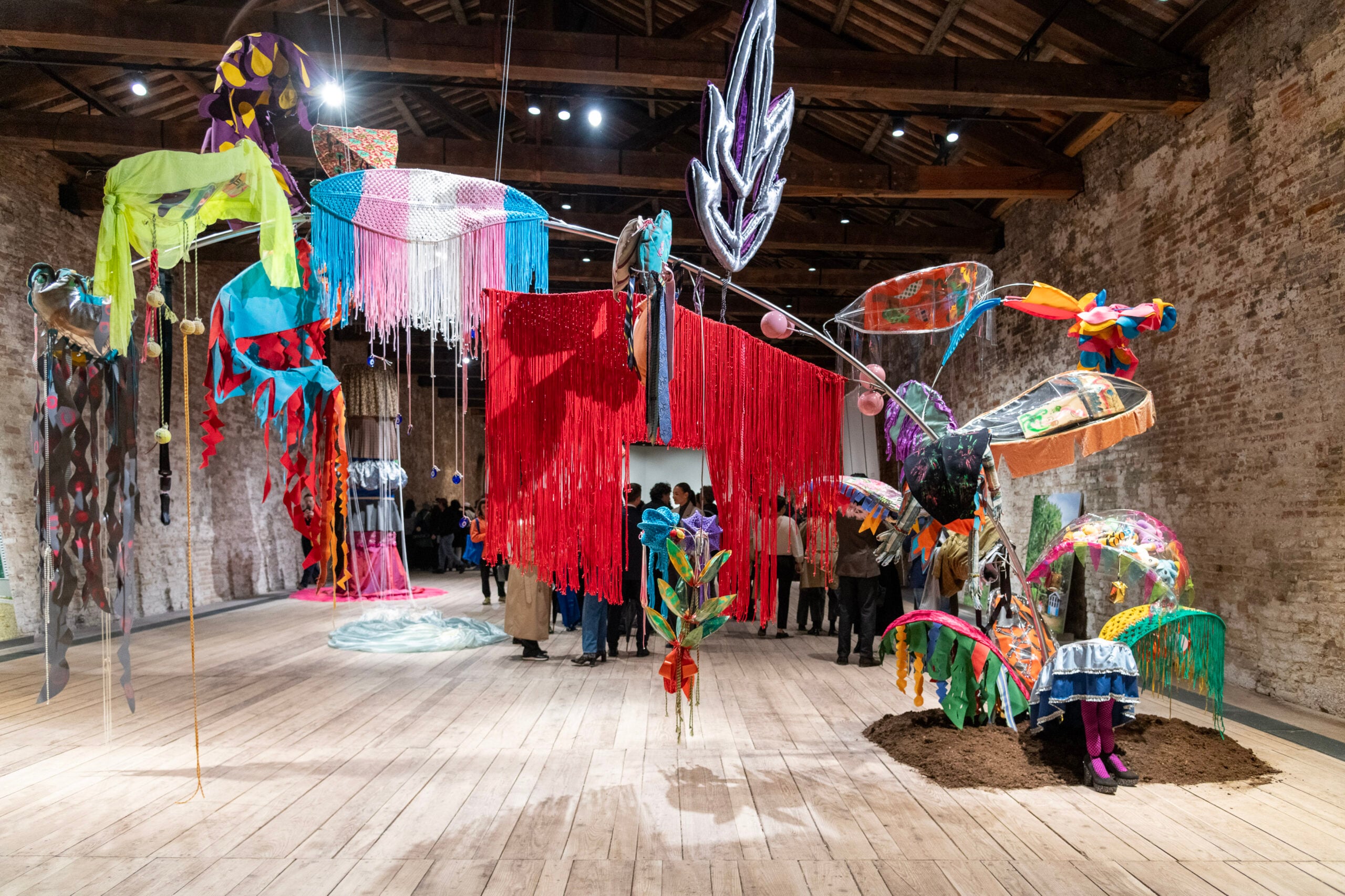
The article examines the inherent contradiction within the Venice Biennale: its historical structure of national pavilions, a legacy of 19th-century world fairs and state-sponsored art, clashes with the transnational, post-identity vision of the international exhibition curated by Koyo Kouoh. The return of the Russia Pavilion amid geopolitical conflict and the international show titled "In Minor Keys," which rejects national belonging as an interpretive criterion, highlight this tension. The piece also addresses the controversy over the lack of Italian artists in the main exhibition, questioning whether a Biennale hosted in Italy should guarantee national representation.