filter_list Showing 34 results for "Desire" close Clear
search
dashboard All 235 museum exhibitions 121article culture 34trending_up market 18article news 15rate_review review 14person people 13article local 9article policy 4gavel restitution 4article events 2candle obituary 1
date_range Range Today This Week This Month All
Subscribe

7 artists playboy hugh hefner

Playboy founder Hugh Hefner died at age 91, and this article highlights seven visual artworks inspired by Hefner and his magazine empire. Featured artists include Andy Warhol, who designed a 1986 Playboy anniversary cover; Marisol Escobar, who created a 1966 sculpture of Hefner with two pipes; Sigmar Polke, whose 1966 painting 'Bunnies' uses benday dots to depict a Playboy Bunny; and Richard Hamilton, whose 1961 work 'Pin-up' references Playboy's centerfold. The list also includes Burt Glinn's photograph of Hefner at the Playboy Mansion, Simon Claridge's 2016 series of Playboy covers, and Richard Phillips's 2013 painting 'Playboy Marfa.'
8 Artists to Follow If You Like Marcel Duchamp

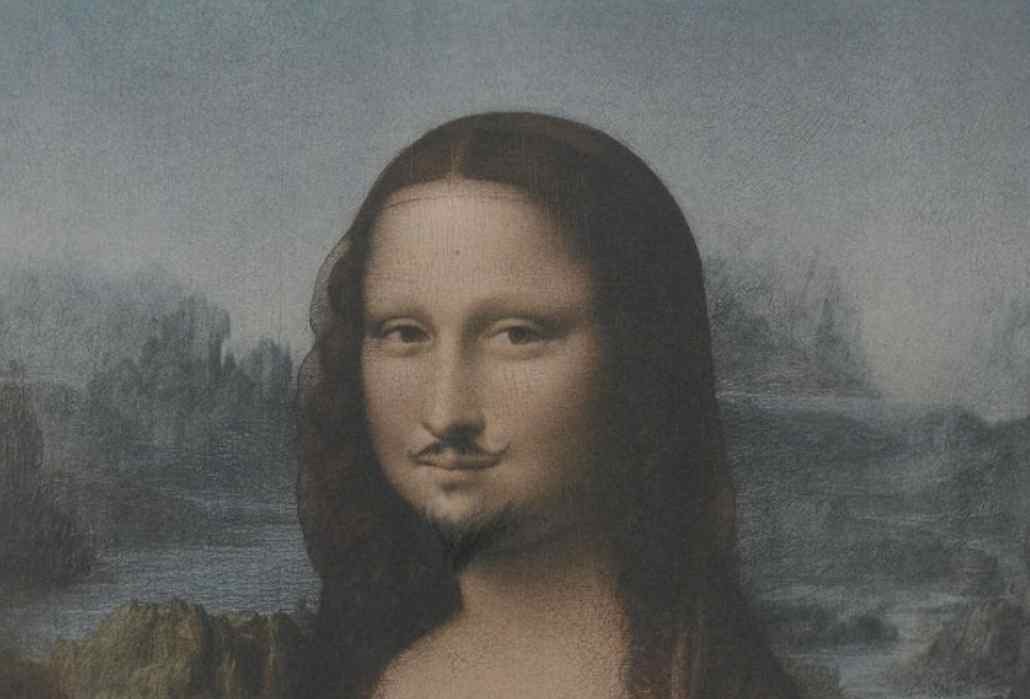
Marcel Duchamp’s legacy continues to shape contemporary art through his pioneering use of readymades, conceptual rigor, and institutional critique. This analysis identifies eight modern and contemporary artists whose practices echo Duchamp’s subversion of traditional aesthetics, ranging from his early experiments with found objects to his later explorations of gender and mechanical desire.

How Hajime Sorayama’s Sexy Robots Reflect Our Fantasies

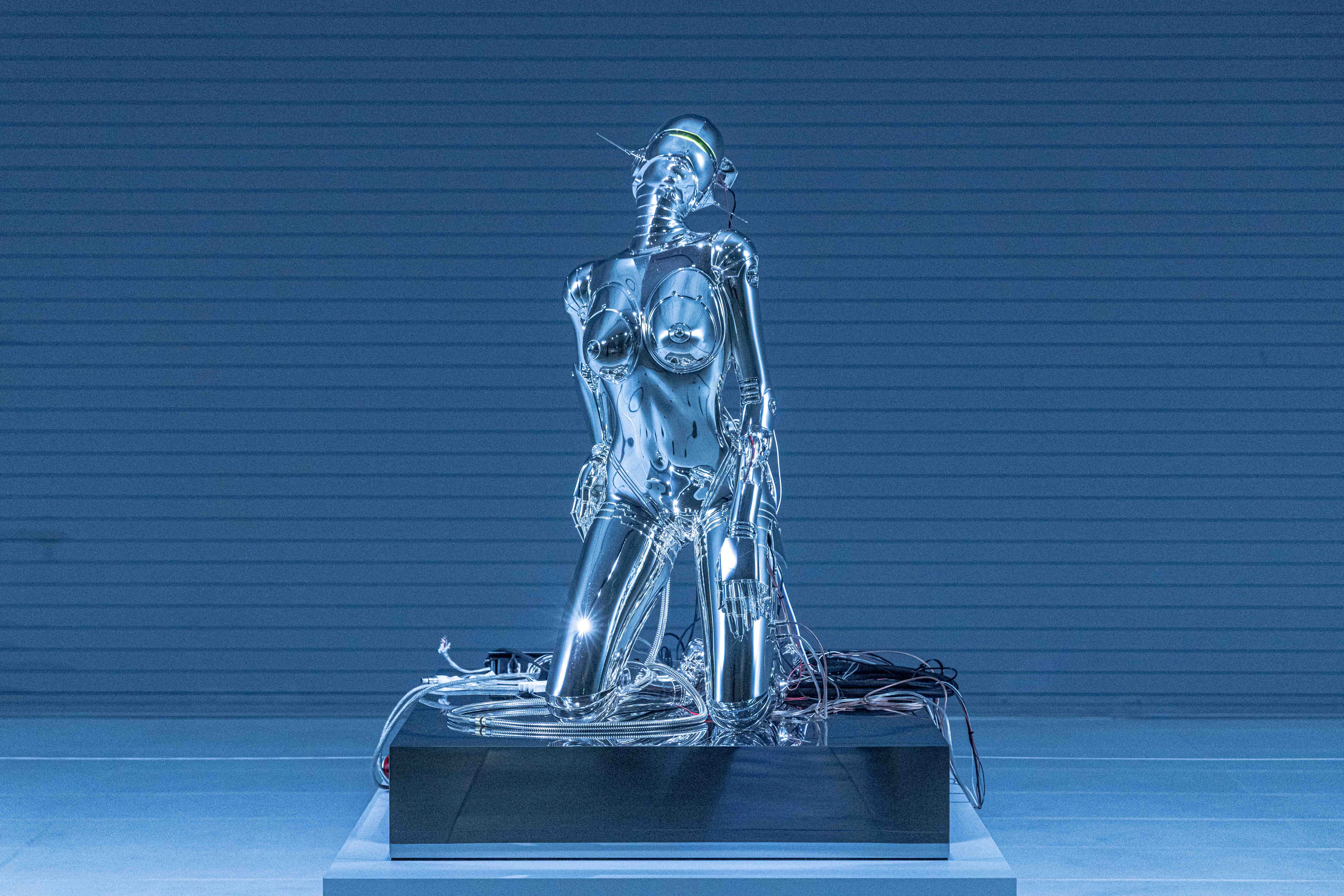
Japanese artist Hajime Sorayama has spent nearly five decades developing his iconic "Sexy Robots" series. These chrome-plated female figures, rendered first with airbrush and later as polished metal sculptures, have evolved to include life-sized works created through digital modeling and engineering collaborations.

art that shines with pride from the artnet gallery network

Artnet News celebrates Pride Month by spotlighting queer artists featured on the Artnet Gallery Network. The article highlights five artists: Kyle Dunn, whose intimate paintings blend smooth and photorealistic surfaces; Tom of Finland, the iconic queer artist known for hyper-masculine, erotic illustrations; David Hockney, whose early work depicts an intimate bedroom scene; Anthony Goicolea, whose photography and paintings explore sexuality and adolescence; and Michela Griffo, an activist and artist whose work examines queer desire and domestic unease.

Meet the Gallerists Trading White Cubes for Unconventional Architecture

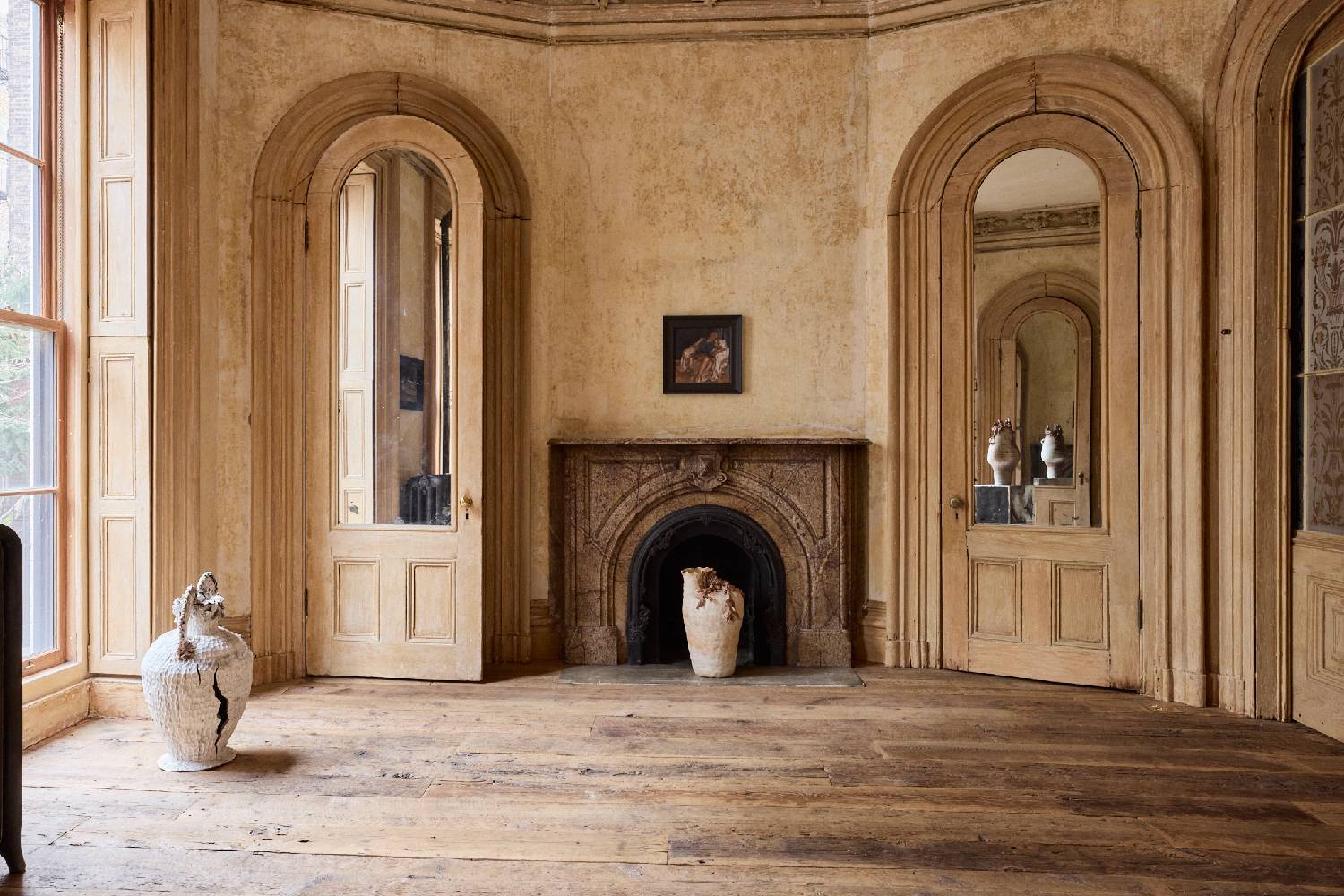
A growing number of gallerists are moving away from the traditional 'white cube' gallery model, opting instead for spaces with unconventional architecture and distinct character. These include locations in repurposed industrial buildings, historic structures, and uniquely designed new constructions that actively shape the visitor's experience of the art.

Painting Has Entered Its Performance Era

The rise of short-form video platforms like Instagram and TikTok has transformed painting from a static medium into a performative spectacle. To compete with algorithmic preferences for transformation and speed, artists are adopting specific visual grammars such as the "art reveal"—where a canvas is dramatically flipped toward the camera—and "speed painting," which turns the creation process into a high-stakes live event. These trends emphasize the labor and human presence behind the work, often utilizing emotional storytelling and direct engagement to build dedicated fanbases outside traditional gallery structures.

prediction markets

The era of high-stakes art speculation that defined the 2010s has largely cooled, but the impulse for financial gambling has migrated to digital prediction markets like Polymarket. While art collectors once treated waitlists and auction rooms as speculative arenas, the public now wagers billions on binary outcomes ranging from election results to celebrity behavior.

simon de pury photos art

The author recounts a visit to the Prado in Madrid, where his attempt to photograph a portrait by Alonso Sánchez Coello was blocked by a guard enforcing a strict no-photography policy. This experience leads him to reflect on the evolution of museum mementos, from postcards—which he used to buy and even had his children select as a curatorial exercise—to the role of social media in sharing art. He recalls his time as curator of the Thyssen-Bornemisza Collection, where postcard sales were a key revenue and popularity gauge, and notes that Instagram now serves as a virtual window into exhibitions and art fairs like Art Basel Miami.

art nouveau renaissance mucha jugendstil paris metro

The article recounts the author's personal rediscovery of Art Nouveau, sparked by encountering an iron doorknob shaped like a Belgian endive at the Bröhan Museum in Berlin. It explores the movement's history, its German variant Jugendstil, and the philosophical debate between Walter Benjamin and Theodor Adorno over its merits—Benjamin criticizing it as a superficial escape from industrial reality, Adorno defending its utopian desire to reconcile art, nature, and technology. The piece also notes a contemporary resurgence of interest in the style.

Out of the wrapper and into the gallery: the art of chocolate

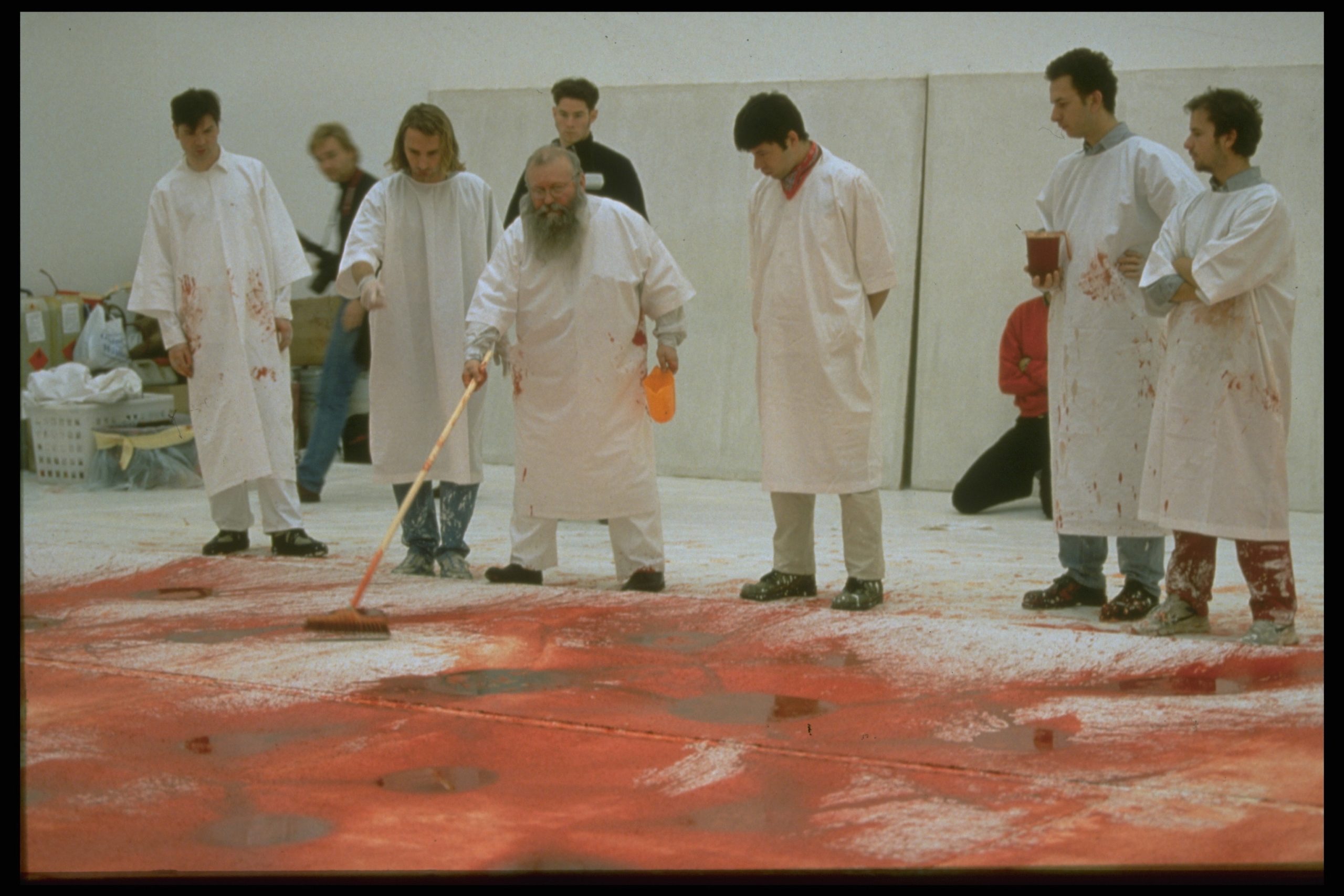
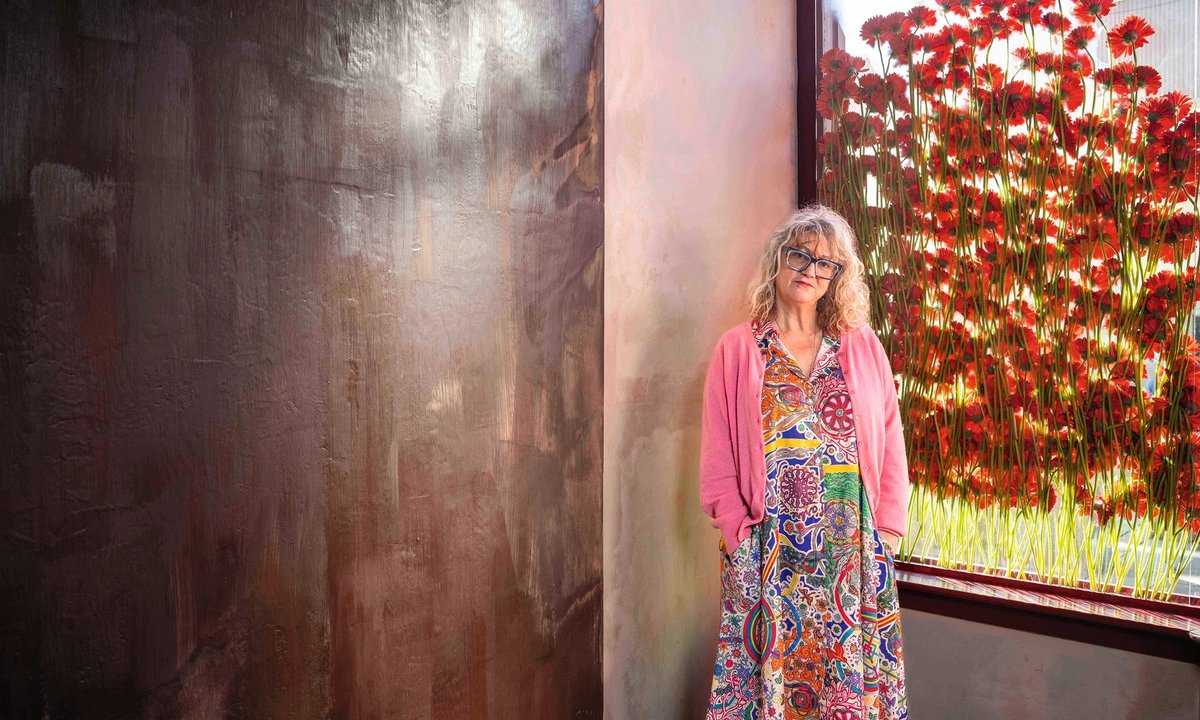
Artist Anya Gallaccio discusses her use of chocolate as an art material, tracing her first experiments in 1992 at Rodolphe Janssen gallery in Brussels, where she commissioned chocolate guns, and her 1994 solo show "Brown on White" at Galerie Krinzinger in Vienna, where she painted gallery walls with melted couverture chocolate. The work invited visceral audience reactions, including licking the walls, and engaged with themes of desire, decay, and the colonial and class histories of chocolate consumption.

25 of 2025: 5 Groundbreaking Fiber Artists You Need to Know

Artnet News profiles five groundbreaking fiber artists as part of its "25 of 2025" series, highlighting Diedrick Brackens and Melissa Joseph among them. Brackens, born in 1989, has seen his textile works exhibited at major institutions including the Museum of Modern Art, the National Gallery of Art, and LACMA, with a solo show "the shape of survival" at the SCAD Museum of Art and a U.K. debut at the Holburne Museum in 2025. Melissa Joseph, who only began working with felt in 2020, has rapidly gained attention through solo exhibitions and major public commissions, including a 2024 installation at Rockefeller Center and the 2025 UOVO Prize-winning work "Tender" at the Brooklyn Museum.

The Painted Book Cover Is Back

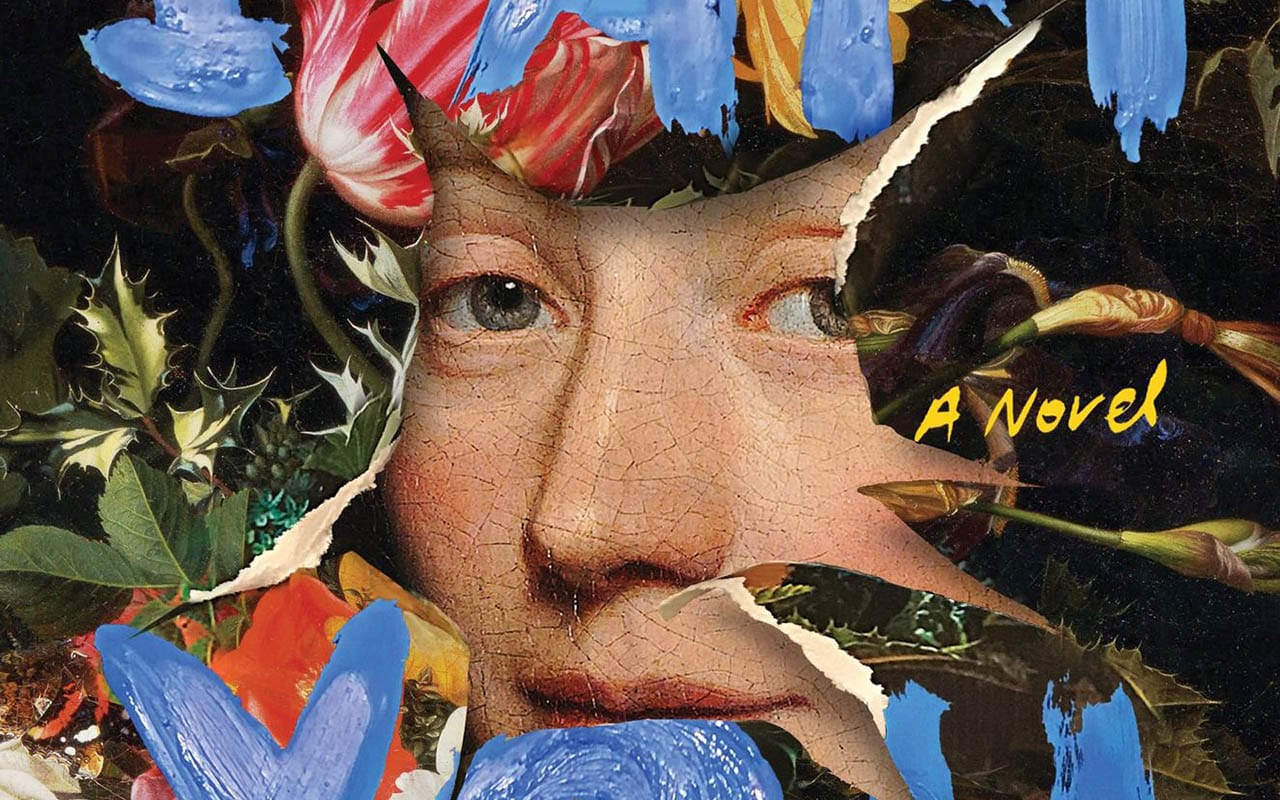
The article reports on a growing trend in book cover design: the use of painted, figurative artwork instead of stock photos or digital renderings. Publishers are increasingly licensing paintings by artists from Hilma af Klint to Shannon Cartier Lucy, seeing them as a way to signal cultural authority and intellectual rigor. The trend is discussed through examples like Victoria Redel's *I Am You* (2025) and Kyung-Ran Jo's *Blowfish* (2025), with insights from LiteraryHub Managing Editor Emily Temple and Astra House publisher Benjamin Schrank.

w david marx blanks space

W. David Marx joins Artnet News senior editor Kate Brown on the podcast 'The Art Angle' to discuss his new book, *Blank Space: A Cultural History of the Twenty-First Century*. The book argues that creativity across art, media, and popular culture has stagnated over the past 25 years, driven by commercialization, rapid technology shifts, and a preference for profit-driven formulas over experimentation. Marx identifies a 'conspicuous blank space where art and creativity used to be' and proposes five strategies to revive cultural inventiveness.

‘Reality Decay’ Is at the Root of All the Bad News

The article connects a 2009 artwork by Paul Chan, 'Sade for Sade’s Sake,' to the recent release of the Jeffrey Epstein emails. The artwork, a shadow puppet projection based on the Marquis de Sade's violent text, was referenced in a 2010 email from an art adviser to Epstein, suggesting artists who could realize his desires for his private island. This link places a contemporary artwork directly into the evidence of a high-profile criminal conspiracy.

culture jamieson webster psychoanalysis ai sex

Psychoanalyst Jamieson Webster launches a new column for CULTURED titled "Neurotica," exploring the intersection of psychoanalysis, technology, and sexuality. In the debut installment, she interviews artist and theorist Mindy Seu about her work "A SEXUAL HISTORY OF THE INTERNET," which traces how sex workers were integral to developing digital platforms like chat rooms, e-commerce, and webcams, only to have their innovations co-opted by Big Tech. Webster reflects on how AI, chatbots, and online intimacy are reshaping human desire, pleasure, and relationships, drawing on Freud's pleasure-principle and contemporary anxieties about AI psychosis and digital dependency.

In the new film Nagi Notes, art is a vessel for characters’ desires

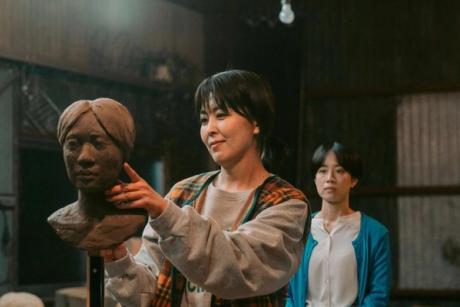
Japanese writer-director Koji Fukada's new film *Nagi Notes* premiered on 13 May at the Cannes Film Festival. The story follows Yuri (Shizuka Ishibashi), who visits the remote town of Nagi to sit for a sculptor friend, Yoriko (Takako Matsu). The film explores how characters use art—from drawings to sculptural busts—as a medium to express unspoken desires, grief, and identity, with key scenes set at the Nagi Museum of Contemporary Art featuring a permanent installation by Arakawa and Madeline Gins.

best art world movies 2025

Artnet News has published a roundup of the best art world movies of 2025, highlighting films that explore the anxieties, ambitions, and contradictions of the contemporary art scene. The selection includes Kelly Reichardt's heist film *The Mastermind*, about a man stealing Arthur Dove paintings from a museum; the satire *Auction*, which follows a Parisian auctioneer discovering a long-lost Egon Schiele; the documentary *Art for Everybody*, reexamining Thomas Kinkade's legacy; and Ira Sachs's *Peter Hujar's Day*, a gentle portrait of the photographer's daily life. Spike Lee's *Highest 2 Lowest* also features, marking his entry into the old-guard canon.

stuart semple color of the year anarchic venom

British artist Stuart Semple has announced the winner of his public vote for "Color of the Year," a direct challenge to Pantone's annual color selection. After collecting 4,063 votes online, the winning shade is a purple called Anarchic Venom (hex #B17DAC), now available for $9.99 through Semple's art materials brand Culture Hustle. Semple has a history of democratizing trademarked colors, having previously created alternatives to Tiffany blue, Barbie pink, and Vantablack in a long-running feud with Anish Kapoor. He also released a variant of Pantone's 2025 color Cloud Dancer, which he dubbed Proud Chancer.

pantone color of the year white

Pantone has announced 11-4201 Cloud Dancer, a soft shade of bright white, as its 2026 Color of the Year. This marks the first time the company has chosen a white hue since launching the initiative in 1999, following last year's Mocha Mousse. The decision, announced by Pantone Color Institute vice president Laurie Pressman, is framed as a symbol of calm and a desire for a fresh start in a frenetic society, drawing comparisons to Kazimir Malevich's Suprematist compositions and Robert Ryman's white paintings. The announcement has sparked debate over its cultural and political implications, with critics noting the choice's potential elitism and its resonance amid ongoing racial tensions.

Do you remember the last negative review you read?

« Vous souvenez-vous de la dernière critique négative que vous avez lue ? »

The traditional art of negative criticism is vanishing from mainstream media, replaced by a culture of polite consensus or violent but unprincipled social media attacks. Historically, critics like Baudelaire, Zola, and Huysmans used sharp, subjective arguments to defend avant-garde movements and challenge academicism, viewing the attack on certain artists as a necessary byproduct of championing others. Today, limited editorial space and a desire to support the arts have led French journalists to focus almost exclusively on praise, resulting in a loss of discernment and comparative analysis.

artist mother interview mothers day balance

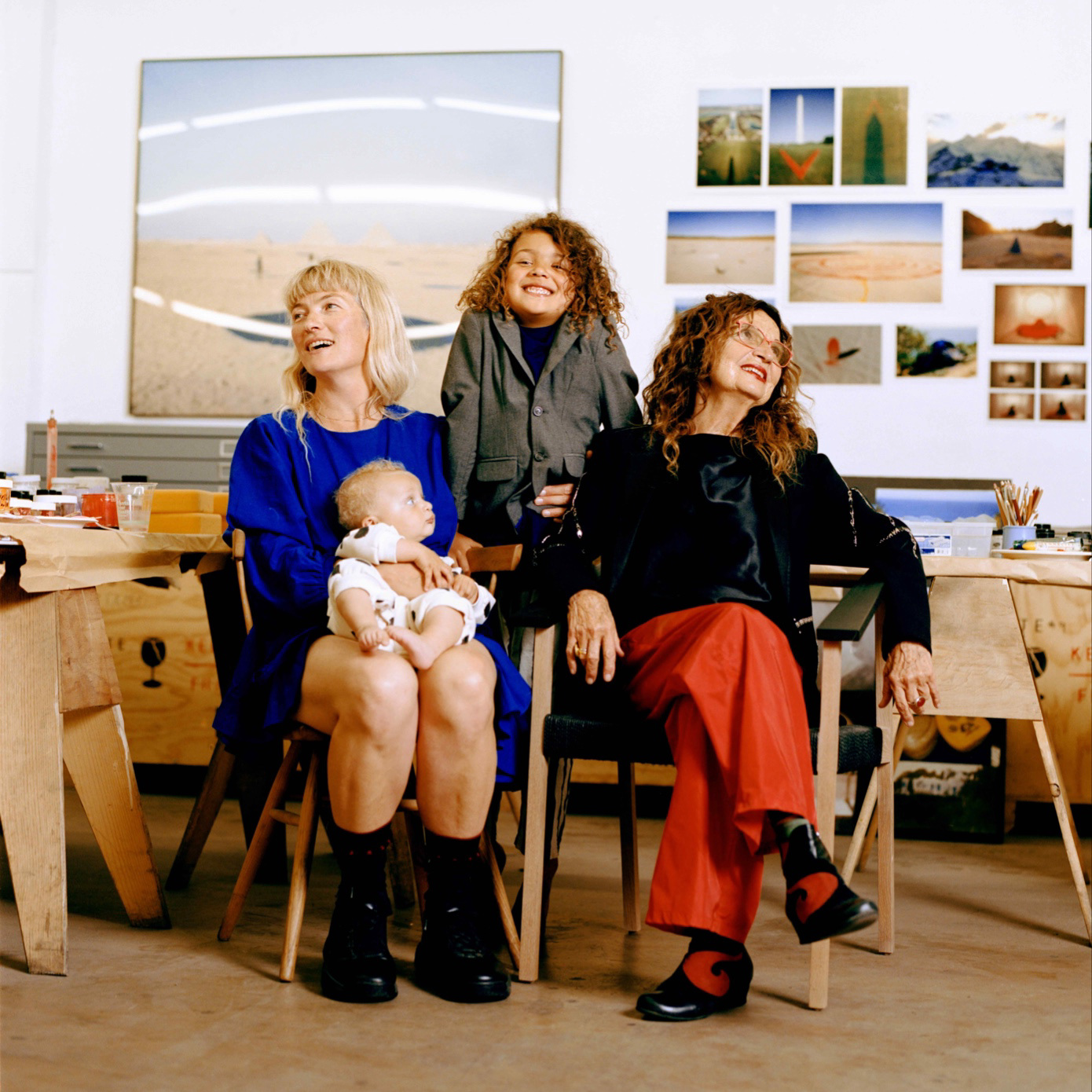
Cultured magazine interviewed five artist-mothers—including Lita Albuquerque, Sheree Hovsepian, and Catherine Opie—ahead of Mother’s Day to explore how motherhood and artistic practice intersect. The artists describe how raising children has made them more efficient, intuitive, and present in their studios, while their art has deepened their capacity for love and patience as parents. Specific examples include Hovsepian turning to photograms during limited childcare hours and Opie creating intimate portraits of her son.

lalitha lajmi

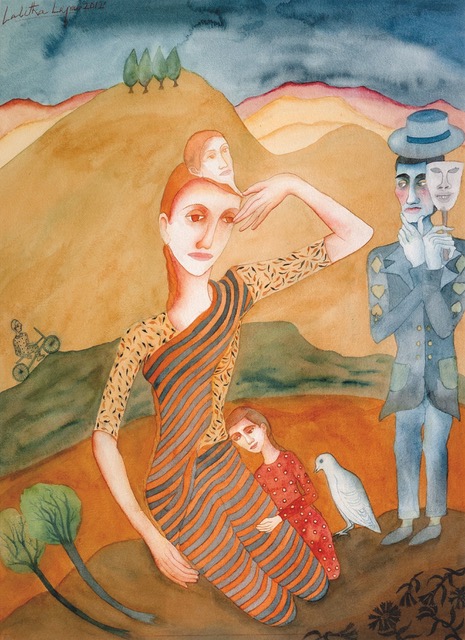
The article excerpts a book about Indian artist Lalitha Lajmi, exploring her creative struggles, loneliness, and distinctive use of blue and red in watercolors. It draws from her dream journals and interviews, describing how she often painted herself in red against blue landscapes, symbolizing desire and isolation, and how her works resemble raw underpaintings that reveal subconscious imagery.

Comment | Time for a rethink: women artists were never meant to merely be canon fodder

Comment | Time for a rethink: women artists were never meant to merely be canon fodder

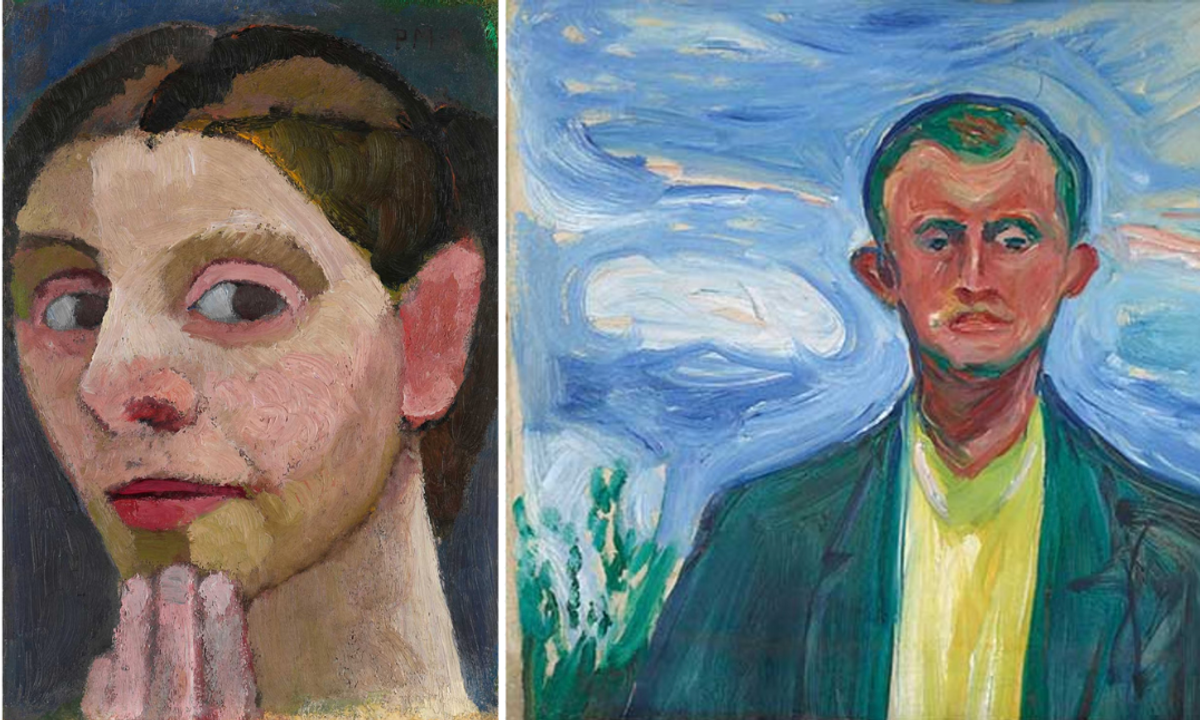
The art world is increasingly moving beyond simply adding women to the existing art historical canon, a practice long criticized by feminist historians like Griselda Pollock. Instead of merely 'expanding' the canon, new institutional approaches aim to 'difference' it by using the work of women to fundamentally re-evaluate and subvert established narratives. This shift suggests that the inclusion of previously marginalized artists should change how we perceive the masters they are often compared to.

Five new art books to look out for this autumn, including publications on US monuments and Vermeer close-ups

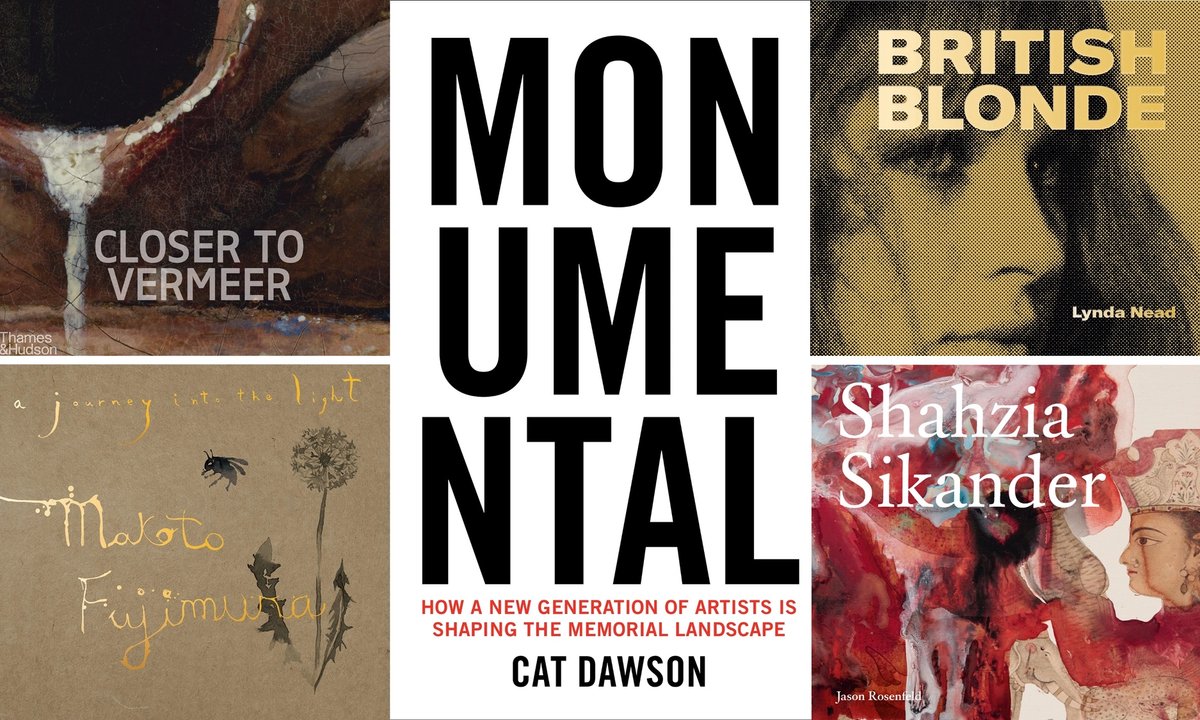
Five new art books are set for release this autumn, covering topics from US monuments and Vermeer's techniques to post-war British culture and contemporary Pakistani-American art. Titles include 'Closer to Vermeer' (Thames & Hudson), 'Monumental: How a New Generation of Artists Is Shaping the Memorial Landscape' (MIT Press), 'British Blonde' (Paul Mellon Centre), 'Art Is: A Journey into the Light' (Yale), and 'Shahzia Sikander' (Lund Humphries), each offering fresh scholarship or monographic depth.

Go big or go home: how The Lost Giants revived the ancient art of goliath-making

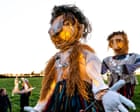
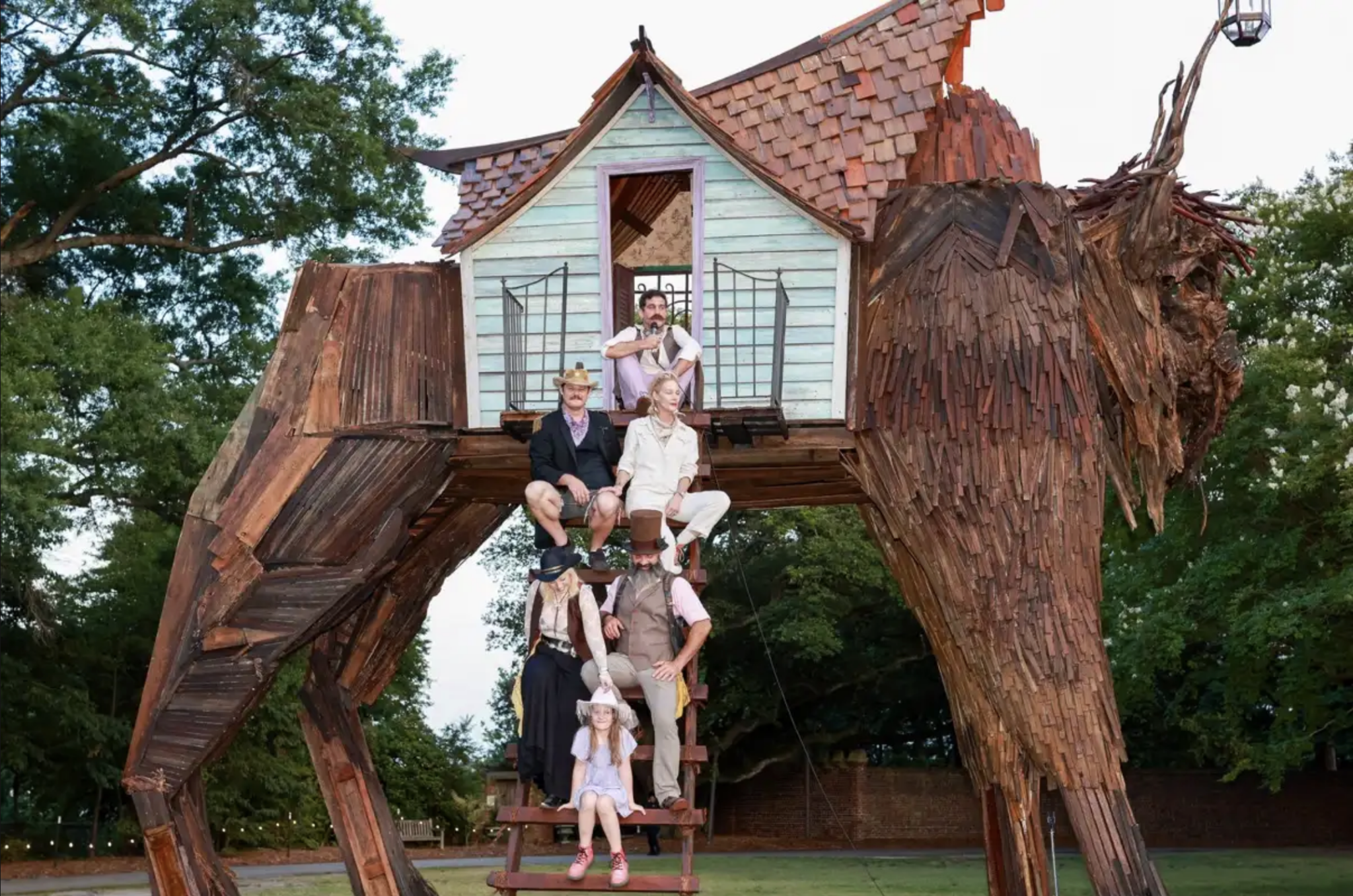
The Lost Giants (TLG), an art collective based in Lostwithiel, Cornwall, is reviving the British tradition of making processional giants—large, community-built figures made from wood, cloth, and papier-mâché. Founded three years ago by theatre designer Ruth Webb and her sister-in-law Amy Webb, the group has created giants for events ranging from local lantern parades to a harvest procession at Hauser & Wirth’s Somerset gallery. This New Year’s Eve, environmentalist Lisa Schneidau joined a massive procession of these giants in Lostwithiel, describing it as an extraordinary experience. The collective recently issued a public callout for an environmental group to collaborate on making a new beastie.

Burning Man Art: It’s Closer Than You Think

Burning Man art is increasingly appearing in museums, cities, and regional events worldwide, moving beyond the temporary desert environment of Black Rock City. Artists like Miki Masuhara-Page and Walker Babington have brought their interactive sculptures—such as 'Cosmic Messenger' and 'Burden of the Beast'—to venues including the Portland Winter Light Festival and The Hermitage Museum and Gardens in Norfolk, Virginia. The Black Rock City Honoraria Program, funded by the nonprofit Burning Man Project, supports approximately 75 artworks annually, while the Art department assists nearly 400 pieces destined for the playa.

Learning is something aesthetic and emotional. Marco Dallari says so in his latest book (and in this interview)

L’apprendimento è qualcosa di estetico e di emotivo. Lo dice Marco Dallari nel suo ultimo libro (e in questa intervista)

Italian pedagogist Marco Dallari discusses his latest book, "La bellezza di Sophia" (2026), which explores the intrinsic human drive for knowledge as an aesthetic and emotional necessity rather than a pragmatic survival tool. Drawing on Freudian concepts and the work of Alessandra Risso, Dallari argues that the desire to learn is a primal impulse that should be nurtured through beauty and curiosity rather than stifled by rigid institutional structures.

literature ann rower lee and elaine autofiction

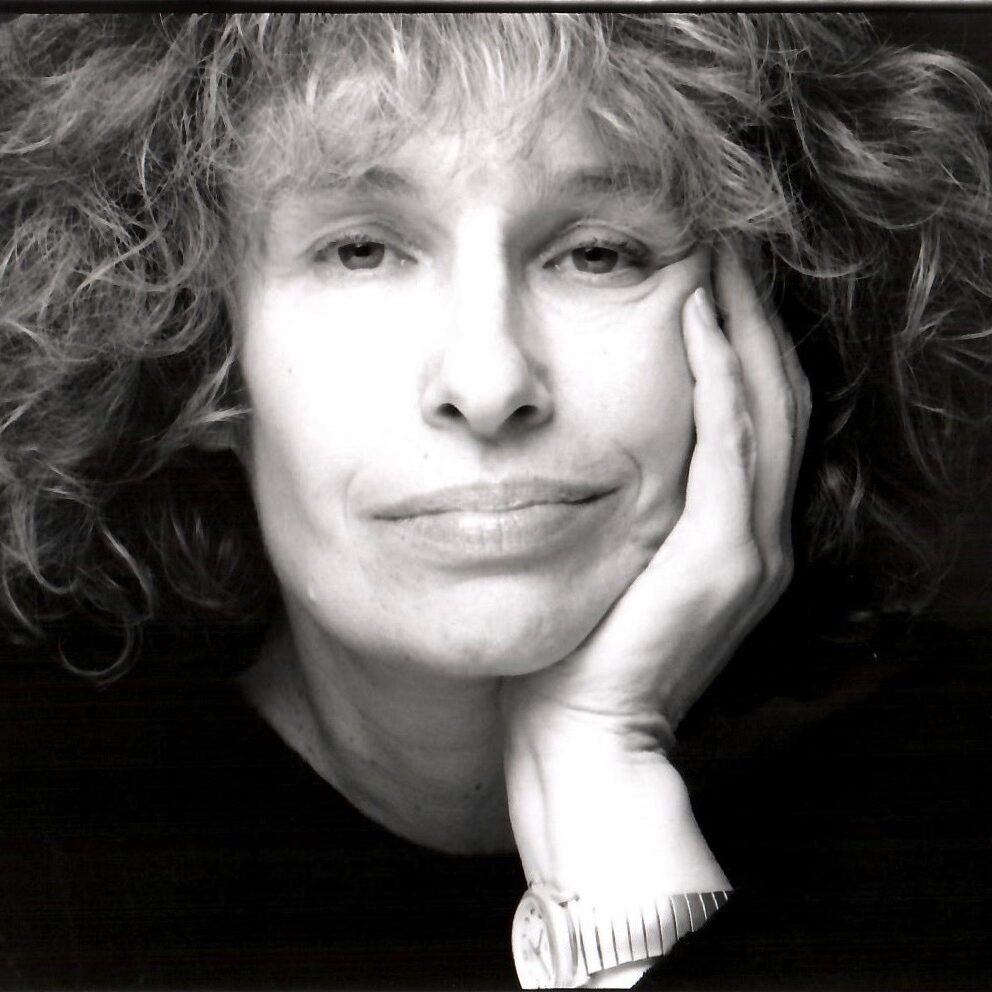
Ann Rower's novel "Lee & Elaine," originally published in 2002 by Serpent's Tail, is being reissued next month by Semiotext(e). The autofictional work follows a narrator—a lightly fictionalized version of Rower—who, after learning of the death of her friend, artist Hannah Wilke, becomes obsessed with the graves of Lee Krasner and Elaine de Kooning at Green River Cemetery. The narrator imagines these two women, known primarily as wives of famous male painters, as secret lovers or comrades, and attempts to write a joint biography that doubles as a journey of self-discovery.

parties kyle maclachlan aesop los angeles 2

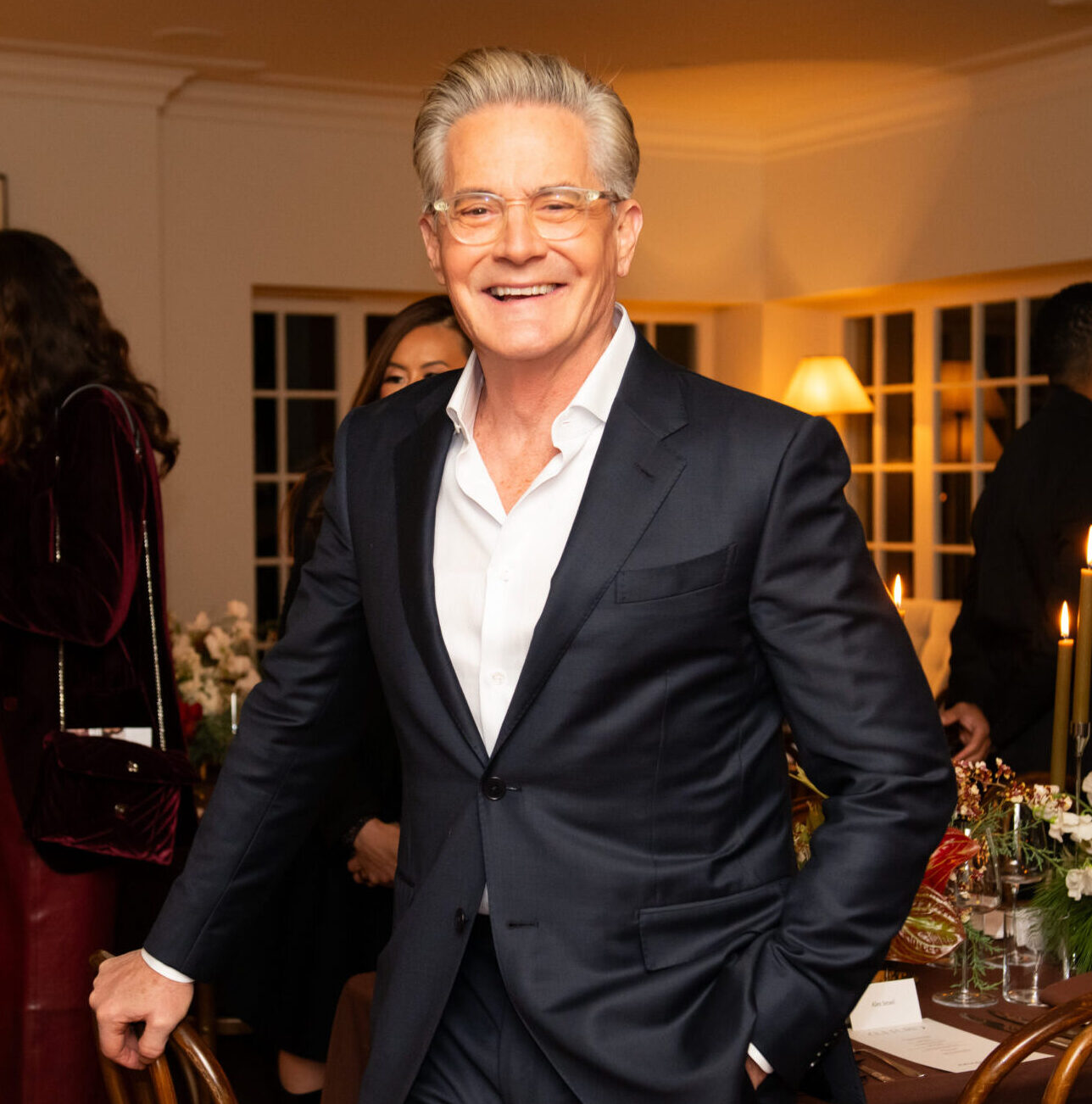
CULTURED magazine's Editor-in-Chief Sarah Harrelson hosted a candlelit dinner at her Los Angeles home to celebrate the release of the Artists on Artists issue. The event was co-hosted by actor Kyle MacLachlan, the issue's digital cover star, and skincare brand Aēsop. Guests included artists Alex Israel, Jennifer Guidi, Callida Rawles, and Lauren Halsey; actors Jeanne Tripplehorn, Jordan Firstman, and Lisa Rinna; art dealers Sara Lee Hantman and Robert Goff; collector Sonya Yu; and other creative Angelenos. The evening featured Ruinart champagne, seasonal fare by Chris Kronner's Mayday group, and Aēsop gift kits as parting favors.

Saad Khan Archives the Detritus of Censored Culture

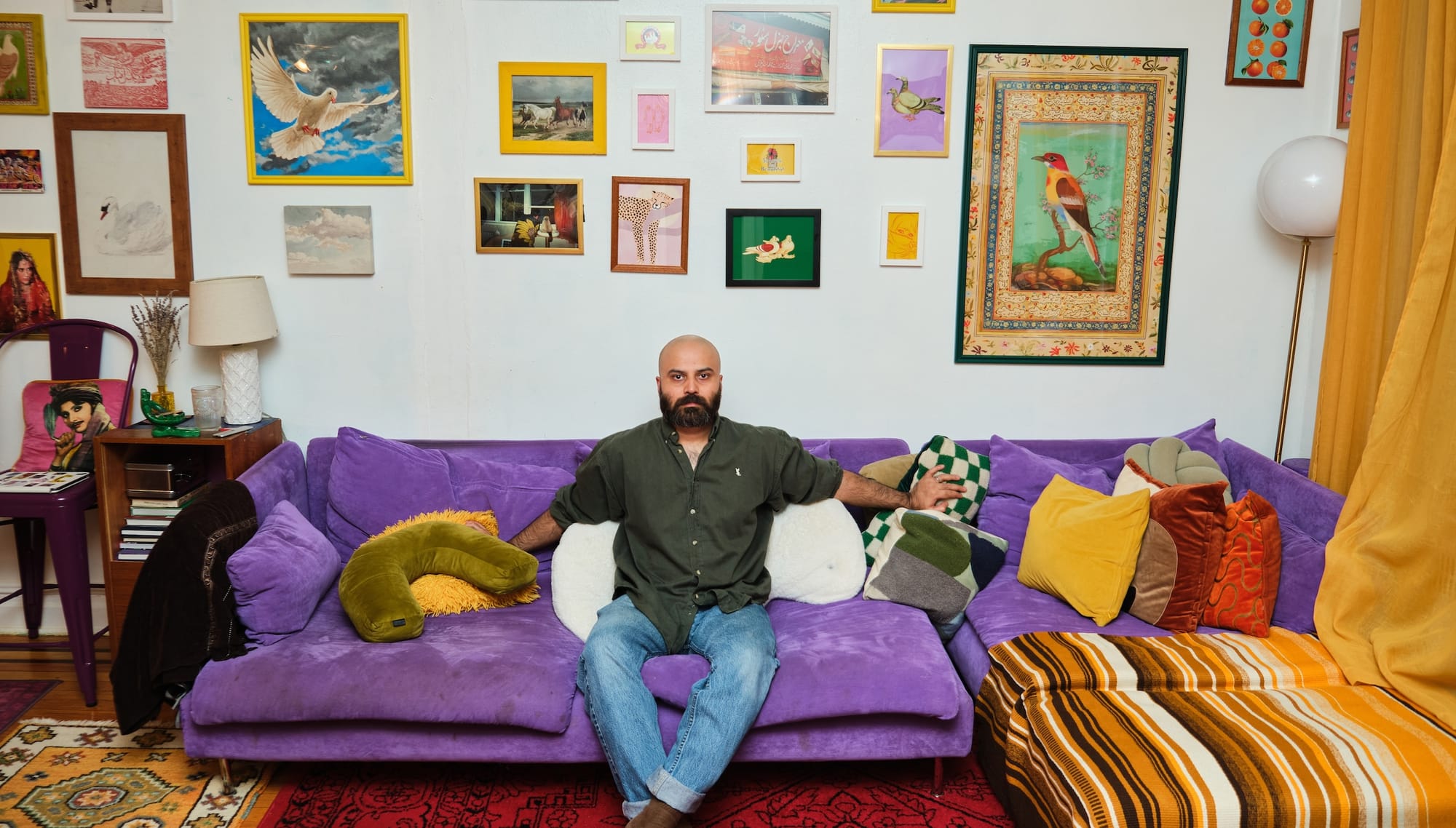
Saad Khan, a New York-based archivist, has developed Khajistan, an expansive digital and physical archive dedicated to preserving censored and overlooked mass media from South Asia to the Maghreb. The collection features a diverse array of ephemera, including homoerotic imagery, working-class street posters, and banned magazines that are often erased from official cultural records. By documenting everything from WhatsApp forwards to vintage film posters, Khan creates a space where the lived experiences of queer, trans, and working-class individuals in these regions are validated and archived.