filter_list Showing 29 results for "Dominate" close Clear
search
dashboard All 238 museum exhibitions 113trending_up market 37article culture 29article news 15rate_review review 11candle obituary 11person people 9article policy 6article local 6gavel restitution 1
date_range Range Today This Week This Month All
Subscribe

The Philosopher Who Predicted Our Post-Literate Art Moment

Art critic Martha Schwendener has released a new book titled 'The Society of the Screen: Vilém Flusser’s Radical Prescience,' exploring the prophetic theories of the late philosopher Vilém Flusser. Flusser, a Prague-born thinker who lived in Brazil and Europe, argued in the 1980s that society was transitioning from a text-based culture to one dominated by 'technical images,' a shift he believed would fundamentally alter human consciousness and the function of the 'apparatus' in daily life.
making the mark forum art market museum recap

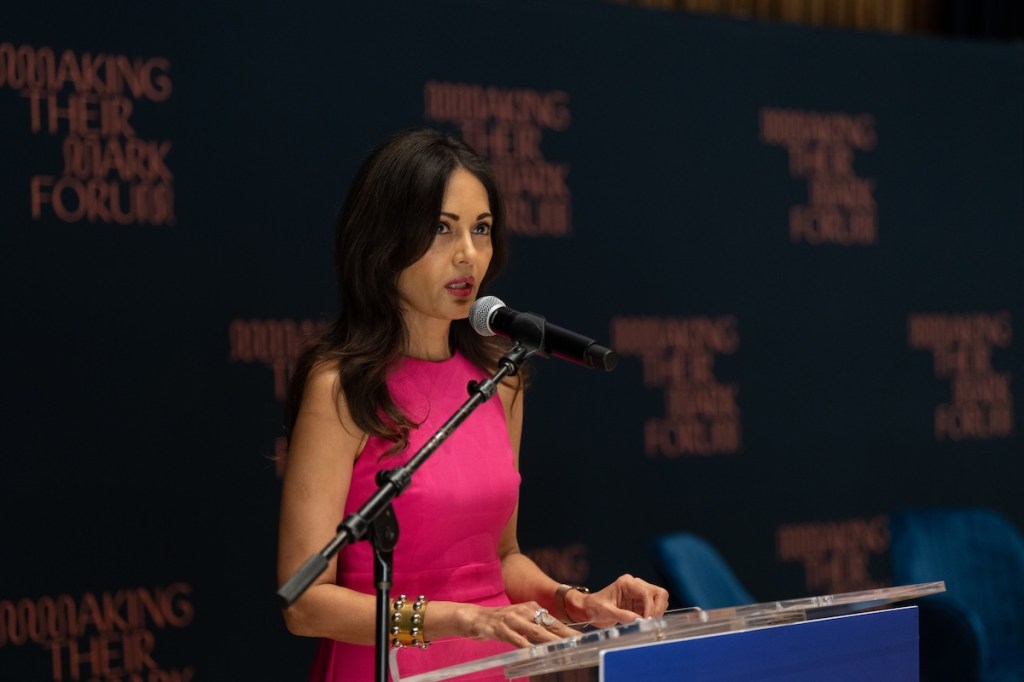
The inaugural Making Their Mark forum convened 350 art world professionals at the National Museum of Women in the Arts to address systemic gender inequity. Organized by collector Komal Shah and the Making Their Mark Foundation, the event featured panels with artists, curators, and public figures like Chelsea Clinton and Ava DuVernay. The forum served as a call to action to dismantle the male-dominated art historical canon and reform the systems governing visibility and valuation.

contemporary frames

Artist Harry Gould Harvey IV and others are reclaiming the frame as an integral part of the artwork, using found wood and elaborate designs to embed narrative, memory, and place. Harvey, represented by P.P.O.W., began making frames from a fallen black walnut tree, while artists like Jenna Rothstein create ceramic frames with spiky thorns. The New Museum Los Gatos recently honored Holly Lane, a pioneer who milled Renaissance-style frames in the 1980s, challenging the minimalist norm.

Let’s dress like a Mark Rothko! How gen Z fell for the king of colour field paintings

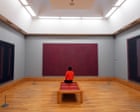
Mark Rothko, the abstract expressionist known for his color field paintings, is experiencing a cultural resurgence among Generation Z on social media platforms like TikTok and Instagram. Videos inspired by his work amass hundreds of thousands of views, with creators styling outfits based on his canvases, assigning his paintings to personality archetypes, and comparing his palettes to dream pop bands like the Cocteau Twins. The Rothko Chapel in Houston, Texas, has also seen a wave of curious young visitors drawn to the meditative, confrontational experience of his art.

Painting Has Entered Its Performance Era

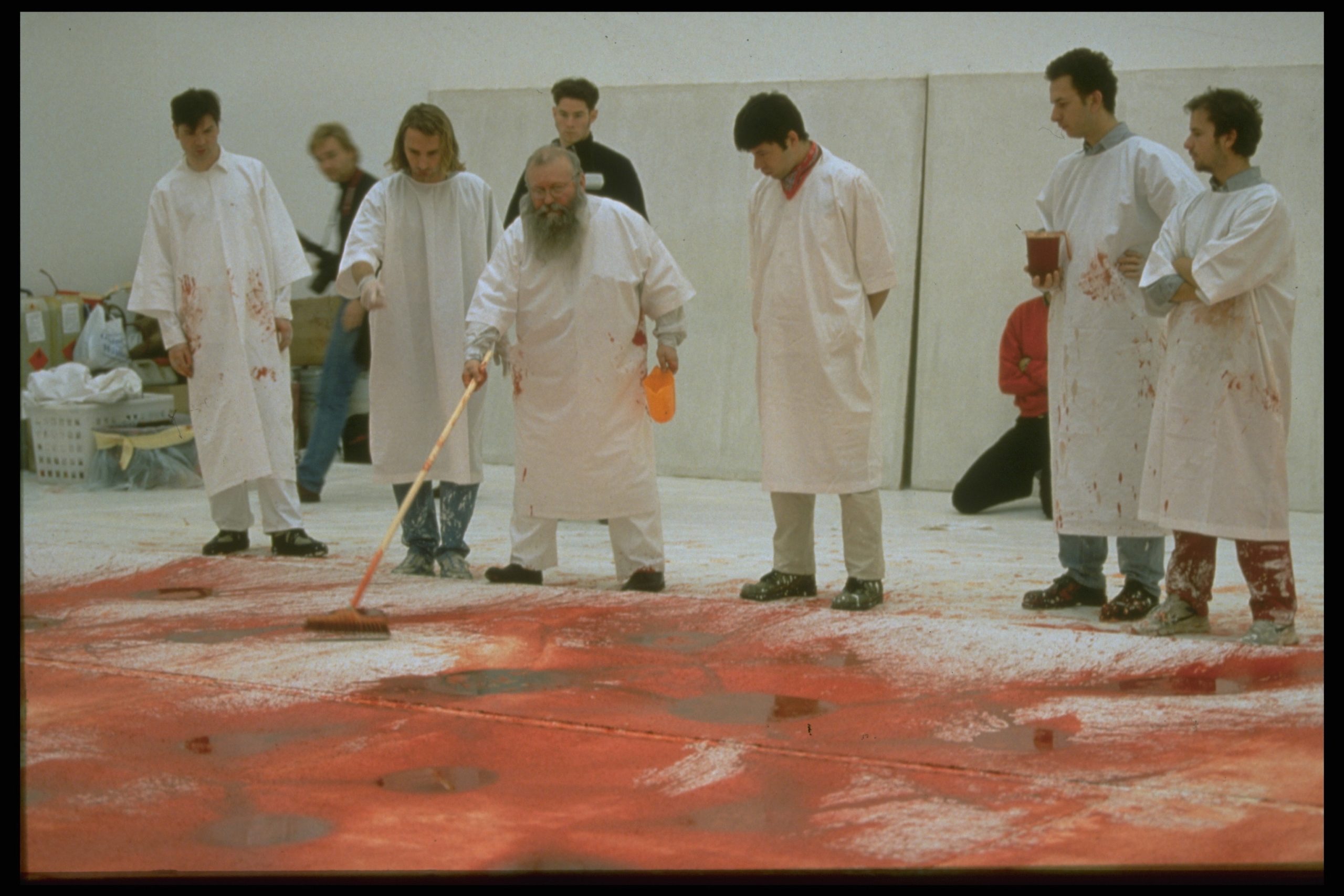
The rise of short-form video platforms like Instagram and TikTok has transformed painting from a static medium into a performative spectacle. To compete with algorithmic preferences for transformation and speed, artists are adopting specific visual grammars such as the "art reveal"—where a canvas is dramatically flipped toward the camera—and "speed painting," which turns the creation process into a high-stakes live event. These trends emphasize the labor and human presence behind the work, often utilizing emotional storytelling and direct engagement to build dedicated fanbases outside traditional gallery structures.

Meet the Gallerists Trading White Cubes for Unconventional Architecture

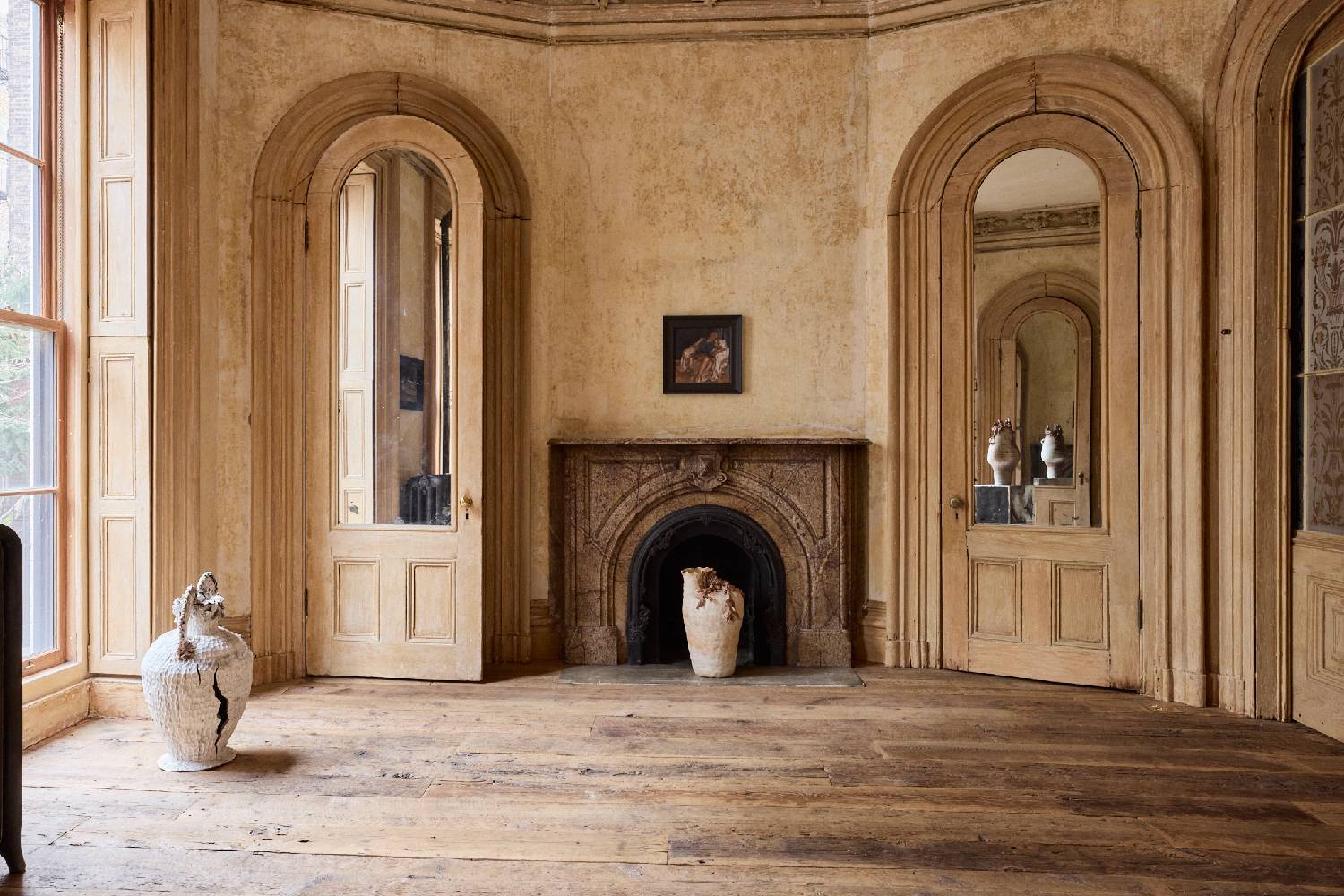
A growing number of gallerists are moving away from the traditional 'white cube' gallery model, opting instead for spaces with unconventional architecture and distinct character. These include locations in repurposed industrial buildings, historic structures, and uniquely designed new constructions that actively shape the visitor's experience of the art.

It's Time to Give Annibale Carracci Some of Rembrandt's Spotlight

its time to give annibale carracci some of rembrandts spotlight

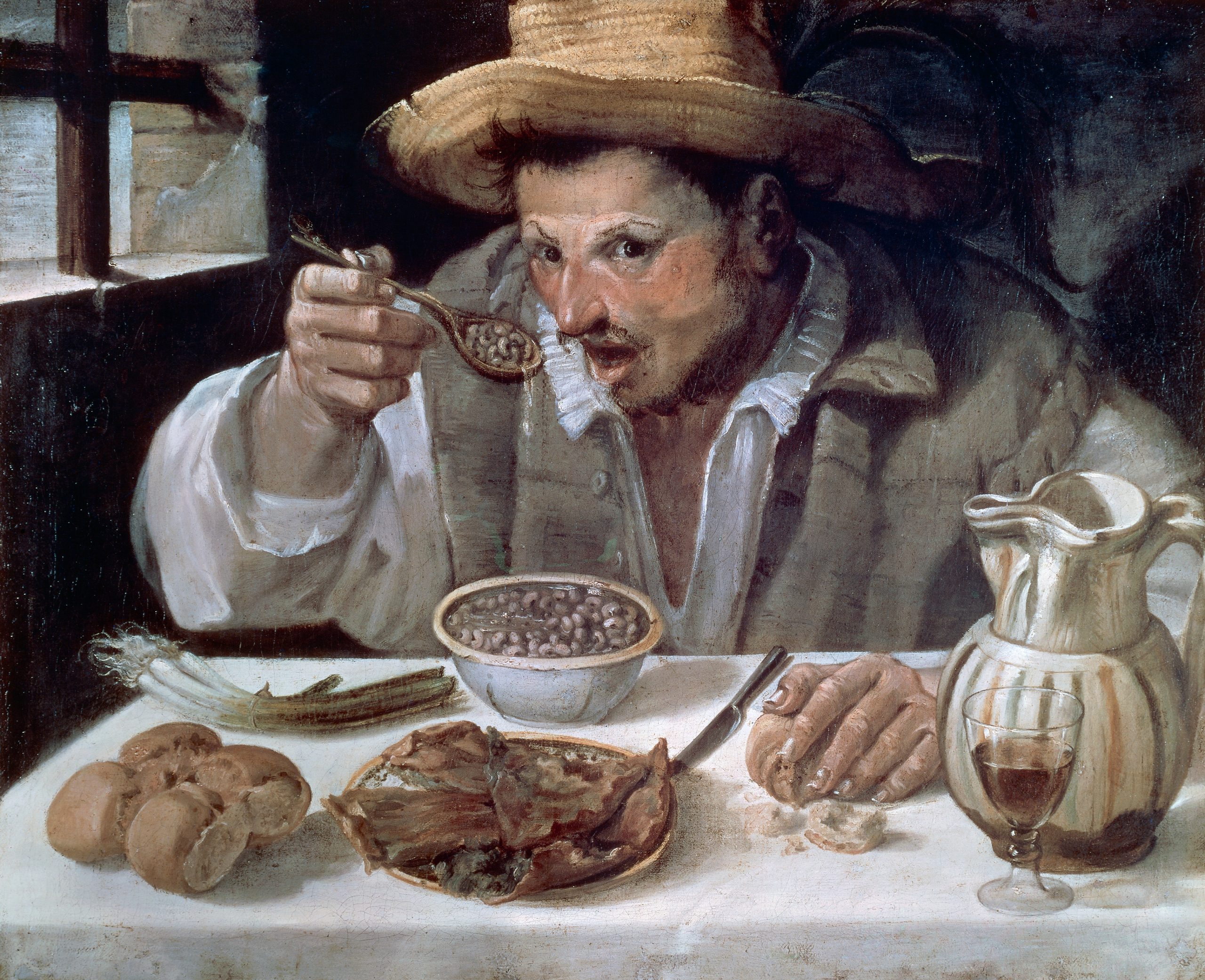
This article advocates for a critical re-evaluation of the Italian Baroque painter Annibale Carracci, arguing that his historical significance and artistic influence rival that of the more widely celebrated Rembrandt van Rijn. While Rembrandt has dominated recent museum headlines and auction records, the author highlights Carracci’s foundational role in establishing the Accademia degli Incamminati in Bologna, which revolutionized art education by prioritizing life drawing and elevating the social status of artists from mere craftsmen to intellectual creators.

hans holbein tudor legacy

A new biography by art historian Elizabeth Goldring, titled "Holbein: Renaissance Master," traces the journey of German painter Hans Holbein the Younger from his humble beginnings in Augsburg to becoming the official painter of King Henry VIII in Tudor England. The book, already released in the U.K. and hitting U.S. bookshops on January 6, examines how Holbein's portraits—including the iconic image of Henry VIII and rival courtiers Thomas More and Thomas Cromwell—defined the visual legacy of the Tudor dynasty. Goldring highlights Holbein's ability to confer power through paint, with his works still shaping global perceptions of the Tudors centuries later.

peter hujar day biopic ira sachs

Filmmaker Ira Sachs has released a new film titled *Peter Hujar's Day*, based on a 1974 audio recording and subsequent book by writer Linda Rosenkrantz. The film captures a single day in the life of photographer Peter Hujar, who died of AIDS-related complications in 1987, as he recounts mundane details and artistic anxieties to Rosenkrantz. Starring Ben Whishaw as Hujar and Rebecca Hall as Rosenkrantz, the movie adapts a transcript Rosenkrantz rediscovered and published in 2021. Sachs describes the project as an exploration of portraiture, light, and emotion, contrasting with his earlier, more turbulent film *Passages*.

eva hesse documentary

A comprehensive new documentary on Eva Hesse, the innovative 1960s artist, will premiere in New York in April. Directed by Marcie Begleiter, the film explores Hesse's life as a German-born American who fled Nazi Germany, her difficult childhood as an immigrant, and her rise in New York's art scene. It features interviews with artists like Robert Mangold and examines her pioneering use of materials such as plastic, latex, and fiberglass. Hesse's career was cut short when she died of a brain tumor at age 34 in 1970, but her legacy has grown through posthumous retrospectives at major museums.

How Tech Billionaires Turn Couture into Content

Wie Tech-Milliardäre Couture zu Content machen

The Met Gala, long considered the premier event for fashion and cultural influence, has become increasingly dominated by tech billionaires. This year, Jeff Bezos and Lauren Sánchez Bezos purchased their role as co-hosts, sparking protests in New York and raising questions about whether money alone now buys entry into the highest echelons of fashion. Individual tickets cost $10,000 and a table $350,000, with sponsors including OpenAI, Snapchat, and Meta. The event, organized by Anna Wintour to raise funds for the Costume Institute at the Metropolitan Museum of Art, raised $31 million last year but has transformed from a benefit into a spectacle optimized for viral moments and algorithmic appeal.

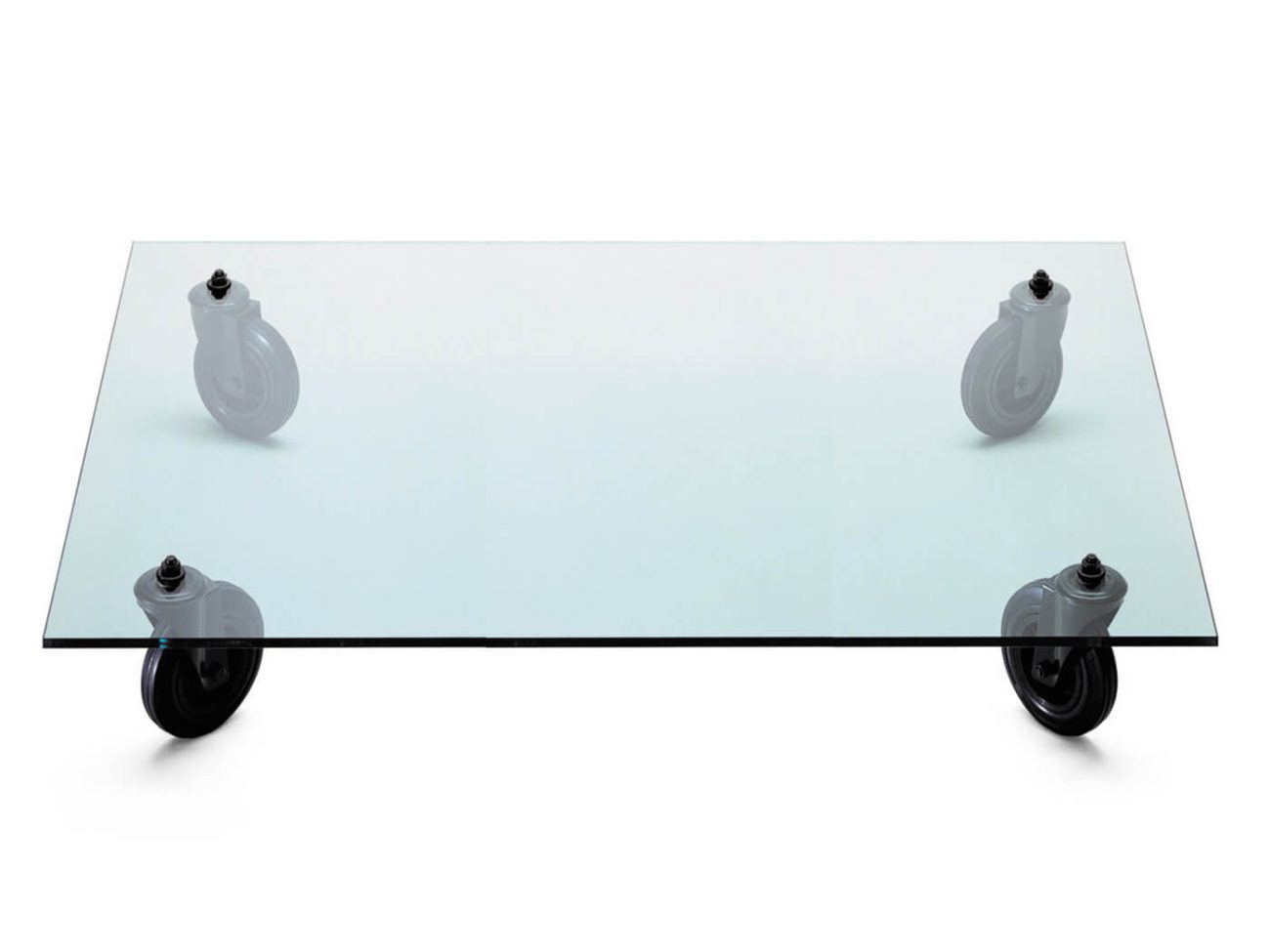
Gae Aulenti's 'Tavolo con ruote': A Radical Icon on Wheels

La « Tavolo con ruote » de Gae Aulenti : une icône radicale comme sur des roulettes

Gae Aulenti’s 1980 'Tavolo con ruote' (Table with wheels) remains a definitive icon of postmodern design, characterized by its radical simplicity. Created during Aulenti's tenure as artistic director of FontanaArte, the piece features a thick glass slab bolted to four industrial trolley wheels, a concept inspired by the factory carts used to transport glass. The table's enduring popularity is highlighted by its recent corporate history, as FontanaArte was acquired by Nemo Lighting in 2024 and subsequently integrated into the Spanish group Kettal in early 2026.

op ed museums gender and pay

The article examines how gender pay disparities and the fear of a "pink-collar" profession persist in the art museum world, triggered by comments from Meta CEO Mark Zuckerberg about "masculine energy" in the workplace. It recounts a 2020 forum where National Gallery of Art director Kaywin Feldman expressed concern that art museums becoming predominantly female could lower salaries, a remark initially seen as sexist but later contextualized by the author's investigation into the origins of such fears. The author traces the concept to a 2016 New York Times article citing research on how female-dominated fields see pay drops, and explores how even progressive leaders like Feldman can inadvertently perpetuate gender bias.

why is art history filled with miserable brides

The article examines the recurring theme of unhappy brides in 19th-century painting, focusing on works like Vasily Pukirev's *The Unequal Marriage* (1862) and Auguste Toulmouche's *The Reluctant Bride* (1866). It notes how these depictions of devastated brides and depressing nuptials have gone viral on social media, with 21st-century audiences—especially women—relating to the emotional tenor of the images despite the historical distance.

What Art Can Do

A conversation between German author and filmmaker Alexander Kluge and curator Hans Ulrich Obrist, originally published in 2017, has been republished following Kluge's recent death at age 94. The dialogue explores the unique capacities of different art forms, the need for interdisciplinary collaboration, and the role of art as an "oasis" or "garden" within an overwhelming technological landscape.

When archaeology was dominated by men | Letters

A reader named Elke Bachler writes a letter to The Guardian challenging a sentence in a review of Thomas Laqueur's book *The Dog's Gaze*. The review described a prehistoric scene as showing "a boy and a dog" standing together in wonder before cave art. Bachler argues there is no evidence the child was a boy, noting that archaeology has historically been dominated by men who interpreted evidence through contemporary gender roles.

gossip crit group

On a frigid December evening, eleven women artists gathered in the lobby of 125 Maiden Lane in downtown Manhattan to view and discuss Langdon Graves's exhibition "Mental Model," produced by Art in Buildings. The group, called Gossip, is a long-running artist crit collective founded in 2009 by Cranbrook Academy of Art graduates including Jessica Stoller and Kelli Miller, originally named "Get Out" before being renamed by member Virginia Wagner after Silvia Federici's writings on gossip. The group now has about 20 members, including Jenna Gribbon, Erin M. Riley, and Julie Curtiss, and meets regularly in studios and galleries for critical feedback and creative exchange.

no artists arent the winners of the new gilded age

The article critiques the current art market frenzy in New York, where fairs and auctions dominate the scene, and argues that the relationship between art and money is being misrepresented in mainstream media. It cites recent op-eds by David Brooks, Tyler Cowen, and Matthew Yglesias, who suggest that wealth inequality benefits artists by boosting the financial returns of fine art. The author counters that these commentators conflate the art market with artists' livelihoods, ignoring the precarious reality most artists face.

Pablo Picasso | Biography, Cubism, Famous Paintings, Guernica, & Facts

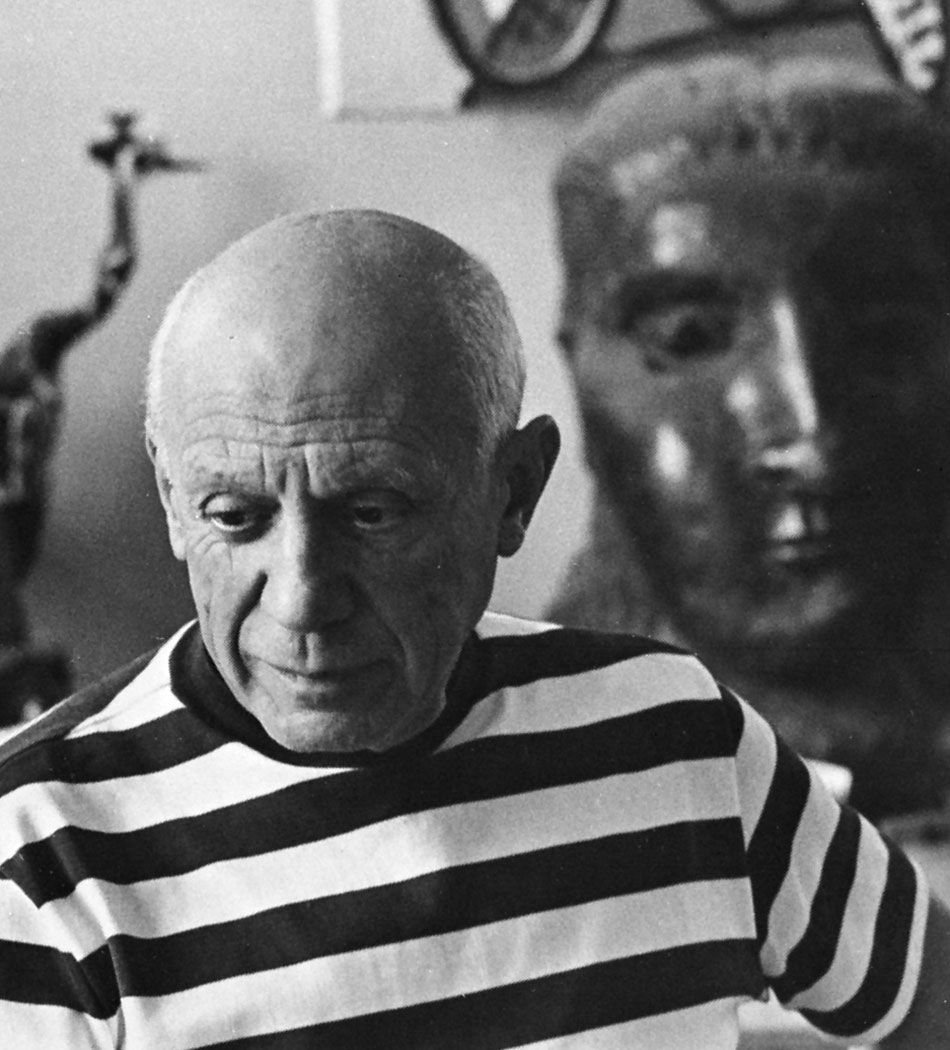
Pablo Picasso remains the most influential figure of 20th-century art, credited with co-founding Cubism alongside Georges Braque and fundamentally altering the trajectory of Western representation. Over an eighty-year career, he produced approximately 50,000 works across diverse media, including seminal paintings like 'Les Demoiselles d’Avignon' and 'Guernica,' which moved art away from Renaissance-era naturalism toward abstraction.

Total Warfare. A Conversation with Luigi Alberto Cippini  by ANY

Architect Luigi Alberto Cippini, founder of Armature Globale, engages in a provocative dialogue with Michael Abel and Nile Greenberg regarding the stagnation of contemporary architecture. Cippini calls for a radical departure from traditional disciplinary boundaries, advocating for a "punk" approach that embraces low-resolution aesthetics, hyper-specialized research, and a rejection of the pedantic communication standards that currently dominate the field.

Where to go for the next scandal?

Wo bitte geht's zum nächsten Skandal?

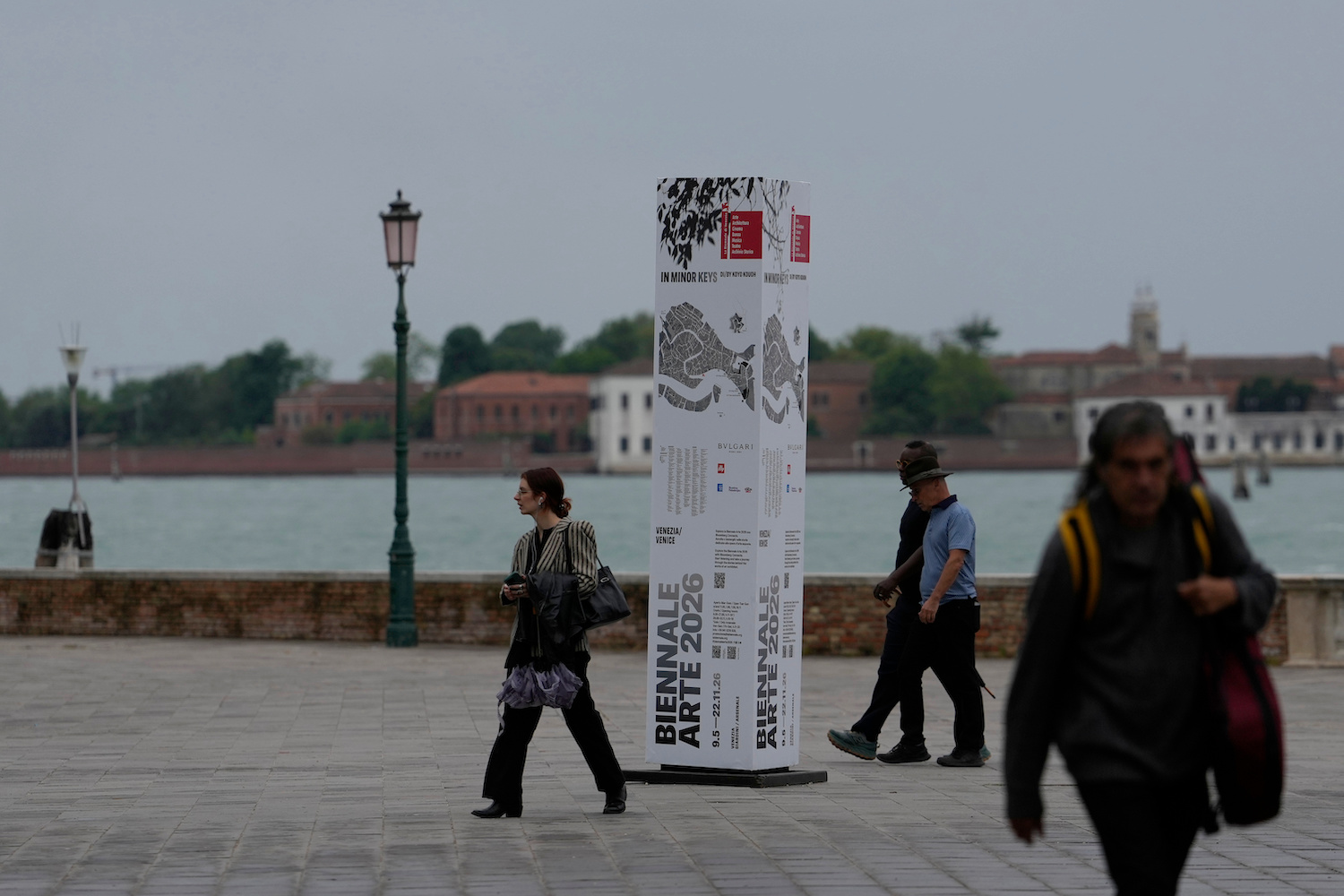
The article reports on the 2024 Venice Biennale preview days, where the atmosphere is dominated by political protests, media stunts, and social-media pressure rather than the art itself. Incidents include a solidarity drone choir for Gaza, a Pussy Riot and FEMEN protest at the Russian Pavilion, and a planned demonstration near the Israeli Pavilion, all amplified by PR agencies and WhatsApp alerts. A journalist describes being pressured by editors to cover scandals and political controversies instead of art reviews, which they say no longer attract clicks.

The Forgotten of Art: The Story of Artist Valeria Alberti

I dimenticati dell’arte. La storia dell’artista Valeria Alberti

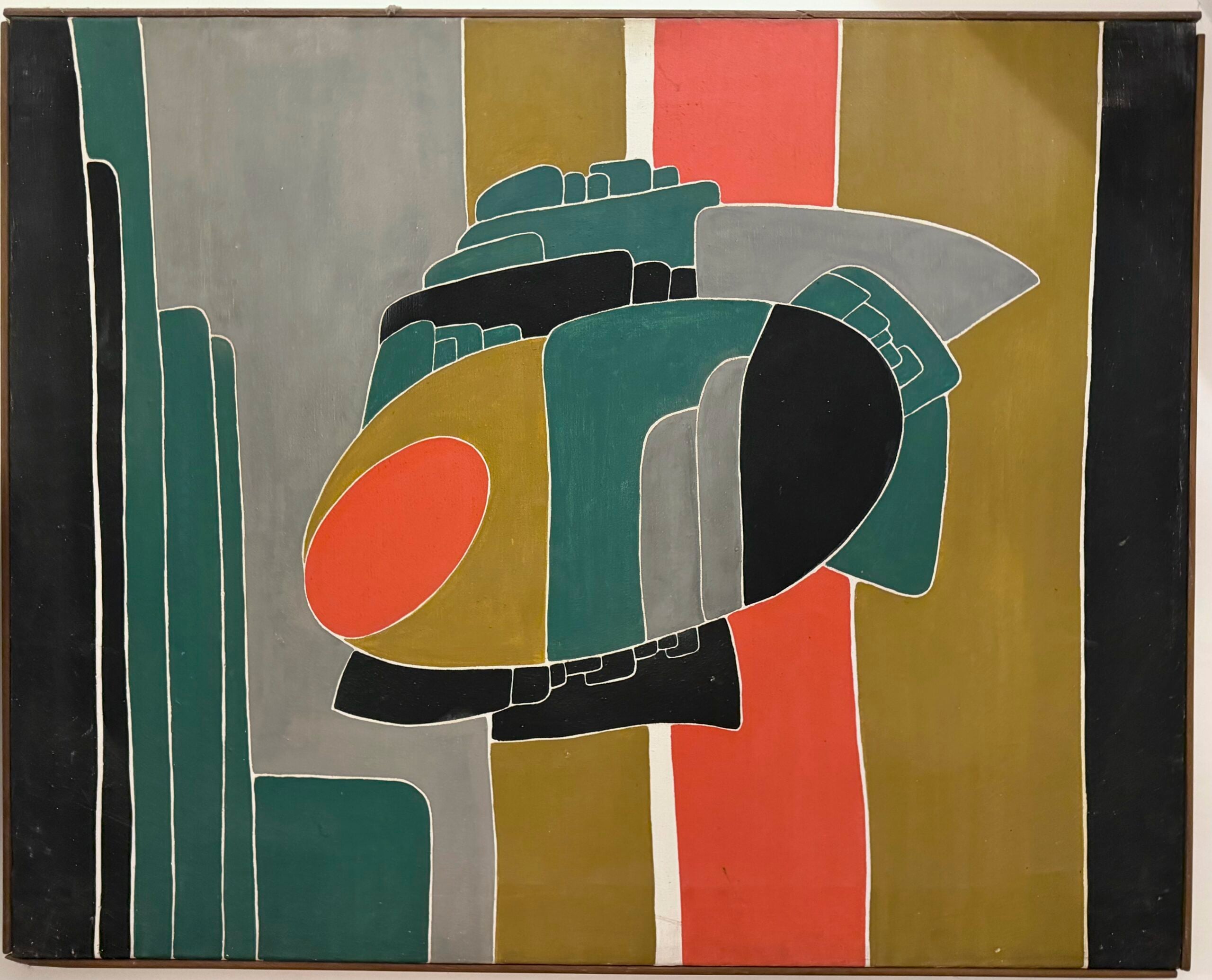
Valeria Alberti (1930-2011), a courageous, rebellious, and nonconformist Italian artist, had a brief but intense career before disappearing from the art world. Recent research by scholar Manuel Barrese reconstructs her trajectory as the only woman in a circle of artists and intellectuals around poet Emilio Villa and the Galleria Appia Antica. Alberti debuted in 1957 alongside Alberto Sartoris, collaborated with ceramist Mario Molli, and created painted panels for the transatlantic liners Leonardo Da Vinci and Michelangelo. She exhibited at Galleria Ferro di Cavallo and Galleria Azimuth, and received Piero Manzoni's Certificate of Authenticity No. 26 in 1961. Her later work included geometric metal sculptures, but she ultimately vanished from the art scene.

Being a Street Photographer. Interview with Simone Morelli, the Artist of Slowness

Essere street photographer. Intervista a Simone Morelli, l’artista della lentezza

Simone Morelli, a street photographer born in Rome in 1987, discusses his slow, analog approach to photography in an interview with Artribune. He began after receiving a Praktica film camera as a gift in Sweden in 2012, and was captivated by the process of shooting and printing on film. Morelli describes his method as instinctive yet deliberate, often working on long-term projects that build a coherent visual narrative rather than seeking single 'beautiful' images. He cites Josef Koudelka as a key influence and emphasizes the importance of patience and reflection in an era dominated by fast, digital imagery.

What does a technology fair have to do with the art world? A report from MIR in Rimini

Cosa c’entra una fiera della tecnologia con il mondo dell’arte? Un report dal MIR di Rimini

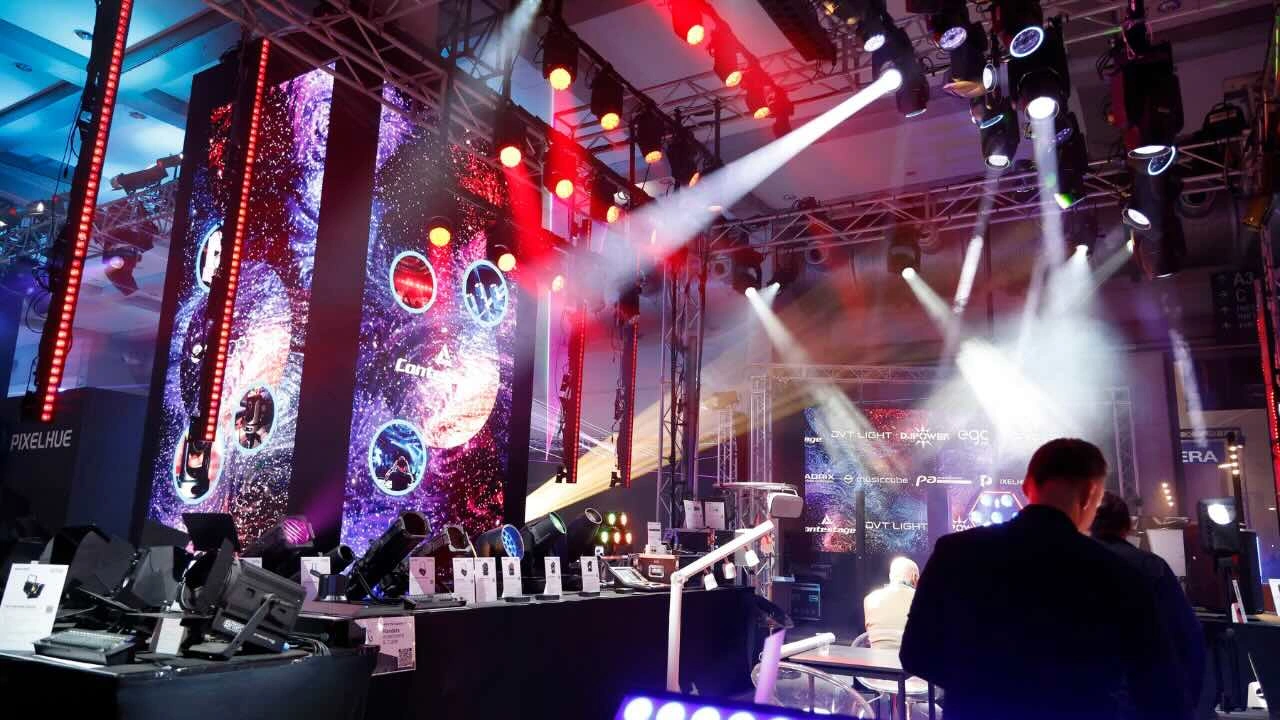
The article reports from the MIR (Live Entertainment Expo) technology trade fair in Rimini, an event focused on professional audio/video equipment and systems integration. While dominated by corporate stands and live sound demonstrations, the fair also hosted discussions on the precarious working conditions and pension system for cultural and entertainment workers, revealing underlying anxieties in the creative industries.

Roar materials: the ‘uncanny’ art of dinosaur puppetry – in pictures

The Australian puppetry company Erth is preparing for a new immersive dinosaur show at the Sydney Opera House. The article provides a behind-the-scenes look at their workshop in Marrickville, where a team of artists and designers hand-craft highly realistic, large-scale dinosaur puppets using animatronics, 3D printing, and traditional craftsmanship.

the new rules of subculture

Writer and theorist Nadia Asparouhova has published a new book titled *Antimemetics: Why Some Ideas Resist Spreading*, which introduces the concept of "anti-memes"—cultural phenomena whose influence derives from being hard to find or difficult to understand, rather than from popularity and visibility. The book is released by the Dark Forest Collective, a group of artists and thinkers inspired by Yancey Strickler's metaphor of the internet as a "dark forest," where meaningful exchange retreats to private spaces away from commercial and contentious public platforms. Artnet News critic Ben Davis reviews the book, connecting its ideas to contemporary art that deliberately operates below the radar.

The Dutch Masters Were Women, Too

A New York Times article highlights the overlooked contributions of women artists in the Dutch Golden Age, challenging the traditional male-dominated narrative of Dutch Masters. It profiles several female painters such as Judith Leyster, Rachel Ruysch, and Maria Sibylla Merian, whose works were historically undervalued or attributed to men.

Four years on from the Taliban takeover, Afghan women are asserting themselves through art

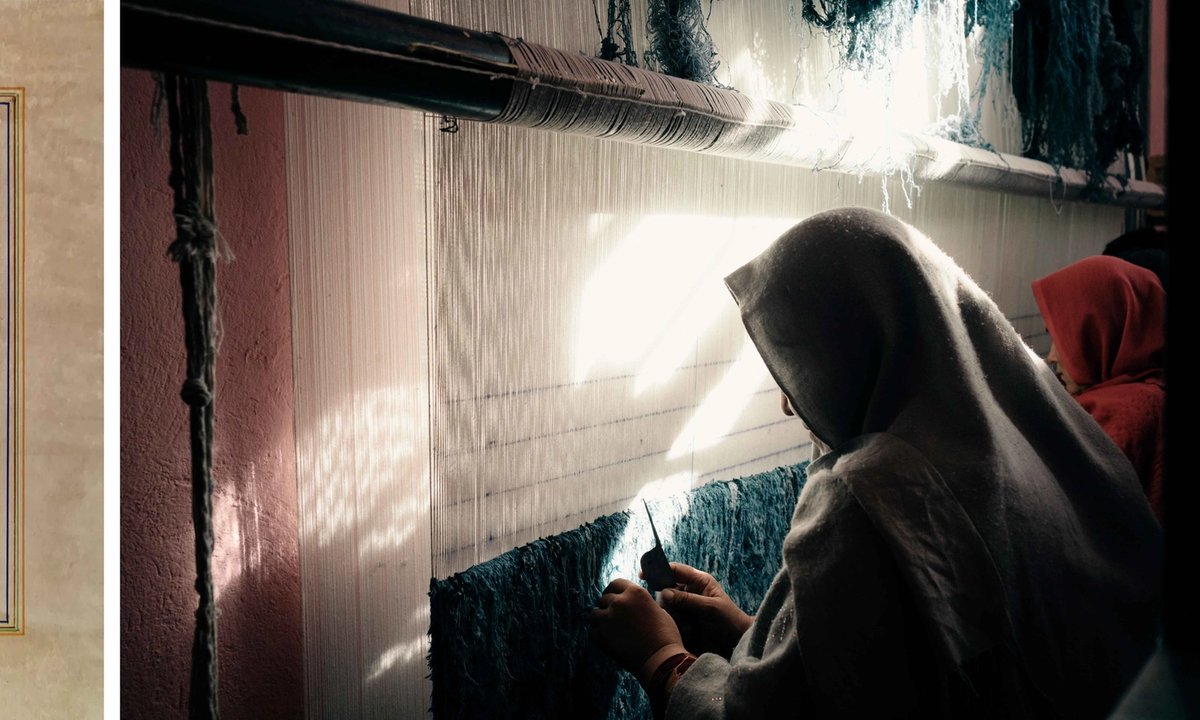
Four years after the Taliban takeover of Afghanistan in 2021, Afghan women are using art as a means of expression and resistance. The article profiles artist Alina Gawhary, who fled to study art in Belfast, and highlights the work of the UK-based NGO Turquoise Mountain, which collaborates with women carpet weavers in Bamiyan. Afghan-British artist Maryam Omar collected poetry from illiterate weavers and designed watercolor patterns that were woven into carpets, displayed in the selling exhibition "Weaving Poems" at Sotheby's in London. The exhibition foregrounds the women's creative voices and returns profits to the weavers.

Creating Variety in Contemporary Rome: The Story of the Conventicola degli Ultramoderni on Sky Arte

Fare varietà nella Roma contemporanea: la storia della Conventicola degli Ultramoderni su Sky Arte

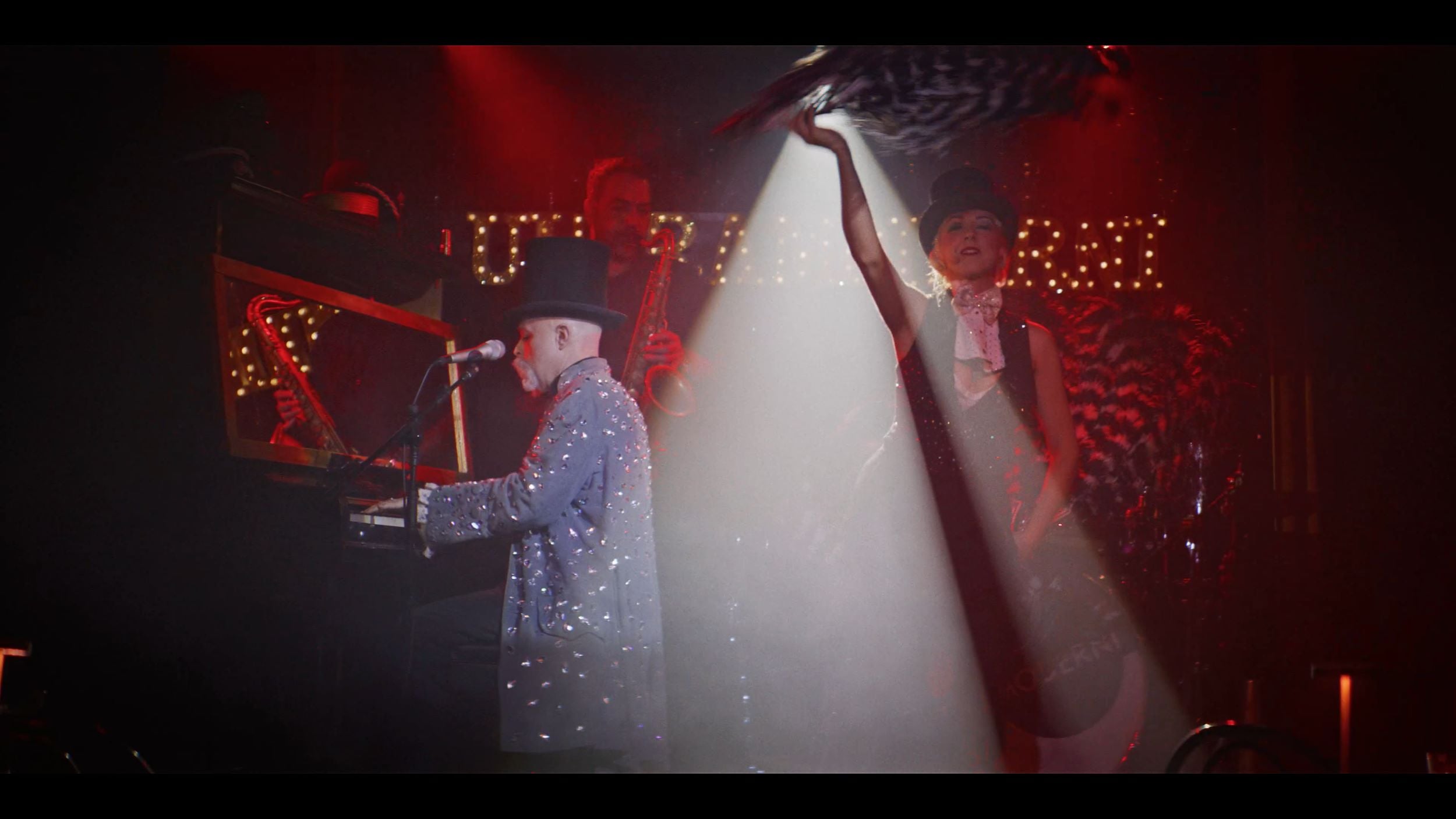
On Sunday, May 3, Sky Arte will premiere the documentary "Ultramoderni," which chronicles the rise of the Conventicola degli Ultramoderni, a unique artistic collective in Rome. Founded by Sior Mirkaccio and Madame de Freitas, who met in 2011, the group operates from a small hidden venue in the San Lorenzo district, blending music, cabaret, burlesque, and contemporary variety shows with a retro-futuristic aesthetic. The documentary, filmed in their Roman space, features interviews with the duo and excerpts from their performances, tracing how they built a diverse community of enthusiasts around their reinvention of past traditions.