filter_list Showing 10 results for "Editor" close Clear
dashboard All 97 museum exhibitions 24article news 22trending_up market 18article culture 10person people 8candle obituary 4article policy 4rate_review review 3article gallery 1article event 1gavel restitution 1article local 1
date_range Range Today This Week This Month All
Subscribe

‘They accomplished so much, even as they were dying’: the groundbreaking gay art of Peter Hujar and Paul Thek

Author and Frieze Magazine editor-in-chief Andrew Durbin has released a dual biography titled 'The Wonderful World That Almost Was,' chronicling the lives and creative partnership of Peter Hujar and Paul Thek. The book focuses on their relationship from the mid-1950s through the 1970s, detailing their collaborative influence and the development of their respective practices in photography and sculpture before both died of AIDS-related complications in the late 1980s.
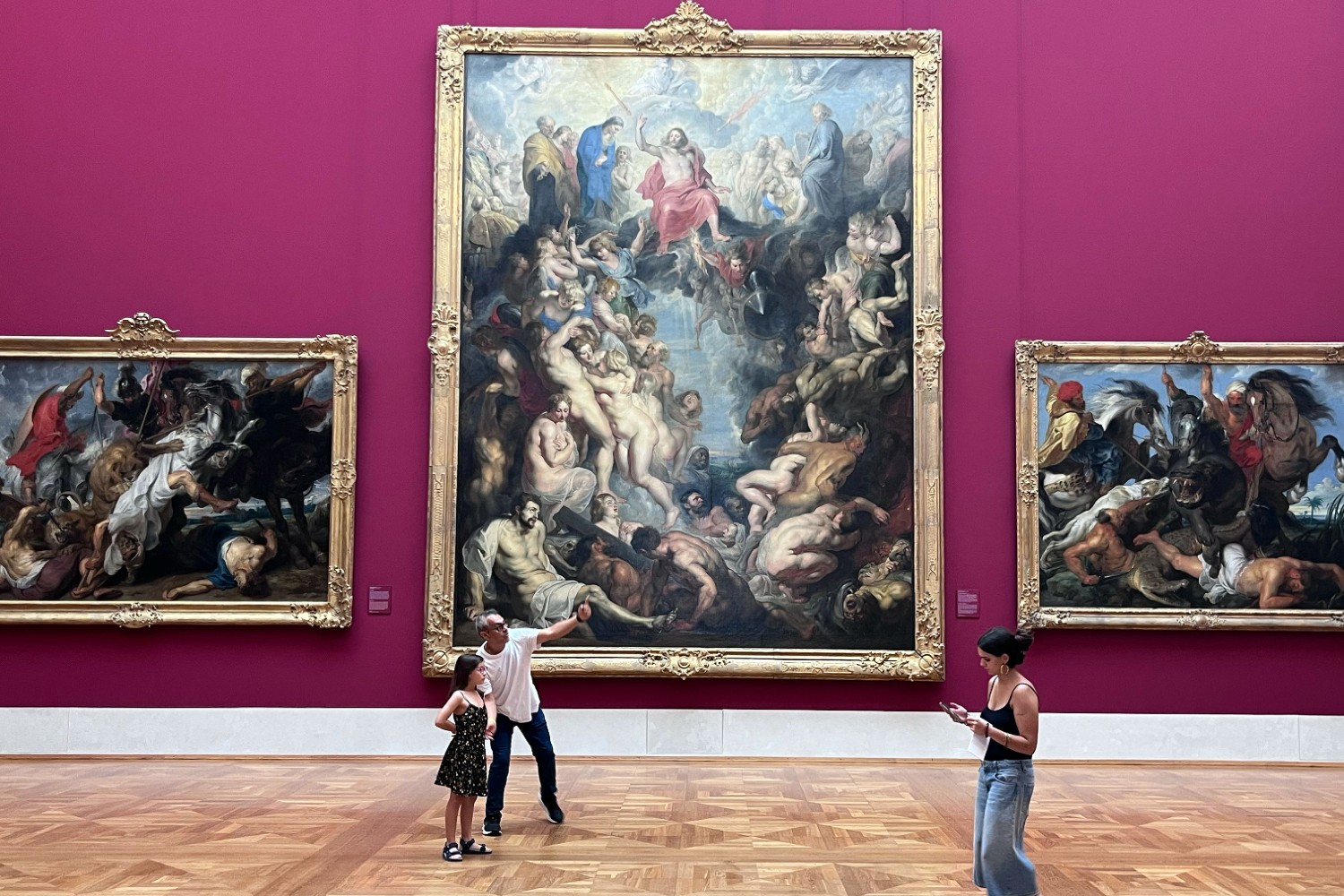
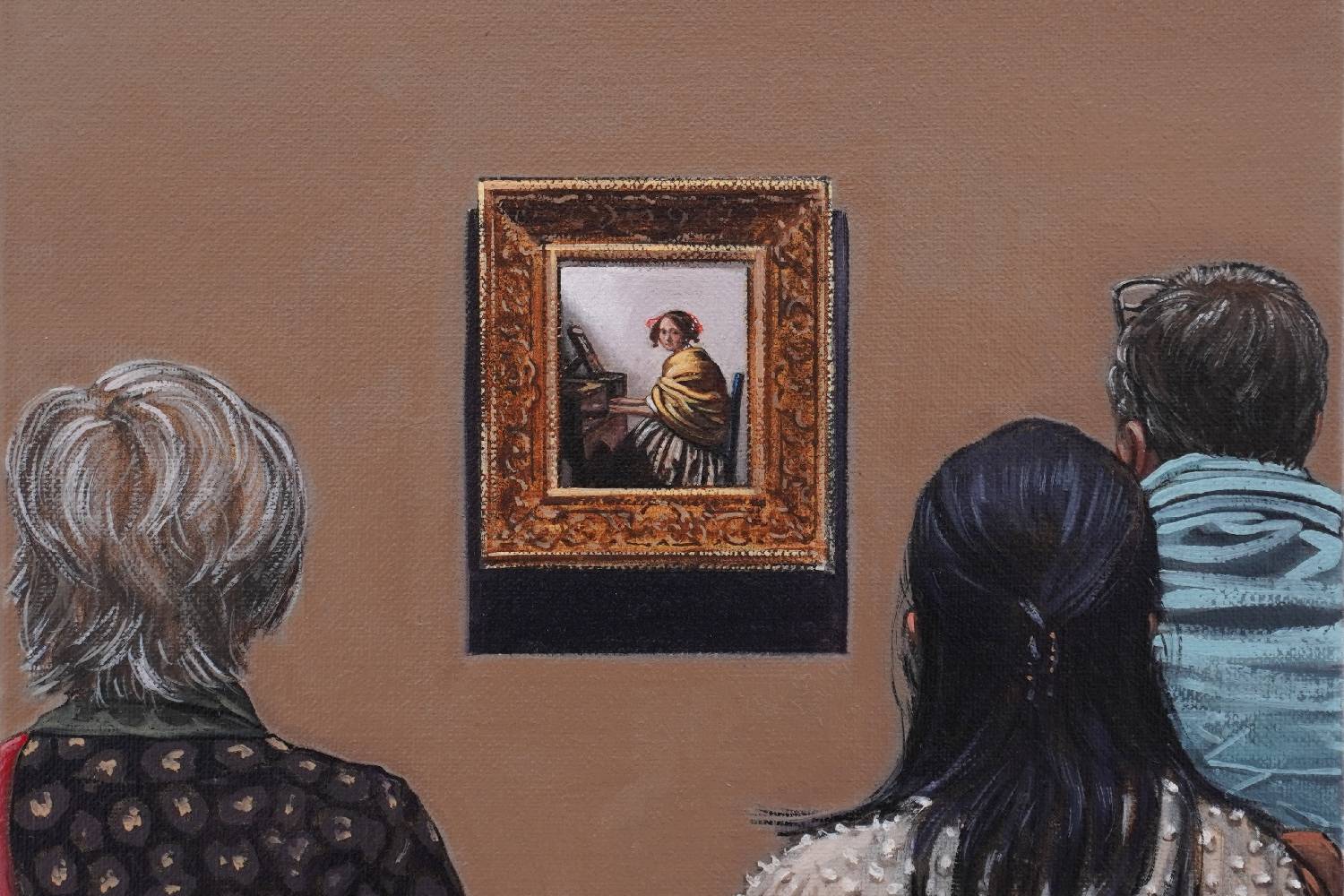
How to Take Great Photographs of Art, According to Artists

Contemporary gallery-going has become synonymous with digital documentation, as visitors increasingly use smartphones to capture paintings, sculptures, and installations. This shift from passive observation to active photography serves as a method of personal archiving, allowing viewers to preserve the fleeting experience of a physical exhibition and share it within their social circles.

Do you remember the last negative review you read?

« Vous souvenez-vous de la dernière critique négative que vous avez lue ? »

The traditional art of negative criticism is vanishing from mainstream media, replaced by a culture of polite consensus or violent but unprincipled social media attacks. Historically, critics like Baudelaire, Zola, and Huysmans used sharp, subjective arguments to defend avant-garde movements and challenge academicism, viewing the attack on certain artists as a necessary byproduct of championing others. Today, limited editorial space and a desire to support the arts have led French journalists to focus almost exclusively on praise, resulting in a loss of discernment and comparative analysis.

What Makes a Good Protest Sign?

The article's main feature is a guide on creating effective protest signs for the upcoming No Kings protest, compiled by comic artist Steven Weinberg with input from artists, writers, and curators including Hyperallergic's Editor-at-Large Hrag Vartanian. It offers practical advice for crafting visually and rhetorically powerful signs that challenge authority.

Meet the Gallerists Trading White Cubes for Unconventional Architecture

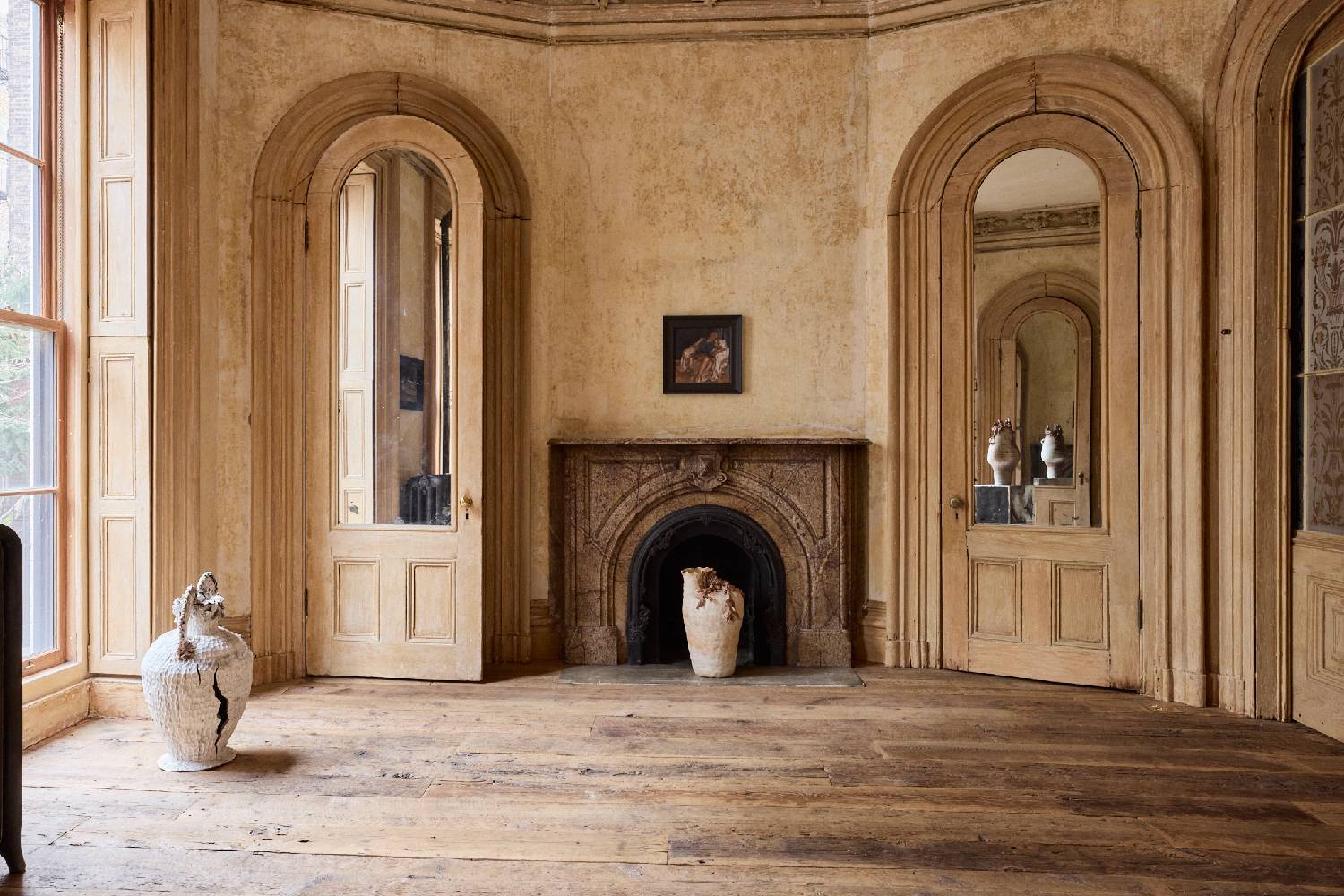
A growing number of gallerists are moving away from the traditional 'white cube' gallery model, opting instead for spaces with unconventional architecture and distinct character. These include locations in repurposed industrial buildings, historic structures, and uniquely designed new constructions that actively shape the visitor's experience of the art.

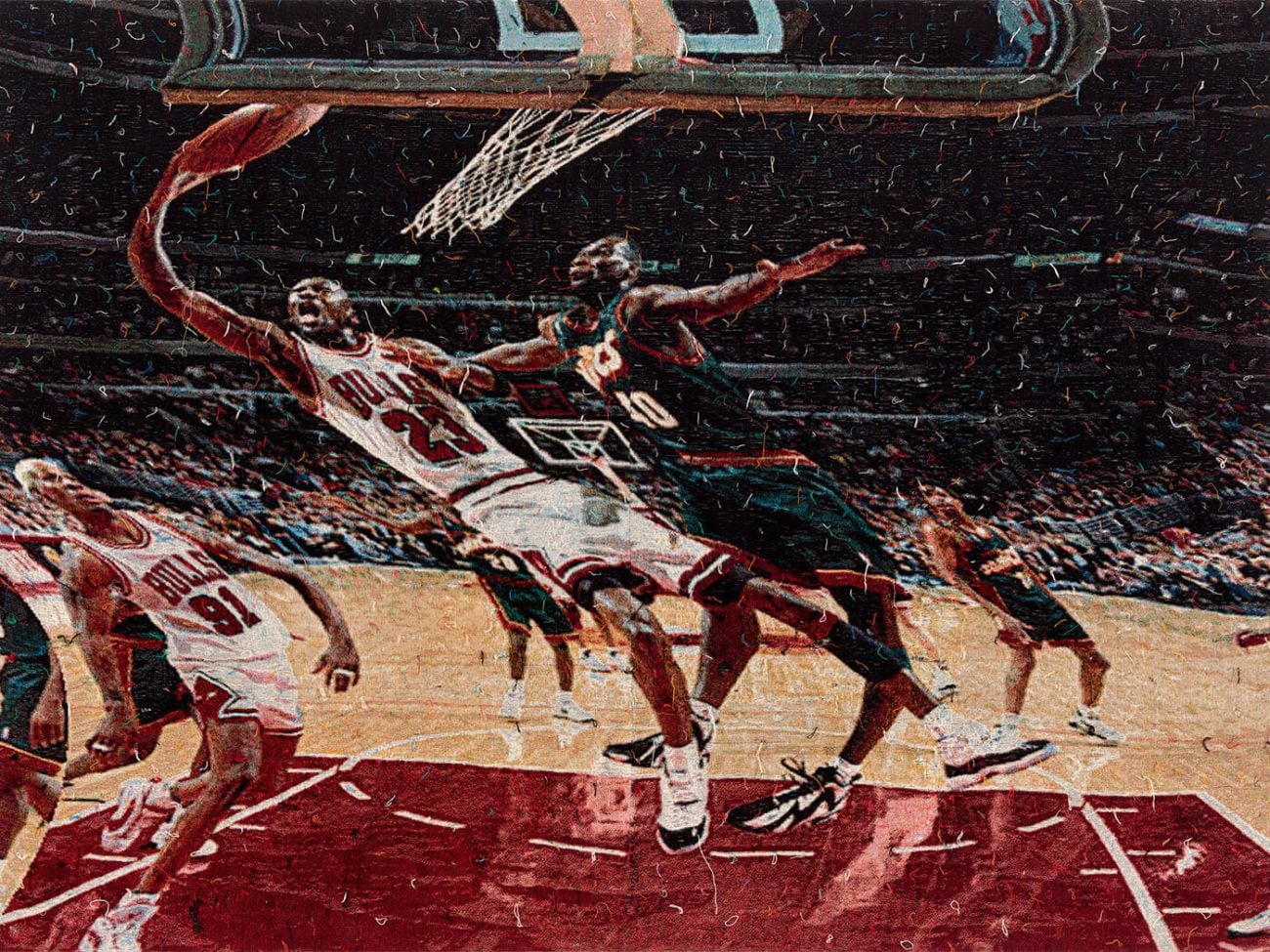
8 Artists to Follow If You Like Marcel Duchamp

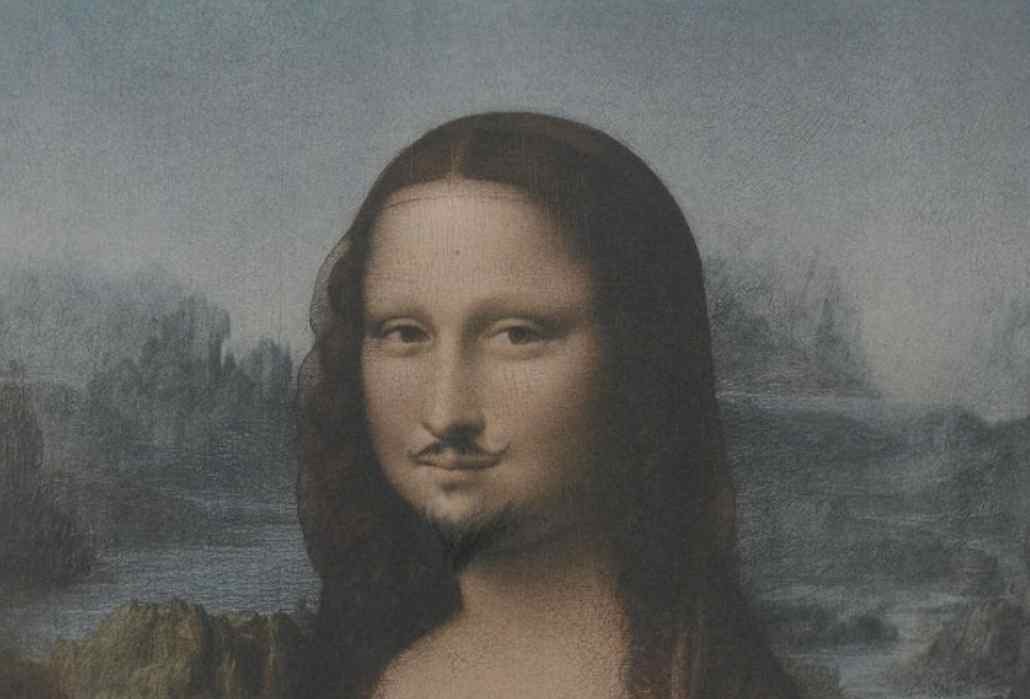
Marcel Duchamp’s legacy continues to shape contemporary art through his pioneering use of readymades, conceptual rigor, and institutional critique. This analysis identifies eight modern and contemporary artists whose practices echo Duchamp’s subversion of traditional aesthetics, ranging from his early experiments with found objects to his later explorations of gender and mechanical desire.

How Hajime Sorayama’s Sexy Robots Reflect Our Fantasies

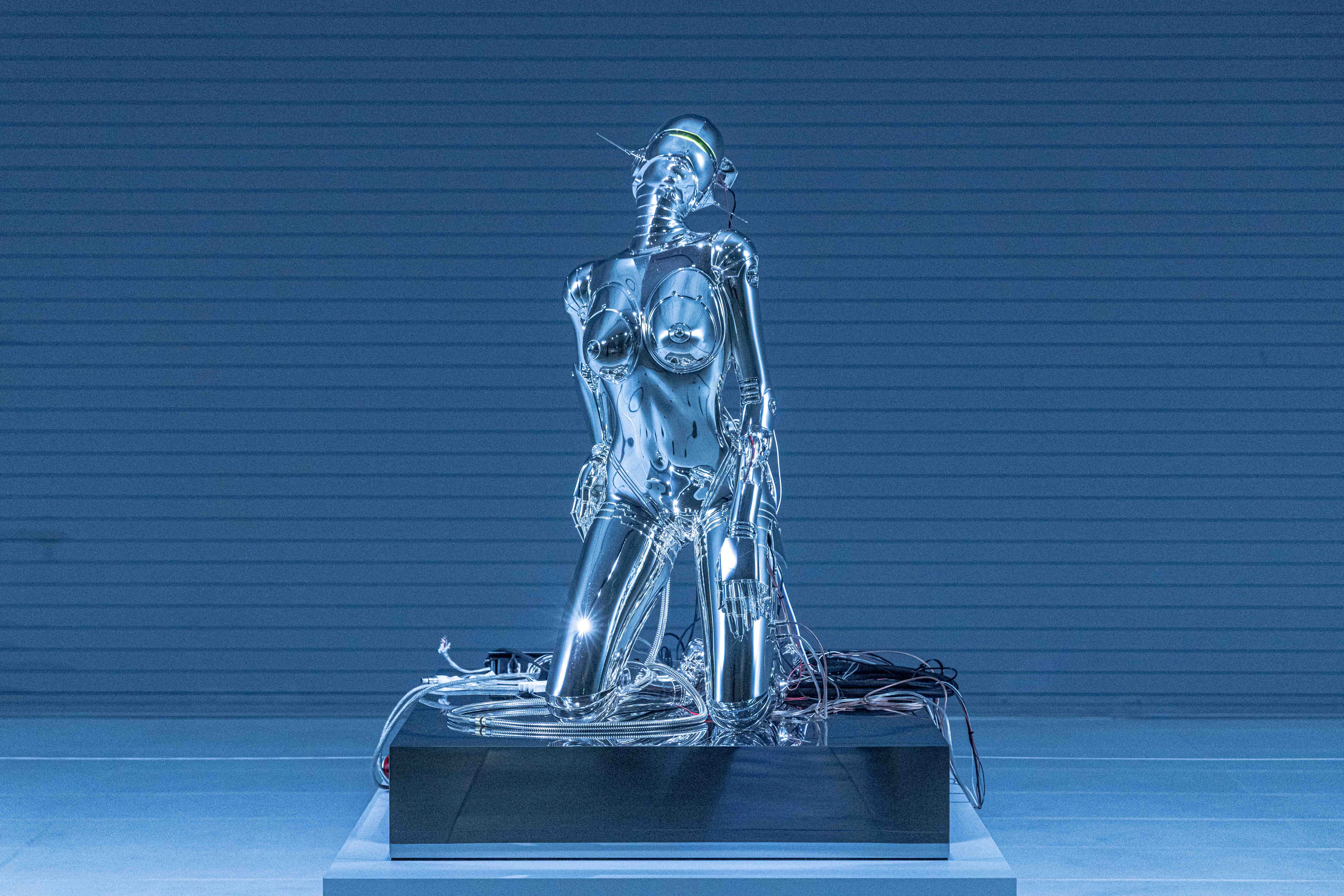
Japanese artist Hajime Sorayama has spent nearly five decades developing his iconic "Sexy Robots" series. These chrome-plated female figures, rendered first with airbrush and later as polished metal sculptures, have evolved to include life-sized works created through digital modeling and engineering collaborations.

How Much Change Can Society Endure?

Wie viel Veränderung hält die Gesellschaft aus?

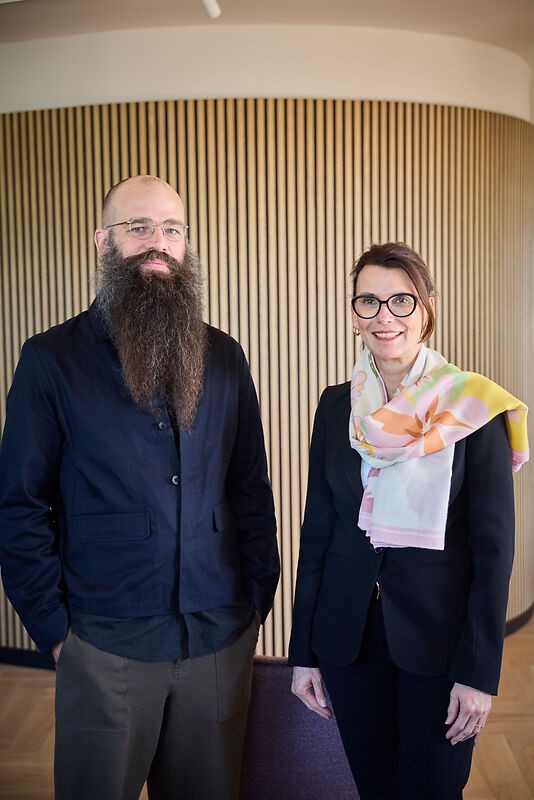
Artist Julius von Bismarck and SPD politician Rita Schwarzelühr-Sutter engaged in a deep dialogue about the societal transition from a fossil-fuel-based to a post-fossil society. During a live podcast hosted by Monopol editor-in-chief Elke Buhr at the BMW Foundation in Berlin, von Bismarck challenged traditional notions of environmental protection, arguing that the very concept of "nature" should be abolished to foster a new relationship with the world. The discussion bridged the gap between artistic radicalism and political pragmatism, touching on existential threats, global inequality, and the role of technology like AI.

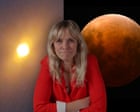
Why your moon photos look so bad (and how to fix it): the best Australian photos of March - video

Guardian Australia's picture editor Carly Earl selected the publication's top three photographs for March, highlighting a total lunar eclipse, the Iranian women's football team's tense departure, and a portrait of a man displaced by Cyclone Narelle. The monthly series provides insight into the craft of photojournalism, showcasing the technical skill and narrative power behind compelling images while elevating the work of Australian photographers and the stories they capture.

How to Feel the Benefits of Art, According to Psychologists

Recent psychological research confirms that engaging with visual art provides significant physical and mental health benefits, including the alleviation of depression, anxiety, and stress. Studies indicate that viewing art can also enhance cognitive functioning and social skills, prompting new initiatives to explore the specific mechanisms behind these wellness improvements.