filter_list Showing 12 results for "Egypt" close Clear
dashboard All 199 article news 74museum exhibitions 59gavel restitution 16trending_up market 13article culture 12article policy 8article local 7person people 5rate_review review 3candle obituary 2
date_range Range Today This Week This Month All
Subscribe

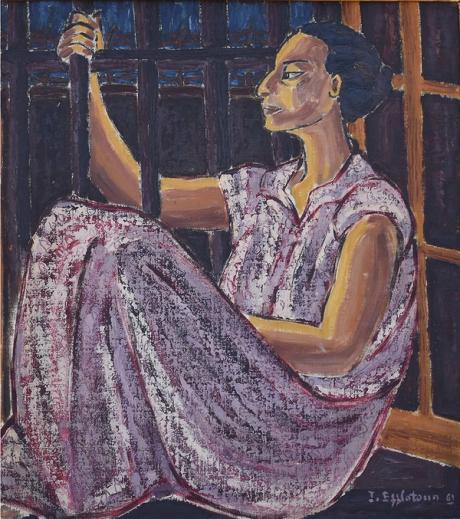
The Egyptian Modernist Inji Efflatoun gains international exposure with new biographical collection

The article profiles Egyptian Modernist artist and activist Inji Efflatoun, detailing her life from her birth in 1924 in Cairo to her political activism, arrest in 1959, and four-and-a-half-year imprisonment. It highlights a new biographical collection, *The Life and Work of Inji Efflatoun*, which includes her translated memoirs and critical essays, offering a comprehensive view of her art and revolutionary life.

how ancient egypt influenced modern art 2665864

The article explores how ancient Egyptian art and design have influenced modern Western aesthetics, from Empire furniture to Art Deco. It traces the phenomenon of 'Egyptomania' back to the 19th century, when European artists and archaeologists like Dominique Vivant Denon, Jean-Léon Gérôme, and Howard Carter brought Egyptian motifs and artifacts to public attention. The piece highlights three key examples: the adoption of Egyptian-inspired Empire furniture under Napoleon, the use of Nubian tribute scenes in decorative arts, and the impact of King Tutankhamun's tomb discovery on early 20th-century design.

art bites jan van eyck oil paint 2631103

The article debunks the long-held myth that Flemish painter Jan van Eyck invented oil painting, tracing the origin of the technique back to 7th-century Afghanistan. It recounts how Giorgio Vasari's 1550 biography "Lives of the Artists" falsely credited van Eyck with the invention after a story about the artist seeking a sun-proof medium. In reality, oil-based paints were used by Buddhist artists in the Bamiyan valley caves centuries earlier, and ancient Egyptians also combined oils with pigments for cosmetics.

zahi hawass the man with the hat documentary 2737435

Zahi Hawass, the 78-year-old former Egyptian minister for antiquities, is the subject of a new self-mythologizing documentary titled "The Man With the Hat." The film recounts his rise to international fame through countless TV appearances, his role in overseeing major discoveries like the 3,000-year-old "lost golden city" in Luxor, and his leadership in building the $1 billion Grand Egyptian Museum (GEM). Hawass is also shown advocating for the repatriation of artifacts such as the Nefertiti bust and the Rosetta Stone, while sidestepping controversies that have marked his career.

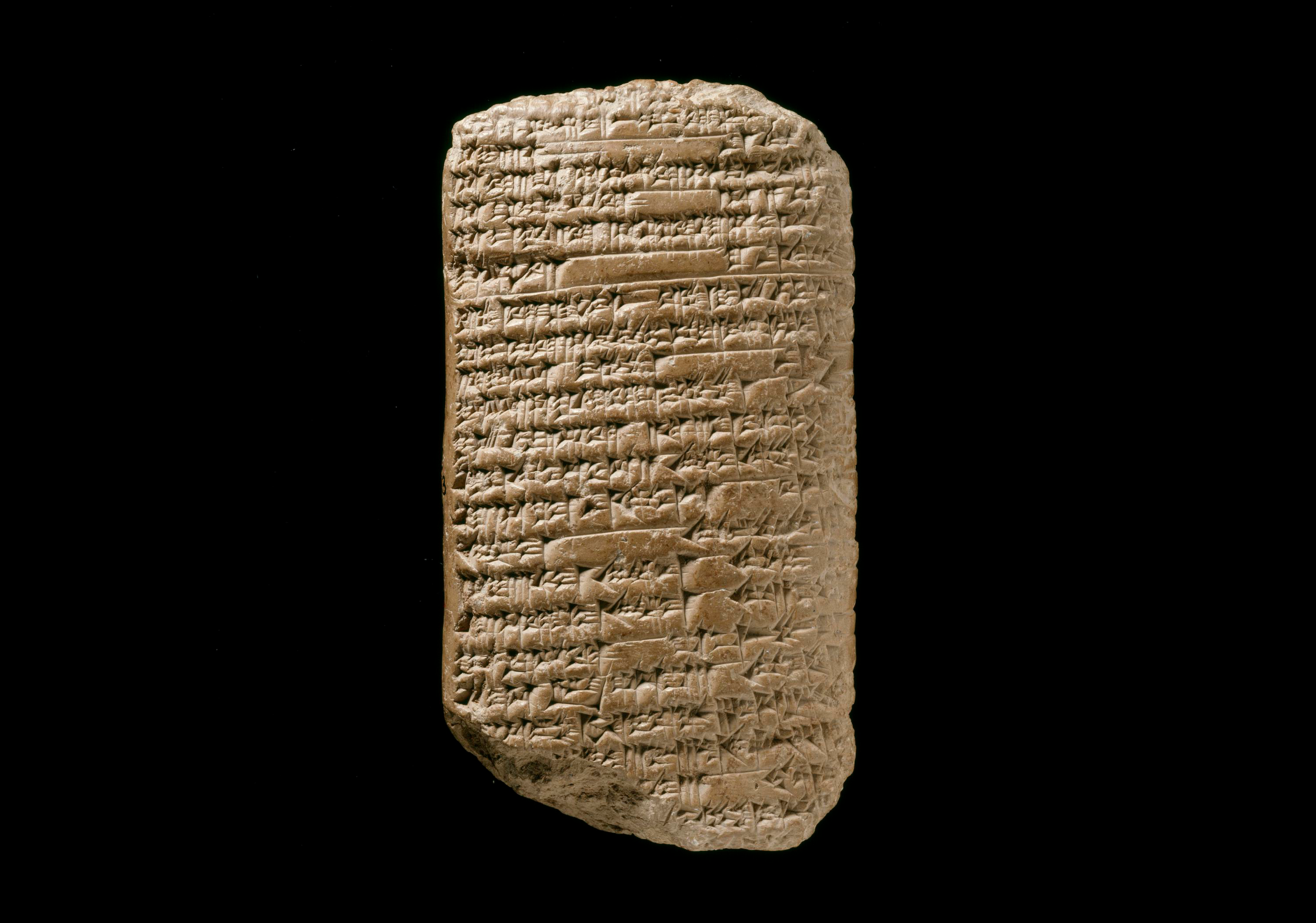
the hunt amarna letters diplomacy 2709757

The article explores the discovery and significance of the Amarna Letters, a collection of 382 clay tablets found in the ancient Egyptian city of Amarna. Initially dismissed as forgeries due to their unusual material (clay instead of papyrus) and language (cuneiform Akkadian, not Egyptian), the letters date to the 14th century B.C.E. and were written by vassal rulers and rival kings to the pharaoh, primarily Akhenaten. They document diplomatic correspondence, including reports on trade, governance, and military operations, as well as gift exchanges and marriage proposals between equal powers.

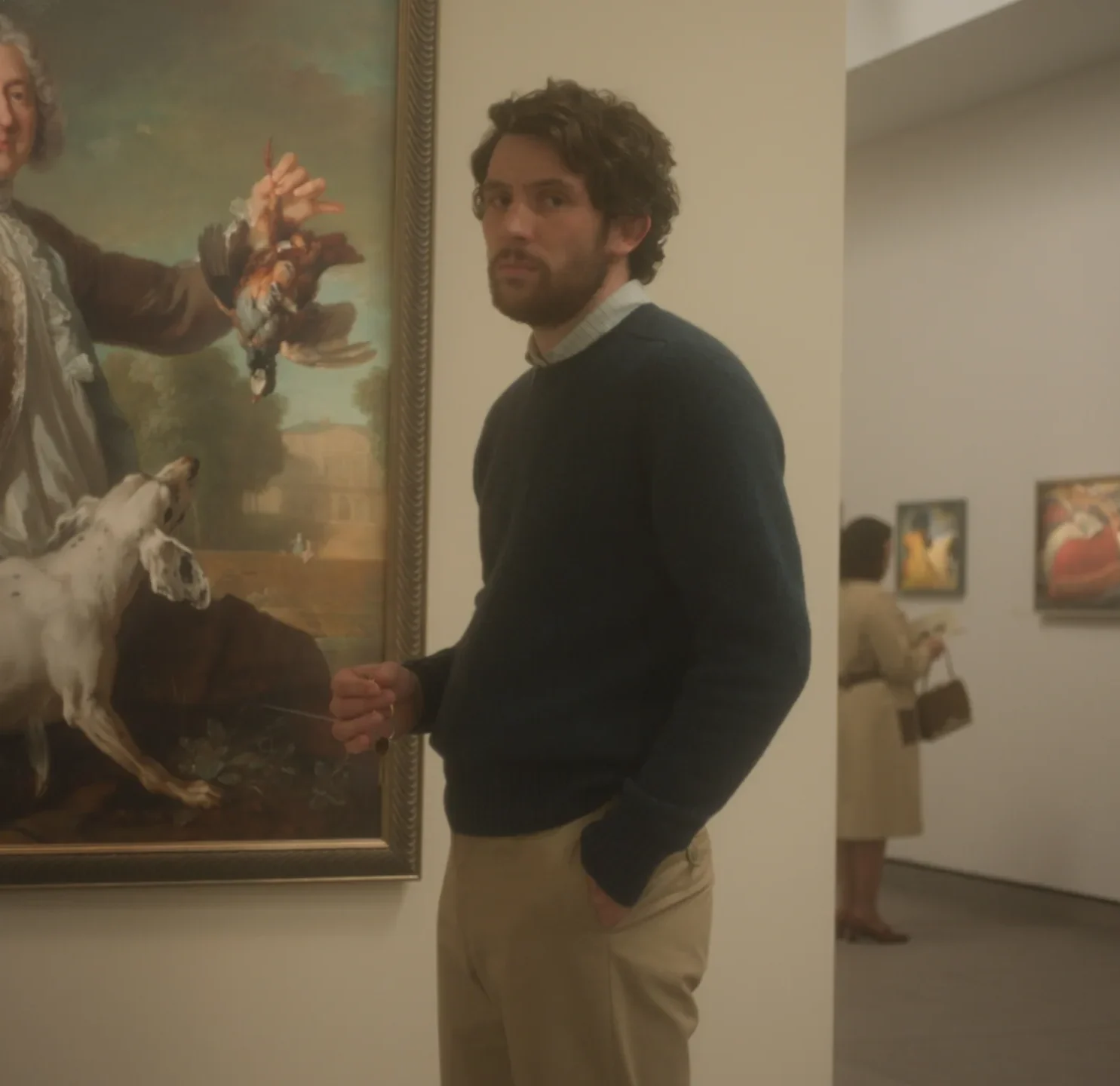
art heist genre film tv books guide

This article from Cultured explores the history and evolution of the art heist genre across film, television, and books. It traces the genre's origins from the 1911 theft of the Mona Lisa by Vincenzo Peruggia to its appearance in 19th-century detective serials by Agatha Christie and Arthur Conan Doyle, and later in French New Wave noirs and slick 1990s heist films. The piece highlights recent entries like Kelly Reichardt's film *The Mastermind* starring Josh O'Connor, and compiles a list of key works including *Animal Crackers* (1930), *How to Steal a Million* (1966), *The Thomas Crown Affair* (1968/1999), and *Hudson Hawk* (1991), noting how the genre reflects changing attitudes toward wealth, crime, and the sublime power of art.

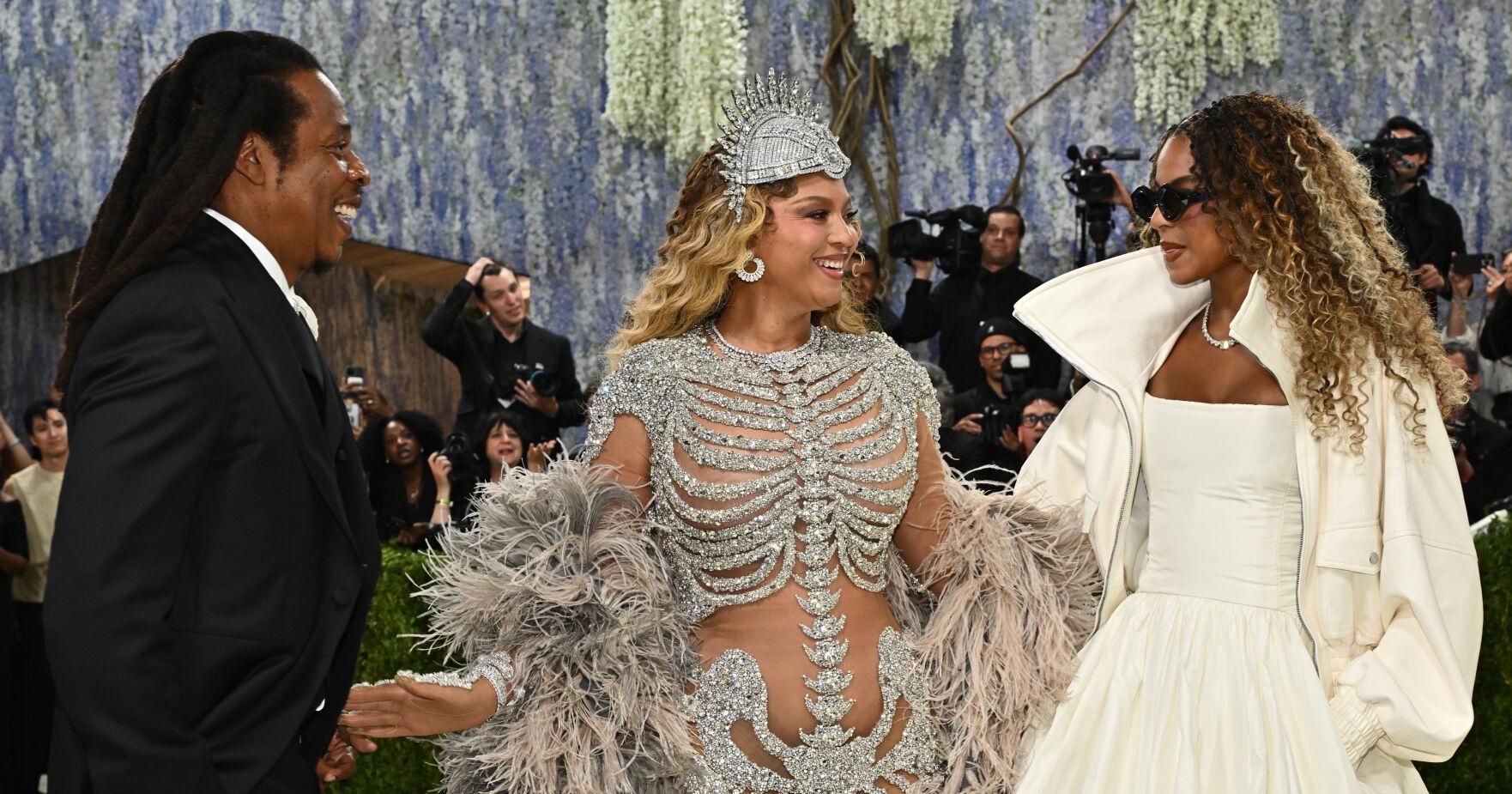
Was Beyoncé's Met Gala gown inspired by a Louisiana artist and her Creole heritage?

Beyoncé attended the 2026 Met Gala in a translucent gown by Olivier Rousteing, adorned with a bejeweled skeleton motif. Online sources suggest the design was inspired by 'Visitor,' a 1944 lithograph by Louisiana artist Caroline Durieux, who was a professor at Tulane University and LSU. The artwork, held by the LSU Museum of Art, depicts a skeleton in a translucent frock, echoing the gown's aesthetic. Art collector Jeremy K. Simien noted Durieux's influence and the potential value boost to the print from the Beyoncé connection.

on art history in times of war gaza islamic nasser rabbat 1234744329

This essay by Nasser Rabbat reflects on the persistence and precarity of writing art history in times of war, specifically focusing on the field of Islamic art and architectural history. Rabbat draws a parallel to Gabriel García Márquez's novel *Love in the Time of Cholera* to frame his discussion, arguing that war is not a passing crisis but a persistent condition for the Islamic world. He traces how colonial conquests, postcolonial conflicts, and the ongoing Israeli genocide against Gaza have shaped the formation and theoretical orientation of Islamic art history as a Western scholarly endeavor, beginning with Napoleon's invasion of Egypt in 1798 and continuing through the "War on Terror."

great sphinx origin 2631406

The article examines the enduring mystery of who the Great Sphinx of Giza was modeled after. While the 66-foot-tall statue is universally recognized, its origins remain debated among Egyptologists. Some believe Pharaoh Khafre commissioned it in his own image, citing a 1853 discovery of a Khafre statue nearby and a connecting road to his pyramid. Others argue it was built by Khafre's brother Redjedef to honor their father Khufu, the builder of the Great Pyramid. Damage to the Sphinx's nose from erosion and human conflict complicates identification.

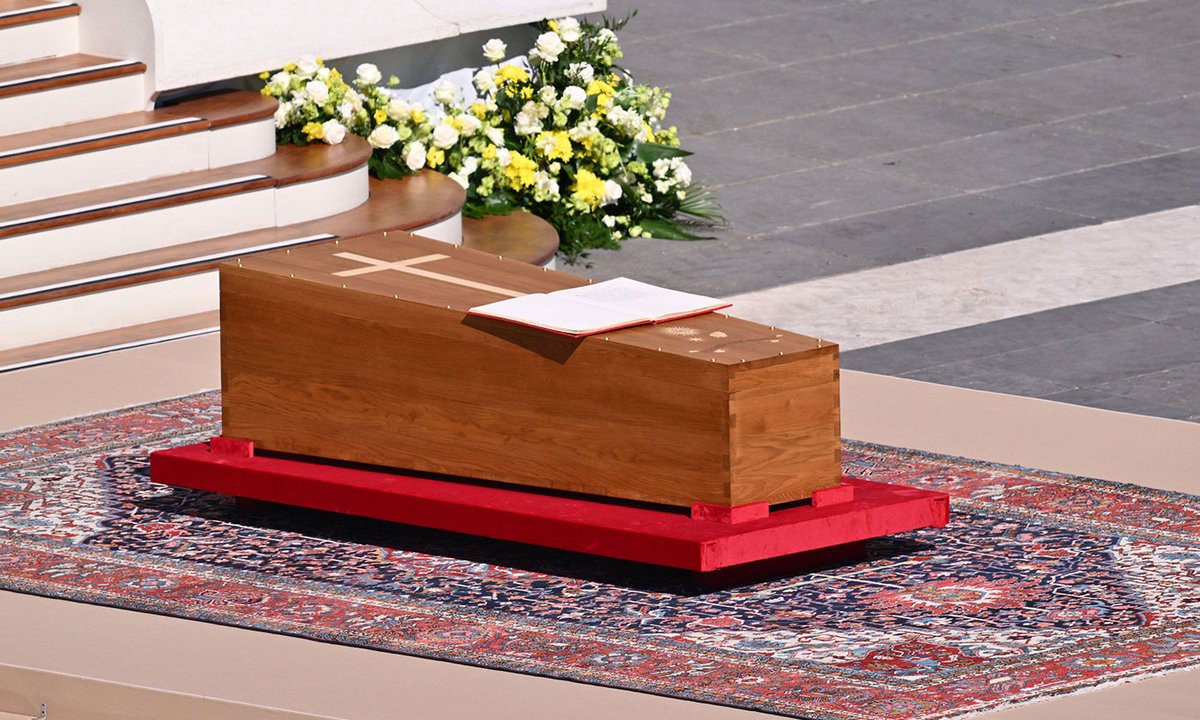
Holy ground: why Persian carpets played an important symbolic role in the funeral of Pope Francis

Persian carpets from northwest Iran were used in the funeral proceedings of Pope Francis, placed beneath his casket in St. Peter's Basilica and later in St. Peter's Square. The article traces this tradition back over 600 years, explaining how carpets from Islamic lands—first Anatolia, then Iran, Egypt, and the Levant—were depicted in Renaissance religious paintings as markers of sacred space, appearing at the feet of the Virgin Mary and other holy figures.

Wicked Stepmother No Longer, a Female Pharoah Gets a Reputational Makeover

A new analysis of damaged statues from ancient Egypt is reshaping the historical narrative of Queen Hatshepsut. Researchers have re-examined 3,500-year-old statuary, finding evidence that the deliberate defacement of her images occurred decades after her death, challenging the long-held belief that her successor, Thutmose III, orchestrated an immediate campaign of destruction against her legacy out of personal animosity.

What’s Your Star Sign? The Ancients Could Offer You Some Insight.

The article explores the ancient origins of astrology, tracing its foundational concepts to Babylonian, Egyptian, and classical civilizations. It details how these early cultures developed complex systems of celestial observation and interpretation that predate modern horoscope apps and the contemporary astrology industry.