filter_list Showing 34 results for "Form" close Clear
dashboard All 519 museum exhibitions 290article local 73article news 42article culture 34trending_up market 23article policy 19person people 13rate_review review 10candle obituary 5article event 4gavel restitution 4article events 2
date_range Range Today This Week This Month All
Subscribe

Vincenzo Trione's new book aims to redefine the concept of the avant-garde (reviews by his students)

Il nuovo libro di Vincenzo Trione vuole ridefinire il concetto di avanguardia (le recensioni dei suoi allievi)

On March 9, 2026, at IULM University in Milan, Vincenzo Trione presented his new book *Rifare il mondo. Le età dell’avanguardia* (Einaudi, 2025). The event was part of the cultural program *Leonardo alla IULM*, which also featured pages from the Codex Atlanticus on loan from the Biblioteca Ambrosiana. Trione, a professor at IULM, discussed the book with four of his students: Anna Luigia De Simone, Vincenzo Di Rosa, Anna Calise, and Alessia Scaparra Seneca. The talk, titled "Nessuna parola caratterizza l’arte contemporanea più di avanguardia," explored the concept of the avant-garde, its historical legacy, and its contemporary reactivation through movements, manifestos, collectives, and cultural phenomena.

‘It’s a huge, futuristic space with massive skylights’: Ali Zolghadri’s best phone picture

Ali Zolghadri, a Tehran-born fine art photographer, captured a composite image of the central atrium of the Iran Mall in Tehran—the world's largest shopping mall—which was shortlisted in the creative category of the 2026 Sony World Photography Awards. The photograph, taken four months before the US and Israel launched their war on Iran, depicts the mall's futuristic architecture with sweeping curved lines, metallic surfaces, and massive skylights, and includes a lone passerby to emphasize scale. Zolghadri emphasizes that his process involves manual editing in Photoshop without AI, blending three frames and removing unnecessary elements to construct meaning.

“La preistoria non è stata solo violenza, ma anche cura”. Intervista all’archeologa femminista Marga Sánchez Romero

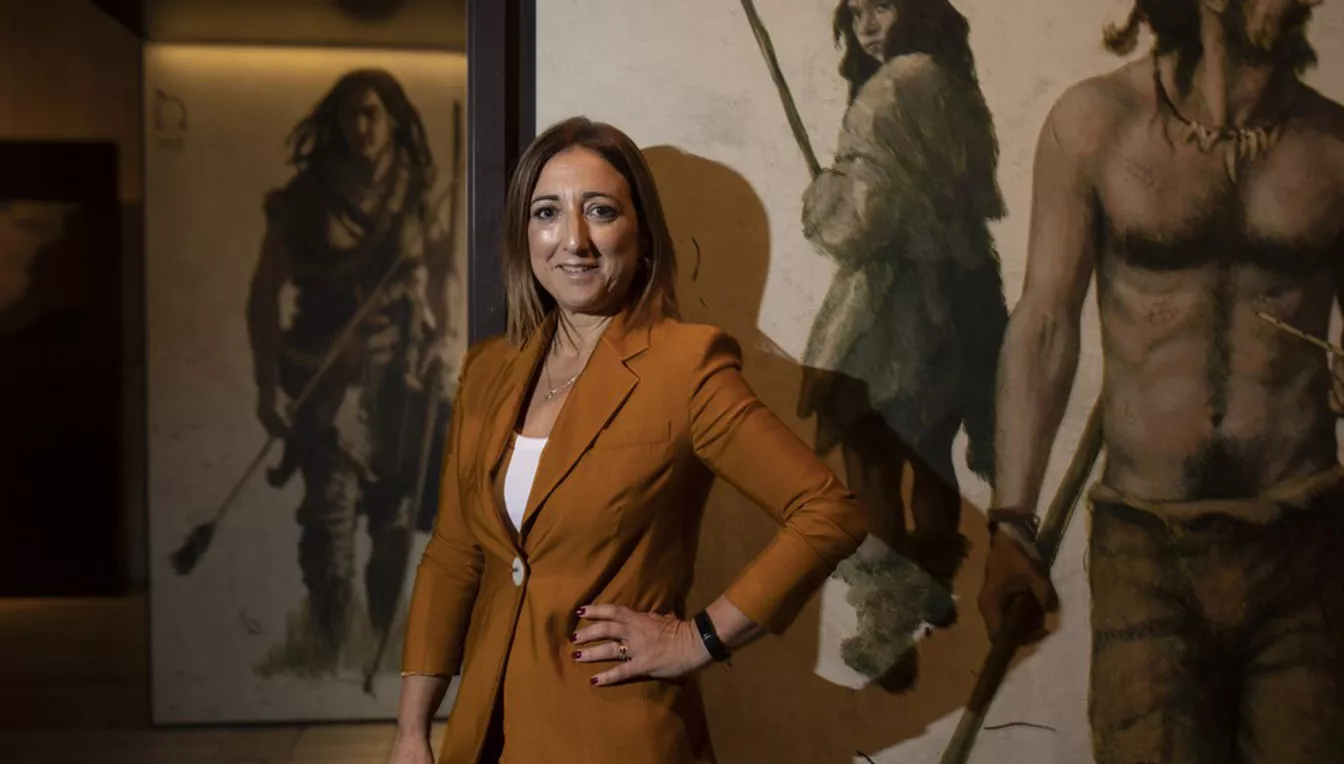
Marga Sánchez Romero, a professor of Prehistory at the University of Granada and a leading voice in feminist archaeology in Spain, argues in an interview that prehistory has been misrepresented as a sequence of violence and hierarchies. She emphasizes that new questions are reshaping our understanding of the past, highlighting that care, cooperation, and solidarity were as crucial as conflict in human evolution. The conversation covers biases in archaeological interpretation, the famous Viking tomb of Birka, the origins of inequality, and the role of museums in creating more inclusive narratives.

Why Contemporary Photographers Are Rejecting the Camera

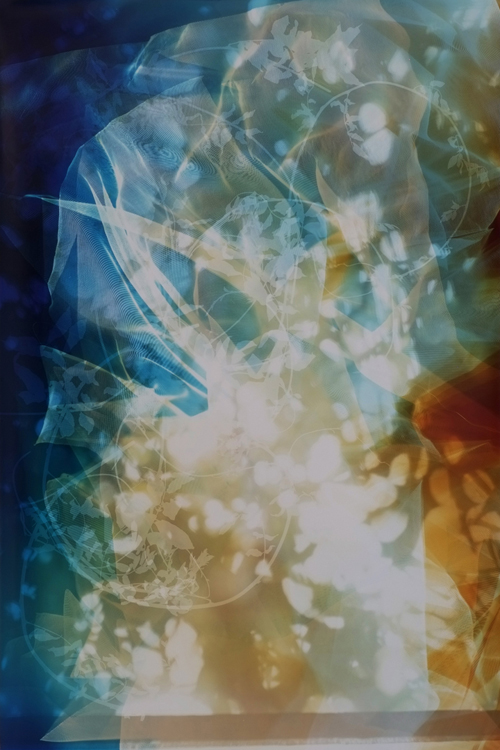
Contemporary photographers are increasingly rejecting traditional cameras in favor of alternative, camera-less techniques such as photograms, cyanotypes, and chemigrams. These artists draw inspiration from early scientific experiments with light-sensitive materials, like those of Johann Heinrich Schulze and Thomas Wedgwood, who created temporary images using silver nitrate and sunlight before photography was formally invented.

An Interactive Archive Celebrates the Wide Ranging Projects Inviting ‘Unruly Play’

Amsterdam-based studio Imagination of Things, co-founded by Vitor Freire and Monique Grimord, has launched "Unruly Play," an interactive digital archive featuring 169 artworks, designs, games, and participatory projects. The repository includes notable works such as Rael San Fratello's "Teeter-Totter Wall" and the Wind Phone project, alongside a 12-foot puppet that travels the world. The archive is searchable by theme or through a shuffle feature, aiming to showcase projects that invite surprise, camaraderie, and unexpected encounters with imagination and joy.

A View From the Easel

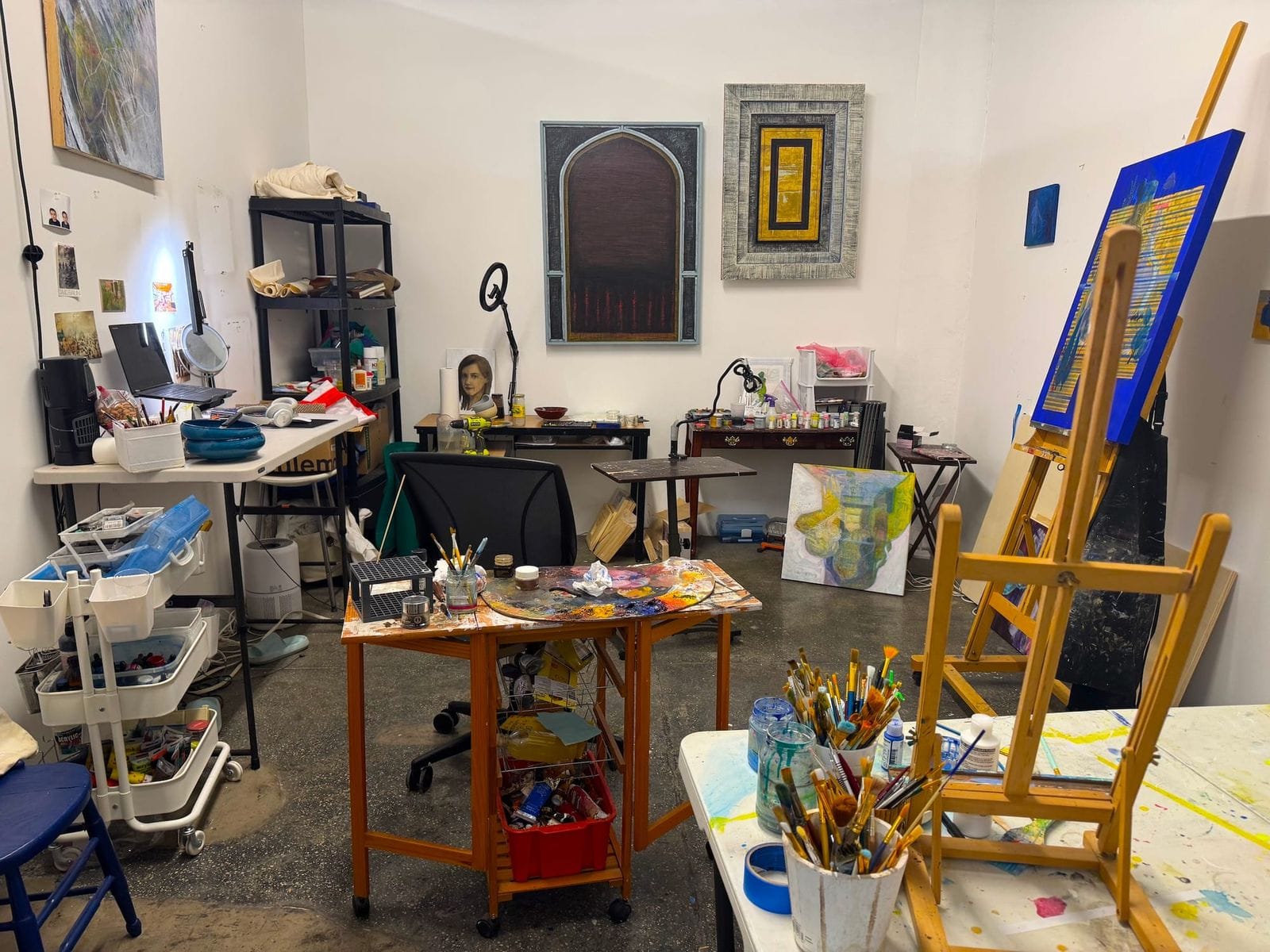
New Jersey-based artist Hadieh Afshani is featured in the 334th installment of Hyperallergic's 'A View From the Easel' series, which profiles artists in their workspaces. Afshani describes her studio practice at Mana Contemporary in Jersey City, where she balances her art with caring for her baby, working around his feeding and sleeping rhythms. She emphasizes the importance of natural light, a sink for fluid processes, and the supportive community of fellow artists and mothers.

Meet the Psychologist Who Reads People Through the Art They Live With

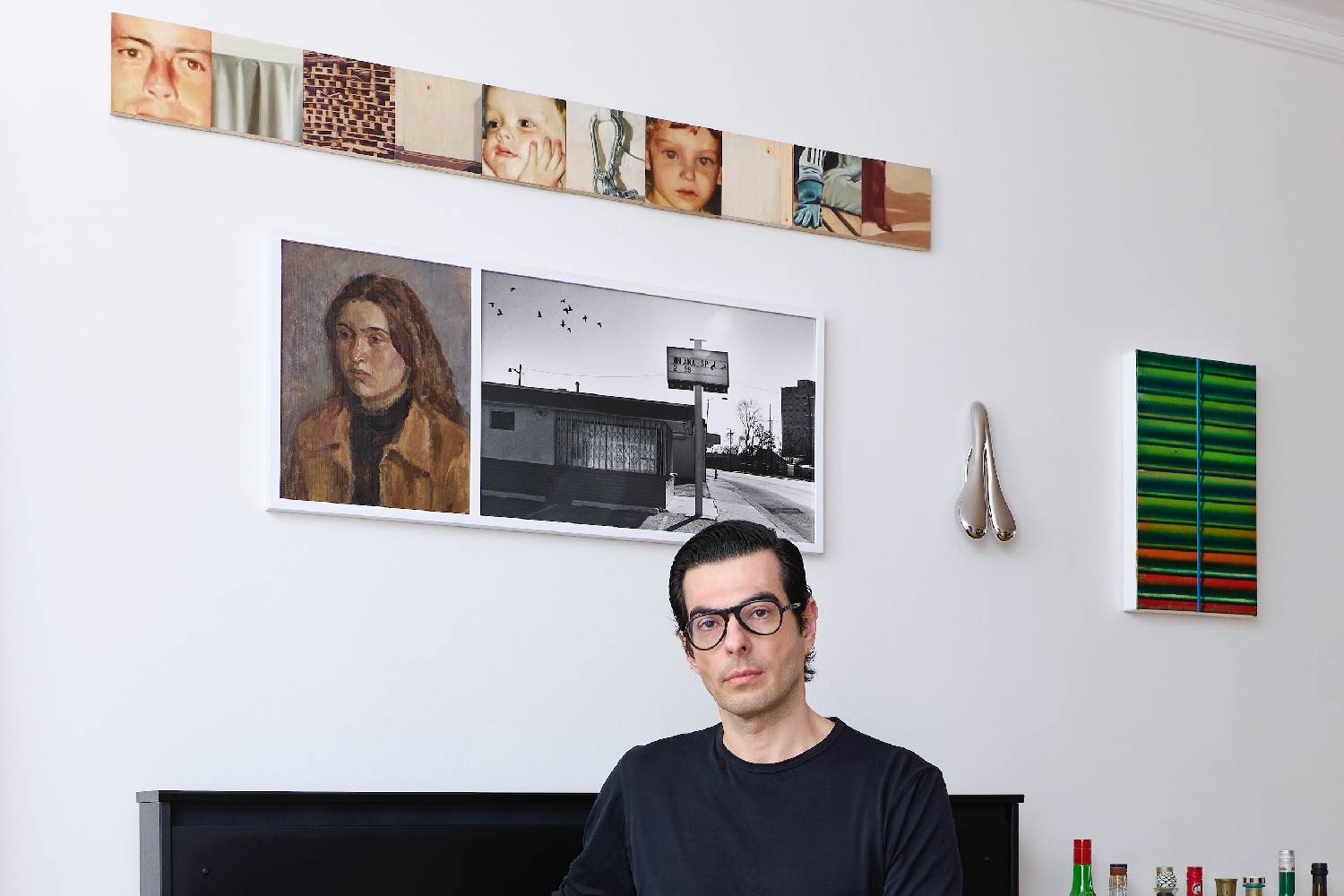
Dr. Dimitrios Tsivrikos, an academic psychologist at University College London, describes how he reads people's personalities and emotional states through the art they choose to display in their homes. In an interview with Artsy, he explains that the visual and emotional enrichment of one's environment—whether through expensive artworks or simple posters—reveals deeper psychological insights about the individual.

Beyond the Needle: Chilean Artist Felipe Abel on Chiaroscuro, Symbolism, and the Evolution of Modern Tattooing

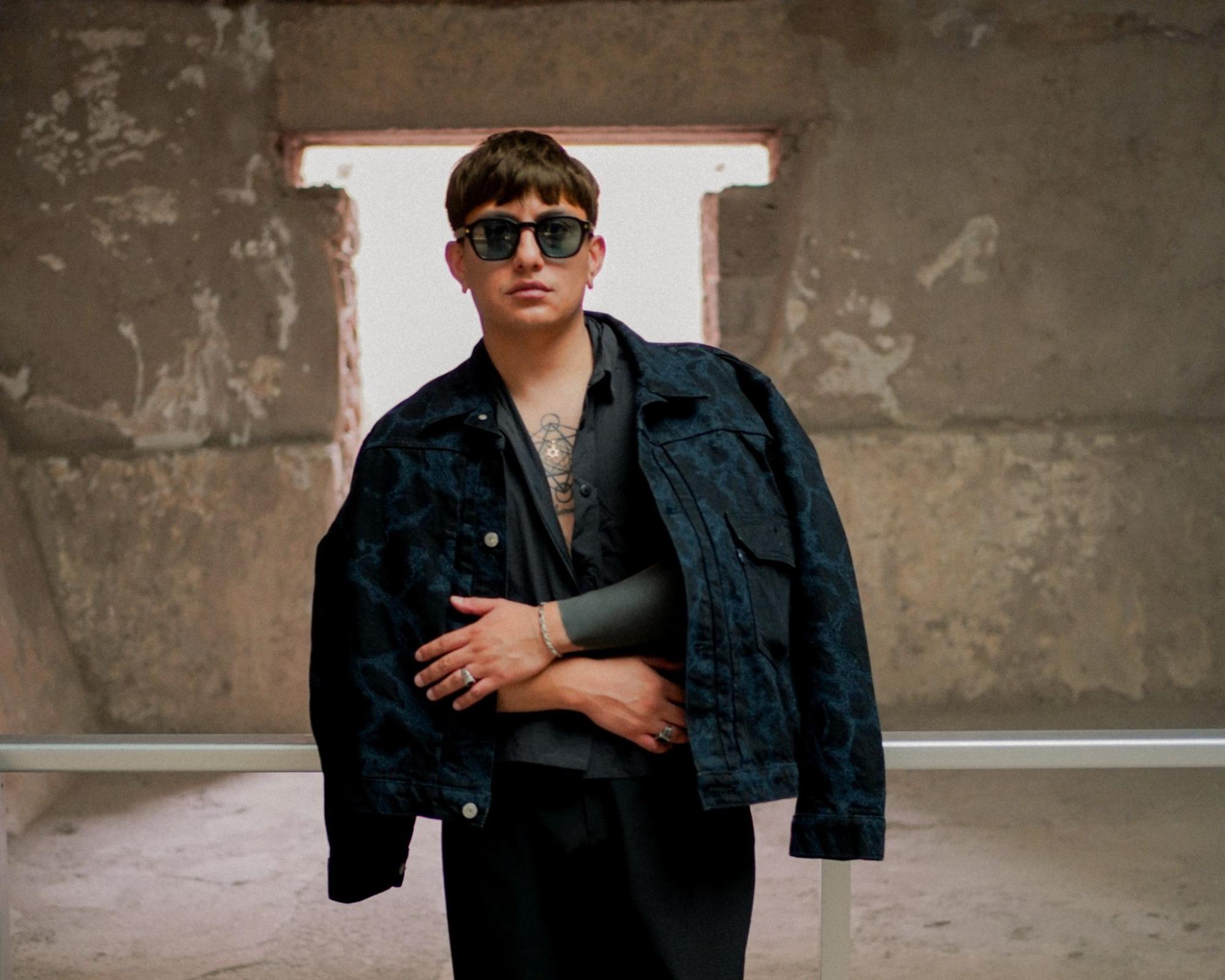
Chilean tattoo artist Felipe Abel (born Felipe Arriagada), who has a background in graphic design and a decade of experience in black-and-grey micro-realism, is preparing to join Noble Art Studio in Brooklyn. He is also developing a new series of oil paintings focused on mythology, theology, and esotericism, expected to debut in a formal exhibition around 2027. Abel, who has held guest spots in over 20 cities across 10 countries including studios like Sasha Tattooing in Paris and The White Whale in Milan, uses chiaroscuro and a recurring floating orb motif in his work, drawing influence from photographer Sebastião Salgado and painter Guillermo Lorca.

In Spain, art becomes popular thanks to this expert influencer. We interviewed him

In Spagna l’arte diventa popolare grazie a questo esperto influencer. Lo abbiamo intervistato

Miguel Ángel Cajigal, known as 'El Barroquista,' is a Spanish art historian and popularizer who has brought art history to prime-time television, radio, and social media. In an interview with Artribune, he discusses his books, including 'Otra historia del arte' (2021), his approach to making art accessible without dumbing it down, and his critique of the cult of the individual genius in art historiography. He emphasizes the collective nature of art production and reception, challenging the traditional focus on masterpieces and authorship.

The Poet of Light. Interview with Lighting Designer Davide Groppi

Il poeta della luce. Intervista al lighting designer Davide Groppi

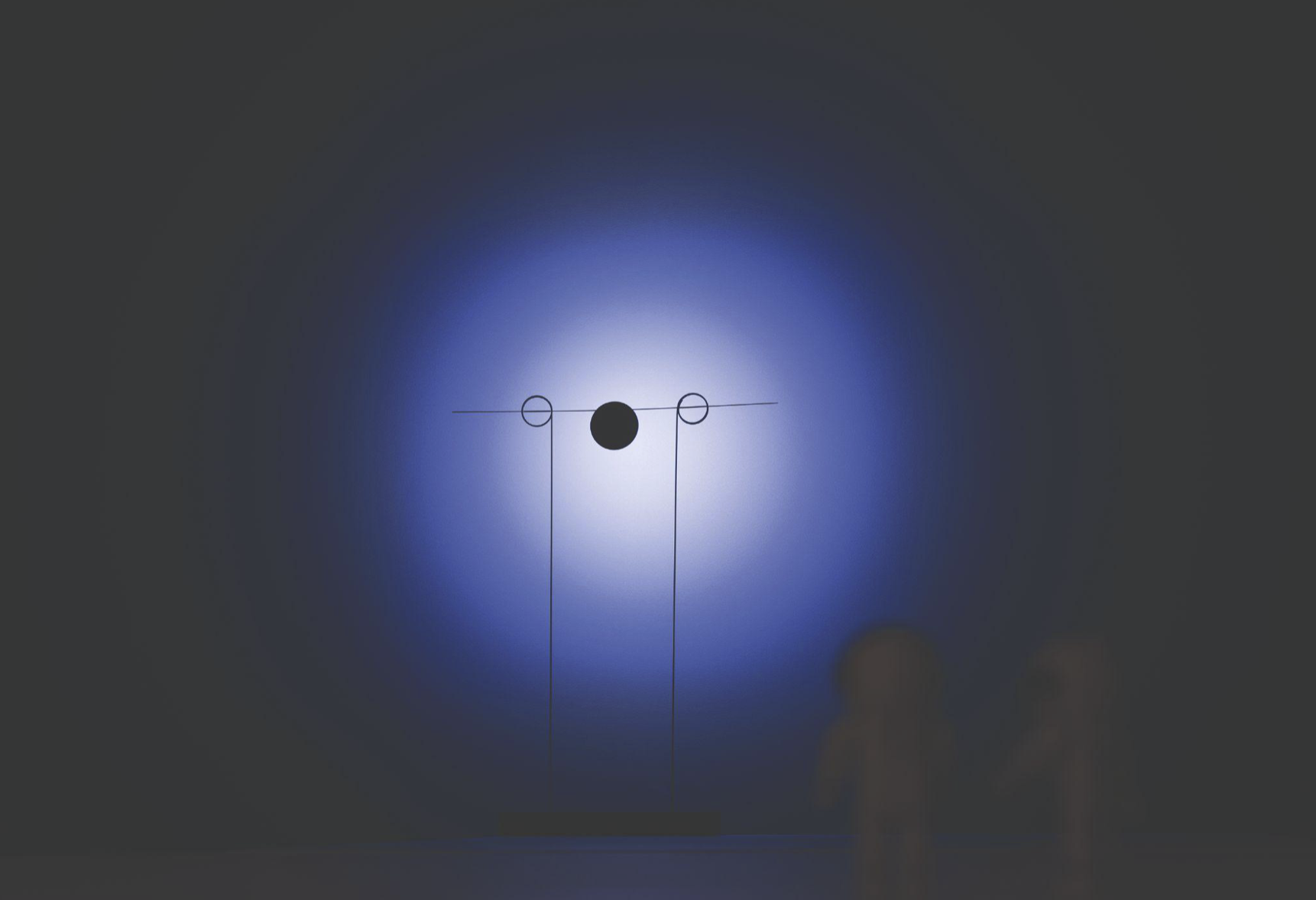
Lighting designer Davide Groppi (born 1963 in Piacenza) is the subject of a rare retrospective exhibition titled "Un'ora di luce" (An Hour of Light), on view until May 26 at the Volumnia gallery in Piacenza, curated by Marco Sammicheli. The show, held in a deconsecrated late-16th-century church, traces Groppi's nearly 40-year career through products, prototypes, and personal artistic research, including his iconic lamp "Nulla" (2010), which won the first of his three Compasso d'Oro awards. In an interview, Groppi discusses the exhibition's themes of lightness, cosmic references, and his philosophy of subtraction in design.

Long Live the King?

Sam Jacob's essay in ArtReview uses the upcoming Baz Luhrmann film 'EPIC: Elvis Presley in Concert' (2026) as a springboard to explore the cultural and technical implications of digital restoration. The film, a spinoff from Luhrmann's 2022 Elvis biopic, draws on 59 hours of previously unseen footage from Elvis Presley's 1970 and 1972 Las Vegas performances, recovered from Warner's Kansas salt-mine archive. Using Peter Jackson's Park Road Post technology—including Machine Assisted Learning (MAL) for demixing audio and video—the damaged, fragmented material has been digitally scanned, reconstructed, and enhanced to 4k resolution with 12-channel sound, presented in IMAX cinemas.

‘It’s not much but, at the same time, it’s very much’: the enduring impact of Sade’s style

The article discusses the enduring style of Sade Adu, frontwoman of the British group Sade, following the band's announcement of their induction into the 2026 Rock and Roll Hall of Fame. It highlights how Adu's signature look—scraped-back hair, red lipstick, hoop earrings, and simple black dresses or denim—has become iconic and influential, with her outfits featured in exhibitions like V&A East's 'The Music is Black' and referenced by celebrities such as Drake. The piece traces the origins of her style to her fashion design studies at Saint Martin's School of Art and her early work with designer Fiona Dealey.

« Le monde entier semble s’être mis en mouvement, animé par une soif d’expériences culturelles »

The article explores the transformation of cultural travel for artists and art lovers, contrasting the arduous, unknown journeys of historical figures like Eugène Delacroix, Paul Gauguin, and Ella Maillart with today's accessible, curated experiences. It describes how contemporary artists such as Ólafur Elíasson, JR, and Marina Abramović now use travel itself as a medium, creating works that engage with climate change, social issues, and presence. Destinations like the Venice Biennale, AlUla in Saudi Arabia, Naoshima in Japan, and Le Voyage à Nantes are highlighted as hubs where art and travel merge into immersive, sensory experiences.

Contrast Reigns in Austn Fischer’s Conspicuous Black-and-White Photos

Austn Fischer, a Wisconsin-born, London-based photographer, creates black-and-white images that explore fashion as performance and identity. His work features striking contrasts, such as lace ruffs paired with athletic wear, and he has collaborated with clients like The New Statesman and Crack Magazine, photographing subjects including Ai Weiwei and David Byrne. Fischer describes his process as working backwards, arranging scenes intuitively and later reflecting on their personal significance, especially regarding his sexuality and masculinity.

Meriem Bennani, the artist who went viral during the pandemic

Meriem Bennani, a New York-based artist known for her shape-shifting practice of videos, installations, and immersive environments, gained viral fame during the COVID-19 lockdown in March 2020. She co-created the animated series '2 Lizards' with fellow artist Orian Barki, which depicted surreal, humorous conversations between anthropomorphic reptiles navigating the first weeks of the pandemic in New York City. The series, posted on Instagram, resonated widely and led to eight episodes. Bennani's broader work, including 'Life on the CAPS' (2018–2022) and 'Mission Teens' (2019), blends digital animation, live-action footage, and cultural critique, often exploring themes of diaspora, post-colonialism, and migration through dystopian, supernatural narratives.

Water Samples from Around the World Melt into Dima Rebus’ Dreamy Paintings

London-based artist Dima Rebus creates large-scale watercolor paintings using water samples collected from strangers around the world. In her series "Floaters," she freezes the crowdsourced water with pigments, then lets it melt across paper to form abstract color fields, later adding figures and aquatic landscapes. Each sample arrives with a letter, building an archive of rain, rivers, seas, oceans, and glaciers that serve as both material and human message.

An artist told the incredible story of a Calabrian village that no longer exists. The interview

Un artista ha raccontato l’incredibile storia di un borgo della Calabria che non c’è più. L’intervista

Italian artist Martin Errichiello has created [campanamuta], a six-part audio work broadcast on RAI Radio 3's Zazà program in late 2025 and now available on RaiPlay Sound. The piece tells the story of Eranova, a farming community founded in 1896 near Reggio Calabria that was destroyed by 1980 after the Christian Democratic party planned—but never built—a steel center on its land, now the site of the Port of Gioia Tauro. Errichiello weaves together interviews with former residents and his own original texts, using non-linear narration to explore the village's utopian origins and forced disappearance.

Story of the designer who transformed MotoGP by designing Valentino Rossi's bikes and suits

Storia del designer che ha trasformato la MotoGP disegnando moto e tute di Valentino Rossi

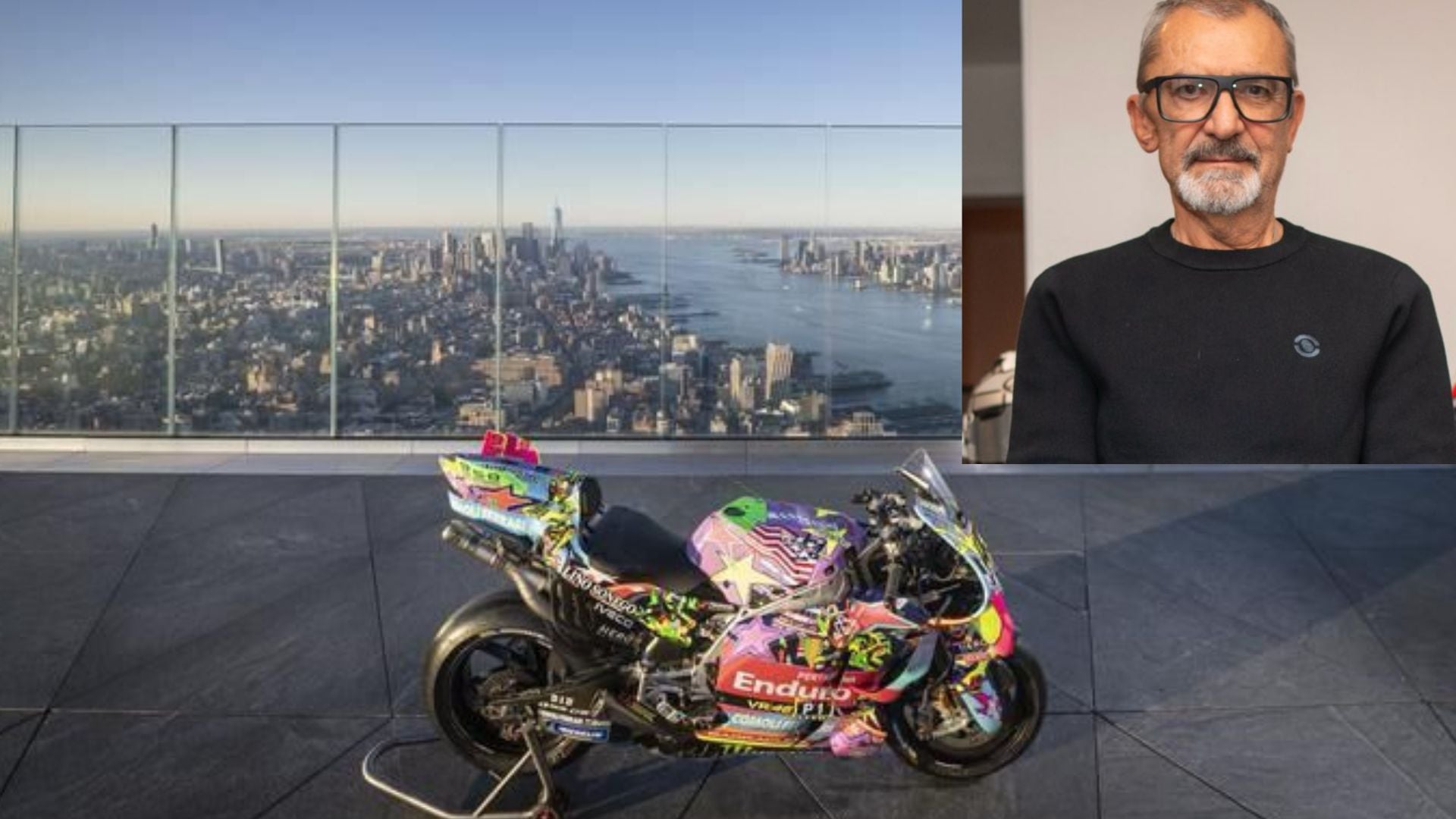
Aldo Drudi, the influential designer who transformed the visual aesthetics of MotoGP, created a special site-specific livery for the Pertamina Enduro VR46 Racing Team's presentation at The Edge in Hudson Yards, New York. The livery, unveiled on March 24, 2026 for the United States Grand Prix, is a complex graphic composition that references team history, Valentino Rossi, and American culture, elevating motorcycle design to a form of moving art.

Can an Artwork Have Personhood?

The article explores a growing trend in contemporary art where artists like Pierre Huyghe, Nina Katchadourian, and Marge Monko create works that blur the line between art objects and sentient beings. These works incorporate human performers, animals, AI, and smart devices, prompting viewers to question whether these entities possess or simulate personhood, and forcing an examination of our instinct to anthropomorphize.

Recording Presence: Practical Strategies For Documenting Contemporary Exhibitions

The article provides a practical guide to documenting contemporary art exhibitions, outlining methods for creating useful, ethical, and durable records. It emphasizes the importance of shot lists, consistent file naming, descriptive metadata, and accessibility features like captions and transcripts to ensure archives remain searchable and meaningful over time.

In Central Java, an Eco-Resort Aims to Build Sustainability Through Creativity

An Indonesian and Australian couple, Wiyoga Muhardanto and Hannah O’Flynn, have transformed a plot of land in Central Java into an eco-resort and creative hub called Yabbiekayu. The project includes a gallery, artist residencies, and workshops, aiming to foster a sustainable creative economy by connecting local artisans with international artists and designers.

Literature Today: The Crisis of the Novel as a Symptom of Social Change

La letteratura oggi: la crisi del romanzo come sintomo di un cambiamento sociale

The article examines the perceived crisis of the novel as a literary form, tracing its historical rise alongside the bourgeoisie in the 17th and 18th centuries. It argues the novel functioned as a mirror for a coherent social class with shared values, serving as a device for collective representation. The form's foundational premise of a recognizable community began to fracture in the 20th century, particularly after World War II, as societies atomized and grand ideological narratives collapsed.

Rika Nakajima: A New Book of the Dead, Part 3

連載 中島りか 新しい死者の書 第三回

Japanese artist Rika Nakajima reflects on the trial of Tetsuya Yamagami, who assassinated former Prime Minister Shinzo Abe in 2022, weaving together her own experience running the project space "Datsuisho – (a) place to be naked" in Tokyo's Yanaka district. As the space faced demolition in late 2025, Nakajima draws parallels between the trial's timing and the closure of her venue, recalling earlier events at the space that discussed the state funeral controversy and the cult issues exposed by the assassination. She describes attending the trial in Nara, observing Yamagami's demeanor, and connecting the case to broader themes of political aesthetics, fascism, and the theatricality of the judicial system.

Theater in Paris: Studio Hébertot brings to life the companions of Pablo Picasso, from Fernande Olivier to Françoise Gilot

Théâtre à Paris : le Studio Hébertot fait revivre les compagnes de Pablo Picasso, de Fernande Olivier à Françoise Gilot

A theatrical production titled 'Les Amours de Pablo' is being staged at the Studio Hébertot in Paris until the end of May 2026. The play, created by the Compagnie Bille en Tête, focuses on the intimate and tumultuous relationships of Pablo Picasso, but primarily aims to give voice and substance to seven of his romantic partners, portraying them as complex individuals and artists in their own right.

ART CRITICISM: CLARITY OR MORAL AUTHORITARIANISM?

CRÍTICA DE ARTE: ¿CLARIDAD O AUTORITARISMO MORAL?

The article is a critical essay examining the state of contemporary art production in Mexico, arguing it has become a privatized field designed to please wealthy elites and foreign collectors. It contends that art has shifted from being partly publicly funded to being driven by the market and private initiative, leading to a culture of self-censorship, precarity, and a desperate ambition for visibility and sales.

13 Nudes That Changed Western Art History

The article presents a curated list of 13 seminal Western artworks featuring the nude form, highlighting how each piece shifted artistic conventions and cultural perceptions. It begins with the Paleolithic Venus of Willendorf and moves chronologically through works by artists including Sandro Botticelli, Leonardo da Vinci, Lavinia Fontana, and Édouard Manet, analyzing their groundbreaking approaches to depicting the human body.

There Has Never Been an Apolitical Venice Biennale

The Venice Biennale, with its national pavilion structure, has always been a platform for political expression and soft power, a reality evident from its early 20th-century origins. Contemporary critic Arturo Lancellotti's 1909 review of the German and British pavilions was steeped in geopolitical context, revealing how national artistic displays were interpreted through the lens of imperial power and military alliances.

Art and Social Consciousness: The Ideals of Legendary Artist Joseph Beuys Told in a Comic

Arte e coscienza sociale: gli ideali del leggendario artista Joseph Beuys raccontati in un fumetto

A new graphic novel by Italian illustrator Gianluca Costantini explores the life and social ideals of the legendary German artist Joseph Beuys. The comic focuses on Beuys's final major work, 'Palazzo Regale' (1985), an environmental installation housed at the K20 museum in Düsseldorf, interpreting it as a synthesis of his belief in art as a transformative social force.

Dance Your Way to the Museum

Curator Naz Cuguoğlu argues in an opinion essay that museums should embrace the ethos of rave culture to become more welcoming and inclusive spaces, suggesting they can foster new forms of belonging. The article also covers several other art stories, including the discovery of pre-Hispanic rock art in Mexico that led to the rerouting of a train line, an exhibition of Genesis P-Orridge's mail art in Toronto, and artist Jean Shin's memorial project at Green-Wood Cemetery.

Design Theft in Platform Capitalism

Designklau im Plattformkapitalismus

The article details a growing trend of design plagiarism within the platform economy, where large interior trade platforms and fast-design companies systematically copy the original work of small, independent design studios. These copies are then mass-produced and sold globally at lower prices, often marketed directly through social media channels. The original designers find it nearly impossible to defend their intellectual property due to the high cost and complexity of legal action, especially against international entities.