filter_list Showing 21 results for "Foundation" close Clear
dashboard All 306 museum exhibitions 122article news 54person people 35article culture 21trending_up market 21article local 15article policy 15candle obituary 13rate_review review 6gavel restitution 3article museums & heritage 1
date_range Range Today This Week This Month All
Subscribe

Why Was Sarah Miriam Peale, Pioneering Member of America’s First Art Dynasty, Left Behind?

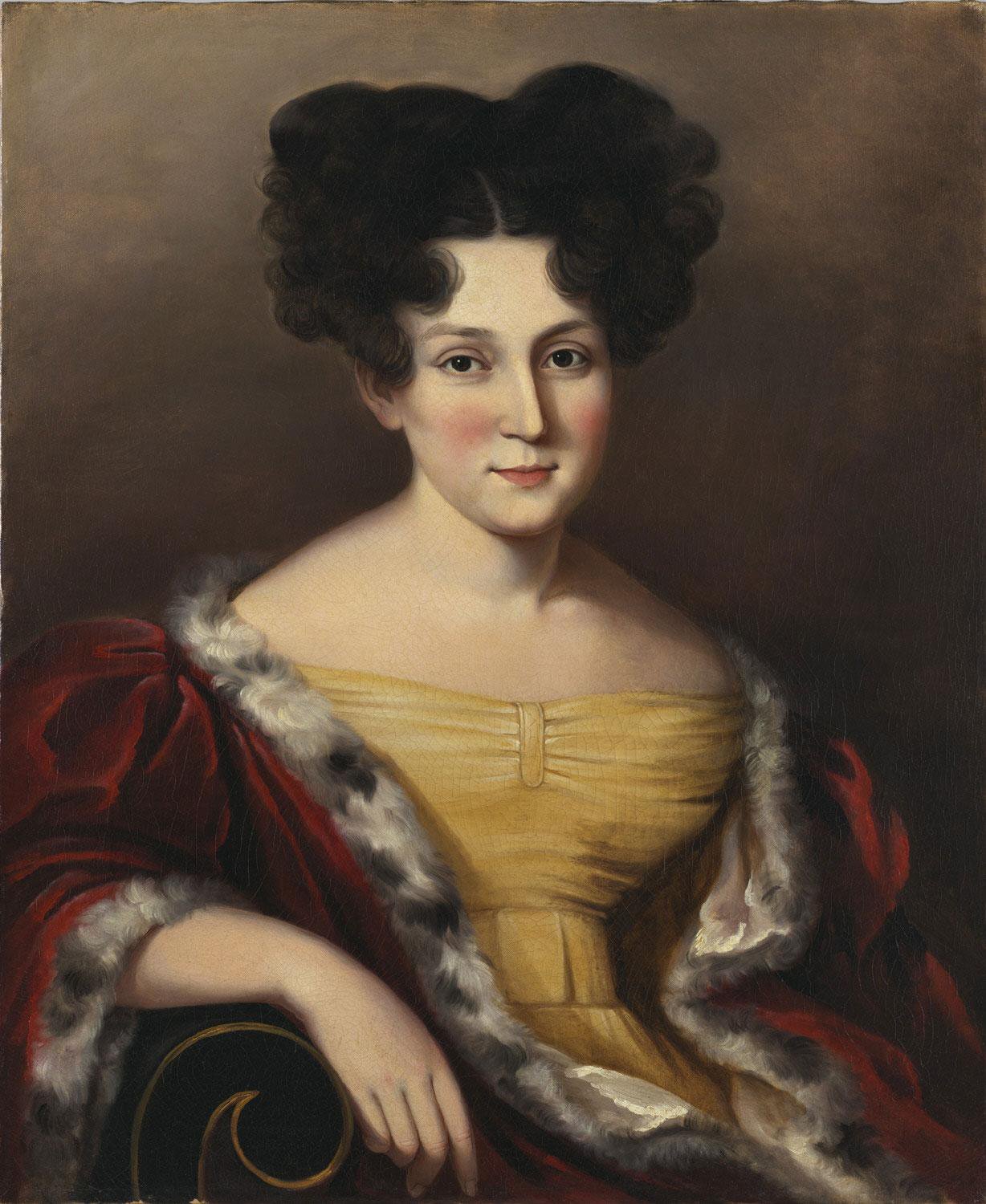
Sarah Miriam Peale, a member of the prominent Peale art dynasty and arguably the first professional woman artist in the United States, is finally receiving long-overdue institutional recognition. Despite a prolific sixty-year career painting portraits of political figures and still lifes in Baltimore and St. Louis, her legacy was largely overshadowed by her uncle Charles Willson Peale and her male cousins. Her independence as an unmarried woman who supported herself entirely through her craft marked a radical departure from the gender norms of the 19th century.
Nine Lessons on My Path From Engagement to Leadership

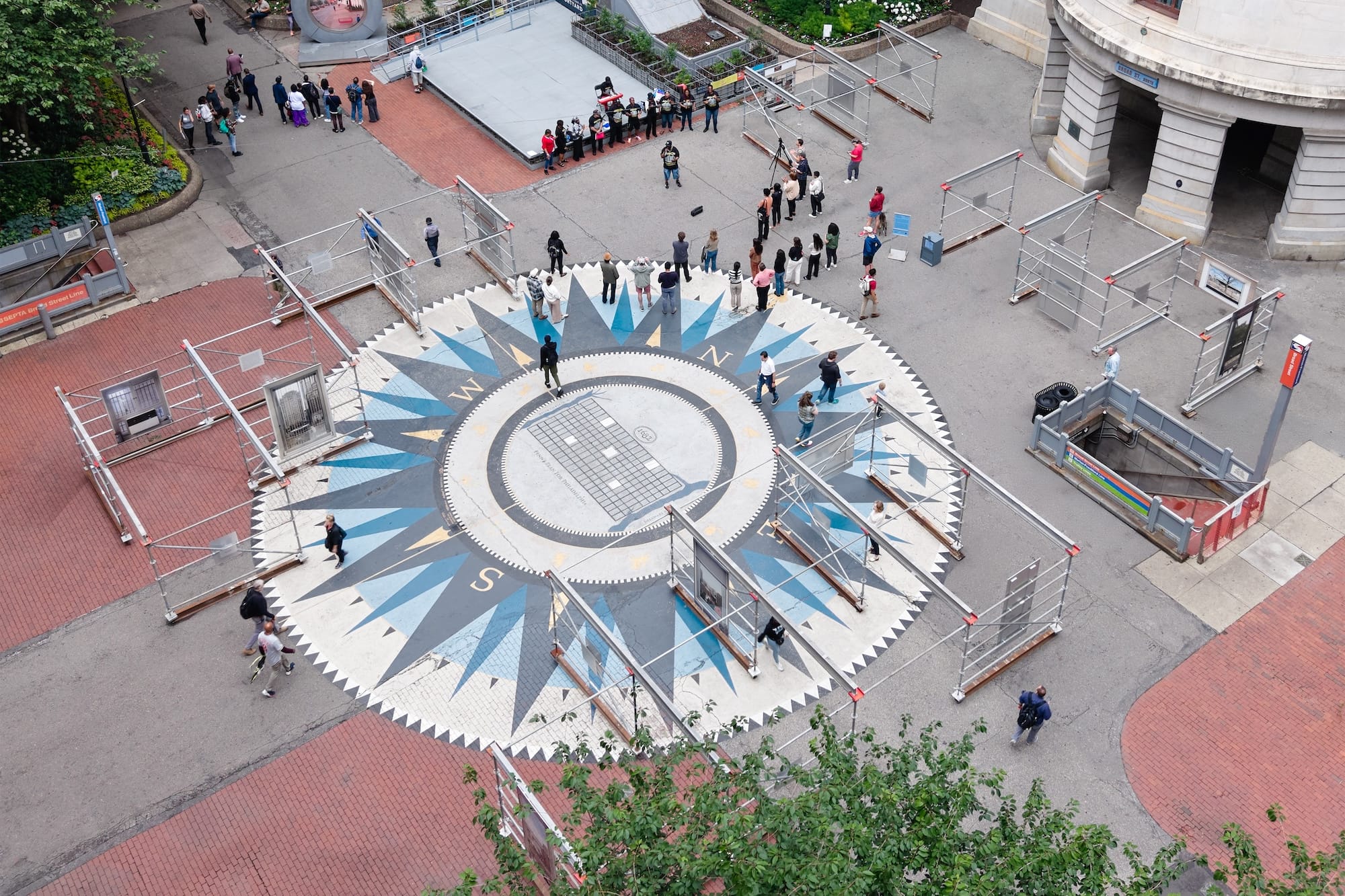
The article is an excerpt from the forthcoming field resource 'Curating Engagement,' featuring a first-person reflection by an arts professional. The author outlines nine lessons learned over two decades of practice, moving from engagement-focused roles to institutional leadership. Key lessons emphasize curiosity as a foundational practice, engagement as a form of service to communities rather than extraction, and the importance of site and history as collaborators in curatorial work.

The Best April Fools’ Jokes in the Art World This Year

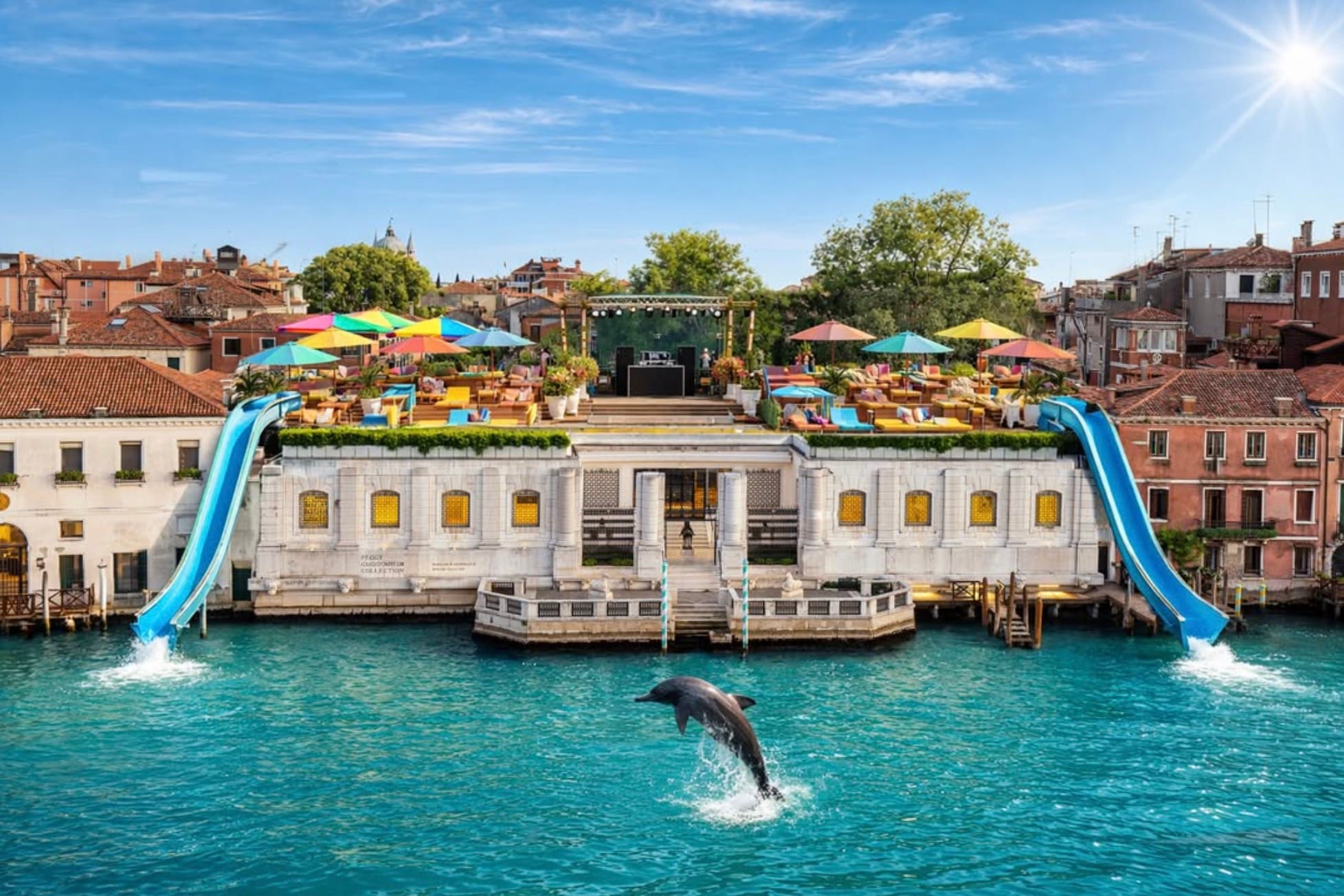
Hyperallergic compiled a list of notable April Fools' Day pranks executed by major arts and cultural institutions in 2025. The jokes included the Morgan Library and Museum pretending to give its ornate interior a cheap "Landlord Special" makeover, the New York Public Library announcing it would replace its iconic lion statues with beaver sculptures, and the Brooklyn Museum and Brooklyn Botanic Garden proposing a whimsical, amusement park-style tunnel connecting their campuses.

The Interview: Kei Ishikawa

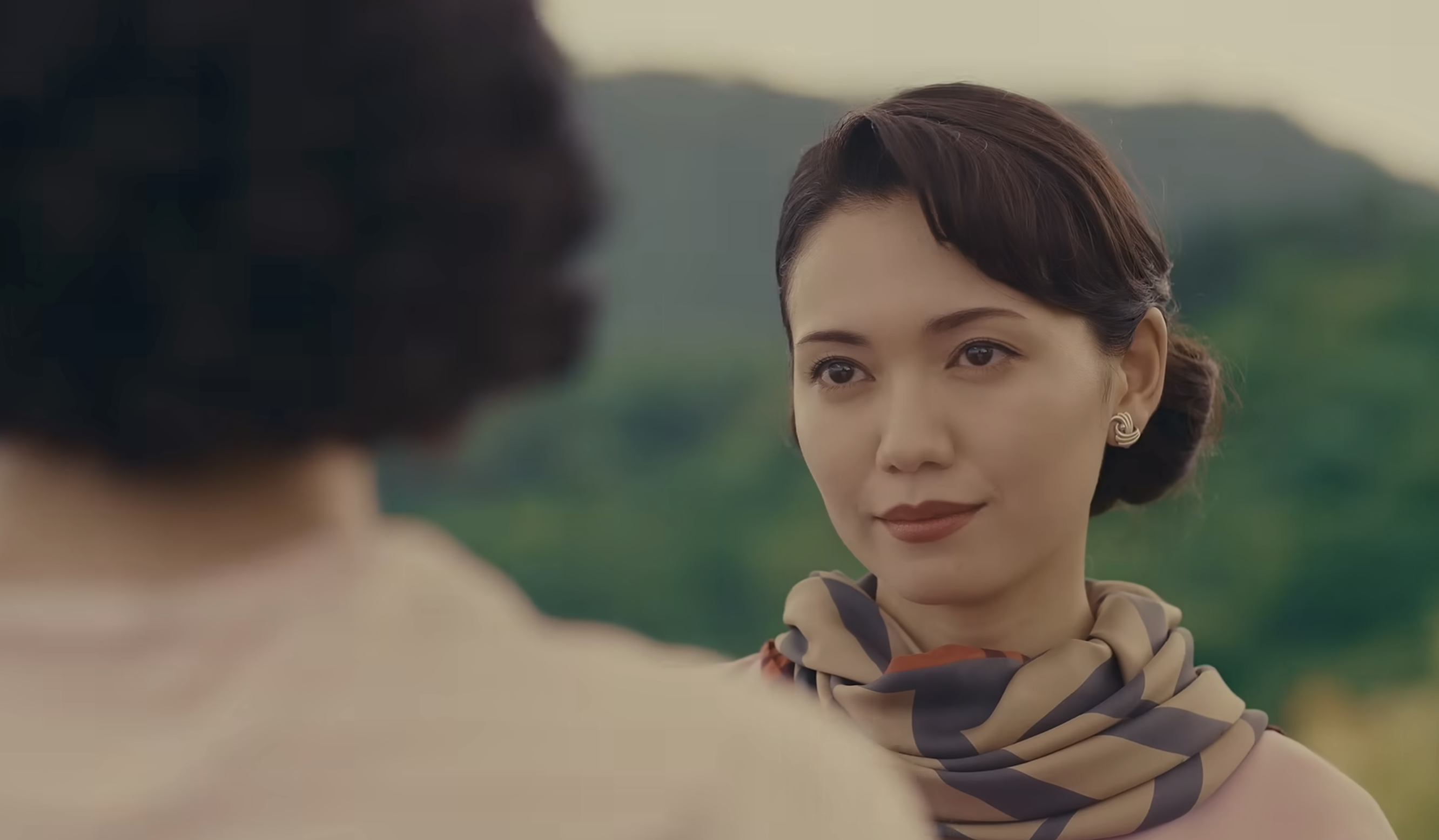
Filmmaker Kei Ishikawa has adapted Kazuo Ishiguro's debut novel, 'A Pale View of Hills,' into a feature film, with Ishiguro serving as executive producer. The film expands the novel's dual-timeline narrative, set in post-war Nagasaki and 1980s England, and introduces a decisive narrative closure not found in the original text. It features performances from leading Japanese actors and meticulous period detail.

‘The Queen of the Ghetto’ Gave New York’s Immigrant Community a Voice. A Century Later, It’s Re-emerging

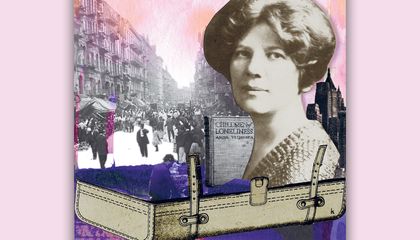
Anzia Yezierska, a Polish-Jewish immigrant who arrived in New York in 1890, defied traditional gender expectations to become a leading literary voice of the 1920s. Dubbed the 'Queen of the Ghetto,' she documented the raw struggles of immigrant women on the Lower East Side using a unique 'immigrant English' style that captured Yiddish idioms. After escaping a restrictive marriage and pursuing an education at Columbia University, she channeled her personal frustrations into stories of poverty, ambition, and the psychological toll of assimilation.

Manifesto for a Radical Femininity for An Other Cinema

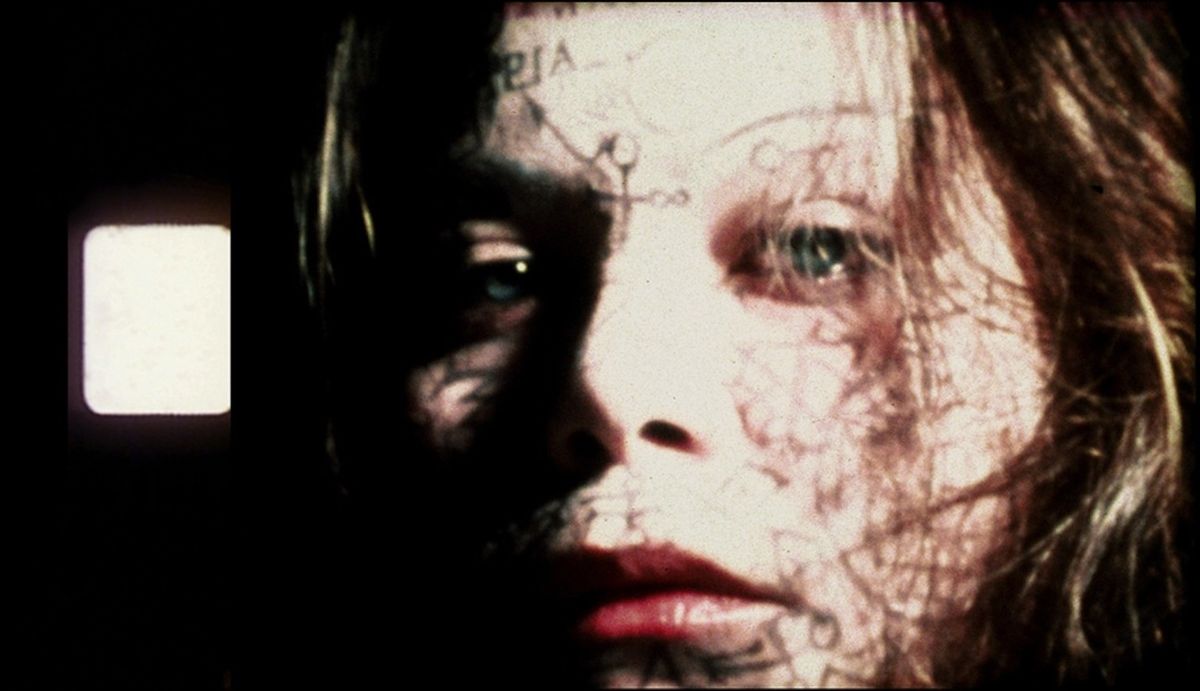
The article presents the 1977 "Manifesto for a Radical Femininity for an Other Cinema" by artists Maria Klonaris and Katerina Thomadaki. The manifesto, published in connection with a rare screening of their films at e-flux Screening Room, calls for a feminist rupture with dominant cinematic language and images, advocating for a "cinema of the body" that challenges patriarchal hierarchies in both sexuality and authorship.

Rashomon

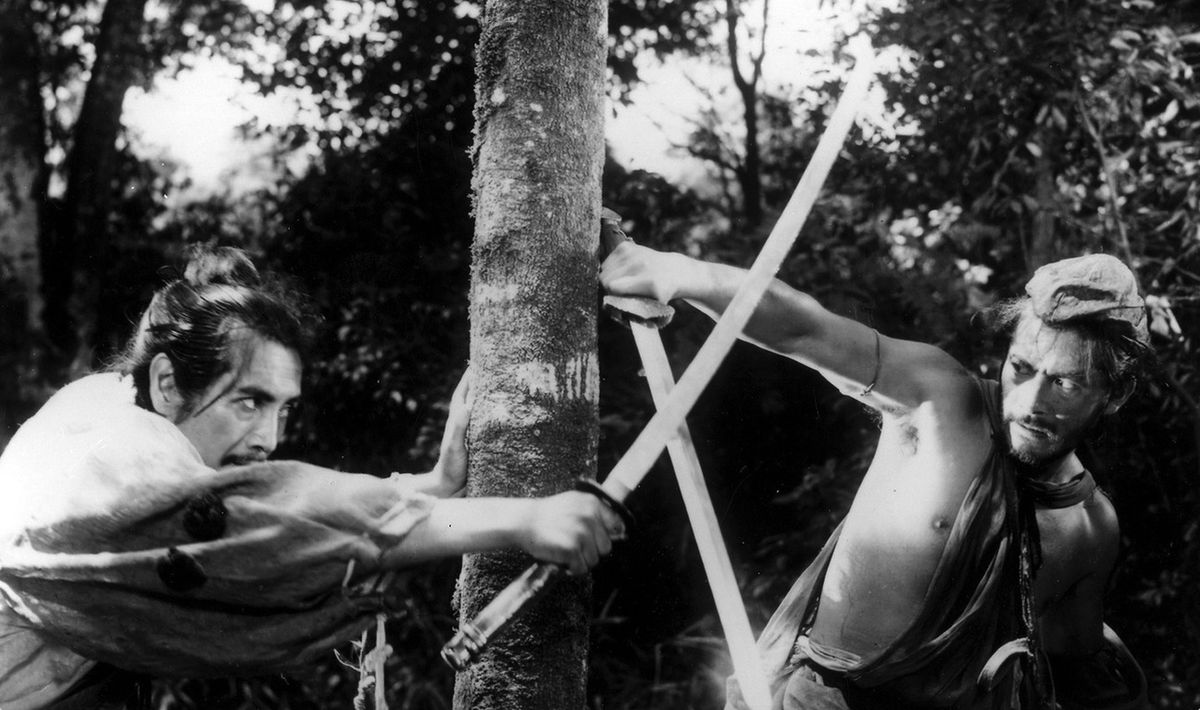
The article shares excerpts from Akira Kurosawa's memoir detailing the production of his 1950 film 'Rashomon.' It focuses on the director's meticulous location scouting in Kyoto and Nara, his struggle with studio executives who found the project difficult, and the evolving, grandiose mental image he developed for the film's central gate, based on his research into historical architecture and city plans.

How Much Change Can Society Endure?

Wie viel Veränderung hält die Gesellschaft aus?

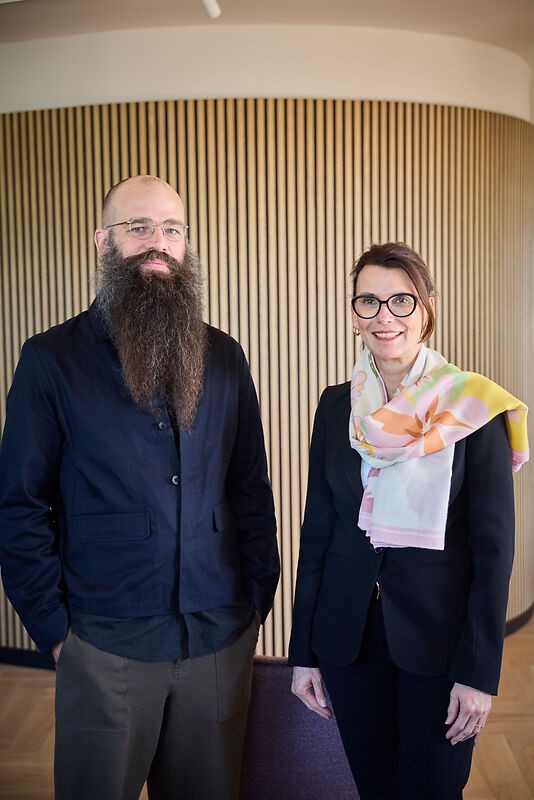
Artist Julius von Bismarck and SPD politician Rita Schwarzelühr-Sutter engaged in a deep dialogue about the societal transition from a fossil-fuel-based to a post-fossil society. During a live podcast hosted by Monopol editor-in-chief Elke Buhr at the BMW Foundation in Berlin, von Bismarck challenged traditional notions of environmental protection, arguing that the very concept of "nature" should be abolished to foster a new relationship with the world. The discussion bridged the gap between artistic radicalism and political pragmatism, touching on existential threats, global inequality, and the role of technology like AI.

Simultaneous or Poly-Cinema

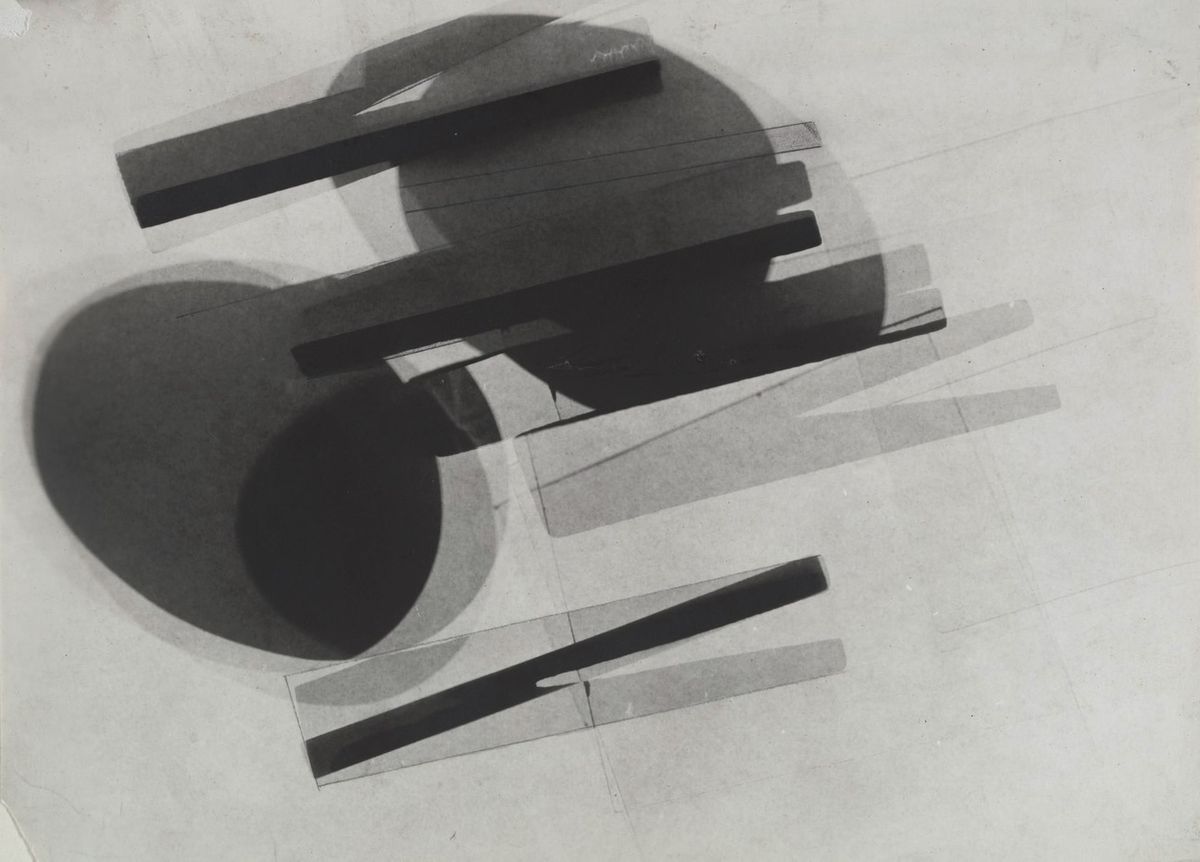
The Bauhaus artist László Moholy-Nagy proposes a radical departure from traditional filmmaking in his 1925 text, "Simultaneous or Poly-Cinema." He envisions a cinematic experience that moves beyond the static, rectangular screen, suggesting instead curved, spherical, or multi-planar surfaces that can accommodate multiple simultaneous projections. By utilizing rotating prisms and intersecting film strips, Moholy-Nagy describes a system where different narrative threads—such as the lives of multiple characters—can physically overlap and merge, creating a dynamic architectural arrangement of light and movement.

Mexico City: El Desagüe by Luis Ortega Govela

Francis Alÿs’s 1997 performance piece, *Paradox of Praxis I*, serves as a starting point for an exploration of Mexico City’s violent hydrological transformation. By pushing a block of ice through the streets until it evaporates, Alÿs retraces the vanished canals of Tenochtitlán, the Aztec capital that was systematically drained by Spanish colonizers to establish a terrestrial, European-style urban grid.

New York is so expensive that it is no longer possible to produce art and culture in the city

New York è così cara che ormai non è più possibile produrre arte e cultura in città

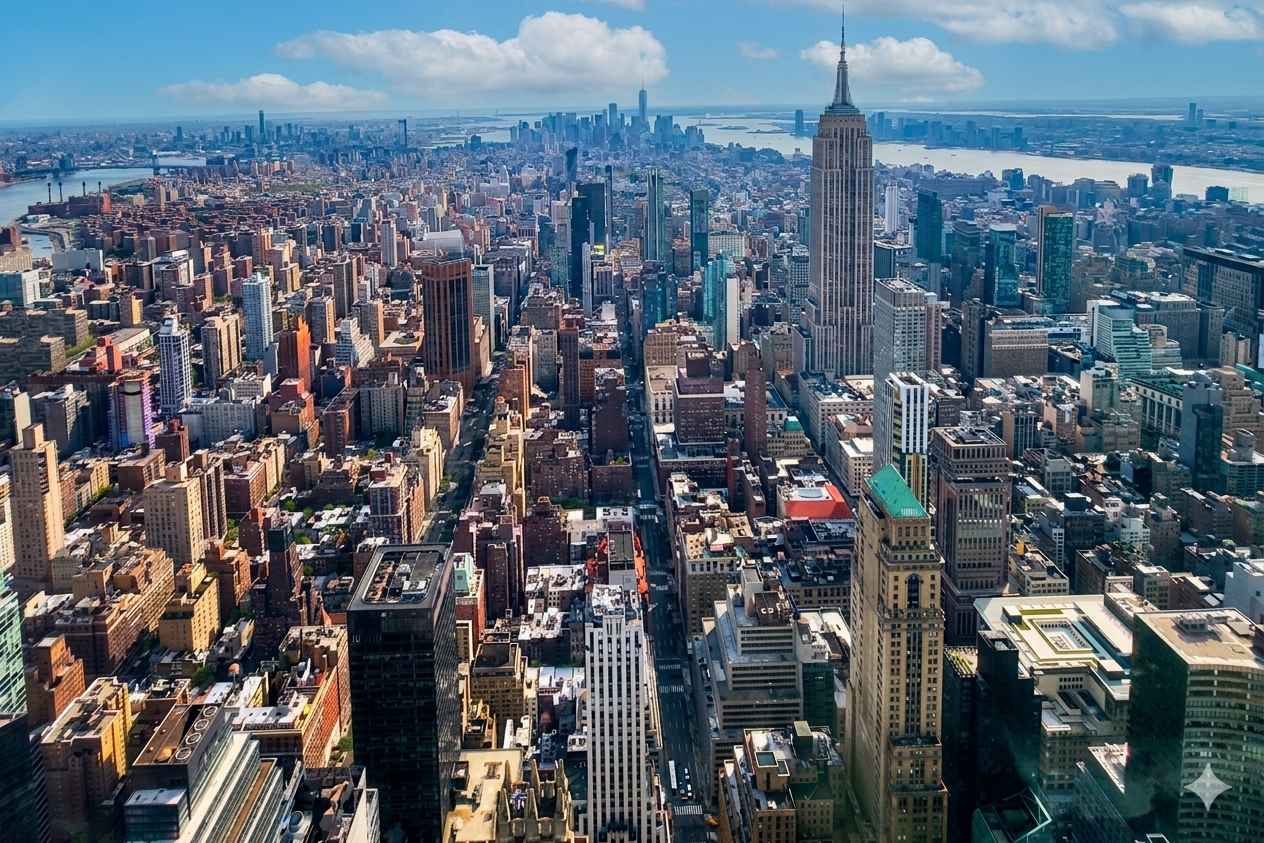
Artist and curator Josh Kline has sparked a significant industry debate with his essay, "New York Real Estate and the Ruin of American Art," which argues that the city's prohibitive real estate market is dismantling its cultural foundation. Kline posits that the financialization of property and the disappearance of affordable lofts and mid-size galleries have created an unsustainable ecosystem where only those with independent wealth can survive. This economic pressure is forcing a generation of creative workers to choose between their practice and basic survival, leading to a stagnation of innovation.

At the Feast of the Revolution: A Film to Tell the Story of Gabriele D’Annunzio’s Fiume Enterprise

Alla Festa della Rivoluzione. Un film per raccontare l’impresa a Fiume di Gabriele D’Annunzio

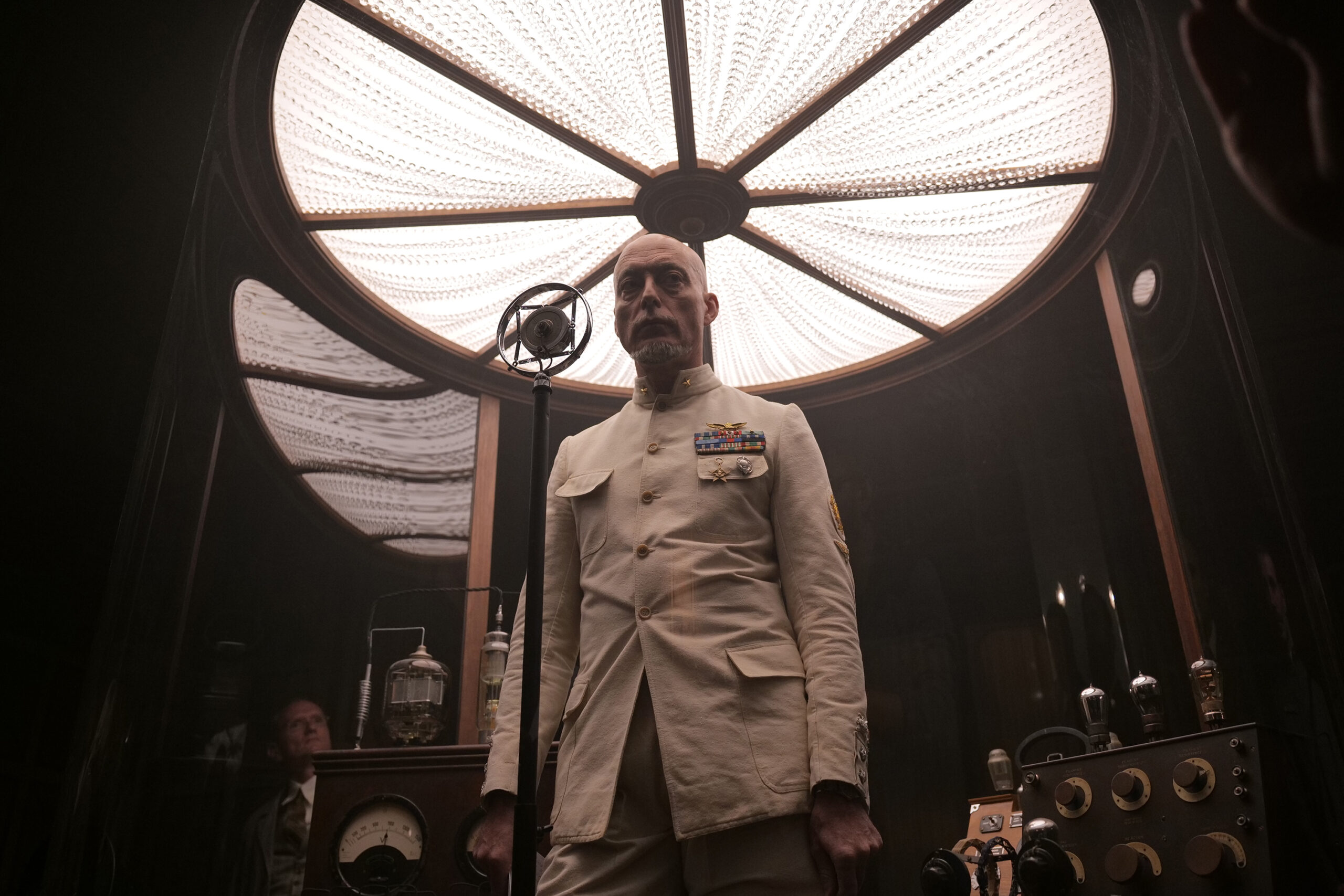
Director Arnaldo Catinari’s new film, *Alla Festa della Rivoluzione*, explores the 1919 occupation of Fiume led by the poet-soldier Gabriele D’Annunzio. Distributed by 01 Distribution and set for a mid-April release, the film depicts the city-state as a visionary laboratory where art served as a structural foundation and social hierarchies were temporarily dismantled. The narrative follows three fictional characters—a spy, a government official, and a deserter—whose lives intersect amidst the political and aesthetic fever of the D’Annunzio enterprise.

Everything You Need to Know to Start a Garden

The New York Times has published a comprehensive guide aimed at aspiring gardeners, detailing the essential steps required to cultivate and maintain a successful green space. The resource covers foundational gardening knowledge, from soil preparation and plant selection to long-term maintenance strategies for various types of outdoor environments.

What’s Your Star Sign? The Ancients Could Offer You Some Insight.

The article explores the ancient origins of astrology, tracing its foundational concepts to Babylonian, Egyptian, and classical civilizations. It details how these early cultures developed complex systems of celestial observation and interpretation that predate modern horoscope apps and the contemporary astrology industry.

The Unsettling Museum

ArtReview's feature 'The Museum in Crisis' presents a critical diagnosis of contemporary museums, questioning their foundational authority, purpose, and relevance. The article compiles perspectives from professionals, highlighting challenges like restitution claims, alienated audiences, and the need to dismantle colonial hierarchies embedded in language and display practices. It argues that museums must move beyond being mere preservers to become active producers of public knowledge.

‘Eudaimonic well-being’ — the impact of art in healthcare - The Island News

The article discusses the growing recognition of art's role in healthcare settings, citing research that visual art enhances 'eudaimonic well-being'—a sense of meaning, growth, and purpose—which aids patient healing. Studies, including a 2025 review in The Journal of Positive Psychology, show that incorporating art in hospitals reduces stress and anxiety for patients and staff, improves communication, and even reduces patient aggression in high-stress areas like emergency rooms.

That Time Raphael Visited Tivoli, Transforming Antiquity into Art

Quella volta che Raffaello visitò Tivoli trasformando l’antichità in arte

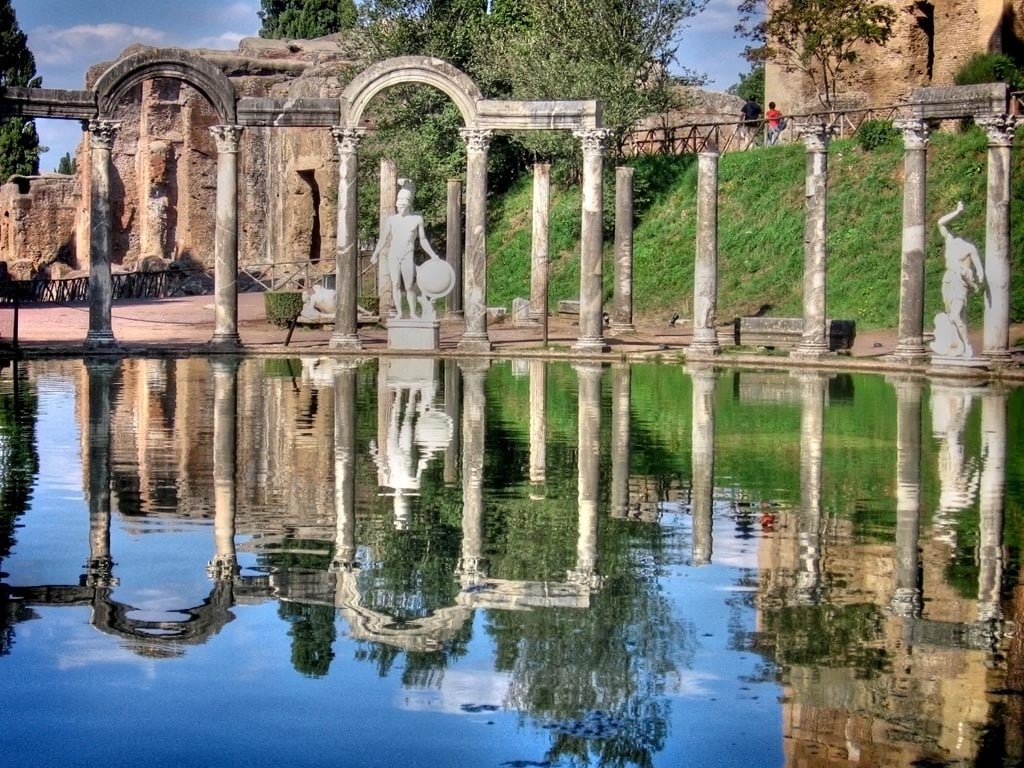
In April 1516, Raphael Sanzio embarked on a historic excursion to Tivoli alongside a prestigious circle of Renaissance intellectuals, including Baldassarre Castiglione and Pietro Bembo. This journey served as a critical field study for Raphael, who had recently been appointed as Rome's prefect of antiquities. By examining the complex ruins of Hadrian's Villa and the Sanctuary of the Sibyl, the group engaged in a sophisticated blend of archaeological investigation and humanist leisure that defined the cultural climate under Pope Leo X.

Museum: Art, Collections, and Exhibits

Museum - Art, Collections, Exhibits

This comprehensive overview traces the historical evolution of the museum from its origins as private royal collections and 'cabinets of curiosities' to the modern public institutions of the 21st century. It details the emergence of landmark spaces like the Ashmolean, the British Museum, and the Louvre, while examining how the 'museum boom' of the 20th century expanded these institutions globally across the United States, Asia, and Africa.

making the mark forum art market museum recap 1234776873

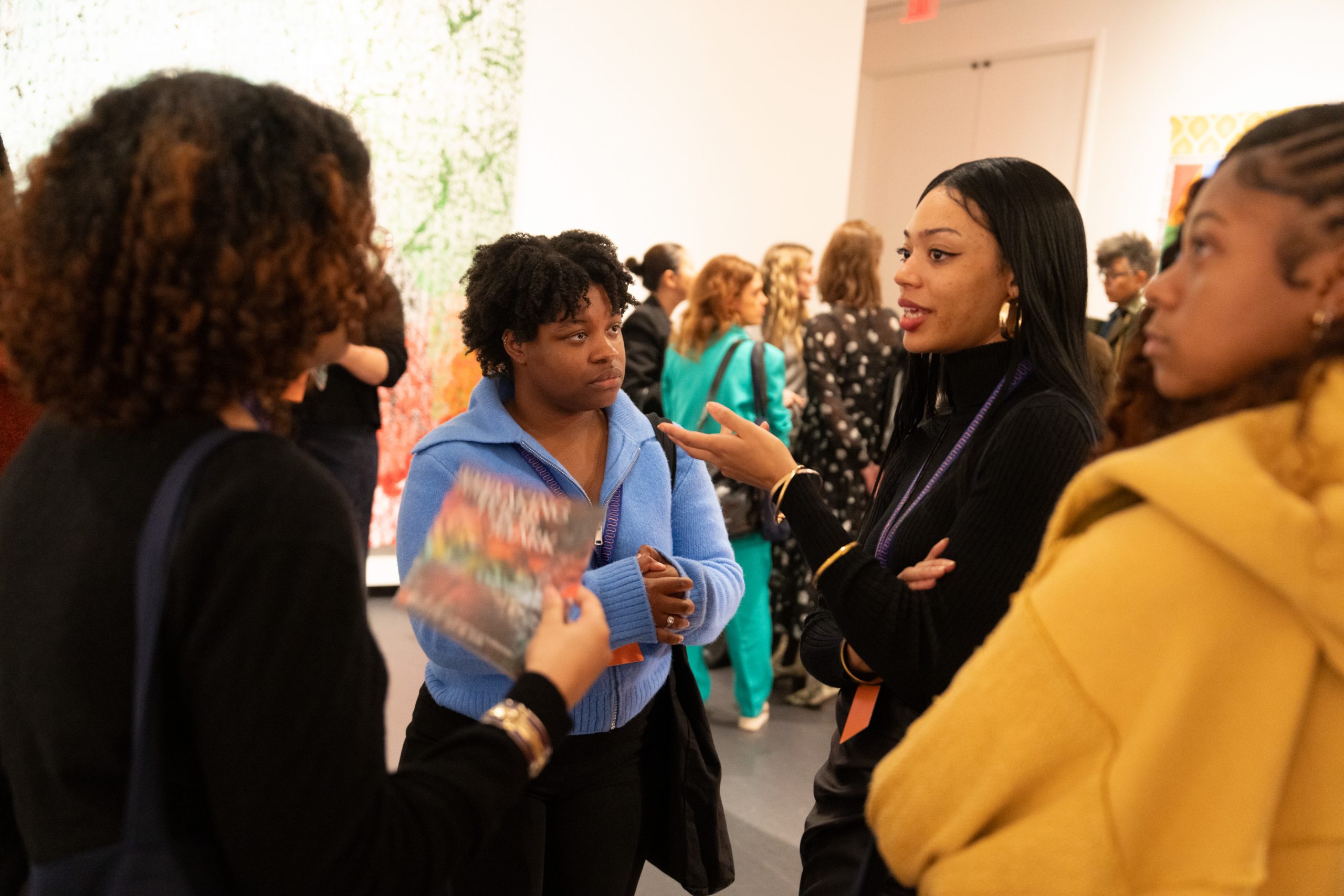
The inaugural Making Their Mark forum convened 350 art world professionals at the National Museum of Women in the Arts to address systemic gender inequity. Organized by collector Komal Shah and the Making Their Mark Foundation, the event featured panels with artists, curators, and public figures like Chelsea Clinton and Ava DuVernay. The forum served as a call to action to dismantle the male-dominated art historical canon and reform the systems governing visibility and valuation.

making their mark forum 2752270

The Making Their Mark Forum recently convened 350 women in the arts—including artists, curators, and over 20 museum directors—at the Martin Luther King Jr. Memorial Library in Washington, D.C. Organized by collector Komal Shah alongside Cecilia Alemani and Loring Randolph, the invitation-only conference coincided with a traveling exhibition of Shah’s collection at the National Museum of Women in the Arts. The event featured high-profile speakers like Chelsea Clinton and Ava DuVernay, focusing on dismantling structural gender inequities and celebrating the foundational contributions of women to art history.

It's Time to Give Annibale Carracci Some of Rembrandt's Spotlight

its time to give annibale carracci some of rembrandts spotlight 2742854

This article advocates for a critical re-evaluation of the Italian Baroque painter Annibale Carracci, arguing that his historical significance and artistic influence rival that of the more widely celebrated Rembrandt van Rijn. While Rembrandt has dominated recent museum headlines and auction records, the author highlights Carracci’s foundational role in establishing the Accademia degli Incamminati in Bologna, which revolutionized art education by prioritizing life drawing and elevating the social status of artists from mere craftsmen to intellectual creators.