filter_list Showing 11 results for "Germany" close Clear
search
dashboard All 308 museum exhibitions 113article news 41article policy 29candle obituary 25rate_review review 23trending_up market 23gavel restitution 22person people 13article culture 11article local 8
date_range Range Today This Week This Month All
Subscribe

eva hesse documentary

A comprehensive new documentary on Eva Hesse, the innovative 1960s artist, will premiere in New York in April. Directed by Marcie Begleiter, the film explores Hesse's life as a German-born American who fled Nazi Germany, her difficult childhood as an immigrant, and her rise in New York's art scene. It features interviews with artists like Robert Mangold and examines her pioneering use of materials such as plastic, latex, and fiberglass. Hesse's career was cut short when she died of a brain tumor at age 34 in 1970, but her legacy has grown through posthumous retrospectives at major museums.

Delegitimation, Denunciation and Insecurity

"Delegitimation, Denunziation und Verunsicherung"

German cultural critic Georg Seeßlen warns in his taz column of a right-wing 'war of conquest' targeting liberal cultural institutions through systematic delegitimation, denunciation, and intimidation. Meanwhile, a new Berlin artist study reveals that the average annual income from artistic work is just €6,000, highlighting a structural dysfunction in the art system. Additionally, Jonathan Meese's play 'Alaska Kid' has been canceled at the Volksbühne Berlin following the death of his mother Brigitte Meese, who was his organizer, muse, and confidante.

There Has Never Been an Apolitical Venice Biennale

The Venice Biennale, with its national pavilion structure, has always been a platform for political expression and soft power, a reality evident from its early 20th-century origins. Contemporary critic Arturo Lancellotti's 1909 review of the German and British pavilions was steeped in geopolitical context, revealing how national artistic displays were interpreted through the lens of imperial power and military alliances.

Henrike Naumann Stared Down a Divided Germany’s Past While Eyeing Our Troubled Present

Henrike Naumann, a German artist known for using secondhand furniture and design to explore political extremism and consumer capitalism, is profiled in ARTnews. The article recounts her first US exhibition, “Re-Education” at SculptureCenter in New York in 2022, where she created installations referencing the January 6 Capitol attack, juxtaposing Federal-style office furniture with a Flintstonian mancave and chairs arranged by ideological subtext. The show gained unexpected attention when German media covered it, linking her small hometown of Zwickau with New York, and she later visited Thomas Hart Benton’s murals at the Met to understand American power and aesthetics.

Emma the joke-telling robot cracks up the care home: Paula Hornickel’s best photograph

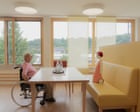
Photographer Paula Hornickel captured a moment between an elderly care home resident named Waltraud and a social robot named Emma in Albershausen, Germany. The robot, designed for companionship in settings with staff shortages, engages residents in conversation, tells jokes, and discusses topics like favorite flowers, simulating social interaction.

Modern Art and Politics in Germany 1910–1945

The article examines the complex and often fraught relationship between modern art and political power in Germany from 1910 to 1945. It details how avant-garde movements like Expressionism, Dada, and the Bauhaus initially flourished, only to be systematically suppressed and labeled "degenerate" by the Nazi regime after 1933.

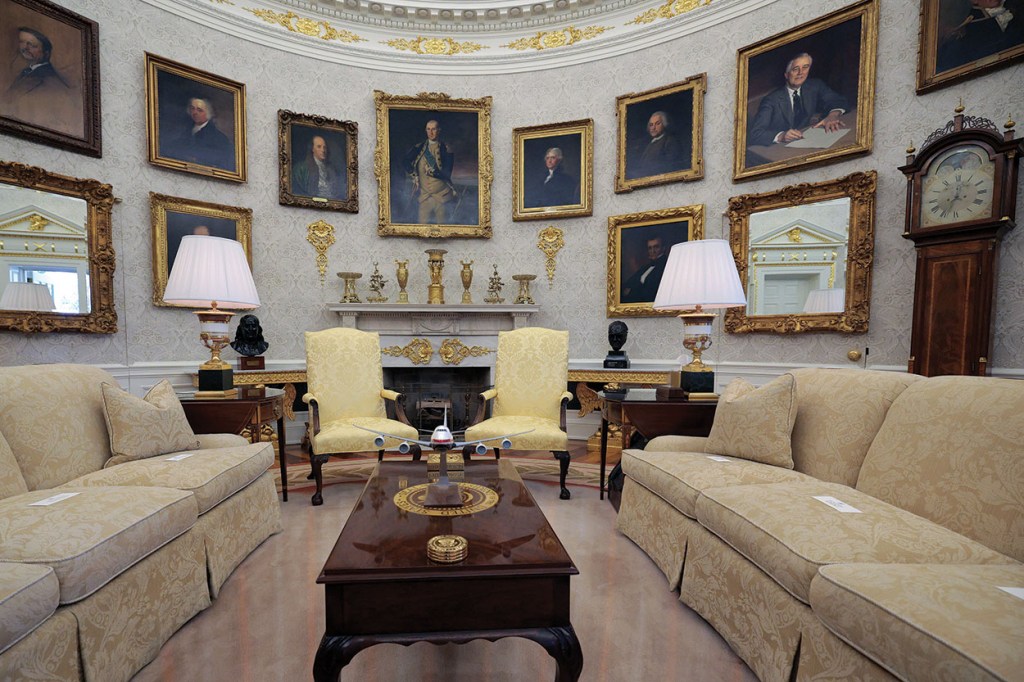
The MAGA Theory of Art

The article examines the aesthetic dimensions of the MAGA movement, comparing and contrasting it with historical fascist regimes, particularly Nazi Germany. It argues that while both movements share a theatrical, media-savvy approach to politics and a resentment of cultural elites, MAGA lacks the disciplined, sophisticated aesthetic program and the cadre of high-profile artists and designers that characterized Nazi cultural production.

Group "New Generation" Plans "Art Protest" on Wednesday

Gruppe "Neue Generation" plant "Kunstprotest" am Mittwoch

The activist group "Neue Generation" has announced a week of protests in Berlin under the theme "Revolution Days," promising creative and artistically designed actions. Their activities began with a "protest dance" on the steps of the Reichstag building, leading to three participants being investigated for trespassing. The group has scheduled a "Kunstprotest" (art protest) for Wednesday and a "revolutions attempt in the government district" for Thursday.

How Art Libraries Make Art Accessible

Wie Artotheken Kunst zugänglich machen

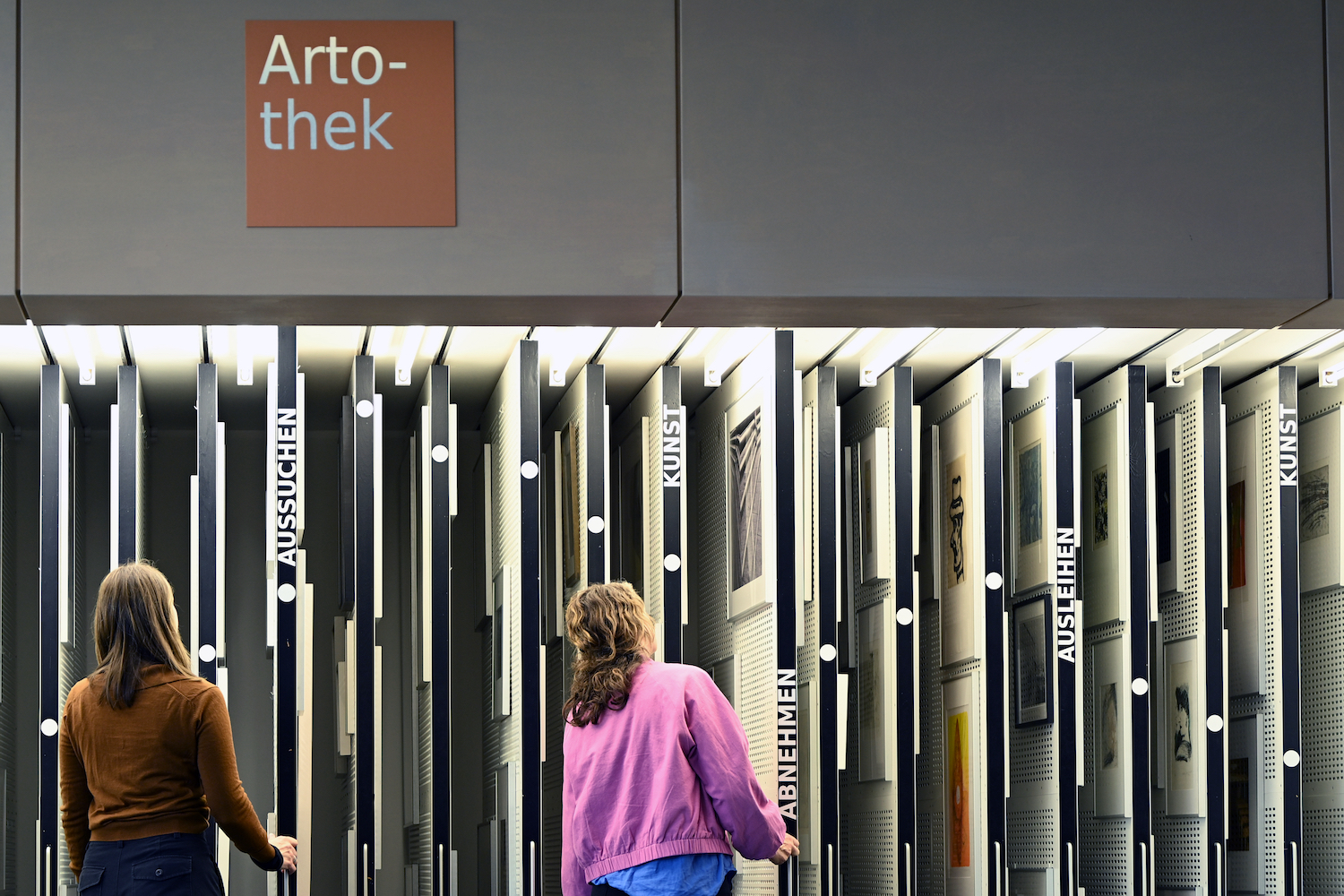
Artotheken, or art libraries, are public institutions that lend artworks to anyone with a library card, making art accessible beyond the traditional museum or gallery system. In Germany, over 100 such artotheken exist, often housed in public libraries, art associations, or museums. The Amerika-Gedenkbibliothek in Berlin, for example, has a collection of 2,000 works, with around 300 currently on loan to homes, doctors' offices, and law firms. The lending process is informal: borrowers can eat, drink, and even touch the works, and transport by bus or bike is encouraged. A jury selects up to 15 new works annually, and the collection includes major names like Roy Lichtenstein and Niki de Saint Phalle, though most users choose pieces based on personal connection rather than prestige.

hitler paintings art market industry hbo

This week's episode of HBO's *Industry* features a watercolor of Neuschwanstein Castle signed "A. Hitler," reflecting the real-world market for Adolf Hitler's amateur paintings. The show uses the artwork as a symbol of inherited wealth and moral ambiguity, mirroring actual auction sales—such as a 2015 Nuremberg sale where a group of Hitler watercolors fetched roughly €400,000, with one version of Neuschwanstein selling for €100,000 to an anonymous Chinese buyer. These works continue to circulate legally in Germany as long as they omit Nazi symbols.

“Yellow Letters”: arte e politica, libertà e censura nel nuovo film di İlker Çatak

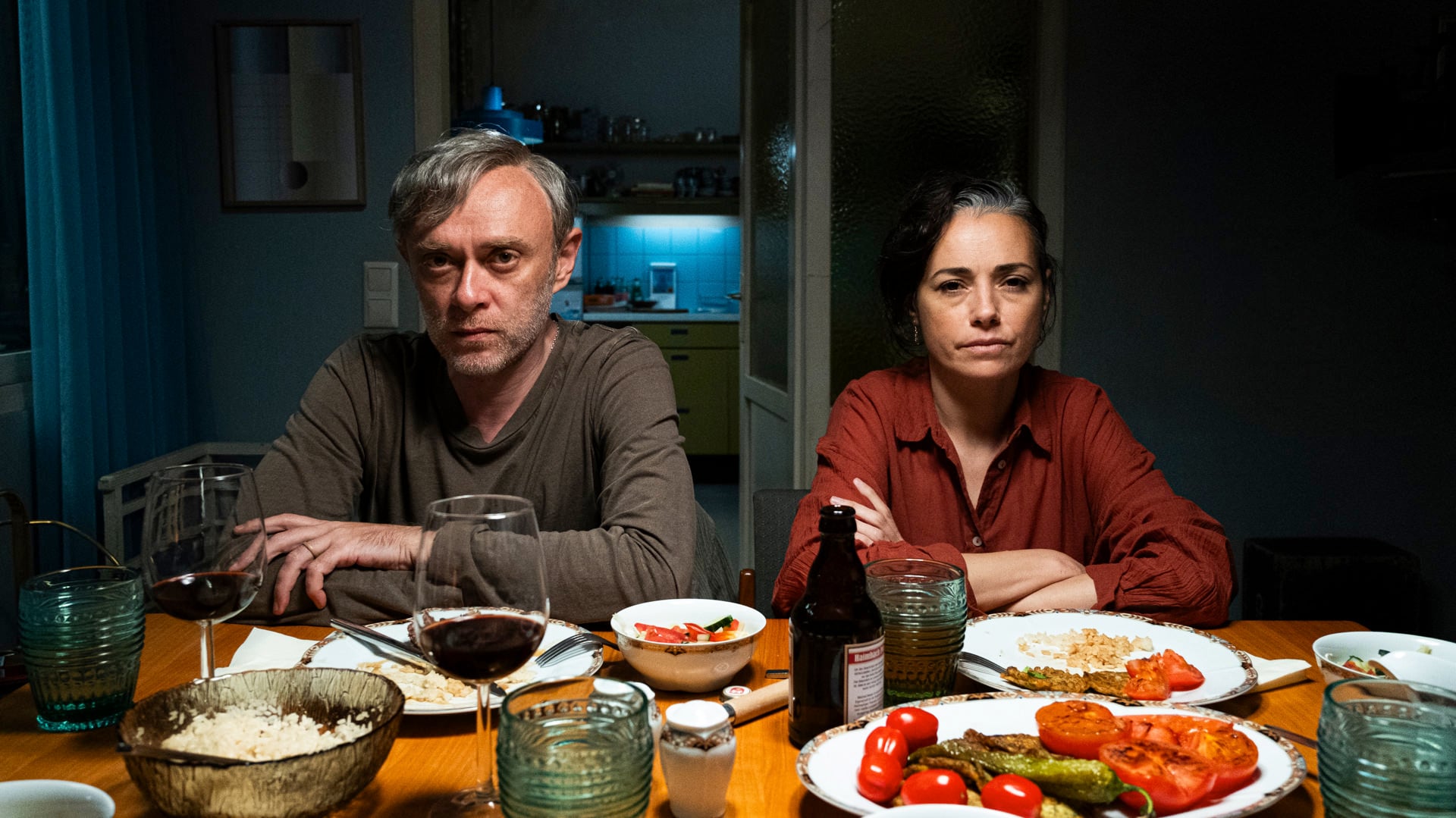
Ilker Çatak's fifth film, "Yellow Letters," premieres on April 30, 2026, distributed by Lucky Red. The story follows Derya and Aziz, a Turkish artist couple whose lives unravel after Aziz, a professor at Ankara University, receives a "yellow letter" terminating his employment. The film, inspired by post-2016 coup purges in Turkey, shifts to Berlin and Hamburg, where the director deliberately avoids mimicking Turkish locations, instead using explicit captions like "Berlin as Ankara" to create a Brechtian alienation effect. Çatak explores how arbitrary state repression fractures personal relationships and moral boundaries, drawing on interviews with artists who faced unjust dismissals.