filter_list Showing 65 results for "Life" close Clear
dashboard All 804 museum exhibitions 421article local 88article news 78article culture 65trending_up market 44person people 39rate_review review 27candle obituary 25article policy 11gavel restitution 3article events 1article museum 1article event 1
date_range Range Today This Week This Month All
Subscribe

Comment | Cow in MSCHF project survives, but should the project have happened at all?

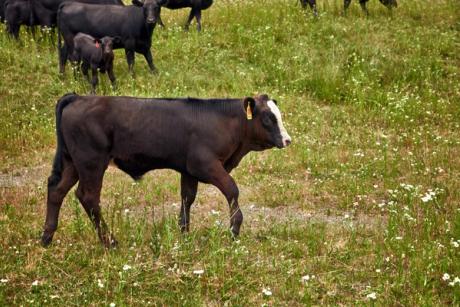
The Brooklyn-based art collective MSCHF concluded its two-year project 'Our Cow Angus,' in which the fate of a live cow was determined by token holders. Purchasers of tokens representing future hamburgers and leather had the option to return them via a 'remorse portal'; when over 50% were returned by the March 13 deadline, the cow was sent to a sanctuary instead of a slaughterhouse.
How the New Deal Treated Art as Essential to Democracy

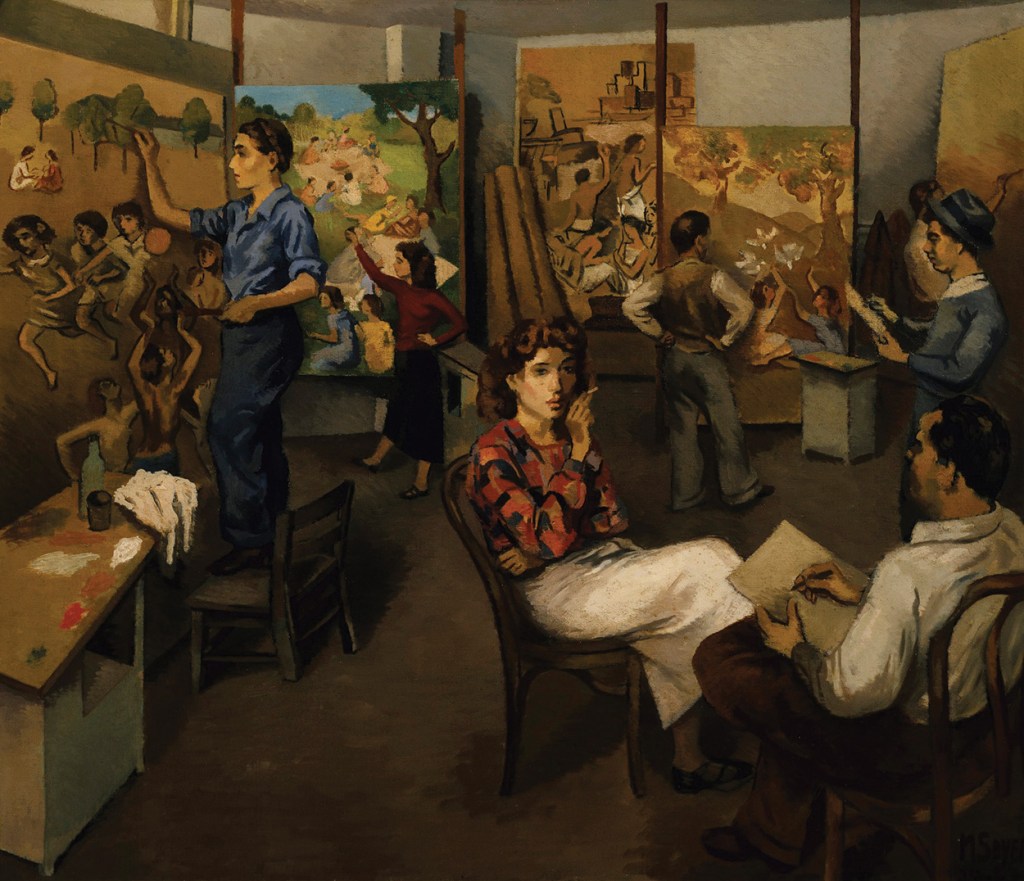
The United States government transformed the role of the artist during the Great Depression by treating art as a vital public resource rather than a private luxury. Between 1933 and 1943, New Deal programs like the Public Works of Art Project (PWAP) commissioned hundreds of thousands of works for schools, libraries, and hospitals, providing 'plumbers' wages' to struggling creators. This federal patronage supported a generation of then-unknown figures, including Jackson Pollock, Mark Rothko, and Alice Neel, while focusing on the 'American scene' to make culture accessible to the general public.

The Philosopher Who Predicted Our Post-Literate Art Moment

Art critic Martha Schwendener has released a new book titled 'The Society of the Screen: Vilém Flusser’s Radical Prescience,' exploring the prophetic theories of the late philosopher Vilém Flusser. Flusser, a Prague-born thinker who lived in Brazil and Europe, argued in the 1980s that society was transitioning from a text-based culture to one dominated by 'technical images,' a shift he believed would fundamentally alter human consciousness and the function of the 'apparatus' in daily life.

Caravaggio Documentary Will Premiere on Marquee TV Next Week

A feature-length documentary about Baroque painter Caravaggio, directed by Phil Grabsky and David Bickerstaff, will premiere on the streaming platform Marquee TV on April 6. The film, part of the "Exhibition on Screen" series, was previously released in theaters last fall and focuses on the artist's innovative painting style rather than his notorious personal life.

30 Iconic Feminist Works By Women Artists

ARTnews has expanded its list of iconic feminist works by women artists, adding 15 new entries to a previous selection. The article highlights specific pieces, such as Edmonia Lewis's *The Death of Cleopatra* (1876), Mary Cassatt's *The Reader* (1877), and Alice Pike Barney's *Medusa* (1892) and *Lucifer* (1902), providing historical context for each artist and their contribution to feminist discourse through art.

Why Was Sarah Miriam Peale, Pioneering Member of America’s First Art Dynasty, Left Behind?

Sarah Miriam Peale, a member of the prominent Peale art dynasty and arguably the first professional woman artist in the United States, is finally receiving long-overdue institutional recognition. Despite a prolific sixty-year career painting portraits of political figures and still lifes in Baltimore and St. Louis, her legacy was largely overshadowed by her uncle Charles Willson Peale and her male cousins. Her independence as an unmarried woman who supported herself entirely through her craft marked a radical departure from the gender norms of the 19th century.

More Than Breakfast

Mehr als Frühstück

The article explores the enduring presence and symbolism of the egg as a motif throughout art history. It highlights works by artists from Hieronymus Bosch and Pieter Bruegel the Elder to Salvador Dalí and Constantin Brâncuși, showing how the egg has been used in painting, sculpture, and photography to represent themes of origin, life, and perfect form.

Angus, Thongs and Imperfect Staging

The art collective MSCHF saved a cow named Angus from slaughter after a two-year project called 'Our Cow Angus'. The project allowed fans to preorder burgers or a leather bag made from Angus, but also provided a 'Remorse Token' to cancel orders. If 50% of tokens were used by the deadline, Angus would be spared and sent to a sanctuary. With ten hours remaining, the threshold was met, and the cow's life was saved.

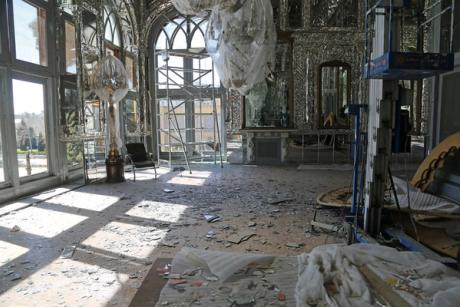
Iran’s arts community and heritage suffer as US-Israeli attacks continue

The US-Israeli bombardment of Iran, beginning in late February, has severely disrupted the country's cultural life and art scene. The typically busy Nowruz (Persian New Year) period was marked by fear, travel restrictions, and internet blackouts, leading to the evacuation of museum collections, the closure of galleries, and artists being unable to work in their studios.

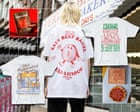
‘The way the world is, something daft is appealing’ – why everything from pizzas to podcasts has a cartoon character on it

A distinctive cartoon illustration style, rooted in 1920s 'rubber hose' animation and influenced by graffiti, vintage Americana, and underground comics, has become ubiquitous in contemporary branding. This aesthetic, characterized by exaggerated, jointless limbs and friendly faces, now adorns everything from independent pizza shops like London's Yard Sale Pizza to wine labels for Top Cuvee, podcasts, and even global fashion collaborations.

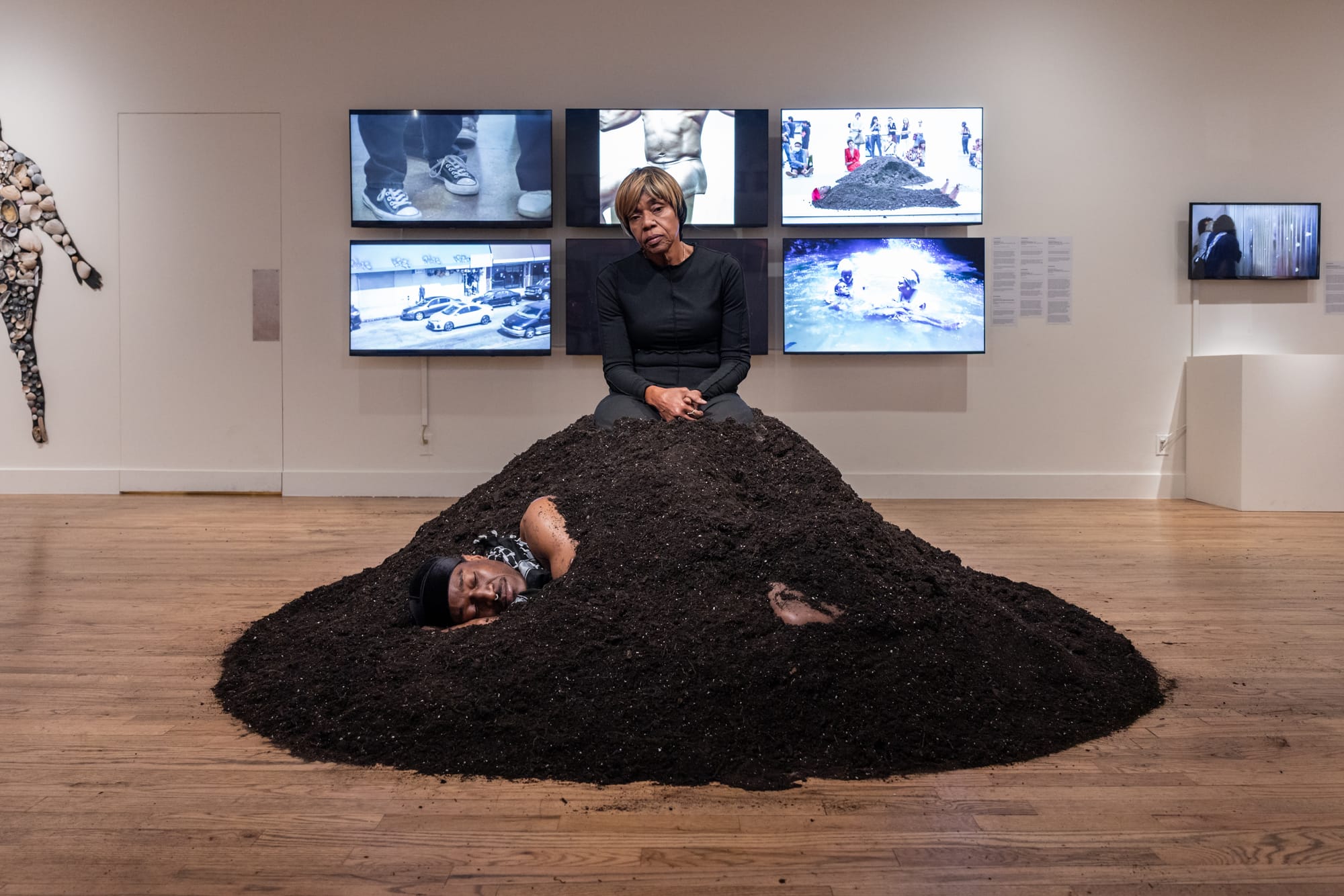
The Museum Breathing Life Into New York's Downtown Performance Scene

The Leslie-Lohman Museum of Art in SoHo has emerged as a vital hub for New York’s downtown performance scene through its intergenerational exhibition, "Sacred and Profane." Featuring a collaborative residency between poet Pamela Sneed and performance artist Carlos Martiel, the programming centers on themes of Black maternal grief, queer identity, and the exhumation of suppressed histories. Recent performances included Martiel’s "No Resurrection," a ritualistic piece involving his mother and a mound of earth, and Sneed’s readings that address the collective trauma and "urgent care" status of the LGBTQ+ community.

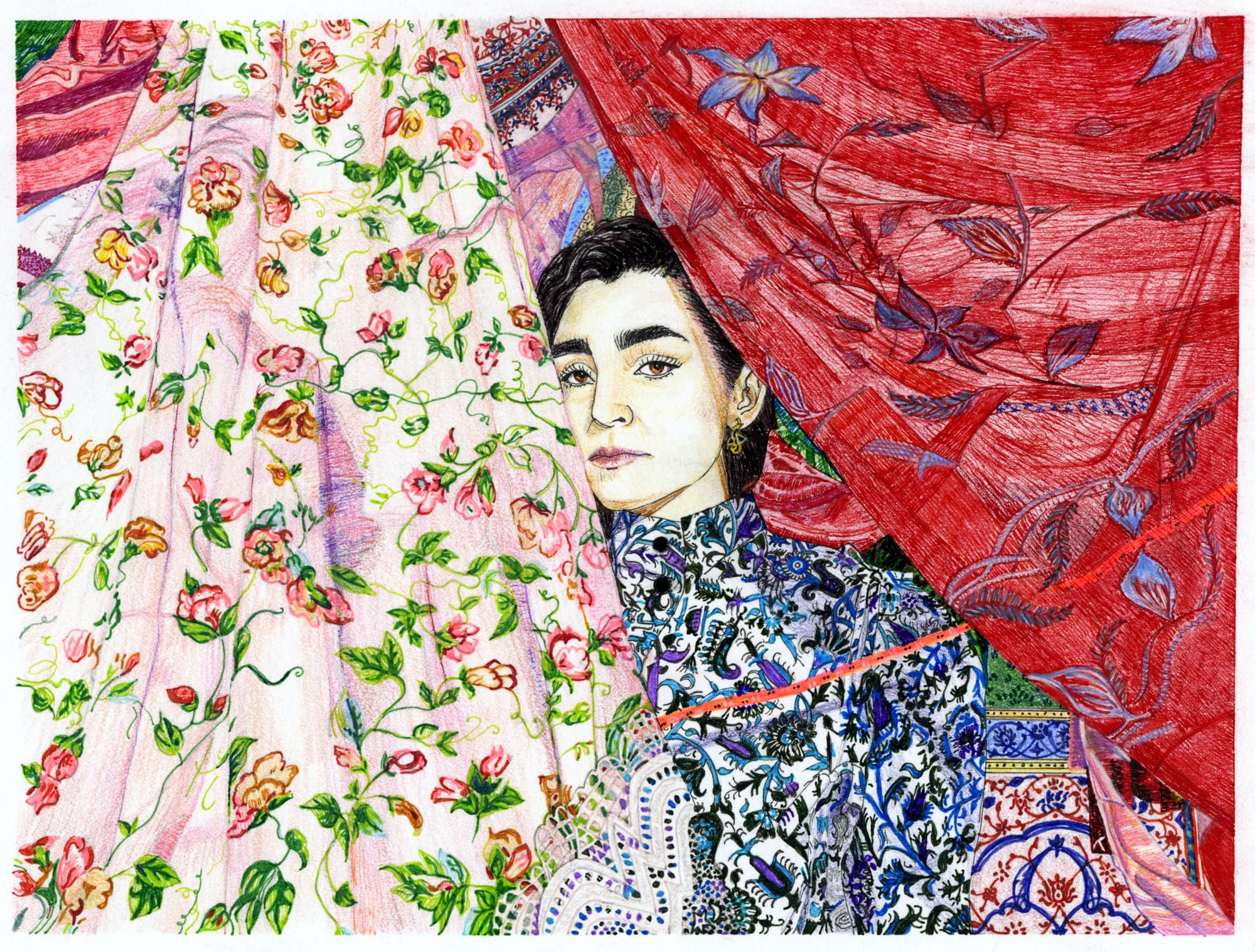
Flying Back With the Birds to My Hometown of Tehran

The author, an Iranian artist living in the diaspora, describes the profound psychological impact of the ongoing war on her homeland. She experiences a constant state of displacement and terror, feeling tethered to Tehran through news of bombings in the Alborz Mountains, which transforms her sense of geography and home into one of anxiety and helplessness.

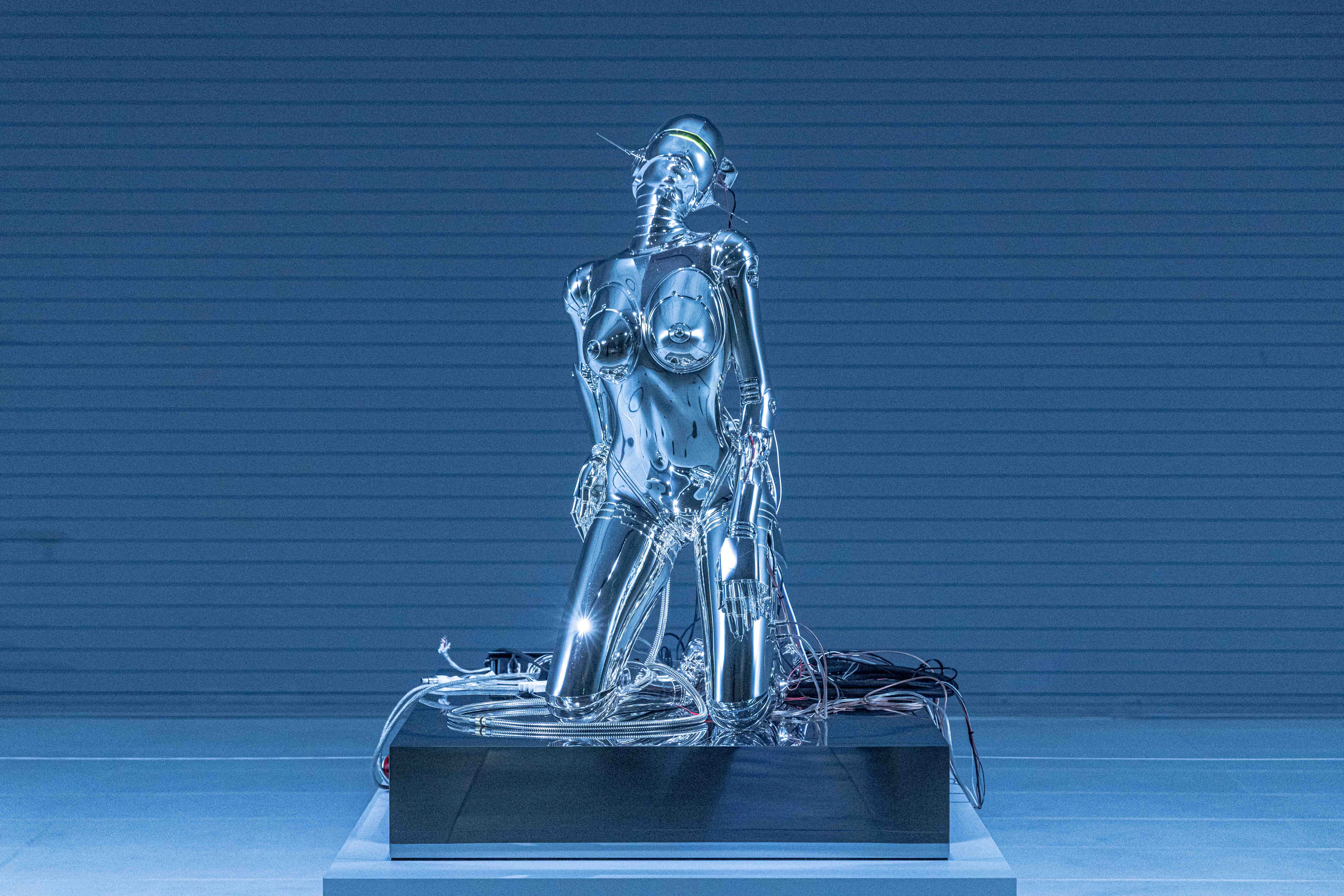
How Hajime Sorayama’s Sexy Robots Reflect Our Fantasies

Japanese artist Hajime Sorayama has spent nearly five decades developing his iconic "Sexy Robots" series. These chrome-plated female figures, rendered first with airbrush and later as polished metal sculptures, have evolved to include life-sized works created through digital modeling and engineering collaborations.

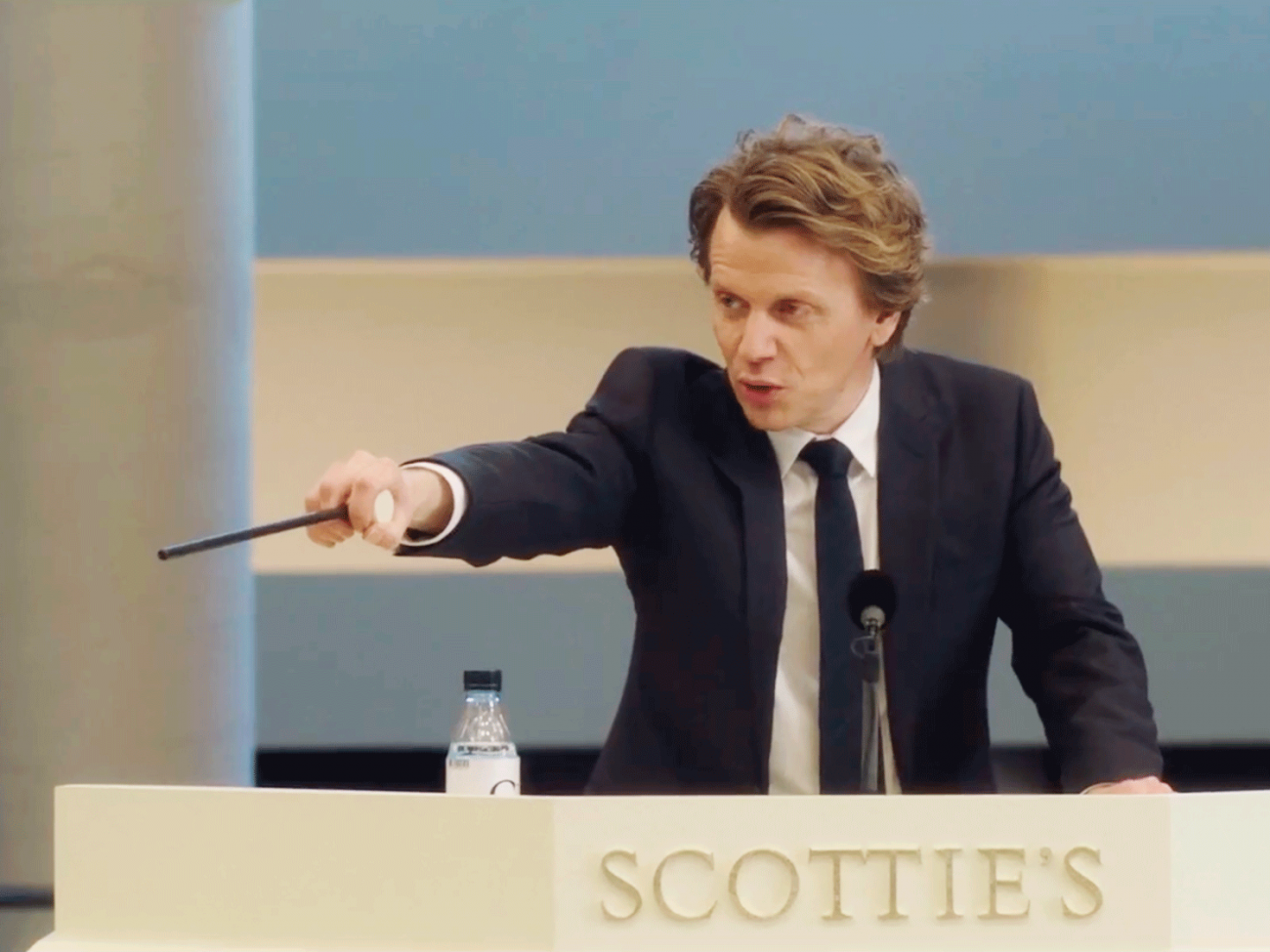
On Arte, 'The Stolen Painting' dives into auction houses through the rediscovery of an Egon Schiele looted by the Nazis

Sur Arte, « Le Tableau volé » plonge dans les salles de ventes aux enchères à travers la redécouverte d’un Egon Schiele spolié par les nazis

Director Pascal Bonitzer’s film 'Le Tableau volé' (The Stolen Painting) dramatizes the real-life 2005 discovery of a lost Egon Schiele masterpiece, 'Autumn Sun,' in the modest home of a factory worker in Mulhouse. The narrative follows a cynical auctioneer, played by Alex Lutz, as he navigates the authentication and eventual sale of the work, which was looted by the Nazis from Jewish collector Karl Grünwald during the 1940s.

On Arte, 'The Stolen Painting' dives into auction houses through the rediscovery of an Egon Schiele looted by the Nazis

Sur Arte, « Le Tableau volé » plonge dans les salles de ventes aux enchères à travers la redécouverte d’un Egon Schiele spolié par les nazis

Director Pascal Bonitzer’s film 'Le Tableau volé' (The Stolen Painting) dramatizes the real-life 2005 discovery of a lost Egon Schiele masterpiece, 'Autumn Sun,' in the modest home of a factory worker in Mulhouse. The narrative follows a cynical auctioneer, played by Alex Lutz, as he navigates the authentication and eventual sale of the work, which was looted by the Nazis from Jewish collector Karl Grünwald during World War II.

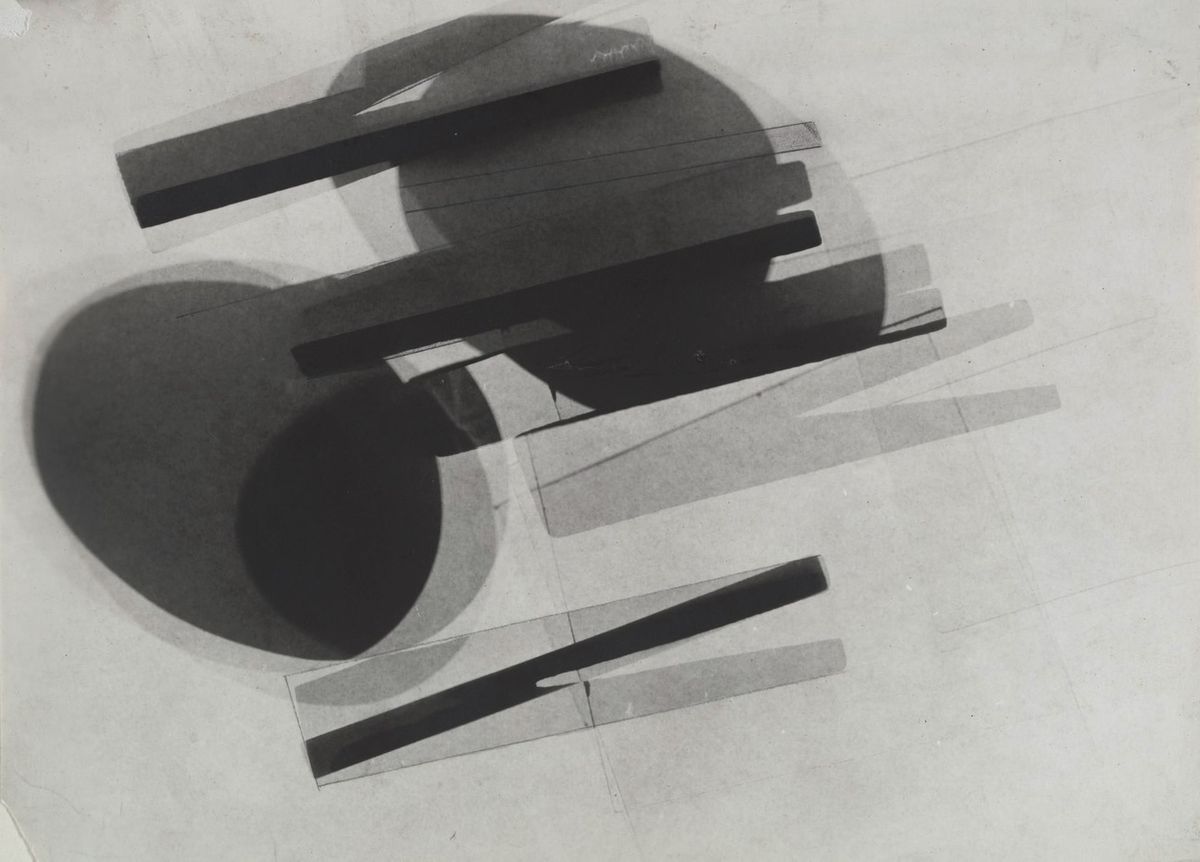
Simultaneous or Poly-Cinema

The Bauhaus artist László Moholy-Nagy proposes a radical departure from traditional filmmaking in his 1925 text, "Simultaneous or Poly-Cinema." He envisions a cinematic experience that moves beyond the static, rectangular screen, suggesting instead curved, spherical, or multi-planar surfaces that can accommodate multiple simultaneous projections. By utilizing rotating prisms and intersecting film strips, Moholy-Nagy describes a system where different narrative threads—such as the lives of multiple characters—can physically overlap and merge, creating a dynamic architectural arrangement of light and movement.

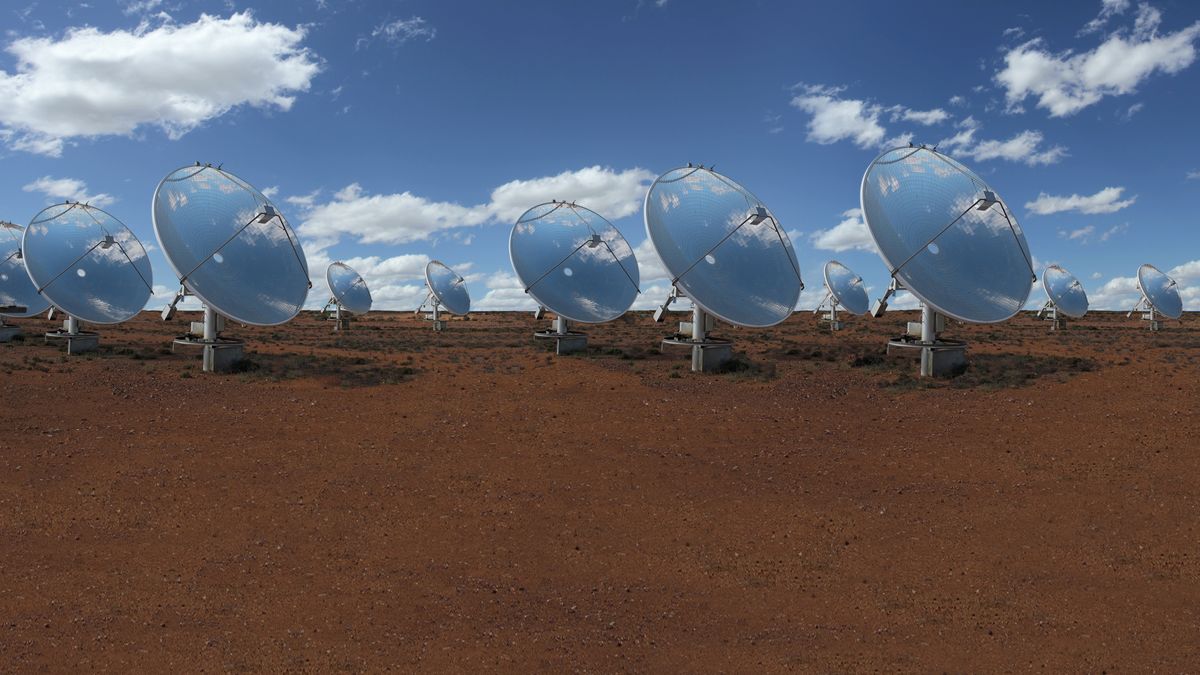
Introduction to the Dark Forest Theory of the Internet

The article explores the conceptual origins of the internet, tracing its development to figures like Douglas Engelbart and Jacques Vallée, whose work blended computing with cosmic and paranormal inquiry. It argues that early internet pioneers were deeply influenced by ideas of remote viewing, extrasensory perception, and the search for extraterrestrial intelligence, framing the network as a project of cognitive augmentation and alien encounter.

Bank of England to Replace J.M.W. Turner with UK Wildlife on Banknotes

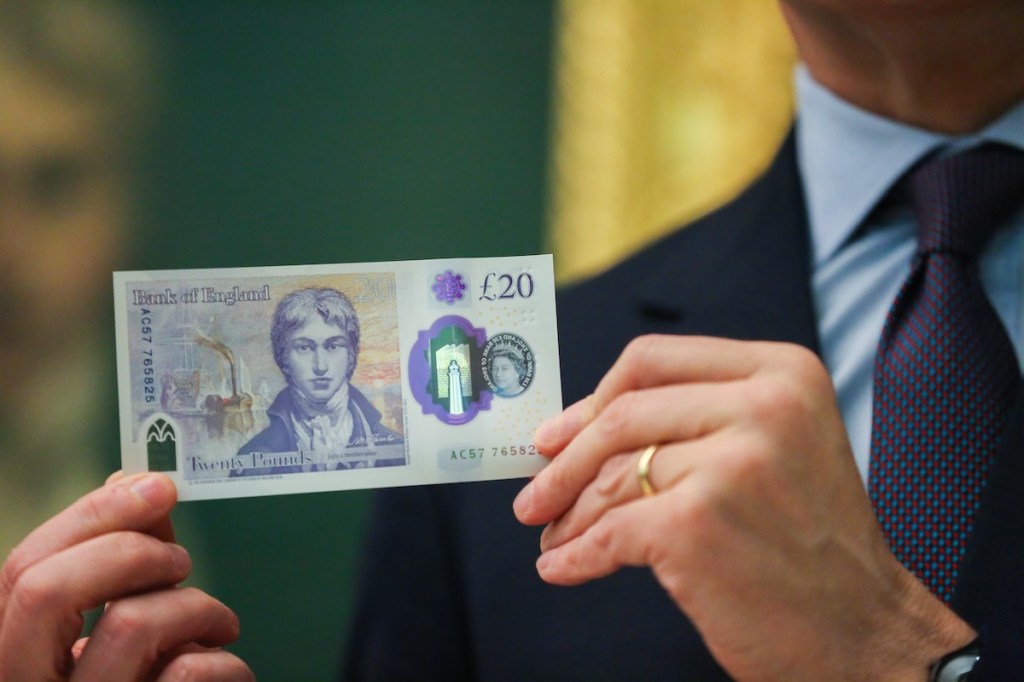
The Bank of England has decided to replace historical figures, including painter J.M.W. Turner, with depictions of native UK wildlife on its next generation of banknotes. This follows a public consultation where 'Nature' was the most popular theme, selected by 60% of respondents. A panel of six wildlife experts will now create a shortlist of species for a further public vote this summer.

An English Countryside Home That Became Lovelier the More It Fell Apart

The article profiles the unique aesthetic and historical significance of Kettle's Yard, a house in Cambridge, England, created by Jim Ede. Ede, a former Tate curator, transformed a series of dilapidated cottages into a living work of art and a haven for modern artists in the mid-20th century. He filled the space with a carefully arranged collection of modern art, natural objects, and furniture, embracing the building's worn, imperfect character rather than restoring it to pristine condition.

Learning is something aesthetic and emotional. Marco Dallari says so in his latest book (and in this interview)

L’apprendimento è qualcosa di estetico e di emotivo. Lo dice Marco Dallari nel suo ultimo libro (e in questa intervista)

Italian pedagogist Marco Dallari discusses his latest book, "La bellezza di Sophia" (2026), which explores the intrinsic human drive for knowledge as an aesthetic and emotional necessity rather than a pragmatic survival tool. Drawing on Freudian concepts and the work of Alessandra Risso, Dallari argues that the desire to learn is a primal impulse that should be nurtured through beauty and curiosity rather than stifled by rigid institutional structures.

Saad Khan Archives the Detritus of Censored Culture

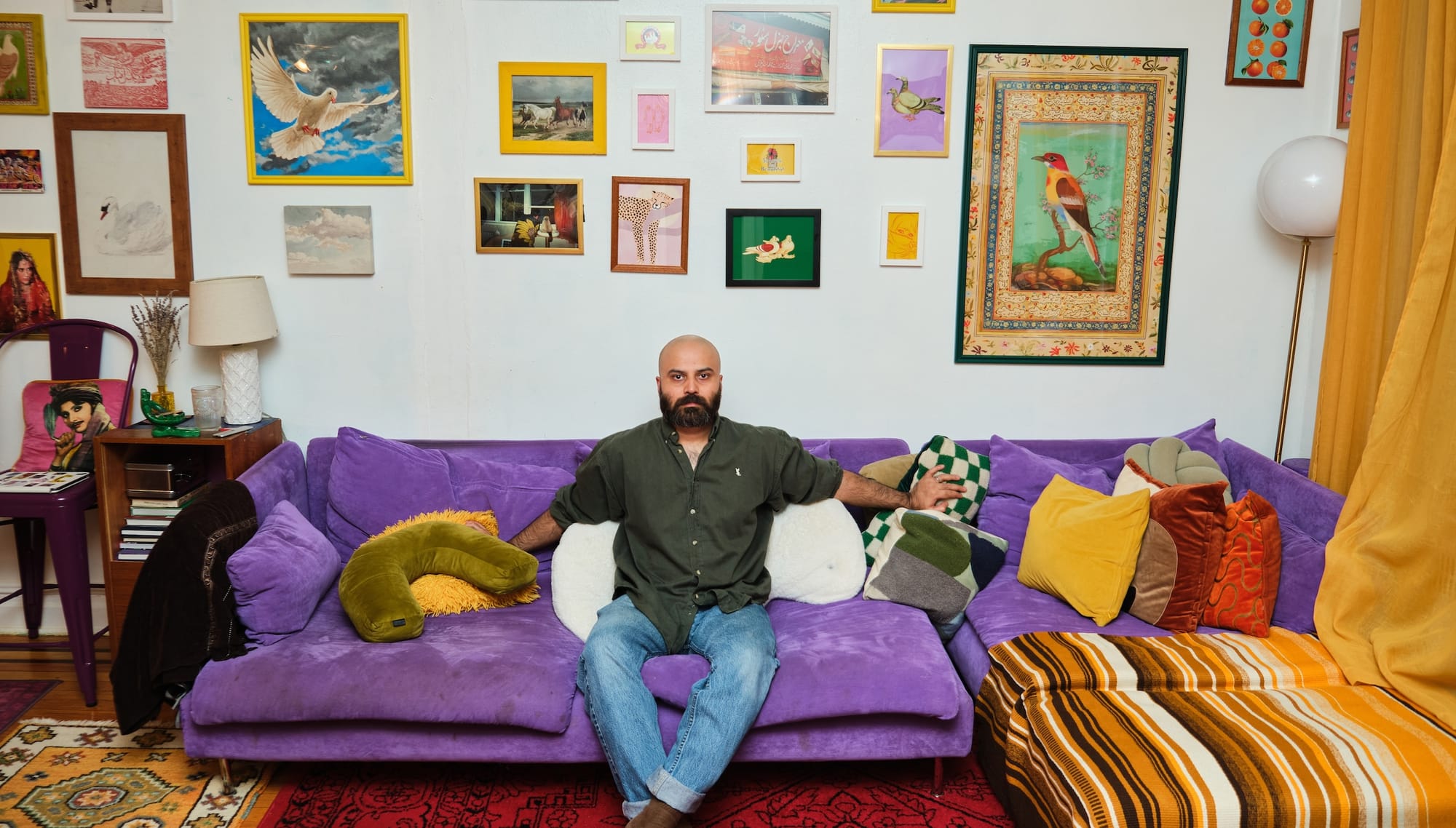
Saad Khan, a New York-based archivist, has developed Khajistan, an expansive digital and physical archive dedicated to preserving censored and overlooked mass media from South Asia to the Maghreb. The collection features a diverse array of ephemera, including homoerotic imagery, working-class street posters, and banned magazines that are often erased from official cultural records. By documenting everything from WhatsApp forwards to vintage film posters, Khan creates a space where the lived experiences of queer, trans, and working-class individuals in these regions are validated and archived.

Collapse Finance, Part 2: Longevity Capitalism—Life as an Asset Class

The essay explores the emergence of "longevity capitalism," a financial and biopolitical regime where biological duration and life expectancy are treated as assets for capital accumulation. As traditional welfare systems and collective pension schemes collapse, the uncertainty of human lifespan has been transformed into a speculative frontier, with retirement security increasingly tied to volatile private equity and cryptocurrency markets.

Social Malpractice in the Age of Cultural Compliance

Artist Ed Woodham reflects on the evolution and co-option of socially engaged art, using his own projects like 'The Keepers' protests and the Art in Odd Places initiative as examples. He describes a troubling trend where the language and strategies of social practice art, once used to challenge systems, are now being adopted by developers, corporations, and institutions for branding, place-making, and community engagement initiatives that often operate within the very economic structures driving displacement and eroding public space.

The Space Between. Adam Patrick Grant by Michela Ceruti

Adam Patrick Grant’s artistic practice is rooted in a meticulous and devotional process of observation, transitioning from a background in film to a dedicated focus on oil painting over the last three years. Working from his London studio, Grant utilizes an extensive archive of personal sketches, photographs, and found imagery—such as anonymous postcards and family photos from markets—to capture fleeting moments of intimacy and the unspectacular everyday. His work is characterized by a rhythmic dialogue between the act of walking, the gathering of visual fragments, and the translation of these memories into tender, precise compositions.

Zurich: Peripheral Presence. by Tibor Bielicky and Ellena Ehrl

Zurich’s urban landscape is defined by functionalist structures from the 1990s and early 2000s that serve as the 'understated backdrop' to daily life. These buildings, including the Signal Box by Gigon Guyer and the Telecap 2000 by Hans Ulrich Imesch, act as navigational markers at the city’s geographic choke points. Despite their significance in shaping the city's rhythm and internal choreography, many of these structures are now reaching the end of their first lifecycle and face the threat of demolition due to real estate speculation.

Roar materials: the ‘uncanny’ art of dinosaur puppetry – in pictures

The Australian puppetry company Erth is preparing for a new immersive dinosaur show at the Sydney Opera House. The article provides a behind-the-scenes look at their workshop in Marrickville, where a team of artists and designers hand-craft highly realistic, large-scale dinosaur puppets using animatronics, 3D printing, and traditional craftsmanship.

The shot that shows the absurdity of war: Peter van Agtmael’s best photograph

Photographer Peter van Agtmael reflects on a photograph he took 20 years ago while embedded with the U.S. military in Iraq. The image, captured during his first experience of war, depicts a dejected American soldier sitting in an ordinary Iraqi living room, a scene he describes as showing the vast military machine mobilized in the Middle East.

University challenges: how students changed one Ohio town – in pictures

Photographer Rich-Joseph Facun documents life in Athens, Ohio, in his project '1804,' focusing on the profound influence of Ohio University on the town. His images and interviews capture the socioeconomic and cultural dynamics, including strained housing markets, a nightlife economy driven by students, and the town's identity as a "company town" shaped by the university's calendar and employment.

A total hoot! Beautiful birds – in pictures

Photographer Claire Rosen has released a series of portraits featuring live birds, ranging from fluffy owlets to rosy flamingos. The project documents various avian species through a carefully composed, artistic lens.

Everything You Need to Know to Start a Garden

The New York Times has published a comprehensive guide aimed at aspiring gardeners, detailing the essential steps required to cultivate and maintain a successful green space. The resource covers foundational gardening knowledge, from soil preparation and plant selection to long-term maintenance strategies for various types of outdoor environments.