filter_list Showing 49 results for "Mai" close Clear
dashboard All 669 museum exhibitions 231article local 99article news 99trending_up market 66article culture 49article policy 43person people 29candle obituary 22gavel restitution 21rate_review review 9article event 1
date_range Range Today This Week This Month All
Subscribe

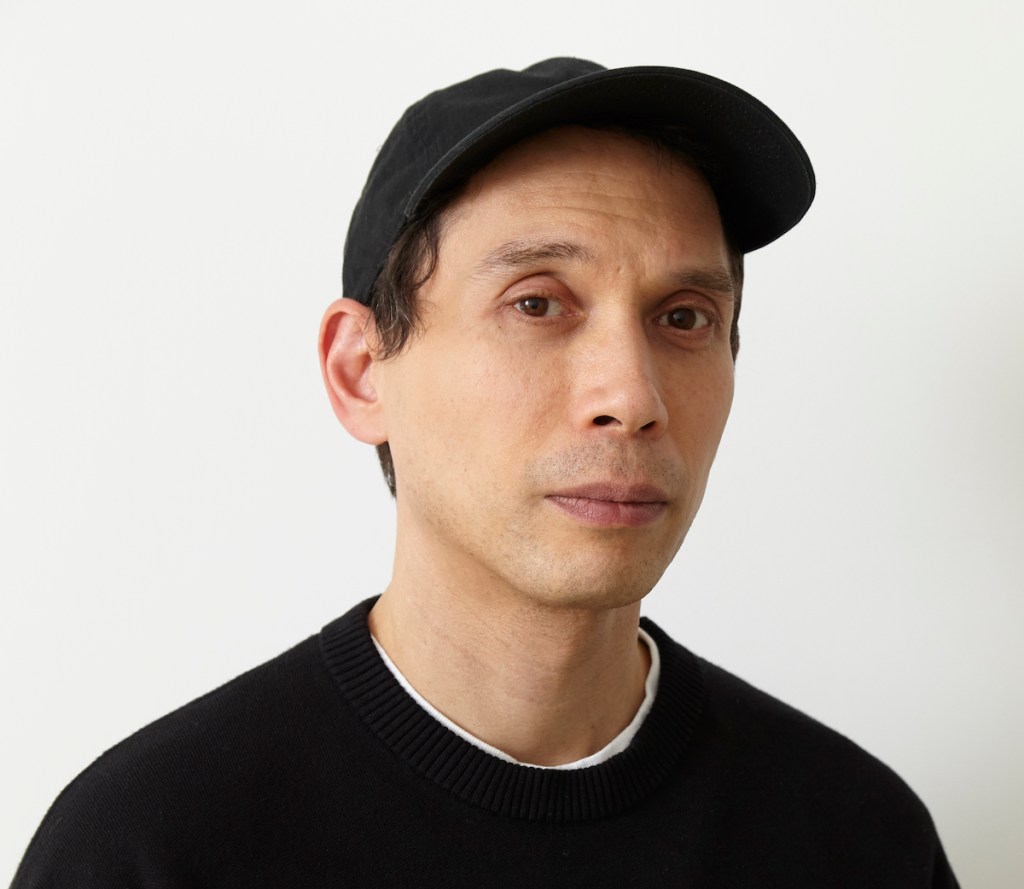
How Josh Kline Wrote the Essay That the Art World Can’t Stop Talking About

Artist Josh Kline has sparked intense debate across the New York art world with his viral essay, "New York Real Estate and the Ruin of American Art," published in the journal October. The text serves as a scathing critique of the current state of the American art industry, diagnosing it as "sick" due to skyrocketing real estate costs, systemic power imbalances, and a market that has become an unsustainable "conveyor belt" of commercial painting. Kline argues that the economic pressures of post-pandemic New York have made the city a hostile environment for experimental and conceptual practices.
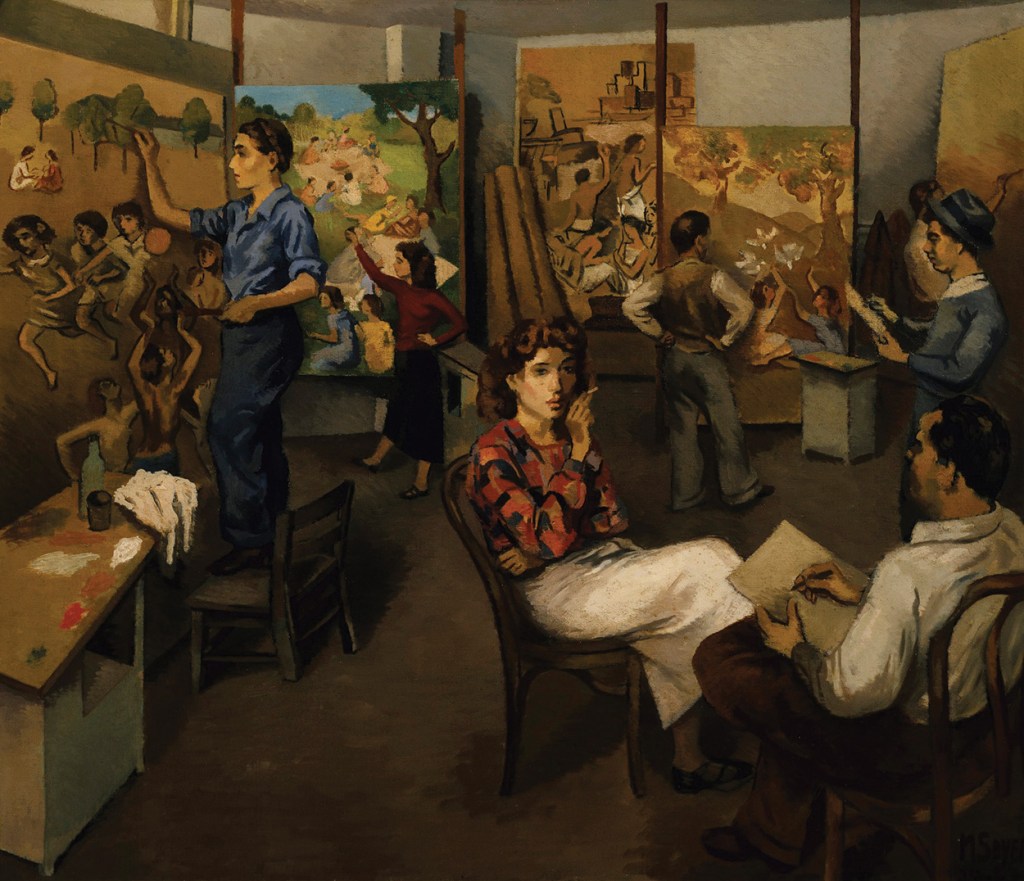

How the New Deal Treated Art as Essential to Democracy

The United States government transformed the role of the artist during the Great Depression by treating art as a vital public resource rather than a private luxury. Between 1933 and 1943, New Deal programs like the Public Works of Art Project (PWAP) commissioned hundreds of thousands of works for schools, libraries, and hospitals, providing 'plumbers' wages' to struggling creators. This federal patronage supported a generation of then-unknown figures, including Jackson Pollock, Mark Rothko, and Alice Neel, while focusing on the 'American scene' to make culture accessible to the general public.

‘They accomplished so much, even as they were dying’: the groundbreaking gay art of Peter Hujar and Paul Thek

Author and Frieze Magazine editor-in-chief Andrew Durbin has released a dual biography titled 'The Wonderful World That Almost Was,' chronicling the lives and creative partnership of Peter Hujar and Paul Thek. The book focuses on their relationship from the mid-1950s through the 1970s, detailing their collaborative influence and the development of their respective practices in photography and sculpture before both died of AIDS-related complications in the late 1980s.

Caravaggio Documentary Will Premiere on Marquee TV Next Week

A feature-length documentary about Baroque painter Caravaggio, directed by Phil Grabsky and David Bickerstaff, will premiere on the streaming platform Marquee TV on April 6. The film, part of the "Exhibition on Screen" series, was previously released in theaters last fall and focuses on the artist's innovative painting style rather than his notorious personal life.

Which City Will Be the Next Asian Art Hub? That’s the Wrong Question

The traditional quest to identify a single dominant Asian art hub is being challenged by the organic growth of decentralized scenes in cities like Bangkok and Hanoi. While Hong Kong and Seoul remain established centers, private initiatives and artist-led projects in Thailand and Vietnam are building resilient, hybrid ecosystems that prioritize long-term structural depth over immediate auction results. From the opening of Dib Bangkok to experimental exhibitions in Hanoi, these cities are transitioning from peripheral status to significant cultural players through a mix of private museums, biennials, and non-profit platforms.

A book exploring the evolution of J.M.W. Turner’s positions on slavery

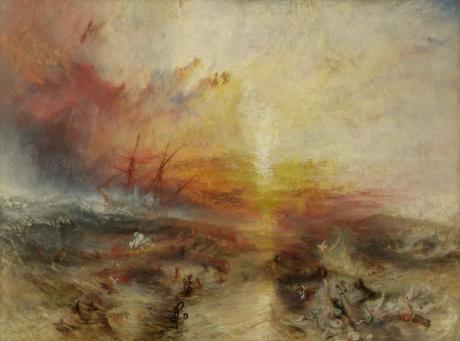
Art historian Sam Smiles has released a comprehensive new book examining J.M.W. Turner’s complex relationship with the slave trade, expanding on his 2007 discovery of the artist's personal investment in a Jamaican cattle farm that utilized enslaved labor. The research traces Turner’s financial ties from his early patronage by wealthy plantation owners to his own speculative ventures, challenging the long-held perception of the artist as a straightforward abolitionist.

Do you remember the last negative review you read?

« Vous souvenez-vous de la dernière critique négative que vous avez lue ? »

The traditional art of negative criticism is vanishing from mainstream media, replaced by a culture of polite consensus or violent but unprincipled social media attacks. Historically, critics like Baudelaire, Zola, and Huysmans used sharp, subjective arguments to defend avant-garde movements and challenge academicism, viewing the attack on certain artists as a necessary byproduct of championing others. Today, limited editorial space and a desire to support the arts have led French journalists to focus almost exclusively on praise, resulting in a loss of discernment and comparative analysis.

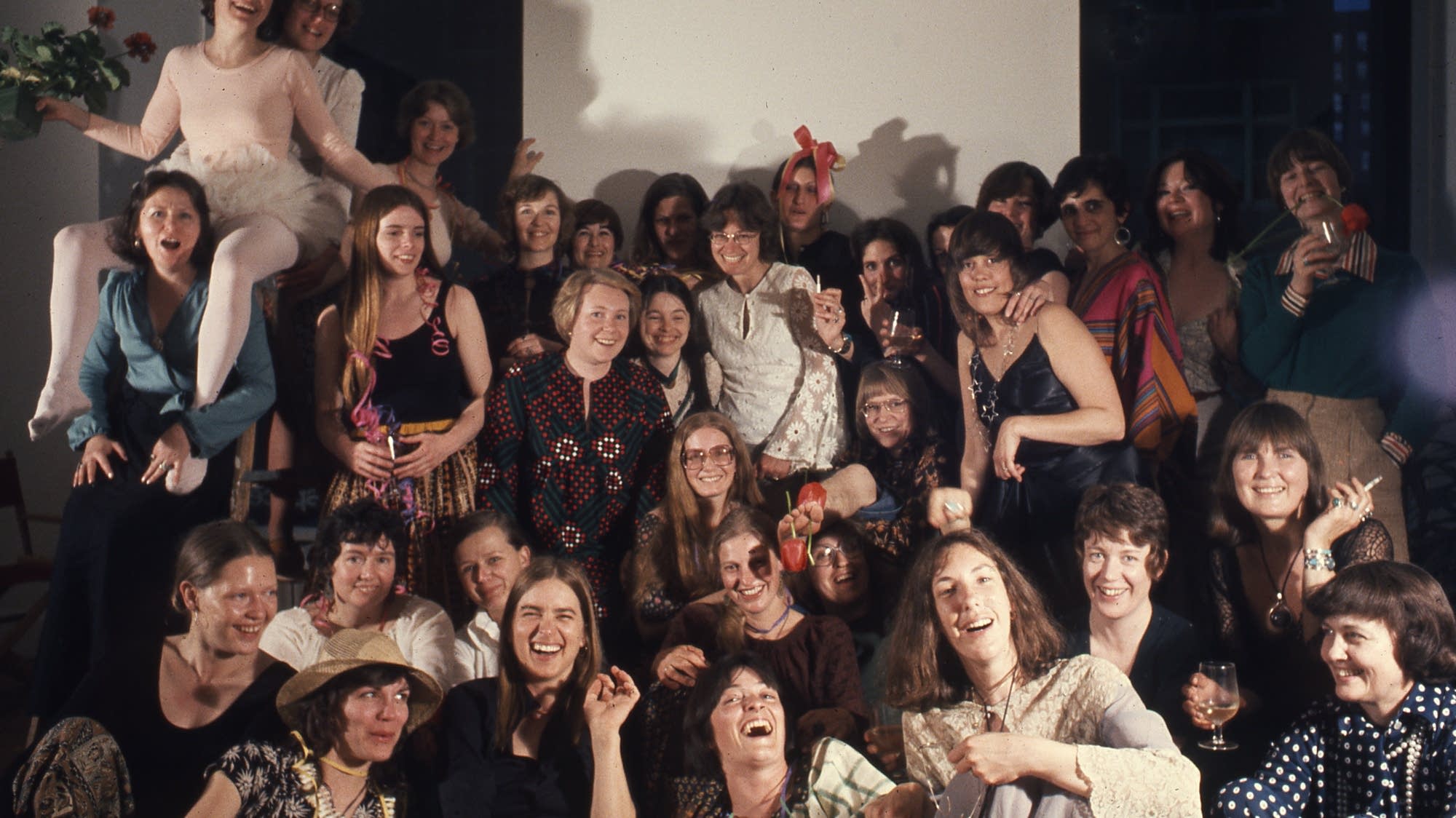
Why this Minneapolis feminist art collective still matters 50 years later

The Women’s Art Registry of Minnesota (WARM), one of the oldest feminist art collectives in the United States, is celebrating its 50th anniversary. Founded in 1973 in Minneapolis, the collective emerged as a grassroots response to the systemic exclusion of women from mainstream galleries and museums, eventually establishing its own gallery space and a robust mentorship program that continues to support female-identifying artists today.

Series, documentaries, films… All the art to see on streaming platforms right now

Séries, documentaires, films… Tout l’art à voir sur les plateformes en ce moment

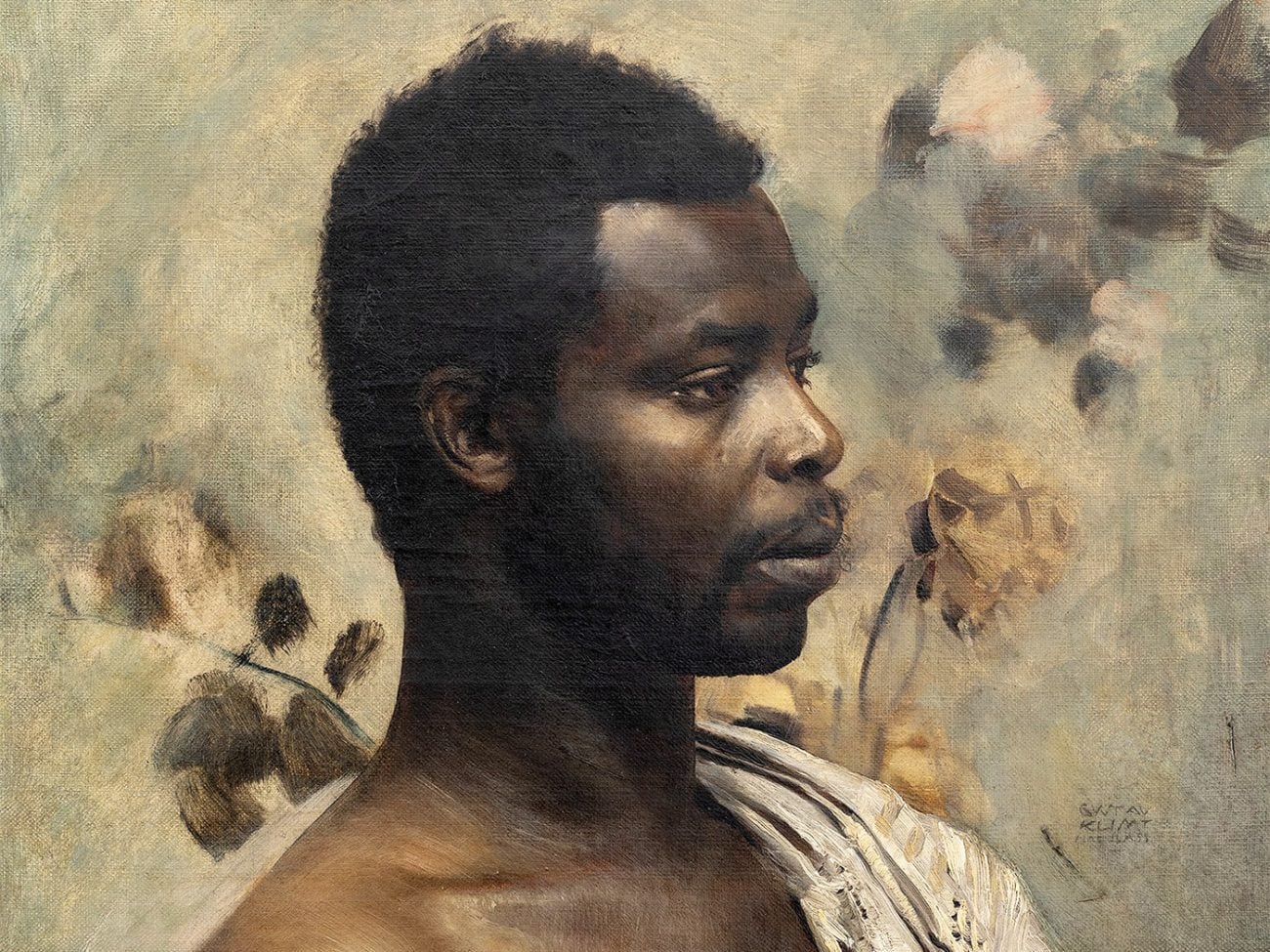
Beaux Arts Magazine has curated a comprehensive selection of art-focused films, documentaries, and series currently available on major streaming platforms like Netflix, Arte.tv, and France.tv. The selection highlights diverse narratives, including the investigative documentary regarding a rediscovered Gustav Klimt portrait of a Ghanaian prince, an AI-assisted exploration of Andy Warhol’s diaries, and the cinematic dramatization of Varian Fry’s efforts to rescue artists like Chagall and Duchamp from Nazi-occupied France.

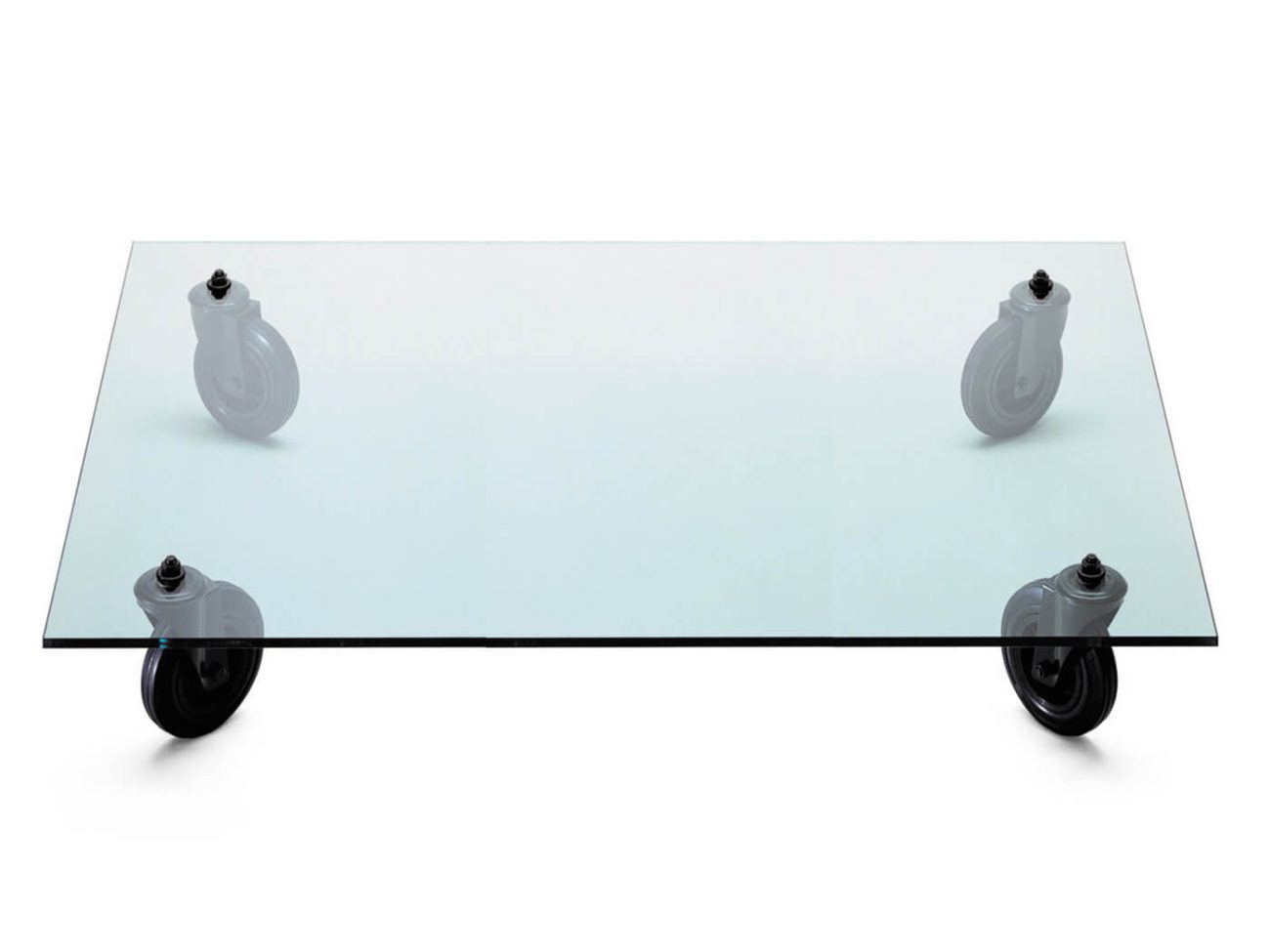
Gae Aulenti's 'Tavolo con ruote': A Radical Icon on Wheels

La « Tavolo con ruote » de Gae Aulenti : une icône radicale comme sur des roulettes

Gae Aulenti’s 1980 'Tavolo con ruote' (Table with wheels) remains a definitive icon of postmodern design, characterized by its radical simplicity. Created during Aulenti's tenure as artistic director of FontanaArte, the piece features a thick glass slab bolted to four industrial trolley wheels, a concept inspired by the factory carts used to transport glass. The table's enduring popularity is highlighted by its recent corporate history, as FontanaArte was acquired by Nemo Lighting in 2024 and subsequently integrated into the Spanish group Kettal in early 2026.

Louvre Museum Jewel Heist Inspires Latest ‘Law & Order’ Episode

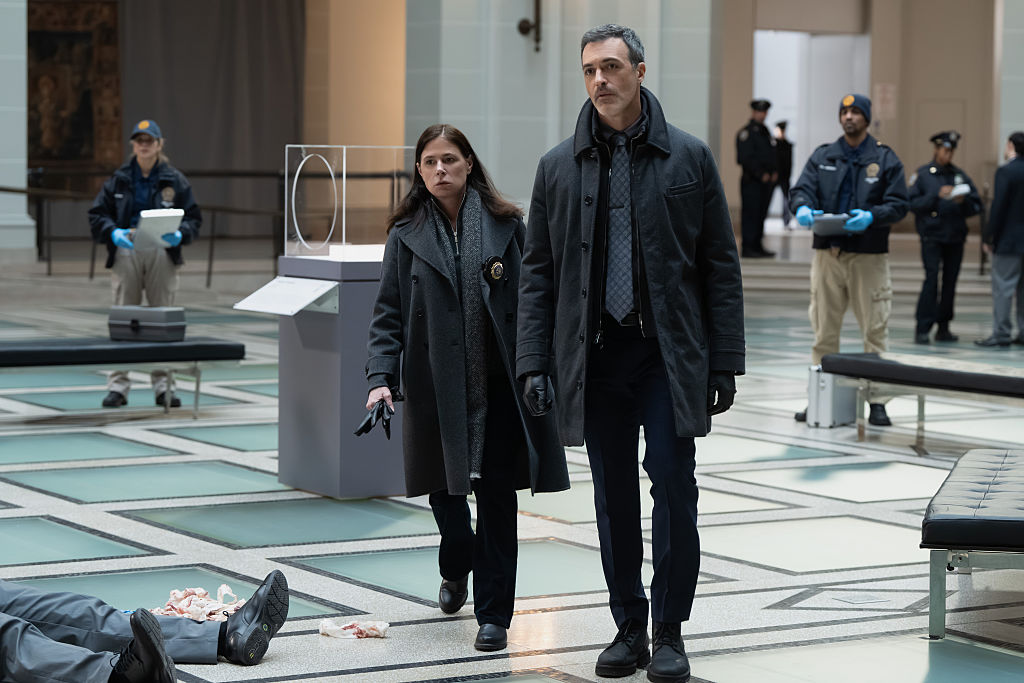
The long-running television series Law & Order has adapted the recent high-profile Louvre Museum jewel heist into a new episode titled "Beyond Measure." Filmed at the Brooklyn Museum—serving as the fictional Atlas Museum of Art—the plot follows detectives investigating the theft of the bejeweled Crown of Popoyan, a fictionalized version of the real-world $102 million heist involving a cherry picker escape. The episode weaves in a complex subplot regarding the repatriation of Indigenous Colombian artifacts held by the Vatican.

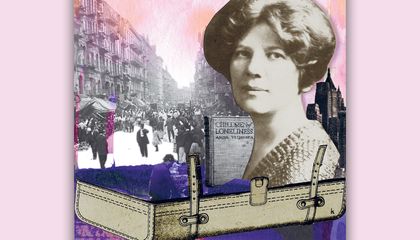
‘The Queen of the Ghetto’ Gave New York’s Immigrant Community a Voice. A Century Later, It’s Re-emerging

Anzia Yezierska, a Polish-Jewish immigrant who arrived in New York in 1890, defied traditional gender expectations to become a leading literary voice of the 1920s. Dubbed the 'Queen of the Ghetto,' she documented the raw struggles of immigrant women on the Lower East Side using a unique 'immigrant English' style that captured Yiddish idioms. After escaping a restrictive marriage and pursuing an education at Columbia University, she channeled her personal frustrations into stories of poverty, ambition, and the psychological toll of assimilation.

‘A cauldron of people with their tops off!’ Goldie, Estelle, Courtney Pine, Flo and more pick great moments in Black British music

Prominent figures in Black British music, including Goldie, Estelle, and Dennis Bovell, reflect on iconic photographs and visual artifacts that define the history of their genre. The article highlights specific works such as Eddie Otchere’s portrait of drum and bass pioneers Kemistry and Storm, Janette Beckman’s photography of Slick Rick, and Adrian Boot’s documentation of the Race Today offices in Brixton.

What Made Marcel Duchamp’s Readymades So Revolutionary?

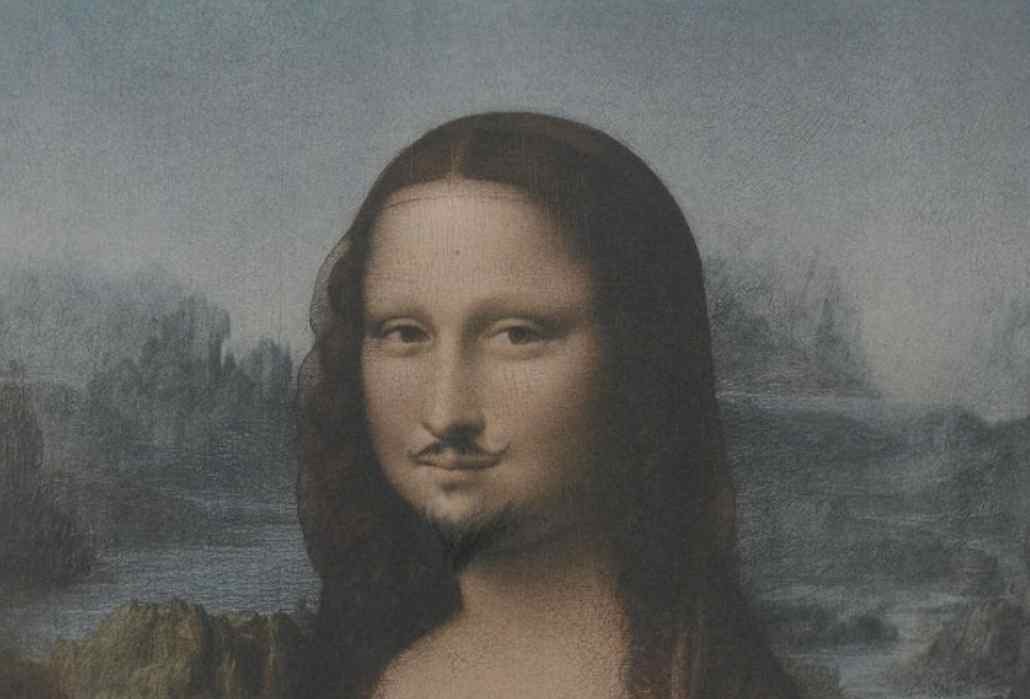
Marcel Duchamp transformed the trajectory of 20th-century art by introducing the 'Readymade,' a concept where mass-produced, everyday objects are elevated to the status of art through the artist's selection rather than manual craft. Beginning with a bicycle wheel in 1913 and a bottle rack in 1914, Duchamp eventually formalized the term during a 1915 stay in New York, where the city's industrial modernity and lack of rigid class structures inspired him to challenge traditional definitions of creativity.

What Art Can Do

A conversation between German author and filmmaker Alexander Kluge and curator Hans Ulrich Obrist, originally published in 2017, has been republished following Kluge's recent death at age 94. The dialogue explores the unique capacities of different art forms, the need for interdisciplinary collaboration, and the role of art as an "oasis" or "garden" within an overwhelming technological landscape.

The Narrow Corridor of Normality

Der schmale Korridor der Normalität

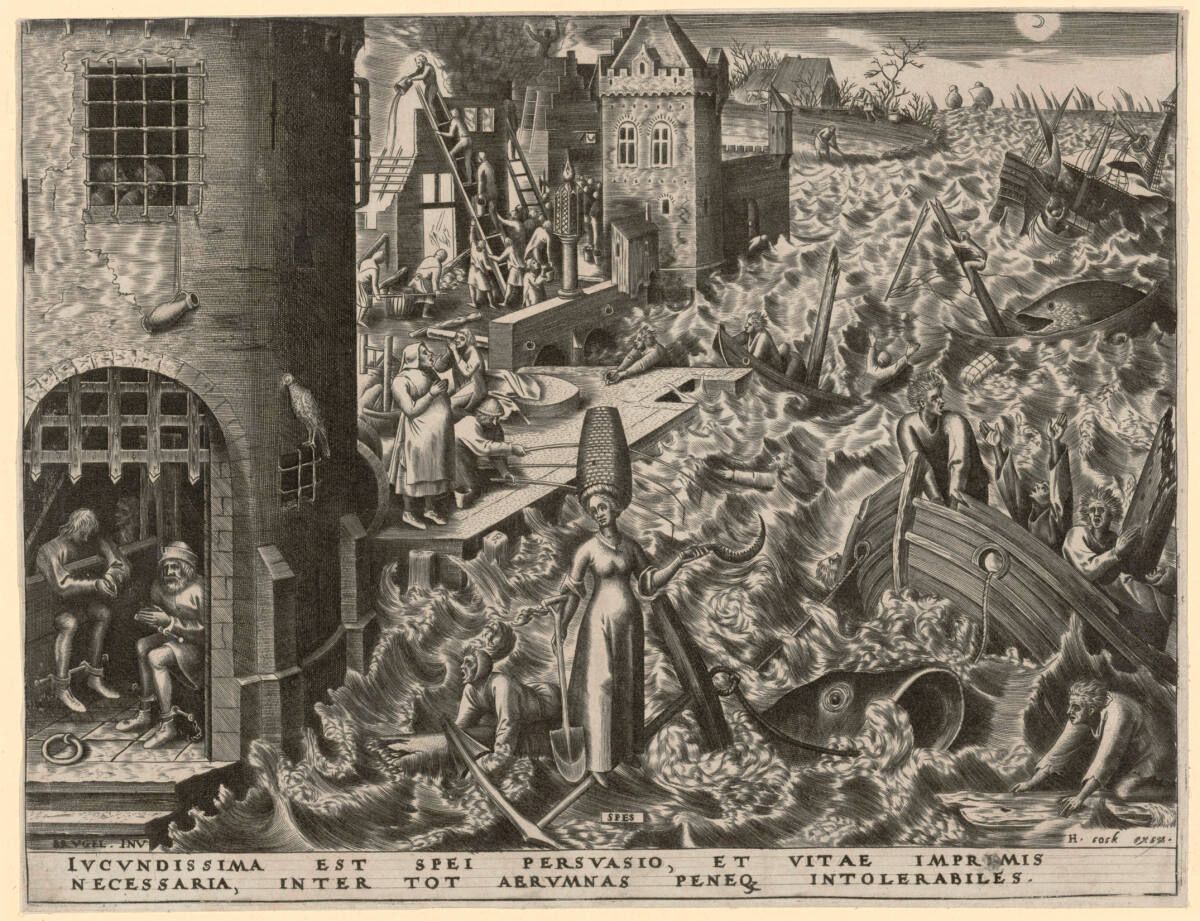
Artist Beate Gütschow reflects on Pieter Bruegel the Elder’s 16th-century engraving "Spes" (Hope), which she encountered during a visit to the Kunstmuseum Basel. The artwork depicts a personified figure of Hope standing amidst a chaotic scene of shipwrecks and flooding, symbolizing the necessity of maintaining focus and action even in the face of overwhelming disaster.

How Duchamp Inspired These 4 Artists

Contemporary artists continue to grapple with the legacy of Marcel Duchamp, specifically his 1917 readymade "Fountain." This analysis highlights four modern creators who have directly referenced or reinterpreted the iconic porcelain urinal to explore themes of gender, domesticity, and institutional critique.

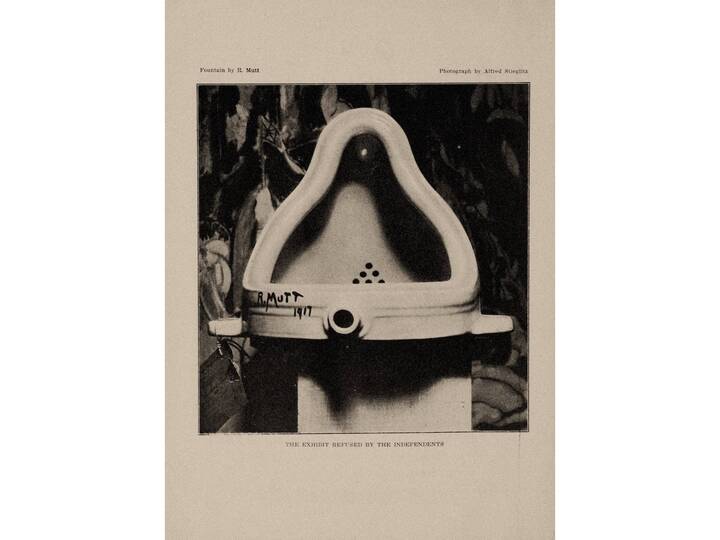
Duchamp Made a Urinal Into Art in 1917. We’re Still Discussing It.

Marcel Duchamp's 1917 submission of a porcelain urinal titled 'Fountain' to the Society of Independent Artists remains one of the most provocative acts in art history. By selecting a mass-produced object and designating it as art, Duchamp introduced the concept of the 'readymade,' effectively decoupling the value of an artwork from the manual skill of the artist.

What Hans Memling's Last Judgment Still Tells Us

Was uns Hans Memlings Jüngstes Gericht noch sagt

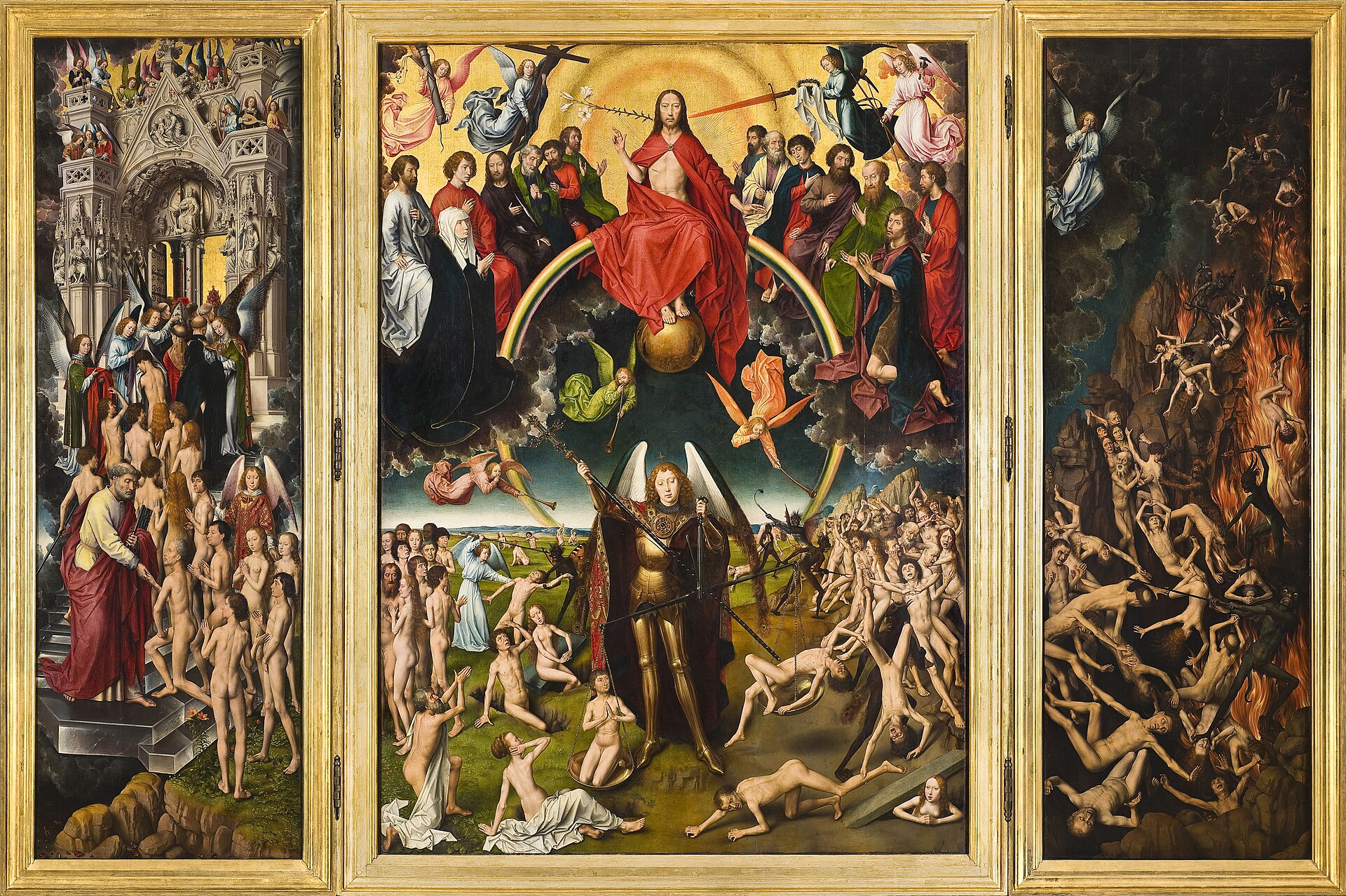
Hans Memling's 15th-century triptych "The Last Judgment" is currently undergoing restoration at the National Museum in Gdańsk, Poland, and is expected to be off view until the end of the year. The artwork, painted before 1465, has a dramatic provenance, having been captured at sea by a privateer en route from Bruges to Florence and eventually finding a permanent home in Gdańsk after various displacements.

The Museum Breathing Life Into New York's Downtown Performance Scene

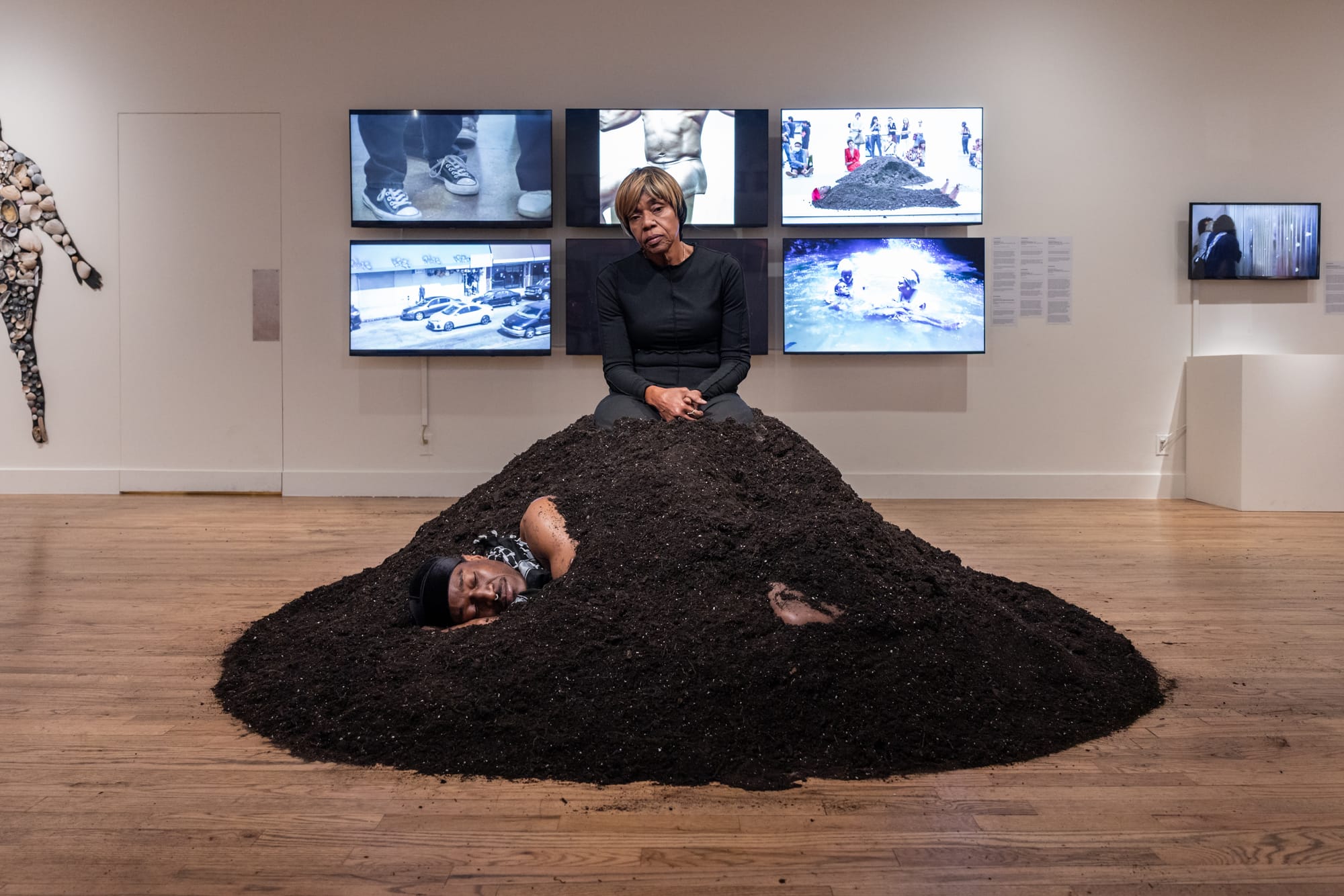
The Leslie-Lohman Museum of Art in SoHo has emerged as a vital hub for New York’s downtown performance scene through its intergenerational exhibition, "Sacred and Profane." Featuring a collaborative residency between poet Pamela Sneed and performance artist Carlos Martiel, the programming centers on themes of Black maternal grief, queer identity, and the exhumation of suppressed histories. Recent performances included Martiel’s "No Resurrection," a ritualistic piece involving his mother and a mound of earth, and Sneed’s readings that address the collective trauma and "urgent care" status of the LGBTQ+ community.

8 Artists to Follow If You Like Marcel Duchamp

Marcel Duchamp’s legacy continues to shape contemporary art through his pioneering use of readymades, conceptual rigor, and institutional critique. This analysis identifies eight modern and contemporary artists whose practices echo Duchamp’s subversion of traditional aesthetics, ranging from his early experiments with found objects to his later explorations of gender and mechanical desire.

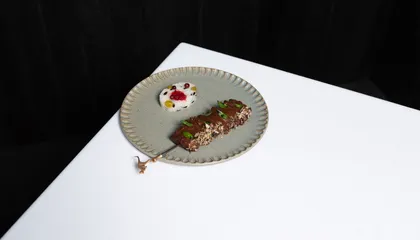
How Australian Chefs and Farmers Are Rediscovering the Ingredients That Have Been There All Along

Author Bruce Pascoe and a new generation of Australian chefs are spearheading a movement to revive Indigenous agricultural practices and native ingredients. Drawing from Pascoe’s influential book *Dark Emu*, which challenges the colonial narrative of Aboriginal people as purely nomadic hunter-gatherers, the movement highlights sophisticated ancient systems of aquaculture, irrigation, and grain harvesting. From kangaroo grass to Kakadu plums, these native foods are being reintegrated into the Australian landscape and high-end culinary scene.

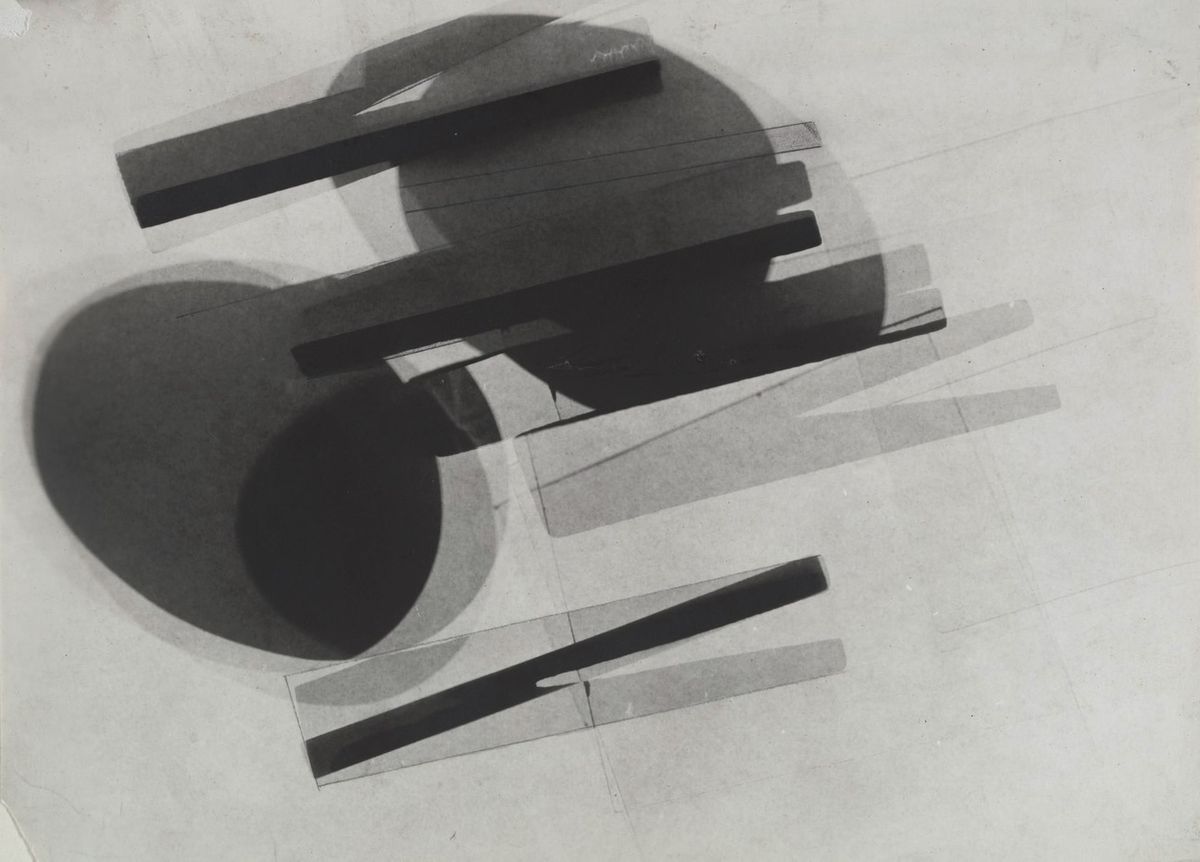
Simultaneous or Poly-Cinema

The Bauhaus artist László Moholy-Nagy proposes a radical departure from traditional filmmaking in his 1925 text, "Simultaneous or Poly-Cinema." He envisions a cinematic experience that moves beyond the static, rectangular screen, suggesting instead curved, spherical, or multi-planar surfaces that can accommodate multiple simultaneous projections. By utilizing rotating prisms and intersecting film strips, Moholy-Nagy describes a system where different narrative threads—such as the lives of multiple characters—can physically overlap and merge, creating a dynamic architectural arrangement of light and movement.

Monuments & Weapons: How Public Space Prepares Us for War Without Us Even Realizing It

Monumenti&armi. Così lo spazio pubblico ci prepara alla guerra senza che neppure ce ne rendiamo conto

Public squares and urban spaces are densely populated with war-related monuments that condition society to accept conflict as a historical inevitability. A study by Philadelphia’s Monument Lab reveals that nearly 60% of U.S. monuments focus on war themes, outnumbering themes of peace thirteen-fold, while Italy maintains over 12,000 memorials dedicated solely to World War I. These structures often prioritize military hierarchy and territorial conquest over themes of care, gender equality, or social diversity.

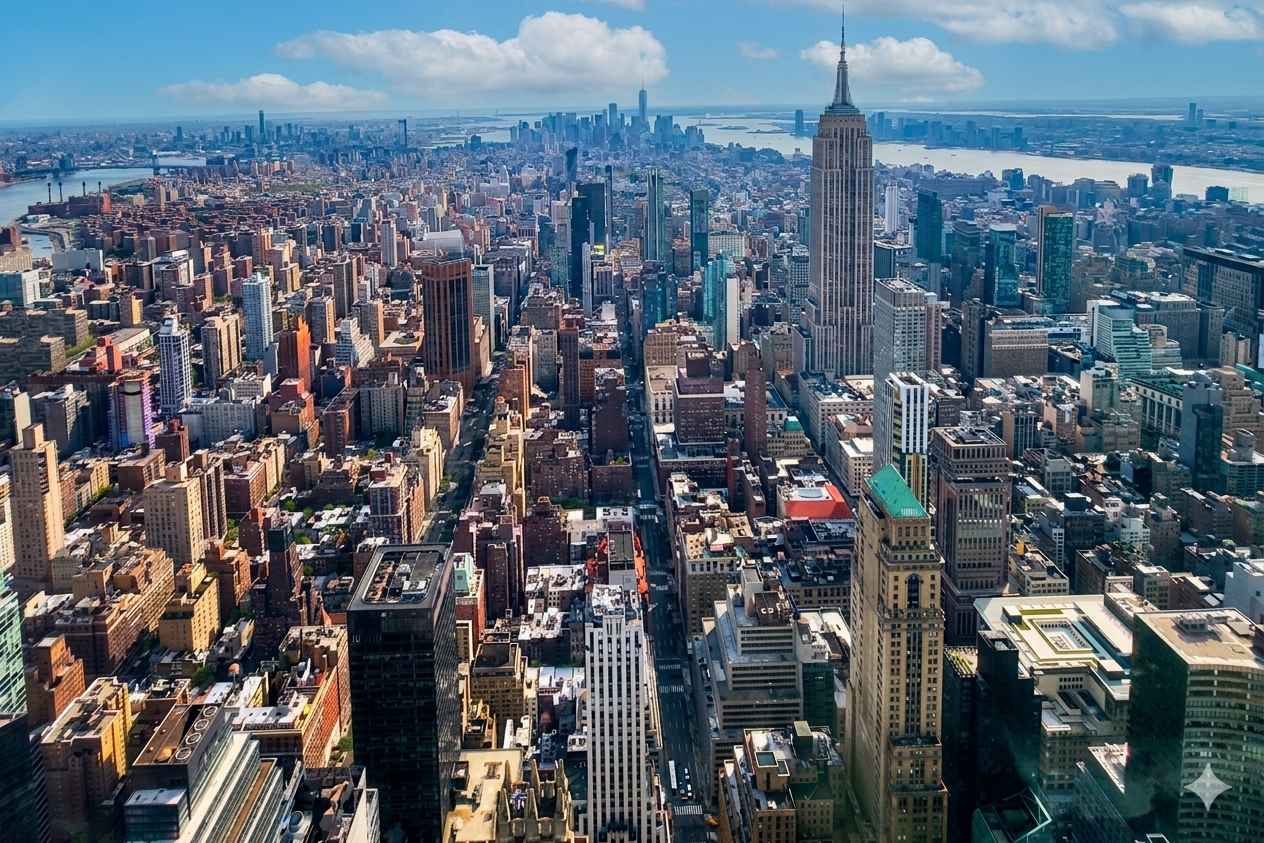
New York is so expensive that it is no longer possible to produce art and culture in the city

New York è così cara che ormai non è più possibile produrre arte e cultura in città

Artist and curator Josh Kline has sparked a significant industry debate with his essay, "New York Real Estate and the Ruin of American Art," which argues that the city's prohibitive real estate market is dismantling its cultural foundation. Kline posits that the financialization of property and the disappearance of affordable lofts and mid-size galleries have created an unsustainable ecosystem where only those with independent wealth can survive. This economic pressure is forcing a generation of creative workers to choose between their practice and basic survival, leading to a stagnation of innovation.

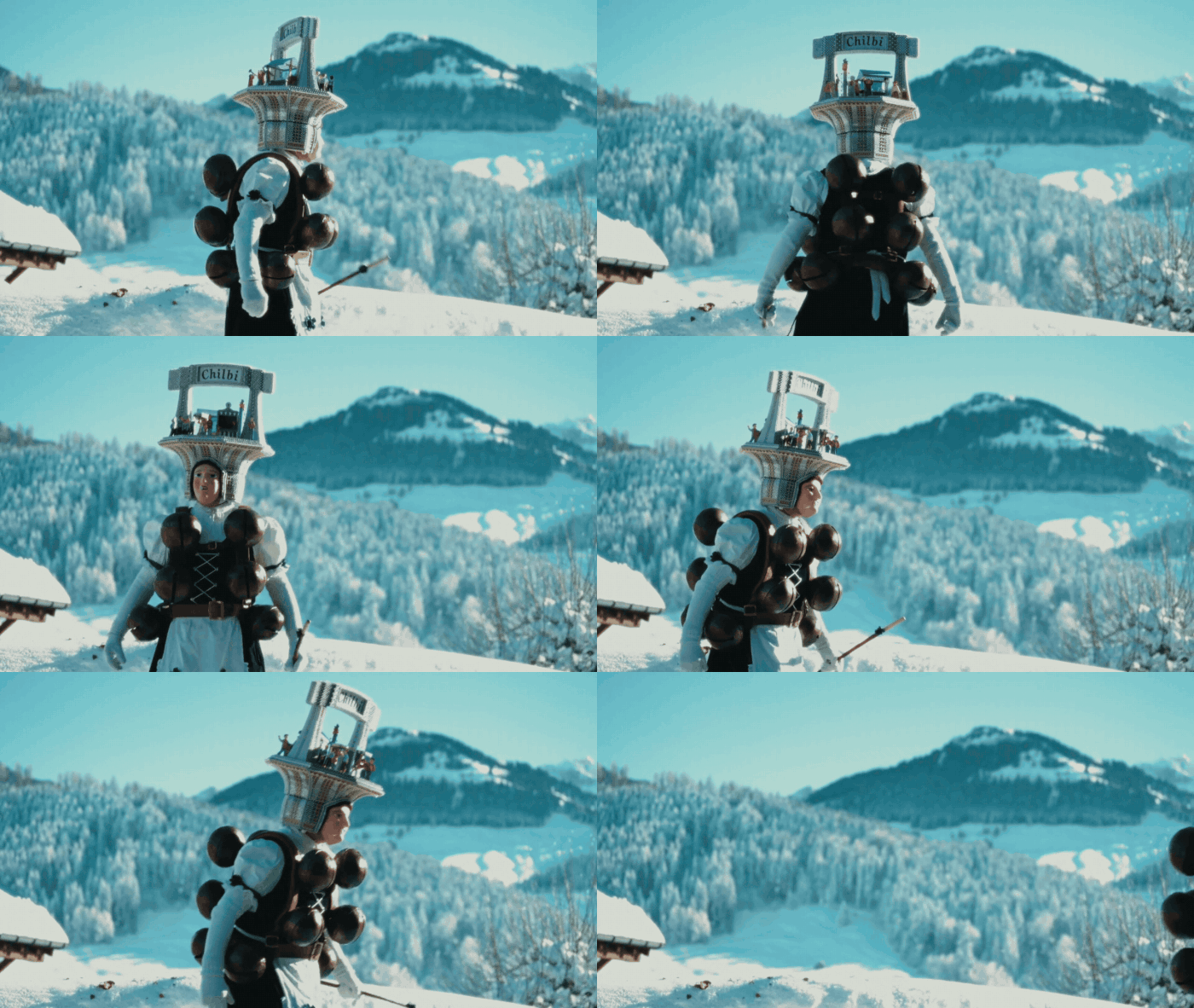
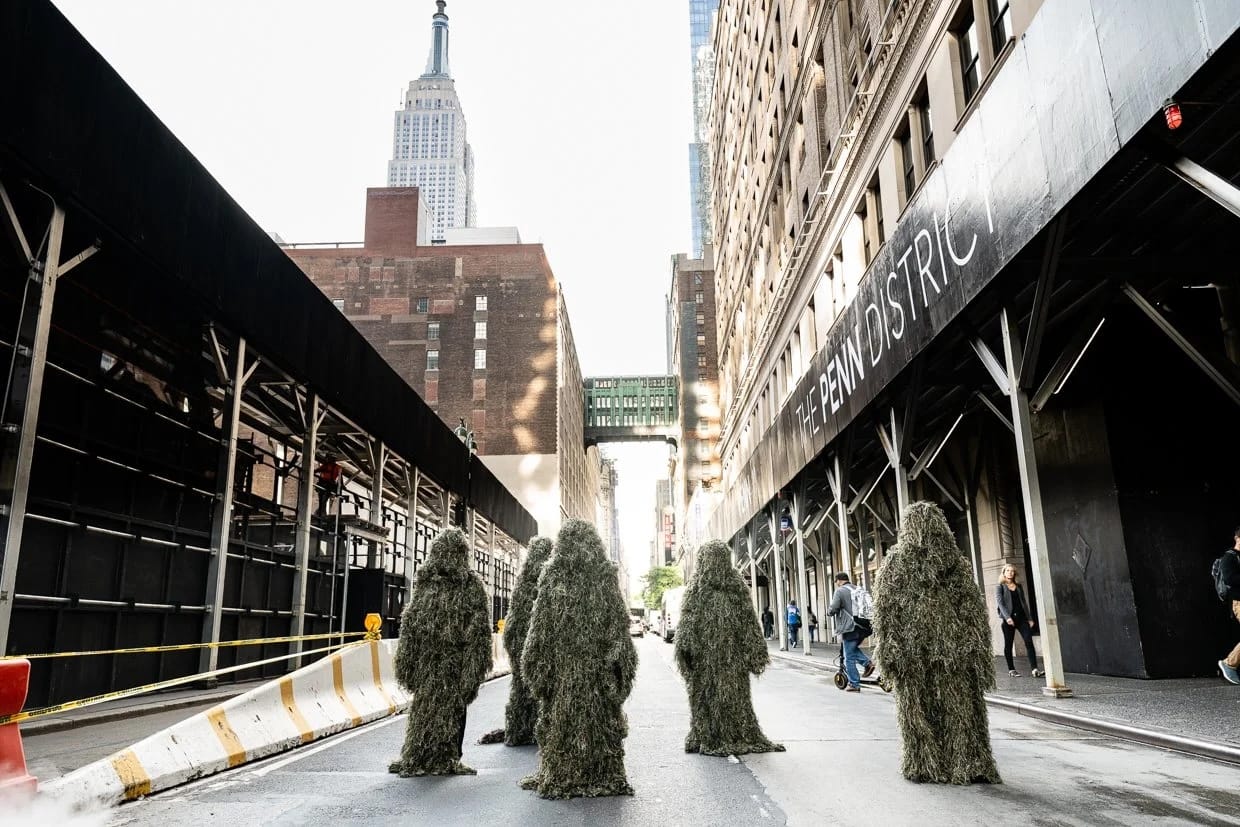
A Short Film Joins In the Timeless Swiss Masked Tradition of Silvesterchlausen

A new short film titled 'Silvesterchlausen' by writer and director Andrew Norman Wilson documents the centuries-old Swiss New Year's tradition of the same name. The film captures groups of men and boys in the Appenzell regions who don elaborate, handmade masks and headdresses made from natural materials like pinecones and moss, forming groups to yodel, ring bells, and visit homes over 18-hour days to mark the turn of the year on both the Gregorian and Julian calendars.

Social Malpractice in the Age of Cultural Compliance

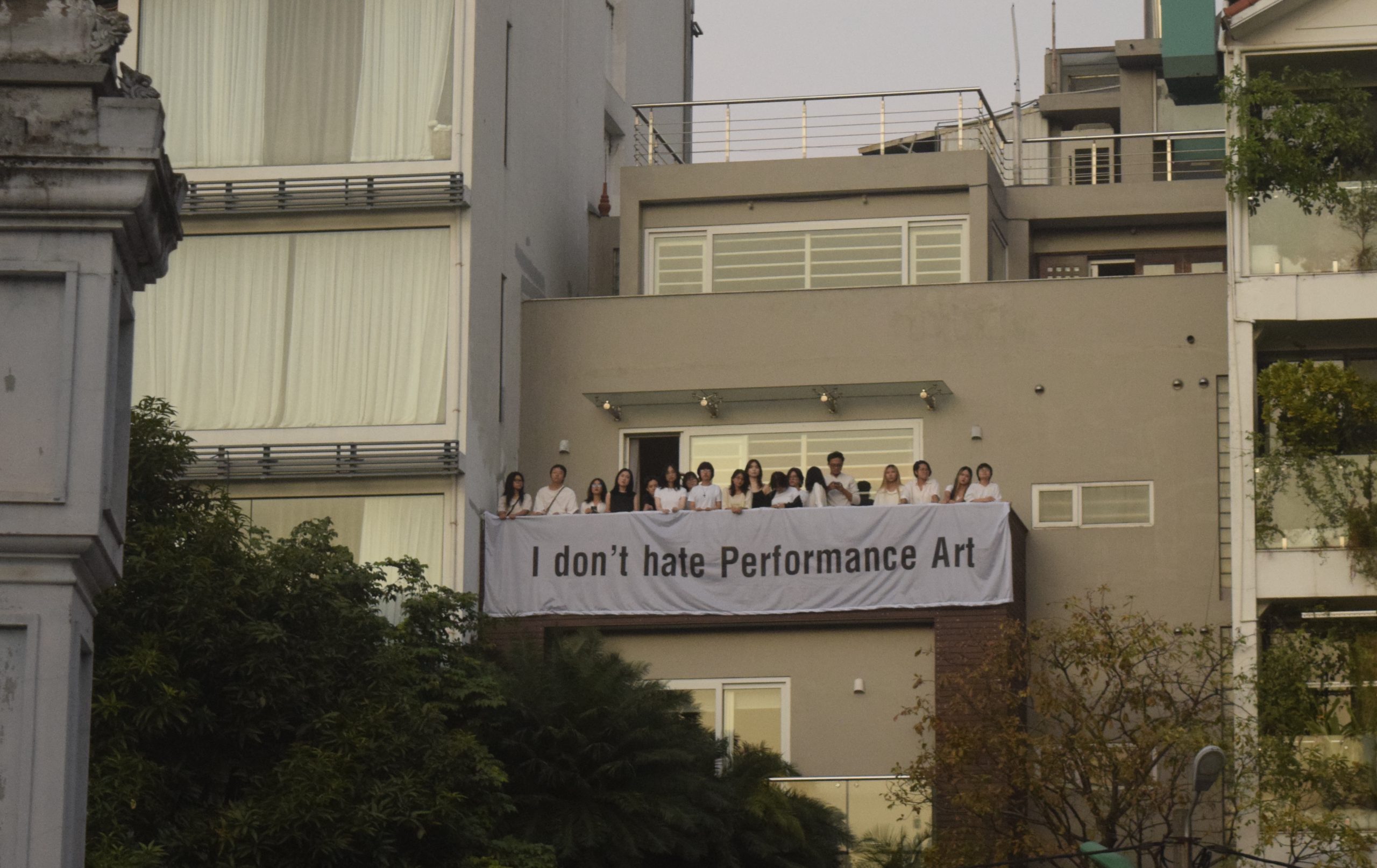
Artist Ed Woodham reflects on the evolution and co-option of socially engaged art, using his own projects like 'The Keepers' protests and the Art in Odd Places initiative as examples. He describes a troubling trend where the language and strategies of social practice art, once used to challenge systems, are now being adopted by developers, corporations, and institutions for branding, place-making, and community engagement initiatives that often operate within the very economic structures driving displacement and eroding public space.

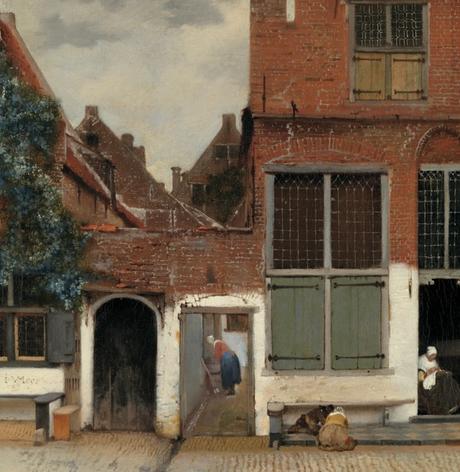
Keep it in the family: how Johannes Vermeer’s paintings remained out of view for so long

A new biography by art historian Andrew Graham-Dixon reveals that nearly two-thirds of Johannes Vermeer's known works were commissioned and owned by a single family, the Van Ruijvens, and later inherited by their daughter Magdalena and her husband Jacob Dissius. The collection of 20 Vermeer paintings remained intact within this family for nearly 40 years after the artist's death, only being dispersed after Jacob's death in 1695.

Navajo Nation: the fight for cultural survival – photo essay

The Navajo Nation is currently navigating a complex struggle to preserve its cultural heritage against the lingering effects of colonial-era boarding schools and the modern pressures of social media and urbanization. While elders like Virginia Brown recount the trauma of forced assimilation and language suppression, a new generation is grappling with a decline in Navajo fluency, which UNESCO now classifies as a vulnerable language. Despite these hurdles, community members are utilizing local schools and traditional practices to reclaim their identity.

Preparations for the Miyako Odori, Kyoto’s spring dance festival – in pictures

Geisha and maiko (apprentices) in Kyoto are rehearsing for the annual Miyako Odori, or 'Capital City Dances.' This spring dance festival, held throughout April at the Gion Kōbu Kaburenjo theatre, features eight scenes depicting Japanese history and literature, accompanied by live shamisen music and performed against cherry blossom backdrops.