
filter_list Showing 5 results for "Make" close Clear
dashboard All 57 museum exhibitions 28article local 12article culture 5article policy 4article news 4person people 3trending_up market 1
date_range Range Today This Week This Month All
Subscribe

In Spain, art becomes popular thanks to this expert influencer. We interviewed him

In Spagna l’arte diventa popolare grazie a questo esperto influencer. Lo abbiamo intervistato

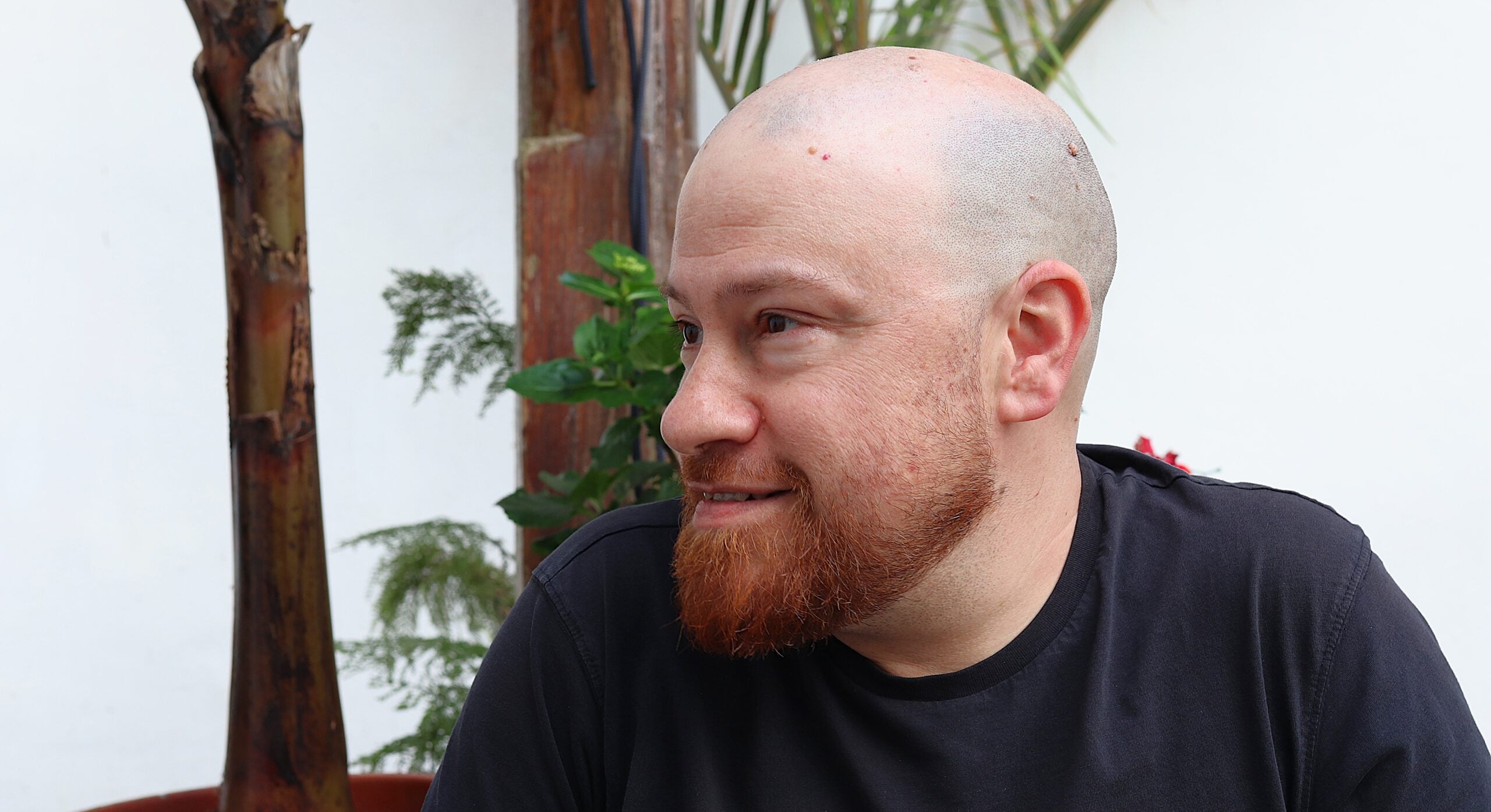
Miguel Ángel Cajigal, known as 'El Barroquista,' is a Spanish art historian and popularizer who has brought art history to prime-time television, radio, and social media. In an interview with Artribune, he discusses his books, including 'Otra historia del arte' (2021), his approach to making art accessible without dumbing it down, and his critique of the cult of the individual genius in art historiography. He emphasizes the collective nature of art production and reception, challenging the traditional focus on masterpieces and authorship.
Can an Artwork Have Personhood?

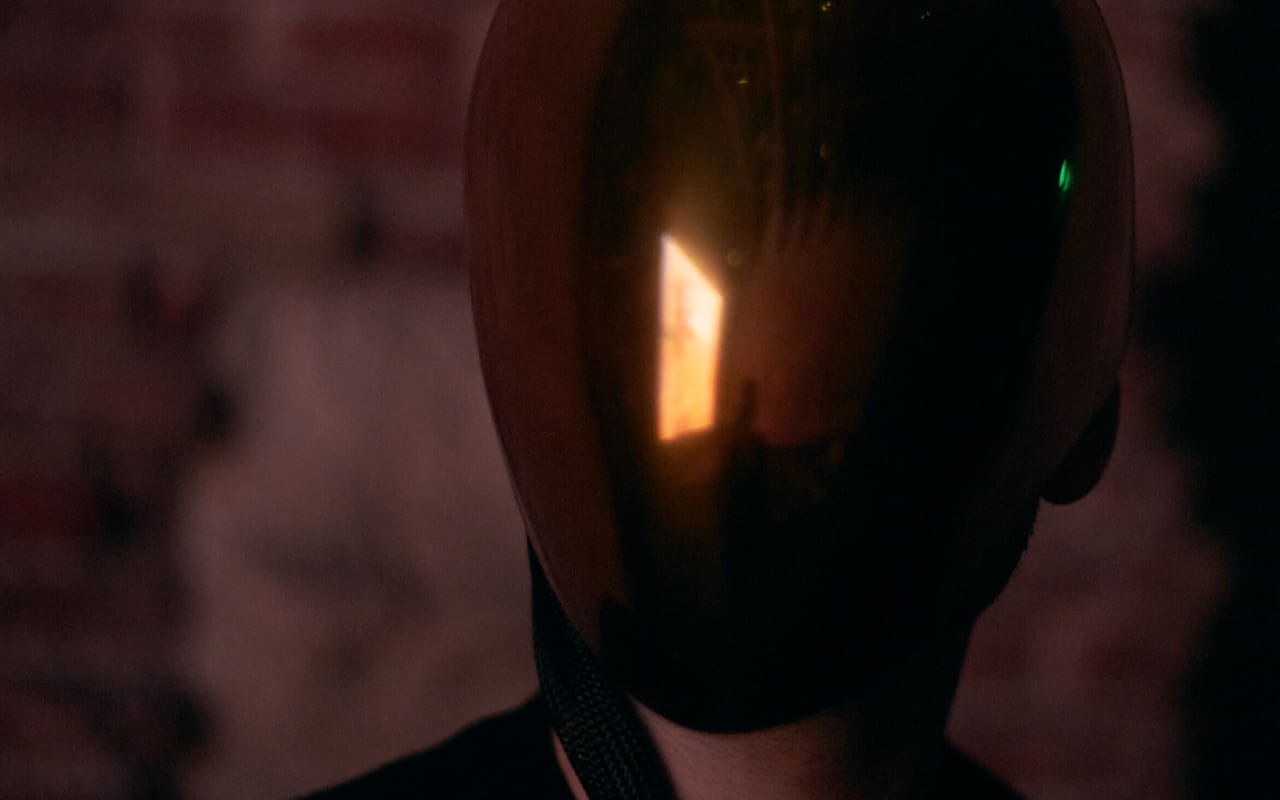
The article explores a growing trend in contemporary art where artists like Pierre Huyghe, Nina Katchadourian, and Marge Monko create works that blur the line between art objects and sentient beings. These works incorporate human performers, animals, AI, and smart devices, prompting viewers to question whether these entities possess or simulate personhood, and forcing an examination of our instinct to anthropomorphize.

The National Museum of Mexican Art’s Special Mission

The National Museum of Mexican Art (NMMA) in Chicago was founded in 1987 by a group of public school educators, led by Carlos Tortolero, to address a lack of Mexican history and culture in the curriculum. It has grown into a 48,000-square-foot institution with a collection of over 20,000 objects, spanning from Pre-Columbian times to the present, and was the first Latino museum in the U.S. to be accredited by the American Alliance of Museums.

Do you hate art museums? Why (and how) to take a 2nd look

Do you hate art museums? Why (and how) to take a 2nd look

The traditional art museum experience often leads to exhaustion and a sense of alienation due to the overwhelming abundance of artworks and the pressure to see everything quickly. This phenomenon, which affects even visitors to world-class institutions like the Vatican or the Uffizi, stems from a 'problem of abundance' rather than a lack of appreciation for the art itself. The author suggests that smaller, more intimate spaces and a slower approach to viewing would make art more accessible and less intimidating for the general public.

Museums have a duty to inspire the creatives of the future. At V&A East, I’ve made that my mission | Gus Casely-Hayford

Gus Casely-Hayford, the director of V&A East, outlines his vision for the new museum as a collaborative space designed specifically to re-engage young audiences. Highlighting a new commission by Cuban artist Tania Bruguera created with local youth, Casely-Hayford argues that museums must move beyond Victorian-era paternalism toward a model of co-creation. The institution has consulted over 30,000 young people to ensure its galleries, such as the "Why We Make" space, reflect contemporary concerns and community needs.