filter_list Showing 47 results for "Movements" close Clear
search
dashboard All 374 museum exhibitions 196article culture 47trending_up market 36article news 28candle obituary 25person people 13rate_review review 13article local 12article policy 3gavel restitution 1
date_range Range Today This Week This Month All
Subscribe

modern contemporary art

The article explores the distinction between Modern and contemporary art, explaining that Modern art emerged in the late 19th century as a reaction to classical art and the Industrial Revolution, with movements like Impressionism, Cubism, Futurism, and Surrealism redefining painting in response to photography. Contemporary art, by contrast, is a reaction to Modern art, with its start debated between World War II and the 1960s-70s consumerist era, encompassing diverse mediums such as sculpture, street art, and performance art, exemplified by artists like Jeff Koons, Banksy, and Yoko Ono.

okwui enwezor cuator duke collected writings

A new two-volume collection of Okwui Enwezor's writings, titled "Okwui Enwezor: Selected Writings, Volume 1: Toward a New African Art Discourse" and "Volume 2: Curating the Postcolonial Condition," has been published by Duke University Press in 2025, edited by Terry Smith. Spanning over a thousand pages and covering the years 1994 to 2019, the collection gathers Enwezor's catalog essays, exhibition reviews, and analyses, tracing his evolution as a poet, writer, curator, theorist, educator, and museum director who died in 2019 at age 56.

Here’s How Stars at the 2026 Met Gala Nodded to Art History

The 2026 Met Gala, themed "Fashion Is Art," saw celebrities and fashion figures wearing outfits directly inspired by or referencing iconic artworks and art historical movements. Notable nods included Chloe Malle in a gown referencing Frederic Leighton's *Flaming June*, Lauren Sánchez Bezos in a Schiaparelli dress echoing John Singer Sargent's *Madame X*, and Hunter Schafer channeling Gustav Klimt's portrait *Mäda Primavesi*. Other attendees like Anne Hathaway, Hailey Bieber, and Karan Johar also drew from specific paintings, sculptures, and poems, while stylist Law Roach wore a hand-painted piece by Gabonese artist Naïla Opiangah.

What Makes a Good Protest Sign?

The article's main feature is a guide on creating effective protest signs for the upcoming No Kings protest, compiled by comic artist Steven Weinberg with input from artists, writers, and curators including Hyperallergic's Editor-at-Large Hrag Vartanian. It offers practical advice for crafting visually and rhetorically powerful signs that challenge authority.

On Curating Carnage

On Curating Carnage

The Berlin-based art journal *OnCurating* published a September 2025 issue titled "Let’s Talk About… Anti-Democratic, Anti-Queer, Misogynist, Antisemitic, Right-Wing Spaces and Their Counter-Movements." The article critiques this publication, arguing it uses the language of feminism, anti-racism, and anti-Semitism as a political tool to unconditionally support Israel and demonize the Palestinian cause, thereby aligning with German state policy and a specific strain of leftist thought known as Antideutsch.

Chicago Art Movements Over The Years, From the Monster Roster to the Modern Moment

Chicago’s art history is defined by a series of indigenous movements that prioritized visceral, existential expression over commercial appeal. The article traces this lineage back to the late 1940s with the emergence of the Monster Roster, a group of artists including Leon Golub and Dominick Di Meo who returned from World War II to produce agonistic work. This movement was catalyzed by institutional resistance at the School of the Art Institute of Chicago, leading to the creation of the independent Momentum Exhibitions which bypassed conservative juried systems.

Harnessing the winds of societal change: how art dealers have been able to shape taste for centuries

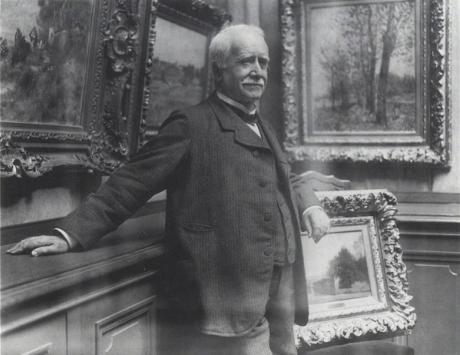
Valentina Castellani, a former Gagosian director, has authored a new book titled *Trading Beauty: Art Market Histories from the Altar to the Gallery* (out 1 May). The book traces how art dealers have historically leveraged societal changes—political, economic, and social—to reshape taste and market structures. Castellani begins in the Middle Ages, when art was made only on commission for patrons like the Catholic church and monarchies, and moves through key shifts such as the Dutch Republic's first open art market in the 17th century, which gave rise to the professional art dealer. She highlights dealers like Paul Durand-Ruel, Joseph Duveen, and Leo Castelli who capitalized on anti-establishment energy, new wealth, and post-war consumer culture to bring avant-garde art to the forefront.

art bites plein air painting history

The article traces the history of plein air painting, beginning with French painter Pierre Henri de Valenciennes in the 1780s, who created one of the earliest known outdoor oil sketches on the banks of the river Rance in Brittany. It follows the evolution of the practice through British painter John Constable, the Barbizon school in France, and the revolutionary impact of John G. Rand's invention of the paint tube in 1841, which enabled artists like Claude Monet and Pierre-Auguste Renoir to capture light and atmosphere with unprecedented accuracy.

art bites marcel duchamp dentist check

Marcel Duchamp paid his dentist, Daniel Tzanck, with a hand-painted forged check in 1919, titled *Tzanck Check*. The work mimics a real bank check made out for $115, drawn on the fictitious “The Teeth’s Loan & Trust Company Consolidated.” Duchamp meticulously painted each letter to look printed, and the dentist—who was also a major art collector—never cashed it, recognizing its artistic value. The check is now a promised gift to the Israel Museum in Jerusalem, with a 1938 reproduction held by M+ museum in Hong Kong.

10 chefs-d’œuvre de l’impressionnisme décryptés par Beaux Arts

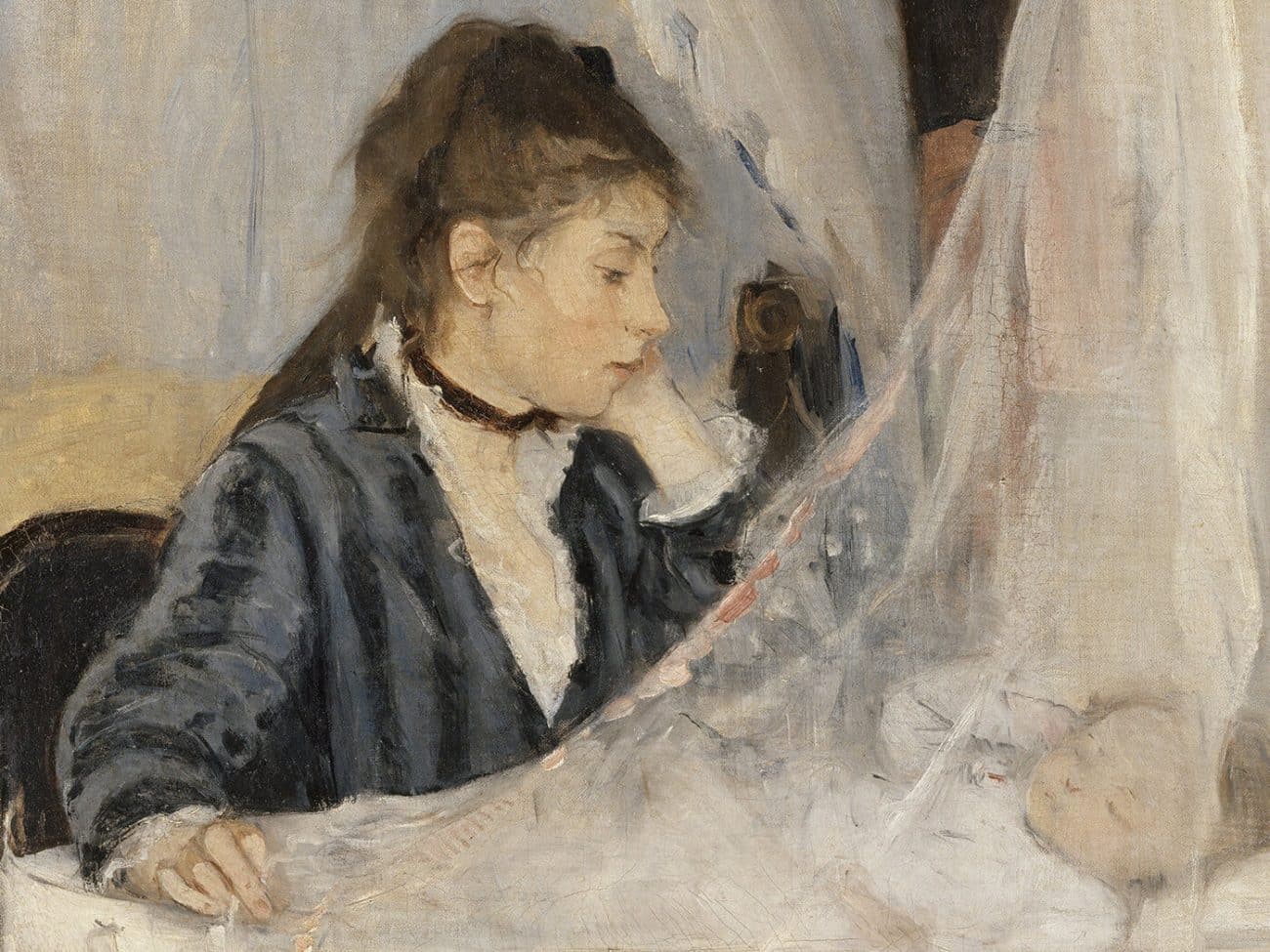
Beaux Arts Magazine presents a detailed dossier analyzing ten iconic masterpieces of Impressionism, including works by Edgar Degas, Édouard Manet, Berthe Morisot, Auguste Renoir, Gustave Caillebotte, Claude Monet, and Mary Cassatt. The article explores the technical innovations, modern subjects, and revolutionary spirit of the movement, which began in 1874 and was initially rejected by critics. Each featured painting—such as *Le Déjeuner sur l’herbe*, *Impression, soleil levant*, and *Le Bal du moulin de la Galette*—is examined by art historians and journalists to reveal its composition, historical context, and lasting impact.

Dansaekhwa has taken over the modern art world. But the story of how that happened is up for debate.

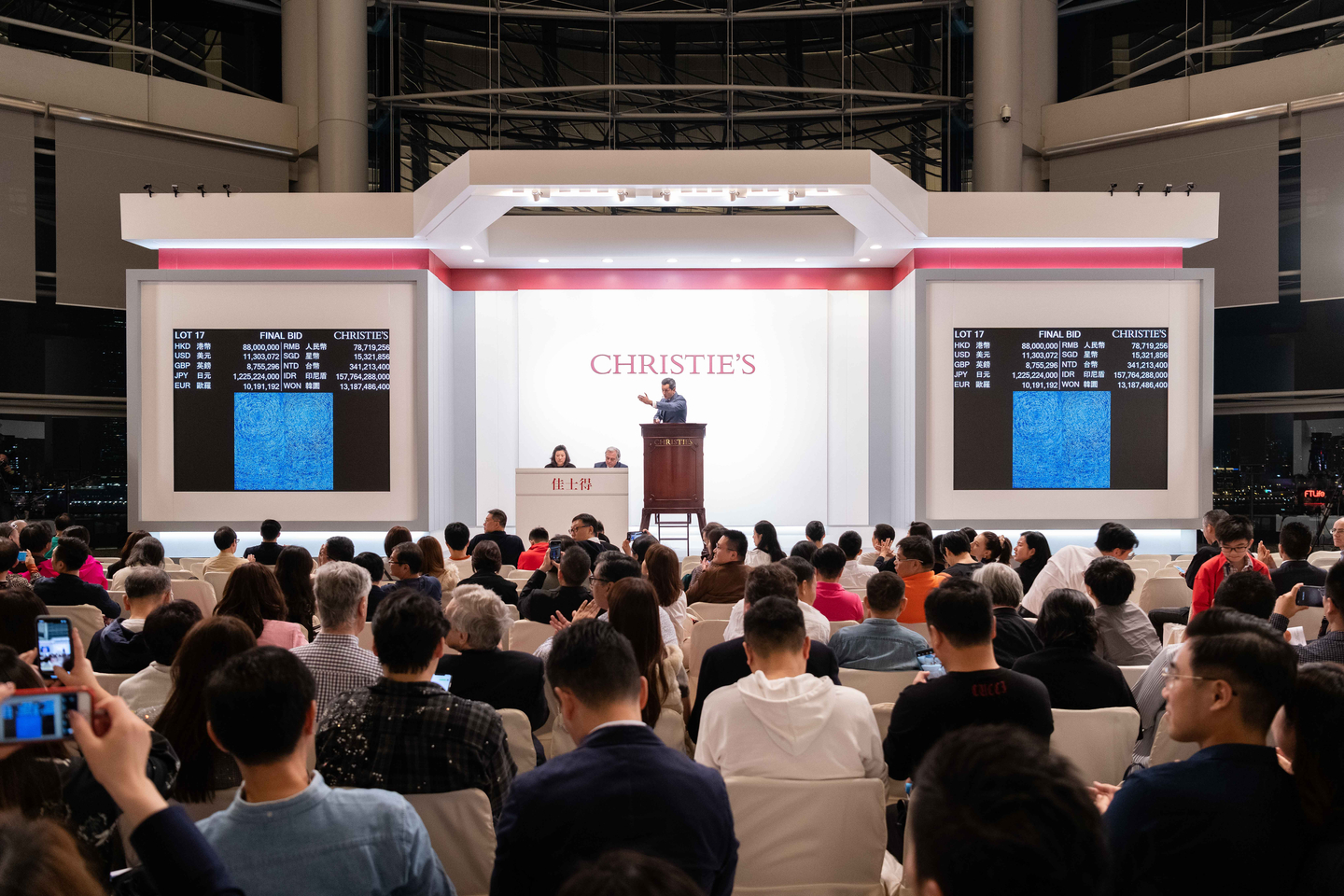
The article examines the global rise of Dansaekhwa, a Korean monochrome painting style that has achieved record auction prices and widespread collector interest over the past decade. It traces key milestones, including two pivotal 2014 exhibitions at Kukje Gallery in Seoul and Blum & Poe in Los Angeles, and the surge in auction prices for artists like Kim Whan-ki, Park Seo-bo, and Chung Sang-hwa, culminating in a $13 million sale in 2019.

Vincenzo Trione's new book aims to redefine the concept of the avant-garde (reviews by his students)

Il nuovo libro di Vincenzo Trione vuole ridefinire il concetto di avanguardia (le recensioni dei suoi allievi)

On March 9, 2026, at IULM University in Milan, Vincenzo Trione presented his new book *Rifare il mondo. Le età dell’avanguardia* (Einaudi, 2025). The event was part of the cultural program *Leonardo alla IULM*, which also featured pages from the Codex Atlanticus on loan from the Biblioteca Ambrosiana. Trione, a professor at IULM, discussed the book with four of his students: Anna Luigia De Simone, Vincenzo Di Rosa, Anna Calise, and Alessia Scaparra Seneca. The talk, titled "Nessuna parola caratterizza l’arte contemporanea più di avanguardia," explored the concept of the avant-garde, its historical legacy, and its contemporary reactivation through movements, manifestos, collectives, and cultural phenomena.

Archie Rand On the Irreducibility of Painting in a Post-Digital Age

Archie Rand, now in his late 70s, recently held his first extensive solo show in years at Jarvis Art in New York, featuring his new body of work titled "Heads." The exhibition reclaims painting's primordial function, emphasizing the connection between brain and hands, imagination and reality. Rand, who emerged from the downtown New York scene in the late 1970s and early '80s, has witnessed the full postwar evolution of American art. His career includes a pivotal synagogue mural commission that led to backlash from the Orthodox community and a break with critic Clement Greenberg, pushing him toward representational forms. He found allies in figures like Philip Guston and John Ashbery, and after his wife's death ten years ago, began reflecting on mortality and childhood influences.

Let Your Home Be

The article explores the aesthetic philosophy of embracing untidiness and natural decay within domestic spaces as a form of beauty. It presents the idea that a home's character can be enhanced by allowing it to remain "ungroomed," challenging conventional norms of interior design and order.

david adjaye me too studio museum princeton west african

The article reflects on the #MeToo movement's failure to achieve lasting change, using the case of architect David Adjaye as a central example. Adjaye was accused in 2023 by three women of sexual exploitation, harassment, and creating a hostile work environment at his firm, Adjaye Associates, allegations he denied. Despite initial backlash—including termination from projects like Westminster's Holocaust Memorial—many clients quietly resumed working with him, illustrating a broader pattern of institutional cowardice.

art where artists hang out nyc

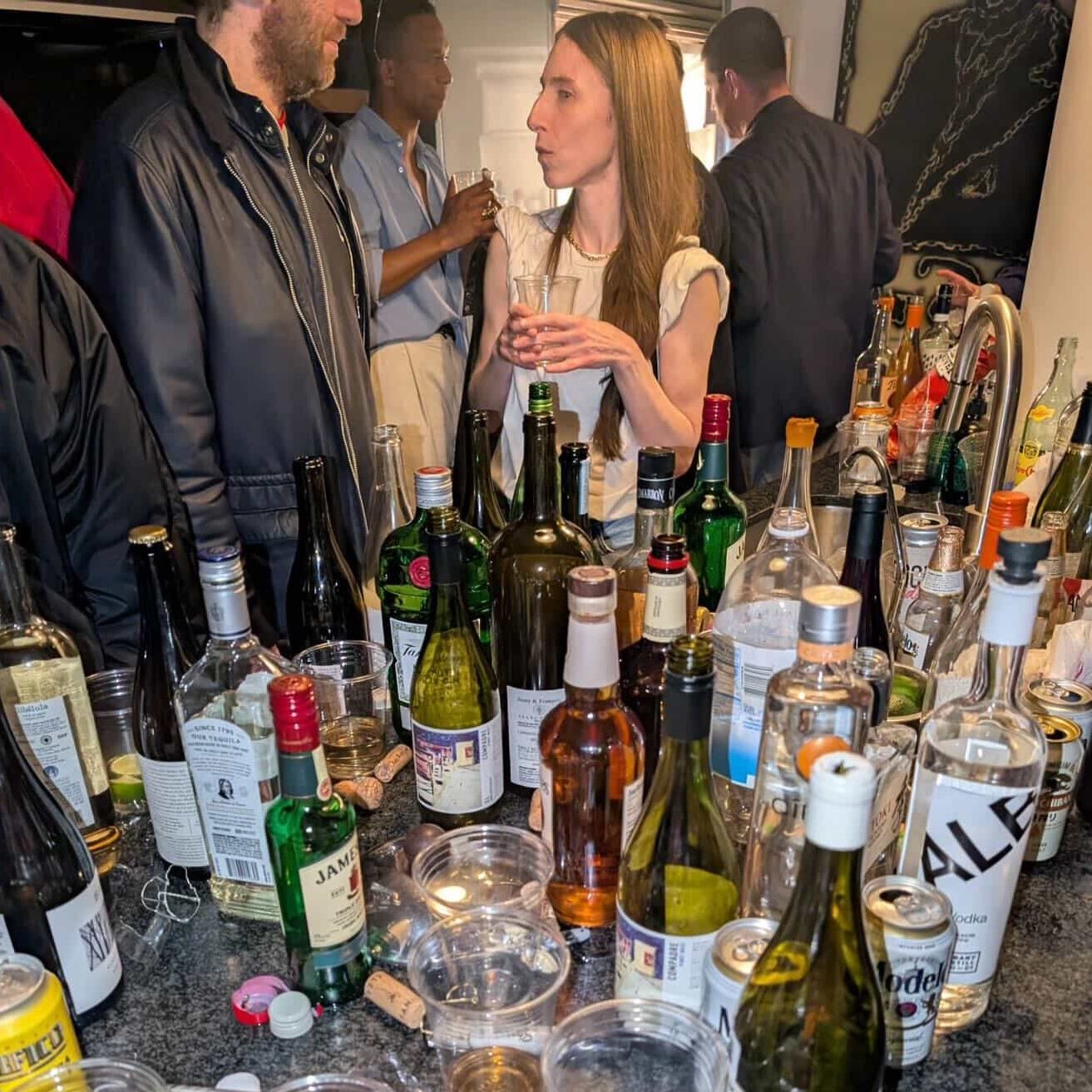
Cultured magazine surveyed 30 New York-based artists to find out where they hang out in 2026, as affordable and easy gathering places have become scarce. The responses range from iconic spots like the Rose Reading Room at the New York Public Library and the Metropolitan Museum of Art to more offbeat locales such as a karaoke bar on Bowery, a Cantonese noodle house in Chinatown, and a church hosting vogue sessions. Artists including Coco Klockner, Jamian Juliano-Villani, Tiffany Sia, Amanda Ba, Lucy Bull, and others share their personal favorites, highlighting a diverse mix of libraries, restaurants, bars, and community spaces.

Full Circle

The article reports on the impact of President Javier Milei's anarcho-capitalist economic policies on Argentina's cultural sector since his December 2023 election. Public museums like the Museo Nacional de Bellas Artes face frozen budgets and loss of autonomy, the cultural ministry has been shuttered, and a climate of fear and retribution has led many in the art world to speak anonymously. The piece focuses on artist Liv Schulman's film and exhibition "Un círculo que se fue rodando" (2024) as a psychological portrait of the nation under Milei, and includes observations from a Buenos Aires gallerist and journalist about the dismantling of civic institutions.

What Role Do Galleries Play in the Art World?

Maxwell Rabb's article explains the fundamental role of commercial art galleries in the art world, tracing their evolution from 19th-century Parisian storefronts like Goupil & Cie to contemporary spaces. It highlights how galleries function as private businesses that showcase and sell artworks, support artists, organize exhibitions, and connect with collectors, curators, and institutions. The piece also addresses the perception of galleries as exclusive spaces while noting they are often free and open to the public, serving as a bridge between the art world and curious visitors.

Pappi Corsicato's film on photographer Claudio Abate, which recounts the artistic ferment of Rome between the 1960s and 1990s, is now on RaiPlay

È su RaiPlay il film di Pappi Corsicato sul fotografo Claudio Abate che racconta il fermento artistico di Roma tra gli Anni ’60 e ‘90

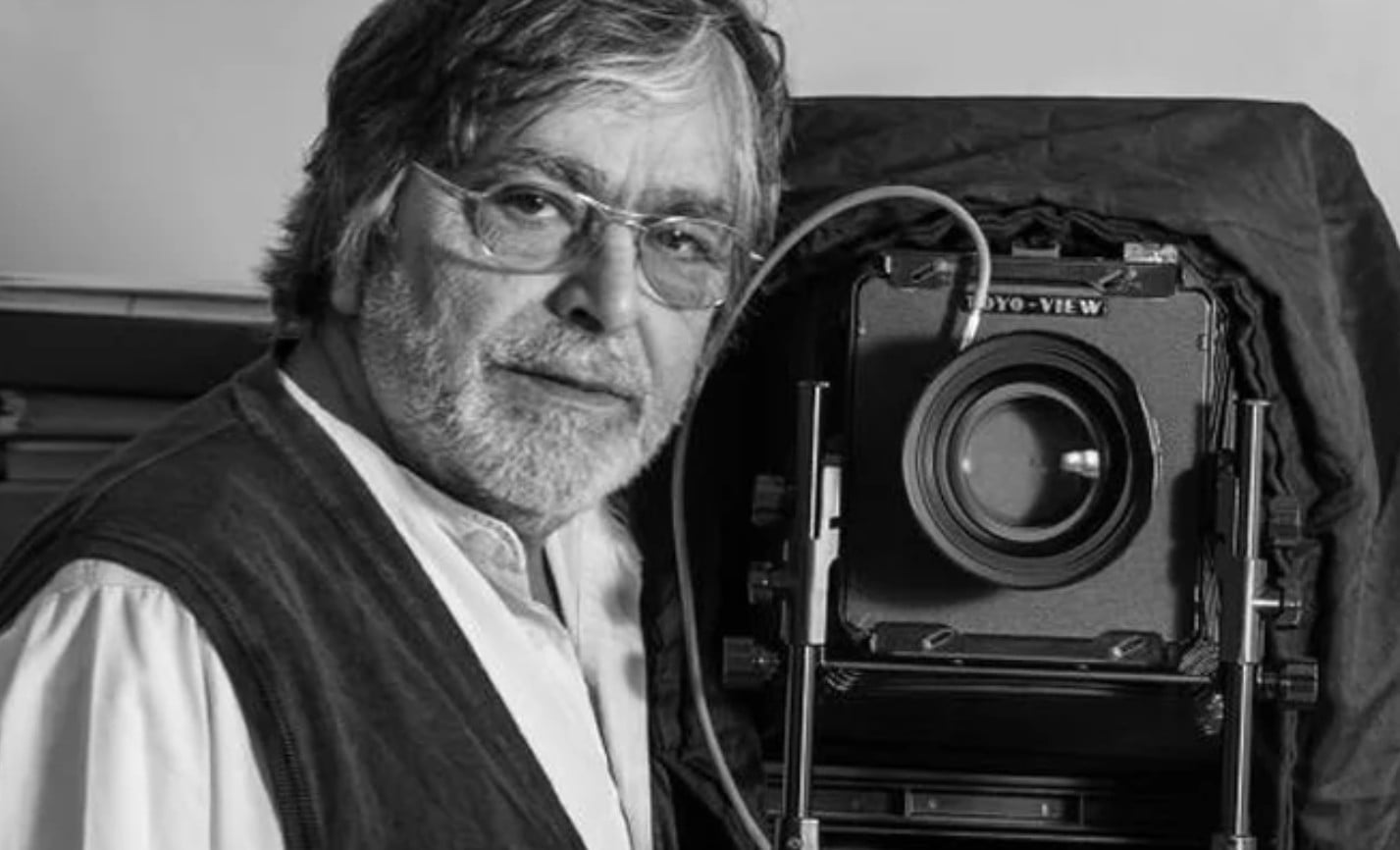
RaiPlay has released a new documentary film by Pappi Corsicato titled "Claudio Abate. L’obiettivo nell’arte" (2026), which pays tribute to the late photographer Claudio Abate (1943–2017). The film weaves together interviews, archival materials, and footage from Istituto Luce to chronicle Abate's life and work, focusing on his role documenting the vibrant Roman art scene from the 1960s through the 1990s. It highlights his collaborations with key figures such as Jannis Kounellis, Michelangelo Pistoletto, Fabio Sargentini, and the artists of the Pastificio Cerere school, capturing seminal performances, happenings, and installations that defined Arte Povera and other avant-garde movements.

Comment | The slopification of political art

The article critiques the rise of AI-generated political imagery, such as Donald Trump depicted as Jesus and viral Lego videos of the Iranian Revolutionary Guard Corps, arguing that these shallow, generic visuals fail to provide meaningful or lasting cultural commentary on current conflicts. The author contrasts this with the inventive, humorous resistance seen during the 2013 Gezi Park protests in Istanbul, which later influenced a generation of Turkish artists.

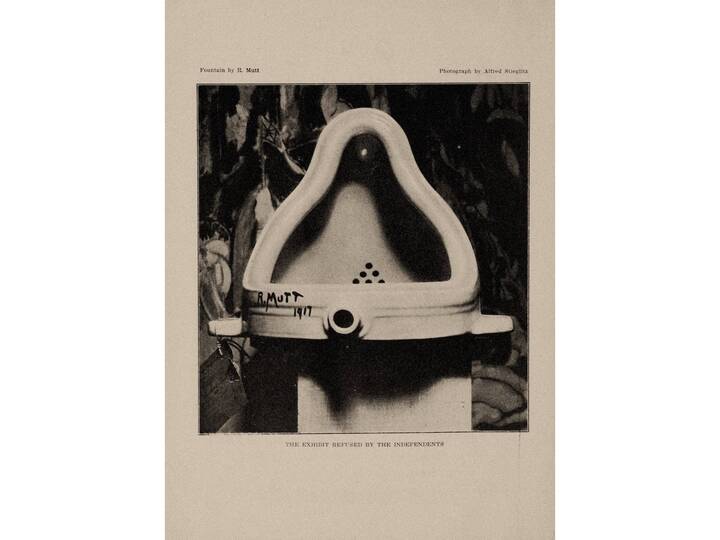
What Made Marcel Duchamp’s Readymades So Revolutionary?

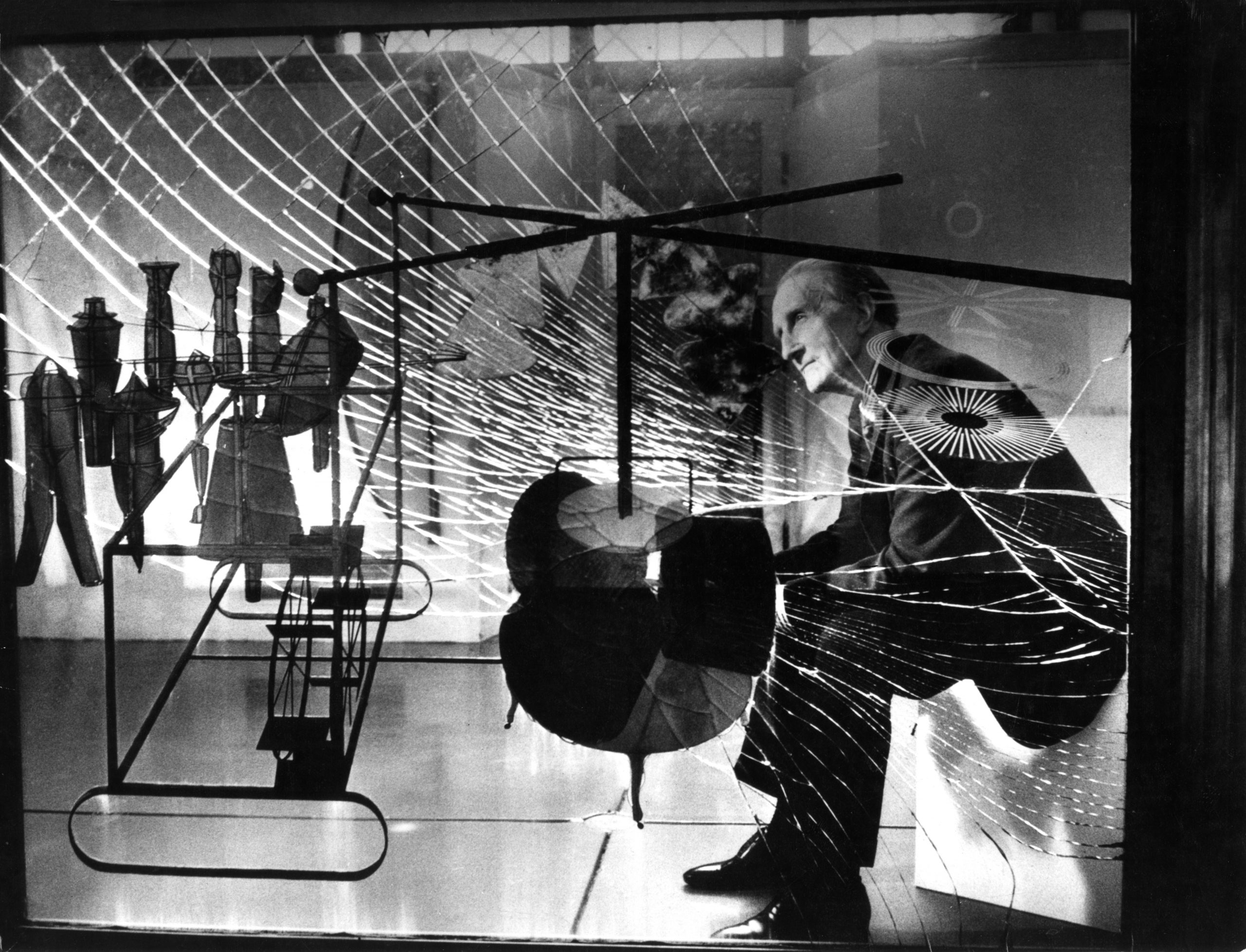
Marcel Duchamp transformed the trajectory of 20th-century art by introducing the 'Readymade,' a concept where mass-produced, everyday objects are elevated to the status of art through the artist's selection rather than manual craft. Beginning with a bicycle wheel in 1913 and a bottle rack in 1914, Duchamp eventually formalized the term during a 1915 stay in New York, where the city's industrial modernity and lack of rigid class structures inspired him to challenge traditional definitions of creativity.

gossip crit group

On a frigid December evening, eleven women artists gathered in the lobby of 125 Maiden Lane in downtown Manhattan to view and discuss Langdon Graves's exhibition "Mental Model," produced by Art in Buildings. The group, called Gossip, is a long-running artist crit collective founded in 2009 by Cranbrook Academy of Art graduates including Jessica Stoller and Kelli Miller, originally named "Get Out" before being renamed by member Virginia Wagner after Silvia Federici's writings on gossip. The group now has about 20 members, including Jenna Gribbon, Erin M. Riley, and Julie Curtiss, and meets regularly in studios and galleries for critical feedback and creative exchange.

gustav klimt the kiss why so important

The article examines Gustav Klimt's iconic painting *The Kiss* (1907–1908) within the turbulent sociopolitical context of Vienna before World War I. It describes the city as a hotbed of ethnic tensions, anti-Semitism, and artistic ferment, where Klimt, alongside figures like Sigmund Freud and Gustav Mahler, explored repressed sexuality and decadence. The painting is presented as a symbol of this era, blending Symbolism, Japanese art, and Art Nouveau, and reflecting Klimt's role as a co-founder of the Vienna Secession, which broke with traditional aesthetics to pioneer modernism.

art bites monet water lily pond

Claude Monet’s iconic water lily pond paintings are the subject of a new article exploring the artist’s deep passion for gardening. The piece details how Monet, after moving to Giverny in 1883, spent decades transforming his property into a lush, Japanese-inspired garden, complete with a pond, wisteria bridge, and exotic plants. He hired up to eight gardeners, studied botanical journals, and even faced protests from local farmers when he diverted a river to create the pond. The garden became his sole artistic focus for the last 20 years of his life, producing around 250 paintings of the water lilies.

hieronymus bosch garden of earthly delights why important

The article examines Hieronymus Bosch's masterpiece "The Garden of Earthly Delights" (c. 1490–1510), explaining that while modern viewers often call it surreal, the term is an anachronism; the painting reflects a medieval worldview where damnation and divine order were accepted realities. It describes the triptych's structure, its likely commission by Engelbert II, Count of Nassau, and its narrative flow from grisaille exterior to vivid interior panels depicting Eden and hell. The piece also notes how 20th-century Surrealists like André Breton and Salvador Dalí claimed Bosch as a precursor, with Dalí directly borrowing motifs from the painting.

Do you remember the last negative review you read?

« Vous souvenez-vous de la dernière critique négative que vous avez lue ? »

The traditional art of negative criticism is vanishing from mainstream media, replaced by a culture of polite consensus or violent but unprincipled social media attacks. Historically, critics like Baudelaire, Zola, and Huysmans used sharp, subjective arguments to defend avant-garde movements and challenge academicism, viewing the attack on certain artists as a necessary byproduct of championing others. Today, limited editorial space and a desire to support the arts have led French journalists to focus almost exclusively on praise, resulting in a loss of discernment and comparative analysis.

Salon des Indépendants

The article is about the Salon des Indépendants, a historic French art exhibition society founded in 1884. It provided a platform for artists to exhibit works without a jury, challenging the official Paris Salon's conservative standards.

‘The pictures are evil!’ The great art-quake of 1910

The article reviews David Boyd Haycock's slim new book 'Art-Quake, 1910,' which examines the explosive 1910 exhibition 'Manet and the Post-Impressionists' at London's Grafton Galleries. The show introduced British audiences to revolutionary artists like Cézanne, van Gogh, Gauguin, Matisse, and Picasso, provoking outrage from critics and the public, who called the works 'evil,' 'hysterical,' and a threat to civilization. The book is part of a series from Old Street publishing that also includes titles on the Degenerate Art exhibition and the Cultural Revolution.

Modern Art and Politics in Germany 1910–1945

The article examines the complex and often fraught relationship between modern art and political power in Germany from 1910 to 1945. It details how avant-garde movements like Expressionism, Dada, and the Bauhaus initially flourished, only to be systematically suppressed and labeled "degenerate" by the Nazi regime after 1933.

From an Artist to His Dealer

D’un artiste à son marchand

A new book titled "Miró-Loeb. Correspondance. 1926-1936" has been published by Éditions Norma, presenting the previously unpublished correspondence between Spanish painter Joan Miró and his Parisian dealer Pierre Loeb from 1926 to 1936. The volume includes photographs, reproductions of artworks, an illustrated record of Miró's exhibitions at Galerie Pierre, a prologue by art historian Joan Punyet Miró (the artist's grandson), and contributions from Albert Loeb (Pierre's son) and Sonia Loeb (his granddaughter), contextualizing a decade of exchanges amid cultural ferment and rising tensions. The book also features sparser letters from 1945 until Loeb's death in 1963, tracing the evolution of their relationship.