filter_list Showing 17 results for "Ogre" close Clear
search
dashboard All 212 museum exhibitions 99article news 28article policy 18article culture 17article local 15trending_up market 13person people 9rate_review review 7gavel restitution 3candle obituary 3
date_range Range Today This Week This Month All
Subscribe

No Attitude, Nowhere: Conviction, Zero Meaning

Keine Haltung, nirgends Gesinnung, null Bedeutung

The article critiques the current state of the art world and broader culture, arguing that right-wing calls for depoliticized art are intensifying while the progressive art establishment silently tolerates a culture war that restricts free expression. It uses the 2025 Met Gala as a prime example, describing the event as a heartless display of wealth and power aligned with Trump-era capitalism, where celebrities and artists perform progressive values while participating in a spectacle sponsored by anti-union figures like Jeff Bezos. The author draws on Hannah Arendt's ethics lectures to suggest that moral norms have collapsed overnight, and that the commercial art world now legitimizes anti-democratic tendencies through its silence.
How the New Deal Treated Art as Essential to Democracy

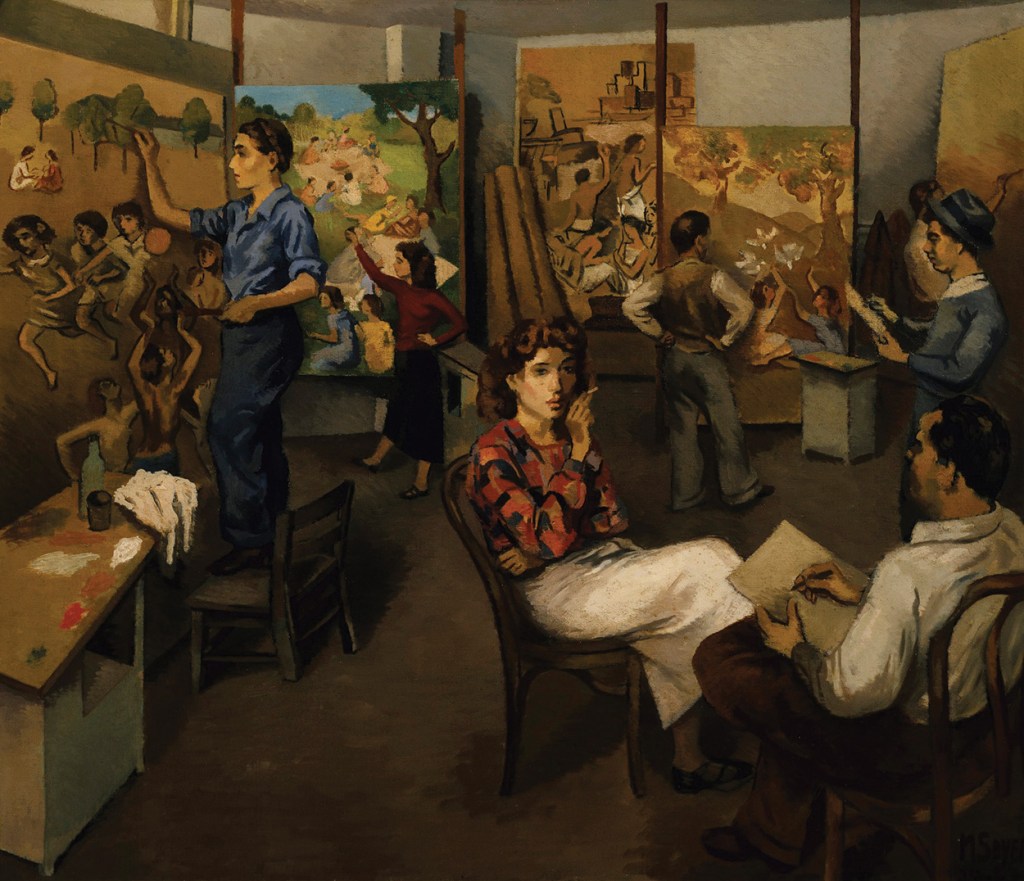
The United States government transformed the role of the artist during the Great Depression by treating art as a vital public resource rather than a private luxury. Between 1933 and 1943, New Deal programs like the Public Works of Art Project (PWAP) commissioned hundreds of thousands of works for schools, libraries, and hospitals, providing 'plumbers' wages' to struggling creators. This federal patronage supported a generation of then-unknown figures, including Jackson Pollock, Mark Rothko, and Alice Neel, while focusing on the 'American scene' to make culture accessible to the general public.

the right influential art historian victoria coates project esther

The article profiles Victoria Coates, an art historian and former Trump administration official, who is leading 'Project Esther,' a conservative initiative aimed at taking over US higher education and targeting progressive organizations. Named after the biblical queen, the project accuses critics of Israel of anti-Semitism and seeks to dismantle what it describes as a 'terrorist support network.' Coates, who previously served as Deputy National Security Advisor and worked on Rumsfeld's memoirs, has a long history of attacking academia from within, including as an anonymous blogger behind 'Elephants in Academia.'

Can Digital Art Ever Truly Replicate the Gallery Experience?

The article explores whether digital art platforms can replicate the experience of visiting a physical gallery. It acknowledges the impressive progress of virtual exhibitions—global accessibility, VR tours, AR overlays, and high-resolution zoom—and notes that 35% of UK adults digitally engaged with the arts in 2024/25, up from 27% in 2021/22. However, it argues that something essential is lost without physical presence: the tactile encounter with a painting's texture and scale, the serendipity of in-person discovery, and the spatial awe of standing before a Rothko in a white cube.

Edward Burtynsky: Taking Place

Edward Burtynsky, the renowned Canadian photographer known for his large-scale depictions of industrial landscapes, is the subject of a feature titled "Edward Burtynsky: Taking Place." The article highlights his 40-year career documenting humanity's impact on the planet, from his early influences in St. Catharines, Ontario, to his recent exhibition "BURTYNSKY: Extraction/Abstraction," which premiered at London's Saatchi Gallery in February 2024 before traveling to M9 in Mestre, Italy. It also notes his founding of Toronto Image Works and his ongoing solo and group exhibitions worldwide.

art dead artists museum exhibitions politics

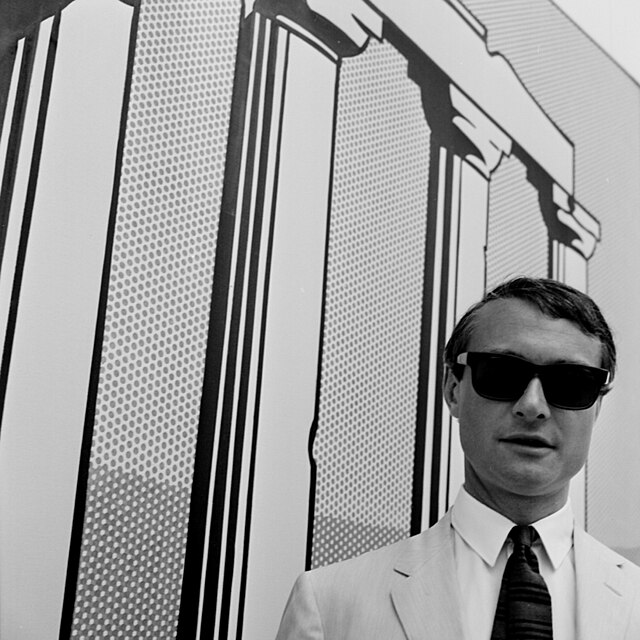
CULTURED reports that in 2025, nearly 50 percent of solo exhibitions at New York museums featuring modern and contemporary art focused on deceased artists, more than double the 18 percent share in 2019. Major institutions like MoMA, the Broad, ICA Miami, and the Whitney have programmed posthumous shows for figures such as Wifredo Lam, Helen Frankenthaler, Ruth Asawa, Robert Therrien, Joyce Pensato, Richard Hunt, and Roy Lichtenstein. The article traces this trend to a confluence of factors: ongoing scholarly revisionism, a cultural swing toward equity during the Biden administration, and the long lead times for museum exhibitions that have landed in a more polarized political climate under Trump II.

op ed museums gender and pay

The article examines how gender pay disparities and the fear of a "pink-collar" profession persist in the art museum world, triggered by comments from Meta CEO Mark Zuckerberg about "masculine energy" in the workplace. It recounts a 2020 forum where National Gallery of Art director Kaywin Feldman expressed concern that art museums becoming predominantly female could lower salaries, a remark initially seen as sexist but later contextualized by the author's investigation into the origins of such fears. The author traces the concept to a 2016 New York Times article citing research on how female-dominated fields see pay drops, and explores how even progressive leaders like Feldman can inadvertently perpetuate gender bias.

who was joan shogren computer art

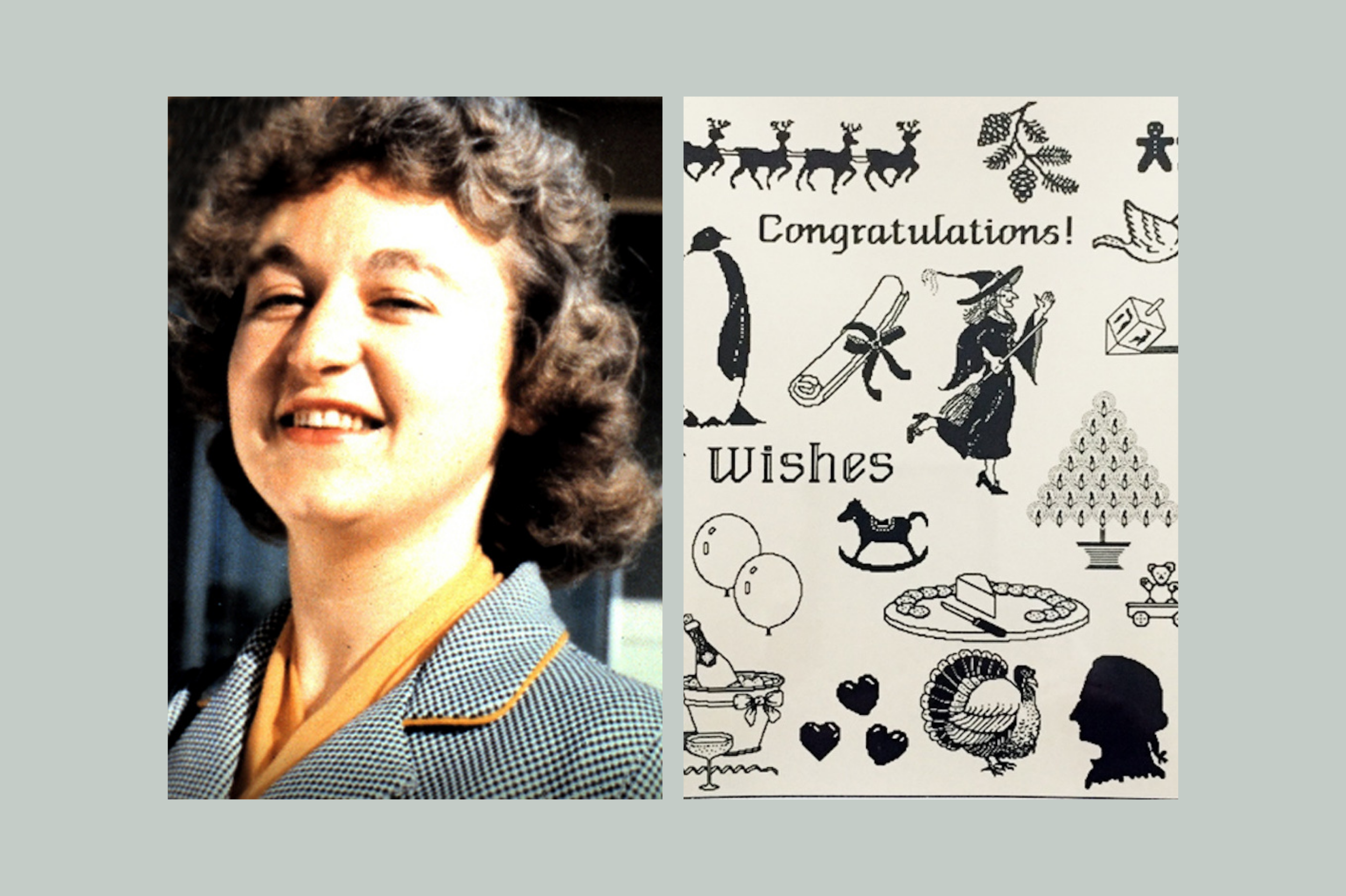
Joan Shogren, a chemistry graduate from San José State University (SJSU) in the early 1950s, created some of the world's first computer-generated art in 1963 while working as a secretary in the chemistry department. Collaborating with graduate student Jim Larson and assistant professor Ralph Fessenden, she developed a theory that computers could create art if given "rules" of proportion, balance, and center of interest. Fessenden translated her "laws of art" into code on an IBM 1620 computer, producing artworks that were printed as number arrays and later hand-colored by artist Marvin Coon. Shogren exhibited these works in May 1963 at the campus bookstore, recognized as the first public display of computer art. Two decades later, she was commissioned by software company T/Maker to create the first clip art, "ClickArt," released in 1984 for Macintosh computers, designed pixel by pixel.

Artists agonise over when a work is finished—but should we viewers care?

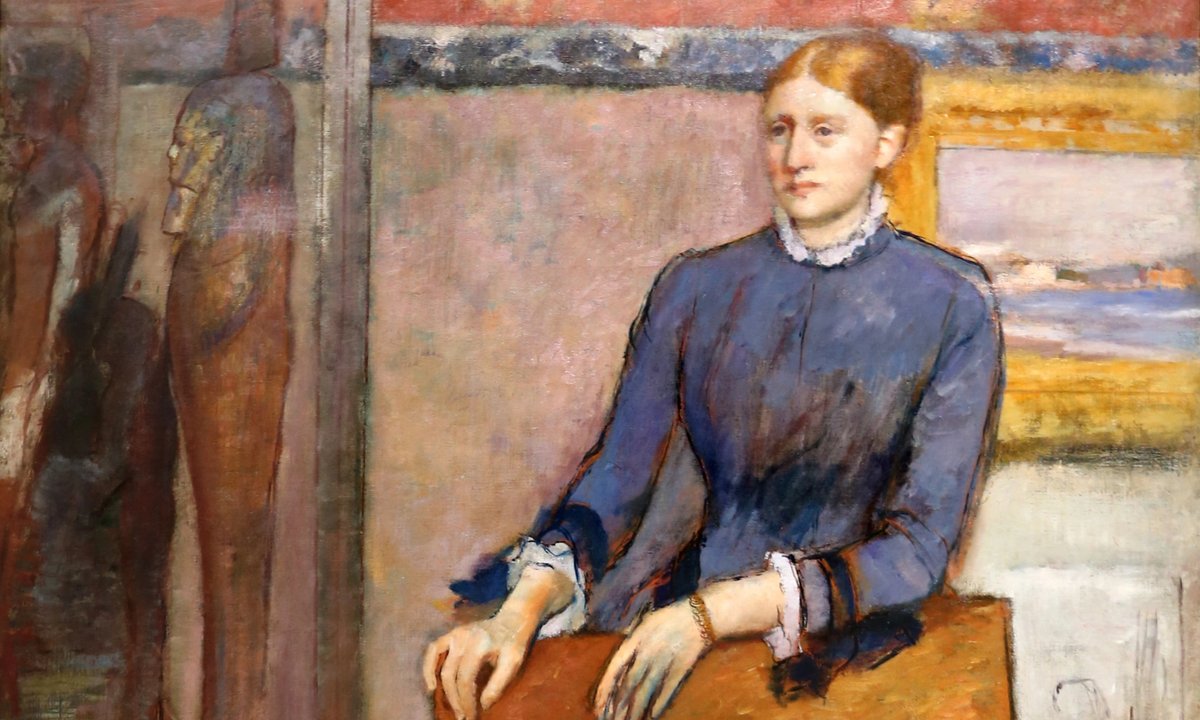
The article explores the perennial struggle artists face in determining when a work is complete, a process often fraught with the risk of overworking or 'wrecking' a piece. Drawing on insights from Howard Hodgkin and David Sylvester, it examines how artists like Degas, Matisse, and Cézanne navigated the boundary between a finished object and a work-in-progress, sometimes intentionally leaving canvases 'open' or 'fragmentarily complete' to preserve their emotional and visual immediacy.

Comment | US museums are finally going bilingual: here's why it matters

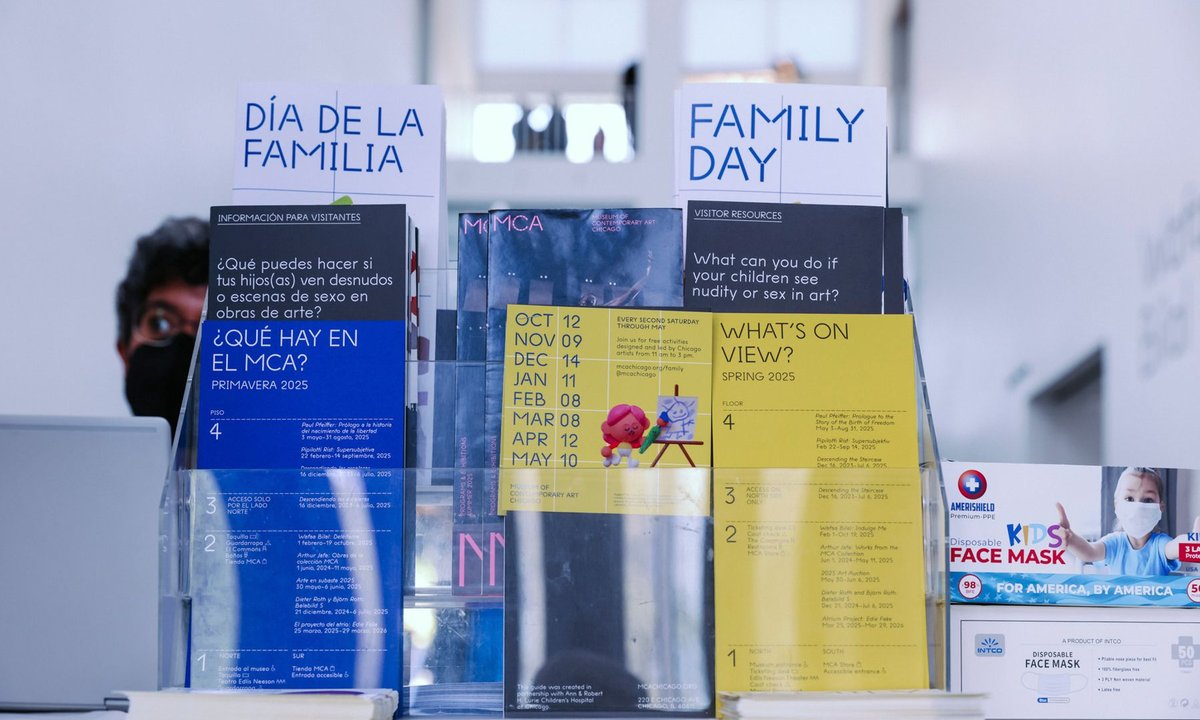
US museums are increasingly adopting bilingual and multilingual programming, primarily adding Spanish translations to wall texts, websites, and catalogs. Institutions like the Museum of Contemporary Art Chicago (MCA) and MoMA PS1 in New York have led this shift, with MCA hiring bilingual staff and developing a bilingual website, while MoMA PS1 offers texts in Spanish, simplified Chinese, Arabic, Tagalog, and Bisaya for specific exhibitions. This trend responds to the fact that 14% of the US population speaks Spanish at home, and Latinx people represent a growing demographic in cities like Chicago.

Chicago: Model City by Mark Acciari

Native Chicagoan architect and artist Mark Acciari reflects on the architectural identity of Chicago from the distance of Mexico City. Using the iconic imagery of a Chicago-style hot dog as a metaphor for the city's construction, he explores how the city's legacy is often reduced to the 'skeleton frame' of early modernism by critics, while ignoring its more playful, symbolic, and postmodernist undercurrents.

University challenges: how students changed one Ohio town – in pictures

Photographer Rich-Joseph Facun documents life in Athens, Ohio, in his project '1804,' focusing on the profound influence of Ohio University on the town. His images and interviews capture the socioeconomic and cultural dynamics, including strained housing markets, a nightlife economy driven by students, and the town's identity as a "company town" shaped by the university's calendar and employment.

Galle Facing

Colombo’s skyline has undergone a radical transformation into a forest of glass and steel towers, epitomized by projects like the Lotus Tower and Port City. This rapid urbanization, driven by a state ambition to create a 'world-class city' following decades of civil war, has resulted in the displacement of local neighborhoods and the burial of historical layers under new infrastructure.

Why We Need Corporate Art Collections

The article traces the history and significance of corporate art collections, beginning with Deutsche Bank's acquisition of 57 early drawings by Joseph Beuys in the late 1970s, which led to the formal launch of its collection in 1980. Today, the Deutsche Bank Collection comprises over 57,000 objects displayed in 500 locations across 40 countries, and the bank sponsors events like the Frieze Art Fair. The piece also highlights the role of American banker David Rockefeller, who inaugurated Chase Manhattan Bank's Art at Work program in 1959, and notes that corporate collecting has deep roots in Renaissance banking, with institutions like Banca Monte dei Paschi di Siena commissioning art for their offices.

Comrades in art: meet the artists who fought against fascism

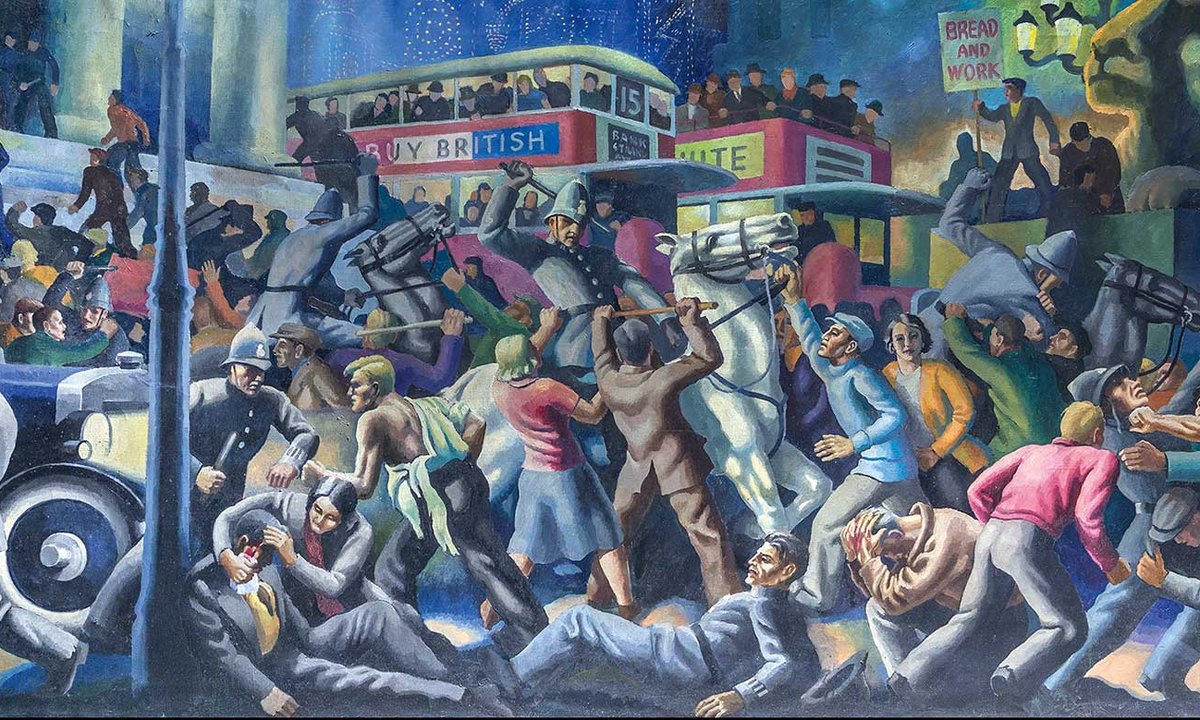
Andy Friend's book "Comrades in Art" chronicles the founding and first decade of the Artists International Association (AIA), a radical union of artists established in London in the 1930s. The AIA, born from a belief in art's power to revolutionize society, grew from a small group of mostly underemployed communist-affiliated commercial artists into a popular front against fascism and war, eventually including over 1,000 members such as Henry Moore and Paul Nash. The book focuses on lesser-known figures like Felicia Browne, the first British female combatant killed in the Spanish Civil War.

The Artist Who Keeps Remaking His Childhood Home

The New York Times profiles an artist who repeatedly recreates his childhood home through various artistic mediums, exploring memory, loss, and the passage of time. The article details how the artist reconstructs the house from memory, using materials ranging from drawings and sculptures to immersive installations, each iteration reflecting a different emotional or psychological state.

An Artist’s Do-Over in Double Time

The New York Times profiles an artist who revisits and reworks their earlier pieces, creating new versions at an accelerated pace. The article explores the creative process behind this "do-over," where the artist reinterprets past works with fresh perspective and technical refinement, producing them in double time compared to the originals.