filter_list Showing 25 results for "PLACEment" close Clear
search
dashboard All 369 museum exhibitions 211article news 42article culture 25article local 25article policy 21person people 18trending_up market 13rate_review review 5candle obituary 5gavel restitution 4
date_range Range Today This Week This Month All
Subscribe

art charlie marder east hampton

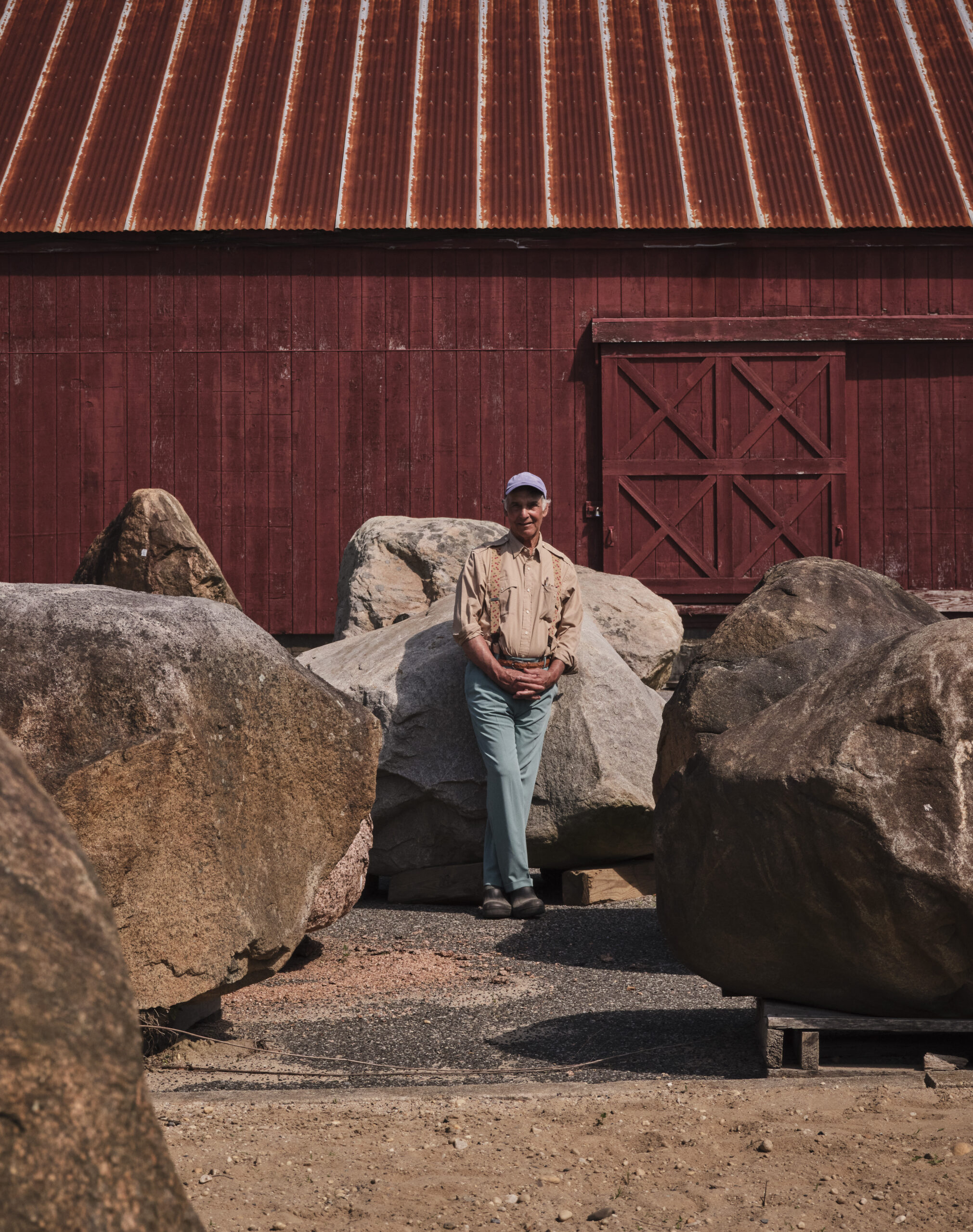
Cultured magazine's Hamptons issue features an interview between designer Robin Standefer and Charlie Marder, the East End horticulturalist known as the 'tree whisperer.' Marder, who co-founded an eponymous Bridgehampton nursery with his wife Kathleen—dubbed 'a horticultural MoMA' by the New York Times—has assembled a sprawling field of massive geological specimens across from the nursery. The rocks, some weighing 10 tons, are salvaged from development sites and quarries. Standefer, who purchased one of Marder's boulders for her birthday, discusses with Marder the ethics of placement, the personalities of stones, and the human urge to give new life to ancient matter.
Bank of England to Replace J.M.W. Turner with UK Wildlife on Banknotes

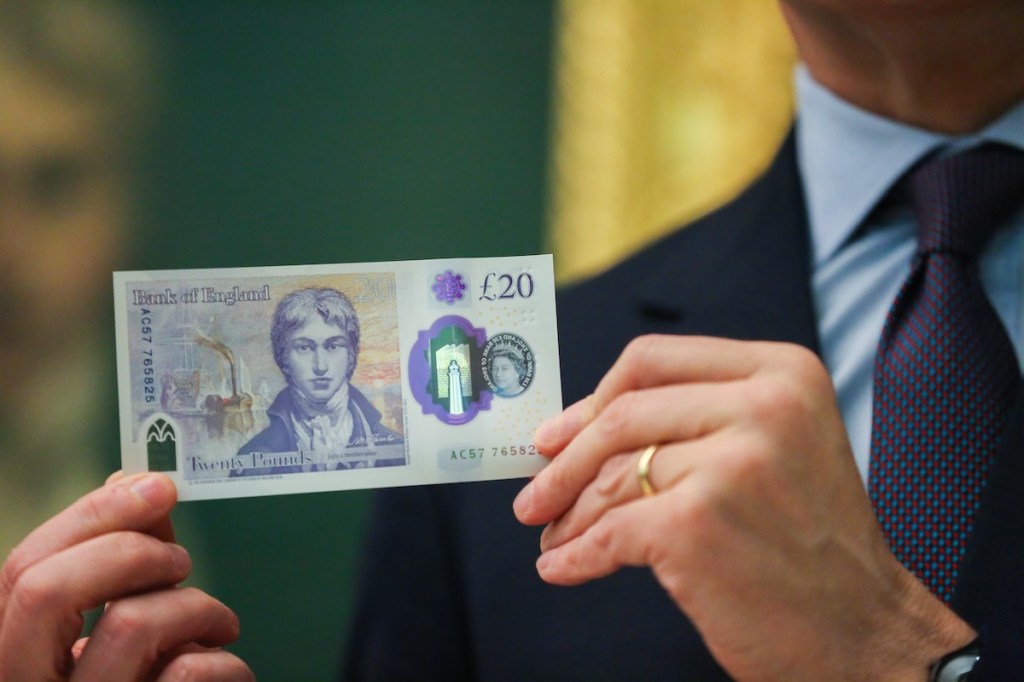
The Bank of England has decided to replace historical figures, including painter J.M.W. Turner, with depictions of native UK wildlife on its next generation of banknotes. This follows a public consultation where 'Nature' was the most popular theme, selected by 60% of respondents. A panel of six wildlife experts will now create a shortlist of species for a further public vote this summer.

the bear tyler mitchell photographs

The fourth season of the FX series *The Bear* features two photographs by Tyler Mitchell in an episode centered on the character Syd. The works shown are *Untitled (Kiki and Stephan Dancing)*, a grid of shots commissioned by *Vogue* featuring actors KiKi Layne and Stephan James, and *Untitled (Group Hula Hoop)*, a 2019 image of children hula hooping in Brooklyn. Mitchell, who rose to fame for photographing Beyoncé, is now represented by Gagosian and has seen his market prices climb above $24,000 at auction.

why did leonardo and michelangelo have beef

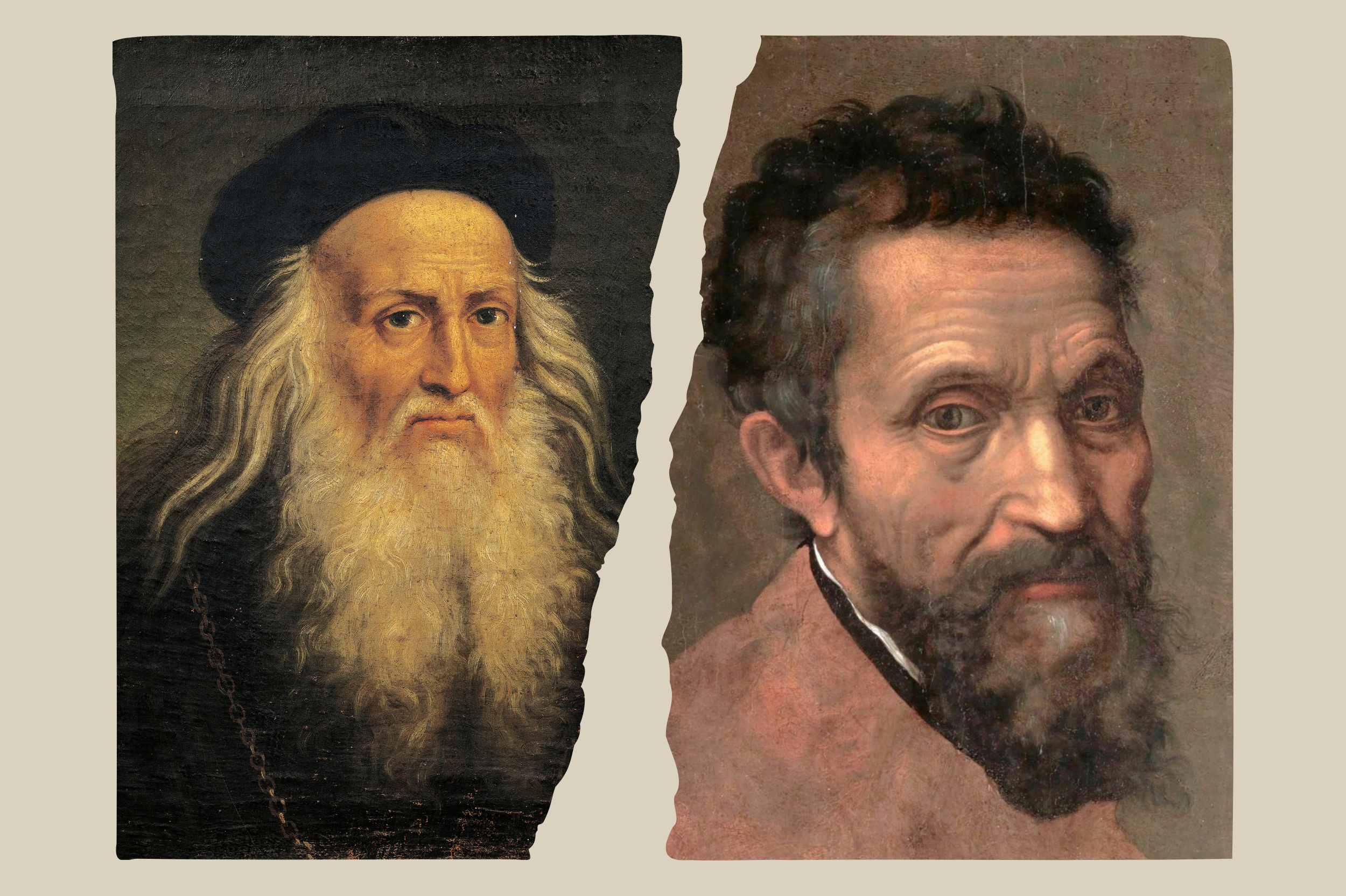
Leonardo da Vinci and Michelangelo, two of history's most celebrated artists, had a well-documented rivalry rooted in competition for commissions, class differences, and artistic disagreements. Their first known encounter occurred when Leonardo served on a committee deciding the placement of Michelangelo's *David* (1501), where Leonardo reportedly mocked the sculpture by sketching it as the sea god Neptune. Their rivalry escalated when both were commissioned to paint opposing murals in Florence's Salone dei Cinquecento—Leonardo's *Battle of Anghiari* and Michelangelo's *Battle of Cascina*—neither of which was completed. The artists traded insults over the years, with Michelangelo criticizing Leonardo's view of sculpture as inferior to painting, and Leonardo deriding Michelangelo's muscular figures as resembling "a bag of walnuts."

ArtReview Podcast | Episode 7: Zineb Sedira

The ArtReview Podcast episode 7 features artist and photographer Zineb Sedira in conversation with digital editor Alexander Leissle. Sedira discusses Algerian cinema, the Scopitone, and her new Tate Britain Commission titled "When Words Fall Silent, Cinema Speaks," a site-specific installation in the Duveen Galleries open until January 2027. The episode explores three works chosen by Sedira, including Agnès Varda's "Salut les Cubains" (1963) and William Klein's "The Pan-African Festival of Algiers" (1969), as lenses into her practice and themes of displacement, identity, and cinema as a tool of resistance.

Inside Mirna Bamieh’s Edible Meditations on Borders and Belonging

The article profiles artist Mirna Bamieh and her unique artistic practice that uses food as a medium to explore themes of borders, displacement, and belonging. Bamieh creates edible installations and participatory performances that engage audiences in sensory experiences tied to Palestinian identity and the politics of land.

Josh Kline Misses the Mark

Critic Aruna D’Souza responds to a viral essay by artist Josh Kline regarding the extreme financial pressures of living and working in New York City. While Kline suggests that artists should abandon the city due to the affordability crisis, D’Souza argues that leaving is not a viable long-term solution and calls for a more proactive approach to systemic change within the urban art ecosystem.

Social Malpractice in the Age of Cultural Compliance

Artist Ed Woodham reflects on the evolution and co-option of socially engaged art, using his own projects like 'The Keepers' protests and the Art in Odd Places initiative as examples. He describes a troubling trend where the language and strategies of social practice art, once used to challenge systems, are now being adopted by developers, corporations, and institutions for branding, place-making, and community engagement initiatives that often operate within the very economic structures driving displacement and eroding public space.

severance dieter rams braun vitsoe

The article examines the use of two iconic minimalist designs—the Vitsœ 620 chair and a Braun wall-mounted hi-fi system—in the Apple TV+ series *Severance*. Both objects were designed by German industrial designer Dieter Rams in the 1960s and appear in the show's dystopian corporate setting, specifically in the lower levels of Lumon Industries where experimental subject Gemma undergoes tests. The production team intentionally selected these pieces to convey themes of power, control, and commerce.

bint mbareh sound art palestinian resistance

Bint Mbareh, a Palestinian sound artist and stage name assumed around 2019, creates installations and performances that use water and sound as metaphors for Palestinian experience. Growing up in Ramallah and later studying at Goldsmiths in London, she learned geographically specific Palestinian rain-summoning songs, which she twists and destabilizes using digital technology in works like *Time Flows in All Directions: Water Flows Through Me* (2020). After October 7, 2023, she expanded her practice to include a “choir” of collaborators performing collective grief, with appearances at an Artists for Aid benefit concert in London and at Tate Modern. Recent installation works such as *Bodies of Knowledge* (Royal College of Art) and *What’s Left?* (Sharjah Biennial) incorporate water tanks vibrated by sound, evoking both childhood and displacement.

design stella ishii new york interiors

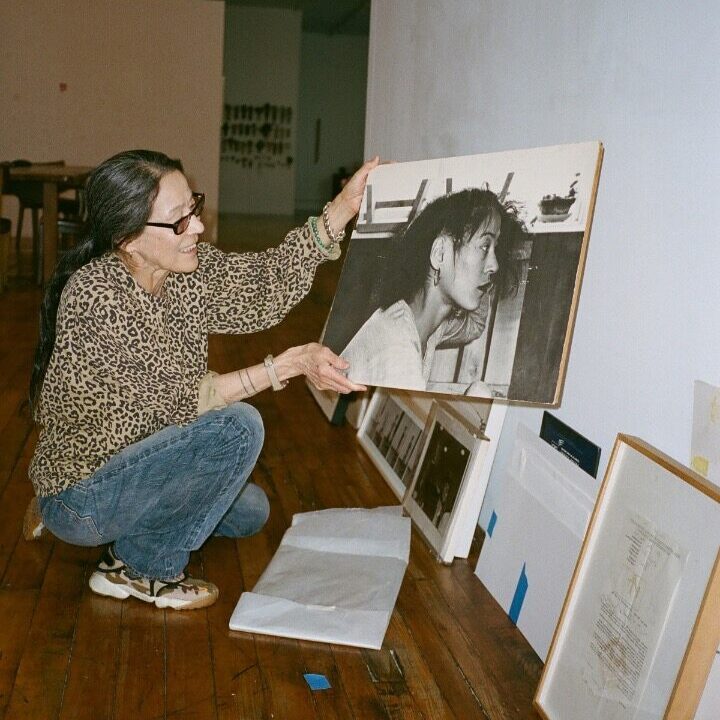
Designer Stella Ishii, co-owner of fashion showroom the NEWS and founder of label 6397, discusses her SoHo loft and the neighborhood's artistic legacy in an interview with curator Clarissa Dalrymple. Ishii, who moved from Japan to New York in the 1990s after working with Comme des Garçons founder Rei Kawakubo, bought a 3,000-square-foot cast-iron loft with her artist husband Jerry Kamitaki in 1997, preserving a rare artist-priced property in a rapidly gentrifying area. The conversation touches on SoHo's transformation from an artist haven—home to figures like Gordon Matta-Clark, Donald Judd, Joan Jonas, and gallerist Paula Cooper—to a commercial district, as well as Ishii's collecting habits and the loft's role as a creative space for performances and guests.

vanity fair nuzzi unreleased portrait scandal

Vanity Fair has commissioned and will publish an abstract nude portrait of journalist Olivia Nuzzi, titled "How to Disappear," by artist Isabelle Brourman, in its Dec. 2 Hollywood Issue. The painting, which depicts Nuzzi nude with Americana symbols swirling around her, was created after the two met during Donald Trump's criminal trial and will also be exhibited at Art Basel Miami Beach as part of Jeffery Deitch's presentation "The Great American Nude."

What Hans Memling's Last Judgment Still Tells Us

Was uns Hans Memlings Jüngstes Gericht noch sagt

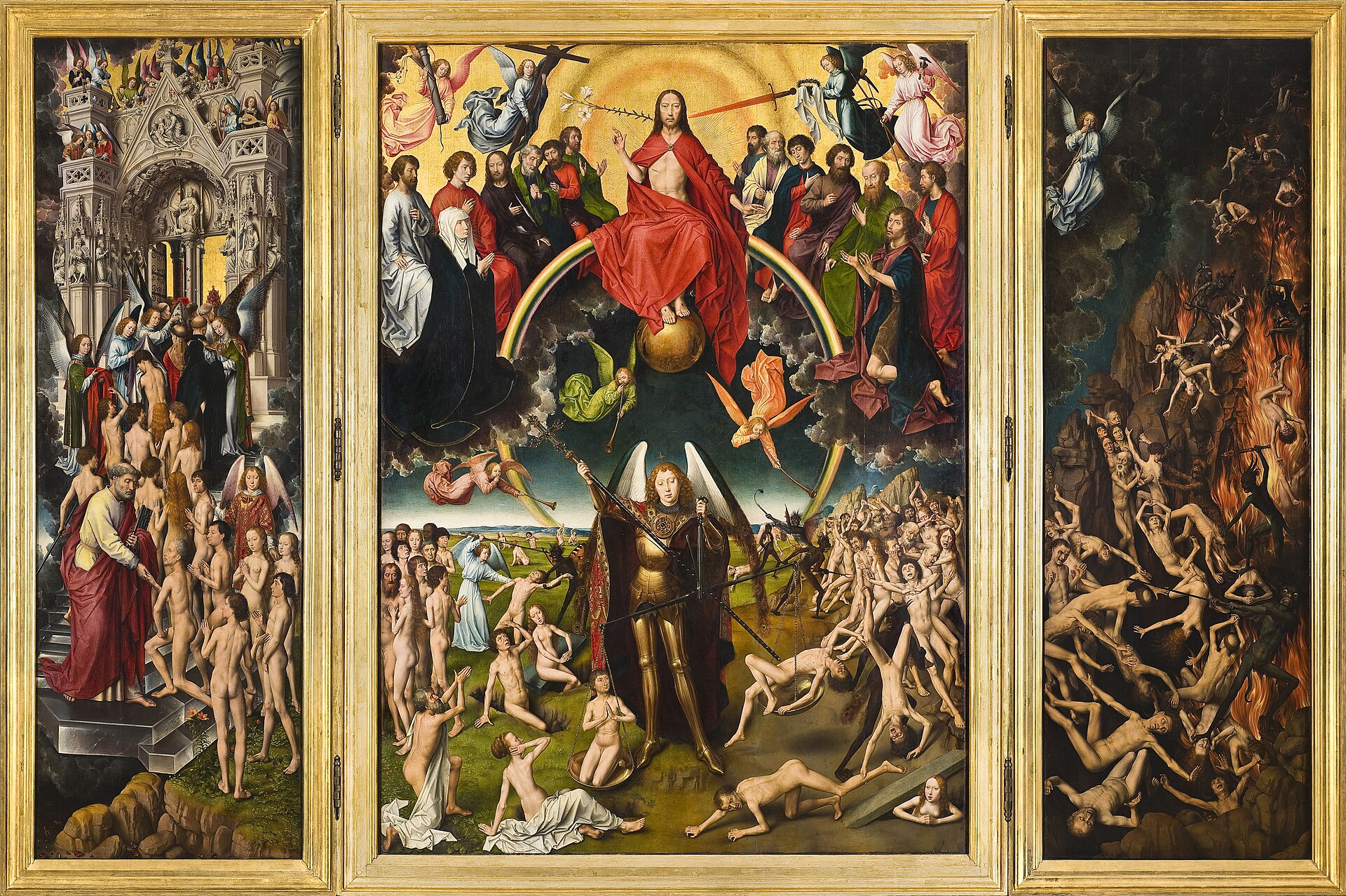
Hans Memling's 15th-century triptych "The Last Judgment" is currently undergoing restoration at the National Museum in Gdańsk, Poland, and is expected to be off view until the end of the year. The artwork, painted before 1465, has a dramatic provenance, having been captured at sea by a privateer en route from Bruges to Florence and eventually finding a permanent home in Gdańsk after various displacements.

Flying Back With the Birds to My Hometown of Tehran

The author, an Iranian artist living in the diaspora, describes the profound psychological impact of the ongoing war on her homeland. She experiences a constant state of displacement and terror, feeling tethered to Tehran through news of bombings in the Alborz Mountains, which transforms her sense of geography and home into one of anxiety and helplessness.

Galle Facing

Colombo’s skyline has undergone a radical transformation into a forest of glass and steel towers, epitomized by projects like the Lotus Tower and Port City. This rapid urbanization, driven by a state ambition to create a 'world-class city' following decades of civil war, has resulted in the displacement of local neighborhoods and the burial of historical layers under new infrastructure.

Artists Grapple With Cesar Chávez’s Legacy After Abuse Allegations

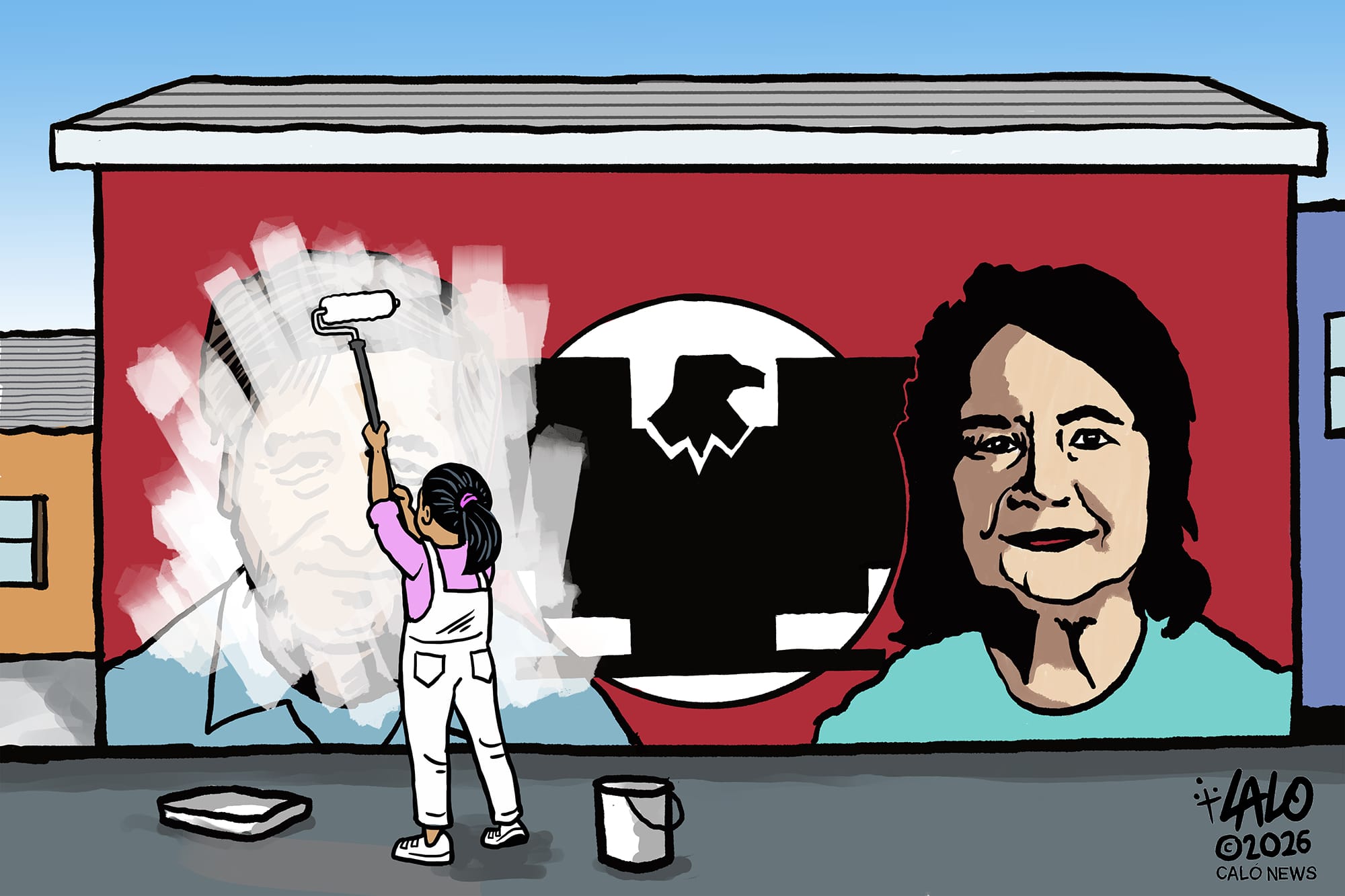
Latine artists and cultural institutions across California are confronting the legacy of labor leader Cesar Chávez following allegations of his sexual abuse. Murals are being removed or replaced, artists are withdrawing work featuring him, and institutions are canceling events, as the community processes a profound collective trauma tied to a figure central to their identity and activism.

New book explores the complex history of Jewish country houses

A new book titled *Jewish Country Houses*, edited by Juliet Carey and Abigail Green, explores the history of approximately 1,000 country estates built or remodeled by wealthy Jewish families across Great Britain and Continental Europe from the French Revolution until World War II. These houses, such as Waddesdon Manor and Château de Champs-sur-Marne, served as symbols of social arrival and assimilation, blending eclectic architectural styles with art collections from European auction houses. The volume, published by Profile and Brandeis University Press in association with the National Trust, features contributions from an international team of historians and curators, with photographs by Hélène Binet, and includes case studies of a dozen houses now open to the public.

secret mall apartment documentary mall artists netflix

The 2024 documentary film "Secret Mall Apartment," directed by Jeremy Workman, was released on Netflix on Friday. The film recounts the true story of artist Michael Townsend and seven others, many of them former students from the Rhode Island School of Design, who secretly built and lived in a hidden apartment inside the Providence Place mall from 2003 to 2007 as a protest against gentrification and consumer culture. The group was discovered in 2007, and Townsend was charged with trespassing, receiving probation and a lifetime ban from the mall. Originally released in theaters in March 2024, the documentary had been available on Amazon Prime Video and Apple TV before its Netflix debut.

bayeux tapestry 93 penises offer clues

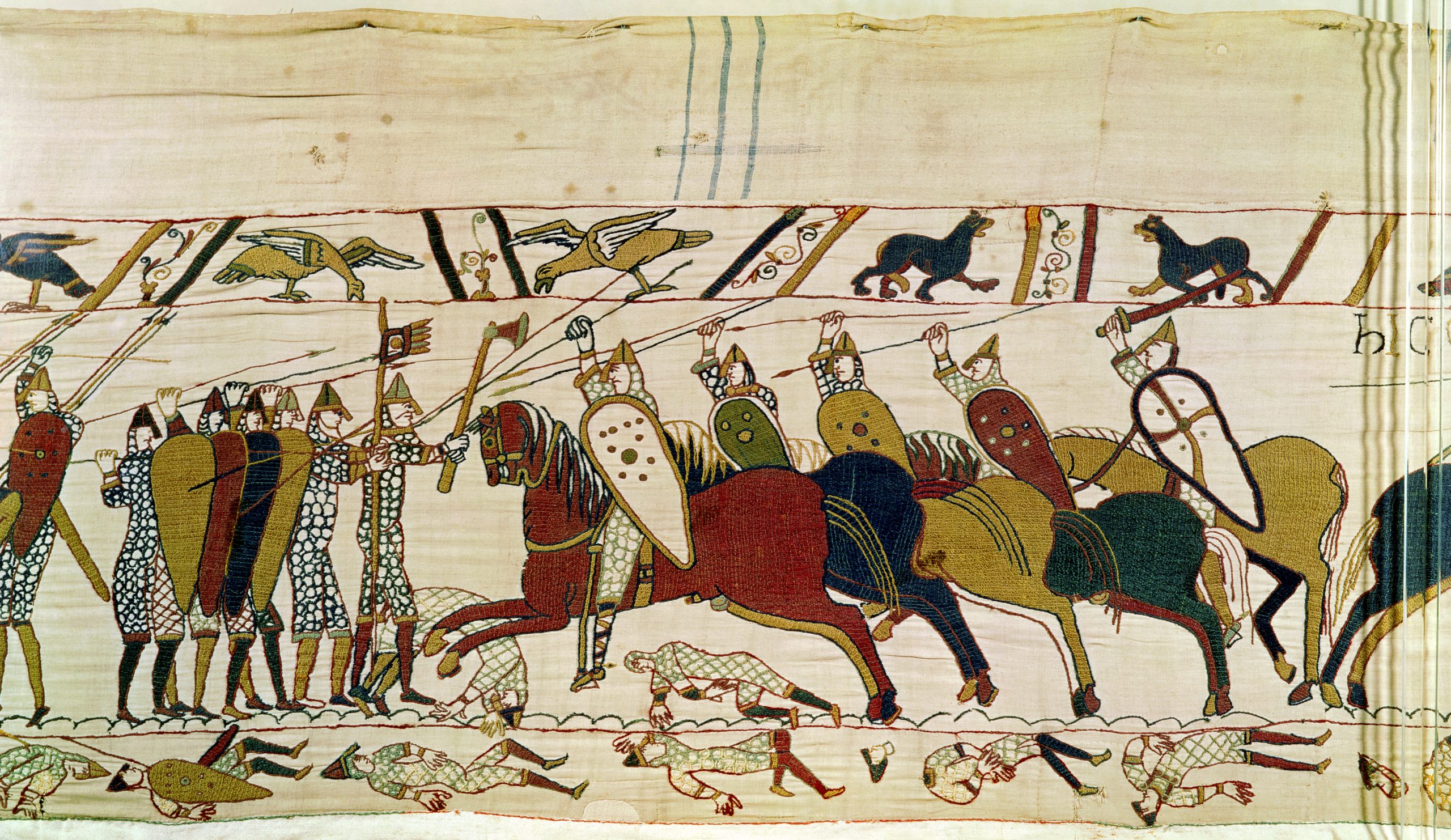
The article examines historian George Garnett's analysis of the 93 penises depicted in the Bayeux Tapestry, a 225-foot-long embroidery chronicling the Norman conquest of England in 1066. Garnett, a professor of Medieval history at Oxford University, argues that the size and placement of these genitalia—88 on horses and five on men—offer clues about the tapestry's meaning. He notes that the largest equine phallus belongs to Duke William's stallion, followed by those of Harold Godwinson and Odo of Bayeux, suggesting a hierarchy of importance. More significantly, Garnett interprets four penises attached to men in the tapestry's border as references to Aesop's fables, indicating themes of deceit, shame, and illicit sex, which he believes challenge the traditional attribution of the tapestry's commission to Odo of Bayeux.

huge olmec heads mesoamerica

A farmer in southern Mexico discovered the first Olmec head in the late 1850s while clearing land for corn cultivation. Since then, 17 colossal stone heads have been unearthed, primarily at the San Lorenzo Tenochtitlan archaeological site in Veracruz. Carved by the Olmec civilization between 1200 and 400 B.C.E., these basalt monuments range from 3.5 to 11.5 feet tall and weigh up to 45 tons. Each head features unique facial expressions and is thought to depict individual Olmec rulers, possibly serving as funerary monuments. The heads are now held by institutions such as the National Museum of Anthropology in Mexico City and the Xalapa Museum of Anthropology.

The diaries of Czech photographer Josef Koudelka — ‘home doesn’t exist’

The Financial Times Visual Arts section publishes an article offering a compelling insight into the mind and process of Czech photographer Josef Koudelka, who documented the plight of people living on the edge of European society. The piece focuses on his diaries, revealing his personal reflections and artistic journey.

Is Art Dying Along With Work?

Stirbt die Kunst mit der Arbeit?

The rapid advancement of artificial intelligence raises a fundamental paradox for the future of creativity: while automation could theoretically free humans from labor to pursue artistic endeavors, it simultaneously threatens the economic foundations of the art world. If AI-driven job displacement leads to a widespread loss of disposable income, the commercial market that sustains professional artists could effectively collapse.

For Some Immigrant Artists, This Is No Time to Retreat

The New York Times article profiles several immigrant artists in the United States who are responding to heightened anti-immigrant rhetoric and policy changes by doubling down on their creative practices and public engagement. Rather than retreating, these artists are using their work to assert their presence, explore themes of displacement and belonging, and challenge xenophobic narratives. The piece highlights specific artists and their recent projects, exhibitions, and statements that directly confront the current political climate.

Ukrainian Children’s Artwork Shared with Whippany Community Documentary Screening

A documentary screening in Whippany, New Jersey, featured artwork created by Ukrainian children affected by the ongoing war. The event, organized by local community groups, aimed to share these personal expressions of trauma and resilience with an American audience, fostering cross-cultural understanding and highlighting the human impact of the conflict. The artwork served as a poignant centerpiece, transforming the children's experiences of displacement and fear into a visual dialogue accessible to the Whippany community.

In Her 90s, a Painter Finally Confronts Her Nazi Trauma

The New York Times profiles a painter in her 90s who has finally begun to address the trauma she experienced during the Nazi era through her artwork. The article details how she survived persecution and displacement as a child under Nazi rule, and how for decades she avoided directly depicting those experiences in her paintings. Now, late in life, she is creating works that confront her past, using art as a means of processing long-suppressed memories and emotions.