filter_list Showing 4 results for "Recurso" close Clear
search
dashboard All 53 museum exhibitions 36article news 5trending_up market 4article culture 4article local 2candle obituary 1person people 1
date_range Range Today This Week This Month All
Subscribe

hieronymus bosch garden of earthly delights why important

The article examines Hieronymus Bosch's masterpiece "The Garden of Earthly Delights" (c. 1490–1510), explaining that while modern viewers often call it surreal, the term is an anachronism; the painting reflects a medieval worldview where damnation and divine order were accepted realities. It describes the triptych's structure, its likely commission by Engelbert II, Count of Nassau, and its narrative flow from grisaille exterior to vivid interior panels depicting Eden and hell. The piece also notes how 20th-century Surrealists like André Breton and Salvador Dalí claimed Bosch as a precursor, with Dalí directly borrowing motifs from the painting.
who was joan shogren computer art

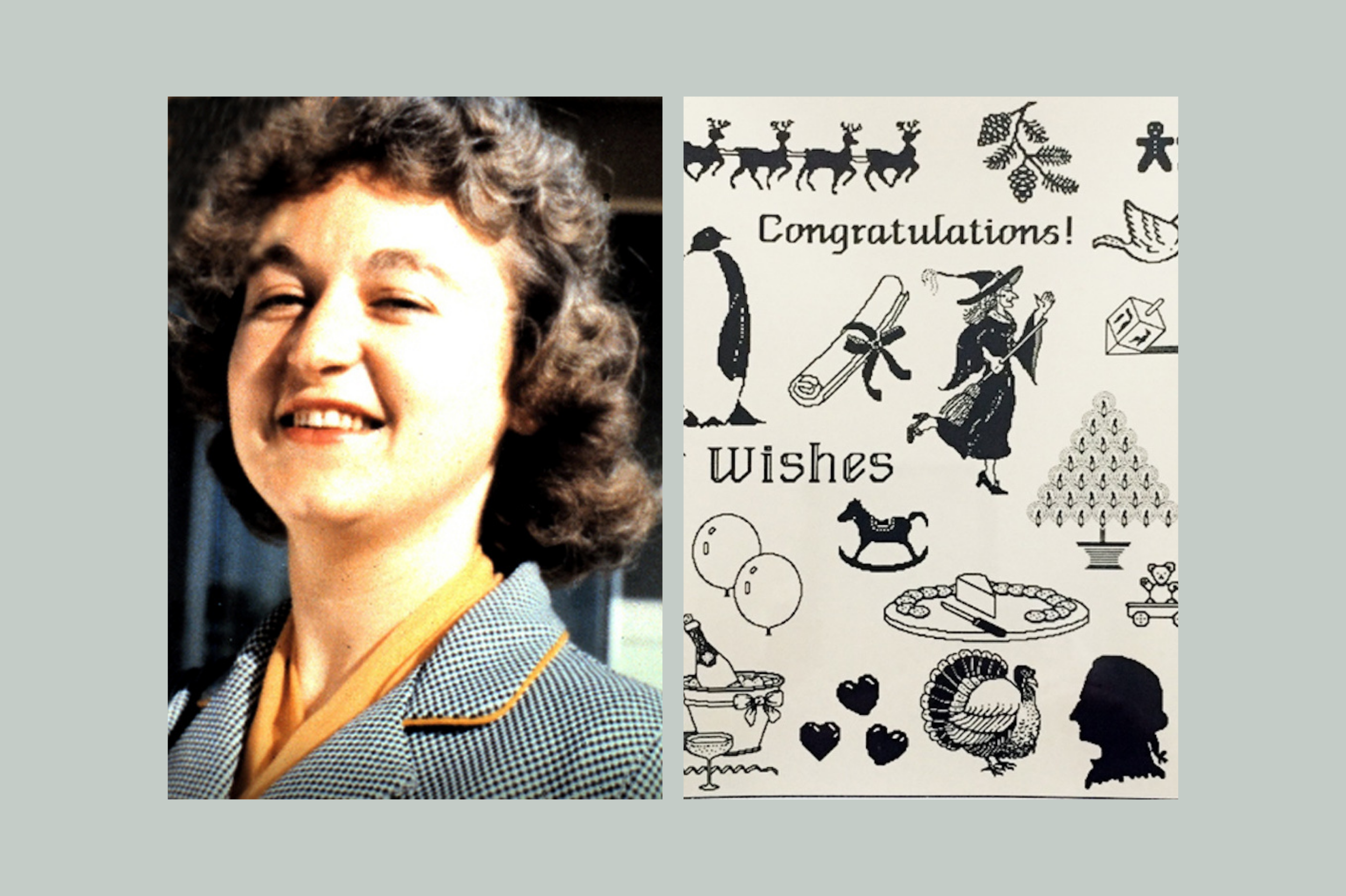
Joan Shogren, a chemistry graduate from San José State University (SJSU) in the early 1950s, created some of the world's first computer-generated art in 1963 while working as a secretary in the chemistry department. Collaborating with graduate student Jim Larson and assistant professor Ralph Fessenden, she developed a theory that computers could create art if given "rules" of proportion, balance, and center of interest. Fessenden translated her "laws of art" into code on an IBM 1620 computer, producing artworks that were printed as number arrays and later hand-colored by artist Marvin Coon. Shogren exhibited these works in May 1963 at the campus bookstore, recognized as the first public display of computer art. Two decades later, she was commissioned by software company T/Maker to create the first clip art, "ClickArt," released in 1984 for Macintosh computers, designed pixel by pixel.

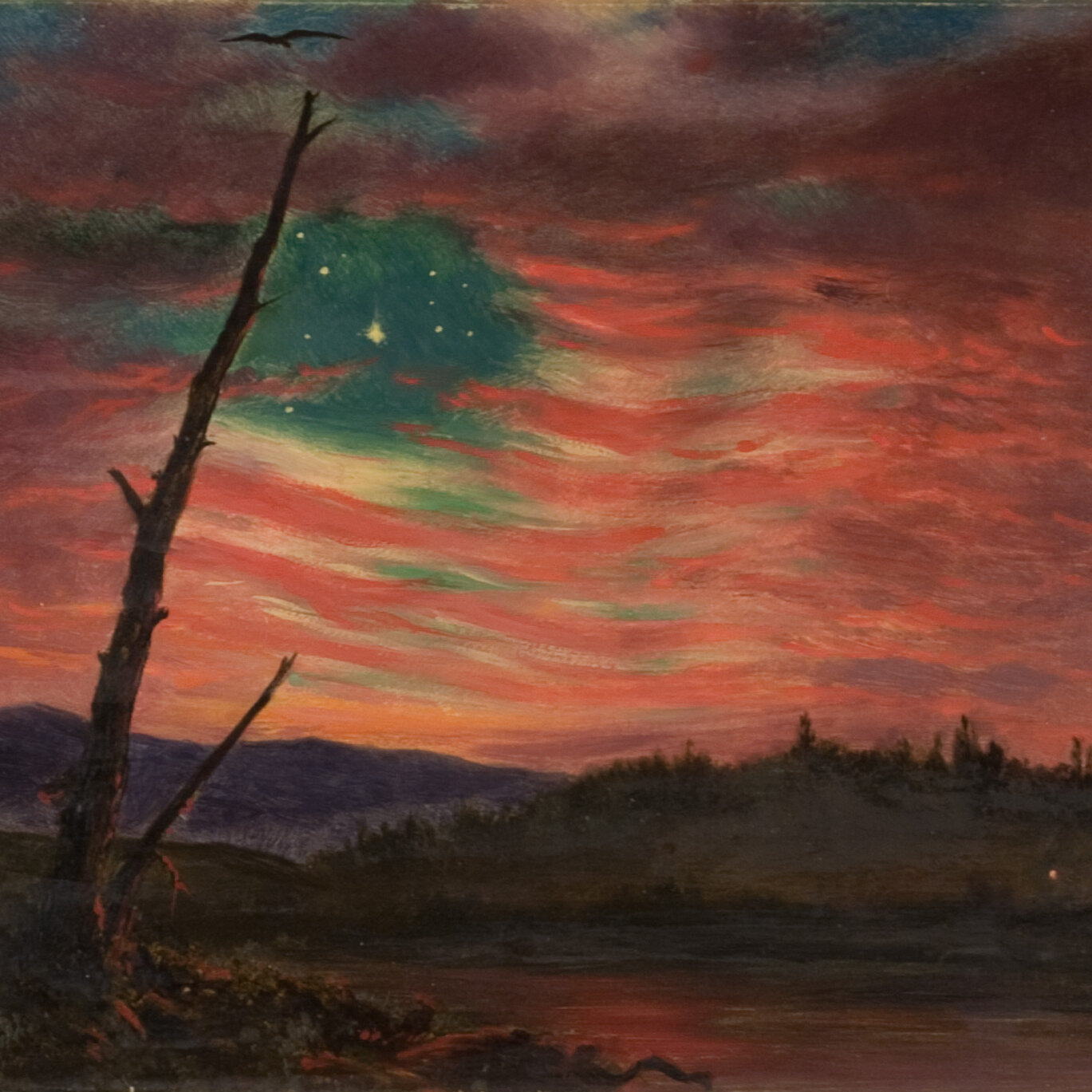
Honoring Frederic Church: Beyond the Hudson River School

Art historians and curators are re-evaluating the legacy of Frederic Church, arguing that his contributions extend far beyond his traditional classification as a Hudson River School landscape painter. New research highlights his sophisticated engagement with 19th-century science, his architectural achievements at his estate, Olana, and his role as a global traveler who captured the spirit of the Andes and the Arctic.

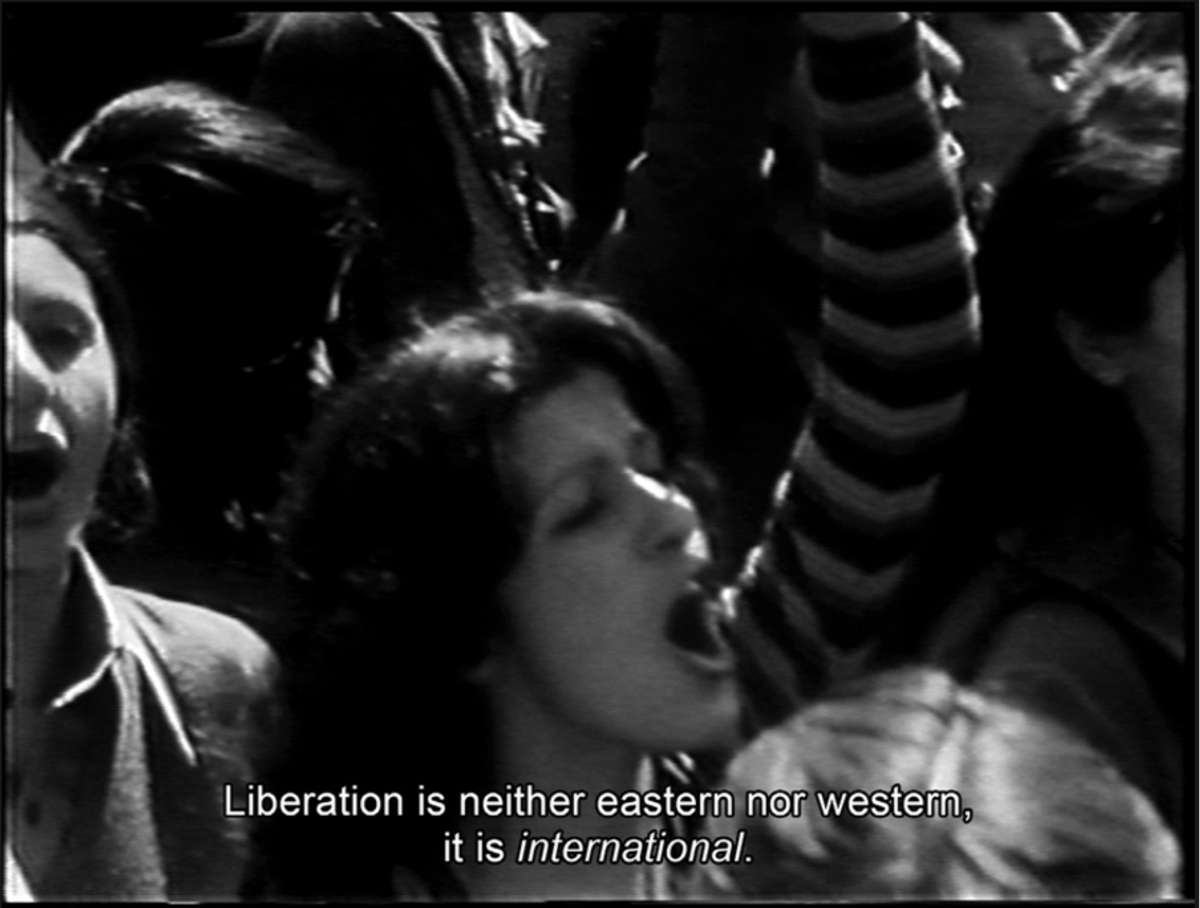
“Those Who Tell You What to Wear Today Will Tell You What to Think Tomorrow”: Revisiting International Women’s Day 1979 in Iran

The article revisits the six-day nationwide women's protests in Iran that began on International Women's Day, March 8, 1979. Thousands of women marched in Tehran and other major cities in response to Ayatollah Ruhollah Khomeini's declaration mandating the hijab in public ministries, marking the first mass organized resistance against the compulsory hijab and the rising Islamic Republic.