filter_list Showing 138 results for "Spaces" close Clear
search
dashboard All 2107 museum exhibitions 953article local 616article news 180article culture 138trending_up market 69person people 62article policy 49rate_review review 19candle obituary 17article gallery 1article event 1gavel restitution 1article architecture 1
date_range Range Today This Week This Month All
Subscribe

8 standout art books to gift and keep this season

The article highlights eight standout art books recommended for gifting this season, covering a range of topics from architectural deep dives and contemporary art to fashion histories and experimental catalogs. Featured titles include "All of Us Stars: Bobby Busnach," a photo book capturing the gritty glamour of 1970s Upper West Side nightlife, and "Christopher Wool: See Stop Run," an exhibition catalog documenting Wool's unconventional 2024 show in a Manhattan office tower. Other books span monographs, boundary-pushing catalogs, and fashion histories, each offering unique perspectives on visual culture.
My toddler threw a toy pig at an artwork – and inspired this guide for small kids in galleries

A journalist recounts a stressful visit to the Royal Academy with her toddler, where a toy pig was thrown toward a Kerry James Marshall painting. This incident serves as the catalyst for a new series exploring the compatibility of small children and art galleries, addressing the anxieties parents face regarding museum etiquette, accessibility, and the fear of damaging artworks.

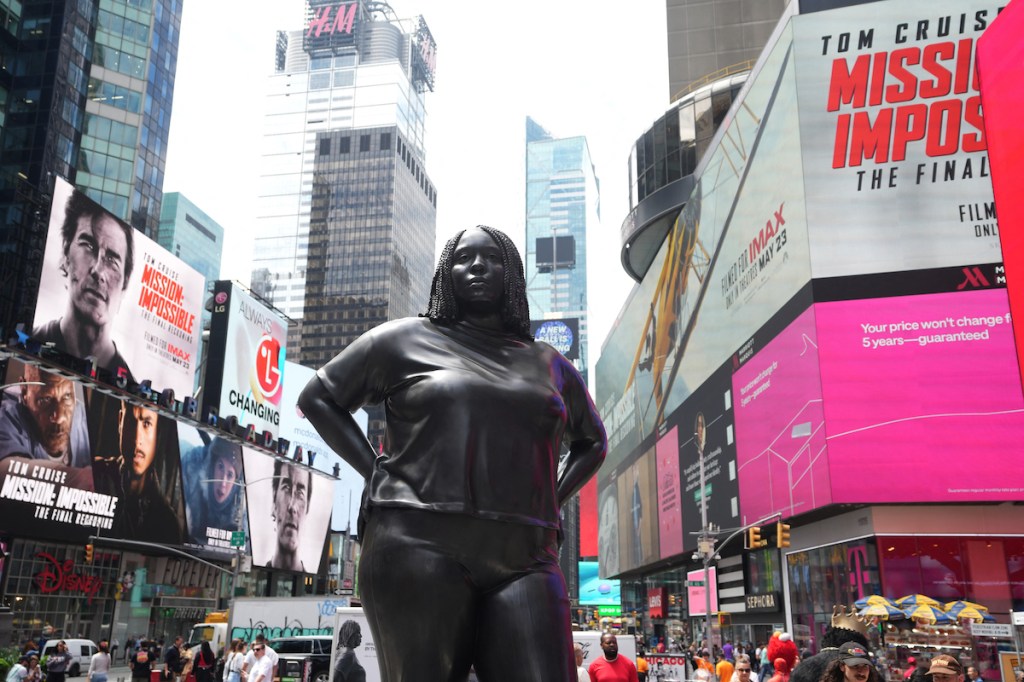
times square statue thomas j price statue debate

A 12-foot-tall bronze statue of a Black woman by British sculptor Thomas J. Price, titled *Grounded in the Stars* (2023), has been installed in Times Square, sparking a polarized public reaction. Online, conservative commentators and social media users have labeled the work a sign of a "very sick society" and a "death of civilization," with racist AI-generated and Photoshopped images circulating. In person, the sculpture has drawn both affirming responses—such as a Black woman mimicking its defiant pose—and disrespectful acts, including a white man groping the statue's buttocks for a photo. The work, which stands near permanent monuments to white male figures, will be on view until June 17.

new york fashion week artists designers jason wu rauschenberg

During New York Fashion Week, Canadian designer Jason Wu unveiled his latest collection in a Brooklyn Navy Yard warehouse, but the runway show was preceded by a ten-piece installation of screen prints by American artist Robert Rauschenberg, on loan from the Rauschenberg Foundation. Wu spent months researching the artist's archive, focusing on the little-studied Hoarfrost series, and incorporated image transfers from 1970s newspapers and magazines into his garments. The show also featured other designer-art crossovers, including Proenza Schouler's debut under Rachel Scott at Olney Gleason gallery and Ashlynn Park's presentation at the International Center of Photography alongside works by Iranian artist Sheida Soleimani.

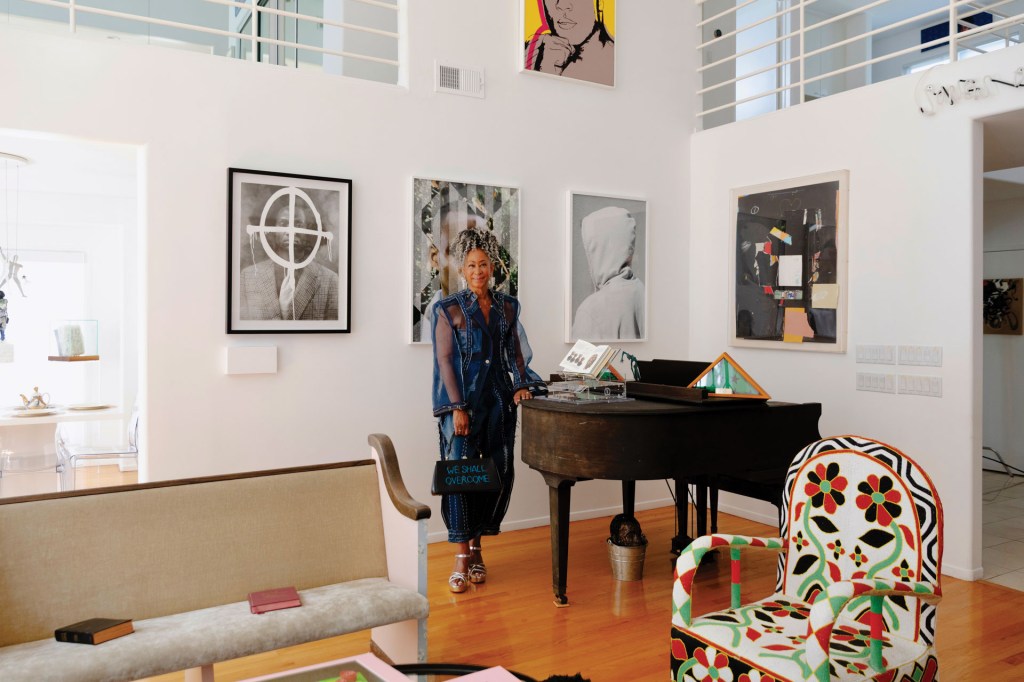
v joy simmons collection tour baldwin hills home

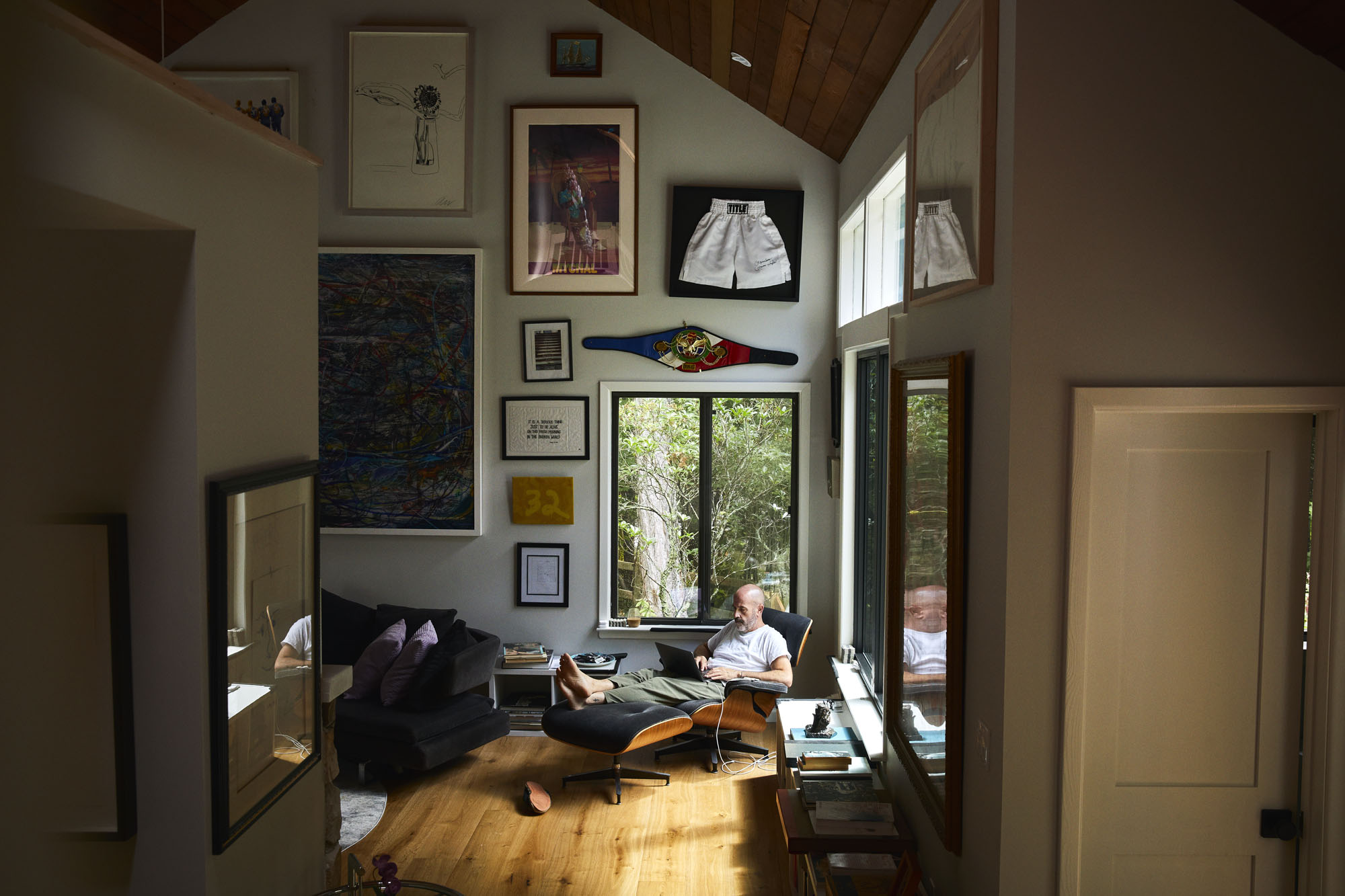
V. Joy Simmons, a Los Angeles-based physician and longtime art collector, opened her Baldwin Hills home to ARTnews for a tour of her extensive collection. The house features over 150 objects, including stained-glass windows by Varnette Honeywood and Joyce Dudnick, a site-specific column installation by Lauren Halsey, and works by Elizabeth Catlett, Romare Bearden, Kerry James Marshall, Mark Bradford, Kehinde Wiley, and Carrie Mae Weems, among many others. Simmons began collecting in the 1970s with a $50 lithograph by Catlett and has since built a collection that spans generations of Black artists, often juxtaposing older and younger artists in her displays.

On Curating Carnage

On Curating Carnage

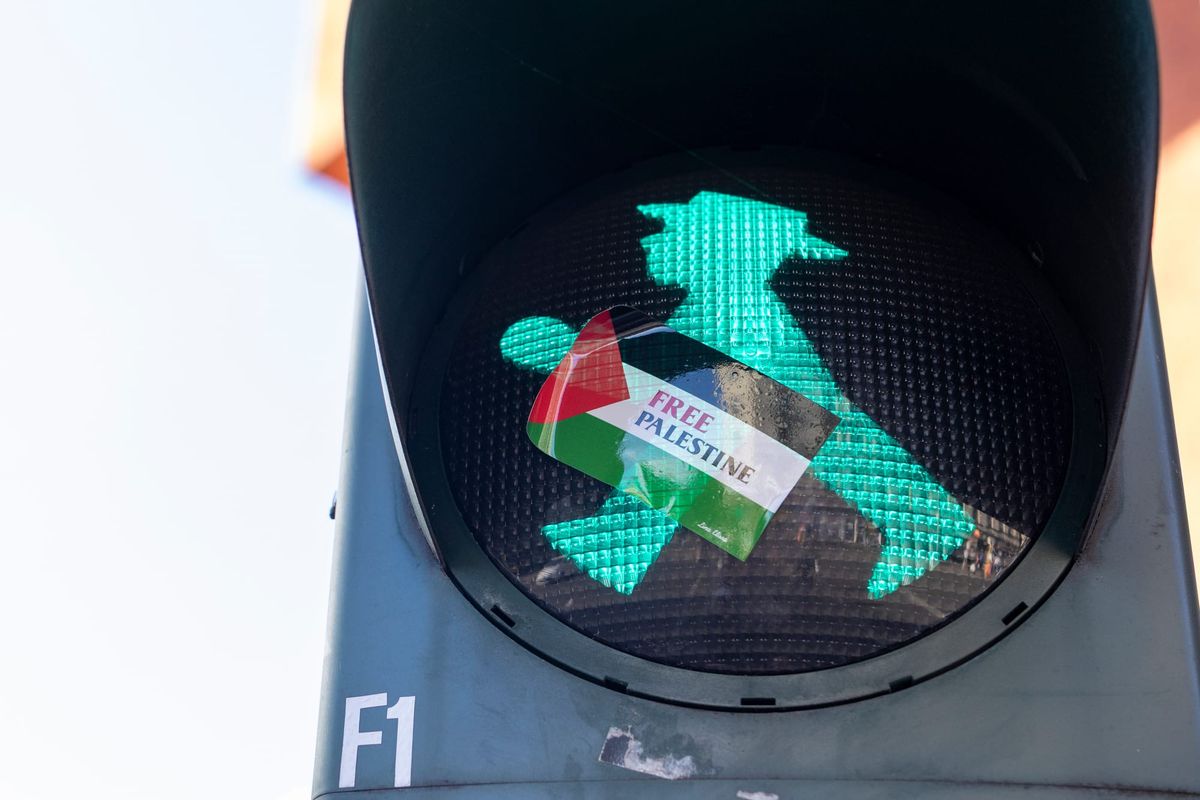
The Berlin-based art journal *OnCurating* published a September 2025 issue titled "Let’s Talk About… Anti-Democratic, Anti-Queer, Misogynist, Antisemitic, Right-Wing Spaces and Their Counter-Movements." The article critiques this publication, arguing it uses the language of feminism, anti-racism, and anti-Semitism as a political tool to unconditionally support Israel and demonize the Palestinian cause, thereby aligning with German state policy and a specific strain of leftist thought known as Antideutsch.

todd von ammon grids galleries fairs column

Todd von Ammon, a young gallerist, critiques the contemporary art market's over-reliance on art fairs and the homogenization of gallery spaces into a sterile, grid-like system. He contrasts this with the lost charm of discovering hidden, architecturally unique galleries in labyrinthine neighborhoods, which he argues fosters a sense of urban belonging and agency for collectors and art workers. The article traces the shift from the rabbit warrens of SoHo to the dense Chelsea gallery district and the rise of the modern art fair, epitomized by Art Basel's expansion to Miami Beach in 2002, which he likens to a pyramid scheme that burdens young galleries with high costs for minimal returns.

artists studios google street view part 2

Artnet News continues its exploration of famous artists' studios via Google Maps Street View, featuring nine historic homes and workspaces. Among them are Max Liebermann's lakeside Berlin villa, now a memorial museum; the modernist compound of Diego Rivera and Frida Kahlo in Mexico City, designed by Juan O'Gorman; Dora Gordine's eclectic Dorich House in South London; and Ben Nicholson's studio in the historic Porthmeor Studios building in Cornwall, which once housed Francis Bacon and other artists. Each entry includes the location, historical context, and an interesting fact about the site.

We are in danger of losing our sense of community

"Wir drohen das Gespür für die Gemeinschaft zu verlieren"

Christophe Cherix, the new director of the Museum of Modern Art in New York, discusses his first months in the role, emphasizing museums as "safe social places" in an era of anxiety and screen-induced isolation. He advocates for collective vision-building with staff and defends the MoMA's independence against political pressure in Trump-era America. Separately, critic Paco Barragán argues in The Observer that biennials are in a structural crisis of repetition, tracing their history from instruments of national soft power to a "Global Neo-Liberal Biennial" system that co-opts diversity without changing its core logic. He introduces the concept of the "vibe-ennial," where discourse is replaced by atmosphere and critique by affect. Meanwhile, longtime Bonn museum director Stephan Berg critiques the boom in immersive art experiences like "Van Gogh – The Immersive Experience," calling them a "surrogate reality" tailored to the Instagram age that destroys the integrity of original works. Artforum reconstructs late-1960s debates on art criticism, focusing on Barbara Rose's challenge to formalists like Clement Greenberg and Rosalind Krauss, arguing that art must engage with societal conflicts such as Black Power and war resistance.

design amalia ulman home

Artist Amalia Ulman shares a personal inventory of 44 objects from her home, ranging from a pigeon-shaped oven mitt and a 1920s Austrian bronze cat figurine to a telephone-shaped lamp bought from a subway vendor and a graphite portrait of her late dog Holga. The list includes quirky functional items like a cane that turns into a stool, a wooden chair that transforms into a ladder, and sentimental keepsakes such as a red pompom from Holga's casket and a bag of gravel from the dog park. The objects reflect her daily life, travels, and memories, blending humor with melancholy.

design inspiration summer interiors collecting

Cultured magazine's article "design inspiration summer interiors collecting" presents five distinct stories exploring the intersection of art, design, and collecting within private homes and studios. It profiles designer John Gachot's Shelter Island studio where his paintings coexist with his father Richard Gachot's sculptures; the Montauk home-workshop of Roman & Williams founders Stephen Alesch and Robin Standefer; artist David Salle's Hamptons residence and his approach to selecting artworks; real estate investor Carl Gambino's art collection featuring emerging and established artists; and author James Frey's personal collection, which he began by purchasing a Picasso with cash.

clara wu tsai new york liberty basketball

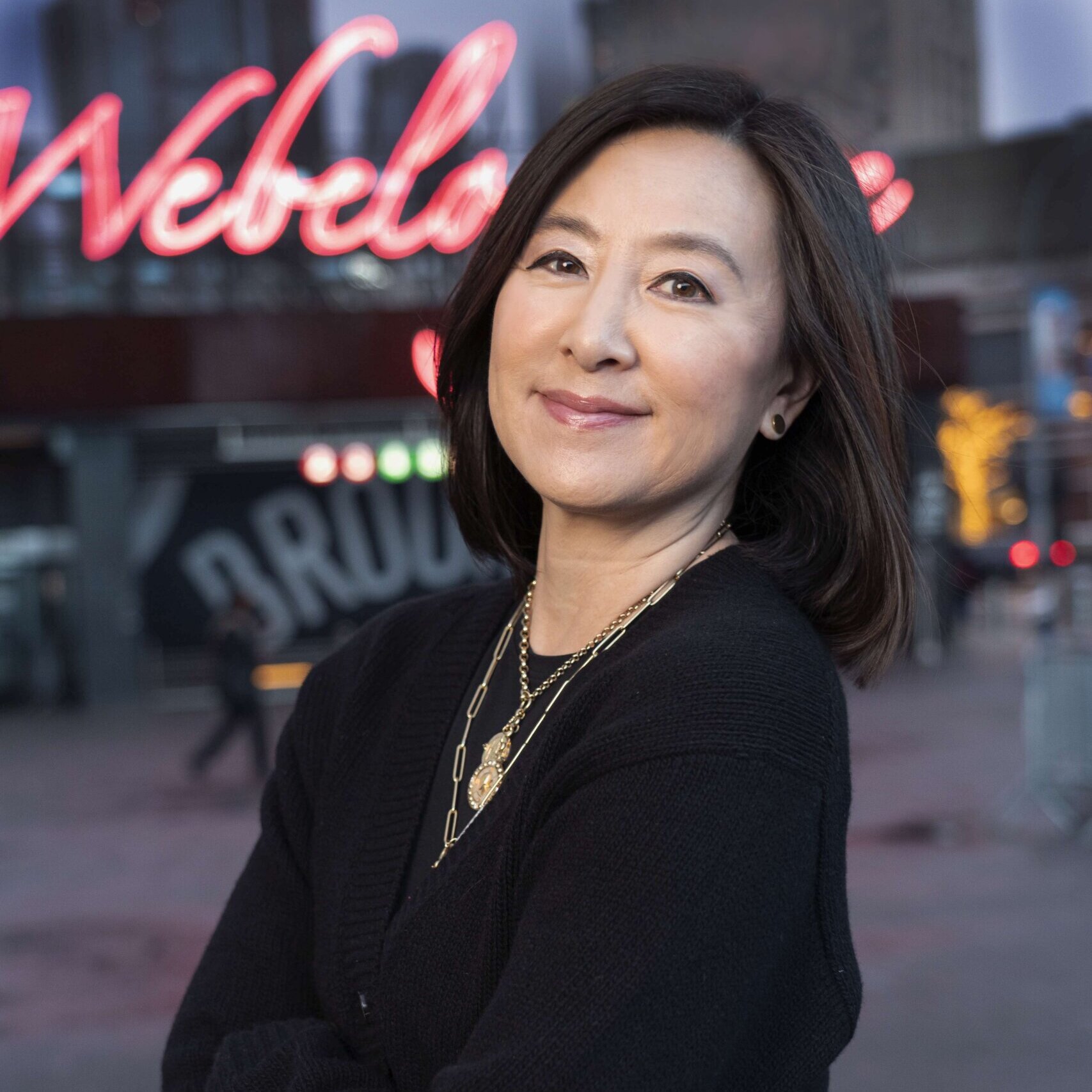
Clara Wu Tsai, co-owner of the Brooklyn Nets, Barclays Center, and the New York Liberty, has commissioned artist LaToya Ruby Frazier to create her first public artwork, "The Liberty Portraits: A Monument to the 2024 Champions" (2024-2025). The project features nine-foot-tall portraits of each player on the Liberty’s 2024 championship-winning roster, with one side showing the player in uniform and the reverse depicting them with their chosen family. Wu Tsai, a noted collector, has also worked with artists Sarah Sze and Rashid Johnson to develop ambitious art for the Brooklyn stadium, and her Social Justice Fund has supported public art installations like Tavares Strachan's neon piece "We Belong Here."

After dinosaurs, it’s spot the dog! But can a child really learn anything in a gallery?

Neil Osborne and his three-year-old daughter Daisy visit the National Museum Cardiff (NMC), where they explore both dinosaur exhibits and art galleries. Daisy, like many toddlers, engages with paintings by describing what she sees—calling a JMW Turner seascape "a fish." The article follows the author as she investigates whether children under five can learn from art in museums, speaking with parents and Catrin Rowlands, head of learning at NMC. NMC is one of 15 UK museums participating in Mini Wonders, a fully funded program by Art Fund and Nesta that offers eight-week courses for families from disadvantaged backgrounds, providing digital cameras and scrapbooks to encourage repeated museum visits and school readiness.

Meet the Gallerists Trading White Cubes for Unconventional Architecture

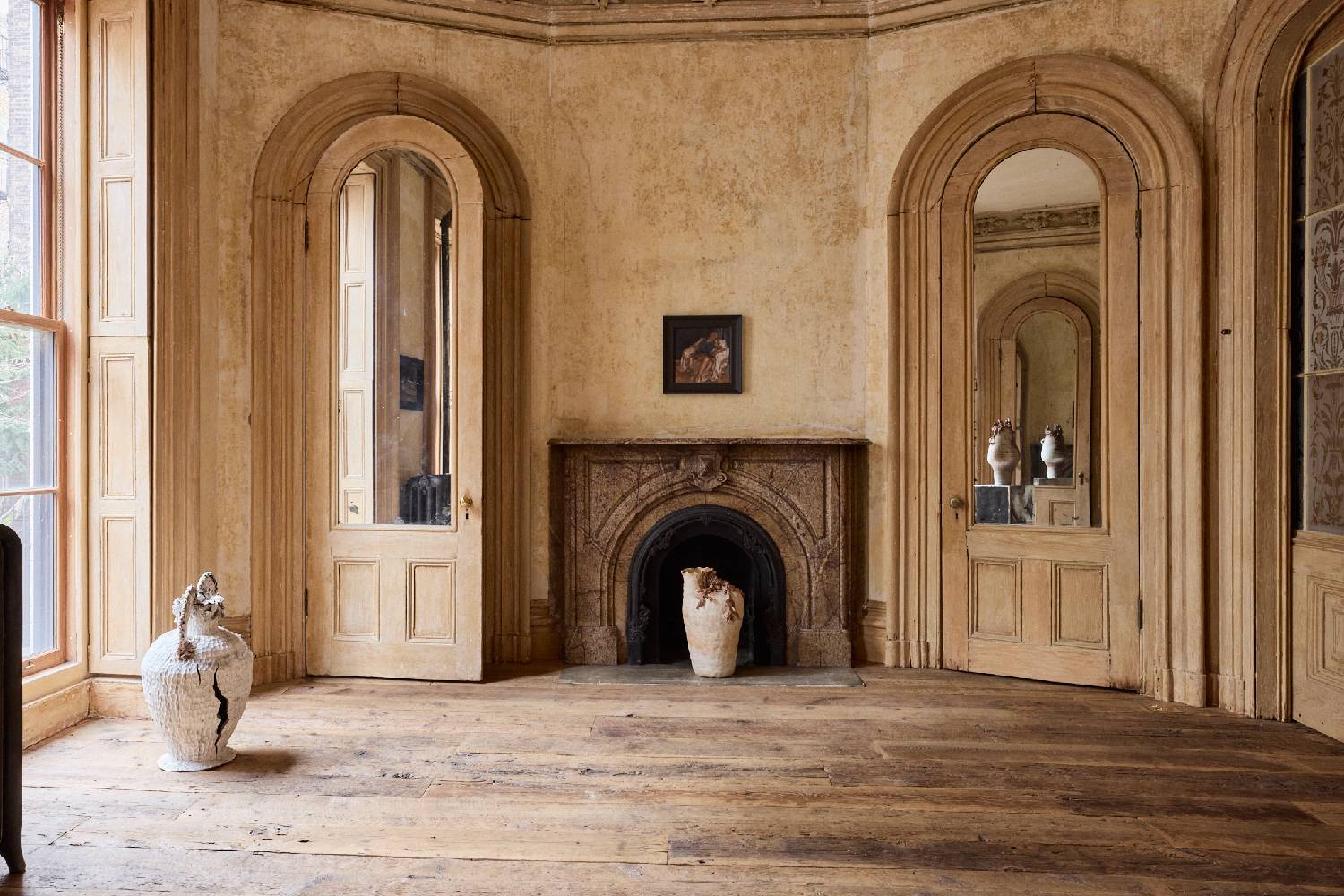
A growing number of gallerists are moving away from the traditional 'white cube' gallery model, opting instead for spaces with unconventional architecture and distinct character. These include locations in repurposed industrial buildings, historic structures, and uniquely designed new constructions that actively shape the visitor's experience of the art.

degas the artist the network tv

A new TV series titled "The Artist" on The Network offers a chaotic, irreverent take on art history, centering on a widow (Janet McTeer) who may have murdered her robber-baron husband. The show features historical figures like Edgar Degas and Thomas Edison, blending campy soap-opera drama with accurate art-historical references, including real artworks by Monet, Manet, Cassatt, and Degas. The final episodes air December 25 on a free ad-sponsored platform created by director Aram Rappaport.

artists business art

Artnet News asked several working artists—Manuel Mathieu, Hanna Salomonsson, Aki Sasamoto, Nigel Hall, Sharmistha Ray, and Miljohn Ruperto—to share the practical and philosophical lessons that sustain their creative practices. Topics include building trust with collaborators, navigating financial uncertainty, setting up shared studio spaces, using recycled materials, maintaining optimism at age 82, reframing rejection, and adapting to the expectation that artists must act as entrepreneurs before their first gallery show.

roberta smith interviews larry gagosian

Roberta Smith, the former New York Times co-chief art critic, interviews Larry Gagosian, the world's most famous art dealer, for Numero magazine. The conversation covers Gagosian's hands-on management of his 18 galleries, his admission of mistakes in closing locations in San Francisco and Geneva, and his view of his galleries as tryout spaces akin to off-Broadway. Gagosian shares anecdotes about his first Picasso purchase at Sotheby's for $900,000 (now worth $40 million), his early shows featuring David Salle and Warhol's Oxidation paintings, and his regret over selling Eli Broad's Basquiat skull painting for $80,000. Smith recalls attending Gagosian's first New York show in the 1970s, and the two reflect on their long, distant acquaintance.

art bites why tilda swinton napped moma

In 2013, visitors to New York's Museum of Modern Art encountered actress Tilda Swinton sleeping in a raised glass box in the lobby, a performance piece titled *The Maybe*. Swinton first performed the work at London's Serpentine Gallery in 1995, developed with Joanna Scanlan, and has reprised it only twice: at Rome's Museo Baracco in 1996 and at MoMA in 2013. The MoMA iteration, curated by Klaus Biesenbach, featured Swinton alone in the glass case for eight hours a day over seven days, without the historical curiosities that accompanied the original Serpentine installation. Swinton has stated in a 2024 interview that she intends to perform *The Maybe* again "when least expected."

lucy dacus singer art museums barnes foundation interview

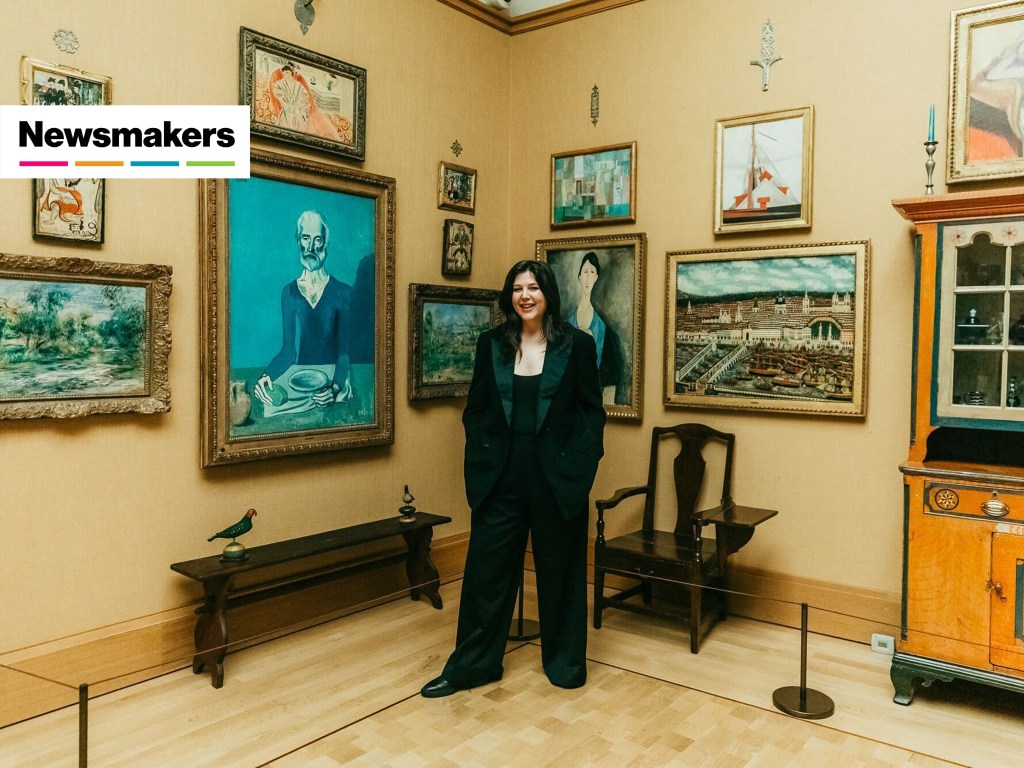
Singer-songwriter Lucy Dacus discusses her new album "Forever Is A Feeling" and its deep connections to visual art, including a cover portrait by artist Will St. John and a song titled "Modigliani" inspired by visits to the Barnes Foundation in Philadelphia. In an interview with ARTnews at the Barnes, Dacus explains how museums serve as creative spaces for her songwriting and how the Barnes's unique salon-style arrangement without title cards allows her to make personal connections with artworks.

parties blank forms asha puthli cosmis von bonin

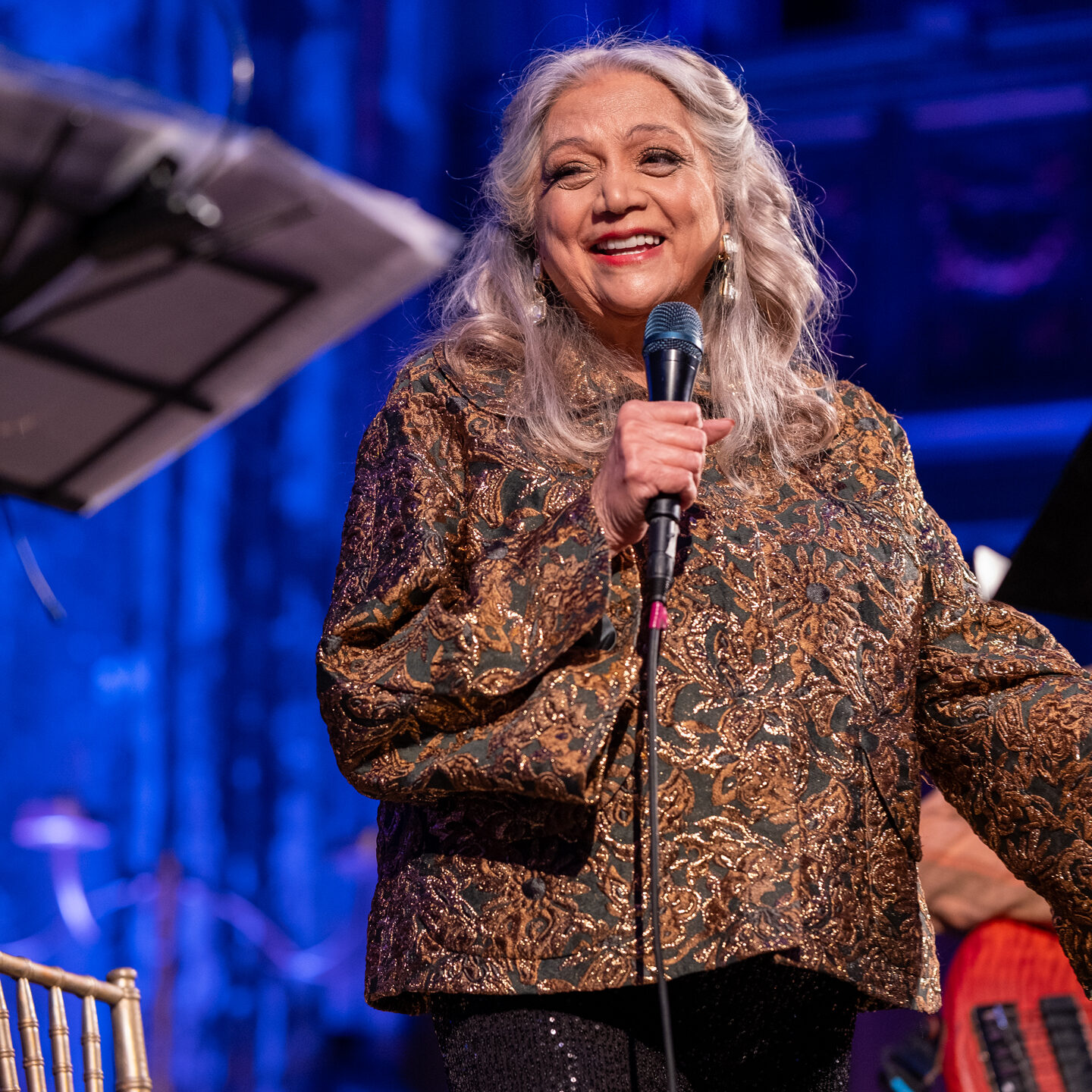
Blank Forms held its eighth annual gala at the Angel Orensanz Foundation on the Lower East Side, honoring artist Cosima von Bonin and vocalist Asha Puthli. The event transformed the historic former synagogue into a stage for experimental music and Cambodian cuisine, featuring performances by guitarists Brandon Ross and Melvin Gibbs, as well as Puthli herself, introduced by Pulitzer Prize-winning jazz saxophonist Henry Threadgill. Guests included curators Ruba Katrib and Jay Sanders, Brooklyn Rail Co-Founder Phong Bui, Amant’s Tobi Maier, gallerists from Matthew Marks and Gladstone, musicians Lizzi Bougatsos and Miho Hatori, writer Lucy Sante, and artists Amalia Ulman, Sylvie Fleury, and Rachel Rose.

architecture peterson rich met moma

The architectural studio Peterson Rich Office (PRO), founded by husband-and-wife team Miriam Peterson and Nathan Rich in 2014, is designing cultural spaces that blend art, commerce, and community. Their recent projects include converting a Romanesque church into the Shepherd in Detroit—a space for exhibitions, a community library, and performances—and redesigning the MoMA Design Store in SoHo to draw more visitors and link it to contemporary artists like Nina Chanel Abney. PRO's most ambitious commission is for the Metropolitan Museum of Art, involving a special exhibition gallery, dining and retail spaces, and a new entrance at 83rd Street.

architecture hamptons barns

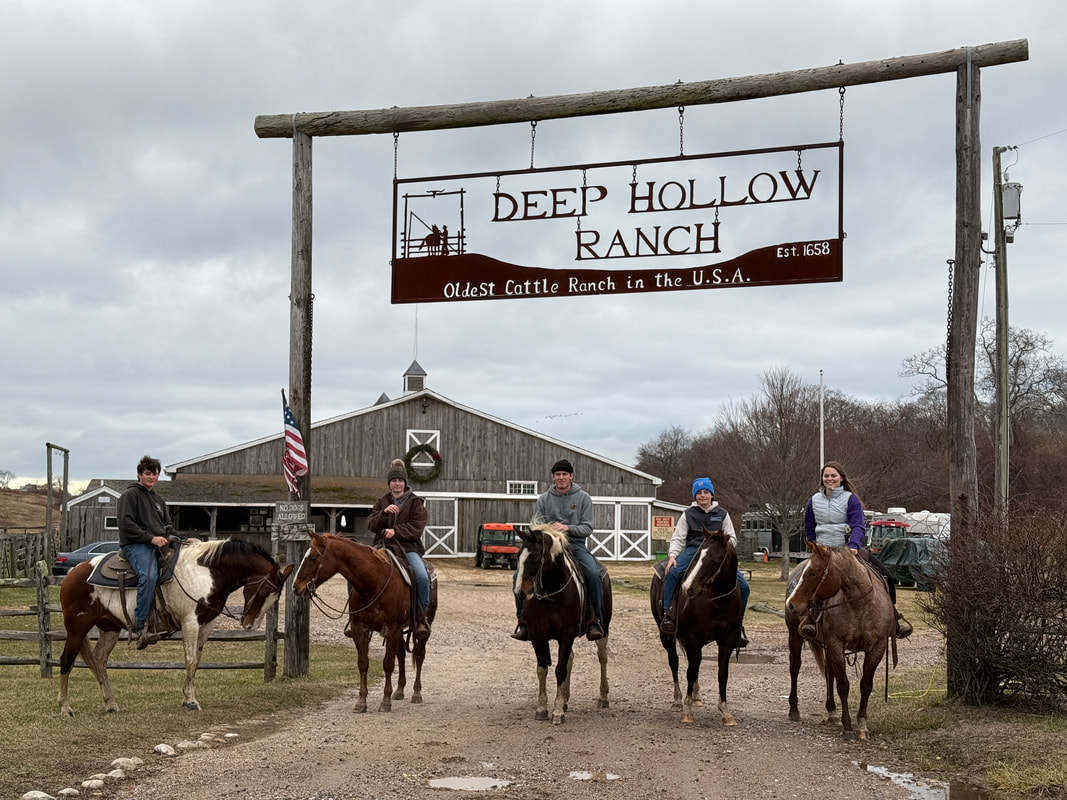
The article explores the architectural and cultural significance of barns in the Hamptons, tracing their evolution from medieval agricultural structures to modern design icons. It highlights how the barn typology has been adapted in local buildings, including the Parrish Art Museum designed by Herzog & de Meuron, and features four case studies of historic barns, such as the Sayre Barn in Southampton, which was converted into an antique store and later donated to a museum.

artists dealers

A growing number of prominent art dealers across New York, London, Los Angeles, Brussels, and Reykjavik began their careers as artists, not salespeople. Figures like Jack Hanley, Sebastian Gladstone, Börkur Arnarson of i8 Gallery, and the team behind Galerie Sardine (Joe Bradley and Valentina Akerman) all transitioned from studio practice to gallery ownership. The article explores how their firsthand experience as artists shapes their approach to representing others, from patience with the creative process to building artist-centered business models.

Inside New York’s Rogue Project Spaces

A digital cover story profiles New York City's rogue project spaces—artist-run venues like U-Haul Gallery, Desnivel, Spielzeug, Catbox Contemporary, and 95 Gallon Gallery—that operate in unconventional locations such as trash bins, moving trucks, bodegas, laundromats, buses, and cat towers. The article features interviews with founders including Maria De Victoria (Desnivel), James Sundquist and Jack Chase (U-Haul Gallery), and others, highlighting how these spaces counter the bureaucracy of institutional exhibitions by prioritizing artist freedom, intimacy, and community engagement.

hotels museum future architecture

The article, written by a former New Museum staffer, traces the evolution of museum architecture from the early 2000s starchitect era toward a hospitality- and community-focused model. It cites examples like MoMA's extensive visitor amenities (four restaurants, two retail spaces) and the Williams College Museum of Art's open, evolving design by SO-IL. The piece also highlights the Underground Museum's storefront approach in Los Angeles and the Storefront for Art and Architecture in New York as strategies that prioritize accessibility and community engagement.

Comment | As the US’s 250th anniversary approaches, museums must keep pushing the American story forward

The Phillips Collection in Washington, DC, is launching a new strategic plan and an upcoming exhibition titled "Out of Many: Reframing an American Art Collection," timed to the US's 250th anniversary. The museum's director reflects on founder Duncan Phillips's original vision of the museum as a space for civic dialogue and shared inquiry, arguing that this model is urgently needed amid current political pressures, loss of federal funding, and debates over historical narrative.

A brush with… Wolfgang Tillmans—podcast

The article is a podcast transcript featuring an in-depth conversation with Wolfgang Tillmans, the influential German photographer born in 1968. It covers his four-decade career, his experimental approach to photography—spanning portraiture, still life, landscape, political subjects, and abstraction—and his innovative installation methods that respond to specific exhibition spaces. Tillmans discusses early influences like Kurt Schwitters, Francisco de Zurbarán, Isa Genzken, Laurie Anderson, and Jiddu Krishnamurti, and reflects on his expanding practice into video, text, sound, and music. The piece also lists current and upcoming exhibitions, including a solo show at Maureen Paley in London and his participation in the 36th Bienal São Paulo.

A brush with… Teresita Fernández—podcast

This article is a podcast interview with artist Teresita Fernández, who discusses her three-decade career as a landscape artist and sculptor. She explores landscapes not only as visual phenomena but also as cultural spaces, using materials like graphite, iron ore, gold, and pyrite. Fernández reflects on influences including Wilfredo Lam, Eva Hesse, Jack Whitten, Robert Smithson, and Cecilia Vicuña, and shares insights from her studio practice. The podcast is sponsored by Bloomberg Connects, which highlights institutions that have shown her work, such as the Philadelphia Museum of Art, MASS MoCA, and SITE Santa Fe.

Fresh blood for an ancient medium: 10 young painters to watch this spring

This article profiles ten young painters to watch this spring, highlighting their innovative approaches to the ancient medium of painting. Featured artists include British painter Francesca Mollett, whose abstractions have exceeded market expectations with works like 'Two Thistles' fetching over GBP 250,000 at auction; Samuel Hindolo, whose mysterious figurative and abstract paintings have caught the attention of critic Hilton Als; and Stanislava Kovalčíková, whose provocative mythological works were exhibited at Aspen Art Museum and who runs the independent space The White Ermine in Düsseldorf. Other artists mentioned include Evelyn Plaschg, who transforms mundane objects into unsettling meditations, with a solo museum exhibition opening at HALLE FÜR KUNST Steiermark.

Stühle, die zum Reden zwingen

The article examines a peculiar three-seat sofa called the "Indiscret" on display in the Louvre, designed in 19th-century France under Napoleon III to force conversation among sitters. This "Conversation Chair" reflects an era when furniture was deliberately crafted to create social intimacy and control guest behavior, in stark contrast to modern public seating that often discourages lingering through hostile architecture.