filter_list Showing 8 results for "TAB" close Clear
search
dashboard All 202 museum exhibitions 90article local 36trending_up market 23article news 18article policy 16article culture 8person people 6rate_review review 2candle obituary 2gavel restitution 1
date_range Range Today This Week This Month All
Subscribe

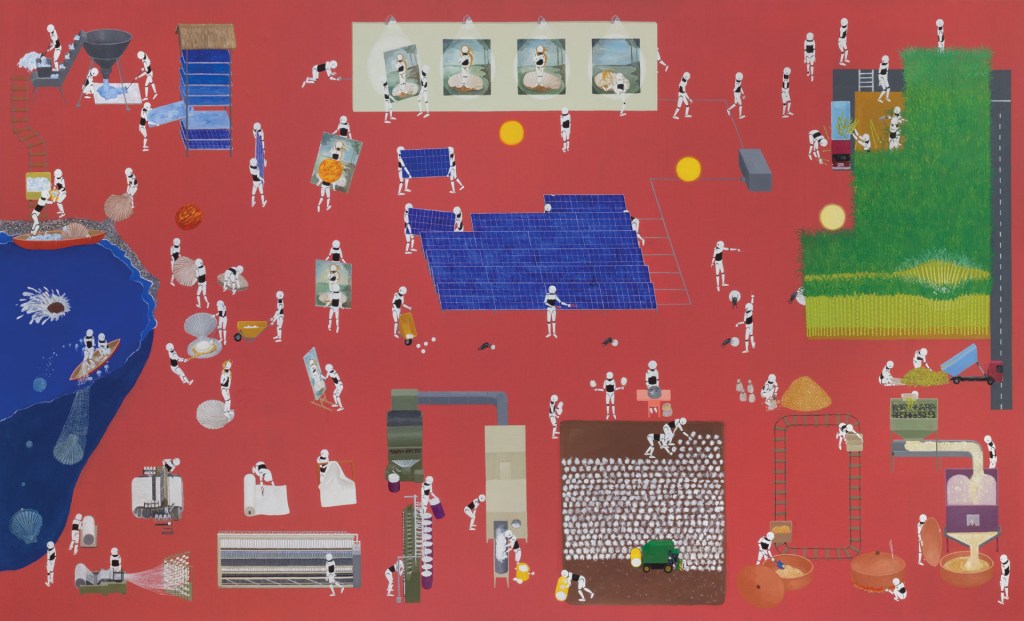
The 21st Century’s Biggest Art Trend is Not a Style. But Once You See It, You’ll Notice It Everywhere.

The article traces the evolution of "systems art," a term coined by critic Jack Burnham in 1968 to describe art that uses rules, seriality, and repetition to mirror and reveal the growing protocols of the Cold War era. It highlights early practitioners like Kenneth Noland, Robert Morris, Dan Flavin, and notably Hans Haacke and Adrian Piper, who shifted from atmospheric systems (e.g., Haacke's *Condensation Cube*) to social systems (e.g., Haacke's *Shapolsky et al. Manhattan Real Estate Holdings*). The piece argues that systems thinking has become unavoidable in contemporary life—from algorithms to systemic racism—and that art remains a crucial tool for making these invisible systems legible.
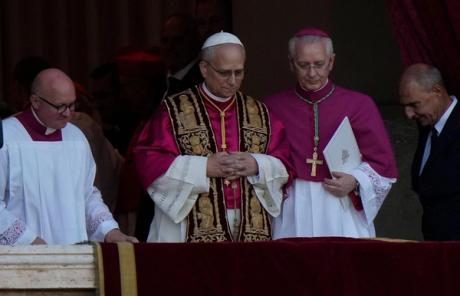
A modern Tower of Babel? Pope Leo XIV warns against artificial intelligence

Pope Leo XIV has issued his first encyclical, titled *Magnifica Humanitas*, warning that artificial intelligence poses a major threat to humanity and could lead to a modern Tower of Babel. In the 43,000-word letter, he calls for disarming AI, establishing robust legal frameworks, and regulating tech giants like Meta. He also references Picasso's *Guernica* (1937) as a prophetic work denouncing dehumanization, alongside Beethoven's Ninth Symphony and the novel *Schindler's List*. Separately, the Vatican is expanding its contemporary art program, with a new space called Conciliazone 5 currently showing works by British artist George Rouy, and future exhibitions planned for Yan Pei-Ming and Vivian Suter.

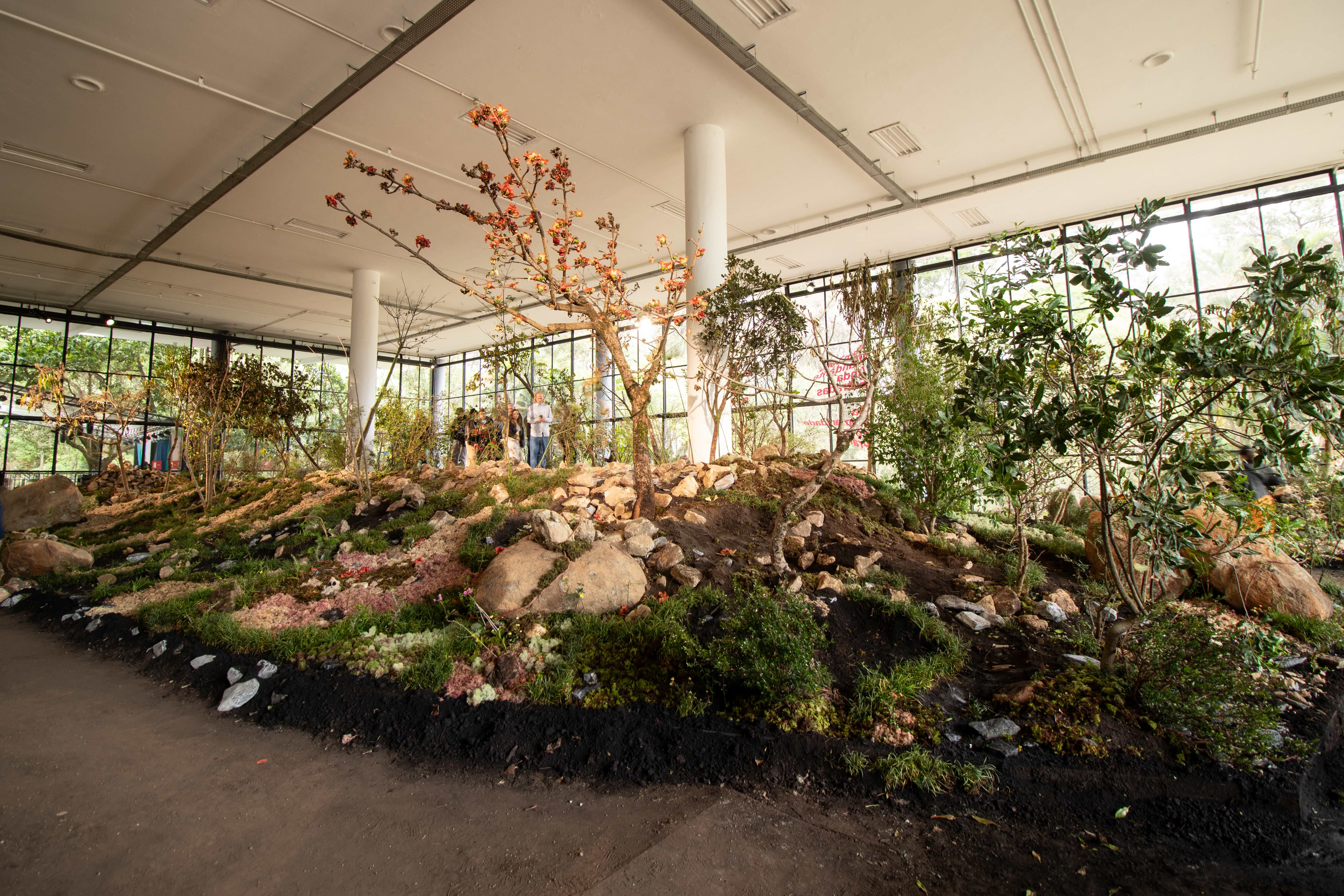
Global Art Biennials: Renovation, Revelation—or Repetition?

The article examines the current state of global art biennials, arguing that recent controversies—such as the 2022 documenta antisemitism crisis and geopolitical tensions at the 61st Venice Biennale—reveal these exhibitions as deeply politicized platforms rather than neutral cultural events. It highlights how juries and curators have introduced geopolitical criteria, and cites ongoing debates in Artforum (April 2026) featuring voices like Daniel Birnbaum, Michelle Grabner, and Adam Szymczyk, who diagnose visible tensions but overlook deeper structural conditions.

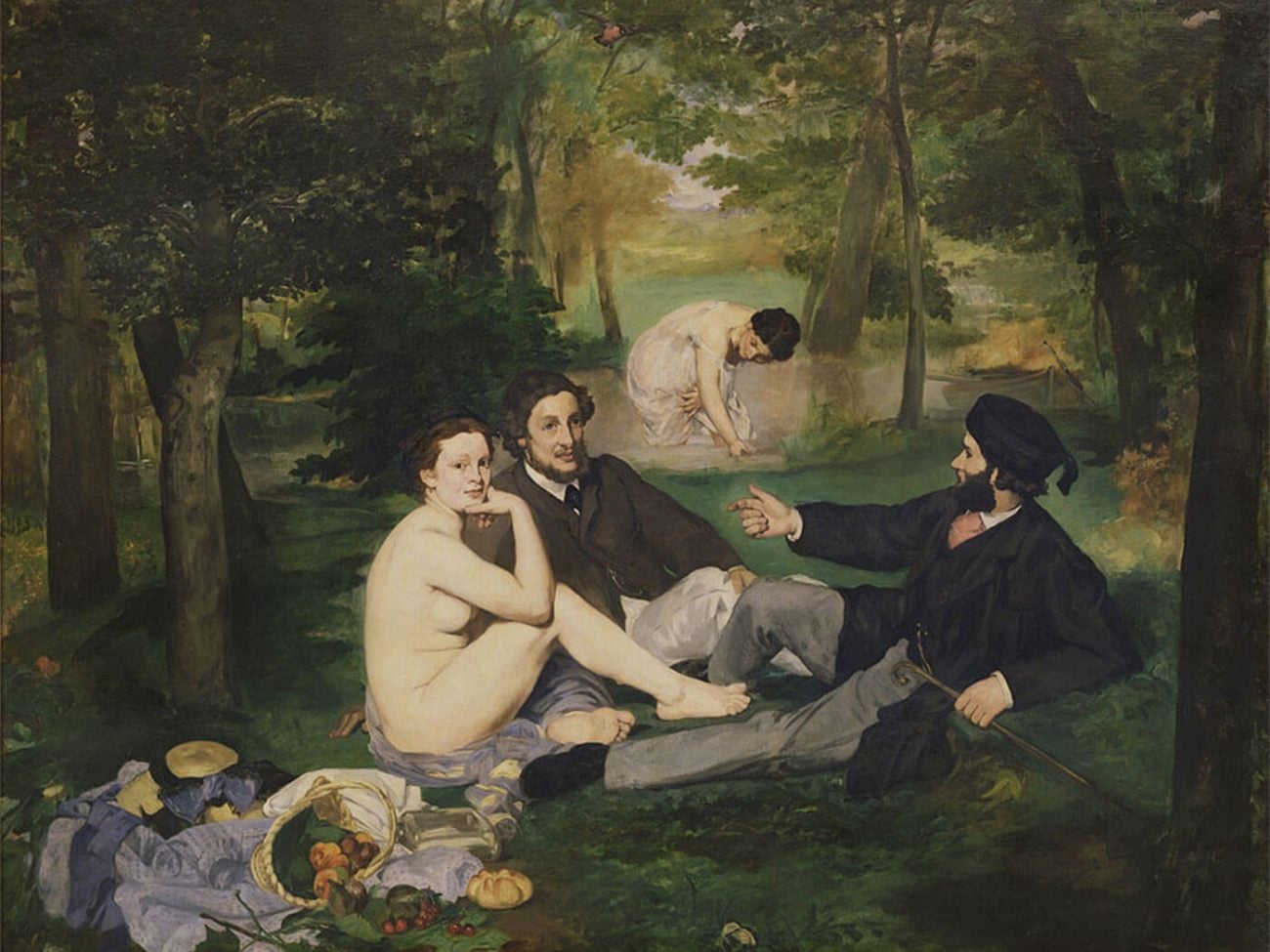
What You (Maybe) Didn't Know About Édouard Manet

Ce que vous ne saviez (peut-être) pas sur Édouard Manet

Édouard Manet (1832–1883), a pivotal figure bridging realism and impressionism, is the subject of a feature article in Beaux Arts Magazine. The piece explores lesser-known aspects of his life and career, including his near-miss as a naval officer, his rivalry with Gustave Courbet, his refusal to join the impressionist exhibitions despite close ties to the movement, and his deep fascination with Spanish culture. It highlights his scandalous works like *Le Déjeuner sur l'herbe* (1863) and *Olympia*, the latter entering the Louvre after a subscription launched by Claude Monet in 1889.

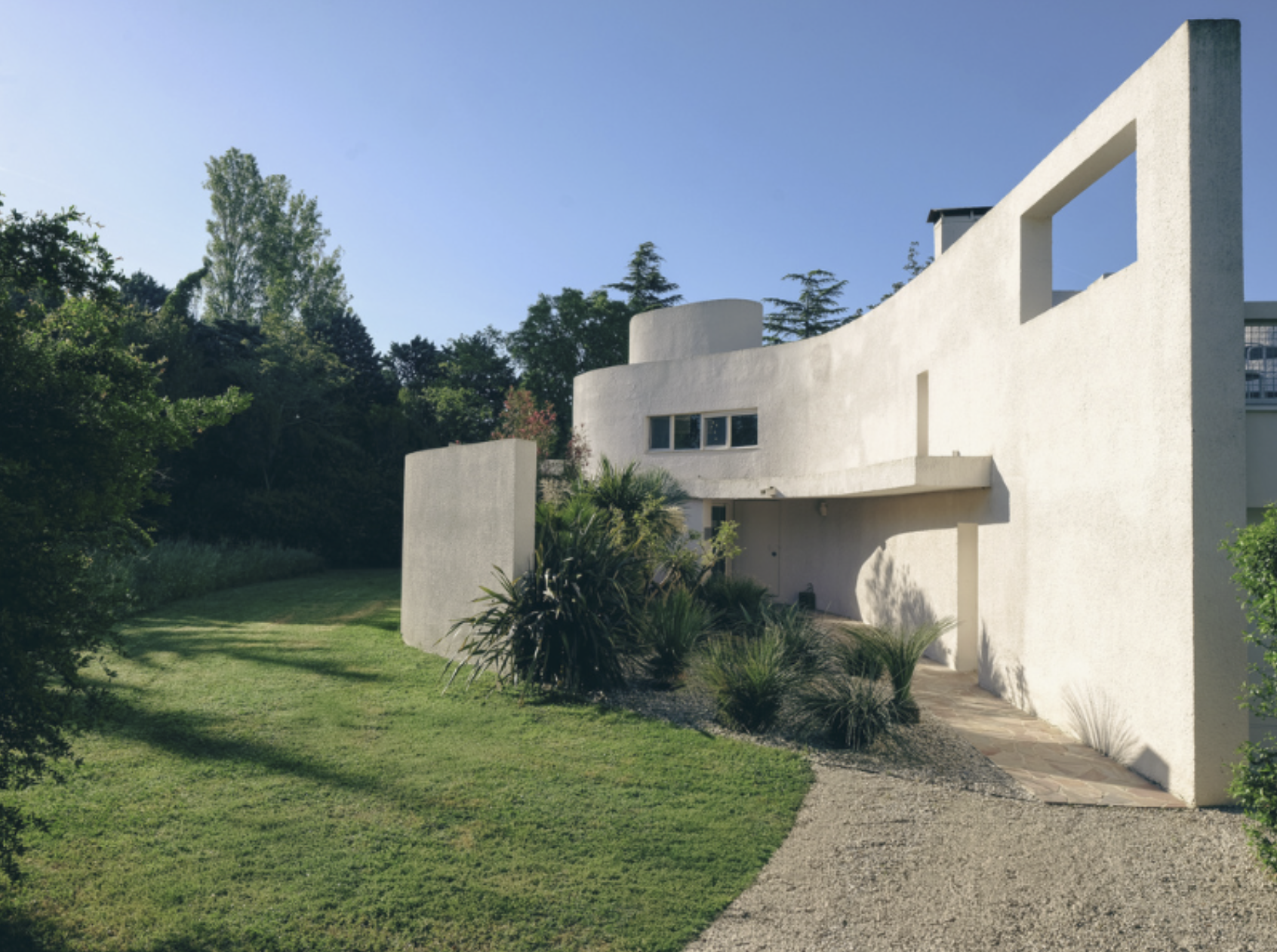
A pop-up hotel format is born that focuses on culture: starting in an architecture in Arles, France (with photos by Carla Sozzani)

Nasce un format di hotel pop up che punta sulla cultura: si inizia in un’architettura di Arles in Francia (con le foto di Carla Sozzani)

Luca Pronzato, founder of the pop-up restaurant platform We Are Ona, is launching a new itinerant hospitality concept called Casa Ideale. The first edition will take place from July 1–10, 2026, at Villa Bank, a 1970s villa near Arles, France, designed by Emile Sala and protected as a Remarkable Contemporary Architecture by the French Ministry of Culture. Guests will stay in the villa and dine at a restaurant run by chef Gil Nogueira, while the space also hosts a photography exhibition titled "Prologo" curated by Maddalena Scarzella for Fondazione Sozzani, featuring over 60 works from Carla Sozzani's archive by artists such as Urs Lüthi and Helmut Newton, alongside design pieces from the gallery Downtown+ by Luna Laffanour.

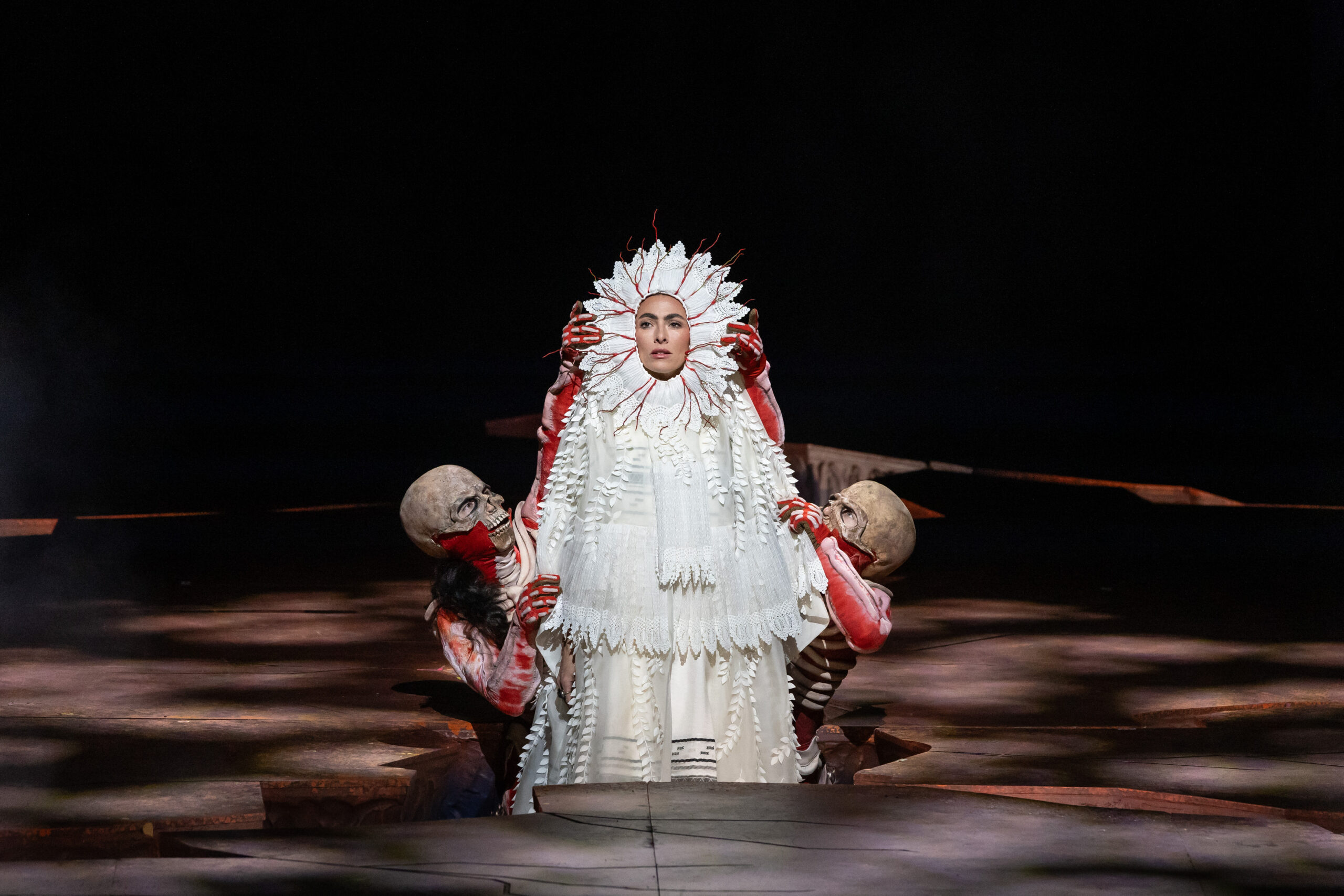
Why Did the Met Opera Decide to Exhume Frida Kahlo and Diego Rivera’s Marital Strife?

The Metropolitan Opera has staged Gabriela Lena Frank's first opera, *El Último Sueño de Frida y Diego*, which imagines a supernatural reunion between Frida Kahlo and Diego Rivera on Día de los Muertos. The production, conducted by Yannick Nézet-Séguin and starring Isabel Leonard and Carlos Álvarez, uses magical realism to explore the couple's turbulent relationship, though it largely sidelines their Communist activism and Kahlo's queer affairs in favor of a simplified reconciliation narrative.

The New Generation of Berlin Curators: Independent Laboratory or New Establishment

La nuova generazione dei curatori di Berlino: laboratorio indipendente o nuovo establishment

The article examines the shift in Berlin's contemporary art curation landscape, focusing on a new generation of curators who are more pragmatic and operational than their predecessors. Figures like Anna Gritz at Haus am Waldsee, Lisa Long at Julia Stoschek Foundation, and Bonaventure Soh Bejeng Ndikung—who moved from independent space Savvy Contemporary to lead Haus der Kulturen der Welt—exemplify this change. The piece argues that Berlin's art ecosystem has evolved from a low-pressure experimental zone into a competitive, almost corporate environment where curators must act as project managers, fundraisers, and cultural mediators.

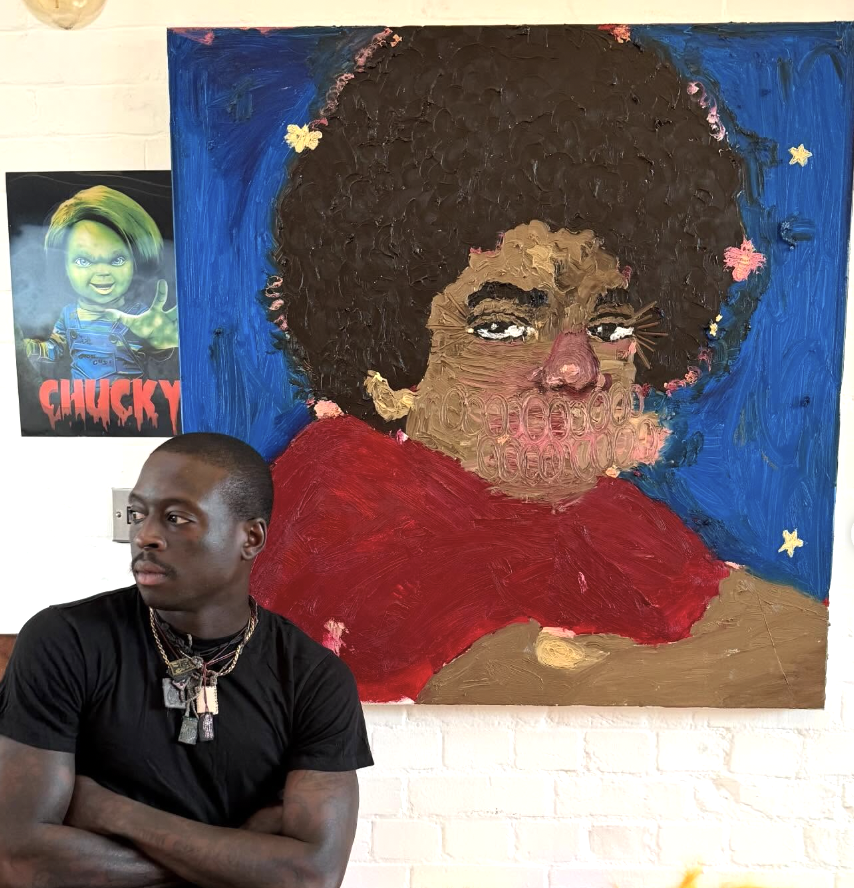
6 Nigerian Gen Z Painting Artists We Should All Recognize By Now

This article profiles six Nigerian Gen Z painting artists who are gaining international recognition for their vibrant, culturally reflective works. The featured artists include Anthony Azekwoh, known for blending classical and digital styles; Olaolu Slawn, a former skateboarder turned graffiti-style artist with collaborations like Rolex and Formula 1; Chigozie Obi, whose multidimensional art explores activism and mental health; Ayanfe Olarinde, a self-taught multidisciplinary artist; Adeoluwa Oluwajoba, a mixed-media artist and curator; and Meju Lawrence, known for colorful, animated pieces displayed in notable galleries.