filter_list Showing 182 results for "Tempora" close Clear
search
dashboard All 2739 museum exhibitions 1840article local 194article culture 182trending_up market 166article news 134person people 83rate_review review 76candle obituary 35article policy 26gavel restitution 3
date_range Range Today This Week This Month All
Subscribe

The 21st Century’s Biggest Art Trend is Not a Style. But Once You See It, You’ll Notice It Everywhere.

The article traces the evolution of "systems art," a term coined by critic Jack Burnham in 1968 to describe art that uses rules, seriality, and repetition to mirror and reveal the growing protocols of the Cold War era. It highlights early practitioners like Kenneth Noland, Robert Morris, Dan Flavin, and notably Hans Haacke and Adrian Piper, who shifted from atmospheric systems (e.g., Haacke's *Condensation Cube*) to social systems (e.g., Haacke's *Shapolsky et al. Manhattan Real Estate Holdings*). The piece argues that systems thinking has become unavoidable in contemporary life—from algorithms to systemic racism—and that art remains a crucial tool for making these invisible systems legible.
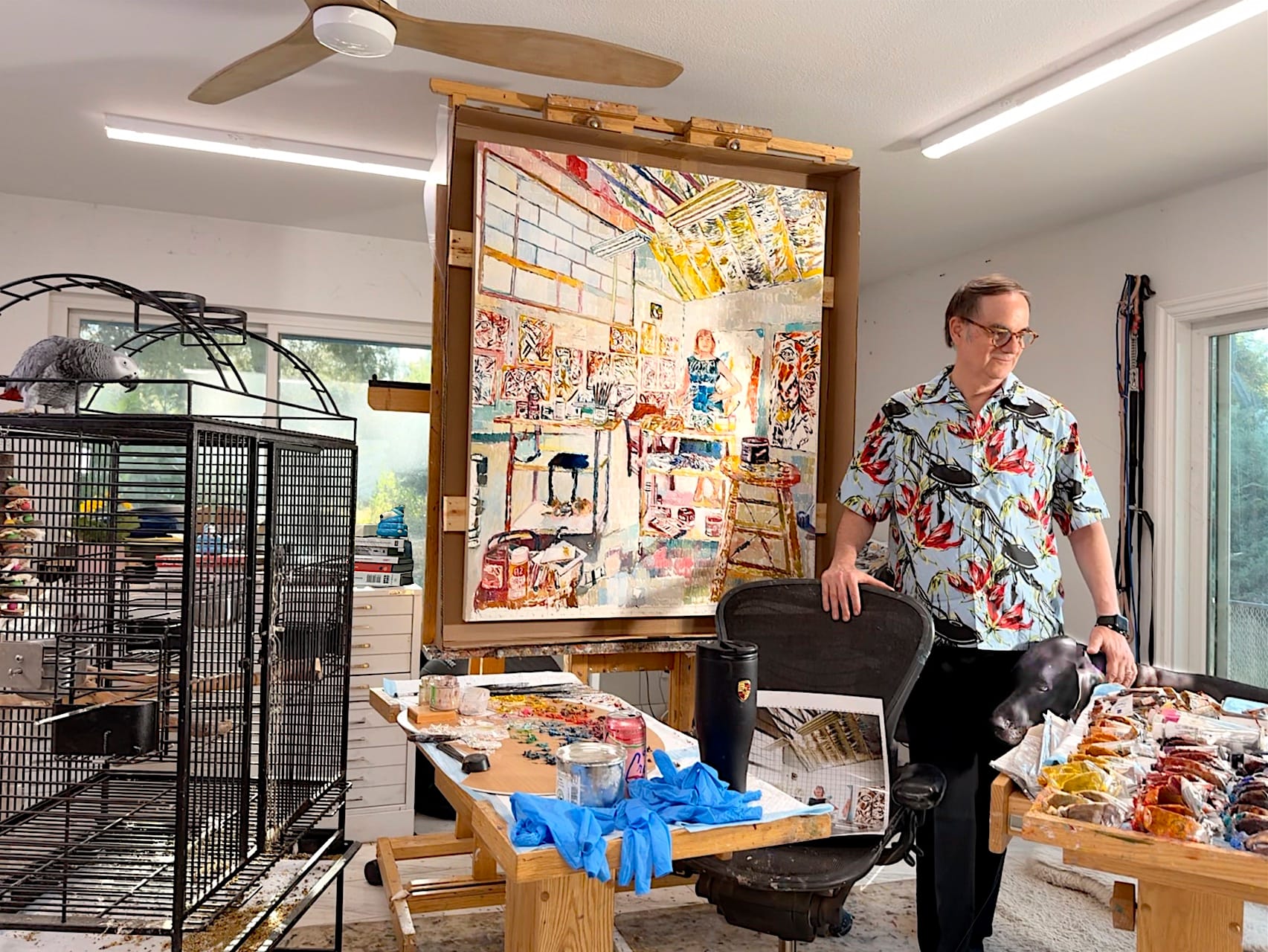
Beer With a Painter: Keith Mayerson

Hyperallergic interviews Los Angeles-based painter Keith Mayerson, who discusses his ongoing 'My American Dream' series—a cosmology of paintings blending American identity, activism, and popular culture. The conversation covers his early influences from comics, the Muppets, and Hunter S. Thompson, his transition from cartooning to painting, and his vibratory, swirling brushwork. Mayerson's work has been featured in the 2014 Whitney Biennial and is currently on view at the Aspen Art Museum and the Pollock-Krasner House.

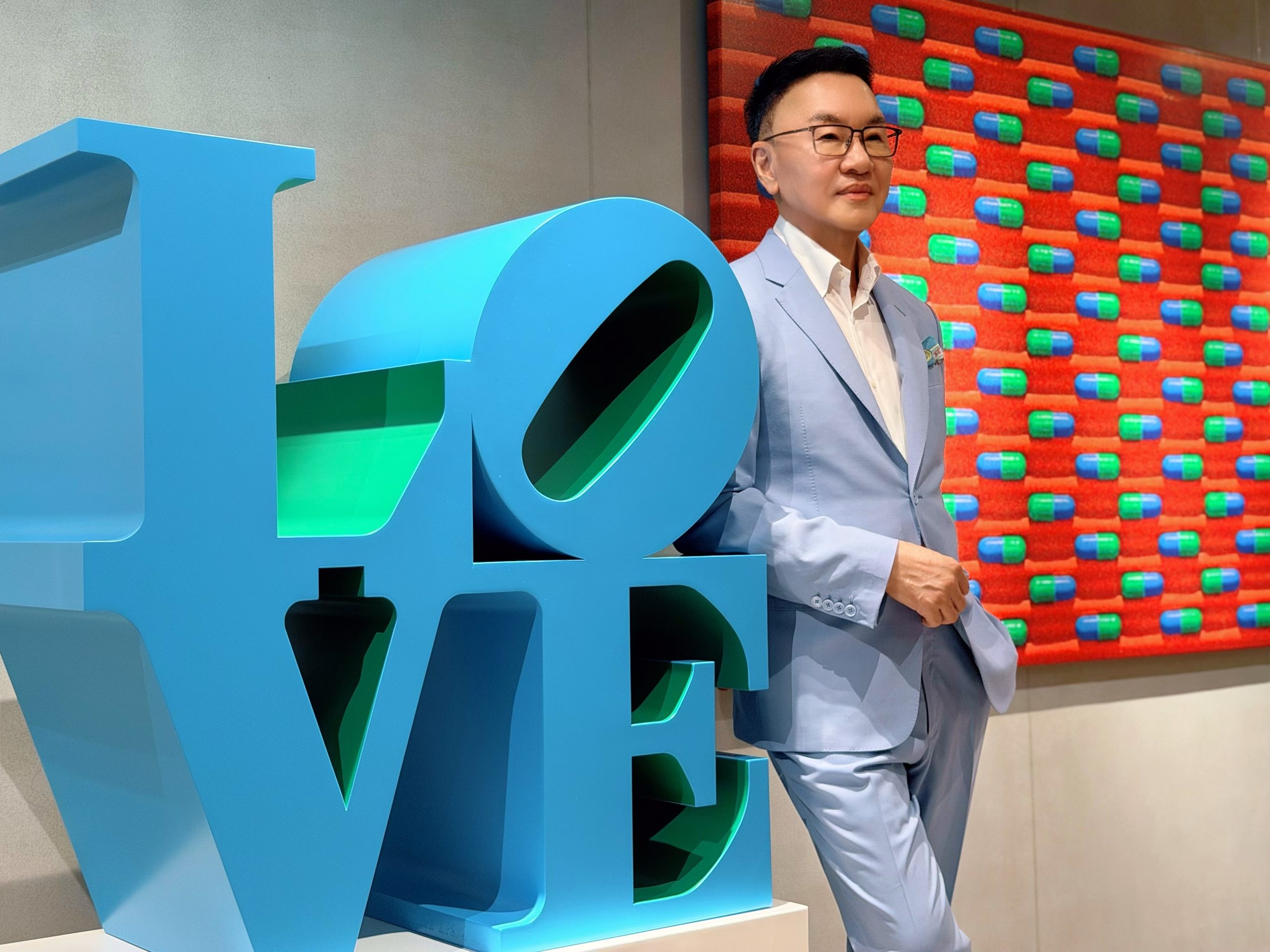
Inside Sunpride Foundation’s Mission to Champion LGBTQ+ Art Across Asia

Patrick Sun founded the Sunpride Foundation in 2014 to support LGBTQ+ communities through art, combining his passion for contemporary queer Asian art with philanthropy. The foundation's flagship "Spectrosynthesis" exhibition series has been staged at major institutions across Asia, including the Museum of Contemporary Art, Taipei, and the Bangkok Art and Culture Centre. The latest iteration, "Spectrosynthesis Seoul," opened at Seoul's Art Sonje Center and runs through June 28, 2026. Sun, a Hong Kong-born real estate developer and longtime art collector, built the foundation's collection with a focus on works suitable for museum exhibitions about queer identity.

Here’s How Stars at the 2026 Met Gala Nodded to Art History

The 2026 Met Gala, themed "Fashion Is Art," saw celebrities and fashion figures wearing outfits directly inspired by or referencing iconic artworks and art historical movements. Notable nods included Chloe Malle in a gown referencing Frederic Leighton's *Flaming June*, Lauren Sánchez Bezos in a Schiaparelli dress echoing John Singer Sargent's *Madame X*, and Hunter Schafer channeling Gustav Klimt's portrait *Mäda Primavesi*. Other attendees like Anne Hathaway, Hailey Bieber, and Karan Johar also drew from specific paintings, sculptures, and poems, while stylist Law Roach wore a hand-painted piece by Gabonese artist Naïla Opiangah.

The Defining Themes of Today’s Biennial Art

The article analyzes the defining themes and styles of the past four years in the international biennial circuit, based on a survey of 130 biennials. It identifies a core group of artists who appeared most frequently, including Ali Eyal, Apichatpong Weerasethakul, Carolina Caycedo, Kapwani Kiwanga, and Tuan Andrew Nguyen, among others. Many of these artists are also featured in the upcoming 61st Venice Biennale curated by the late Koyo Kouoh. The piece categorizes their work under two broad themes: "Post-Colonial Post-Conceptualism," which involves poetic engagement with colonial history and artifacts, and "Families and Networks," where artists explore personal and political family histories.

No Attitude, Nowhere: Conviction, Zero Meaning

Keine Haltung, nirgends Gesinnung, null Bedeutung

The article critiques the current state of the art world and broader culture, arguing that right-wing calls for depoliticized art are intensifying while the progressive art establishment silently tolerates a culture war that restricts free expression. It uses the 2025 Met Gala as a prime example, describing the event as a heartless display of wealth and power aligned with Trump-era capitalism, where celebrities and artists perform progressive values while participating in a spectacle sponsored by anti-union figures like Jeff Bezos. The author draws on Hannah Arendt's ethics lectures to suggest that moral norms have collapsed overnight, and that the commercial art world now legitimizes anti-democratic tendencies through its silence.

10 Artists to Follow if You Like Iris van Herpen

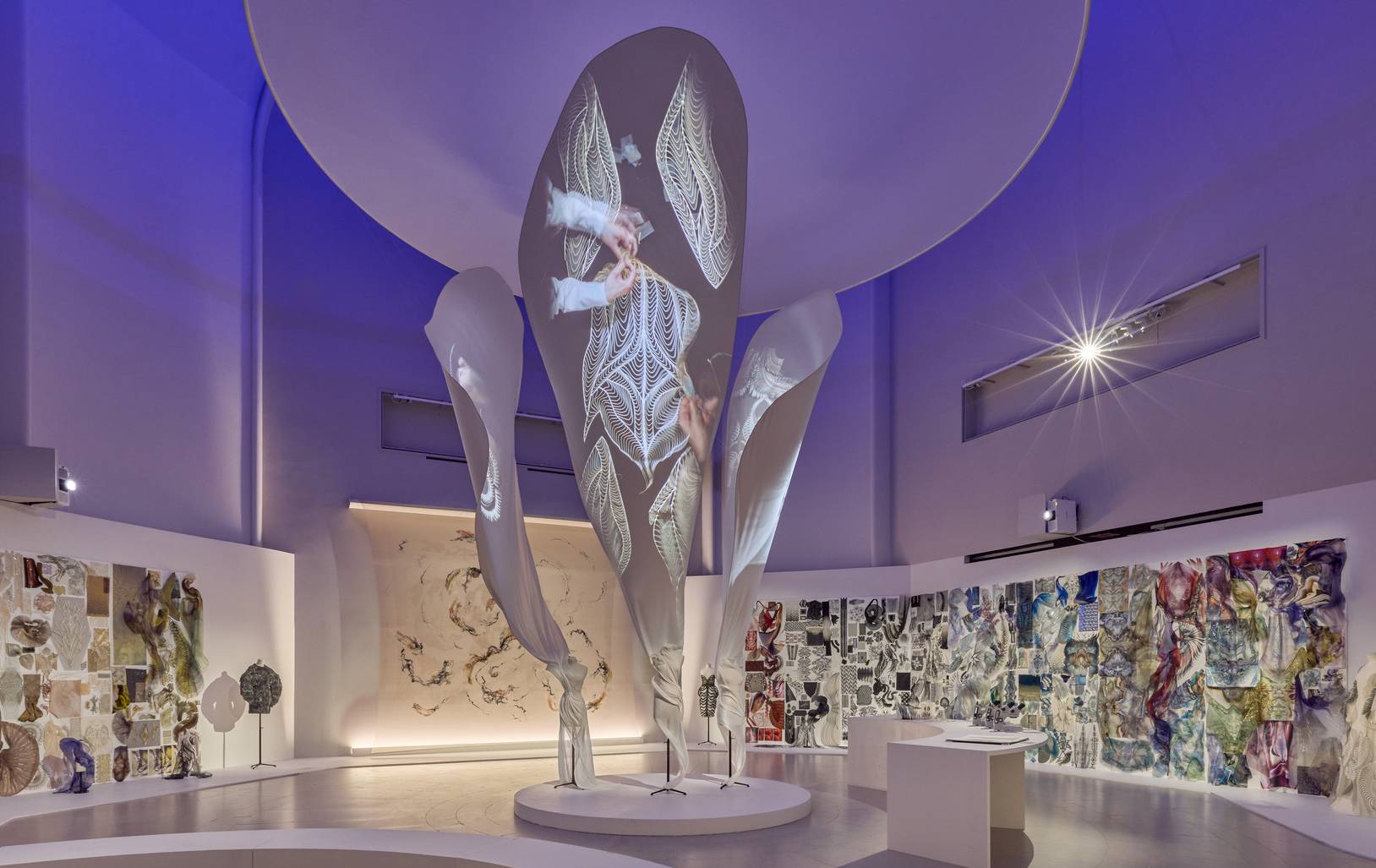
Artsy Editorial profiles 10 contemporary artists whose work aligns with the visionary, technology-driven approach of fashion designer Iris van Herpen. The article highlights van Herpen's career milestones, including her 2011 invitation to join the Chambre Syndicale de la Haute Couture, and her ongoing fusion of traditional craftsmanship with cutting-edge technology to create wearable art. It then presents a curated list of artists who similarly explore themes of organic form, digital fabrication, and the intersection of art and fashion.

Arghavan Khosravi’s Intricate Paintings Find Hope amid Oppression

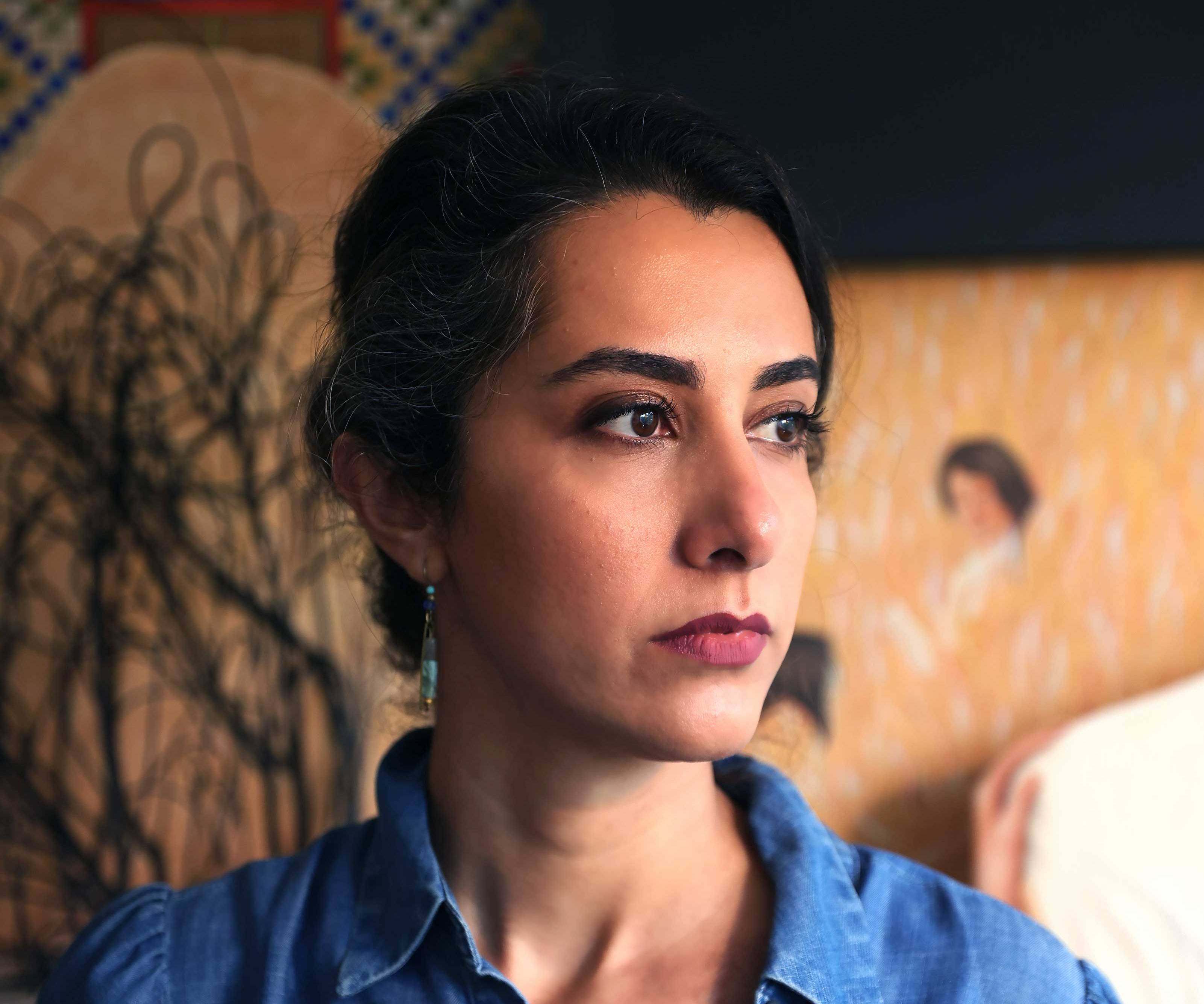
Arghavan Khosravi creates intricate, surreal three-dimensional paintings that blend sculptural elements with painted canvases, featuring hidden details such as creased book spines, concealed female figures, and glowing bullets. In an interview at her Connecticut studio, she explains her preference for works that reveal themselves gradually over time, rather than shouting for attention.

11 Contemporary Emirati Artists To Know

The article highlights 11 contemporary Emirati artists, providing an overview of their practices and significance within the Gulf's evolving art scene. It contextualizes this list against recent major events in the region, including the debut of Art Basel Qatar in early February and the subsequent U.S. attacks on Iran, which caused turmoil across the Gulf, disrupted airline operations, and forced Art Dubai to scale back its event to a smaller fair in mid-May. Artists and galleries in the Gulf also had to temporarily close.

Rocked on their heels: how exhibitions can change the course of artists’ lives

Alyce Mahon's new book, *Dorothea Tanning: A Surrealist World*, explores how the 1936 MoMA exhibition *Fantastic Art, Dada, Surrealism* profoundly transformed the young artist Dorothea Tanning, who described being "rocked on my run-over heels" by the experience. The article also recounts similar life-changing exhibition encounters for contemporary artists Lorna Simpson and Hurvin Anderson, as discussed on *The Week in Art* and *A brush with…* podcasts, highlighting how specific shows shaped their artistic trajectories.

The Met’s Frida & Diego Opera Imagines Feminist Revenge from Beyond the Grave

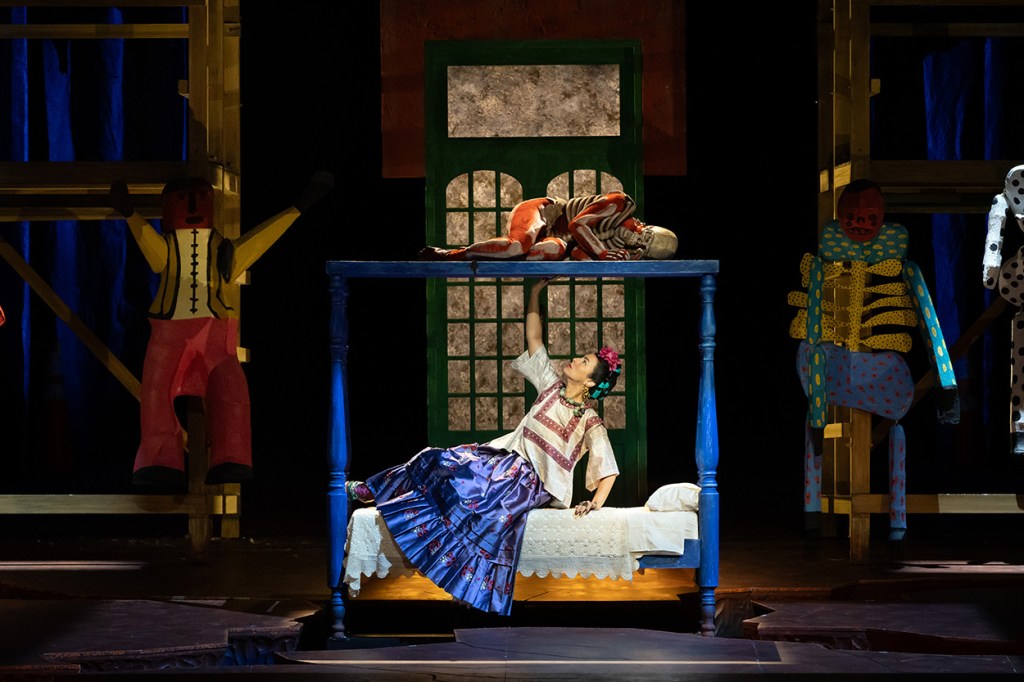
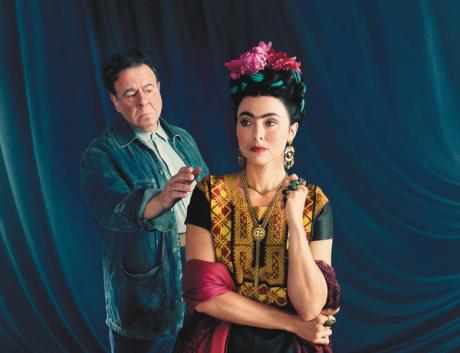
The Metropolitan Opera has opened "El Último Sueño de Frida y Diego," a new opera by composer Gabriela Lena Frank and librettist Nilo Cruz that imagines Frida Kahlo returning from the underworld during Día de los Muertos for a reunion with her husband Diego Rivera. The production features mezzo-soprano Isabel Leonard as Frida, Carlos Álvarez as Diego, and choreography by Deborah Colker, with sets by Jon Bausor that evoke Kahlo's iconic paintings and mirror. The opera explores themes of pain, creativity, and marital strife, granting Kahlo physical freedom denied to her in life while centering her perspective over Rivera's.

Frida Kahlo and Diego Rivera are given a voice by New York's Metropolitan Opera

New York is experiencing a wave of Frida Kahlo-related events this spring, including a new book from Rizzoli about her childhood home museum in Mexico City and a small exhibition at the Museum of Modern Art (MoMA) featuring works by Kahlo and Diego Rivera. The centerpiece is the Metropolitan Opera's new production of *El Último Sueño de Frida y Diego*, with music by Gabriela Lena Frank and libretto by Nilo Cruz, both Pulitzer Prize winners. The opera, which premiered in San Diego in 2022, opens on 14 May and features set and costume design by Jon Bausor, who also co-curated the MoMA exhibition alongside curator Beverly Adams. The production imagines Kahlo's spirit rising from the underworld on the Day of the Dead to reunite with Rivera, blending Mexican musical elements with a dreamlike, visually rich aesthetic.

The Interview: Steven Soderbergh

Steven Soderbergh discusses his new film *The Christophers* (2025), which follows a cantankerous artist and his young assistant tasked with forging his unfinished works, exploring themes of authorship, originality, and the ethics of art-making. In an interview with ArtReview, Soderbergh also addresses his recent use of AI in a documentary about John Lennon, defending the technology as a creative tool akin to his own filmmaking process, and reflects on his career spanning genres from indie dramas to studio blockbusters.

Meet the Woman Who Curated the Art on Miranda Priestly’s Walls

Fanny Pereire, an art advisor specializing in film and television, curates the art seen on the walls of fictional characters like Miranda Priestly in *The Devil Wears Prada 2*, Logan Roy in *Succession*, and Bobby Axelrod in *Billions*. She works as a fine art coordinator, sourcing reproductions and original works to match character personalities and socioeconomic status, often overseeing the destruction of replicas after filming. Her role, created by producer Scott Rudin in 1999, involves clearing copyrights for every artwork shown on screen, from children's drawings to high-end pieces by artists like Wayne Thiebaud and Alex Katz.

The Contemporary Art Destinations Gallerists and Artists Have on Their Radar

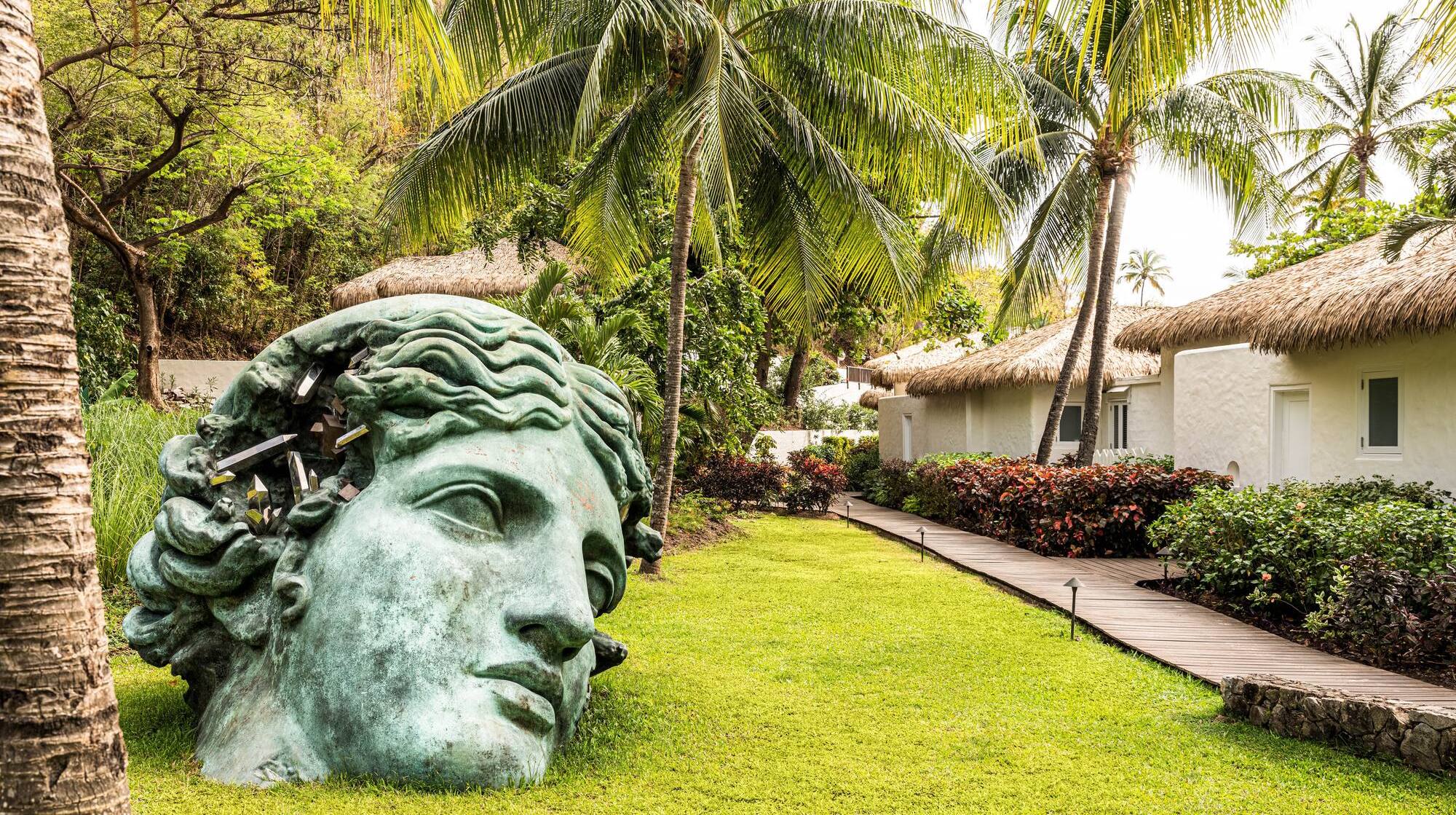
WWD asked top international gallerists, collectors, and artists to name the cities they find most exciting for contemporary art. Karen and Christian Boros recommend Naples and the Amalfi Coast, highlighting galleries like Galleria Giangiacomo Rossetti, Thomas Dane Gallery, and Lia Rumma, as well as Fondazione Morra Greco and Le Sirenuse hotel. Daniel Arsham points to Sugar Beach in St. Lucia for its large contemporary sculpture collection. Jean-Michel Othoniel champions South Korea, citing Seoul's Leeum Samsung Museum of Art, Kukje Gallery, and the Kiaf Seoul fair, plus the city of Busan. Emma Lavigne of the Pinault Collection names Venice, especially during the Biennale Arte di Venezia, as an essential destination.

We are in danger of losing our sense of community

"Wir drohen das Gespür für die Gemeinschaft zu verlieren"

Christophe Cherix, the new director of the Museum of Modern Art in New York, discusses his first months in the role, emphasizing museums as "safe social places" in an era of anxiety and screen-induced isolation. He advocates for collective vision-building with staff and defends the MoMA's independence against political pressure in Trump-era America. Separately, critic Paco Barragán argues in The Observer that biennials are in a structural crisis of repetition, tracing their history from instruments of national soft power to a "Global Neo-Liberal Biennial" system that co-opts diversity without changing its core logic. He introduces the concept of the "vibe-ennial," where discourse is replaced by atmosphere and critique by affect. Meanwhile, longtime Bonn museum director Stephan Berg critiques the boom in immersive art experiences like "Van Gogh – The Immersive Experience," calling them a "surrogate reality" tailored to the Instagram age that destroys the integrity of original works. Artforum reconstructs late-1960s debates on art criticism, focusing on Barbara Rose's challenge to formalists like Clement Greenberg and Rosalind Krauss, arguing that art must engage with societal conflicts such as Black Power and war resistance.

Amy Sherald Dresses As Her Own Award-Winning Painting for Met Gala

Amy Sherald attended the 2025 Met Gala dressed as the subject of her own award-winning painting, *Miss Everything (Unsuppressed Deliverance)* (2014). The work, which won the Outwin Boochever Prize at the National Portrait Gallery and appeared on a *New Yorker* cover, depicts a young girl holding an oversized teacup. Sherald collaborated with designer Thom Browne to recreate the painting's look, including a red fascinator, as part of the gala's theme “Fashion Is Art,” which also aligns with the Costume Institute's exhibition “Costume Art.” Sherald served on the gala's committee alongside artists Anna Weyant and Tschabalala Self.

Expanded Vocabulary: Revisiting Deborah Kass’ Studio

The article recounts the author's visit to Deborah Kass's Brooklyn studio, which she shares with her wife, artist Patricia Cronin. The visit was prompted by logistical issues related to the author's exhibition "Social Minimalism" (2025). During the visit, the author and Kass revisited themes central to Kass's work over three decades: the exclusion of women from art history, Jewish identity, queer voice, lesbian subjectivity, and postwar American art. The conversation also touched on Kass's series including the Warhol Project, Feel Good Paintings, No Kidding, and the large painting/sculpture installation "Everybody" (2019), which was recently featured in a conversation between Kass and Titus Kaphar in Interview magazine.

12 Art Books to Kick Off Summer

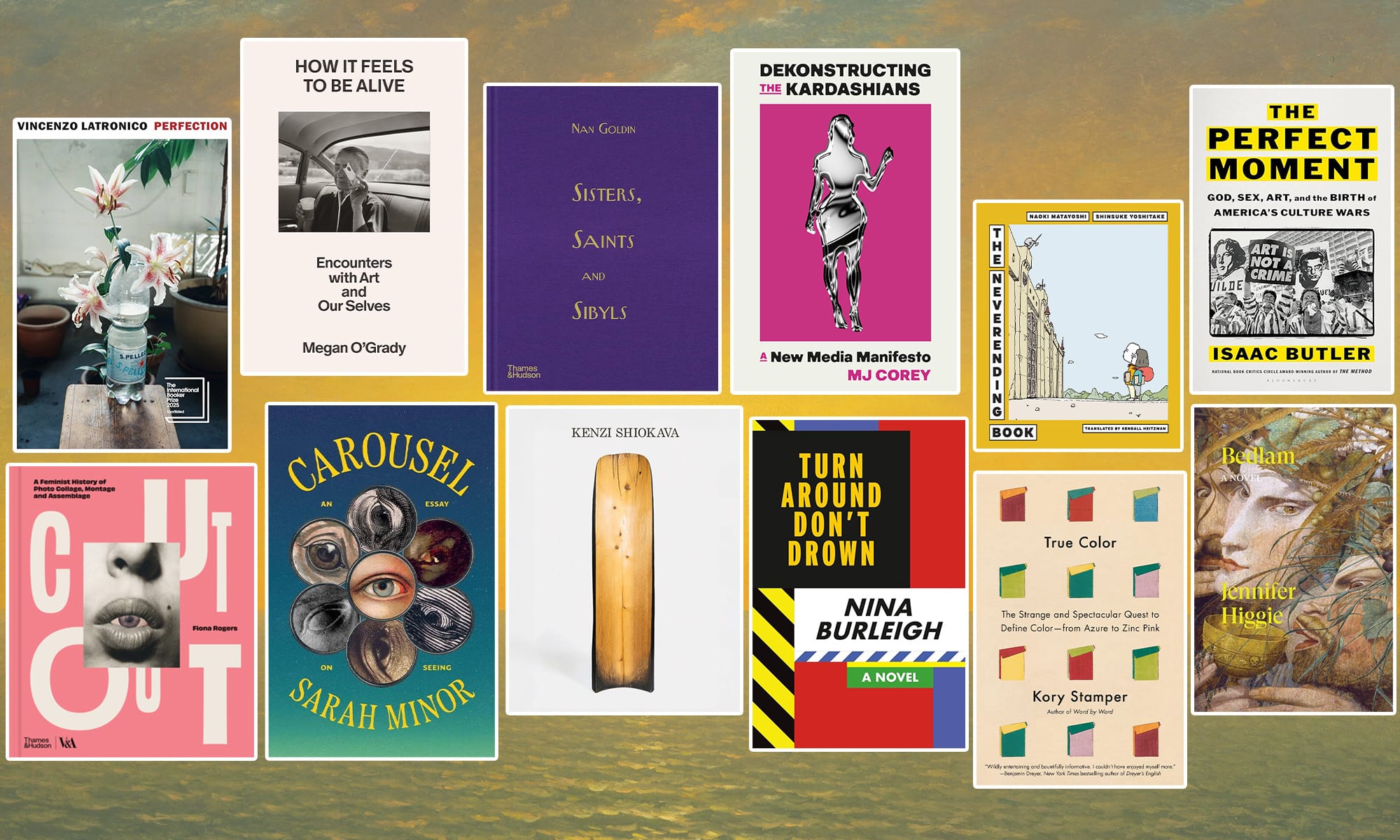
Hyperallergic's Lakshmi Rivera Amin presents a curated list of 12 art books for summer reading, including a novel lampooning the art world, Megan O'Grady's meditation on art and living, Kory Stamper's exploration of color lexicography, Nan Goldin's reissued photo essay, and Jennifer Higgie's prose poetry novel. The roundup also features Vincenzo Latronico's 'Perfection,' Nina Burleigh's satirical 'Turn Around, Don’t Drown,' and a graphic novel by Naoki Matayoshi and Shinsuke Yoshitake, among others.

A modern Tower of Babel? Pope Leo XIV warns against artificial intelligence

Pope Leo XIV has issued his first encyclical, titled *Magnifica Humanitas*, warning that artificial intelligence poses a major threat to humanity and could lead to a modern Tower of Babel. In the 43,000-word letter, he calls for disarming AI, establishing robust legal frameworks, and regulating tech giants like Meta. He also references Picasso's *Guernica* (1937) as a prophetic work denouncing dehumanization, alongside Beethoven's Ninth Symphony and the novel *Schindler's List*. Separately, the Vatican is expanding its contemporary art program, with a new space called Conciliazone 5 currently showing works by British artist George Rouy, and future exhibitions planned for Yan Pei-Ming and Vivian Suter.

From high BMI to the ‘GLP-1 look’: how weight-loss jabs are changing the face of beauty

Researchers and art historians are examining how weight-loss drugs like Wegovy and Mounjaro are reshaping ideals of beauty in art. Prof. Rosalind Gill and Dr. Michael Yafi argue that the rapid fat loss caused by GLP-1 medications produces a distinctive gaunt facial appearance—dubbed 'GLP-1 face'—which could become a new aesthetic standard reflected in contemporary art, similar to 'heroin chic' in the 1990s. Yafi presented his findings at the European Congress on Obesity, noting that while artists like Fernando Botero continue to celebrate fuller figures, future artworks may increasingly depict thin individuals with hollowed features.

Two of Modernism’s Lesbian Icons Get the Novel Treatment

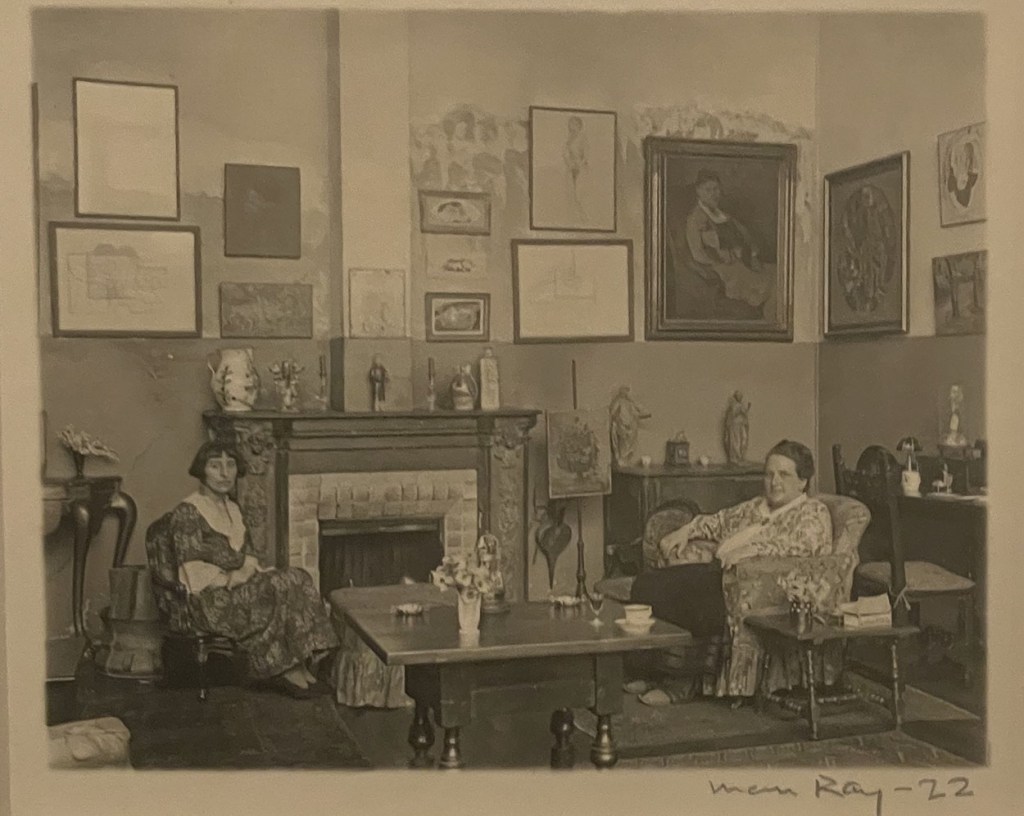
Deborah Levy's novel "My Year in Paris with Gertrude Stein" follows an unnamed narrator who travels to Paris to write an essay about Gertrude Stein, struggling with the weight of Stein's legacy while visiting her grave at Père Lachaise cemetery. The book explores Stein's life as a modernist icon, her relationship with Alice B. Toklas, and her role as a host to figures like Pablo Picasso and Ernest Hemingway, while the narrator grapples with Stein's defiant personality and literary style.

Inside the Unlikely Bond Between Lucian Freud and Kate Moss

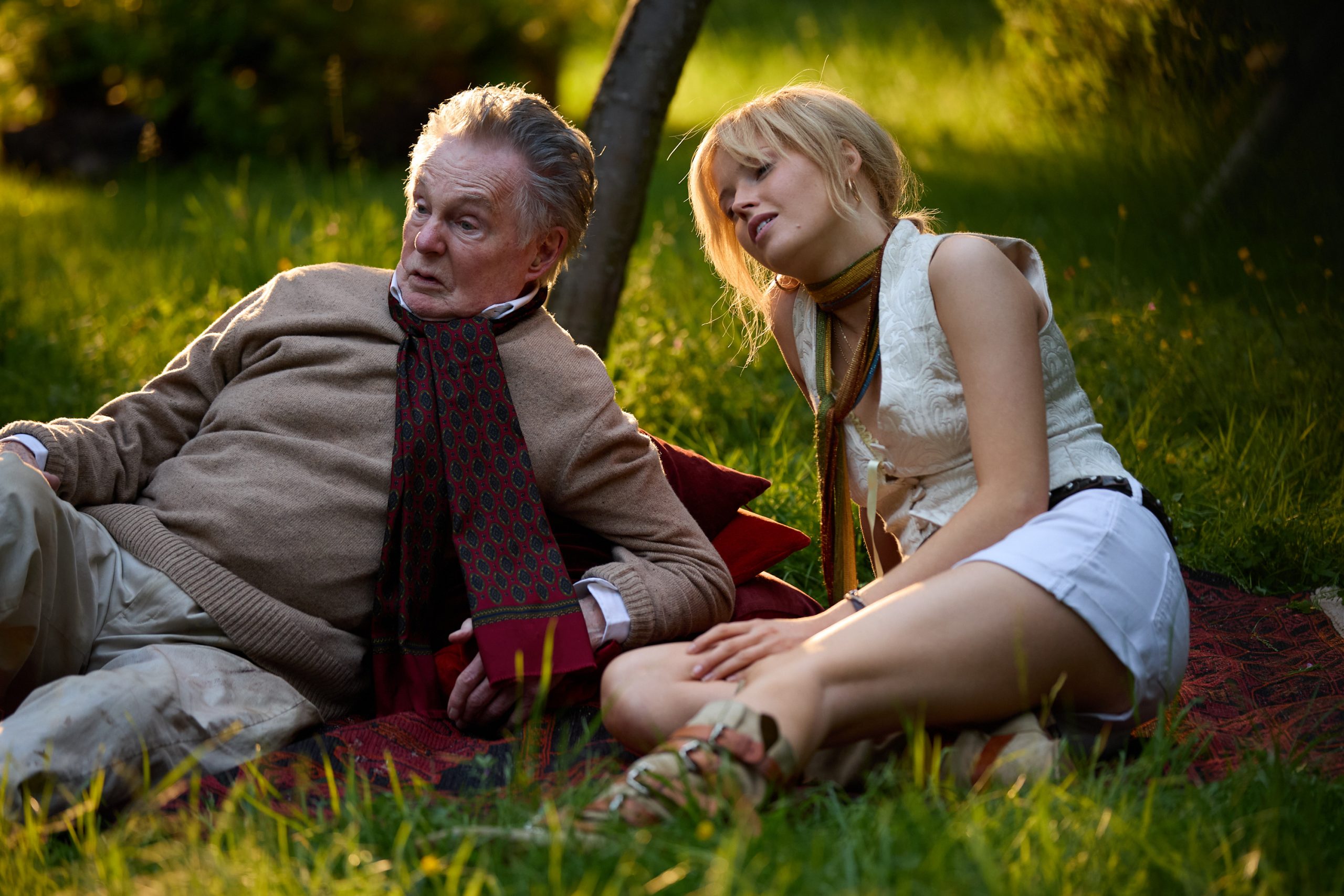
In 2002, Lucian Freud unveiled a portrait of a naked and pregnant Kate Moss, a rare celebrity subject for the artist who had turned down Princess Diana. A new film, *Moss & Freud*, dramatizes the unlikely friendship that developed between the aging painter and the supermodel during the creation of *Naked Portrait (2002)*. Directed by James Lucas, the film stars Ellie Bamber as Moss and Derek Jacobi as Freud, and explores their intense studio sessions, personal revelations, and the bond that formed despite their contrasting lifestyles.

5 Art Novels to Read This Summer

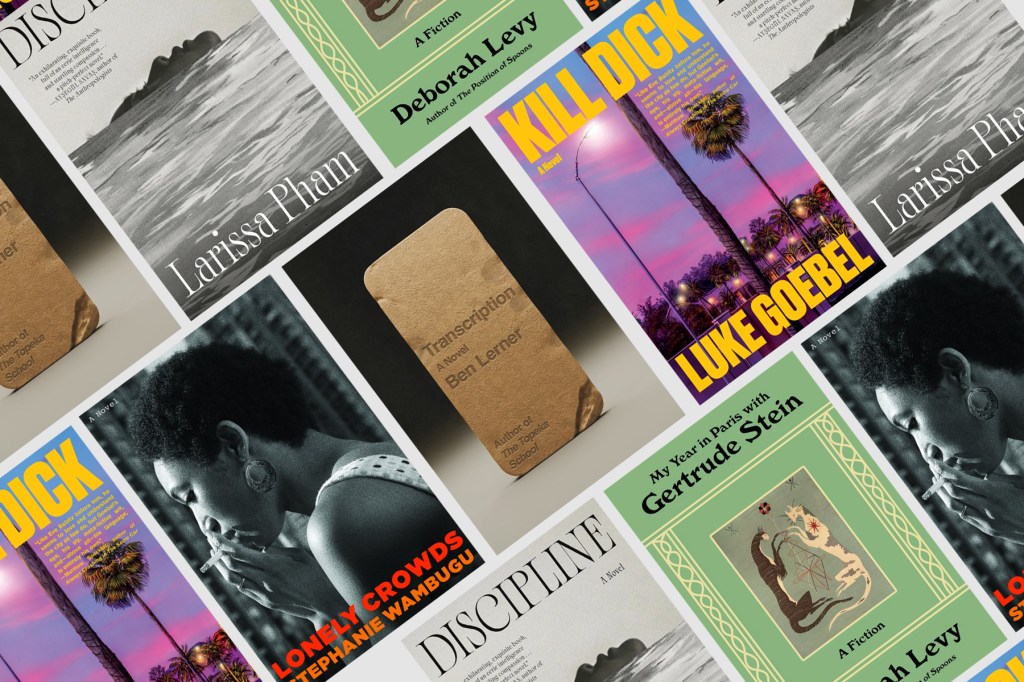
ARTnews has published a list of five art novels to read this summer, all released within the past year. The featured books include Ben Lerner's 'Transcription,' Larissa Pham's 'Discipline,' Deborah Levy's 'My Year in Paris with Gertrude Stein: A Fiction,' Stephanie Wambugu's 'Lonely Crowds,' and Luke Goebel's 'Kill Dick.' Each novel explores how art emerges through relationships—with friends, mentors, parents, lovers, and historical artists—offering a range of perspectives from anxious inner monologues to satirical critiques of the art world.

Ary Scheffer en 2 minutes

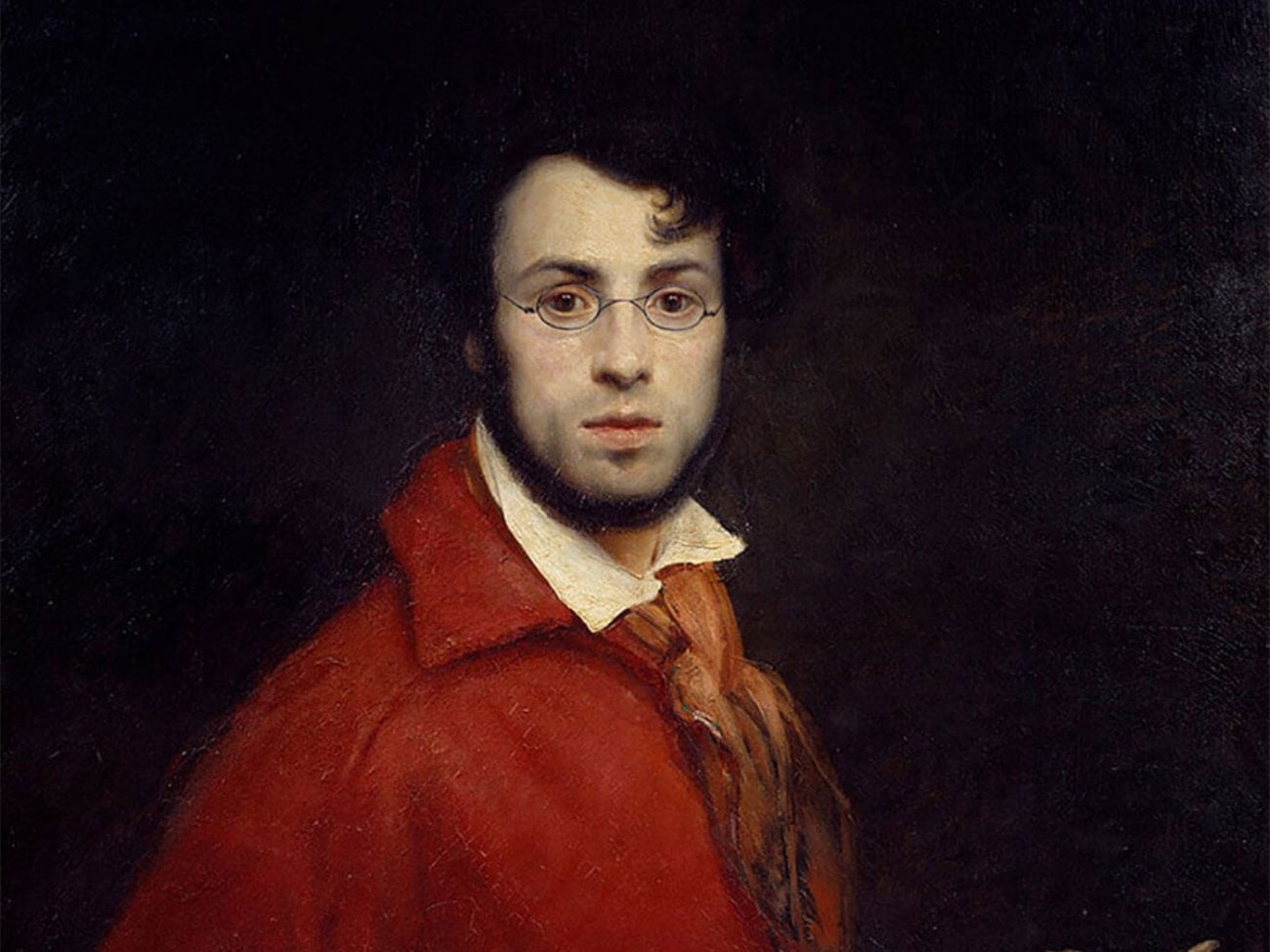
Ary Scheffer (1795–1858) was a Dutch-born Romantic painter who became a central figure in Parisian artistic and cultural life during the July Monarchy. He was the official portraitist of the Orléans family and created deeply melancholic, spiritual works inspired by Dante, Goethe, and the Gospels. His studio at 16 rue Chaptal, in the Nouvelle Athènes district, hosted legendary Friday gatherings attended by Chopin, Liszt, George Sand, and Dickens, and now houses the Musée de la Vie romantique. Key works include *Le Dévouement patriotique des six Bourgeois de Calais* (1819) and *Les Femmes souliotes* (1827), both acquired by the French state.

7 Books We’re Looking Forward to in May

ARTnews has published a list of seven art books to look forward to in May 2026, covering a wide range of topics from contemporary theory and AI imagery to historical biographies and the Venice Biennale. Featured titles include Dena Yago's collected writings 'That Figures,' Victoria Johnson's biography of Frederic Church 'Glorious Country,' Trevor Paglen's 'How to See Like a Machine,' Nicholas Fox Weber's 'Anni Albers: A Life,' Massimiliano Gioni's 'High Waters: An Oral History of the Venice Biennale,' Rennie McDougall's 'Nonstop Bodies: How Dance Shaped New York City,' and Paul Elie's 'Last Supper: Art, Faith, Sex and Controversy in the 1980s.'

Buzkashi horsemen battling for a headless goat: Todd Antony’s best photograph

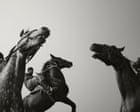
Photographer Todd Antony discusses his black-and-white series capturing the Central Asian sport of buzkashi, in which horsemen compete to grab and control a headless goat carcass. He traveled to Tajikistan to document matches involving up to 300 riders, shooting from a pickup truck and later taking portraits of riders on farms. One striking image shows three horses and their riders against a snowy mountain backdrop, with fog rolling in—a moment that inspired him to channel Richard Avedon's style using artificial lighting.

Harnessing the winds of societal change: how art dealers have been able to shape taste for centuries

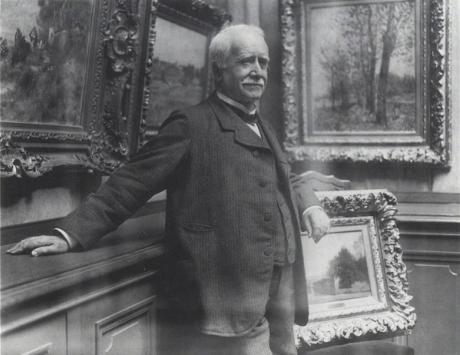
Valentina Castellani, a former Gagosian director, has authored a new book titled *Trading Beauty: Art Market Histories from the Altar to the Gallery* (out 1 May). The book traces how art dealers have historically leveraged societal changes—political, economic, and social—to reshape taste and market structures. Castellani begins in the Middle Ages, when art was made only on commission for patrons like the Catholic church and monarchies, and moves through key shifts such as the Dutch Republic's first open art market in the 17th century, which gave rise to the professional art dealer. She highlights dealers like Paul Durand-Ruel, Joseph Duveen, and Leo Castelli who capitalized on anti-establishment energy, new wealth, and post-war consumer culture to bring avant-garde art to the forefront.

ArtReview Podcast | Episode 7: Zineb Sedira

The ArtReview Podcast episode 7 features artist and photographer Zineb Sedira in conversation with digital editor Alexander Leissle. Sedira discusses Algerian cinema, the Scopitone, and her new Tate Britain Commission titled "When Words Fall Silent, Cinema Speaks," a site-specific installation in the Duveen Galleries open until January 2027. The episode explores three works chosen by Sedira, including Agnès Varda's "Salut les Cubains" (1963) and William Klein's "The Pan-African Festival of Algiers" (1969), as lenses into her practice and themes of displacement, identity, and cinema as a tool of resistance.

On Paranoid Time

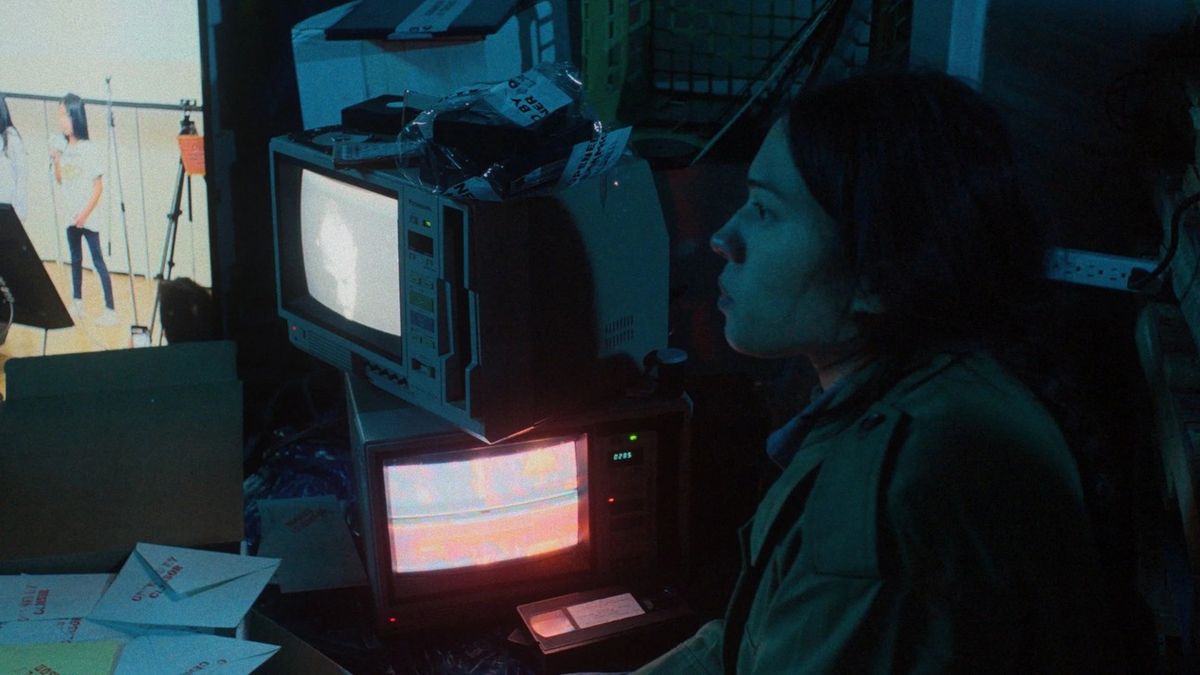
Film Notes has published Qingyuan Deng's essay exploring the intersection of Lacan's concept of retroactive meaning and Eve Kosofsky Sedgwick's distinction between paranoid and reparative reading, as applied to recent artists' films and moving-image installations. The essay examines how works like Alison Nguyen's installation "Perforation, Ellipse" at New York's Storefront for Art and Architecture use cinematic techniques—such as perforations, splices, and missing scenes—to hold the temporal gap between an event and its belated political comprehension, focusing on the censorship of Vietnamese bolero songs after the American War.