filter_list Showing 6 results for "Trap" close Clear
search
dashboard All 102 museum exhibitions 54article news 11trending_up market 9article local 8article culture 6candle obituary 4article policy 4rate_review review 3gavel restitution 2article event 1
date_range Range Today This Week This Month All
Subscribe

v joy simmons collection tour baldwin hills home

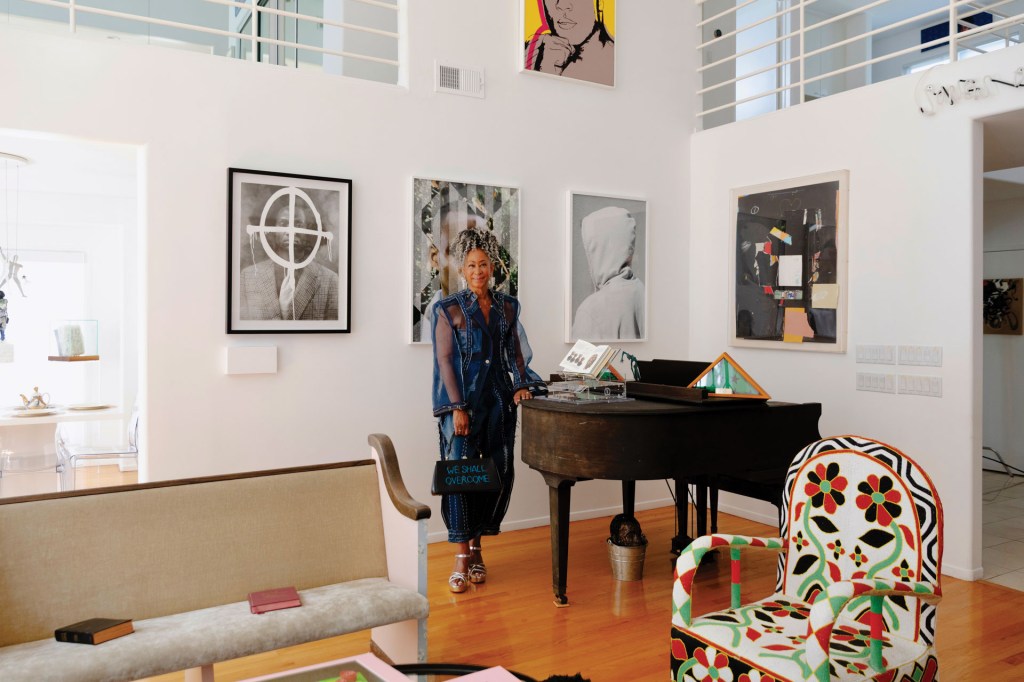
V. Joy Simmons, a Los Angeles-based physician and longtime art collector, opened her Baldwin Hills home to ARTnews for a tour of her extensive collection. The house features over 150 objects, including stained-glass windows by Varnette Honeywood and Joyce Dudnick, a site-specific column installation by Lauren Halsey, and works by Elizabeth Catlett, Romare Bearden, Kerry James Marshall, Mark Bradford, Kehinde Wiley, and Carrie Mae Weems, among many others. Simmons began collecting in the 1970s with a $50 lithograph by Catlett and has since built a collection that spans generations of Black artists, often juxtaposing older and younger artists in her displays.
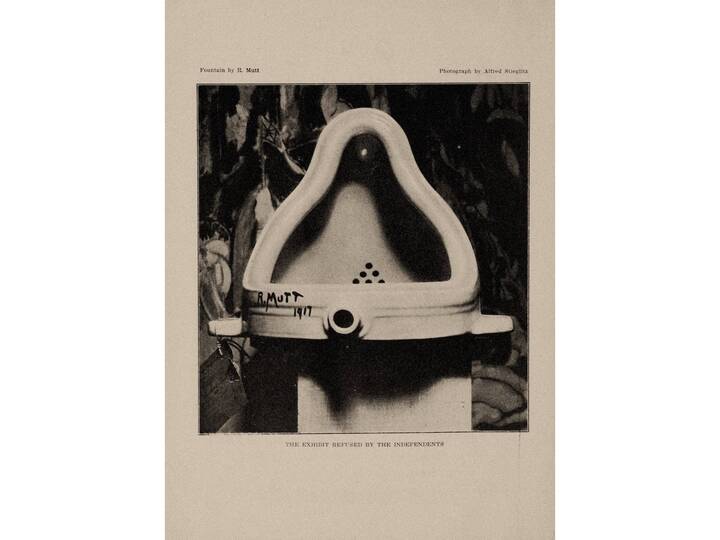
What Made Marcel Duchamp’s Readymades So Revolutionary?

Marcel Duchamp transformed the trajectory of 20th-century art by introducing the 'Readymade,' a concept where mass-produced, everyday objects are elevated to the status of art through the artist's selection rather than manual craft. Beginning with a bicycle wheel in 1913 and a bottle rack in 1914, Duchamp eventually formalized the term during a 1915 stay in New York, where the city's industrial modernity and lack of rigid class structures inspired him to challenge traditional definitions of creativity.

Without Consciousness, No Creativity

"Ohne Bewusstsein keine Kreativität"

Matthias Hornschuh, a speaker at the German Creative Economy Summit in Hamburg, discusses artificial intelligence and its impact on art and creativity in an interview with Monopol. He argues that AI systems lack intentionality and true creativity, describing them as "probability-based imitation" rather than genuine creative tools. Hornschuh warns against the hype surrounding AI, noting that efficiency gains are often overstated and that users can become trapped in unproductive interactions with these systems.

A brush with… Jane and Louise Wilson—podcast

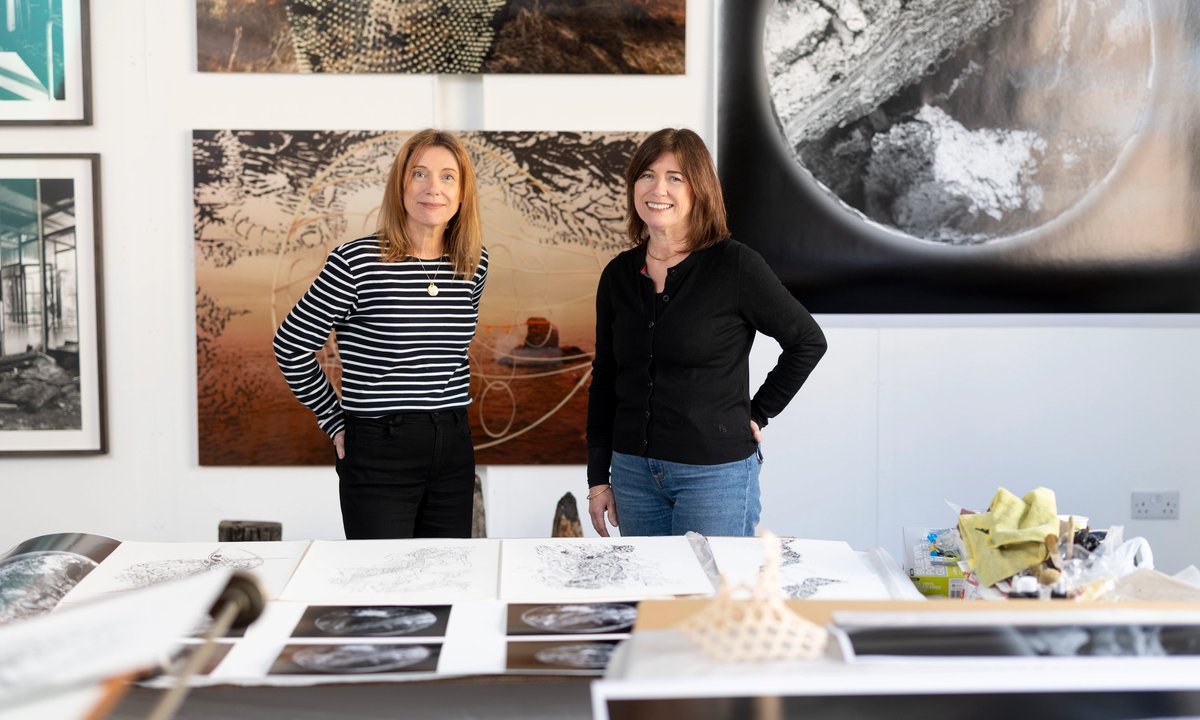
Jane and Louise Wilson, identical twin artists born in Newcastle-upon-Tyne in 1967, are featured in a podcast interview where they discuss their collaborative practice since the late 1980s. Working primarily in video installation, photography, and sound, they explore duality and selfhood through loaded sites like abandoned military bases and borderlands. The podcast covers their early inspirations, including John Martin and Cindy Sherman, and the influence of filmmakers such as Rainer Werner Fassbinder, Jean Cocteau, and Stanley Kubrick. Their current exhibitions include 'Performance of Entrapment' at London Mithraeum Bloomberg SPACE (until 10 January 2026) and 'Dendrophiles' at Leadenhall Building as part of Sculpture in the City, London (until spring 2026).

Syracuse-born artist Peter McGough hand-painted Anne Hathaway’s Met Gala dress

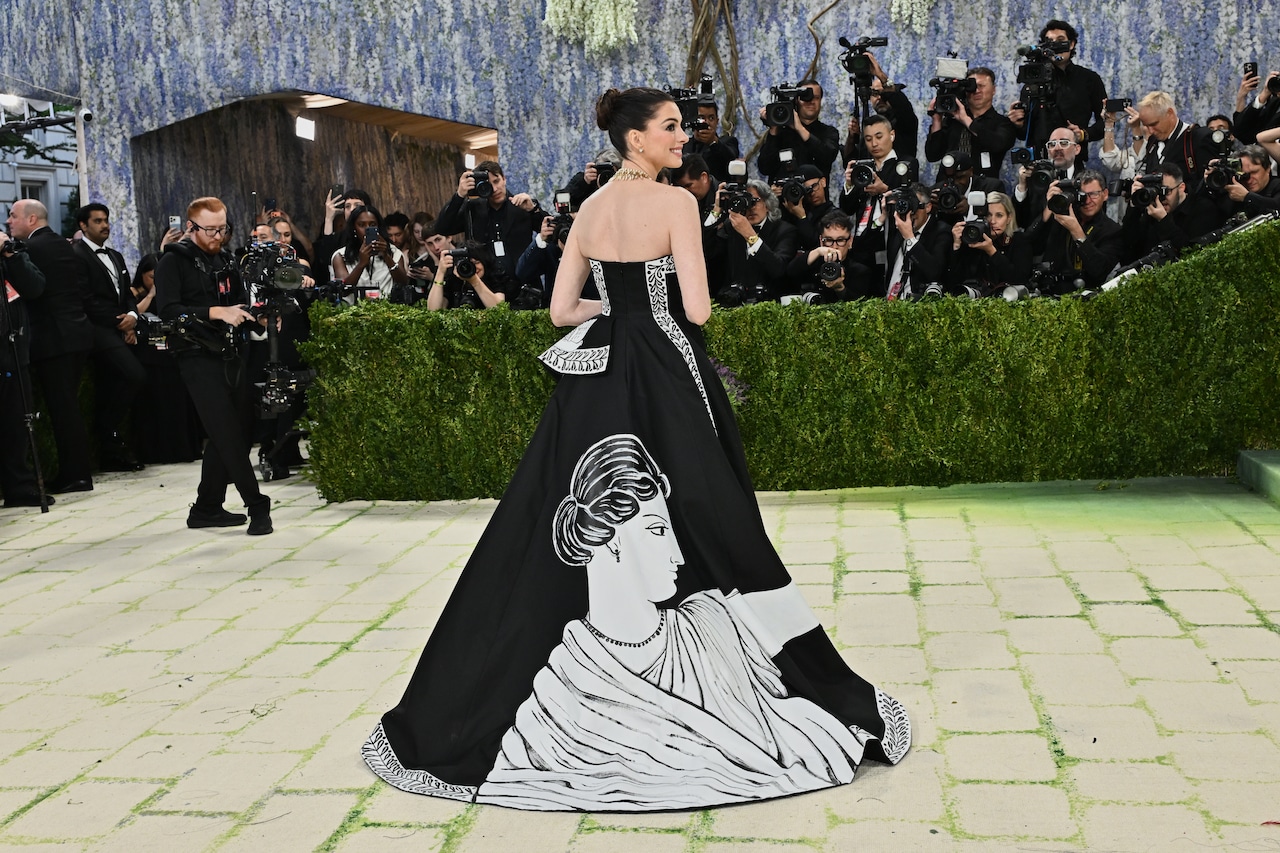
Syracuse-born artist Peter McGough hand-painted a custom Michael Kors gown worn by Anne Hathaway to the 2026 Met Gala. The dress, a strapless black Mikado silk ball gown with a plunging neckline and high-leg slit, features intricate Grecian patterns inspired by the Met's urns and statues, including a goddess with a dove on the back. McGough, a former classmate of Michael Kors at the Fashion Institute of Technology, painted directly on the silk and wool gown over a week using three layers of fabric paint. The design aligns with the gala's 'Fashion Is Art' dress code and references John Keats' poem 'Ode on a Grecian Urn,' also tying into Hathaway's upcoming film 'The Odyssey.'

Comment | Bristol's Spike Island has become an environmental beacon—here's why it makes financial sense for others to follow suit

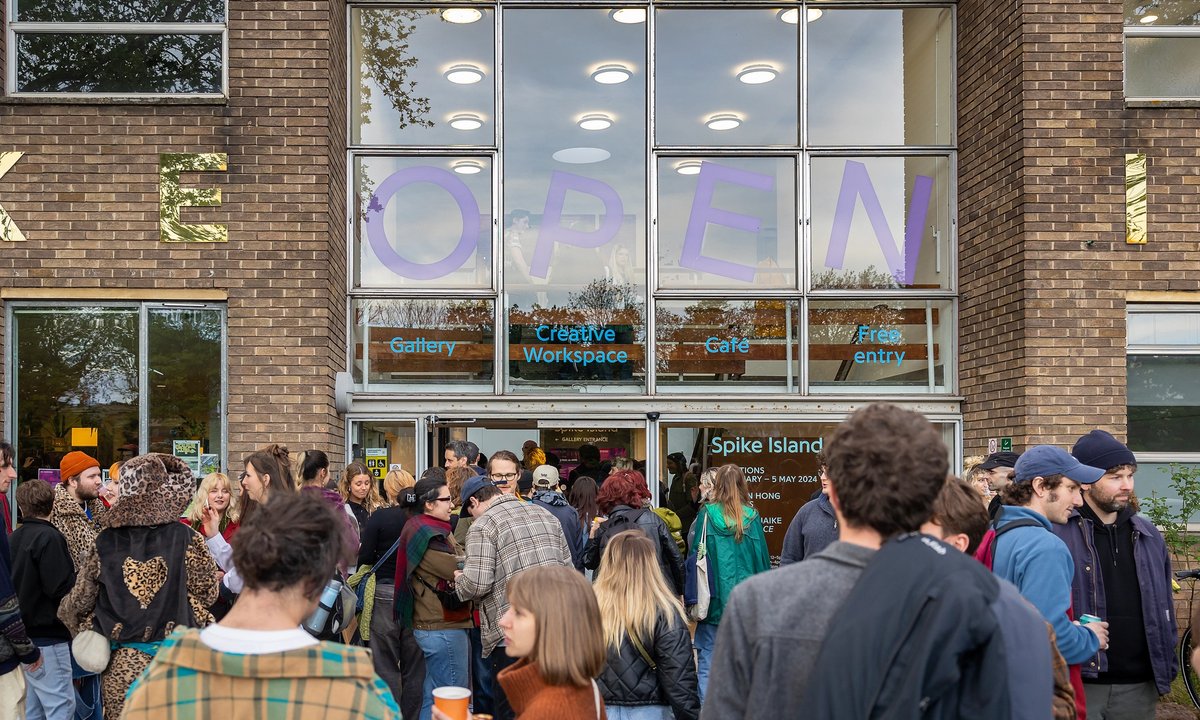
Spike Island, a creative hub in Bristol housed in a historic tea packing factory, has been recognized by the Gallery Climate Coalition (GCC) as a model of environmentally sustainable practice. After an energy audit revealed that 85% of its emissions and running costs came from heating the leaky 1950s building, the organization installed solar panels and began a major retrofit. Since March, the panels have saved 6,000 kilograms of CO2, and further upgrades—including heat pumps and insulation—are planned as part of a long-term capital masterplan developed with Max Fordham and 6a Architects.