filter_list Showing 70 results for "UN" close Clear
search
dashboard All 989 museum exhibitions 520article local 175article culture 70article news 68trending_up market 55article policy 31person people 29rate_review review 23candle obituary 10gavel restitution 7article architecture 1
date_range Range Today This Week This Month All
Subscribe

The 21st Century’s Biggest Art Trend is Not a Style. But Once You See It, You’ll Notice It Everywhere.

The article traces the evolution of "systems art," a term coined by critic Jack Burnham in 1968 to describe art that uses rules, seriality, and repetition to mirror and reveal the growing protocols of the Cold War era. It highlights early practitioners like Kenneth Noland, Robert Morris, Dan Flavin, and notably Hans Haacke and Adrian Piper, who shifted from atmospheric systems (e.g., Haacke's *Condensation Cube*) to social systems (e.g., Haacke's *Shapolsky et al. Manhattan Real Estate Holdings*). The piece argues that systems thinking has become unavoidable in contemporary life—from algorithms to systemic racism—and that art remains a crucial tool for making these invisible systems legible.
‘A gift that keeps on giving’: the witty world of Lee Friedlander – in pictures

The Guardian published a photo essay celebrating American photographer Lee Friedlander, featuring images from his career spanning the 1950s to the 2010s. The article highlights his new book "Life Still," published by Aperture, which collects over 130 photographs—most previously unpublished—showcasing his signature wit and his eye for the American social landscape, including chain link fences, roadside signs, and still lifes. The piece includes commentary from curator Peter Galassi and notes Friedlander's influences from Walker Evans and Robert Frank.

10 Artists to Follow if You Like Iris van Herpen

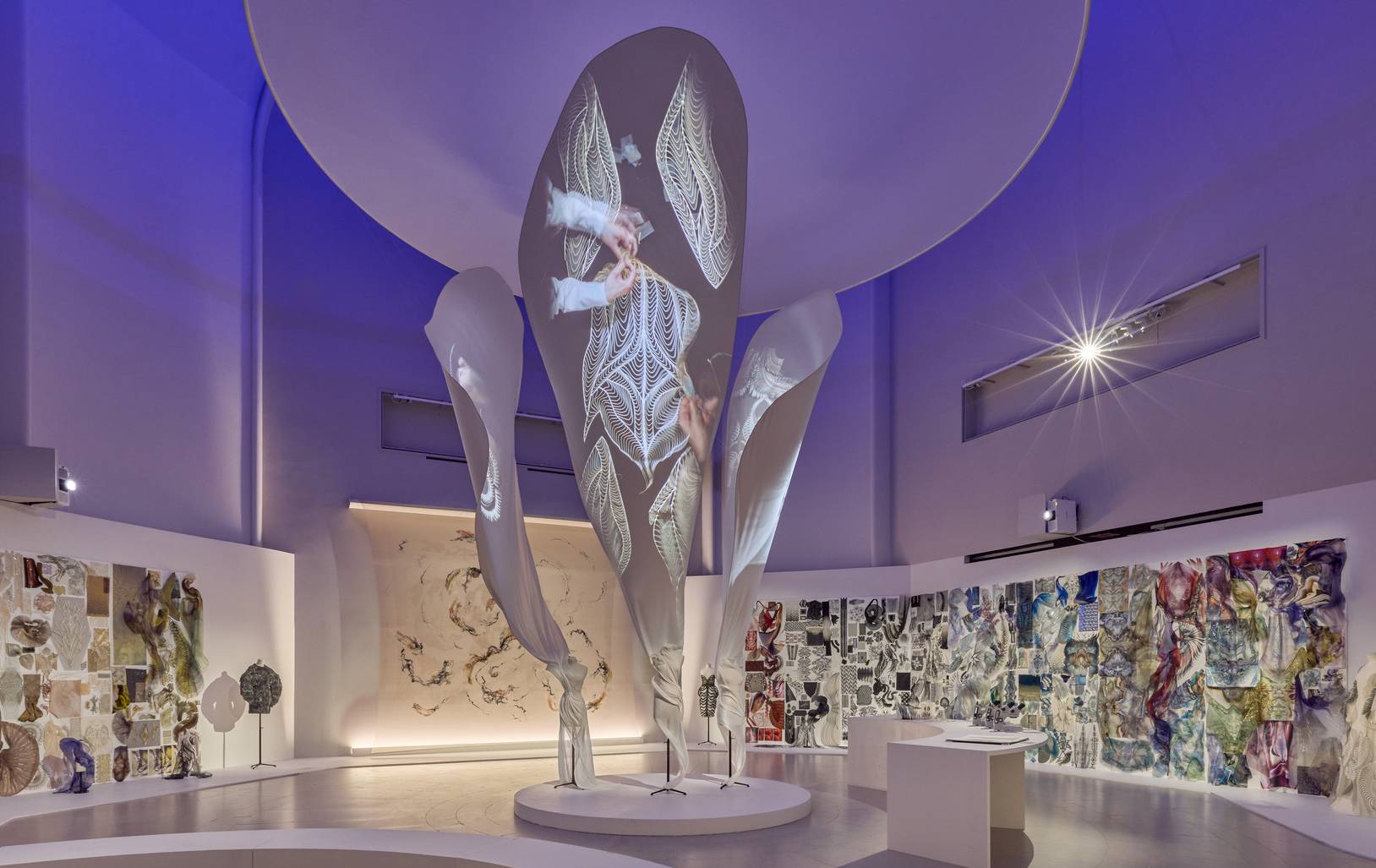
Artsy Editorial profiles 10 contemporary artists whose work aligns with the visionary, technology-driven approach of fashion designer Iris van Herpen. The article highlights van Herpen's career milestones, including her 2011 invitation to join the Chambre Syndicale de la Haute Couture, and her ongoing fusion of traditional craftsmanship with cutting-edge technology to create wearable art. It then presents a curated list of artists who similarly explore themes of organic form, digital fabrication, and the intersection of art and fashion.

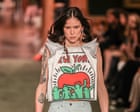
Louis Vuitton revives Keith Haring collaboration at lavish New York show

Louis Vuitton staged a lavish fashion show at the Frick Collection in New York, reviving a collaboration with the estate of artist Keith Haring. The collection, designed by Nicolas Ghesquière, featured Haring's signature motifs on classic LV handbags and was presented in the museum's marble galleries. The event also marked a three-year sponsorship deal, with Louis Vuitton funding exhibitions, public access, and a curatorial position at the Frick, including rebranded free entry evenings as Louis Vuitton Free Fridays.

Rocked on their heels: how exhibitions can change the course of artists’ lives

Alyce Mahon's new book, *Dorothea Tanning: A Surrealist World*, explores how the 1936 MoMA exhibition *Fantastic Art, Dada, Surrealism* profoundly transformed the young artist Dorothea Tanning, who described being "rocked on my run-over heels" by the experience. The article also recounts similar life-changing exhibition encounters for contemporary artists Lorna Simpson and Hurvin Anderson, as discussed on *The Week in Art* and *A brush with…* podcasts, highlighting how specific shows shaped their artistic trajectories.

The Contemporary Art Destinations Gallerists and Artists Have on Their Radar

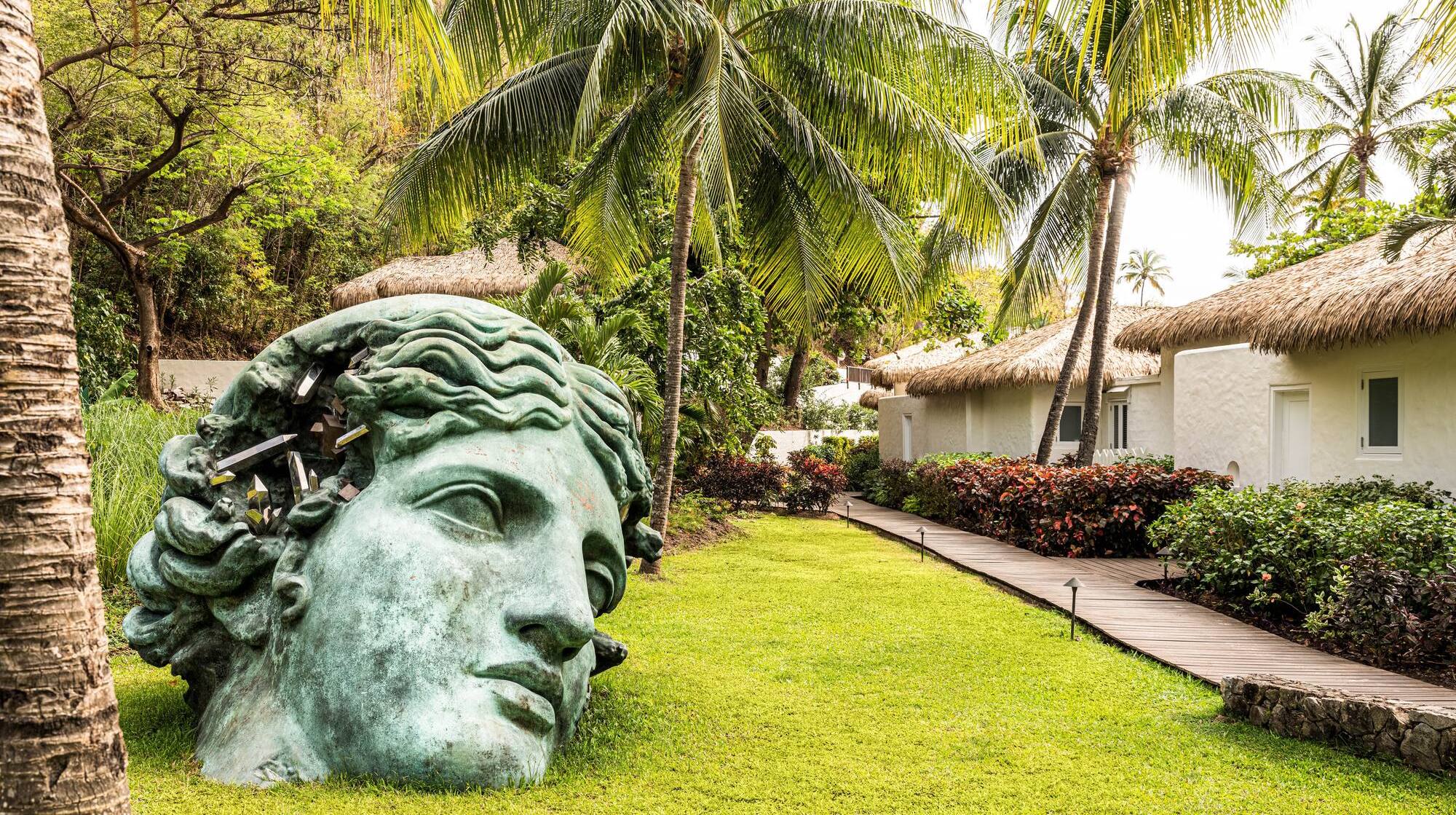
WWD asked top international gallerists, collectors, and artists to name the cities they find most exciting for contemporary art. Karen and Christian Boros recommend Naples and the Amalfi Coast, highlighting galleries like Galleria Giangiacomo Rossetti, Thomas Dane Gallery, and Lia Rumma, as well as Fondazione Morra Greco and Le Sirenuse hotel. Daniel Arsham points to Sugar Beach in St. Lucia for its large contemporary sculpture collection. Jean-Michel Othoniel champions South Korea, citing Seoul's Leeum Samsung Museum of Art, Kukje Gallery, and the Kiaf Seoul fair, plus the city of Busan. Emma Lavigne of the Pinault Collection names Venice, especially during the Biennale Arte di Venezia, as an essential destination.

We are in danger of losing our sense of community

"Wir drohen das Gespür für die Gemeinschaft zu verlieren"

Christophe Cherix, the new director of the Museum of Modern Art in New York, discusses his first months in the role, emphasizing museums as "safe social places" in an era of anxiety and screen-induced isolation. He advocates for collective vision-building with staff and defends the MoMA's independence against political pressure in Trump-era America. Separately, critic Paco Barragán argues in The Observer that biennials are in a structural crisis of repetition, tracing their history from instruments of national soft power to a "Global Neo-Liberal Biennial" system that co-opts diversity without changing its core logic. He introduces the concept of the "vibe-ennial," where discourse is replaced by atmosphere and critique by affect. Meanwhile, longtime Bonn museum director Stephan Berg critiques the boom in immersive art experiences like "Van Gogh – The Immersive Experience," calling them a "surrogate reality" tailored to the Instagram age that destroys the integrity of original works. Artforum reconstructs late-1960s debates on art criticism, focusing on Barbara Rose's challenge to formalists like Clement Greenberg and Rosalind Krauss, arguing that art must engage with societal conflicts such as Black Power and war resistance.

A modern Tower of Babel? Pope Leo XIV warns against artificial intelligence

Pope Leo XIV has issued his first encyclical, titled *Magnifica Humanitas*, warning that artificial intelligence poses a major threat to humanity and could lead to a modern Tower of Babel. In the 43,000-word letter, he calls for disarming AI, establishing robust legal frameworks, and regulating tech giants like Meta. He also references Picasso's *Guernica* (1937) as a prophetic work denouncing dehumanization, alongside Beethoven's Ninth Symphony and the novel *Schindler's List*. Separately, the Vatican is expanding its contemporary art program, with a new space called Conciliazone 5 currently showing works by British artist George Rouy, and future exhibitions planned for Yan Pei-Ming and Vivian Suter.

From high BMI to the ‘GLP-1 look’: how weight-loss jabs are changing the face of beauty

Researchers and art historians are examining how weight-loss drugs like Wegovy and Mounjaro are reshaping ideals of beauty in art. Prof. Rosalind Gill and Dr. Michael Yafi argue that the rapid fat loss caused by GLP-1 medications produces a distinctive gaunt facial appearance—dubbed 'GLP-1 face'—which could become a new aesthetic standard reflected in contemporary art, similar to 'heroin chic' in the 1990s. Yafi presented his findings at the European Congress on Obesity, noting that while artists like Fernando Botero continue to celebrate fuller figures, future artworks may increasingly depict thin individuals with hollowed features.

A hated portrait and a forged masterpiece: two new thrillers with paintings at their centre

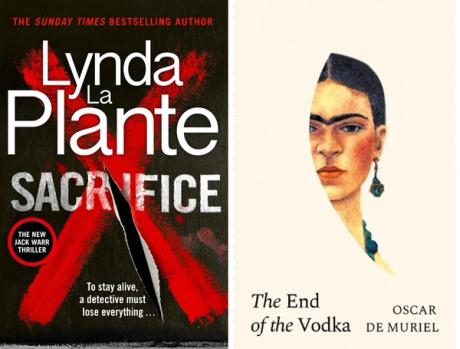
Two new thrillers center on paintings: "The End of the Vodka" by an unnamed author, which fictionalizes the real story of Frida Kahlo's commissioned portrait of Dorothy Hale—a painting that horrified its patron Clare Boothe Luce—and weaves an imagined conversation between Luce and Wallis Simpson amid the backdrop of World War II. The second, "Sacrifice" by Lynda La Plante, follows Detective Jack Warr as he investigates a possible forgery of a Jean-Michel Basquiat painting, leading to murder and a missing art forger.

Two of Modernism’s Lesbian Icons Get the Novel Treatment

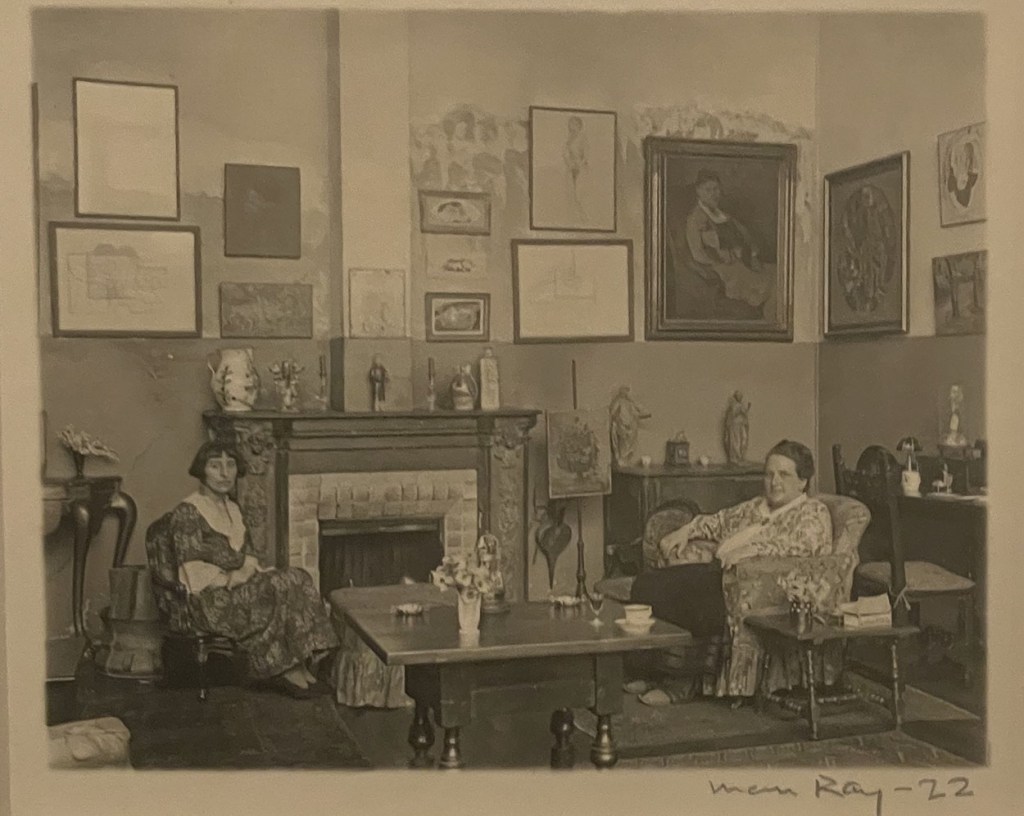
Deborah Levy's novel "My Year in Paris with Gertrude Stein" follows an unnamed narrator who travels to Paris to write an essay about Gertrude Stein, struggling with the weight of Stein's legacy while visiting her grave at Père Lachaise cemetery. The book explores Stein's life as a modernist icon, her relationship with Alice B. Toklas, and her role as a host to figures like Pablo Picasso and Ernest Hemingway, while the narrator grapples with Stein's defiant personality and literary style.

How Is Arts Patronage Changing?

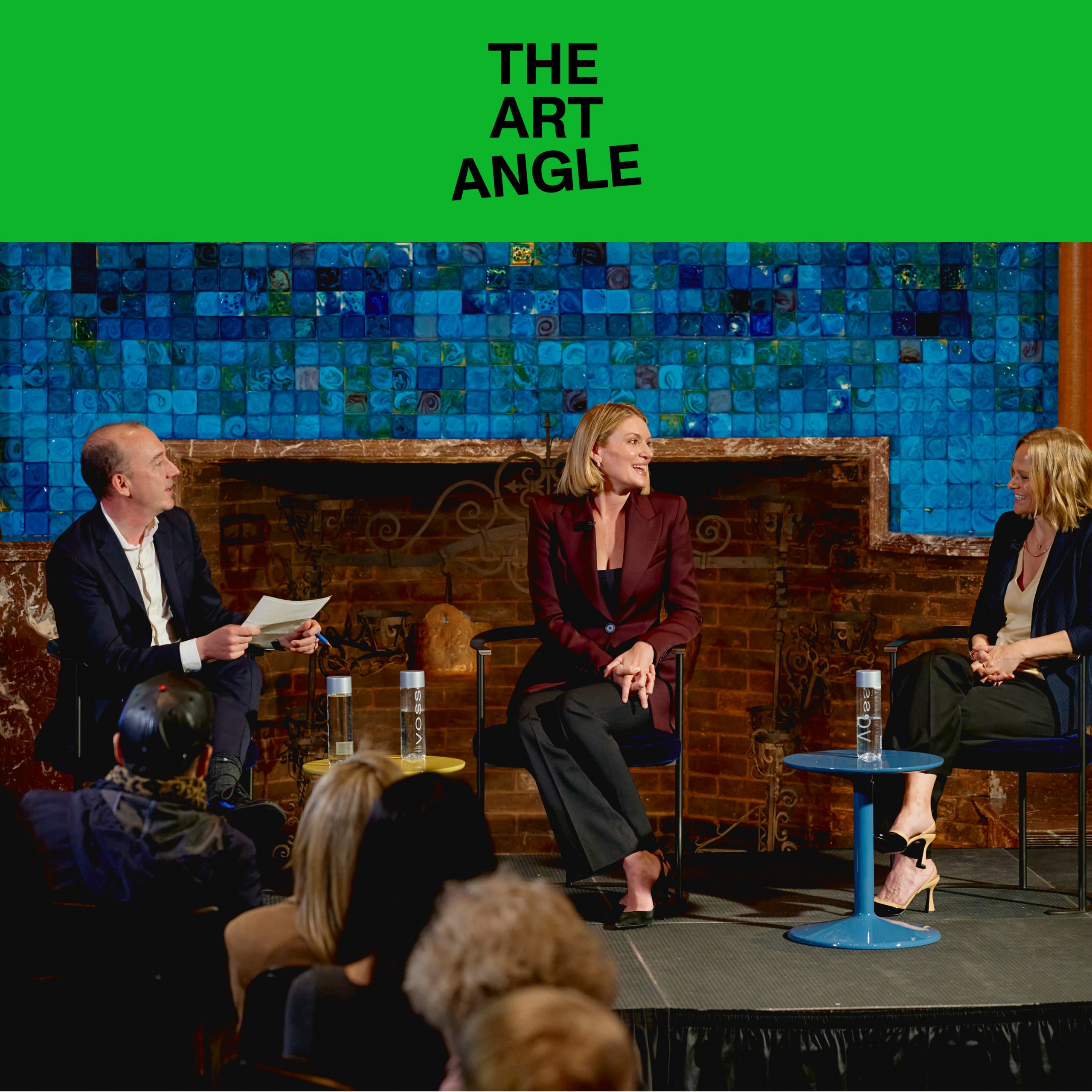
At TEFAF New York, Artnet News editor Andrew Russeth moderated a panel titled “Who Supports Art Now? Patronage in a Shifting Cultural Landscape” featuring two prominent figures in American arts philanthropy: Sarah Arison and Michi Jigarjian. Arison, who became the youngest president of the Museum of Modern Art’s board in 2024 at age 39, also leads the Arison Arts Foundation and chairs YoungArts. Jigarjian, CEO of Work of Art Holdings and a partner at 7G Group, has led Baxter St at CCNY for 15 years and serves on the boards of the Brooklyn Museum and MoMA PS1. The discussion took place during fair week in mid-May at the Park Avenue Armory.

New Richard Avedon documentary chronicles how he shaped the evolution of photography

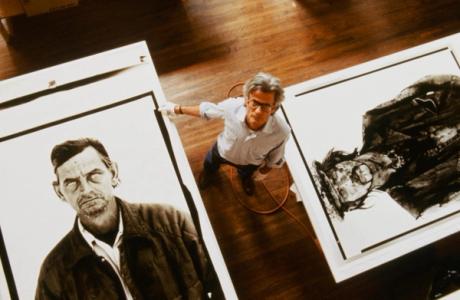
Imagine Documentaries, the nonfiction arm of Ron Howard and Brian Grazer's Imagine Entertainment, premiered a new documentary about photographer Richard Avedon at the Cannes Film Festival on May 17. The film, co-produced by the Richard Avedon Foundation, draws heavily from archival interviews conducted by Helen Whitney for the PBS series *American Masters*, supplemented by new interviews with Avedon's son John, muse Lauren Hutton, Isabella Rossellini, Twyla Tharp, and former *New Yorker* colleagues Tina Brown and John Lahr. The documentary explores Avedon's career, his technique of building rapport with subjects, and his iconic images such as *Dovima with Elephants*, which dealer Larry Gagosian notes sold for $2 million.

Keith Haring and Louis Vuitton collaboration launches at the Frick Collection.

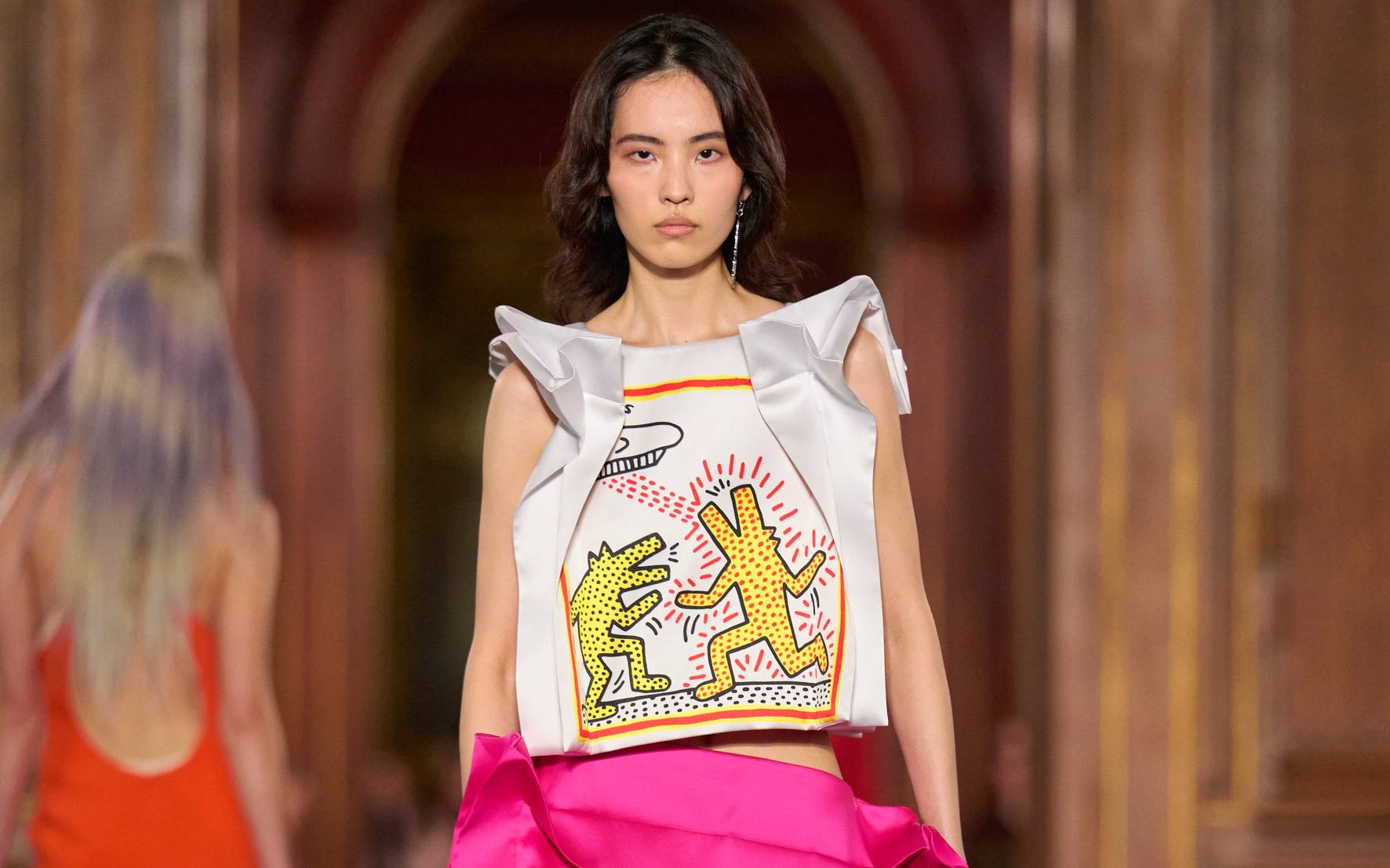
Louis Vuitton debuted its Cruise 2027 collection at the Frick Collection in New York, drawing heavy inspiration from artist Keith Haring. The collection was sparked by a leather Louis Vuitton suitcase that Haring embellished in 1984, which the house acquired in 2020. Haring’s signature motifs appeared throughout the runway show, which also referenced the gritty energy of New York City’s 1980s downtown art scene.

Global Art Biennials: Renovation, Revelation—or Repetition?

The article examines the current state of global art biennials, arguing that recent controversies—such as the 2022 documenta antisemitism crisis and geopolitical tensions at the 61st Venice Biennale—reveal these exhibitions as deeply politicized platforms rather than neutral cultural events. It highlights how juries and curators have introduced geopolitical criteria, and cites ongoing debates in Artforum (April 2026) featuring voices like Daniel Birnbaum, Michelle Grabner, and Adam Szymczyk, who diagnose visible tensions but overlook deeper structural conditions.

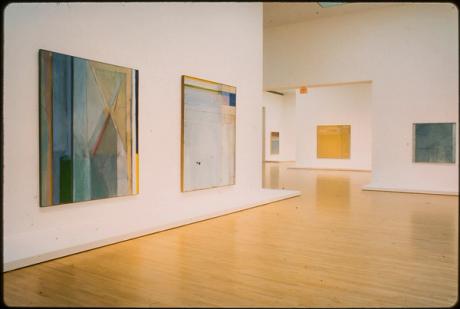
Dansaekhwa has taken over the modern art world. But the story of how that happened is up for debate.

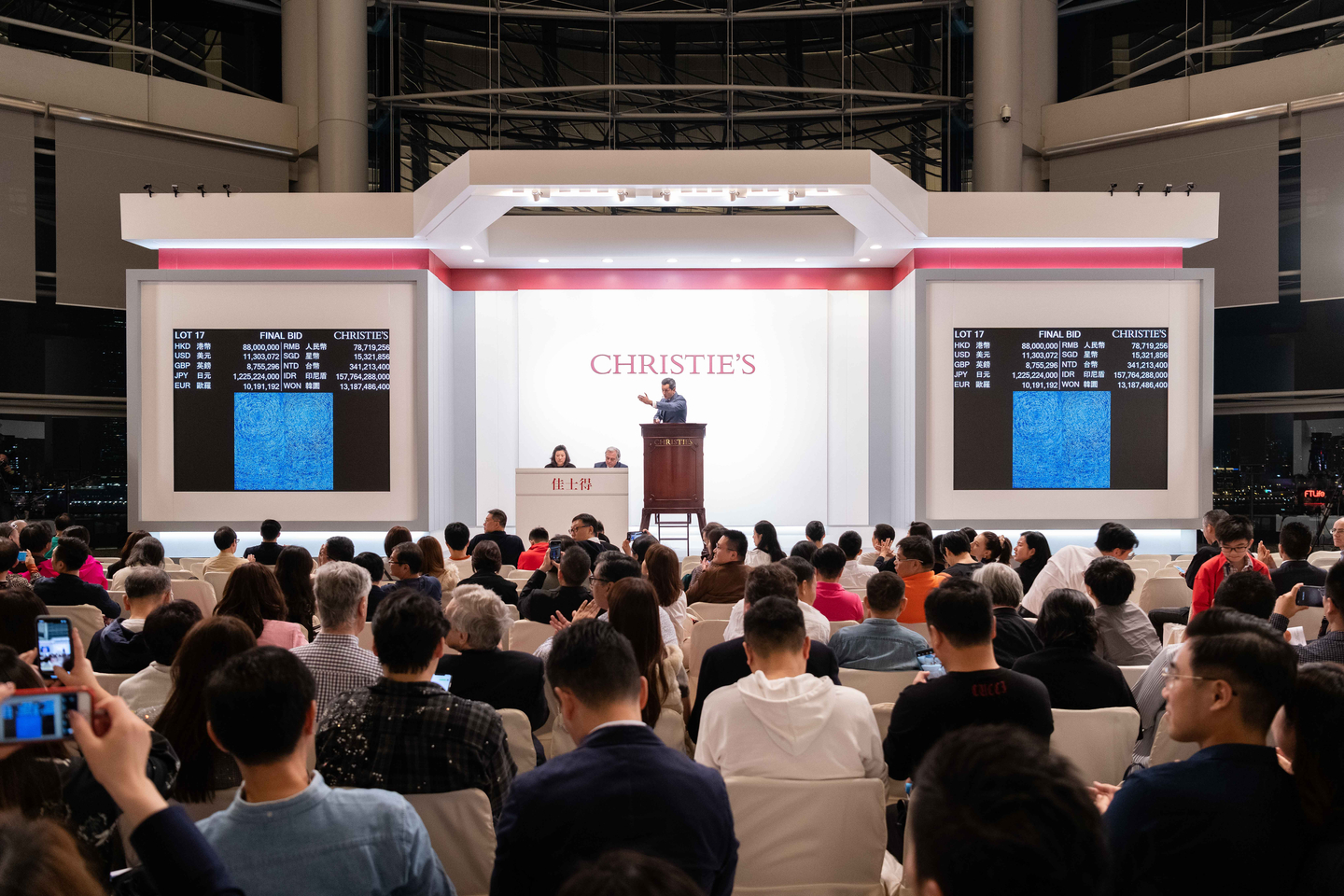
The article examines the global rise of Dansaekhwa, a Korean monochrome painting style that has achieved record auction prices and widespread collector interest over the past decade. It traces key milestones, including two pivotal 2014 exhibitions at Kukje Gallery in Seoul and Blum & Poe in Los Angeles, and the surge in auction prices for artists like Kim Whan-ki, Park Seo-bo, and Chung Sang-hwa, culminating in a $13 million sale in 2019.

The Divine Powers of “Chicken Linda”

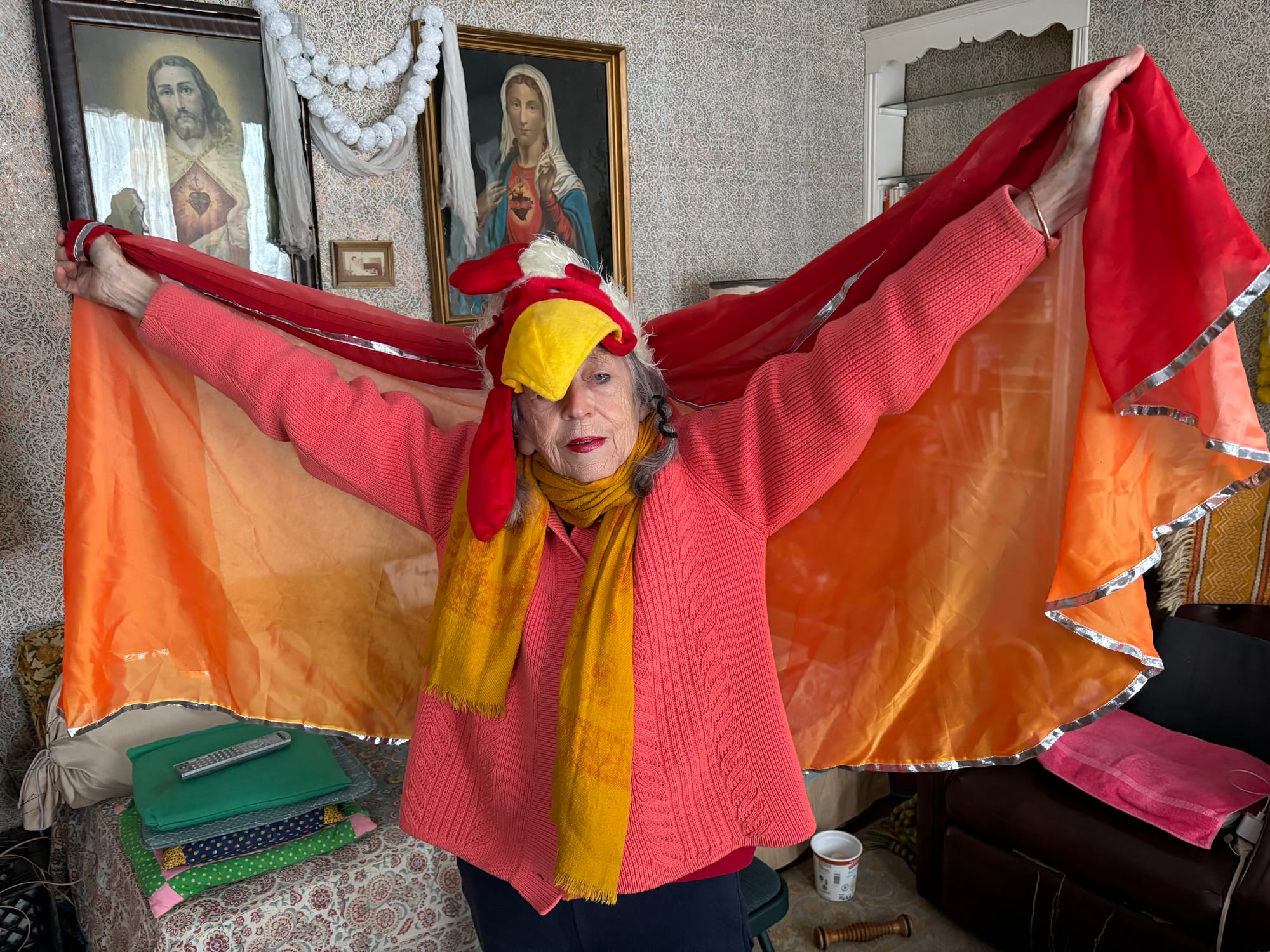
Performance artist Linda Mary Montano, now in her 80s, invited writer Taliesin Thomas into her home in Saugerties, New York, which functions as a living shrine filled with altars, experimental sculptures, and religious iconography. Montano, who calls herself “Chicken Linda” to connect with the Holy Spirit, discussed her six-decade career as an endurance performance artist, her Catholic faith, her studies with guru Shri Bhramananda Saraswati, and her influential early years in San Francisco during the First Wave feminist art movement. She also recounted personal tragedies, including the murder of her former husband Mitchell Payne, which led to her video work “Mitchell’s Death,” now in the collections of MoMA and the Museum of Conceptual Art, Los Angeles.

Opinion: In galleries across Canada, too much art is being hidden away

Don LePan, a novelist, book publisher, and painter, argues that public art galleries across Canada are failing to display their permanent collections, using the MacKenzie Art Gallery in Regina as a prime example. During a visit in early March, LePan found that none of the gallery's extensive permanent collection—which includes works by Group of Seven artists, European masters like Picasso and Gauguin, and modernists such as Agnes Martin—was on view. Instead, the entire exhibition space was devoted to three special shows: a photographic and conceptual art exhibition by Plains Cree artist Joi T. Arcand, a selection of works by 2025 Governor General’s Awards in Visual and Media Arts recipients, and an Indigenous art exhibition. LePan praises these exhibits but criticizes the gallery's decision to completely exclude its permanent collection.

What You (Maybe) Didn't Know About Édouard Manet

Ce que vous ne saviez (peut-être) pas sur Édouard Manet

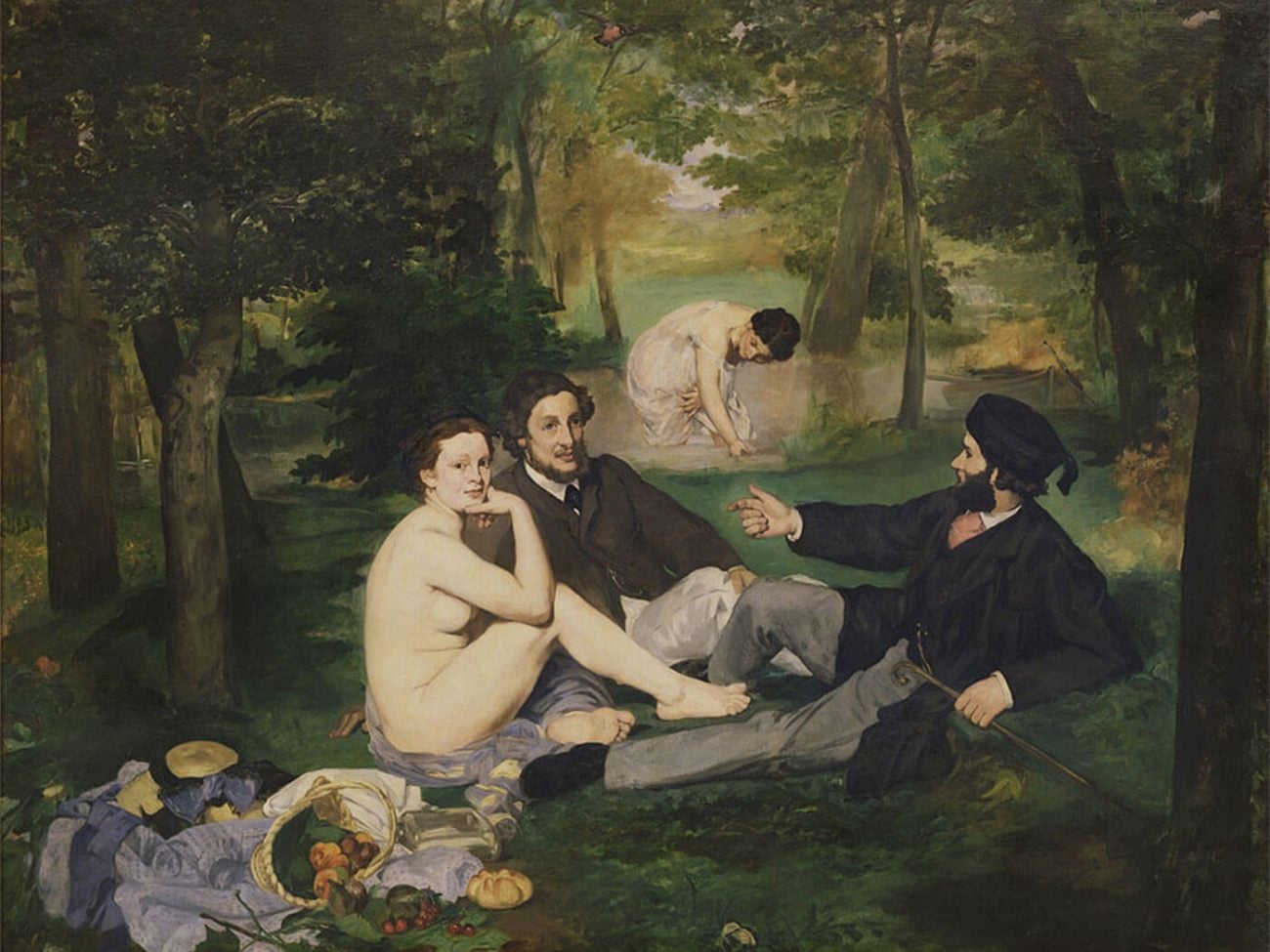
Édouard Manet (1832–1883), a pivotal figure bridging realism and impressionism, is the subject of a feature article in Beaux Arts Magazine. The piece explores lesser-known aspects of his life and career, including his near-miss as a naval officer, his rivalry with Gustave Courbet, his refusal to join the impressionist exhibitions despite close ties to the movement, and his deep fascination with Spanish culture. It highlights his scandalous works like *Le Déjeuner sur l'herbe* (1863) and *Olympia*, the latter entering the Louvre after a subscription launched by Claude Monet in 1889.

A Culture Lover’s Guide to Northwest Arkansas, a Land of Contradictions

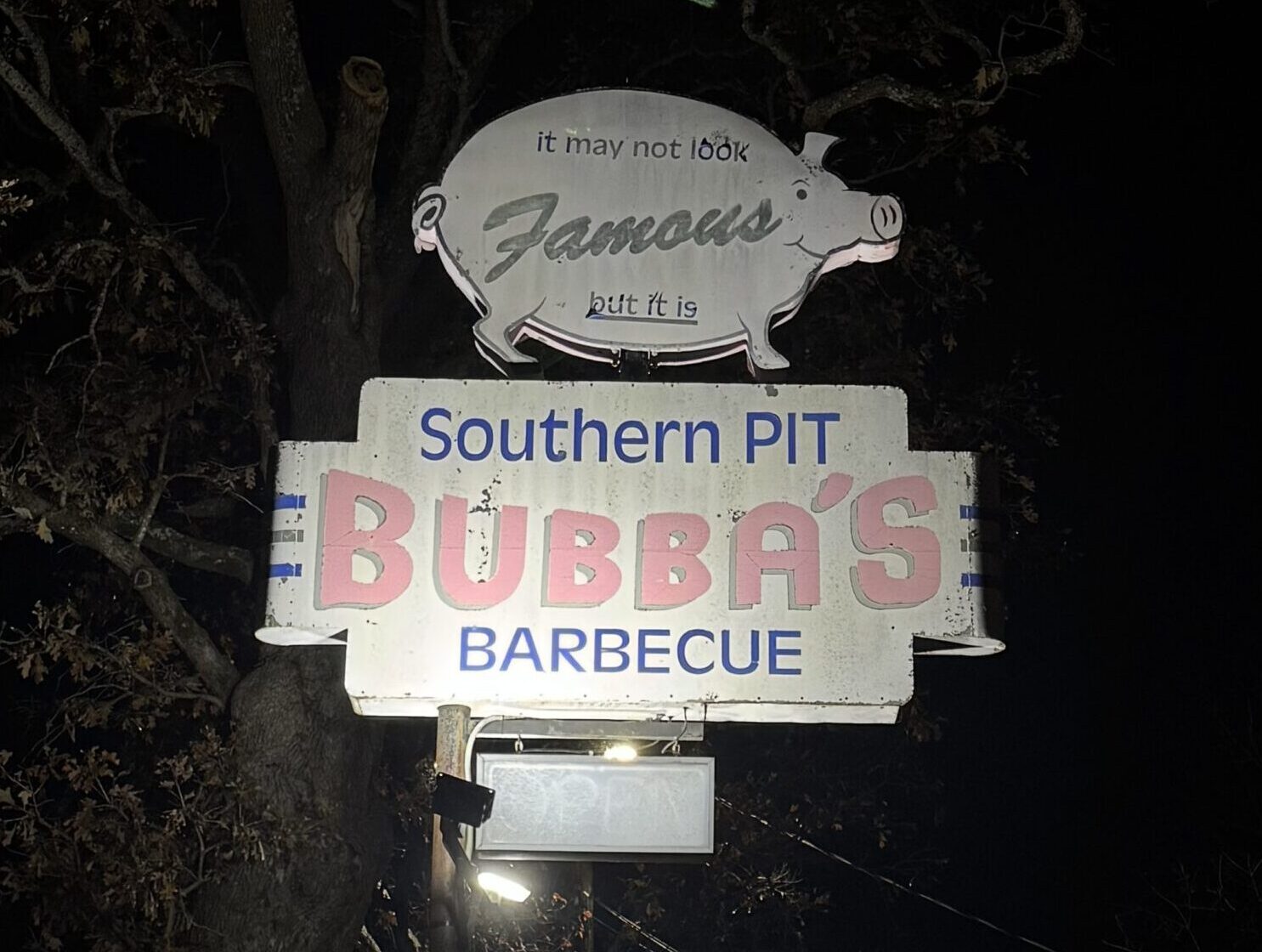
This travel guide explores the cultural landscape of Northwest Arkansas, focusing on the upcoming 114,000-square-foot expansion of the Crystal Bridges Museum of American Art in Bentonville, set to open June 6, 2026. The author recounts a road trip from Little Rock to the Ozarks, visiting the Arkansas Museum of Fine Arts (with its new Studio Gang-designed building), dining at Coursey's Smoked Meats, and encountering a white supremacist billboard in Harrison, while also highlighting Thorncrown Chapel by E. Fay Jones as a transcendent architectural stop.

Shoot and branch: new photography book highlights the enduring majesty of trees

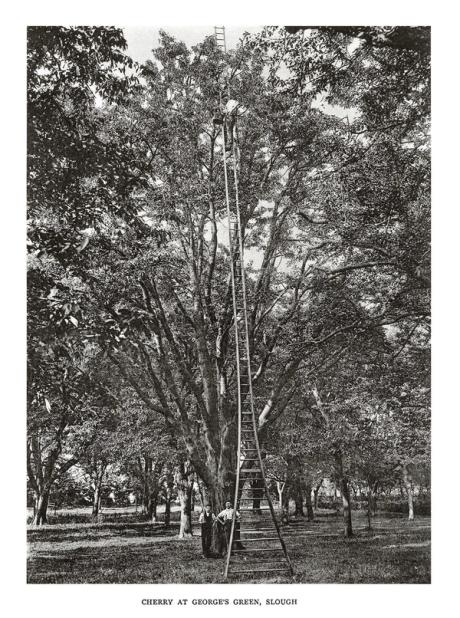
A new photography book, *Trees of Great Britain and Ireland*, reproduces over 60 photographs originally taken between 1906 and 1913 for Henry John Elwes and Augustine Henry's ambitious seven-volume catalogue of tree species. The images, mostly by uncredited photographers, were printed using a collotype process by the Autotype Company and are now newly lithoprinted to preserve their tonal subtlety. The book includes an introduction by Michael Pritchard and notes by photographic historian Björn Andersson, highlighting the historical and aesthetic significance of these botanical photographs.

Inside the technicolour world of Jack White

Jack White, the musician best known as the frontman of The White Stripes, has begun showing his visual art, which he has been creating since his teenage years. The article offers a glimpse into his vibrant, technicolour artistic practice, marking his debut as a visual artist in the public eye.

A pop-up hotel format is born that focuses on culture: starting in an architecture in Arles, France (with photos by Carla Sozzani)

Nasce un format di hotel pop up che punta sulla cultura: si inizia in un’architettura di Arles in Francia (con le foto di Carla Sozzani)

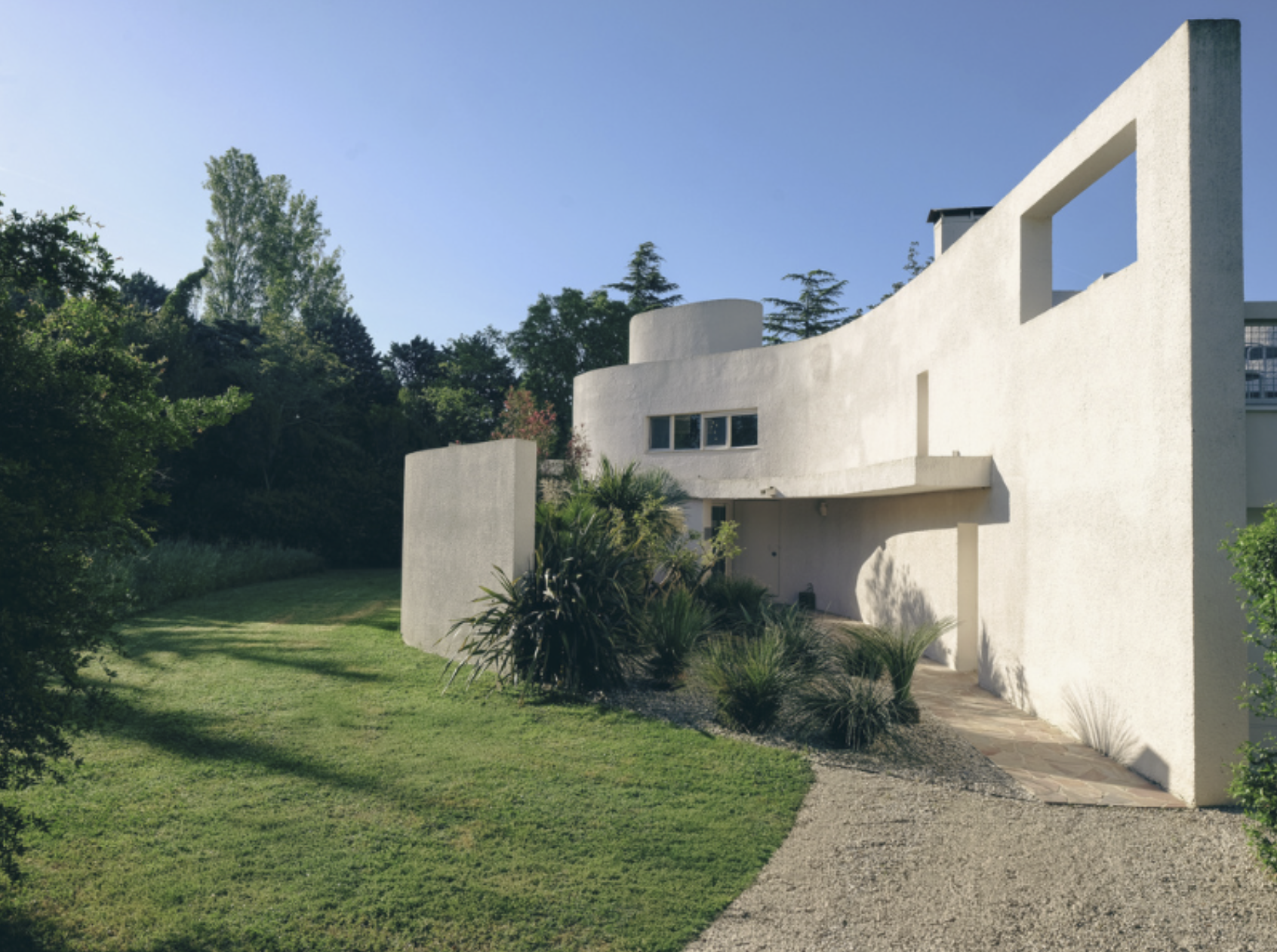
Luca Pronzato, founder of the pop-up restaurant platform We Are Ona, is launching a new itinerant hospitality concept called Casa Ideale. The first edition will take place from July 1–10, 2026, at Villa Bank, a 1970s villa near Arles, France, designed by Emile Sala and protected as a Remarkable Contemporary Architecture by the French Ministry of Culture. Guests will stay in the villa and dine at a restaurant run by chef Gil Nogueira, while the space also hosts a photography exhibition titled "Prologo" curated by Maddalena Scarzella for Fondazione Sozzani, featuring over 60 works from Carla Sozzani's archive by artists such as Urs Lüthi and Helmut Newton, alongside design pieces from the gallery Downtown+ by Luna Laffanour.

Pappi Corsicato's film on photographer Claudio Abate, which recounts the artistic ferment of Rome between the 1960s and 1990s, is now on RaiPlay

È su RaiPlay il film di Pappi Corsicato sul fotografo Claudio Abate che racconta il fermento artistico di Roma tra gli Anni ’60 e ‘90

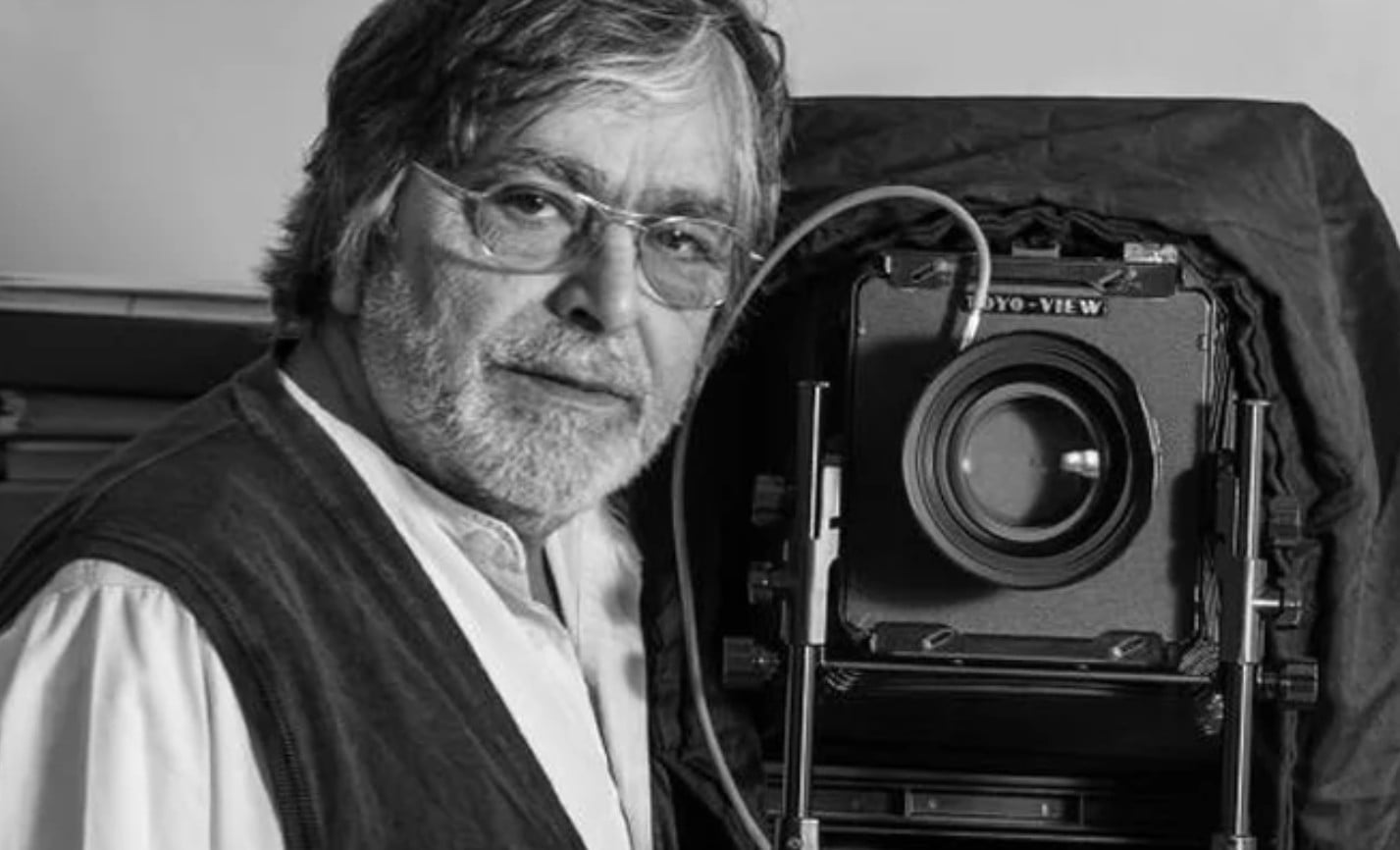
RaiPlay has released a new documentary film by Pappi Corsicato titled "Claudio Abate. L’obiettivo nell’arte" (2026), which pays tribute to the late photographer Claudio Abate (1943–2017). The film weaves together interviews, archival materials, and footage from Istituto Luce to chronicle Abate's life and work, focusing on his role documenting the vibrant Roman art scene from the 1960s through the 1990s. It highlights his collaborations with key figures such as Jannis Kounellis, Michelangelo Pistoletto, Fabio Sargentini, and the artists of the Pastificio Cerere school, capturing seminal performances, happenings, and installations that defined Arte Povera and other avant-garde movements.

The Burlington Magazine - n°1478 vol CLXVIII - May 2026

The May 2026 issue of The Burlington Magazine (n°1478, vol. CLXVIII) presents a rich array of scholarly articles, exhibition reviews, and book reviews covering European art from the medieval period to the 20th century. Highlights include Laure Boyer's study of two photographs of Victorine Meurent linked to Manet's 'Le Déjeuner sur l'herbe' and 'Olympia', Axel Moulinier's analysis of Watteau's copies after old masters, and Richard Thomson's essay on a century of Monet in print. Exhibition reviews cover shows on Monet's Étretat coast, Orazio Gentileschi, Cornelius Jonson van Ceulen, Gainsborough, Seurat, Italian Symbolism, and Iliazd. Book reviews range from medieval art and Pietro Bellotti to Helene Schjerfbeck, Roberto Matta, and contemporary jewelry at the Dallas Museum of Art.

Why Did the Met Opera Decide to Exhume Frida Kahlo and Diego Rivera’s Marital Strife?

The Metropolitan Opera has staged Gabriela Lena Frank's first opera, *El Último Sueño de Frida y Diego*, which imagines a supernatural reunion between Frida Kahlo and Diego Rivera on Día de los Muertos. The production, conducted by Yannick Nézet-Séguin and starring Isabel Leonard and Carlos Álvarez, uses magical realism to explore the couple's turbulent relationship, though it largely sidelines their Communist activism and Kahlo's queer affairs in favor of a simplified reconciliation narrative.

How Garry Trudeau’s Doonesbury cartoons captured America: ‘One of our nation’s greatest journalists’

A new biography titled "Trudeau & Doonesbury: The Cartoonist Who Turned the News into Art" by Joshua Kendall explores the life and career of Garry Trudeau, creator of the long-running comic strip Doonesbury. Published on Tuesday, the book is the first major biography of Trudeau, who won a Pulitzer Prize for editorial cartooning and whose characters age and evolve over 56 years, unlike those in other iconic strips. Kendall, a Yale alumnus, conducted original interviews and examined thousands of archival documents, though Trudeau—known for his reclusive nature—only agreed to limited email exchanges and some interviews, making the book unauthorized.

Stripteases, ecstatic embraces and a dog in a dress: the full-on photos celebrating queer dancefloors worldwide

A new photo book titled *Sex, Clubs, Dissent: Visualising Queer Nightlife*, edited by writer Amelia Abraham, collects photographs from the 1960s to today that document queer nightlife around the world. The anthology features works by artists such as Wolfgang Tillmans, Sunil Gupta, Kia LaBeija, Phyllis Christopher, Roxy Lee, Ajamu X, and Del LaGrace Volcano, alongside images from trans community archives in Mexico City and Buenos Aires. The book is organized into sections on sex, clubs, and dissent, and includes a range of media from film stills to a Grindr screenshot, aiming to capture the messy, sexy, and politically charged atmosphere of queer social spaces.

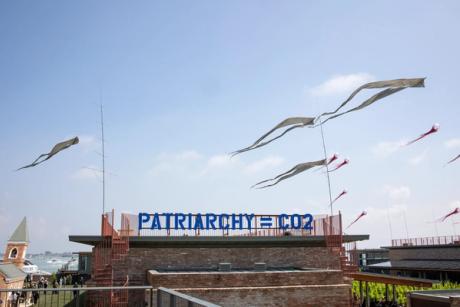
Boats and trains, not planes: reflections on a greener—but sometimes greenwashed—Venice Biennale

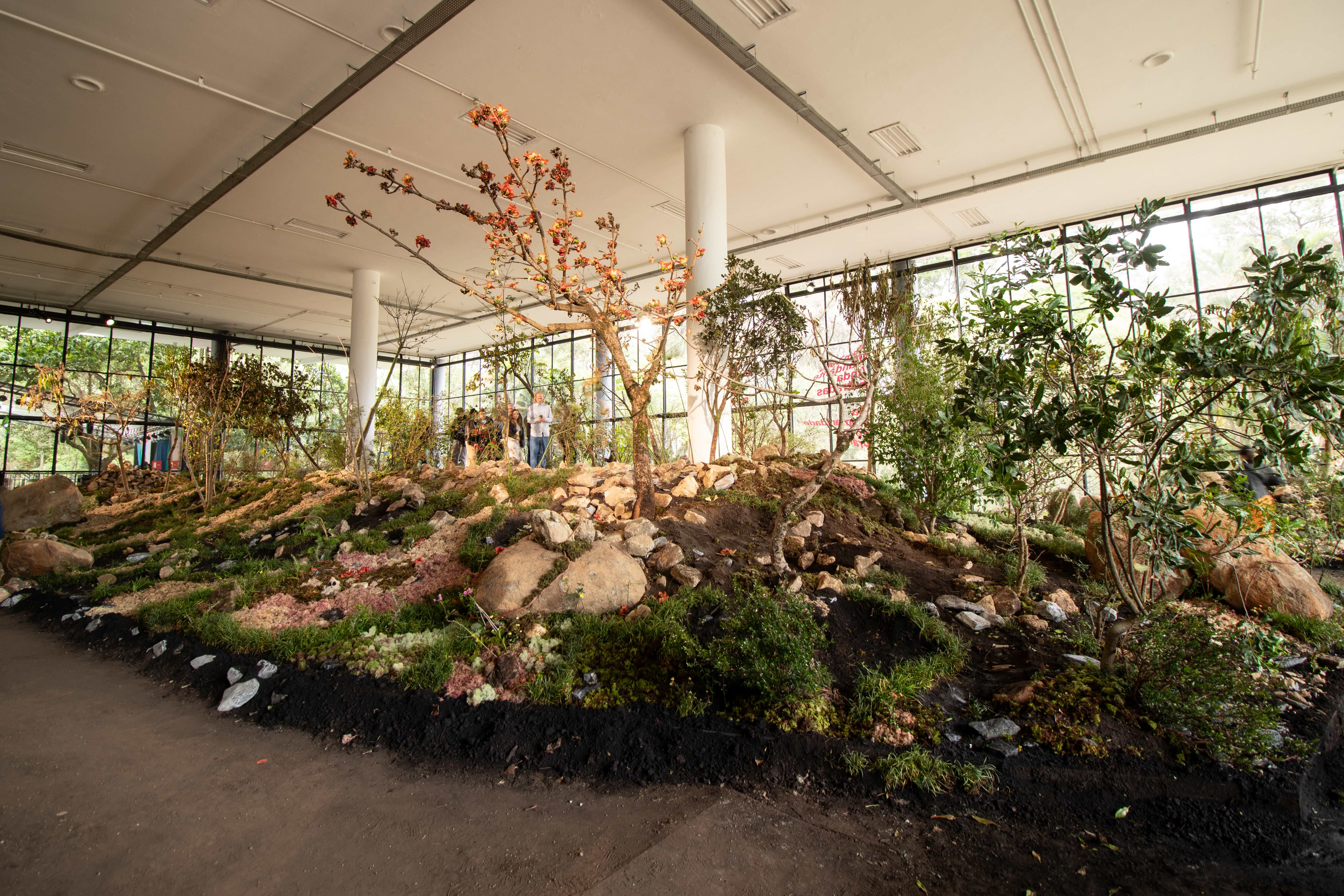
The article recounts the author's train journey from London to Venice for the 61st Venice Biennale, highlighting the environmental benefits and pleasant experience of traveling by rail versus flying, despite higher costs and longer duration. It then focuses on the Biennale's central exhibition "In Minor Keys" curated by the late Koyo Kouoh, which foregrounds environmental themes through works that engage with earth, nature, and ecological stakes, featuring artists like Otobong Nkanga, Célia Vasquez Yui, Theo Eshetu, Linda Goode Bryant, and Annalee Davis.

Steven Soderbergh, the Colors of Money

Steven Soderbergh, les couleurs de l’argent

Steven Soderbergh's new film "The Christophers" (2025) is a sharp, chamber-piece drama about art, inheritance, and money. The story follows Julian Skar, a former art superstar from the 1970s now living in seclusion and earning a living by caricaturing himself on social media. His children, Barnaby and Sally, eager to maximize their future inheritance, hire a repentant forger named Lori Butler to secretly complete Julian's unfinished masterpiece, an eight-portrait series titled "The Christophers." The film explores the complex relationships that develop between the four characters in a labyrinthine London house, written in the style of a lively theatrical play.