filter_list Showing 39 results for "UN" close Clear
dashboard All 1065 museum exhibitions 513article local 172article news 123trending_up market 82person people 44article culture 43article policy 39rate_review review 17gavel restitution 13candle obituary 12article event 6article events 1
date_range Range Today This Week This Month All
Subscribe

V&A Pulls Catalog Materials Due to Chinese Censorship Laws

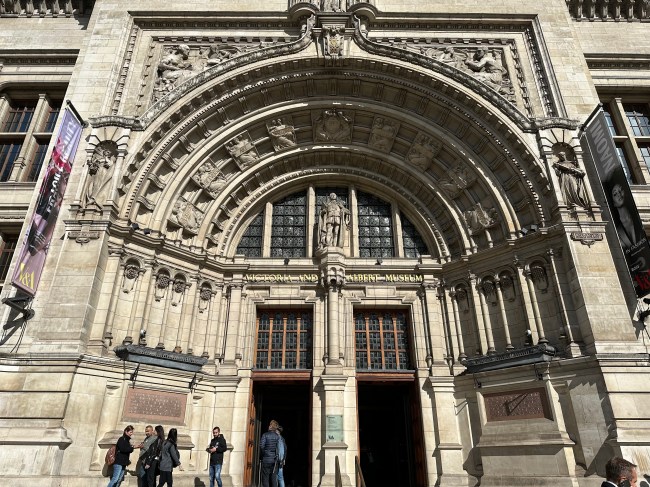
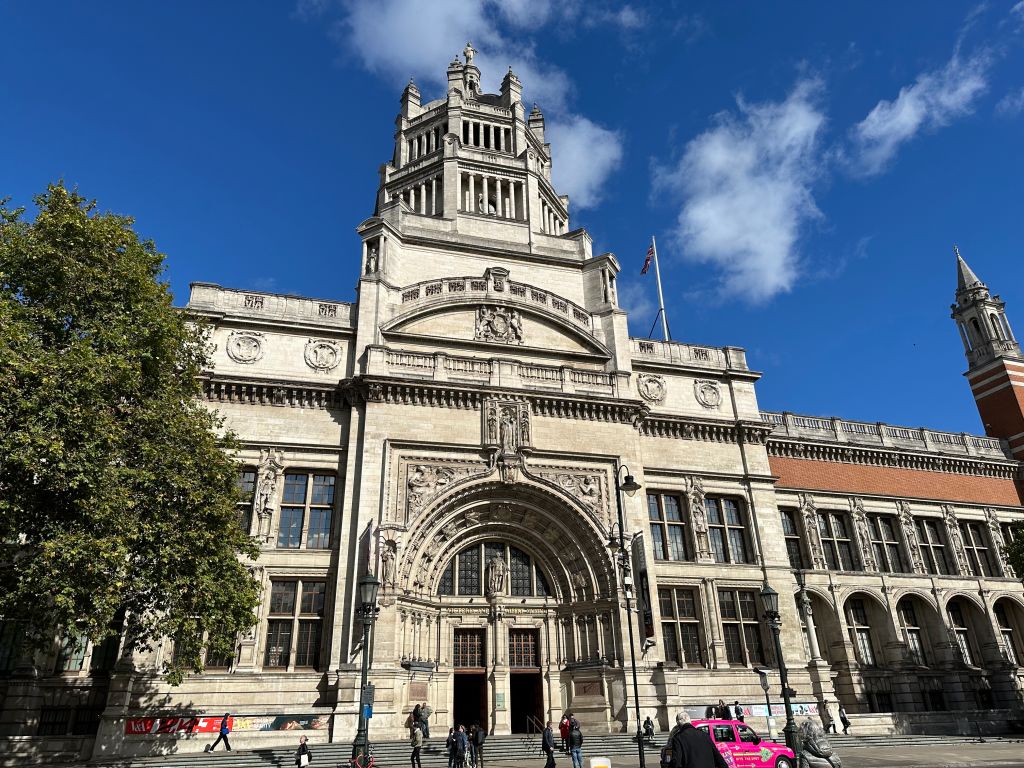
The Victoria and Albert Museum (V&A) in London has admitted to removing maps and images from two exhibition catalogs following censorship demands from a Chinese printing firm. Documents revealed that C&C Offset Printing flagged content in the catalogs for the exhibitions "Music Is Black" and "Fabergé: Romance to Revolution" as violating Chinese law. The censored items included a 1930s map of British trade routes and a photograph of Vladimir Lenin, which the printer claimed could not be produced under Beijing’s strict regulations.
Is Chinese Censorship Reaching Inside Britain’s Museums?

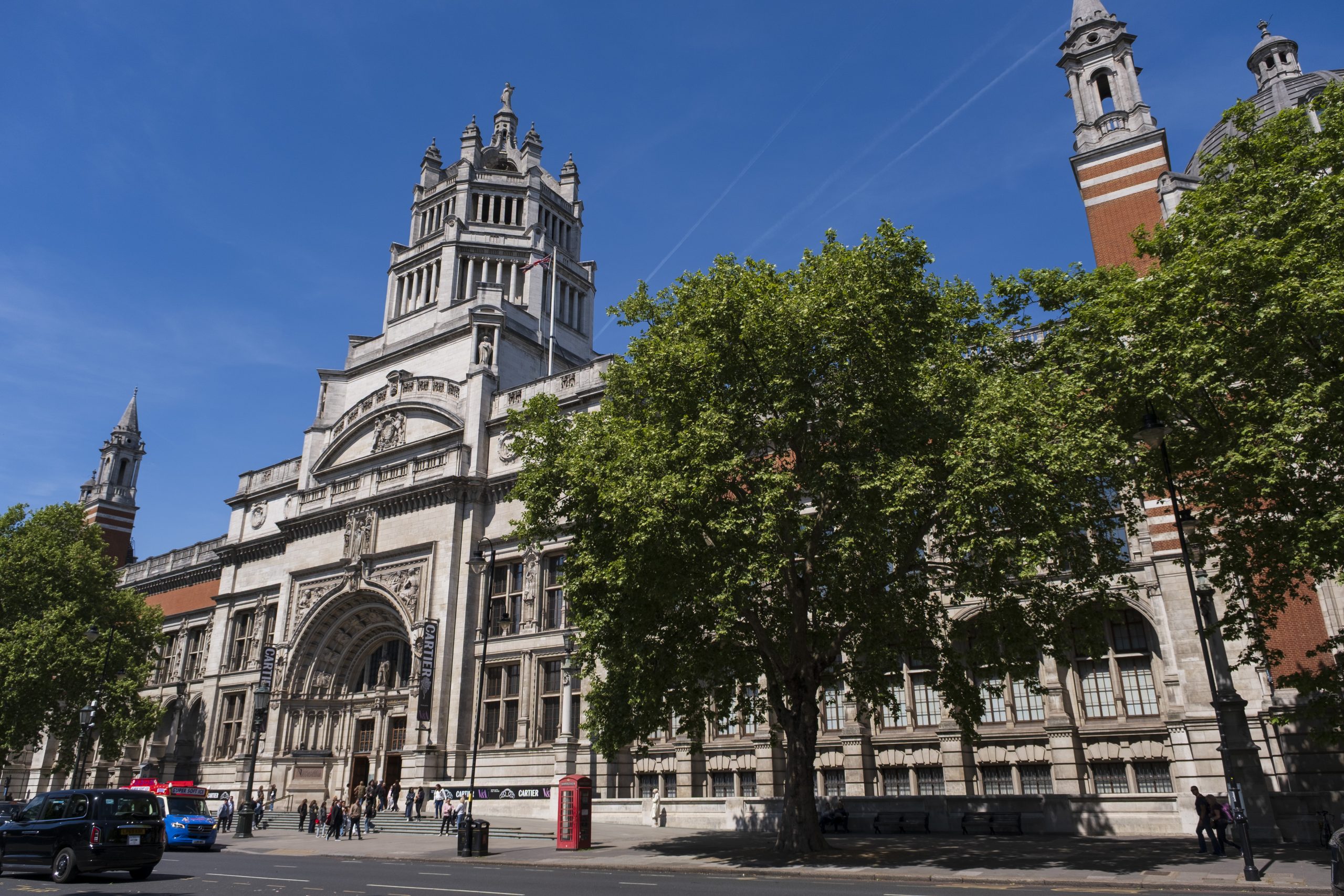
London’s Victoria and Albert Museum (V&A) has come under fire following reports that it altered exhibition catalogues to comply with Chinese government censorship. To reduce production costs, the museum utilized printers in China, which are subject to Beijing’s General Administration of Press and Publication (GAPP) regulations. Consequently, the museum removed historical maps and an image of Vladimir Lenin from publications for the "Music is Black" and "Fabergé: Romance to Revolution" exhibitions after they were flagged by Chinese authorities.

The Guardian view on a much-needed boost for the arts: rebuilding England’s cultural landscape

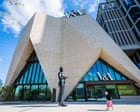
The V&A East Museum is set to open in Stratford, London, marking a significant milestone for the East Bank cultural quarter. This £135m project joins the V&A East Storehouse and other major institutions in a transformed area of East London, aiming to attract younger and more diverse audiences through accessible art and design collections.

Prominent German Art Foundation Accuses Top Culture Official of ‘Attempted Intimidation’

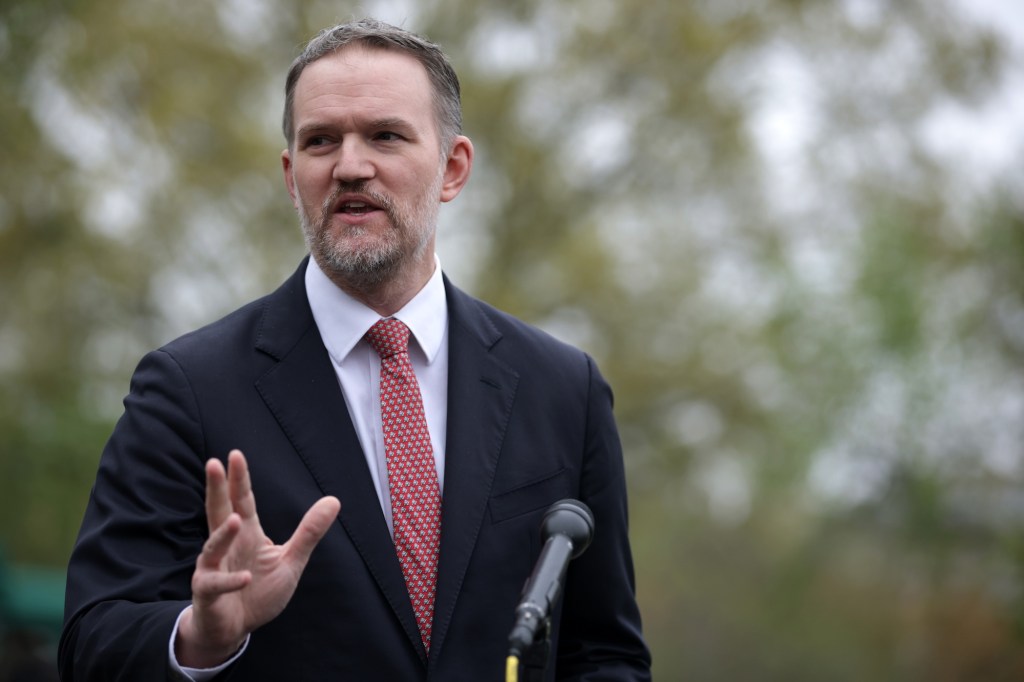
Jurors from the Kunstfonds Foundation, a major German contemporary art funding body, have accused Minister of State for Culture Wolfram Weimer of attempted intimidation and political interference. The conflict erupted after Weimer requested the names of the independent jury members, a move the foundation views as a threat to artistic freedom. This follows a separate controversy where Weimer reportedly consulted domestic intelligence to exclude bookstores with left-wing leanings from a national award.

V&A faces calls to become living wage employer on eve of Stratford opening

The Victoria and Albert Museum is facing intense pressure to become an accredited living wage employer just as it prepares to open its high-profile V&A East site in Stratford. A petition coordinated by Organise and Citizens UK has garnered over 21,000 signatures, calling on Director Tristram Hunt to ensure all staff and contractors receive the London living wage of £14.80 per hour. While the museum meets legal minimum wage requirements, campaigners argue that as a publicly funded institution, it must provide a wage that reflects the actual cost of living in the capital.

More than 200 cultural figures sign statement criticising international response to destruction of Iran’s heritage

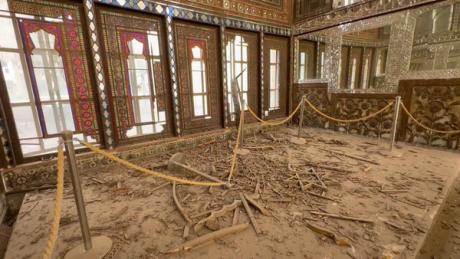
More than 200 international scholars and cultural heritage professionals have signed a joint statement condemning the United States and Israel for inflicting "irreversible damage" on Iran’s cultural heritage. The group, which includes academics from leading global institutions, alleges that recent military strikes have damaged over 130 UNESCO-registered monuments and museums, including the Senate Palace in Tehran and sites in Isfahan. They argue these actions violate the 1954 Hague Convention and criticize international bodies like UNESCO for failing to issue a sufficiently forceful response.

Gilles Bloch: "The Museum needs 1.1 billion euros"

Gilles Bloch : « Le Muséum a besoin de 1,1 milliard d’euros »

Gilles Bloch, president of the Muséum national d’histoire naturelle in Paris, has issued an urgent call for €1.1 billion in funding to address the critical state of the institution's infrastructure. Ahead of its 400th anniversary in 2026, a diagnostic report reveals that 74% of the museum's 120 buildings are in poor condition, with several galleries currently closed to the public or suffering from inadequate climate control. The requested funds would cover €500 million in emergency repairs to stabilize decaying structures and a further €600 million for long-term modernization and energy efficiency upgrades.

London's Southbank Centre to receive £10m government funding boost

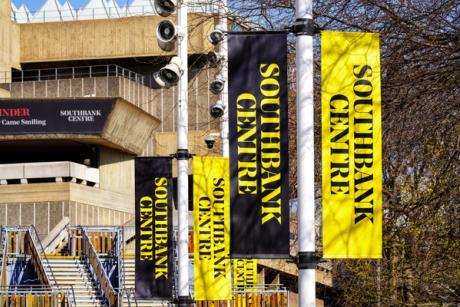
The UK government has announced a £10 million funding boost for London’s Southbank Centre as part of a broader £128 million investment package for 130 cultural venues nationwide. Administered by Arts Council England, the grant is earmarked for urgent infrastructure repairs, including fixing leaking roofs and modernizing rigging systems, coinciding with the center's 75th anniversary. Other major beneficiaries of the Creative Foundations Fund include the Baltic Centre for Contemporary Art and Firstsite gallery.

Dismantling Orbán's 16-Year Grip on Hungary's Art World

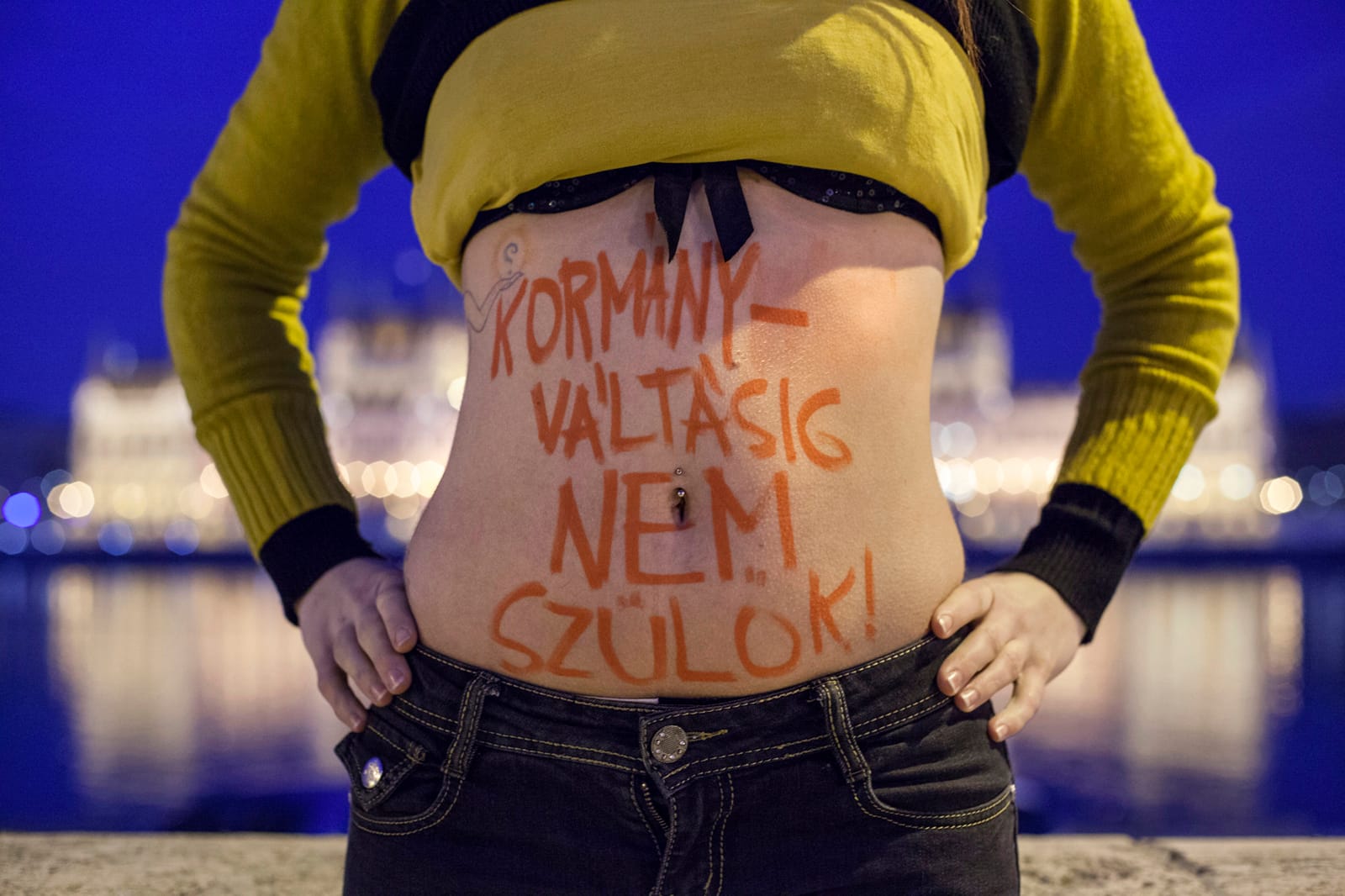
Following the recent electoral defeat of Viktor Orbán’s Fidesz-KDNP coalition by the opposition party Tisza, the Hungarian art world faces a monumental task of institutional restoration. For 16 years, the regime’s 'System of National Cooperation' (NER) systematically co-opted cultural institutions, installing loyalists in leadership roles at major venues like the Kunsthalle and Ludwig Museum to promote an ethno-nationalist agenda. This period was marked by the exodus of independent curators, the occupation of museums by activists, and a fractured ecosystem where state funding was tied to political compliance.

Kunsthalle Mainz Facing the End?

Kunsthalle Mainz vor dem Aus?

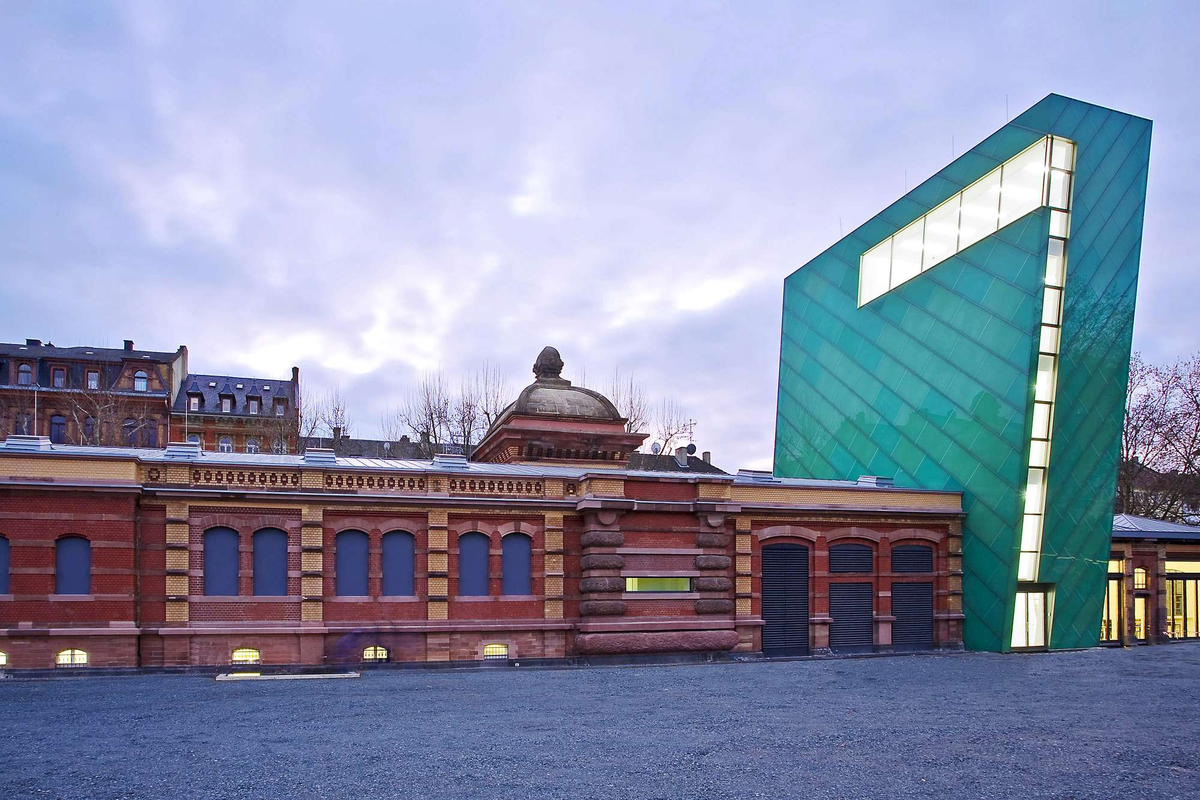
The Kunsthalle Mainz is facing potential closure by the end of the year following the withdrawal of funding by the Mainzer Stadtwerke. The crisis is compounded by the departure of director Stefanie Böttcher, who is moving to the Kunsthalle Kiel, and the fact that her position has not been advertised for replacement. Despite its international reputation and successful recent exhibitions, such as the current Britta Marakatt-Labba retrospective, the institution lacks a secured financial future and a leadership succession plan.

Finland Pulls Back Venice Biennale Presence Over Return of Russian Pavilion

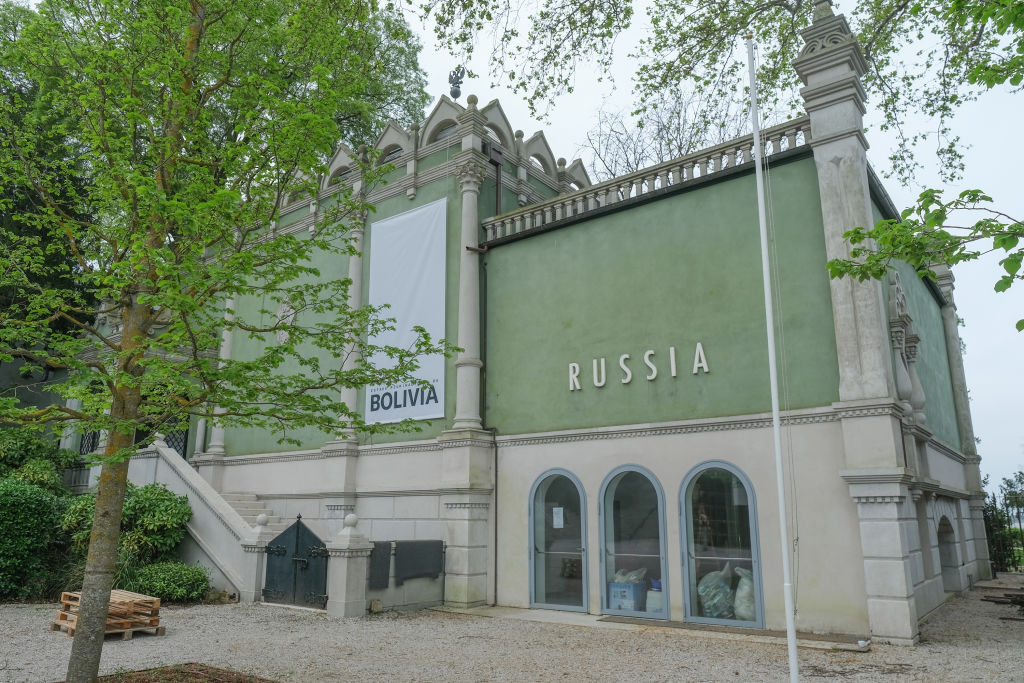
Finland’s political leadership has announced it will boycott the Venice Biennale if the Russian Pavilion proceeds with its planned exhibition. While Finnish public officials will still attend to support their own national artists, the Ministry of Education and Culture stated that Russia should be excluded as long as the war in Ukraine continues. This move follows an open letter from 22 European nations and a warning from the European Commission regarding potential sanctions violations.

‘The extremely happy part of the crowd’: Hungarian arts figures hope for change after 16 years of Orbán rule

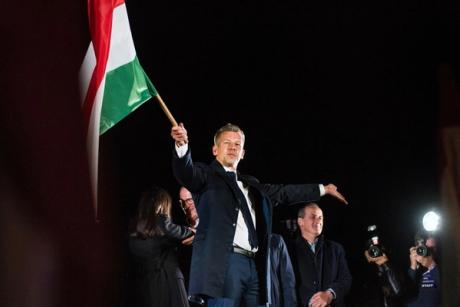
The 16-year tenure of Viktor Orbán has come to an end following a landslide victory for Péter Magyar’s Tisza Party in the 2026 Hungarian parliamentary election. The shift in power has sparked widespread celebration among Hungary’s progressive art community, which has long felt stifled by Orbán’s nationalist and socially conservative agenda. Figures from major Budapest galleries and the contemporary art scene report a profound sense of relief, signaling a potential departure from the "illiberal democracy" that dominated the country for nearly two decades.

Cultural Institutions Warn Against AfD's Cultural Policy Plans

Kulturinstitutionen warnen vor AfD-Plänen zur Kulturpolitik

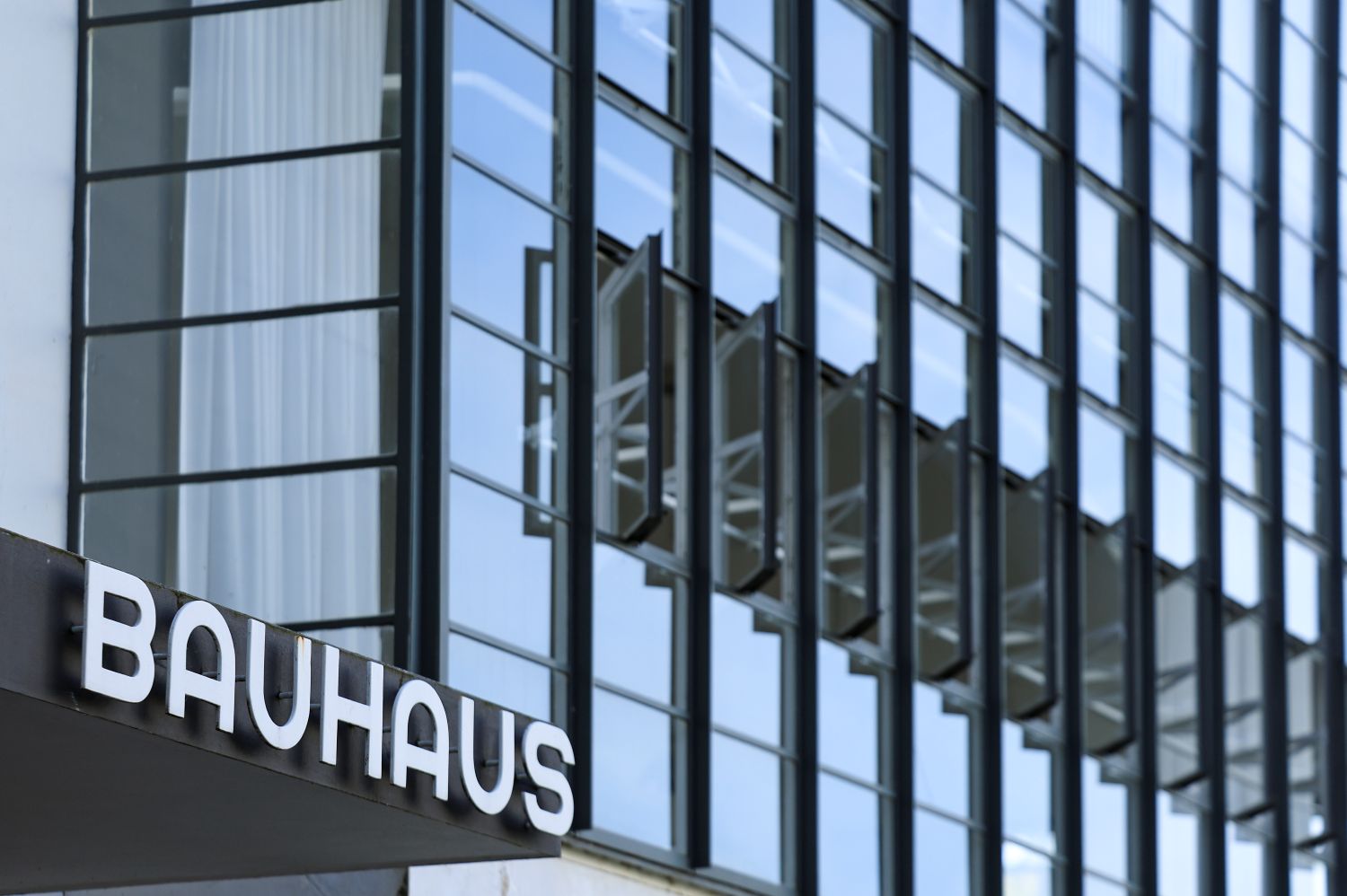
Nearly 30 cultural institutions in Saxony-Anhalt, including the Bauhaus Dessau Foundation and the Saxony-Anhalt Museum Association, have issued a joint warning against the AfD party's new government program. The political platform proposes a "patriotic cultural policy" that would prioritize funding for art contributing to "German identity" while criticizing the state's focus on modernism and the Bauhaus as a "sign of identity disorder." The institutions argue these plans threaten artistic freedom, pluralism, and the democratic culture of remembrance regarding Germany's Nazi past.

English museums should only charge tourists if digital ID checks in place, UK politician says

Labour peer Margaret Hodge has detailed her proposal to introduce admission fees for overseas tourists at England’s national museums, stipulating that such a move must be preceded by a universal digital ID system. Speaking to a parliamentary committee, Hodge argued that without digital verification, museum staff might resort to profiling visitors based on appearance, which would undermine community cohesion.

V&A Museum Has Acquiesced to Censorship Requests from Chinese Printer: Report

London’s Victoria and Albert Museum (V&A) reportedly complied with censorship demands from its Chinese printing firm, C&C Offset Printing, to alter exhibition catalogues. Internal emails revealed that the museum removed a photograph of Lenin from a Fabergé exhibition book and altered historical maps to align with Chinese government standards after the printers flagged them as "sensitive." Staff noted that while they were aware of contemporary geopolitical sensitivities, the restrictions had expanded to include historical imagery, forcing last-minute editorial changes to avoid production delays.

Arts Groups Speak Out Against US Trade Representative’s Potential New Tariffs

The U.S. Trade Representative, Jamieson Greer, has launched a Section 301 investigation into 60 countries to determine if forced labor practices create unfair trade advantages. This move follows President Trump’s continued push for sweeping tariffs after previous attempts were struck down by the Supreme Court. Major art organizations, including the Association of Art Museum Directors (AAMD) and Heritage Auctions, are formally petitioning for works of art and antiquities to be exempt from any resulting duties.

Outsourcing Museum Reception: A Booming Model

Externaliser l’accueil dans les musées, un modèle en plein essor

French museums are increasingly outsourcing front-of-house services, including ticketing, reception, and crowd management, to specialized private firms. This trend, which gained momentum with the opening of the Musée du quai Branly in 2006, allows public institutions to focus internal resources on core missions like conservation and curation while utilizing flexible, external labor for high-traffic operations. The market for these cultural services in France is projected to reach approximately €50 million by 2025.

Outsourcing a service is not prohibited, but managing the provider's employees is

Externaliser un service n’est pas interdit, diriger les salariés du prestataire l’est

A wave of legal complaints has been filed against several major French cultural institutions, including the Louvre, the Pinault Collection, and the MuCEM, alleging illegal labor practices. Labor unions Sud-Culture, SUD-PTT, and Solidaires claim these museums are engaging in "illicit lending of labor" and "bargaining" by exercising direct authority over outsourced staff from third-party agencies like Marianne International and Pénélope. While outsourcing services like ticketing and reception is legal in France, the lawsuits argue that museums are illegally managing these external employees' daily schedules, rotations, and disciplinary actions as if they were their own staff.

The Nicéphore-Niépce Museum is Standing Still

Le Musée Nicéphore-Niépce fait du surplace

The Musée Nicéphore-Niépce in Chalon-sur-Saône remains in a state of stagnation as long-promised modernization plans continue to stall. Despite over twenty-five years of proposals for a new facility or a "Cité de l'image," the project has become a political "sea serpent," hampered by budget cuts, staff reductions, and shifting municipal priorities. Most recently, the city declined to renew the contract of Fannie Escoulen, a former Ministry of Culture official hired to steer the project, further signaling a lack of progress.

The Textile Museum: A Frayed Project

Le Musée des tissus, un projet décousu

The renovation and expansion of the Musée des Tissus et des Arts Décoratifs in Lyon has stalled despite being acquired by the Auvergne-Rhône-Alpes Region seven years ago. Although architect Rudy Ricciotti revised his initial designs to satisfy local urban planning requirements and resident concerns, the project faces significant delays, with no building permit filed and a fluctuating budget that recently dropped from 60 million to 32 million euros. Tensions between the regional leadership and the City of Lyon have further complicated the timeline, leaving the museum closed to the public for four years.

A collective lunch is organized in Milan to discuss the problems of the cultural sector. Here is how to participate

A Milano si organizza un pranzo collettivo per discutere dei problemi del settore culturale. Ecco come partecipare

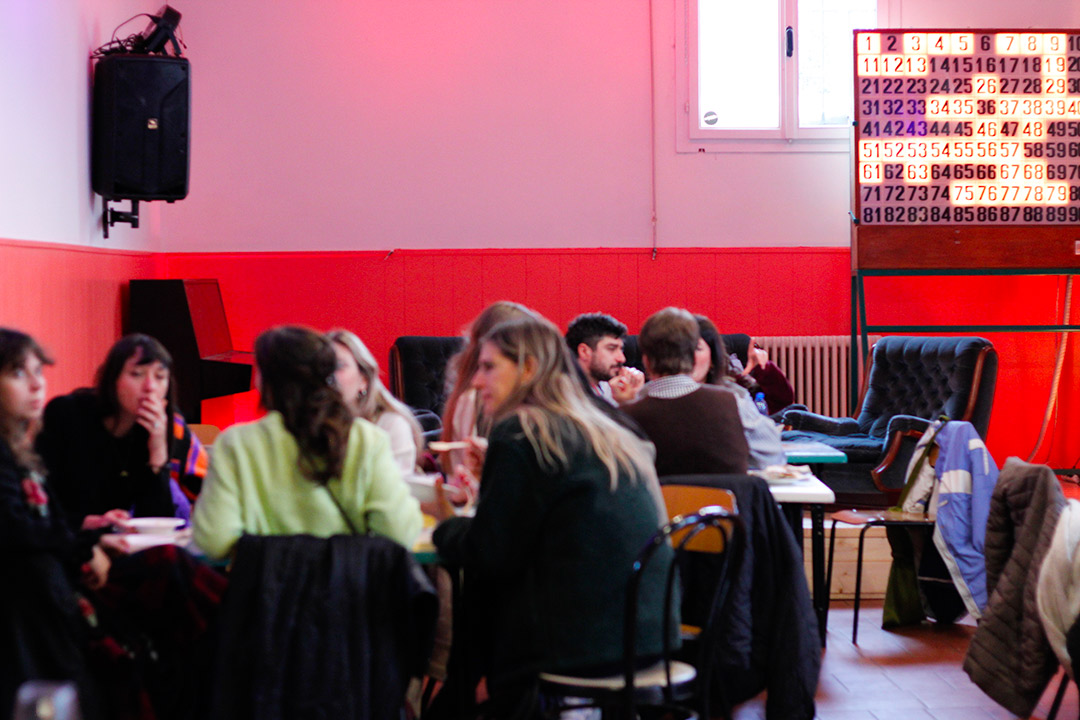
The nomadic assembly "OMTU – Organized Meals for Times of Uprising" is heading to Milan on April 19, 2026, coinciding with the miart art fair. Organized by a coalition of independent spaces including terzospazio, Osservatorio Futura, Parsec, and Arts of the Working Class, the event features a collective lunch followed by a public discussion at the Baséll space. The gathering aims to address the systemic precariousness of the cultural sector, focusing specifically on the scarcity of affordable social and cultural spaces in Milan.

With $116 Million Gift, National Gallery Will Send Its Art Around Nation

The National Gallery of Art in Washington, D.C., has received a $116 million gift from billionaire art collector Mitchell P. Rales. This donation will fund a new program to send the museum's collection on long-term loans to smaller institutions across the United States in perpetuity, significantly expanding its national reach.

EU Plans Penalty for Russia's Biennale Participation

EU plant Strafe für Biennale-Teilnahme Russlands

The European Union has threatened to cut funding for the Venice Biennale if it allows Russia to reopen its national pavilion at the upcoming exhibition. EU foreign policy chief Kaja Kallas stated that Russia's return is "morally wrong" while the country is bombing Ukrainian museums and destroying cultural heritage. Russia, in coordination with the Biennale foundation, had announced plans to participate this year with works by Russian artists, marking its first appearance since the 2022 invasion.

The Forgotten Eligibles. Protest over the Ministry of Culture's ranking of 200 art historians

Gli idonei dimenticati. Protesta per la graduatoria dei 200 storici dell’arte del Ministero della Cultura

The CISDA (Committee of Qualified Art Historians) has issued a strong protest against the Italian Ministry of Culture's intention to let the ranking list from a 2018 public competition for Art Historian Officials expire on May 30, 2026, without extension. This would invalidate the eligibility of 204 qualified candidates who passed rigorous selections. The protest has escalated into a parliamentary inquiry directed at Culture Minister Alessandro Giuli, and a public demonstration is scheduled for April 28 in front of the Ministry's headquarters in Rome.

Finland’s political leadership to retract from Venice Biennale over Russian Pavilion

Finland's Minister of Science and Culture, Mari-Leena Talvitie, announced that the country's political leadership will not participate in the upcoming Venice Biennale if Russia's national pavilion is allowed to take part. This decision follows a joint letter signed by Talvitie and 21 other European ministers in March, which deemed Russia's return to the Biennale since its 2022 invasion of Ukraine as 'unacceptable'. Finnish public officials and cultural representatives, however, will still attend to support Finnish artists.

Fellowship Open Call – Shaping Africa’s Curatorial Futures

Zeitz Museum of Contemporary Art Africa (Zeitz MOCAA) and the University of the Western Cape (UWC) have launched an open call for their fully funded 2027 Museum Fellowship Programme. The year-long initiative offers emerging African art professionals a combination of practical museum training and postgraduate academic study, aiming to develop the next generation of curators, researchers, and arts professionals on the continent.

Lights, Funding, Action – Film Grant Open Call

The Sharjah Art Foundation has launched the ninth cycle of its Short Film Production Grant 2026, issuing an open call for applications from filmmakers worldwide. The grant provides financial support, with a total fund of AED 120,000 (approx. USD 30,000), for the completion of short films of 50 minutes or less across all genres. Selected projects may also premiere at a future edition of the Sharjah Film Platform festival.

State Secretary Dismissed in Dispute Over Funding

Staatssekretär im Streit um Fördermittel entlassen

Berlin's culture administration has dismissed State Secretary Oliver Friederici, who was responsible for distributing funds for projects combating antisemitism. The move follows a prolonged controversy over the allocation of millions of euros in grants, with allegations of unclear criteria and potential political influence from the CDU party.

Europe: China’s censorship of cultural institutions must be challenged - ARTICLE 19

The Victoria and Albert Museum (V&A) in London has reportedly removed maps and images from exhibition catalogues on multiple occasions following pressure from its Chinese publisher, C&C Offset Printing. The publisher cited directives from China's General Administration of Press and Publication (GAPP), which enforces the Chinese Communist Party's official narratives on sensitive topics like territorial borders.

The process for awarding the title of Italian Capital of Culture should be rethought. Here's why.

Il processo per assegnare il titolo di Capitale Italiana della Cultura andrebbe ripensato. Ecco perché

An analysis of the selection process for Italy's "Capital of Culture" title reveals a consistent pattern: cities chosen for the prestigious designation are almost exclusively administered by political coalitions aligned with the national government in power at the time of selection. The sole exceptions were Bergamo and Brescia, which were jointly awarded the title via a special parliamentary decree in recognition of their suffering during the pandemic, bypassing the standard procedure. This political alignment has persisted across different legislatures and changes in government.