filter_list Showing 41 results for "Van Gogh" close Clear
search
dashboard All 400 museum exhibitions 168trending_up market 87article news 48article culture 41article local 18rate_review review 11gavel restitution 9article policy 8candle obituary 7person people 3
date_range Range Today This Week This Month All
Subscribe

yasmina reza art play putting a higher price on it

The article examines the revival of Yasmina Reza's play "Art" on Broadway, which centers on three men arguing over a seemingly blank canvas purchased for a high price. The new production updates the painting's cost from 200,000 francs (about $60,000) to $300,000, reflecting today's inflated art market. The play's themes of aesthetics versus market value resonate with current debates about speculative hype and irrational pricing in contemporary art.

Monet and Van Gogh Masterpieces Hit the Shampoo Aisle

Beauty brand Dove has launched a limited-edition haircare collection called "The Art of Repair" featuring iconic artworks by Claude Monet, Mary Cassatt, and Vincent van Gogh on its product packaging. The shampoo, conditioner, and serum bottles display images of Monet's *The Japanese Footbridge*, Cassatt's *The Loge*, and Van Gogh's *Roses*, drawing a parallel between art conservation and hair repair. The collection is exclusively available at Walmart.

boo the spookiest works in art history from samurai decapitations to ghoulish incubi

Artnet News has compiled a list of the spookiest, bloodiest, and most gruesome works in art history to celebrate Halloween. The selection includes Francisco de Goya's "Saturn Devouring His Son" (ca. 1820–23), Hermann Nitsch's blood-soaked "Schuttbild" (2013), Tsukioka Yoshitoshi's woodblock print of a samurai drinking from a severed head, and Théodore Géricault's macabre still lifes of body parts. Other entries feature Goya's "The Witches' Flight," Katsushika Hokusai's ghost story print "The Lantern Ghost, Oiwa-San," John Henry Fuseli's "The Nightmare," Vincent van Gogh's "Skull of a Skeleton with Burning Cigarette," and Utagawa Kuniyoshi's "Takiyasha The Witch and the Skeleton Spectre."

All we want for Christmas: The Art Newspaper 2025 gift guide

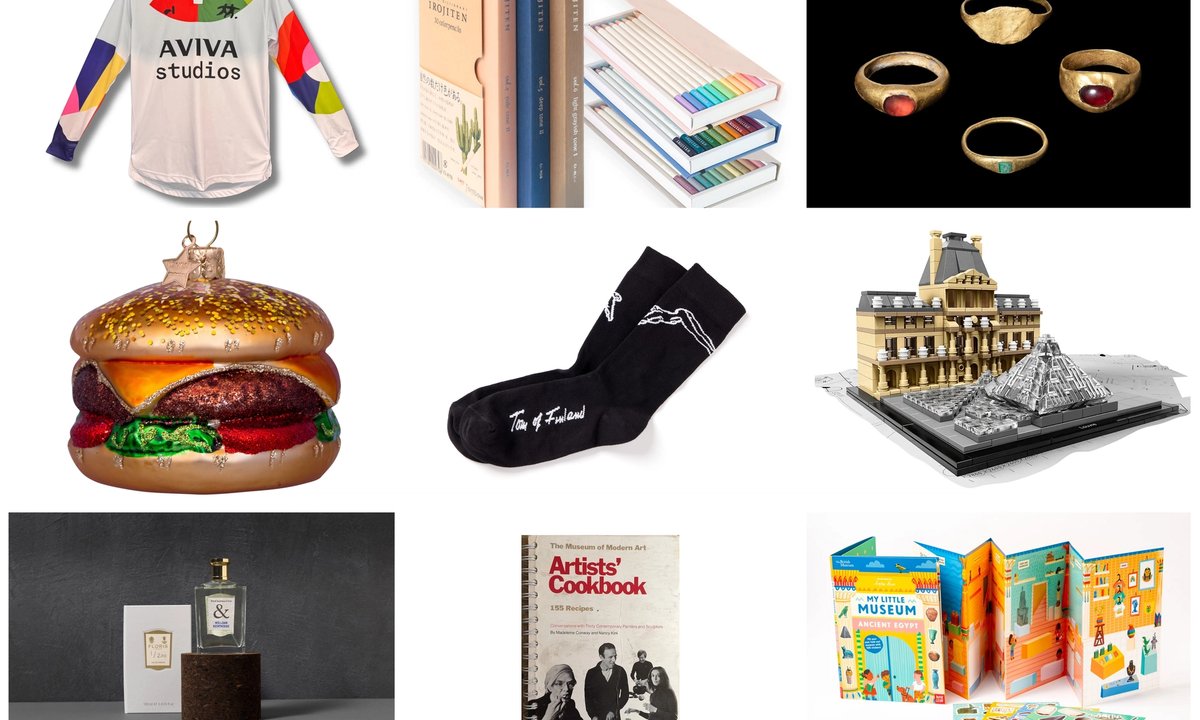
The Art Newspaper has published its 2025 Christmas gift guide, featuring a curated selection of art-related presents. Suggestions include art supplies from London's historic L. Cornelissen & Son, Japanese Irojiten color pencils, and cookbooks like "The Kitchen Studio: Culinary Creations by Artists" and the out-of-print "The Museum of Modern Art Artists' Cookbook." The guide also includes fantasy gift lists from Frieze and Art UK, with items such as Alexander Calder playing cards and a Tom of Finland cushion from House of Voltaire, alongside more unusual ideas like a sponsorship deal for a Victorian loo or a Lego Louvre heist set.

We are in danger of losing our sense of community

"Wir drohen das Gespür für die Gemeinschaft zu verlieren"

Christophe Cherix, the new director of the Museum of Modern Art in New York, discusses his first months in the role, emphasizing museums as "safe social places" in an era of anxiety and screen-induced isolation. He advocates for collective vision-building with staff and defends the MoMA's independence against political pressure in Trump-era America. Separately, critic Paco Barragán argues in The Observer that biennials are in a structural crisis of repetition, tracing their history from instruments of national soft power to a "Global Neo-Liberal Biennial" system that co-opts diversity without changing its core logic. He introduces the concept of the "vibe-ennial," where discourse is replaced by atmosphere and critique by affect. Meanwhile, longtime Bonn museum director Stephan Berg critiques the boom in immersive art experiences like "Van Gogh – The Immersive Experience," calling them a "surrogate reality" tailored to the Instagram age that destroys the integrity of original works. Artforum reconstructs late-1960s debates on art criticism, focusing on Barbara Rose's challenge to formalists like Clement Greenberg and Rosalind Krauss, arguing that art must engage with societal conflicts such as Black Power and war resistance.

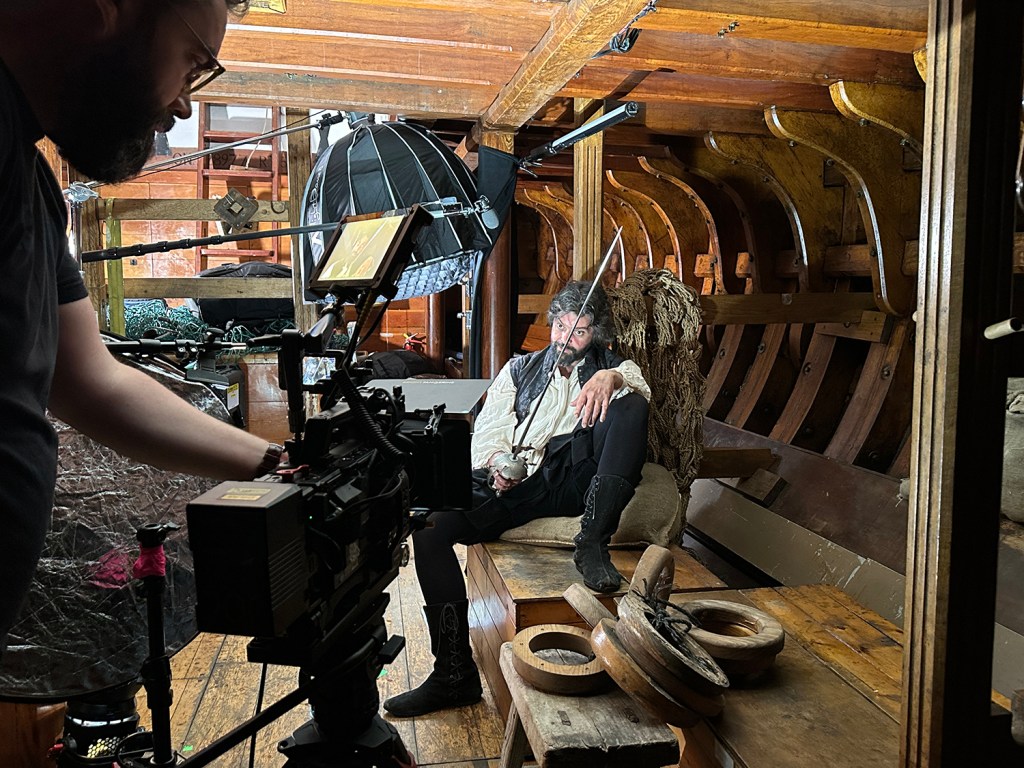
Caravaggio Documentary Will Premiere on Marquee TV Next Week

A feature-length documentary about Baroque painter Caravaggio, directed by Phil Grabsky and David Bickerstaff, will premiere on the streaming platform Marquee TV on April 6. The film, part of the "Exhibition on Screen" series, was previously released in theaters last fall and focuses on the artist's innovative painting style rather than his notorious personal life.

Harnessing the winds of societal change: how art dealers have been able to shape taste for centuries

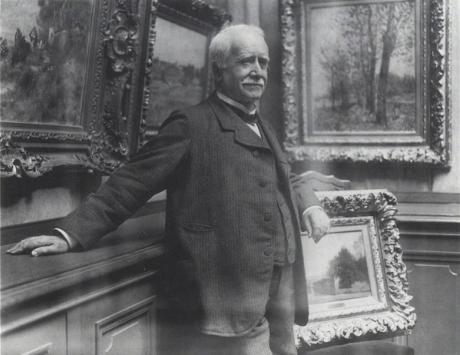
Valentina Castellani, a former Gagosian director, has authored a new book titled *Trading Beauty: Art Market Histories from the Altar to the Gallery* (out 1 May). The book traces how art dealers have historically leveraged societal changes—political, economic, and social—to reshape taste and market structures. Castellani begins in the Middle Ages, when art was made only on commission for patrons like the Catholic church and monarchies, and moves through key shifts such as the Dutch Republic's first open art market in the 17th century, which gave rise to the professional art dealer. She highlights dealers like Paul Durand-Ruel, Joseph Duveen, and Leo Castelli who capitalized on anti-establishment energy, new wealth, and post-war consumer culture to bring avant-garde art to the forefront.

lego art sets ranked

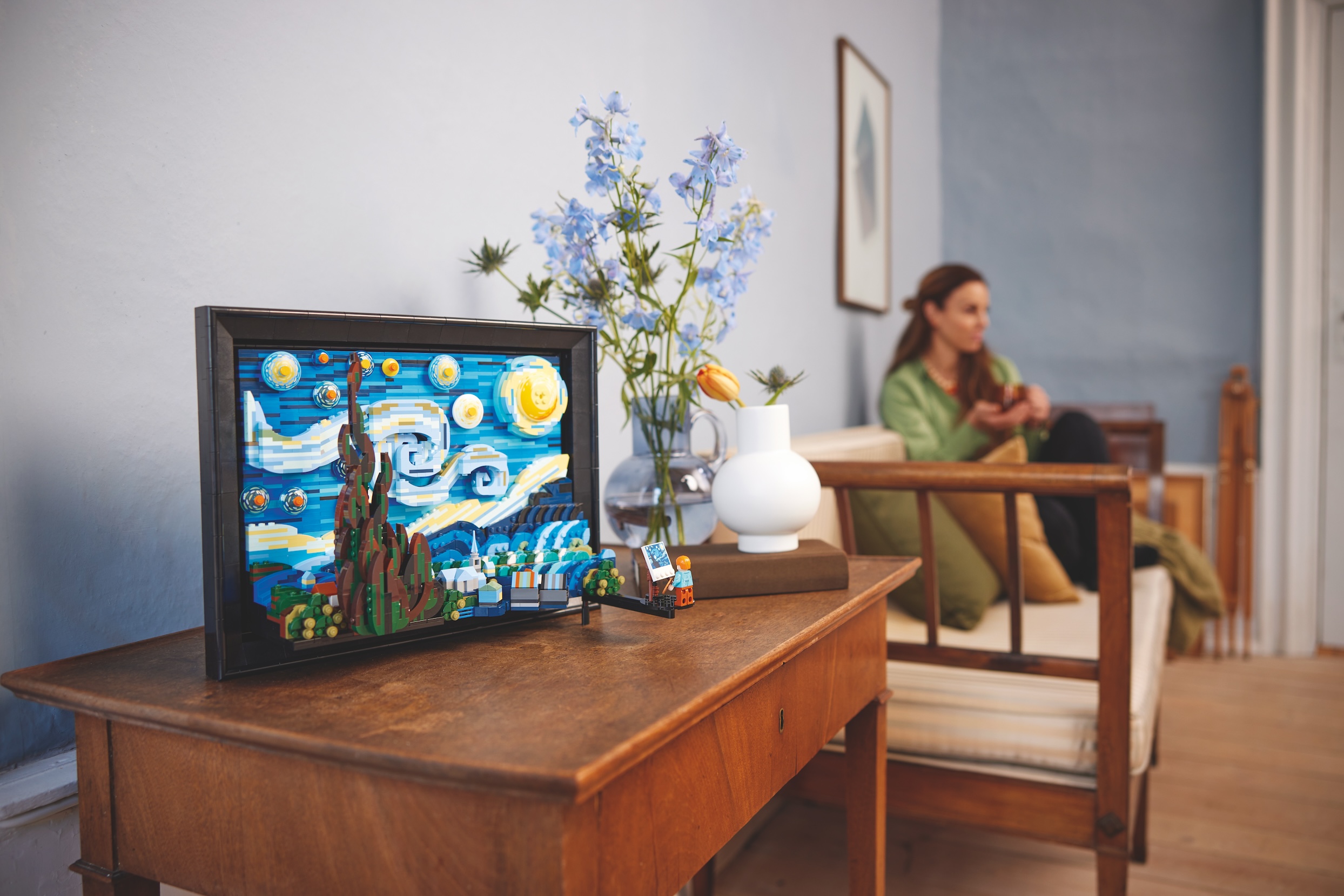
On International Lego Day, the article ranks Lego Art sets inspired by famous artworks, including Vincent van Gogh's *Sunflowers* and *Starry Night*, Hokusai's *The Great Wave*, and others. The ranking is done by the author and their brother, an Adult Fan of Lego, who rate each set from both an art critic and a Lego builder perspective.

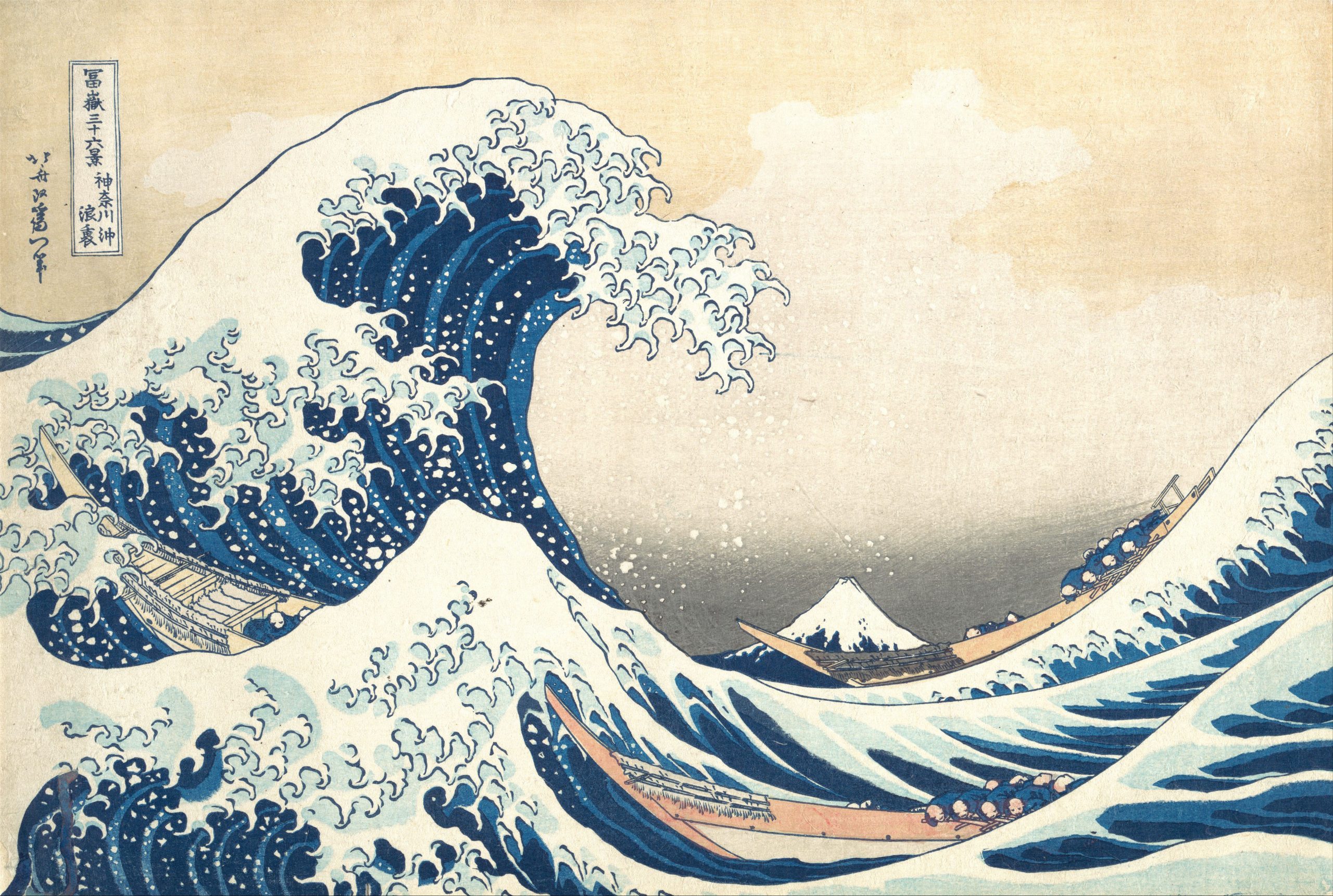
three things hokusai great wave

Katsushika Hokusai's iconic woodblock print "The Great Wave" (officially *Under the Wave off Kanagawa*) is examined through three lesser-known facts. The article notes that the print, created between 1830 and 1832, is surprisingly small—less than 15 inches wide—and that its vivid blue pigment, Prussian blue, was a recent European import that revolutionized Japanese ukiyo-e prints. It also highlights Hokusai's practice of adopting over 30 different names throughout his career, which now helps scholars periodize his work.

vincent van gogh news

Artnet News highlights the enduring public fascination with Vincent van Gogh, 135 years after his death, by compiling 10 recent stories that demonstrate "Van Gogh Mania." Examples include the National Gallery in London's major exhibition "Van Gogh: Poets and Lovers," the Museum of Fine Arts in Boston's "Van Gogh: The Roulin Family Portraits," and a legal dispute over the garden that inspired his final painting, Tree Roots (1890). Other stories cover a van Gogh portrait kept in a chicken coop for over a decade and Lego's release of a Sunflowers-themed building set in collaboration with the Van Gogh Museum.

7 art history facts

Frieze Week in New York has arrived, drawing tens of thousands of visitors to The Shed for displays from over 65 international galleries. The article offers a collection of art historical trivia to help attendees impress peers, including tales of a potentially fake Picasso gifted to Robin Williams by Disney, Piet Mondrian's fondness for Disney's *Snow White and the Seven Dwarfs*, and a legend that Raphael's pupil Giulio Romano created erotic frescos in the Vatican's Sala di Constantino out of anger over delayed payment from Pope Clement VII.

Fancy a European art break with fewer crowds? Try one of these five cities | Europe holidays

The article highlights five European cities—Zurich, Lille, Warsaw, and others—as alternatives to crowded art capitals like Paris and London for art-focused holidays. It details key museums and galleries in each city, such as Zurich's Kunsthaus Zürich and Löwenbräukunst-Areal, Lille's Palais des Beaux-Arts and LaM, and Warsaw's Museum of Modern Art (MSN Warsaw), along with day-trip suggestions like Baden's Museum Langmatt and Roubaix's La Piscine.

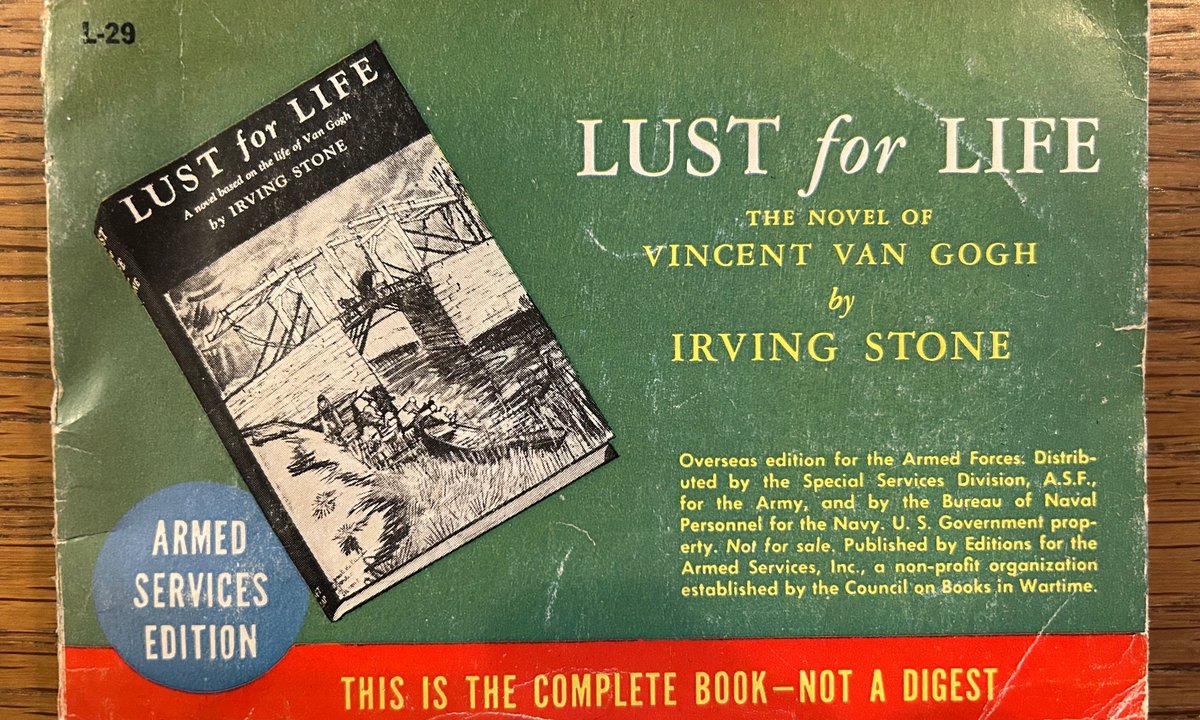
‘Lust for Life’: The Van Gogh book designed to fit in pockets of US soldiers during the Second World War

Irving Stone's 1934 novel *Lust for Life*, a fictionalized biography of Vincent van Gogh, was published as an Armed Services Edition during World War II for U.S. soldiers. These pocket-sized books, measuring 11cm by 17cm, were designed to fit in uniform pockets and withstand harsh conditions. Over 123 million copies of various titles were printed from 1943 to 1947, with distribution including parachute drops to troops on Pacific islands and handouts to soldiers before the Normandy Landings. The surviving copies are scarce and often damaged, with browned pages and covers marked as U.S. government property, not to be resold.

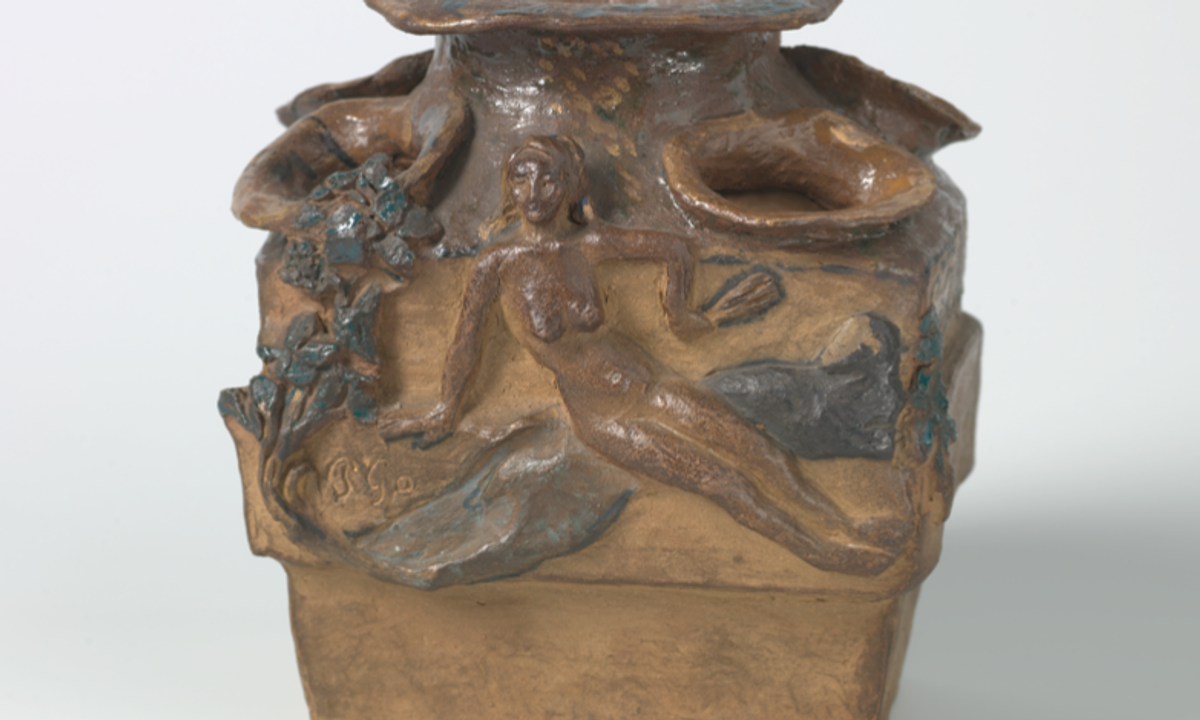
Van Gogh’s family used an erotic Gauguin ceramic as a flower vase

A researcher at the Van Gogh Museum, Joost van der Hoeven, has revealed that Paul Gauguin's erotic ceramic, the Cleopatra Pot (winter 1887-88), was used as a flower vase by Vincent van Gogh's family. Gauguin brought the pot to Arles when he stayed with Van Gogh in 1888, and after Van Gogh's ear incident, Gauguin gave the pot to Vincent's brother Theo as a gift. The pot later remained with Theo's widow, Jo Bonger, and a photograph from 1925-26 shows it on her piano holding flowers, surrounded by still-life paintings.

Most expensive, suicide not murder and more: celebrating 300 Adventures with Van Gogh

Adventures with Van Gogh, a weekly blog launched in 2018, has published its 300th post. To mark the milestone, the blog compiled a list of its most-read posts since the 200th edition in February 2023, updated with new information. Topics range from the ten most expensive Van Gogh paintings at auction (led by *Orchard with Cypresses* at $117m) to a geological feature near Saint-Rémy-de-Provence that appears in *The Olive Trees*, a defense of the suicide theory over murder, the real-life view behind *Starry Night over the Rhône*, Picasso’s granddaughter Marina Picasso quietly buying and selling a Van Gogh watercolour, and the artist’s preference for simple wooden frames over ornate gold ones.

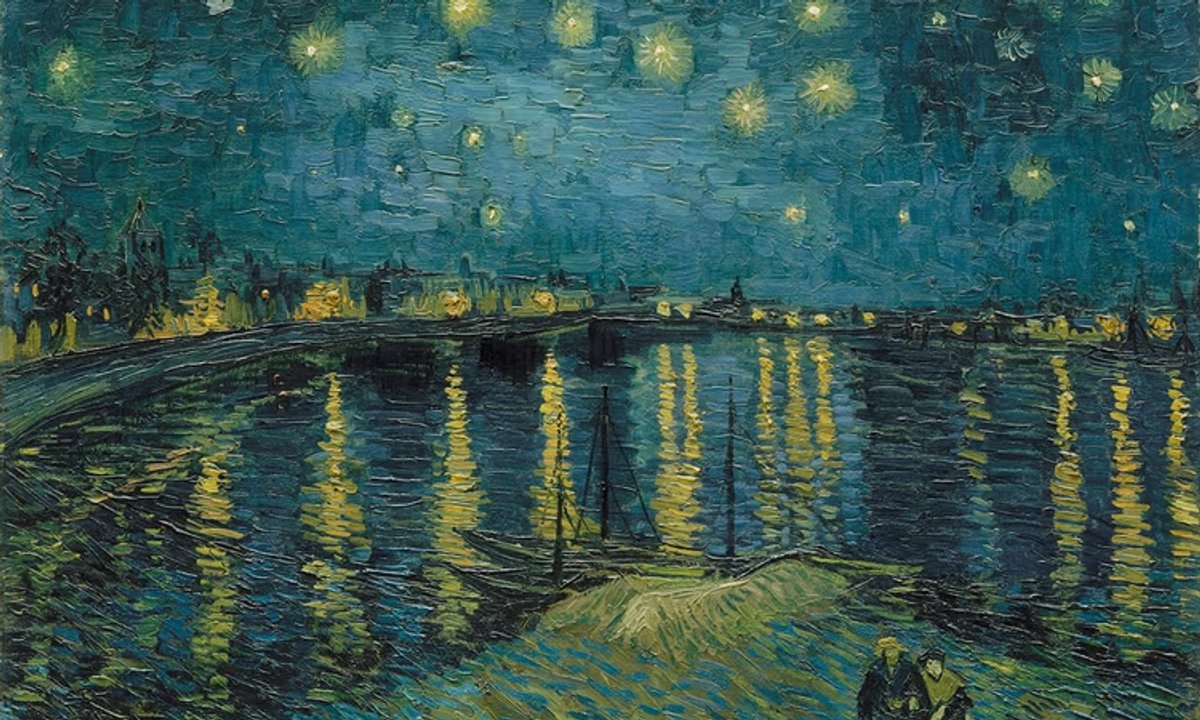
Van Gogh’s Starry Night over the Rhône reveals more of its mysteries

Van Gogh's *Starry Night over the Rhône* (September 1888), housed at the Musée d'Orsay in Paris, is analyzed in detail to separate the actual view of Arles from the artist's imaginative additions. The article examines how Van Gogh repositioned the Plough (Big Dipper) constellation, exaggerated the brightness of gas lamps, and likely painted most of the scene in his studio rather than en plein air. It also reveals that he later reworked the lower-left corner of the canvas, as seen in contemporary sketches.

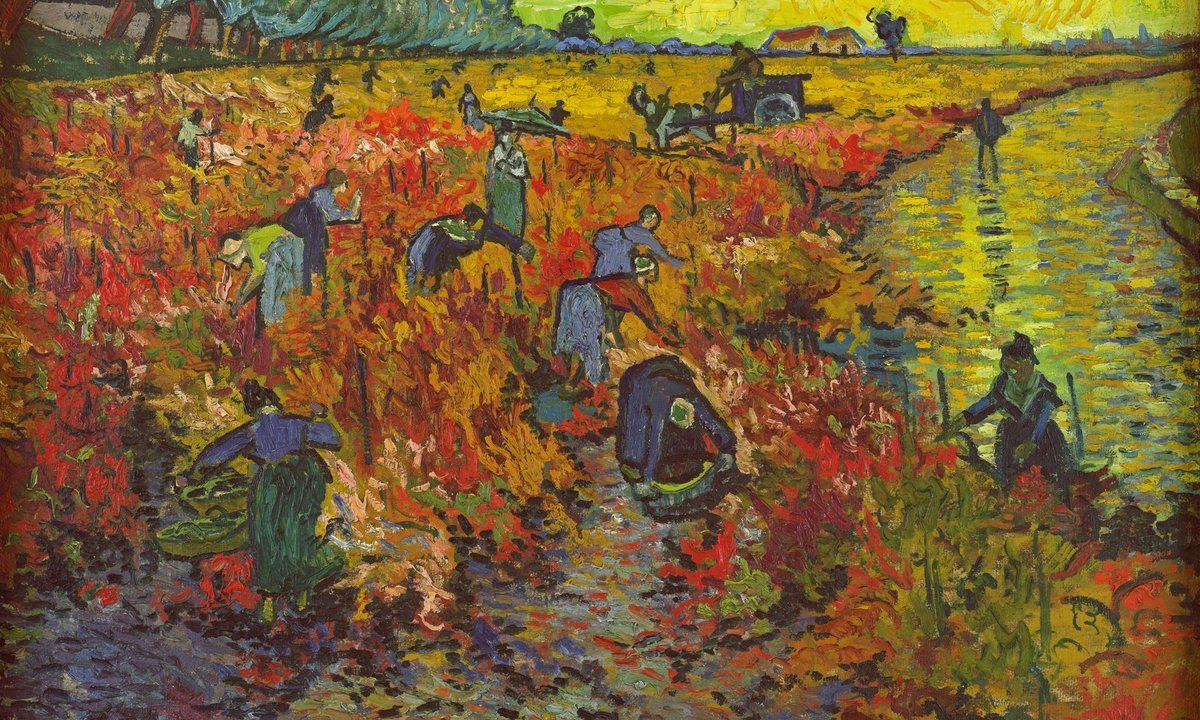
How did the only painting sold by Van Gogh in his lifetime end up in Russia?

The article explores the history and conservation of Vincent van Gogh's "The Red Vineyard," the only painting he is certain to have sold during his lifetime. Sold for 400 francs at a Brussels exhibition in March 1890, the work now resides at the Pushkin State Museum of Fine Arts in Moscow. A recent conservation project used modern scientific techniques to uncover new details about the painting's creation, including Van Gogh's use of paint straight from the tube, compositional changes, and the fading of chrome yellow pigments. The article also recounts the painting's origin during Van Gogh's time in Arles with Paul Gauguin and its journey to Russia.

Two US ambassadors have displayed Van Goghs in their London residence—but Donald Trump's pick for the job seems unlikely to follow suit

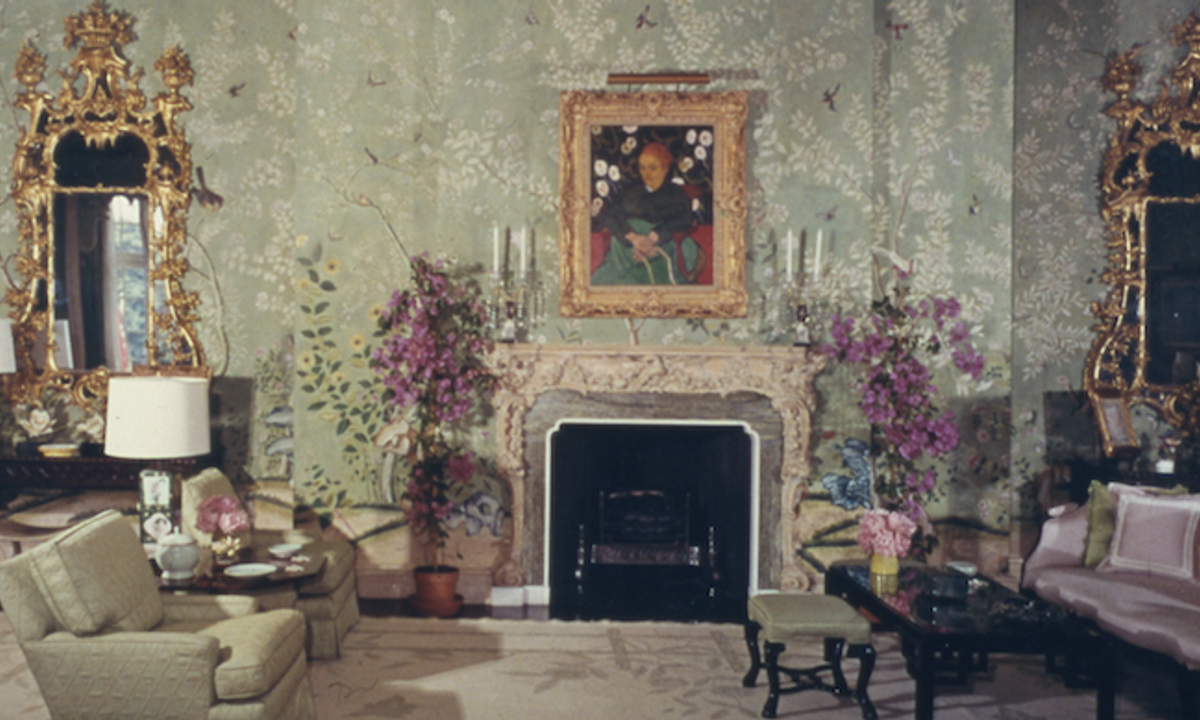
Two former U.S. ambassadors to the UK, John Hay Whitney (1957-61) and Walter Annenberg (1969-74), displayed Van Gogh masterpieces from their personal collections in Winfield House, the official residence in London's Regent's Park. Whitney hung Van Gogh's *Self-portrait* (September 1889) above the mantelpiece in the family dining room, while the Annenbergs placed *La Berceuse* (February 1889) and *Olive Trees* (November 1889) in the green room, alongside works by Gauguin, Degas, Cézanne, Monet, and Renoir. Both ambassadors later donated their Van Goghs to major U.S. museums—Whitney's to the National Gallery of Art in Washington, D.C., and the Annenbergs' to the Metropolitan Museum of Art in New York.

The Best and Worst of the Stars at the 2026 Met Gala Inspired by Art History

Le meilleur et le pire des stars au Met Gala 2026 inspiré par l’histoire de l’art

On May 4, 2026, the Met Gala brought together 450 guests at the Metropolitan Museum of Art in New York under the theme "Fashion is Art," tied to the exhibition "Costume Art." Attendees were asked to draw inspiration from specific artworks, resulting in standout looks: Madonna channeled Leonora Carrington's "The Temptation of Saint Anthony" (1945) in a Saint Laurent gown, Kim Kardashian wore a custom piece by Allen Jones extending his "Cover Story 4/4" (2021), Hunter Schafer embodied Gustav Klimt's portrait "Mäda Primavesi" (1912-1913) in Prada, and Tessa Thompson referenced Yves Klein's "Anthropométries" in Valentino. Gracie Abrams also paid homage to Klimt's "The Kiss."

On Arte, 'The Stolen Painting' dives into auction houses through the rediscovery of an Egon Schiele looted by the Nazis

Sur Arte, « Le Tableau volé » plonge dans les salles de ventes aux enchères à travers la redécouverte d’un Egon Schiele spolié par les nazis

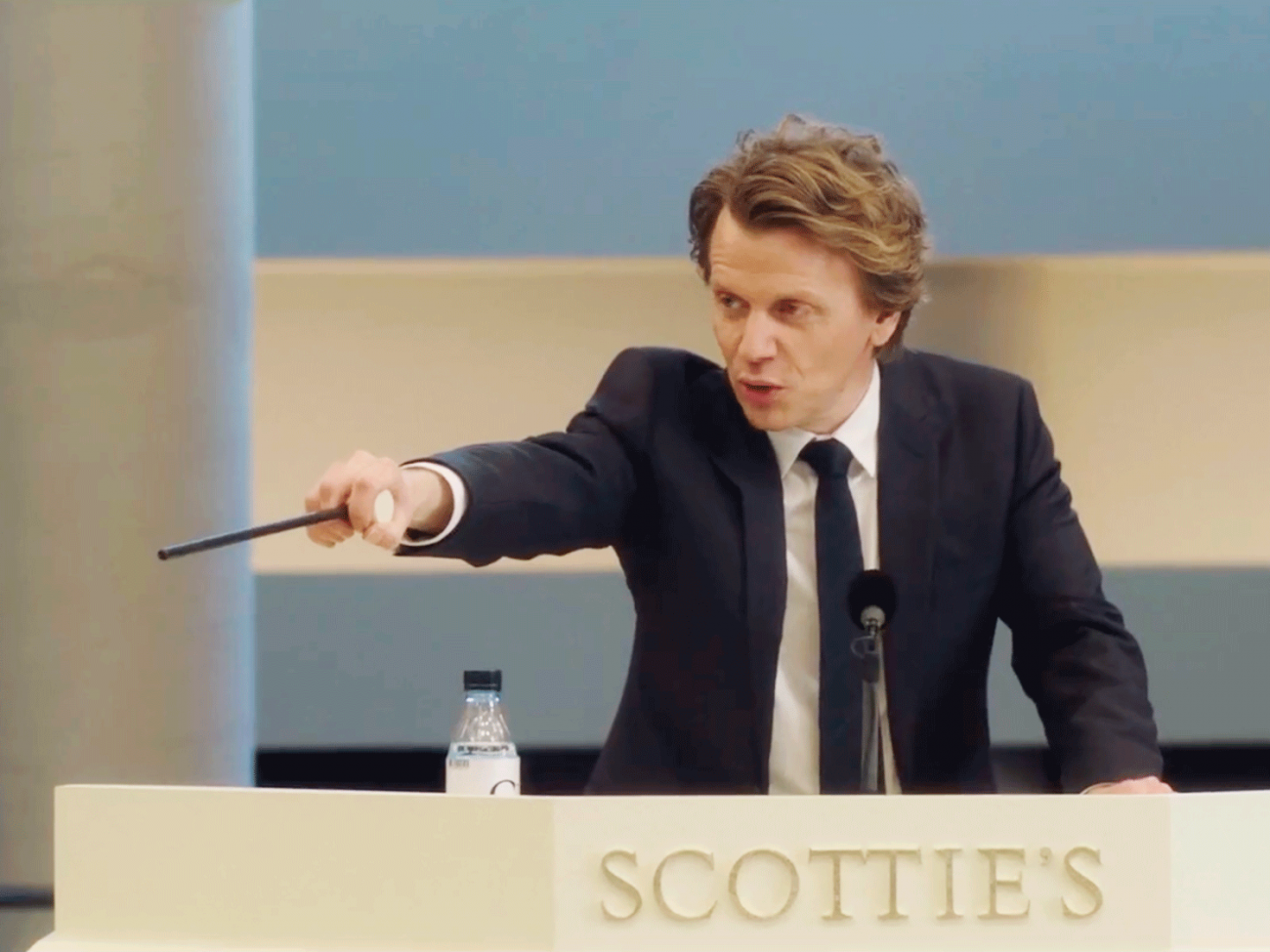
Director Pascal Bonitzer’s film 'Le Tableau volé' (The Stolen Painting) dramatizes the real-life 2005 discovery of a lost Egon Schiele masterpiece, 'Autumn Sun,' in the modest home of a factory worker in Mulhouse. The narrative follows a cynical auctioneer, played by Alex Lutz, as he navigates the authentication and eventual sale of the work, which was looted by the Nazis from Jewish collector Karl Grünwald during World War II.

Mummy, is this a video game? The dangers of showing kids art on a screen

A parent takes their toddler to Frameless, an immersive digital art experience in London, where works by Hieronymus Bosch, Claude Monet, and Georges Seurat are projected onto walls, ceilings, and floors. The child reacts with mixed engagement—enjoying some moments but feeling overwhelmed by the frenetic, screen-based environment—while the author reflects on the tension between traditional static art and animated digital reproductions.

These Are the 44 Best Art Museums in the U.S. Right Now

Time Out has published a list of the 44 best art museums in the U.S., ranking institutions like the Museum of Modern Art (MoMA), the Whitney Museum of American Art, and the Metropolitan Museum of Art (The Met) at the top. The article highlights each museum's collection highlights, architectural features, and visitor tips, with prices and recommendations for immersive experiences.

What Role Do Galleries Play in the Art World?

Maxwell Rabb's article explains the fundamental role of commercial art galleries in the art world, tracing their evolution from 19th-century Parisian storefronts like Goupil & Cie to contemporary spaces. It highlights how galleries function as private businesses that showcase and sell artworks, support artists, organize exhibitions, and connect with collectors, curators, and institutions. The piece also addresses the perception of galleries as exclusive spaces while noting they are often free and open to the public, serving as a bridge between the art world and curious visitors.

neo pointillism revival

Santina Semadar Panetta, a Canadian artist, is pioneering Neo-Pointillism, a contemporary evolution of the 19th-century pointillist style. She creates vibrant, intricate paintings that blend portraiture and landscape, using bold color palettes and meticulous technique. Panetta is the only Canadian artist selected for the Biennale di Palermo, Biennale di Mantova, and the Biennale of the Nations in Venice, and her work was recently featured at the LA Art Show. In an interview, she discusses her shift from journalism to art, inspired by the events of September 11, 2001, and her academic training at Académie Art et Beaux, which led her to develop a philosophical and rhetorical approach to Neo-Pointillism.

jackson pollock children drip patterns study

A new study published in *Frontiers of Physics* analyzed paintings created during a 2003 'Dripfest' experiment, where children aged 4–6 and adults aged 18–25 were asked to splatter paint like Jackson Pollock. Using fractal and lacunarity analysis, researchers found that adults produced denser, more intricate patterns, while children's paintings were more clustered and smaller in scale, likely due to differences in biomechanical balance and coordination. Notably, Pollock's own fractal values fell near the children's range, suggesting his physical limitations influenced his technique.

deleuze seminars painting

A newly translated English edition of Gilles Deleuze's 1981 seminars on painting, originally published in French as 'Sur la peinture' in 2023, has been released by the University of Minnesota Press. Translated by Charles J. Stivale, the eight lectures explore what concepts painting can offer to philosophy, rather than the reverse. Deleuze discusses terms like catastrophe, the diagram, and figure, focusing on artists such as Titian, Turner, Cézanne, van Gogh, Klee, Mondrian, Pollock, and Bacon, offering a chaotic yet magnificent counterpoint to his more systematic book 'Francis Bacon: The Logic of Sensation'.

who was joan shogren computer art

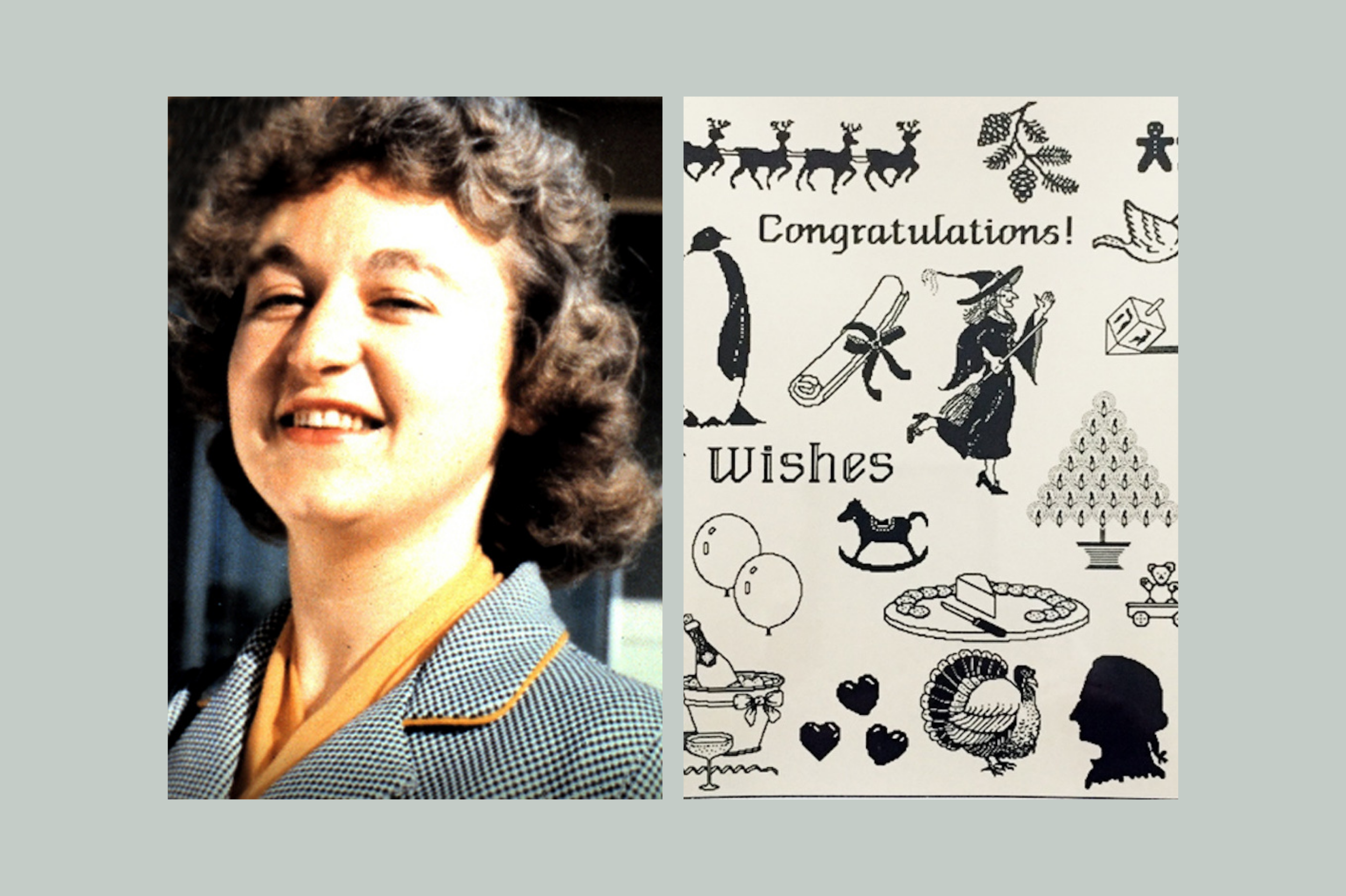
Joan Shogren, a chemistry graduate from San José State University (SJSU) in the early 1950s, created some of the world's first computer-generated art in 1963 while working as a secretary in the chemistry department. Collaborating with graduate student Jim Larson and assistant professor Ralph Fessenden, she developed a theory that computers could create art if given "rules" of proportion, balance, and center of interest. Fessenden translated her "laws of art" into code on an IBM 1620 computer, producing artworks that were printed as number arrays and later hand-colored by artist Marvin Coon. Shogren exhibited these works in May 1963 at the campus bookstore, recognized as the first public display of computer art. Two decades later, she was commissioned by software company T/Maker to create the first clip art, "ClickArt," released in 1984 for Macintosh computers, designed pixel by pixel.

I Turned My TV Into a Rotating Art Gallery Using Free Museum Downloads

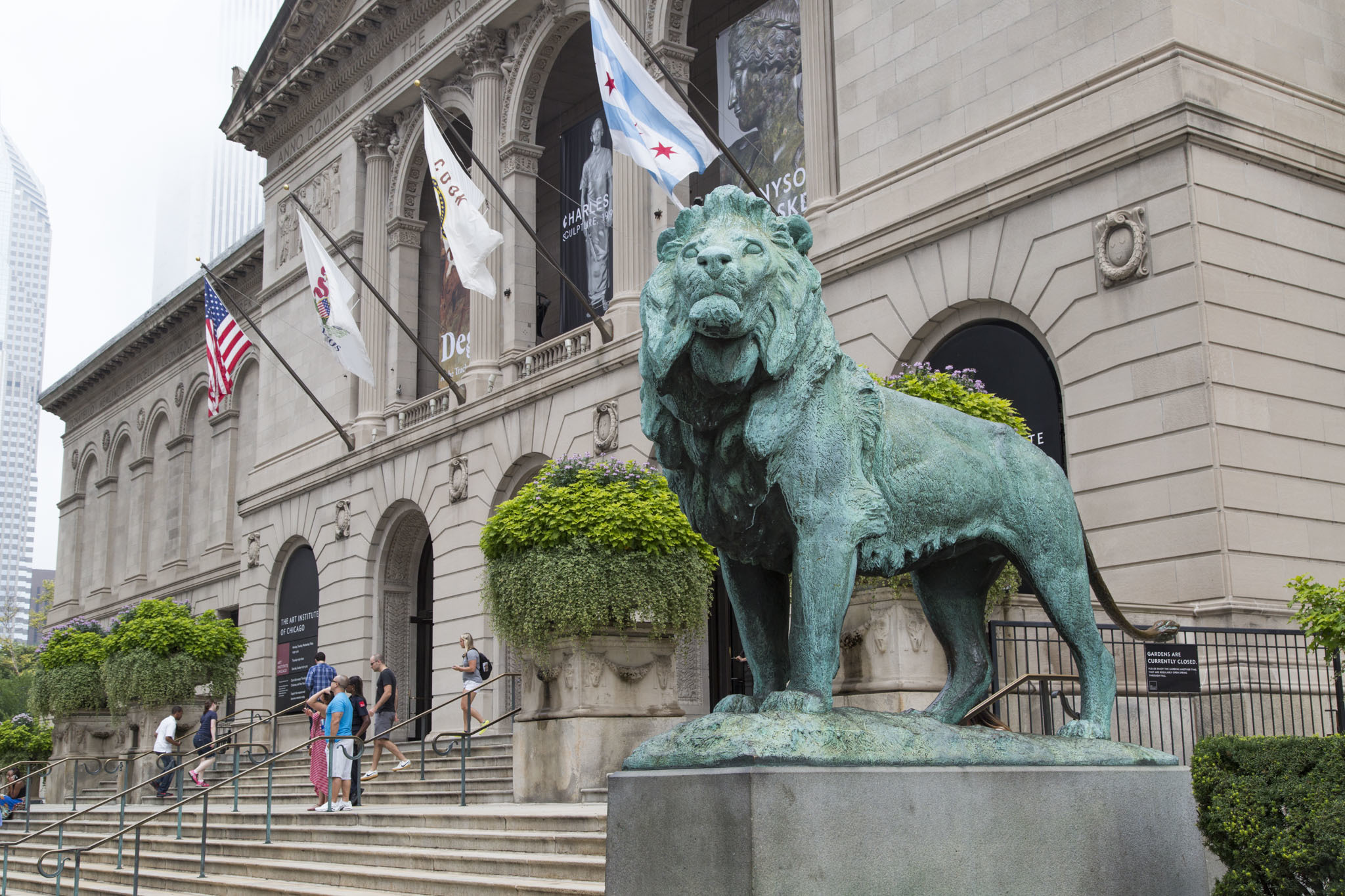
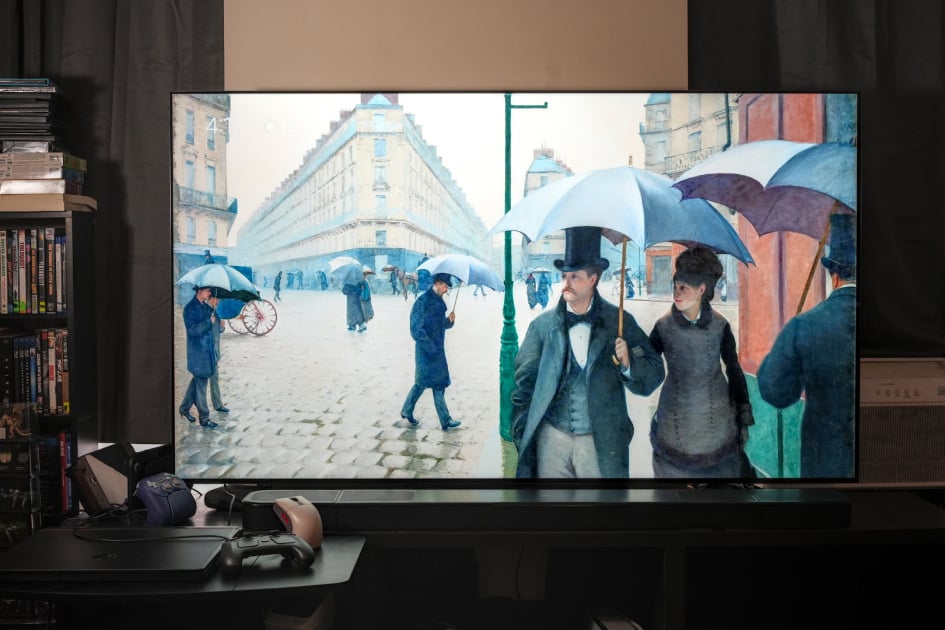
The article provides a guide on how to turn a TV into a rotating art gallery by downloading high-resolution, public-domain images from museum digital collections. It explains the need to filter for Open Access works to avoid copyright issues and recommends several museums with extensive free collections, including the Art Institute of Chicago and the Getty Museum.

Salon des Indépendants

The article is about the Salon des Indépendants, a historic French art exhibition society founded in 1884. It provided a platform for artists to exhibit works without a jury, challenging the official Paris Salon's conservative standards.

Met Gala 2026: Celebrities Wearing Art — Decoding the Inspirations Behind Their Looks

At the 2026 Met Gala, held on May 4 at New York's Metropolitan Museum of Art, celebrities interpreted the dress code 'Fashion is Art' with looks inspired by iconic artworks. ROSÉ wore a Saint Laurent gown based on Georges Braque's 'The Birds,' Emma Chamberlain's dress fused Vincent van Gogh's 'The Garden at Arles' and 'The Starry Night,' and Ben Platt donned a jacket reimagining Georges-Pierre Seurat's 'A Sunday Afternoon on the Island of La Grande Jatte' through bead embroidery.