filter_list Showing 39 results for "Voices" close Clear
search
dashboard All 1057 museum exhibitions 692article local 153article news 59person people 44article culture 39trending_up market 25article policy 21rate_review review 15candle obituary 6gavel restitution 3
date_range Range Today This Week This Month All
Subscribe

museum artists

The article reflects on the final 2025 edition of the Museum Artists list, which tracks the most exhibited artists in U.S. museums each quarter. The author notes that the top artists—such as Marie Watt, Jeffrey Gibson, and Rose B. Simpson—have remained consistent throughout the year, with a narrow band of stars appearing in many shows while a long tail of artists have limited visibility. Below the top 15, notable names include Julie Mehretu, Wangechi Mutu, and Jean Shin, with a cluster of older white female artists like Petah Coyne and Joyce Kozloff also gaining recognition.
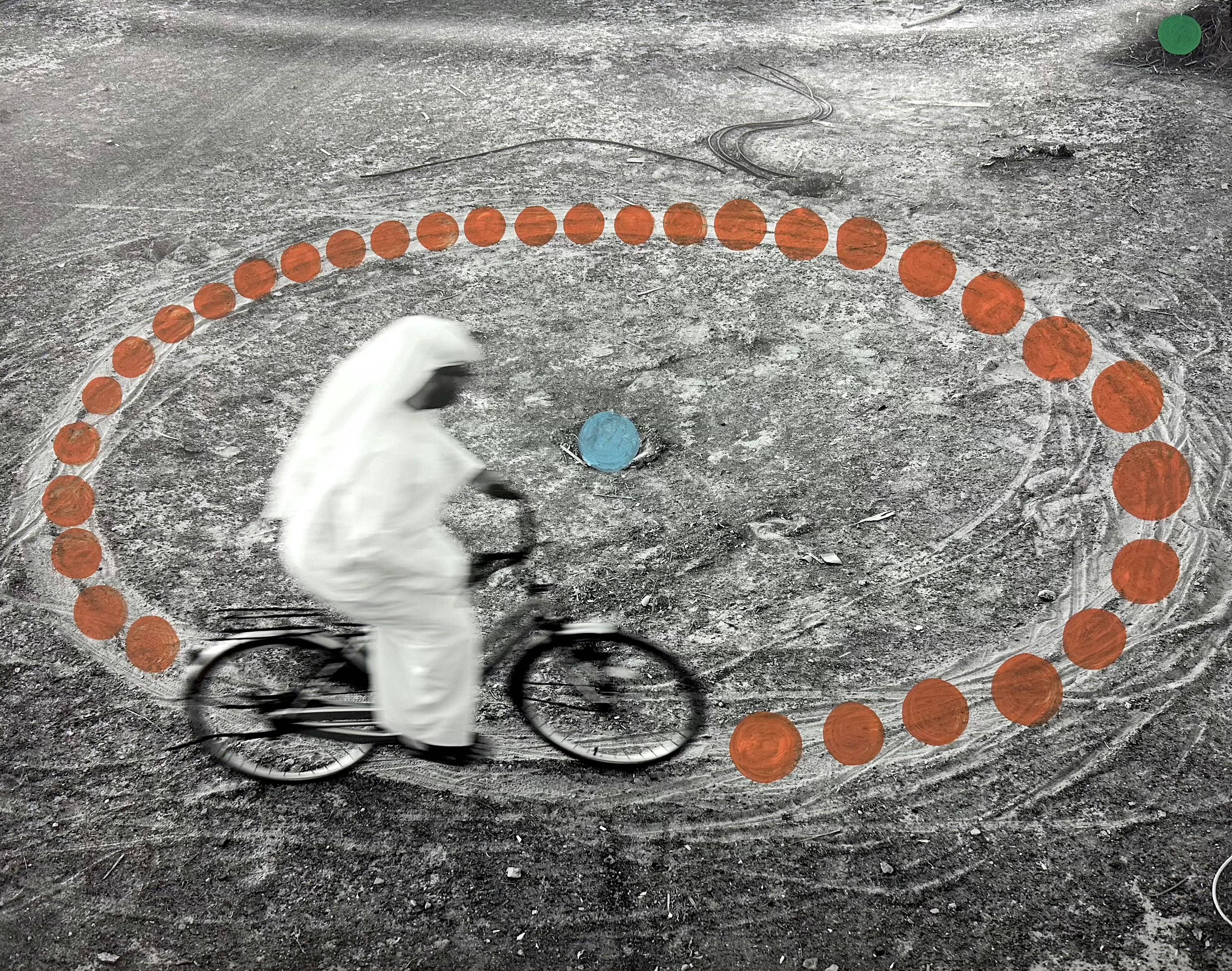
11 Contemporary Emirati Artists To Know

The article highlights 11 contemporary Emirati artists, providing an overview of their practices and significance within the Gulf's evolving art scene. It contextualizes this list against recent major events in the region, including the debut of Art Basel Qatar in early February and the subsequent U.S. attacks on Iran, which caused turmoil across the Gulf, disrupted airline operations, and forced Art Dubai to scale back its event to a smaller fair in mid-May. Artists and galleries in the Gulf also had to temporarily close.

Rocked on their heels: how exhibitions can change the course of artists’ lives

Alyce Mahon's new book, *Dorothea Tanning: A Surrealist World*, explores how the 1936 MoMA exhibition *Fantastic Art, Dada, Surrealism* profoundly transformed the young artist Dorothea Tanning, who described being "rocked on my run-over heels" by the experience. The article also recounts similar life-changing exhibition encounters for contemporary artists Lorna Simpson and Hurvin Anderson, as discussed on *The Week in Art* and *A brush with…* podcasts, highlighting how specific shows shaped their artistic trajectories.

10 young female artists feminism

The article profiles ten young female artists who are using their work to explore and assert feminist perspectives in the face of contemporary misogyny, particularly referencing the US president-elect's rhetoric. Featured artists include Emma Sulkowicz, known for her durational performance 'Carry That Weight' protesting campus rape culture, and Sarah Maple, a British artist whose multimedia works tackle identity and gender with provocative humor. The piece highlights how these artists address themes such as sexual violence, gender fluidity, and the reclaiming of femininity through mediums ranging from performance and video to painting and photography.

8 gulf artists defining the regions new cultural renaissance

Artnet News profiles eight Gulf artists who are shaping the region's cultural renaissance, including Mohammad Alfaraj and Dana Awartani. The article highlights their growing international recognition, with Alfaraj winning Art Basel Emerging Artist and Gold Awards in 2025 and Awartani exhibiting at the 2024 Venice Biennale. It notes the expansion of major art fairs like Art Basel and Frieze into the Gulf, alongside new homegrown initiatives such as the Diriyah Contemporary Art Biennale and Rubaiya Qatar.

collectors queer art pride month

CULTURED revisits four collector questionnaires from Pride Month, featuring Rob and Eric Thomas-Suwall (the Icy Gays), Chad Leat, and Ilan Cohen. Each collector shares their personal journey, motivations, and the LGBTQ+ artists they champion, including Salman Toor, Dominique Fung, Anna Weyant, Roni Horn, John Giorno, Wolfgang Tillmans, Doron Langberg, Louis Fratino, and TM Davy. The article offers intimate glimpses into their homes and collections, highlighting how they discovered art, built relationships with dealers, and navigated collecting from remote or non-traditional locations.

eva hesse documentary

A comprehensive new documentary on Eva Hesse, the innovative 1960s artist, will premiere in New York in April. Directed by Marcie Begleiter, the film explores Hesse's life as a German-born American who fled Nazi Germany, her difficult childhood as an immigrant, and her rise in New York's art scene. It features interviews with artists like Robert Mangold and examines her pioneering use of materials such as plastic, latex, and fiberglass. Hesse's career was cut short when she died of a brain tumor at age 34 in 1970, but her legacy has grown through posthumous retrospectives at major museums.

Global Art Biennials: Renovation, Revelation—or Repetition?

The article examines the current state of global art biennials, arguing that recent controversies—such as the 2022 documenta antisemitism crisis and geopolitical tensions at the 61st Venice Biennale—reveal these exhibitions as deeply politicized platforms rather than neutral cultural events. It highlights how juries and curators have introduced geopolitical criteria, and cites ongoing debates in Artforum (April 2026) featuring voices like Daniel Birnbaum, Michelle Grabner, and Adam Szymczyk, who diagnose visible tensions but overlook deeper structural conditions.

The Year AI Captured Art

The article surveys the visual art landscape of 2025, arguing that the year's defining throughline is the increasing centrality of artificial intelligence—a technological revolution most people didn't ask for but cannot escape. It highlights several exhibitions and works that engage with AI in different ways: Seth Price's show at Isabella Bortolozzi in Berlin, which uses generative images from the pandemic era overlaid with gestural paint strokes; Charmaine Poh's video "GOOD MORNING YOUNG BODY" (2023) at Palais Populaire, where she deploys deepfake technology to have her twelve-year-old self speak back to internet trolls; and Philippe Parreno's show at Haus der Kunst, which poeticizes how generative technologies interact with humans and nature. The article also notes the rise of AI-generated "slop" online and its incursion into the physical art world, as well as market shifts where larger galleries are increasingly acquiring Instagram-friendly emerging artists directly.

Comment | As the US’s 250th anniversary approaches, museums must keep pushing the American story forward

The Phillips Collection in Washington, DC, is launching a new strategic plan and an upcoming exhibition titled "Out of Many: Reframing an American Art Collection," timed to the US's 250th anniversary. The museum's director reflects on founder Duncan Phillips's original vision of the museum as a space for civic dialogue and shared inquiry, arguing that this model is urgently needed amid current political pressures, loss of federal funding, and debates over historical narrative.

How AI Will Change Art, According to Arthur Jafa, Marilyn Minter, and Other Artists

Emily McDermott's article, published July 15, 2025, gathers perspectives from artists including Refik Anadol, Arthur Jafa, Marilyn Minter, and others on how AI will change art. It references the controversial Christie's 'Augmented Intelligence' auction in February-March 2025, which generated nearly $730,000 despite an open letter signed by nearly 4,000 individuals urging cancellation over claims that AI models exploit copyrighted material. The artists quoted offer varied views, from Anadol seeing AI as a collaborator that augments creativity to Jafa dismissing most AI-generated work as generic.

30 Artists Defining Queer Art Now

Artsy has published its annual Pride Month feature 'Queer Art Now,' spotlighting 30 LGBTQ+ artists who are shaping contemporary art. The artists were nominated by leading art-world figures including curator Legacy Russell, photographer Catherine Opie, and art advisor Racquel Chevremont. The cohort spans painters, photographers, performers, and sculptors, with profiles detailing their practices and recent exhibitions. The feature also includes a reflective essay by curator Gemma Rolls-Bentley on major themes in queer art today.

top collectors best advice

Cultured magazine presents advice from ten acclaimed art collectors for newcomers navigating the art world. The collectors—including Will Bennett, Laurent Asscher, Chad Leat, Rob Thomas-Suwall, and Kelly Williams—share tips on trusting one's instincts, focusing on quality over price, visiting museums and galleries, and taking risks. They emphasize that building a collection is a personal journey, not a prestige-driven pursuit, and encourage beginners to ask questions, use tools like the See Saw app, and support local institutions.

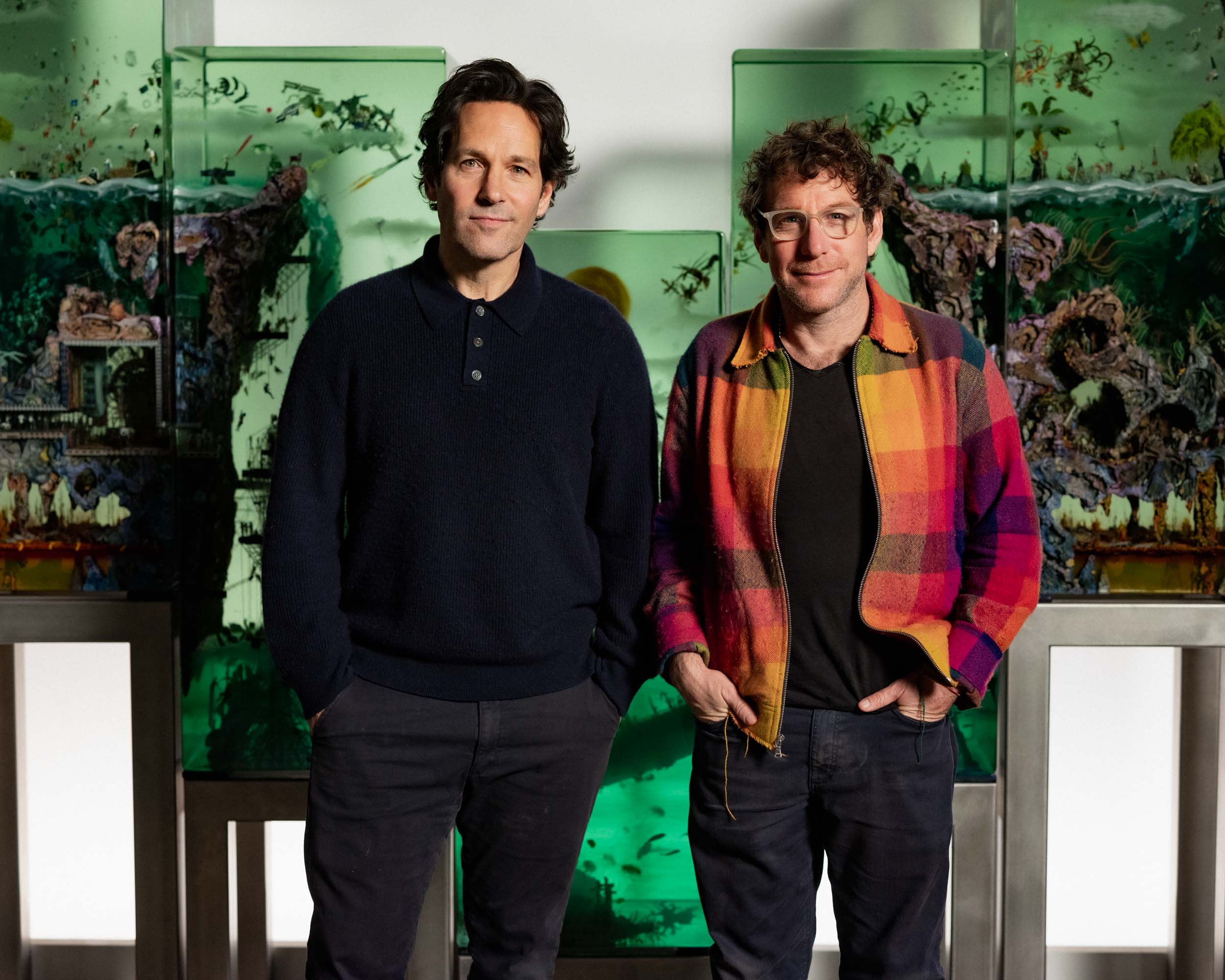
‘Just Dudes Hanging Out’: Dustin Yellin and Paul Rudd on Making the Artist’s First Film

Dustin Yellin, known for his glass sculptures and as founder of Pioneer Works, has made his first film, *Goodnight Lamby*, produced by Darren Aronofsky's A.I.-focused studio Primordial Soup. The short film, a hero's journey to rescue his daughter Zia's favorite stuffed animal, premiered at Cannes. Yellin discusses the project with his friend actor Paul Rudd, who voices the character "Papa," exploring how fatherhood and his existing artistic practice of "frozen cinema" inspired the animation.

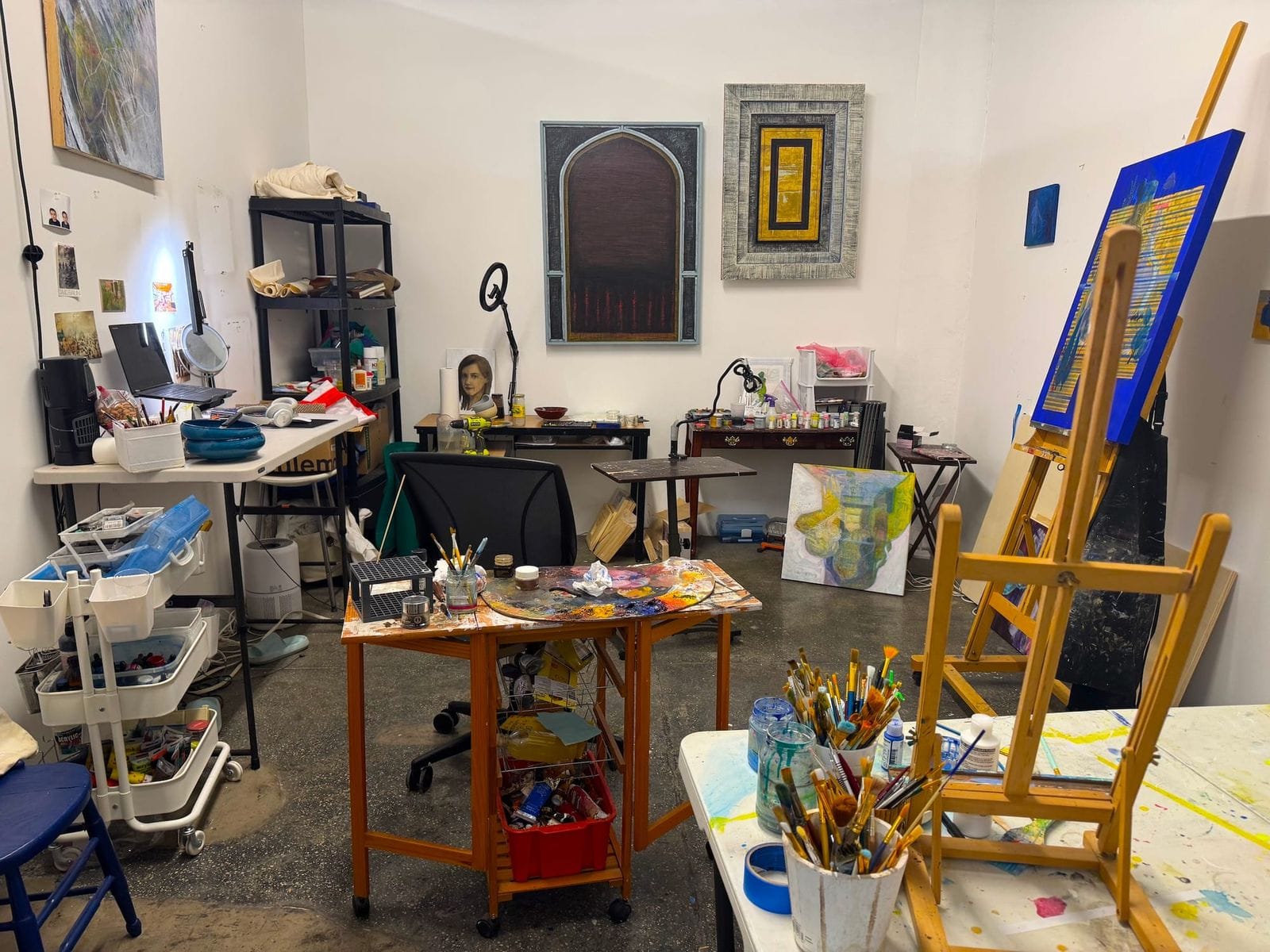
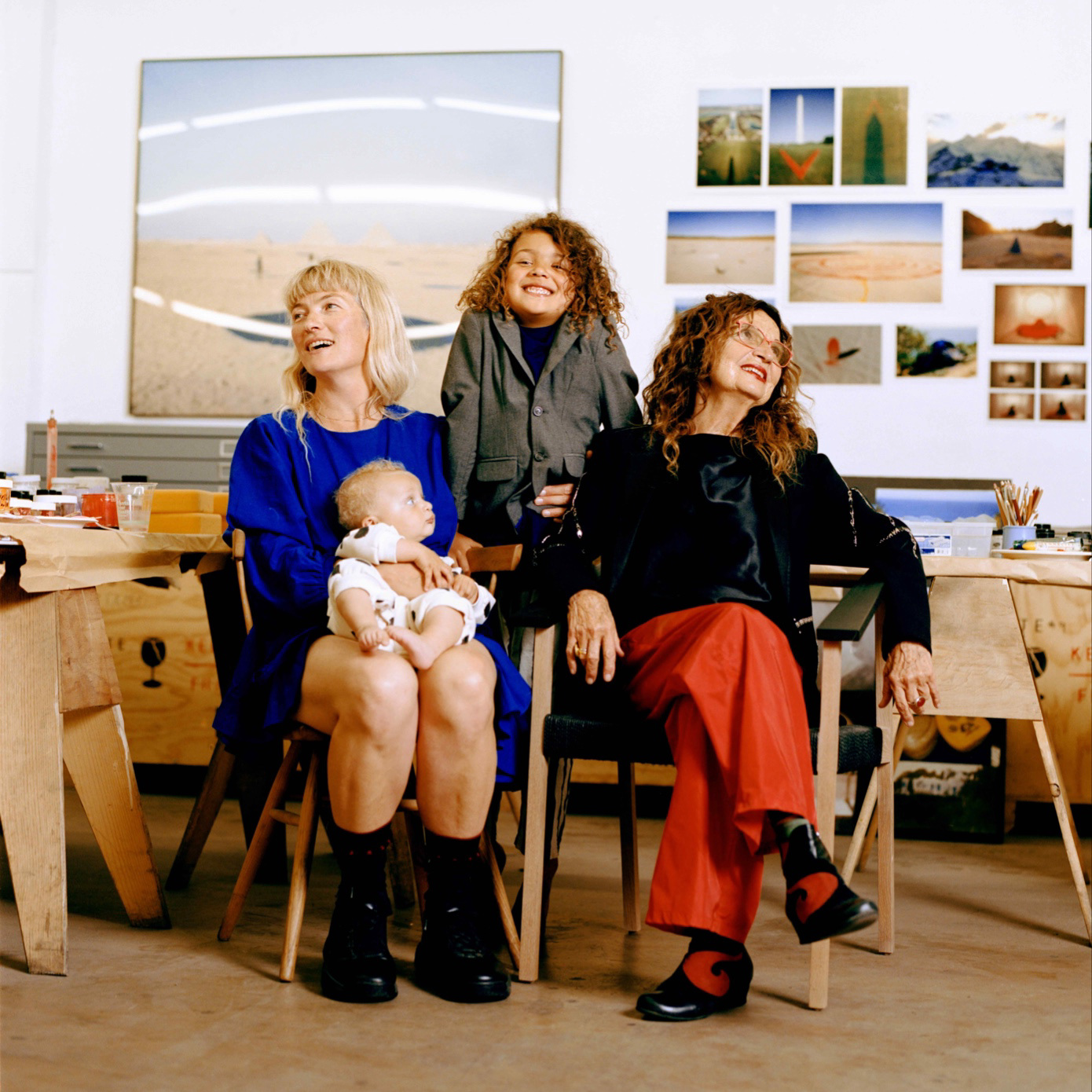
A View From the Easel

New Jersey-based artist Hadieh Afshani is featured in the 334th installment of Hyperallergic's 'A View From the Easel' series, which profiles artists in their workspaces. Afshani describes her studio practice at Mana Contemporary in Jersey City, where she balances her art with caring for her baby, working around his feeding and sleeping rhythms. She emphasizes the importance of natural light, a sink for fluid processes, and the supportive community of fellow artists and mothers.

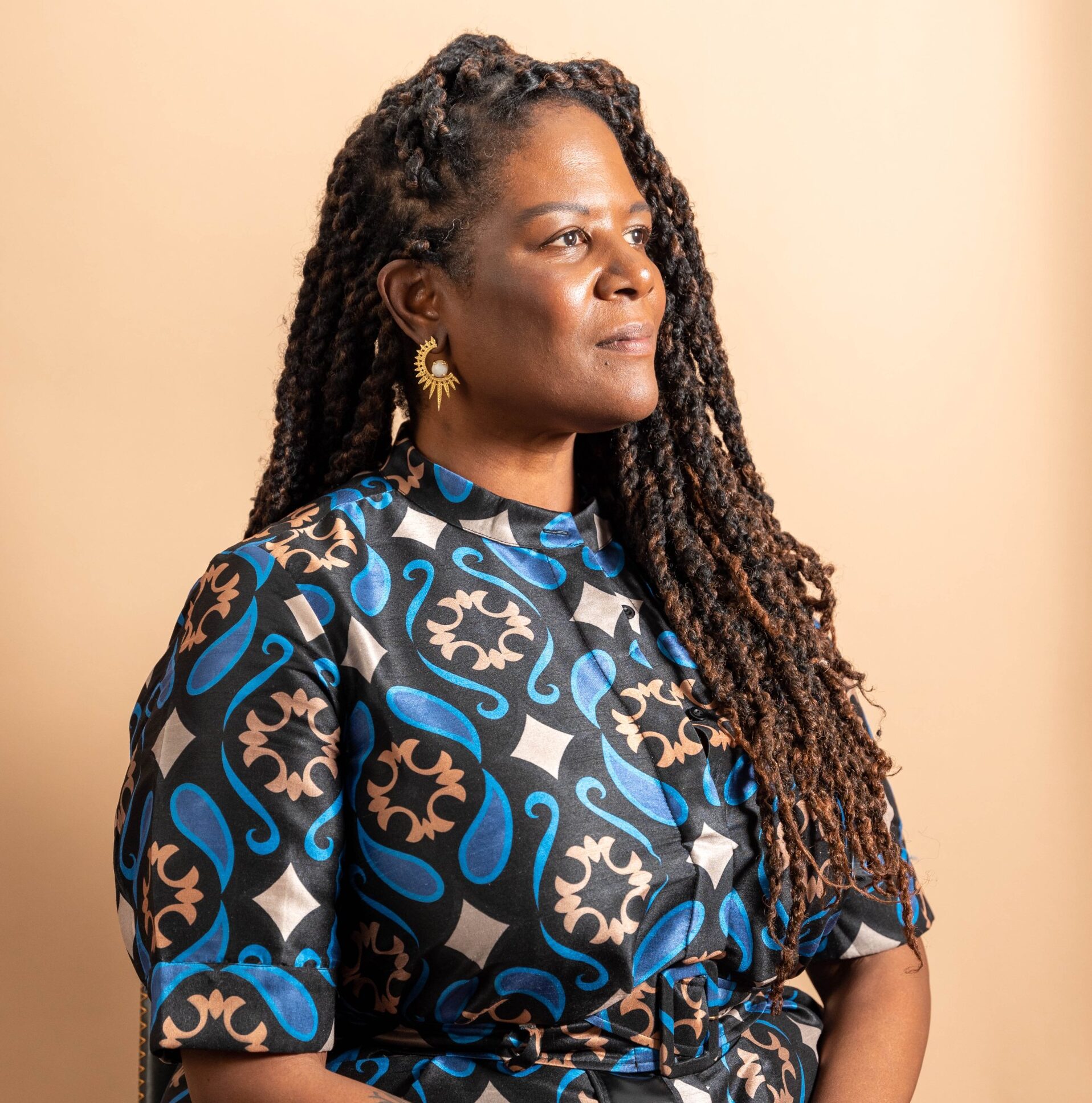
art black museums moad mocada auc

CULTURED magazine assembled a roundtable of three Black women leaders at prominent Black art museums in the U.S.—Key Jo Lee of the Museum of the African Diaspora (MoAD) in San Francisco, Cheryl Finley of the Atlanta University Center Art History and Curatorial Studies Collective (AUC), and Amy Andrieux of the Museum of Contemporary African Diasporan Arts (MoCADA) in New York. The discussion explores how each arrived at her role, the challenges these institutions face—including financial pressures and heightened scrutiny under the current U.S. administration—and their strategies for preserving and building legacies. Lee, who joined MoAD three years ago after a tenure at the Cleveland Museum of Art, is curating the exhibition “UNBOUND: Art, Blackness & the Universe,” named one of Hyperallergic’s top 25 of 2025. Finley, a curator, art historian, critic, and author, directs the AUC collective at Spelman College. Andrieux, who came from music and media roles at Red Bull Media House and MTV World, was recruited in 2018 to save MoCADA from closure and later became its executive director and chief curator, overseeing a capital expansion in 2023.

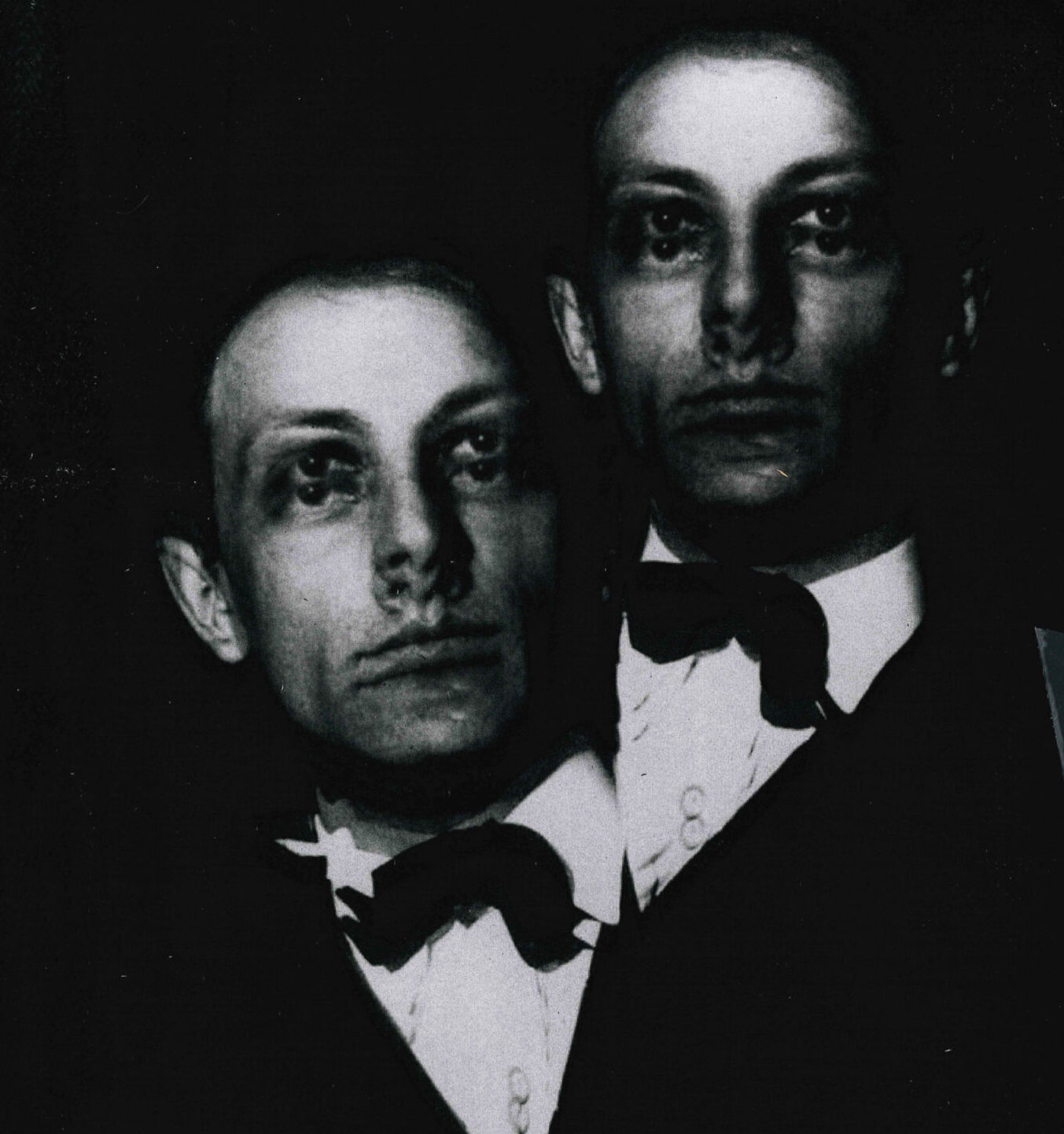
GEORGE FEBRES: TRADUCCIÓN, IRONÍA Y LIBERACIÓN. UN ARTISTA ECUATORIANO EN LA DIÁSPORA

George Febres (Guayaquil, 1943 – New Orleans, 1996) was an Ecuadorian artist whose work blended pop art, neo-surrealism, and Southern U.S. culture, shaped by his experience as a migrant and queer individual. The article traces his life from a privileged but unstable childhood in Ecuador to his migration to the United States, where he was drafted during the Vietnam War and eventually settled in New Orleans. Febres used bilingualism and ironic appropriation of tropical imagery to create a hybrid, irreverent body of work that challenges the official historiography of Ecuadorian art.

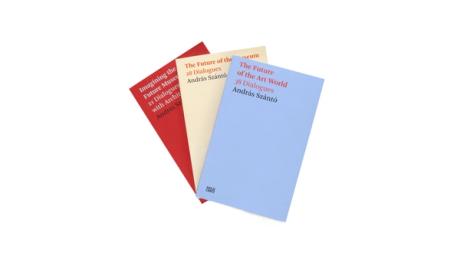
Final book in trilogy asks: What is the future of the art world?

Cultural strategist András Szántó has published the third and final volume of his trilogy on the future of museums, titled *What Is the Future of the Art World?*. The book features dialogues with a wide range of art-world figures—including gallerists José Kuri and Atsuko Ninagawa, collectors Alain Servais and Sylvain Levy, artists William Kentridge and Holly Herndon & Mathew Dryhurst, curator Fatoş Üstek, network scientist Albert-László Barabási, former Art Basel director Marc Spiegler, and Sheikha Al-Mayassa Al Thani—who discuss topics such as the definition of the art world, its rules, and its future trajectory. Szántó notes that there is no consensus on whether the art world is still expanding or entering a phase of slowdown, with different regions moving on divergent paths.

Nine Artists on the Gardens They’ll Never Forget

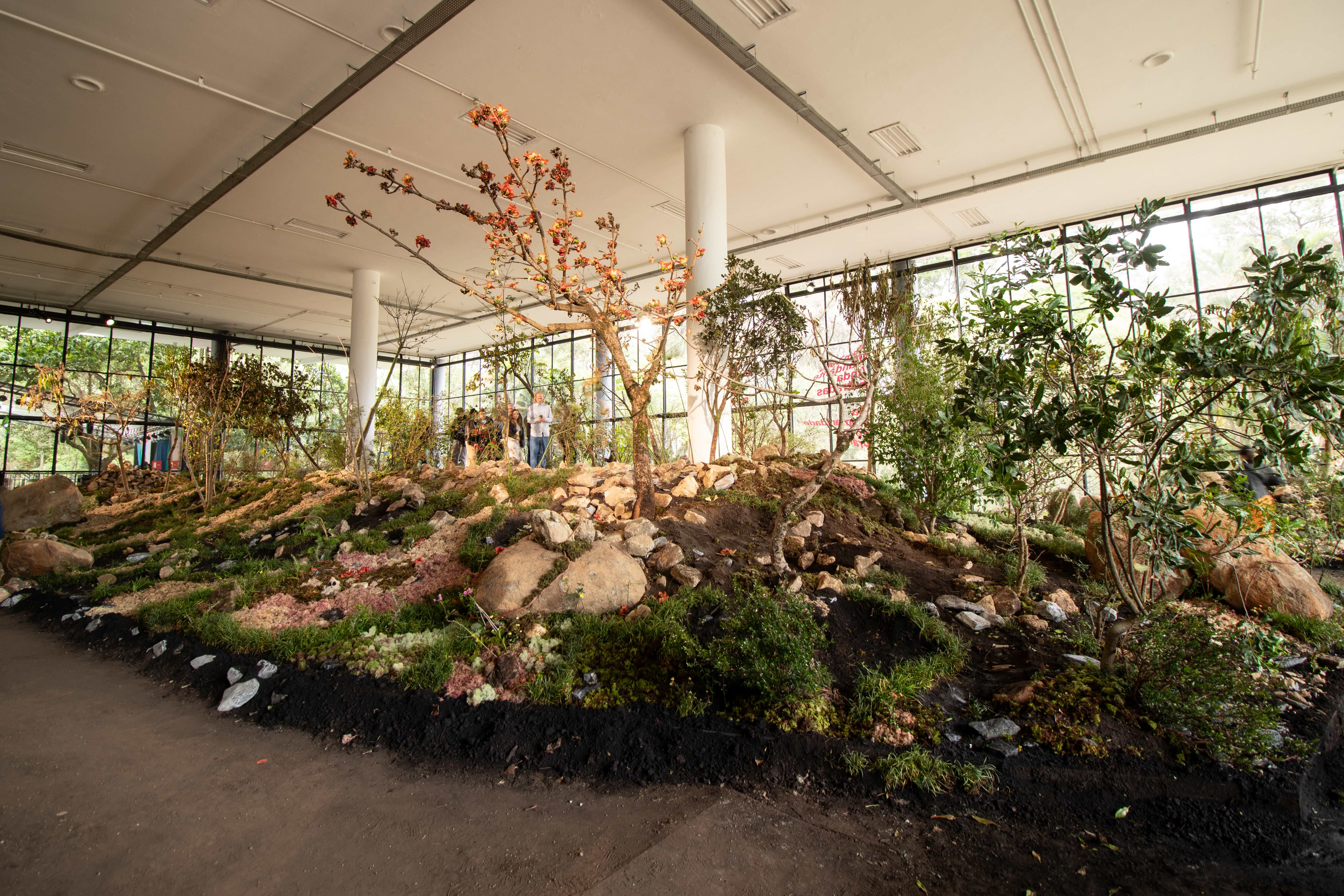
Nine artists, including Hiroshi Sugimoto, Irene Neuwirth, and Umberto Pasti, share personal reflections on unforgettable gardens from around the world. Each contributor describes a specific garden that left a lasting impression, ranging from historic estates to wild natural landscapes, highlighting the sensory and emotional impact of these spaces.

Primitivism to Reinvent Art

Le primitivisme pour réinventer l’art

Philippe Dagen has published the third and final volume of his series on primitivism, covering the period from World War II to the late 1970s. The book traces how Western artists, from Barnett Newman and Jackson Pollock to members of the CoBrA movement and figures like Jean Dubuffet, Lucio Fontana, and Yayoi Kusama, engaged with so-called "primitive" art from Africa, Oceania, and the Americas, often as a means of rejecting or redefining modern civilization. Dagen also examines the intellectual debates surrounding primitivism, including the critiques of colonized peoples who refused the label "primitive," and the shifting attitudes of thinkers like Claude Lévi-Strauss, Michel Leiris, and Aimé Césaire.

literature art magma bottega veneta

The third edition of the art journal Magma, titled “Archive of the Future,” has been published, featuring over 100 previously unpublished works and texts from artists, filmmakers, and musicians. Highlights include voice memos by Charles Ray, Polaroids by Jonas Mekas from a 1971 Fluxus dinner with Yoko Ono and John Lennon, selections from Jean-Luc Godard’s archive, a text by Patti Smith, and contributions from Precious Okoyomon and Pol Taburet. The 388-page volume, backed by Bottega Veneta and edited by Paul Olivennes, includes a foreword by Hans Ulrich Obrist and will be accompanied by exhibitions at Tramps gallery in London and Forma in Paris.

artist mother interview mothers day balance

Cultured magazine interviewed five artist-mothers—including Lita Albuquerque, Sheree Hovsepian, and Catherine Opie—ahead of Mother’s Day to explore how motherhood and artistic practice intersect. The artists describe how raising children has made them more efficient, intuitive, and present in their studios, while their art has deepened their capacity for love and patience as parents. Specific examples include Hovsepian turning to photograms during limited childcare hours and Opie creating intimate portraits of her son.

What happens to the art market when humanity stops mattering?

The article examines the resilience of the high-end art market amid rising geopolitical tensions and shrinking public funding for culture. It notes that while sales at major auction houses like Sotheby's and Christie's have rebounded, political forces in the US and Europe are increasingly prioritizing military spending and exerting pressure on cultural institutions, drawing parallels to the rise of fascism in the early 20th century.

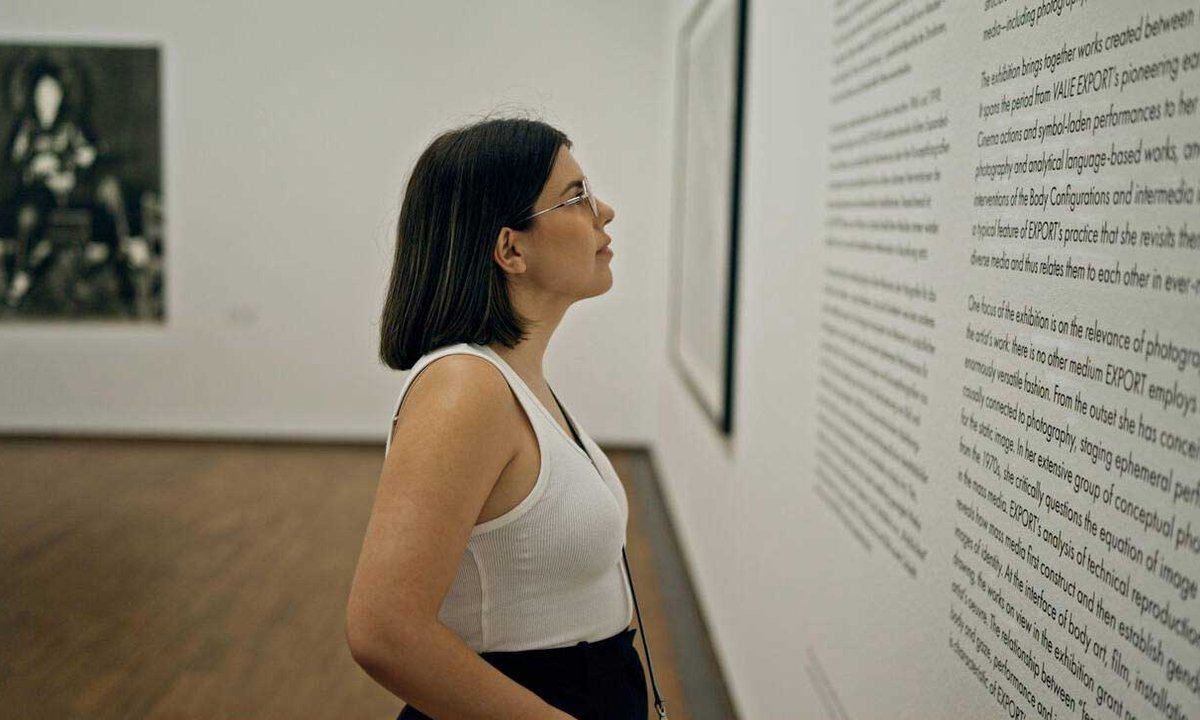
Museum wall texts are an art in their own right—but will they survive the digital age?

The article explores the debate over museum wall texts, examining whether they enhance or hinder the visitor experience. It highlights contrasting approaches: Calder Gardens in Philadelphia has eliminated wall text entirely, branding itself as "open to interpretation," while institutions like the Frick Pittsburgh and the Royal Ontario Museum (ROM) continue to use carefully crafted labels, often with strict word limits and multiple languages. The Frick Pittsburgh invites guest "labelists" from the local community to write labels, and the ROM focuses on making text shorter and more scannable to hold visitors' limited attention.

Meet Elizabeth Catlett in 11 Facts

Elizabeth Catlett (1915–2012) was a sculptor, printmaker, feminist, and social activist whose art was inseparable from her life and politics. Born in Washington, DC, to parents who worked in education, she faced racial discrimination early on—denied a scholarship to the Carnegie Institute of Technology and paid less than white colleagues as a teacher. She became the first Black woman to earn an MFA from the University of Iowa, studying under Grant Wood, and later taught at the George Washington Carver School in Harlem, where she connected with Harlem Renaissance figures. Catlett moved to Mexico, married artist Francisco Mora, and created woodblock and linocut prints for 20 years. She was investigated by the House Un-American Activities Committee, declared an "undesirable alien," and became a Mexican citizen in 1962. Her work centered on Black and Mexican women, and she famously stated, "We have to create an art for liberation and for life."

A Place of Perpetual Warmth: Hyde Park Art Center and the Making of Chicago’s Creative Identity

The Hyde Park Art Center (HPAC) stands as a vital pillar of Chicago’s grassroots creative identity, serving for eighty-six years as an unpretentious alternative to the city's major encyclopedic museums. From its early days under curator Don Baum, the center became a catalyst for the avant-garde, famously launching the careers of the Chicago Imagists and the Hairy Who. Today, it continues to function as a multifaceted ecosystem that blends community education, artist residencies, and experimental exhibitions within a residential neighborhood setting.

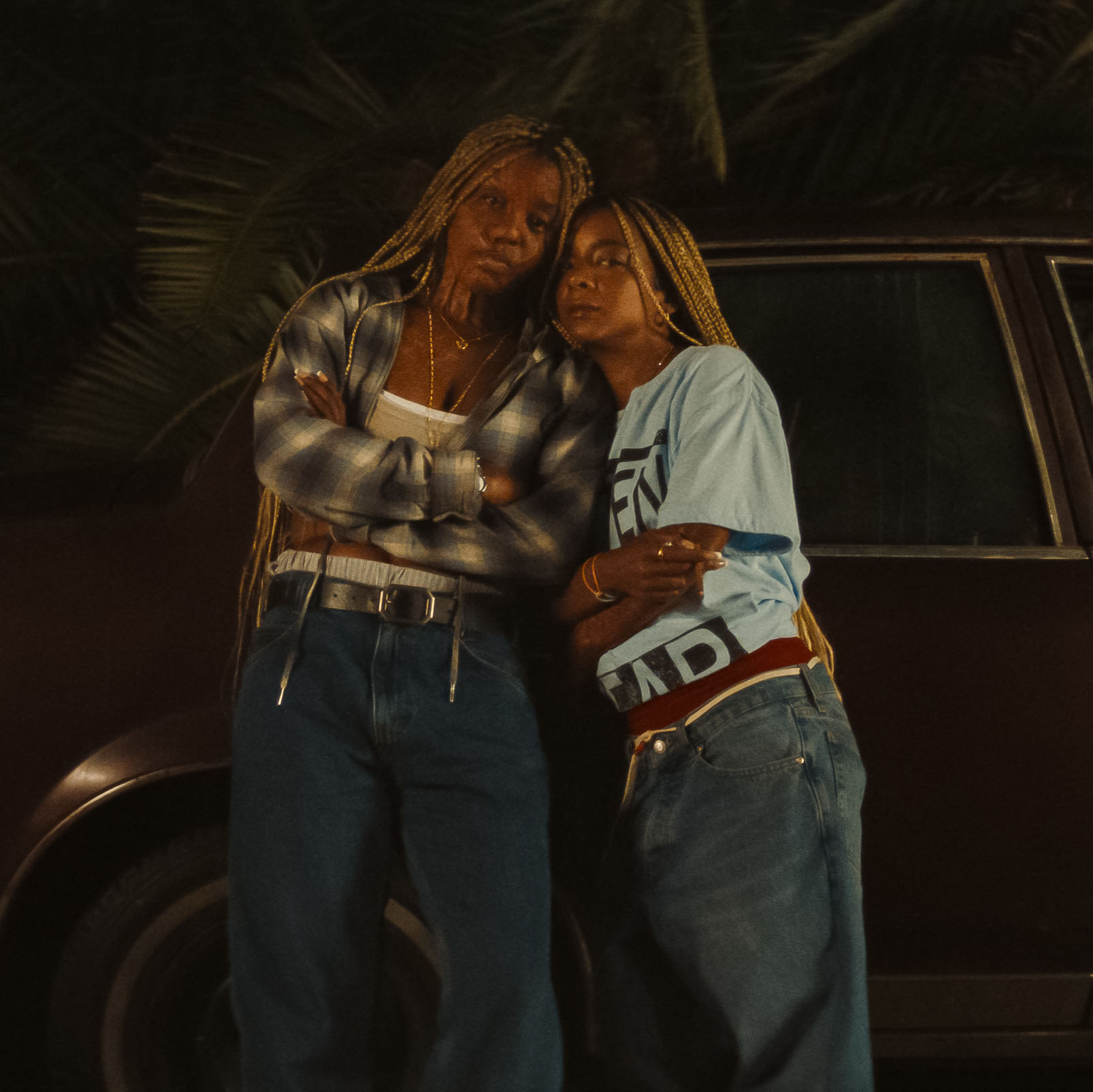
In a Year of Remarkable Filmmaker Debuts, Here’s How Aleshea Harris Set ‘Is God Is’ Apart

Aleshea Harris has adapted her award-winning 2016 play 'Is God Is' into a feature film, marking her directorial debut. The story follows twin sisters with burn scars who, summoned to their mother's deathbed, learn their father caused their disfigurement and are urged to seek revenge. The film stars Kara Young, Mallori Johnson, Vivica A. Fox, Sterling K. Brown, and Janelle Monáe. Harris brings her playwright's precision to the screen, using avant-garde typography and captions inspired by a 1964 edition of Eugène Ionesco's 'The Bald Soprano' designed by Robert Massin, with title design by Teddy Blanks.

Are You a Queer Artist Heading to Fire Island This Summer? Pack This Book.

Cultured magazine highlights a new book, *Fire Island Art: 100 Years*, edited by John Dempsey, president of the Fire Island Pines Historical Society. The volume surveys queer artmaking on Fire Island from the 1930s to the present, featuring canonical figures like Richard Avedon, David Hockney, and Andy Warhol alongside overlooked artists, and includes contemporary voices such as TM Davy, Nicole Eisenman, and Salman Toor. It draws on archival material, newly unearthed pieces, essays, interviews, and primary texts to reframe the island as a cornerstone of queer modernism.

cultural critics 2025

The Art Angle podcast hosted eight cultural critics, theorists, and artists throughout 2025 to reflect on key tensions and transformations in the art world. The roundup features voices including Nadia Asparouhova on the value of intimate 'antimemetic' art spaces, Andrea Fraser on the fragmentation of the art field, Alison E. Gingeras on the necessity of all-women exhibitions as resistance, Dean Kissick on the problems of social justice art, and Sean Monahan on social surveillance in the art world. Each thinker offers a snapshot of the debates, anxieties, and aspirations shaping contemporary cultural discourse.

Fall 2025 Festival Season

Art21 successfully concluded its Fall 2025 festival season, with its films being screened at multiple international festivals including Artecinema in Italy, Bushwick Film Festival in New York, and others in Massachusetts, New Mexico, and North Carolina. The organization also participated as a sponsor and panelist at DOC NYC, and several of its recent films featuring artists like Sophie Calle, Dyani White Hawk, and Guadalupe Maravilla received recognition.