filter_list Showing 9 results for "Whistler" close Clear
search
dashboard All 69 museum exhibitions 46article culture 9rate_review review 6article news 4person people 2candle obituary 1article local 1
date_range Range Today This Week This Month All
Subscribe

modern contemporary art

The article explores the distinction between Modern and contemporary art, explaining that Modern art emerged in the late 19th century as a reaction to classical art and the Industrial Revolution, with movements like Impressionism, Cubism, Futurism, and Surrealism redefining painting in response to photography. Contemporary art, by contrast, is a reaction to Modern art, with its start debated between World War II and the 1960s-70s consumerist era, encompassing diverse mediums such as sculpture, street art, and performance art, exemplified by artists like Jeff Koons, Banksy, and Yoko Ono.

suprising history behind whistlers mother

The article explores the enduring appeal of James McNeill Whistler's 1871 painting commonly known as "Whistler’s Mother," officially titled "Arrangement in Grey and Black, No.1." It recounts how the painting was acquired by the French state in 1891 and became the first American painting in the Louvre, now housed at the Musée d'Orsay. The piece also reveals little-known facts: the sitter's full name was Anna Matilda McNeill Whistler, who wore mourning clothes for 31 years after being widowed and moved in with her son in London, displacing his mistress. The article includes her recipe for a dessert called Floating Island and notes that Whistler incorporated his earlier etching "Black Lion Wharf" into the portrait.

What You (Maybe) Didn't Know About Édouard Manet

Ce que vous ne saviez (peut-être) pas sur Édouard Manet

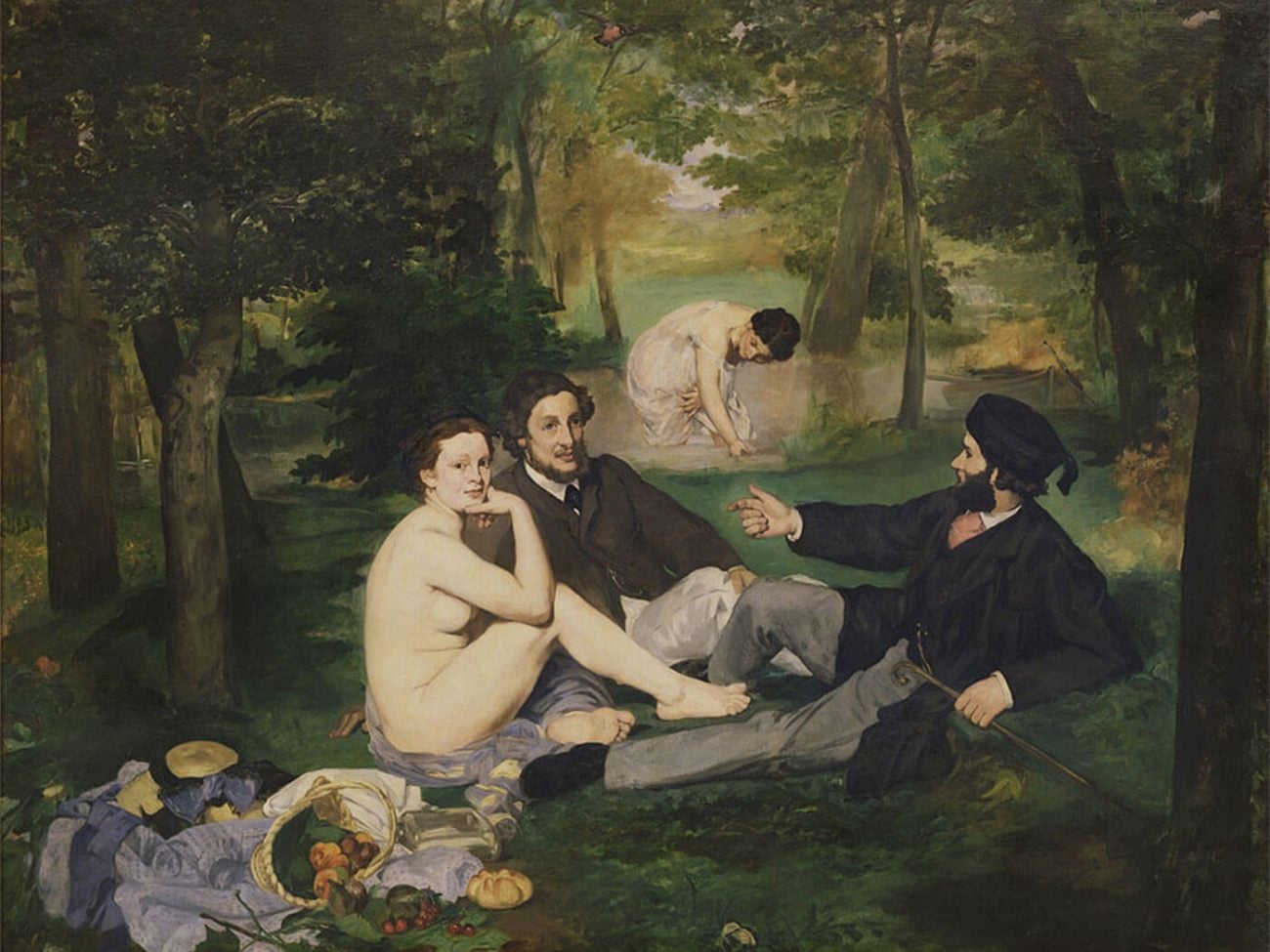
Édouard Manet (1832–1883), a pivotal figure bridging realism and impressionism, is the subject of a feature article in Beaux Arts Magazine. The piece explores lesser-known aspects of his life and career, including his near-miss as a naval officer, his rivalry with Gustave Courbet, his refusal to join the impressionist exhibitions despite close ties to the movement, and his deep fascination with Spanish culture. It highlights his scandalous works like *Le Déjeuner sur l'herbe* (1863) and *Olympia*, the latter entering the Louvre after a subscription launched by Claude Monet in 1889.

Inside the technicolour world of Jack White

Jack White, the musician best known as the frontman of The White Stripes, has begun showing his visual art, which he has been creating since his teenage years. The article offers a glimpse into his vibrant, technicolour artistic practice, marking his debut as a visual artist in the public eye.

art dealers movie villains

Artnet News examines the recurring trope of art dealers as villains in popular cinema, highlighting seven films that feature duplicitous gallerists, auction house specialists, and art advisors. Examples include Rhodora Haze in *Velvet Buzzsaw* (2019), a ruthless gallerist who profits from a dead artist's work against his dying wish, and Virgil Oldman in *The Best Offer* (2013), an auction house director entangled in forgery and deception. The article also references Victor Taft in *Legal Eagles* (1986), where a performance artist's father's suspicious death drives the plot.

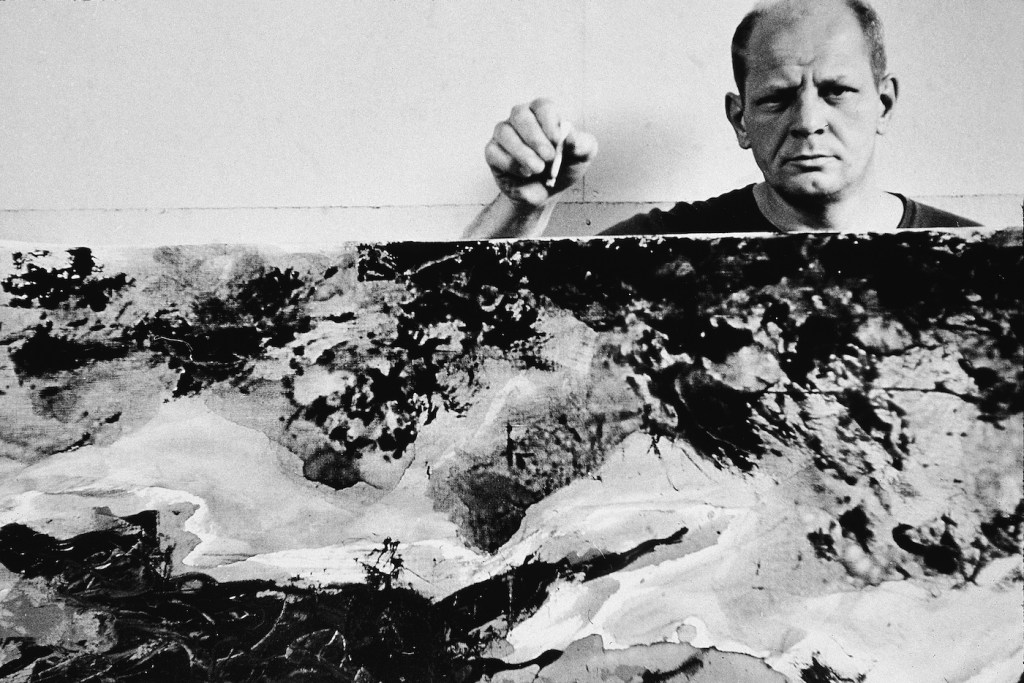
Jackson Pollock Transformed American Art—and Was Destroyed by His Own Success

The article traces Jackson Pollock's transformative yet destructive rise to fame, focusing on his move to East Hampton with Lee Krasner, his development of drip painting in a small unheated barn, and the influence of predecessors like Janet Sobel and Max Ernst. It details his 1948 debut at the Betty Parsons Gallery, the mocking 1949 Life Magazine feature that ironically catapulted him to celebrity, and photographer Hans Namuth's documentation of his process, which revealed the deliberate nature of his technique.

May Book Bag: from a guide on entering the art world to a publication about artists influenced by Ovid’s Metamorphoses

The May Book Bag article from The Art Newspaper reviews four new art-related publications. It covers "Metamorphoses: Ovid and the Arts," edited by Francesca Cappelletti and Frits Scholten, which examines Ovid's influence on Western art through works by artists like Titian, Caravaggio, and Louise Bourgeois. Other featured books include Hettie Judah's "How to Enter the Art World," a practical guide for emerging artists; "Derrick Adams: Prints," showcasing the artist's printmaking from 2019-2025; and "Whistler's Legacy" by Daniel Sutherland, which explores the legacy of James Abbott McNeill Whistler through his close associates.

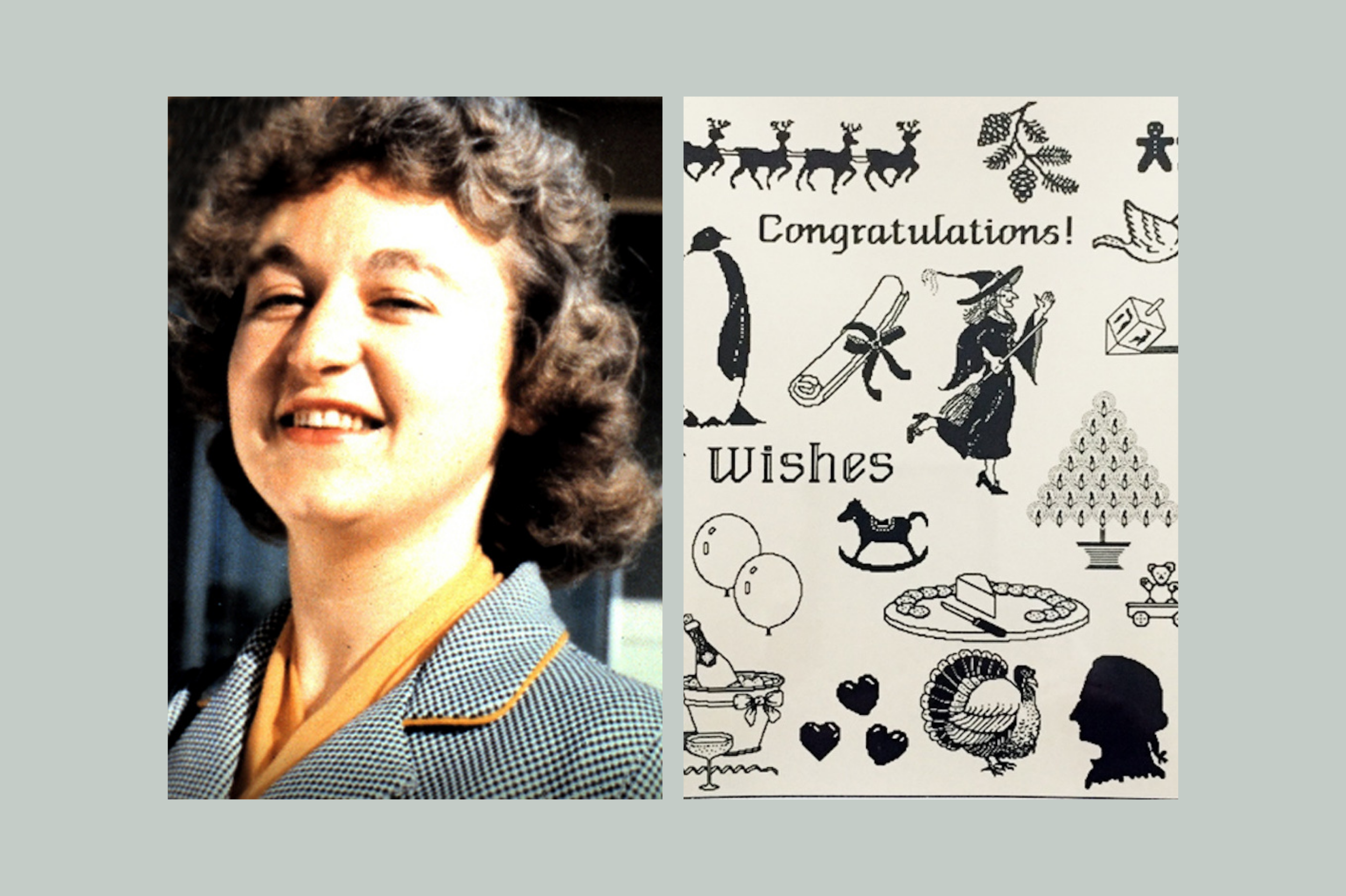
who was joan shogren computer art

Joan Shogren, a chemistry graduate from San José State University (SJSU) in the early 1950s, created some of the world's first computer-generated art in 1963 while working as a secretary in the chemistry department. Collaborating with graduate student Jim Larson and assistant professor Ralph Fessenden, she developed a theory that computers could create art if given "rules" of proportion, balance, and center of interest. Fessenden translated her "laws of art" into code on an IBM 1620 computer, producing artworks that were printed as number arrays and later hand-colored by artist Marvin Coon. Shogren exhibited these works in May 1963 at the campus bookstore, recognized as the first public display of computer art. Two decades later, she was commissioned by software company T/Maker to create the first clip art, "ClickArt," released in 1984 for Macintosh computers, designed pixel by pixel.

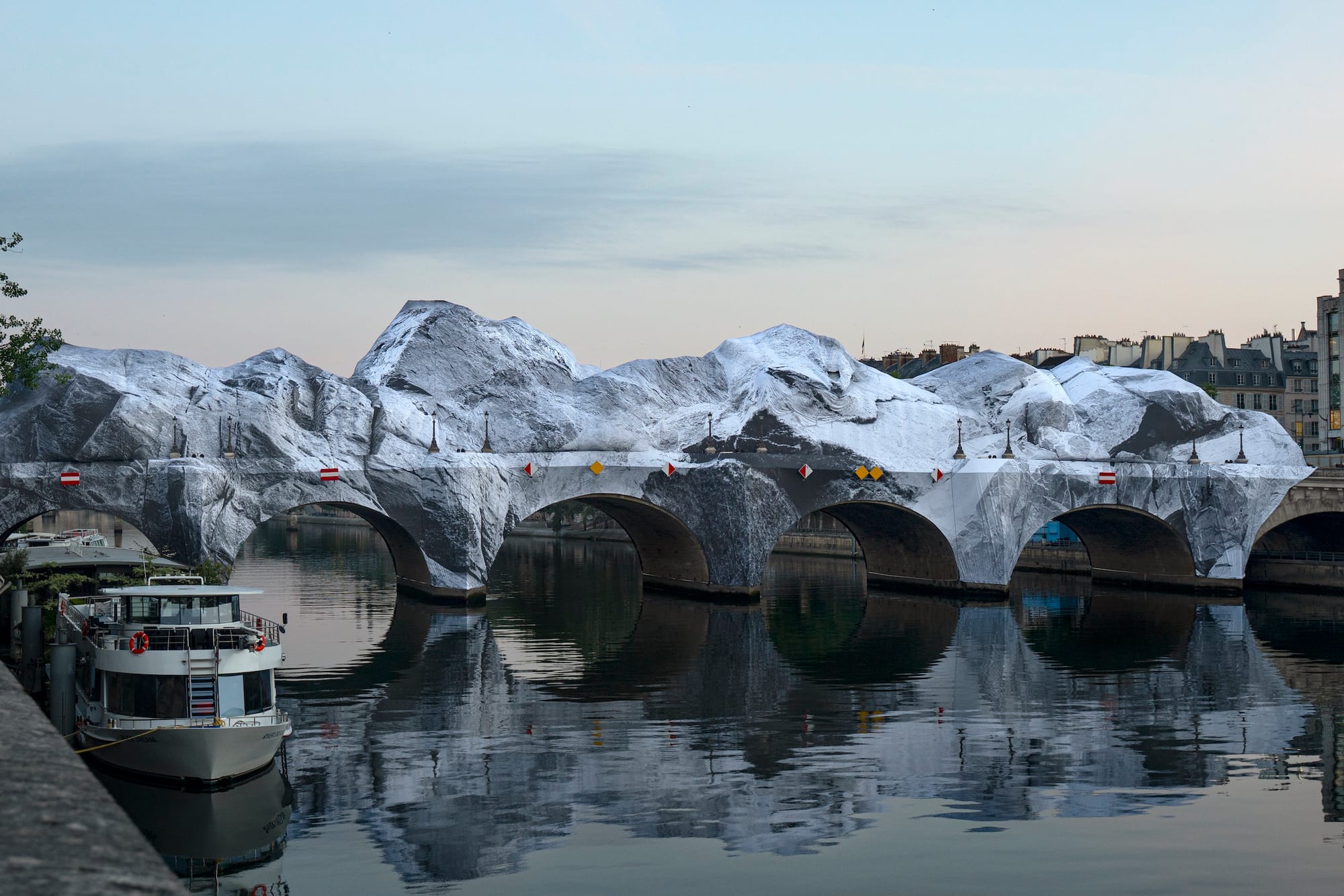
Required Reading

This week's Required Reading roundup from Hyperallergic covers a diverse range of art-world stories. French photographer JR has unveiled "La Caverne du Pont Neuf Paris" (2026), an optical illusion installation that transforms the pathway across the Seine into a black-and-white mountain range cave, paying homage to Christo and Jeanne-Claude's 1985 wrapping of the same bridge. Other highlights include architecture scholar Karrie Jacobs investigating a New York waterfront walking initiative for The Nation, curator Tara Contractor writing in Apollo about James McNeill Whistler's use of metallic pigments influenced by Japanese traditions, and Rob Corsini interviewing Amelia Abraham about their new book celebrating photography of queer nightlife for Dazed.