filter_list Showing 38 results for "like" close Clear
search
dashboard All 315 museum exhibitions 154article local 43article culture 38trending_up market 26article news 20article policy 11rate_review review 10person people 8candle obituary 3gavel restitution 1article architecture 1
date_range Range Today This Week This Month All
Subscribe

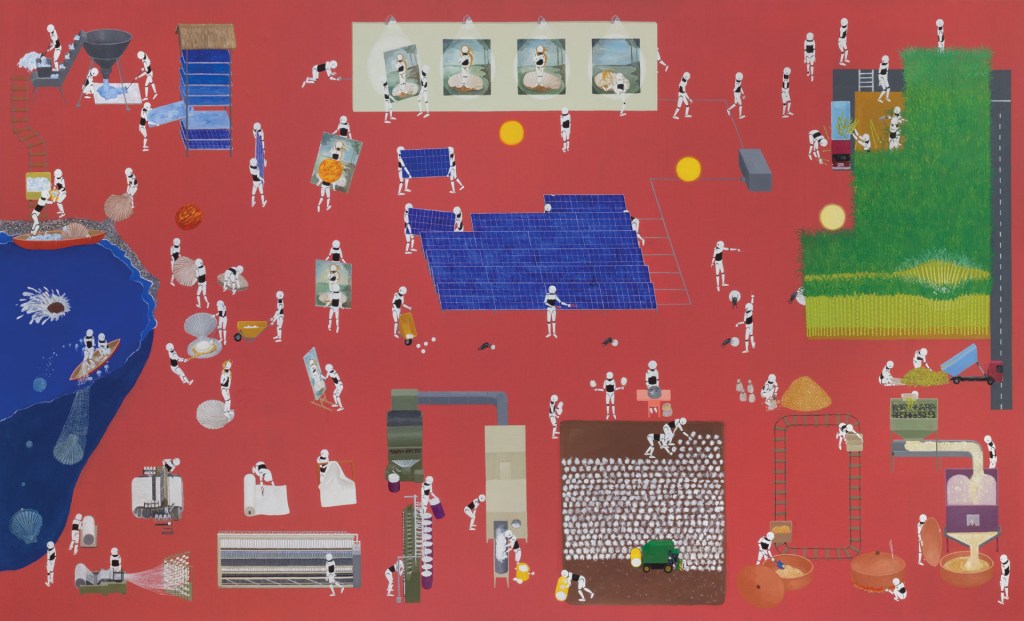
The 21st Century’s Biggest Art Trend is Not a Style. But Once You See It, You’ll Notice It Everywhere.

The article traces the evolution of "systems art," a term coined by critic Jack Burnham in 1968 to describe art that uses rules, seriality, and repetition to mirror and reveal the growing protocols of the Cold War era. It highlights early practitioners like Kenneth Noland, Robert Morris, Dan Flavin, and notably Hans Haacke and Adrian Piper, who shifted from atmospheric systems (e.g., Haacke's *Condensation Cube*) to social systems (e.g., Haacke's *Shapolsky et al. Manhattan Real Estate Holdings*). The piece argues that systems thinking has become unavoidable in contemporary life—from algorithms to systemic racism—and that art remains a crucial tool for making these invisible systems legible.
‘This is mine, I own it’: how Tracey Emin and Frida Kahlo inspired me to make meaning out of pain

The article is a personal essay by a writer who, after undergoing a colectomy in 2023, found inspiration in Tracey Emin's unflinching self-portraiture following her 2020 cancer diagnosis. The author describes taking her own post-surgery photographs, echoing Emin's mantra "This is mine, I own it," and reflects on Emin's current work, including the Tate Modern exhibition and paintings like "I watched Myself die and come alive" (2023) and "Barbed Wire Stitches" (2024). The essay also connects Emin's approach to that of Frida Kahlo, whose retrospective is upcoming at Tate.

No Attitude, Nowhere: Conviction, Zero Meaning

Keine Haltung, nirgends Gesinnung, null Bedeutung

The article critiques the current state of the art world and broader culture, arguing that right-wing calls for depoliticized art are intensifying while the progressive art establishment silently tolerates a culture war that restricts free expression. It uses the 2025 Met Gala as a prime example, describing the event as a heartless display of wealth and power aligned with Trump-era capitalism, where celebrities and artists perform progressive values while participating in a spectacle sponsored by anti-union figures like Jeff Bezos. The author draws on Hannah Arendt's ethics lectures to suggest that moral norms have collapsed overnight, and that the commercial art world now legitimizes anti-democratic tendencies through its silence.

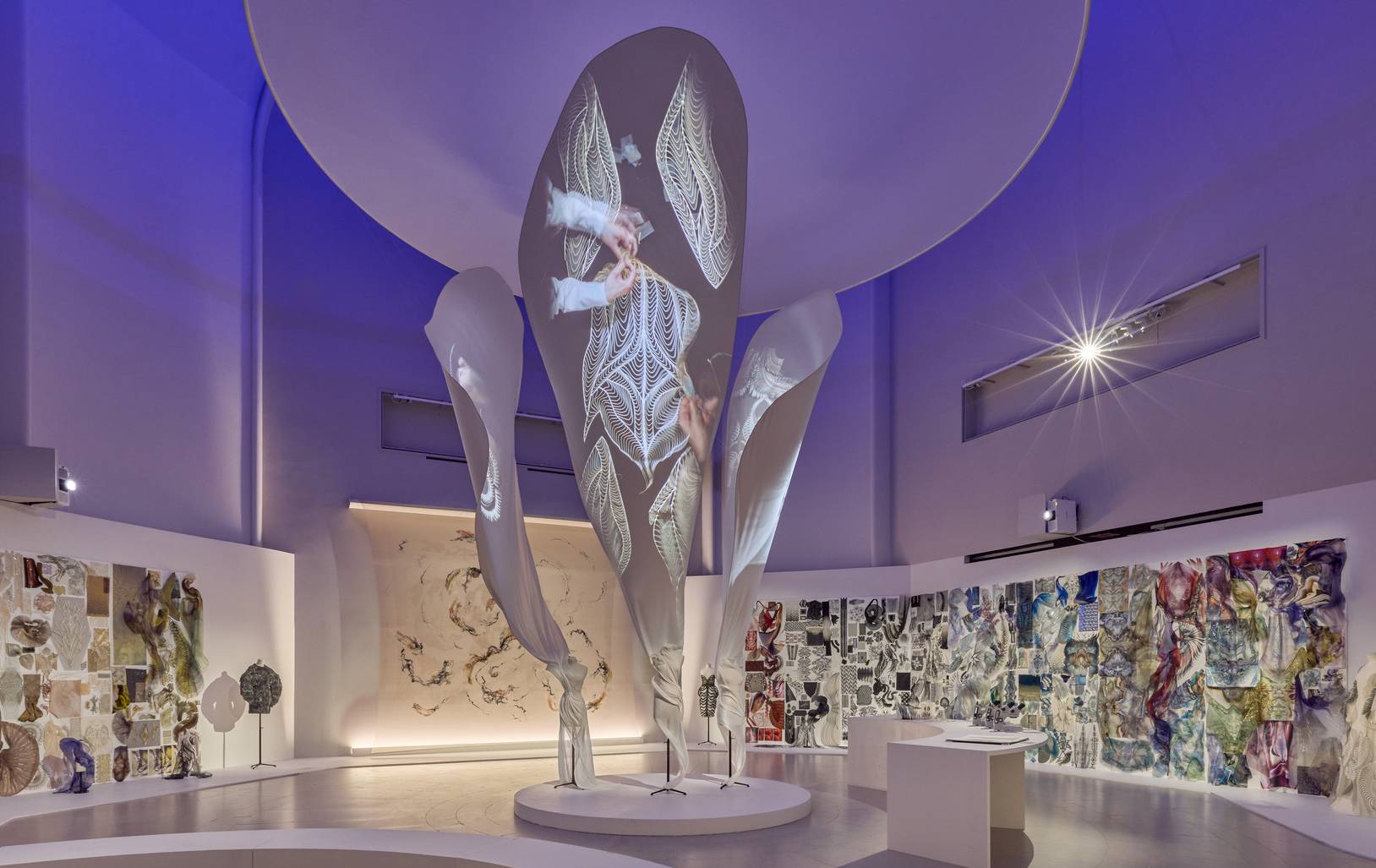
10 Artists to Follow if You Like Iris van Herpen

Artsy Editorial profiles 10 contemporary artists whose work aligns with the visionary, technology-driven approach of fashion designer Iris van Herpen. The article highlights van Herpen's career milestones, including her 2011 invitation to join the Chambre Syndicale de la Haute Couture, and her ongoing fusion of traditional craftsmanship with cutting-edge technology to create wearable art. It then presents a curated list of artists who similarly explore themes of organic form, digital fabrication, and the intersection of art and fashion.

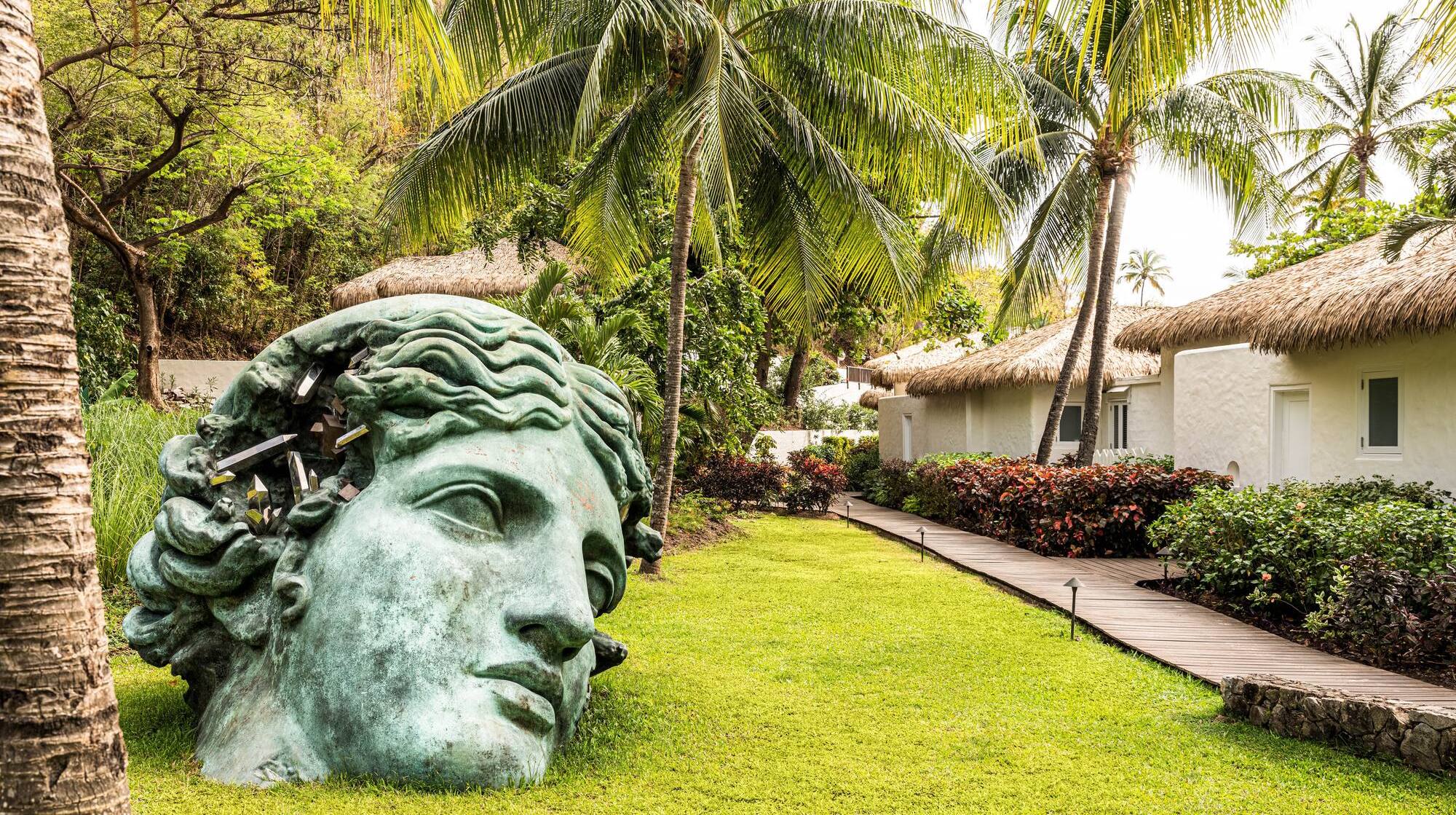
The Contemporary Art Destinations Gallerists and Artists Have on Their Radar

WWD asked top international gallerists, collectors, and artists to name the cities they find most exciting for contemporary art. Karen and Christian Boros recommend Naples and the Amalfi Coast, highlighting galleries like Galleria Giangiacomo Rossetti, Thomas Dane Gallery, and Lia Rumma, as well as Fondazione Morra Greco and Le Sirenuse hotel. Daniel Arsham points to Sugar Beach in St. Lucia for its large contemporary sculpture collection. Jean-Michel Othoniel champions South Korea, citing Seoul's Leeum Samsung Museum of Art, Kukje Gallery, and the Kiaf Seoul fair, plus the city of Busan. Emma Lavigne of the Pinault Collection names Venice, especially during the Biennale Arte di Venezia, as an essential destination.

We are in danger of losing our sense of community

"Wir drohen das Gespür für die Gemeinschaft zu verlieren"

Christophe Cherix, the new director of the Museum of Modern Art in New York, discusses his first months in the role, emphasizing museums as "safe social places" in an era of anxiety and screen-induced isolation. He advocates for collective vision-building with staff and defends the MoMA's independence against political pressure in Trump-era America. Separately, critic Paco Barragán argues in The Observer that biennials are in a structural crisis of repetition, tracing their history from instruments of national soft power to a "Global Neo-Liberal Biennial" system that co-opts diversity without changing its core logic. He introduces the concept of the "vibe-ennial," where discourse is replaced by atmosphere and critique by affect. Meanwhile, longtime Bonn museum director Stephan Berg critiques the boom in immersive art experiences like "Van Gogh – The Immersive Experience," calling them a "surrogate reality" tailored to the Instagram age that destroys the integrity of original works. Artforum reconstructs late-1960s debates on art criticism, focusing on Barbara Rose's challenge to formalists like Clement Greenberg and Rosalind Krauss, arguing that art must engage with societal conflicts such as Black Power and war resistance.

From high BMI to the ‘GLP-1 look’: how weight-loss jabs are changing the face of beauty

Researchers and art historians are examining how weight-loss drugs like Wegovy and Mounjaro are reshaping ideals of beauty in art. Prof. Rosalind Gill and Dr. Michael Yafi argue that the rapid fat loss caused by GLP-1 medications produces a distinctive gaunt facial appearance—dubbed 'GLP-1 face'—which could become a new aesthetic standard reflected in contemporary art, similar to 'heroin chic' in the 1990s. Yafi presented his findings at the European Congress on Obesity, noting that while artists like Fernando Botero continue to celebrate fuller figures, future artworks may increasingly depict thin individuals with hollowed features.

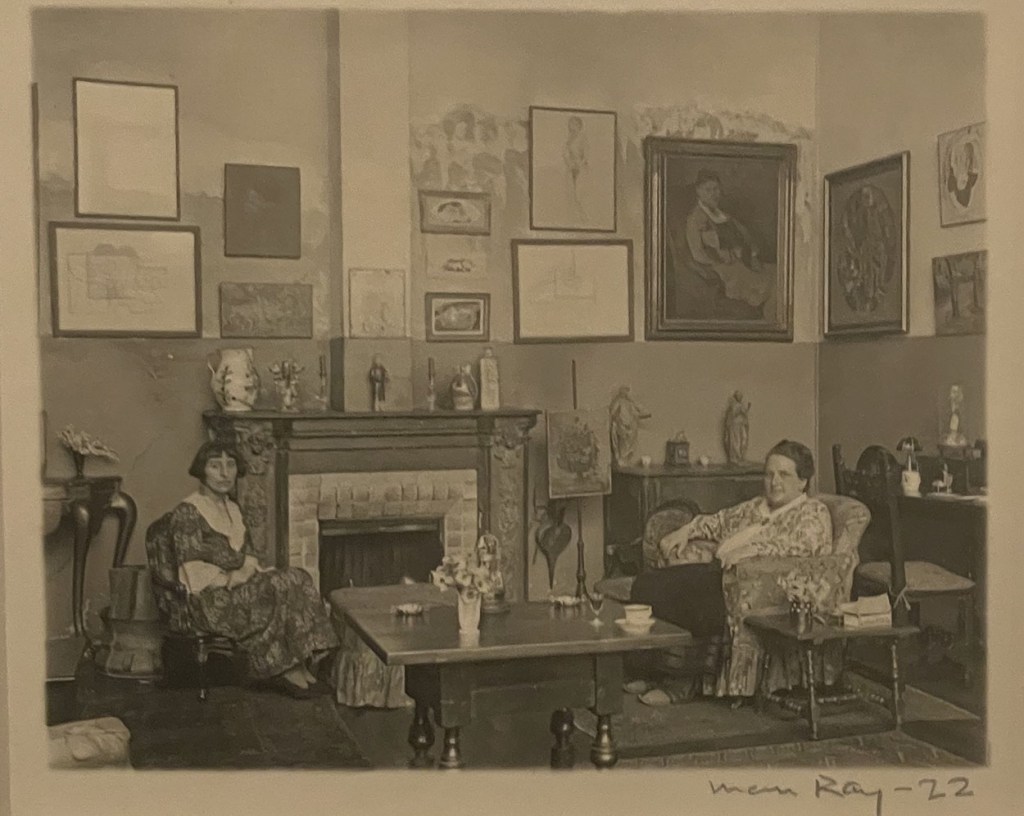
Two of Modernism’s Lesbian Icons Get the Novel Treatment

Deborah Levy's novel "My Year in Paris with Gertrude Stein" follows an unnamed narrator who travels to Paris to write an essay about Gertrude Stein, struggling with the weight of Stein's legacy while visiting her grave at Père Lachaise cemetery. The book explores Stein's life as a modernist icon, her relationship with Alice B. Toklas, and her role as a host to figures like Pablo Picasso and Ernest Hemingway, while the narrator grapples with Stein's defiant personality and literary style.

How Is Arts Patronage Changing?

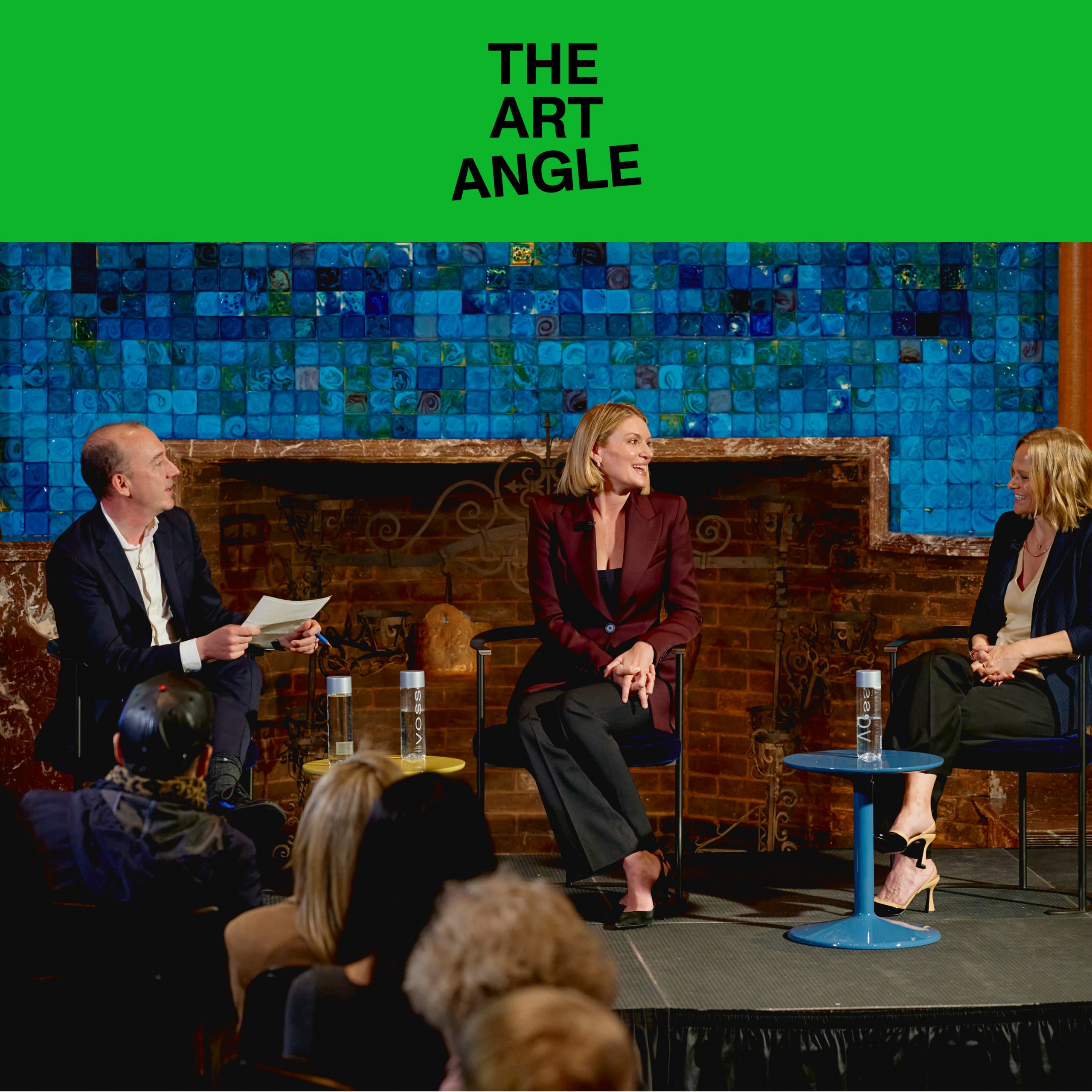
At TEFAF New York, Artnet News editor Andrew Russeth moderated a panel titled “Who Supports Art Now? Patronage in a Shifting Cultural Landscape” featuring two prominent figures in American arts philanthropy: Sarah Arison and Michi Jigarjian. Arison, who became the youngest president of the Museum of Modern Art’s board in 2024 at age 39, also leads the Arison Arts Foundation and chairs YoungArts. Jigarjian, CEO of Work of Art Holdings and a partner at 7G Group, has led Baxter St at CCNY for 15 years and serves on the boards of the Brooklyn Museum and MoMA PS1. The discussion took place during fair week in mid-May at the Park Avenue Armory.

Sex Dreams, Piss Takes, and Fake Trends: A Week in the NY Art World With Domenick Ammirati

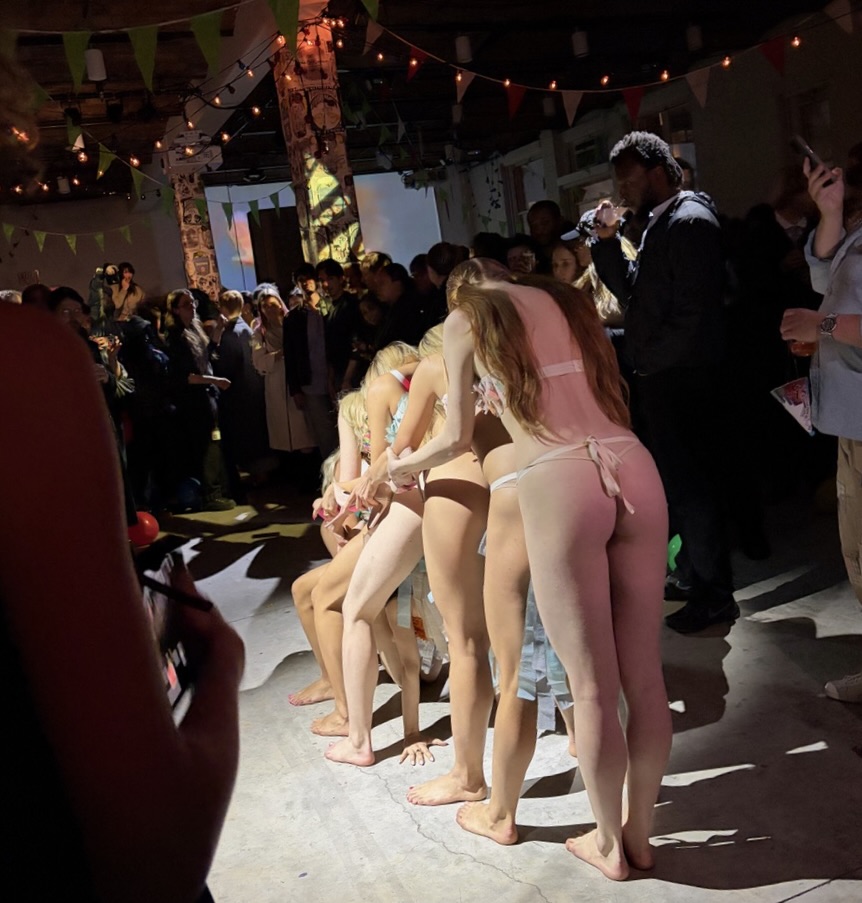
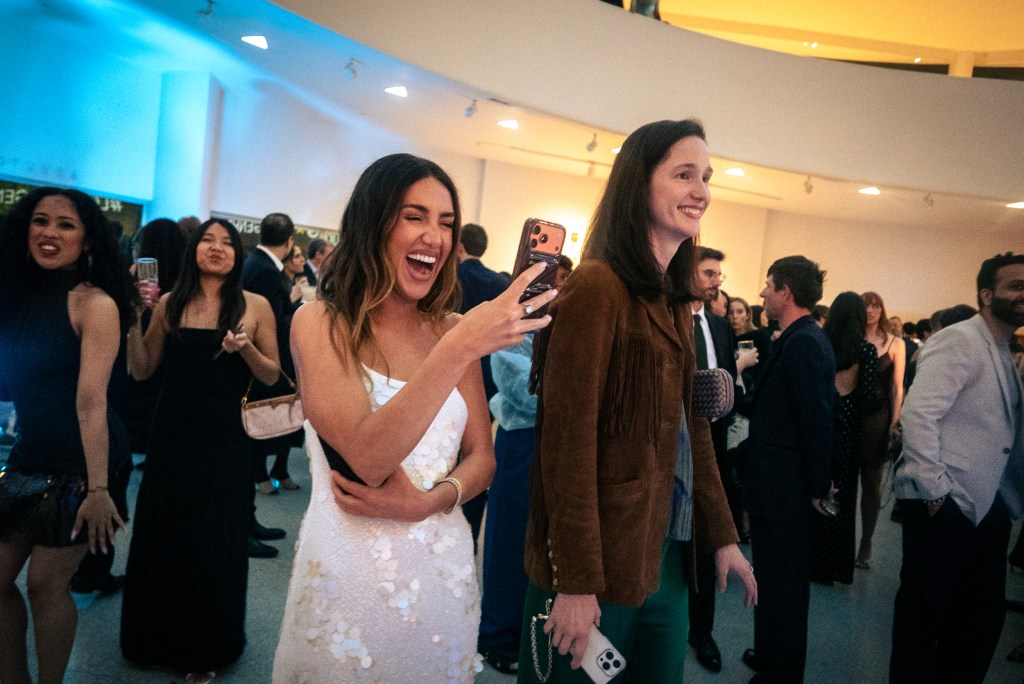
Domenick Ammirati returns to New York after a year-long writing residency in Siena and Provincetown to cover the spring art fairs, including Frieze New York 2026. He observes a notably calm art week, attributing the subdued atmosphere to the fair's proximity to the Venice Biennale, which left key players exhausted. Highlights include a Rei Kawakubo installation at Independent, Gucci's Cruise show in Times Square, and MoMA PS1's 50th anniversary gala, where he mingles with curator Jody Graf and spots Klaus Biesenbach.

Global Art Biennials: Renovation, Revelation—or Repetition?

The article examines the current state of global art biennials, arguing that recent controversies—such as the 2022 documenta antisemitism crisis and geopolitical tensions at the 61st Venice Biennale—reveal these exhibitions as deeply politicized platforms rather than neutral cultural events. It highlights how juries and curators have introduced geopolitical criteria, and cites ongoing debates in Artforum (April 2026) featuring voices like Daniel Birnbaum, Michelle Grabner, and Adam Szymczyk, who diagnose visible tensions but overlook deeper structural conditions.

Dansaekhwa has taken over the modern art world. But the story of how that happened is up for debate.

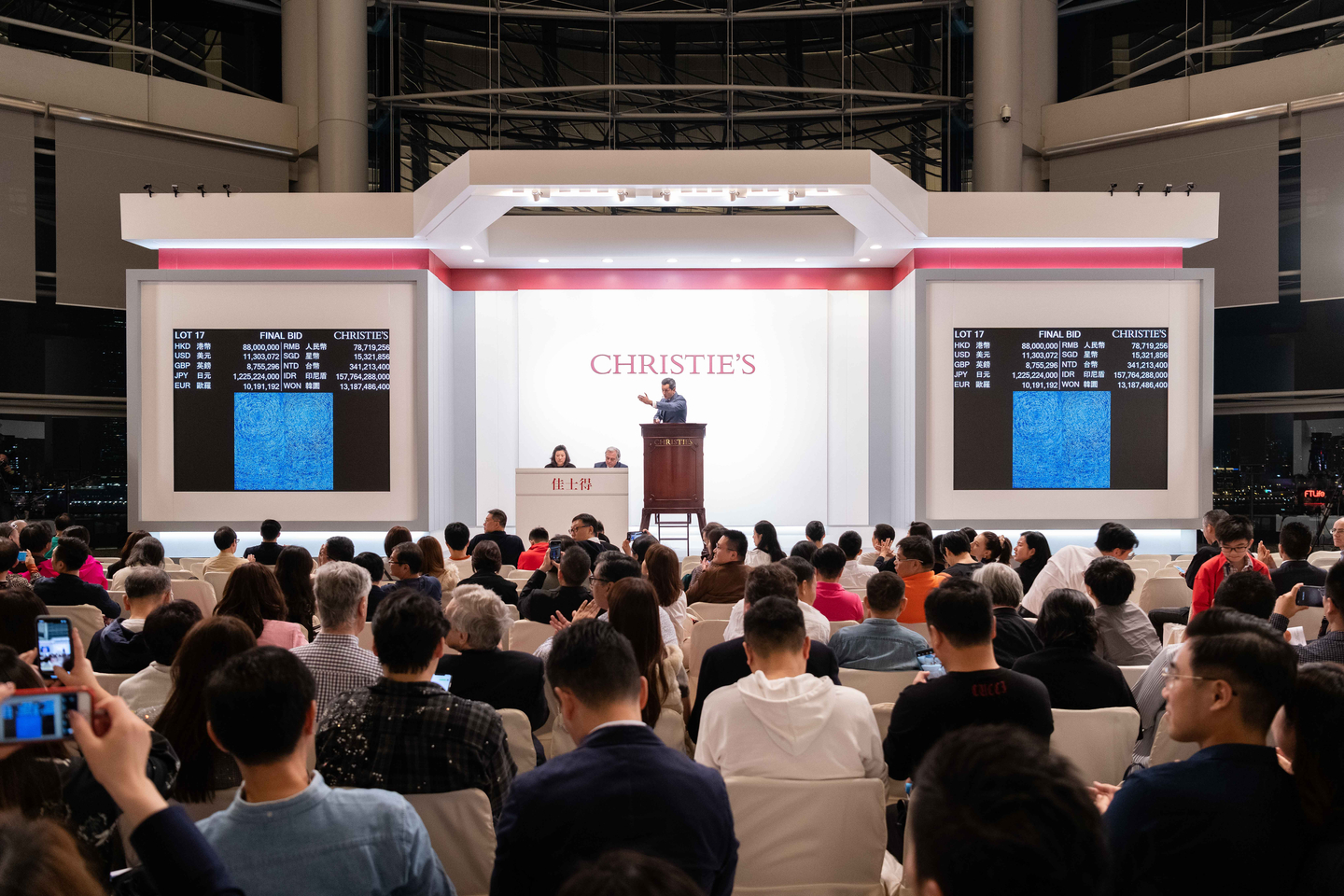
The article examines the global rise of Dansaekhwa, a Korean monochrome painting style that has achieved record auction prices and widespread collector interest over the past decade. It traces key milestones, including two pivotal 2014 exhibitions at Kukje Gallery in Seoul and Blum & Poe in Los Angeles, and the surge in auction prices for artists like Kim Whan-ki, Park Seo-bo, and Chung Sang-hwa, culminating in a $13 million sale in 2019.

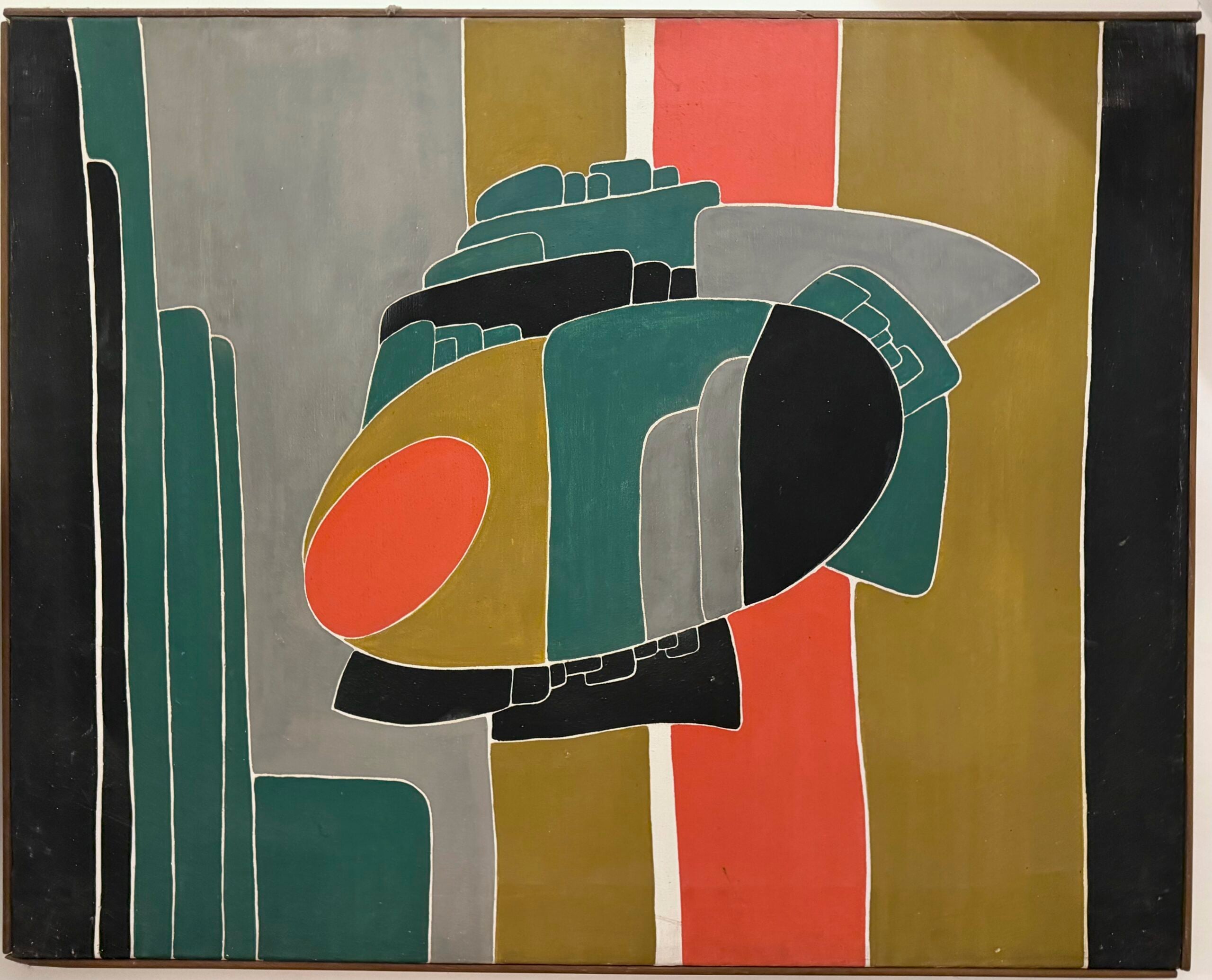
The Painted Book Cover Is Back

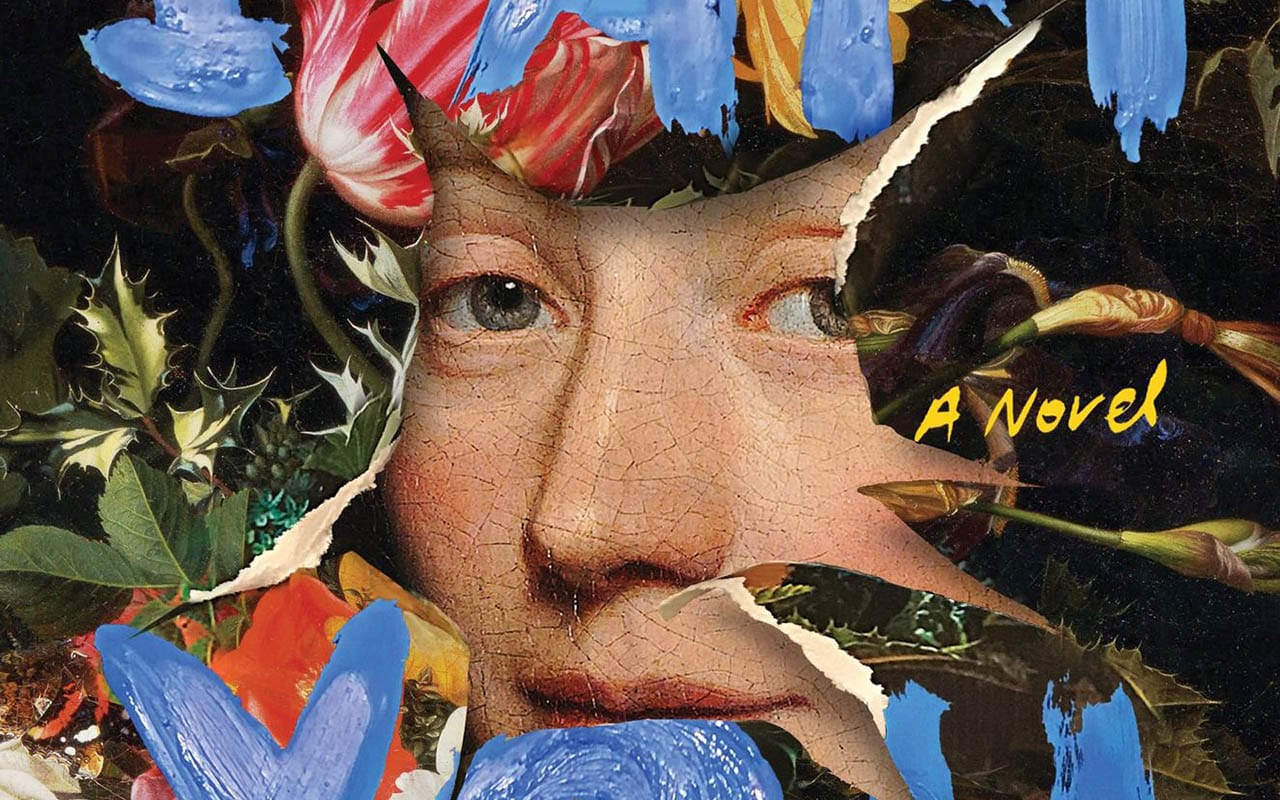
The article reports on a growing trend in book cover design: the use of painted, figurative artwork instead of stock photos or digital renderings. Publishers are increasingly licensing paintings by artists from Hilma af Klint to Shannon Cartier Lucy, seeing them as a way to signal cultural authority and intellectual rigor. The trend is discussed through examples like Victoria Redel's *I Am You* (2025) and Kyung-Ran Jo's *Blowfish* (2025), with insights from LiteraryHub Managing Editor Emily Temple and Astra House publisher Benjamin Schrank.

Opinion: In galleries across Canada, too much art is being hidden away

Don LePan, a novelist, book publisher, and painter, argues that public art galleries across Canada are failing to display their permanent collections, using the MacKenzie Art Gallery in Regina as a prime example. During a visit in early March, LePan found that none of the gallery's extensive permanent collection—which includes works by Group of Seven artists, European masters like Picasso and Gauguin, and modernists such as Agnes Martin—was on view. Instead, the entire exhibition space was devoted to three special shows: a photographic and conceptual art exhibition by Plains Cree artist Joi T. Arcand, a selection of works by 2025 Governor General’s Awards in Visual and Media Arts recipients, and an Indigenous art exhibition. LePan praises these exhibits but criticizes the gallery's decision to completely exclude its permanent collection.

What You (Maybe) Didn't Know About Édouard Manet

Ce que vous ne saviez (peut-être) pas sur Édouard Manet

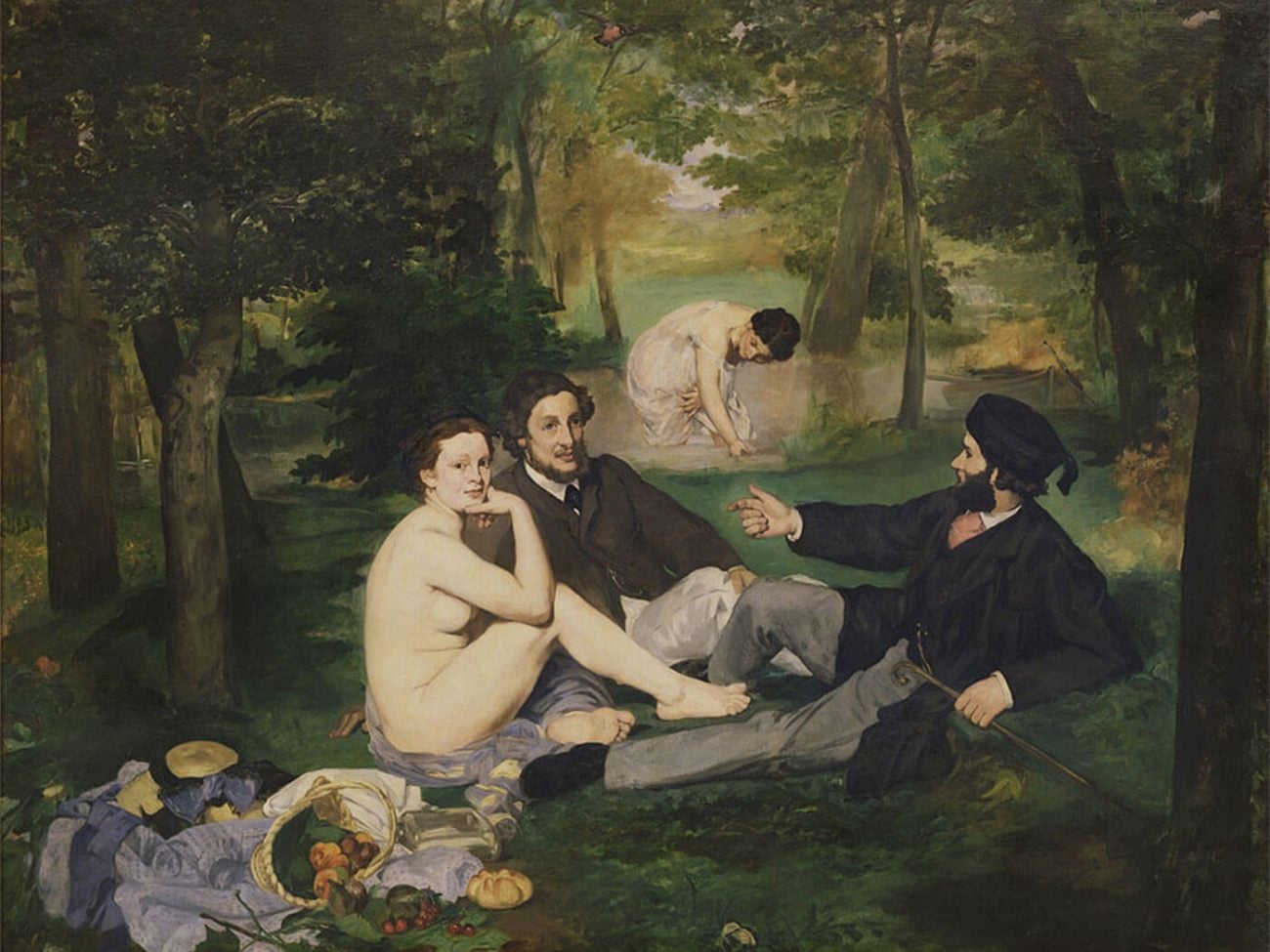
Édouard Manet (1832–1883), a pivotal figure bridging realism and impressionism, is the subject of a feature article in Beaux Arts Magazine. The piece explores lesser-known aspects of his life and career, including his near-miss as a naval officer, his rivalry with Gustave Courbet, his refusal to join the impressionist exhibitions despite close ties to the movement, and his deep fascination with Spanish culture. It highlights his scandalous works like *Le Déjeuner sur l'herbe* (1863) and *Olympia*, the latter entering the Louvre after a subscription launched by Claude Monet in 1889.

A Culture Lover’s Guide to Northwest Arkansas, a Land of Contradictions

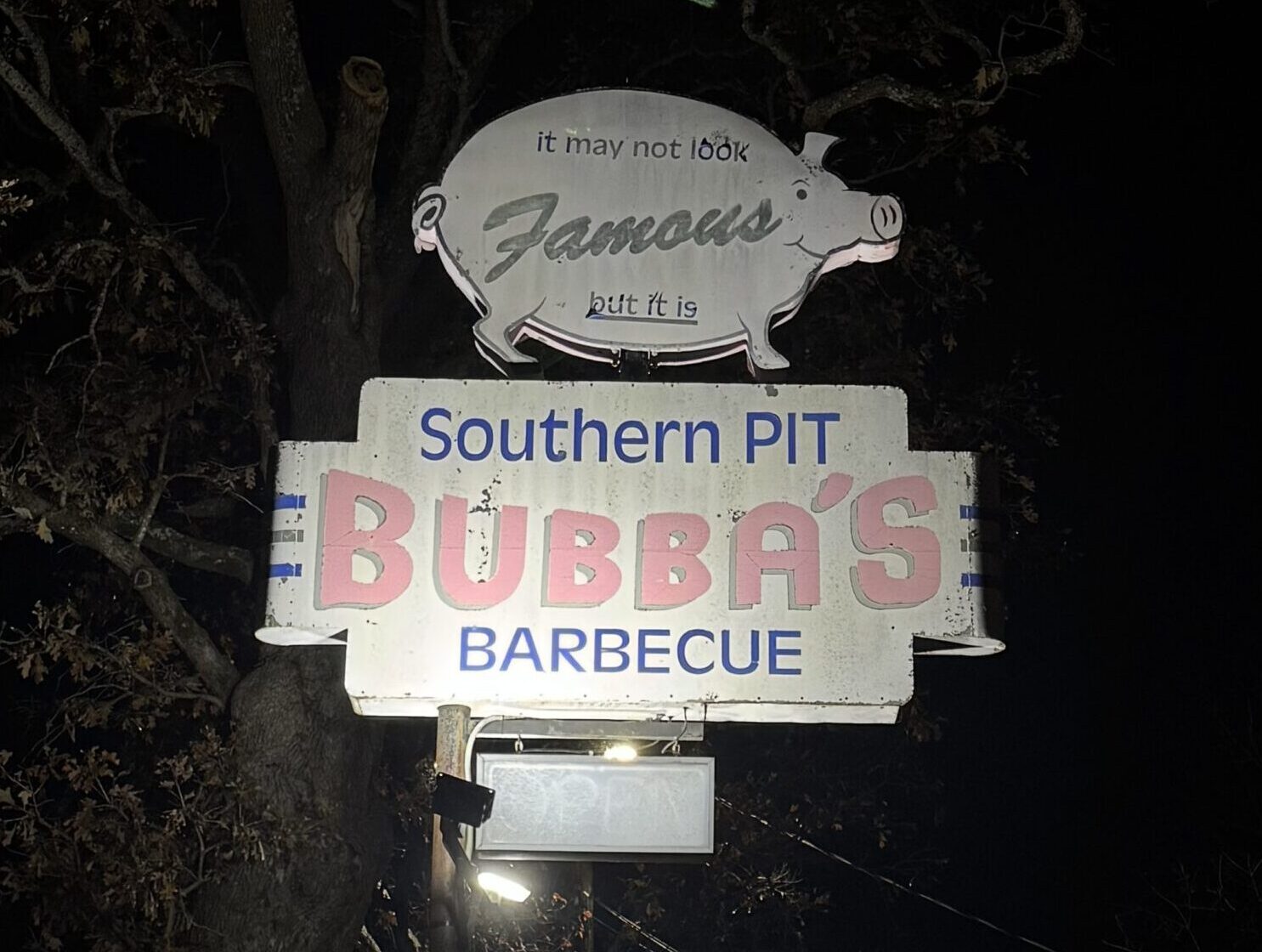
This travel guide explores the cultural landscape of Northwest Arkansas, focusing on the upcoming 114,000-square-foot expansion of the Crystal Bridges Museum of American Art in Bentonville, set to open June 6, 2026. The author recounts a road trip from Little Rock to the Ozarks, visiting the Arkansas Museum of Fine Arts (with its new Studio Gang-designed building), dining at Coursey's Smoked Meats, and encountering a white supremacist billboard in Harrison, while also highlighting Thorncrown Chapel by E. Fay Jones as a transcendent architectural stop.

Malo Chapuy Reimagines Medieval Art on the Cover of our New Talent Issue

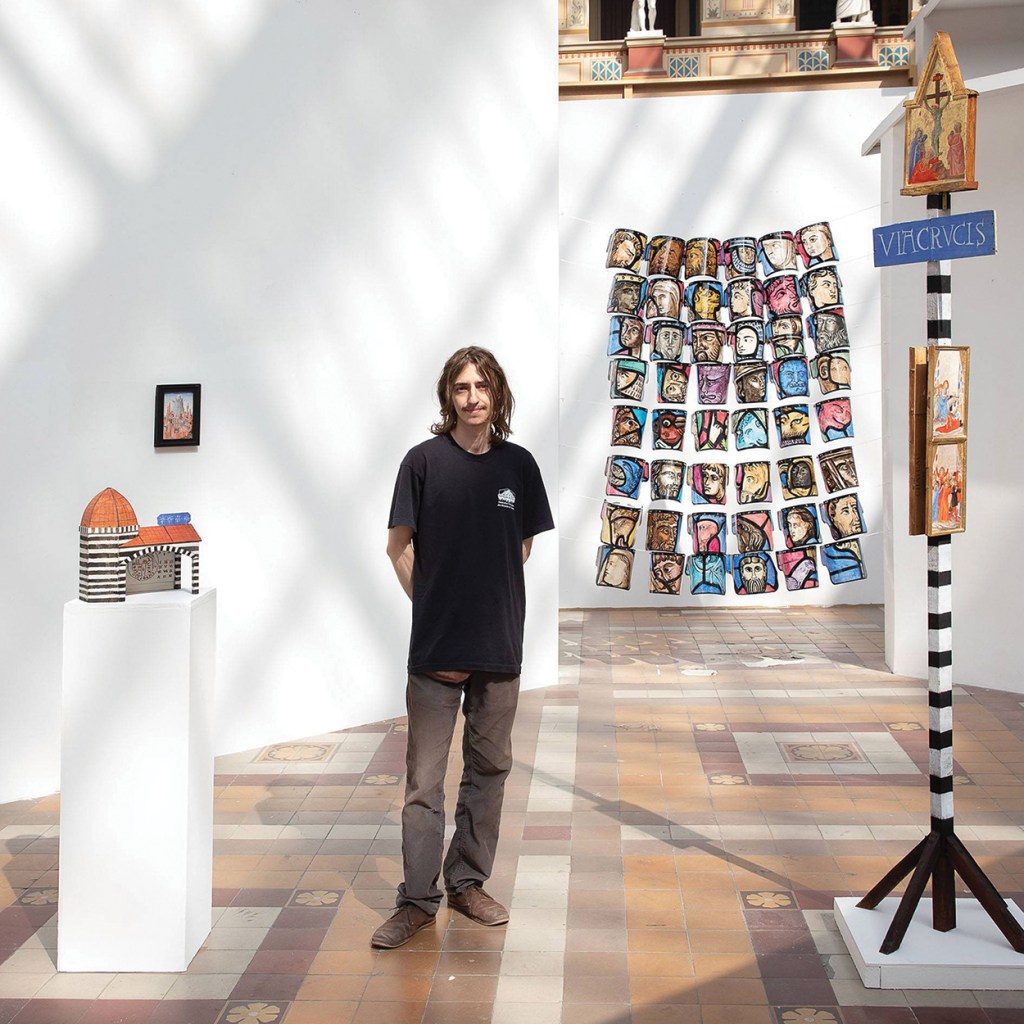
Malo Chapuy's painting *Virgin with Codex* (2025) appears on the cover of Art in America's new talent issue. In an interview from his Paris studio, Chapuy explains how he reinterprets medieval and early Renaissance Flemish painting by mixing its motifs with contemporary and sci-fi elements, such as gothic cathedral spaceships and QR codes designed to function like medieval manuscripts for future postapocalyptic monks. He describes his process as making "forgeries," using traditional techniques like oil on wood panels, homemade lead white, and self-carved frames to mimic aged Old Master works while addressing themes of ecological collapse, apocalyptic anxiety, and planetary exile.

Shoot and branch: new photography book highlights the enduring majesty of trees

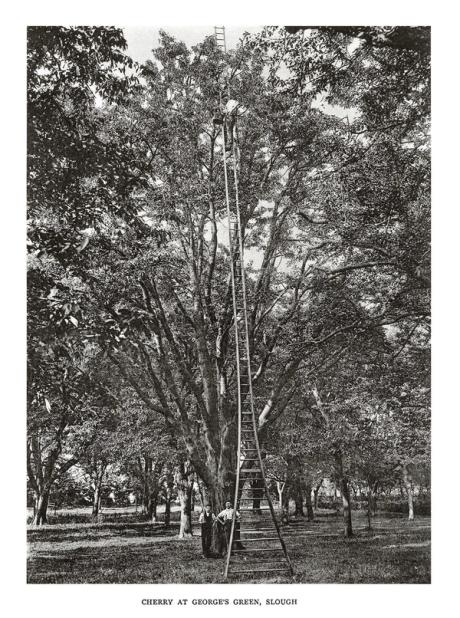
A new photography book, *Trees of Great Britain and Ireland*, reproduces over 60 photographs originally taken between 1906 and 1913 for Henry John Elwes and Augustine Henry's ambitious seven-volume catalogue of tree species. The images, mostly by uncredited photographers, were printed using a collotype process by the Autotype Company and are now newly lithoprinted to preserve their tonal subtlety. The book includes an introduction by Michael Pritchard and notes by photographic historian Björn Andersson, highlighting the historical and aesthetic significance of these botanical photographs.

‘Just Dudes Hanging Out’: Dustin Yellin and Paul Rudd on Making the Artist’s First Film

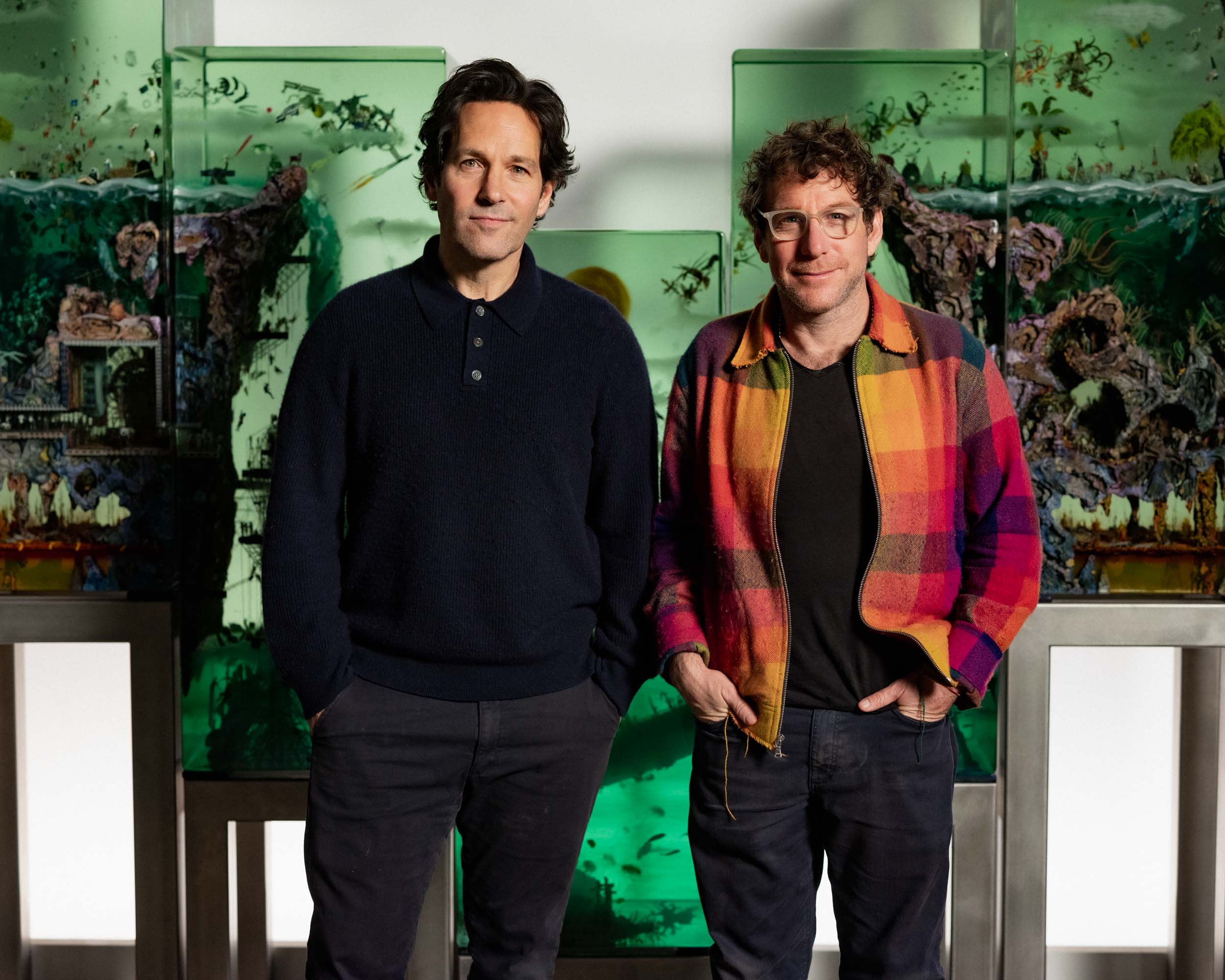
Dustin Yellin, known for his glass sculptures and as founder of Pioneer Works, has made his first film, *Goodnight Lamby*, produced by Darren Aronofsky's A.I.-focused studio Primordial Soup. The short film, a hero's journey to rescue his daughter Zia's favorite stuffed animal, premiered at Cannes. Yellin discusses the project with his friend actor Paul Rudd, who voices the character "Papa," exploring how fatherhood and his existing artistic practice of "frozen cinema" inspired the animation.

Pappi Corsicato's film on photographer Claudio Abate, which recounts the artistic ferment of Rome between the 1960s and 1990s, is now on RaiPlay

È su RaiPlay il film di Pappi Corsicato sul fotografo Claudio Abate che racconta il fermento artistico di Roma tra gli Anni ’60 e ‘90

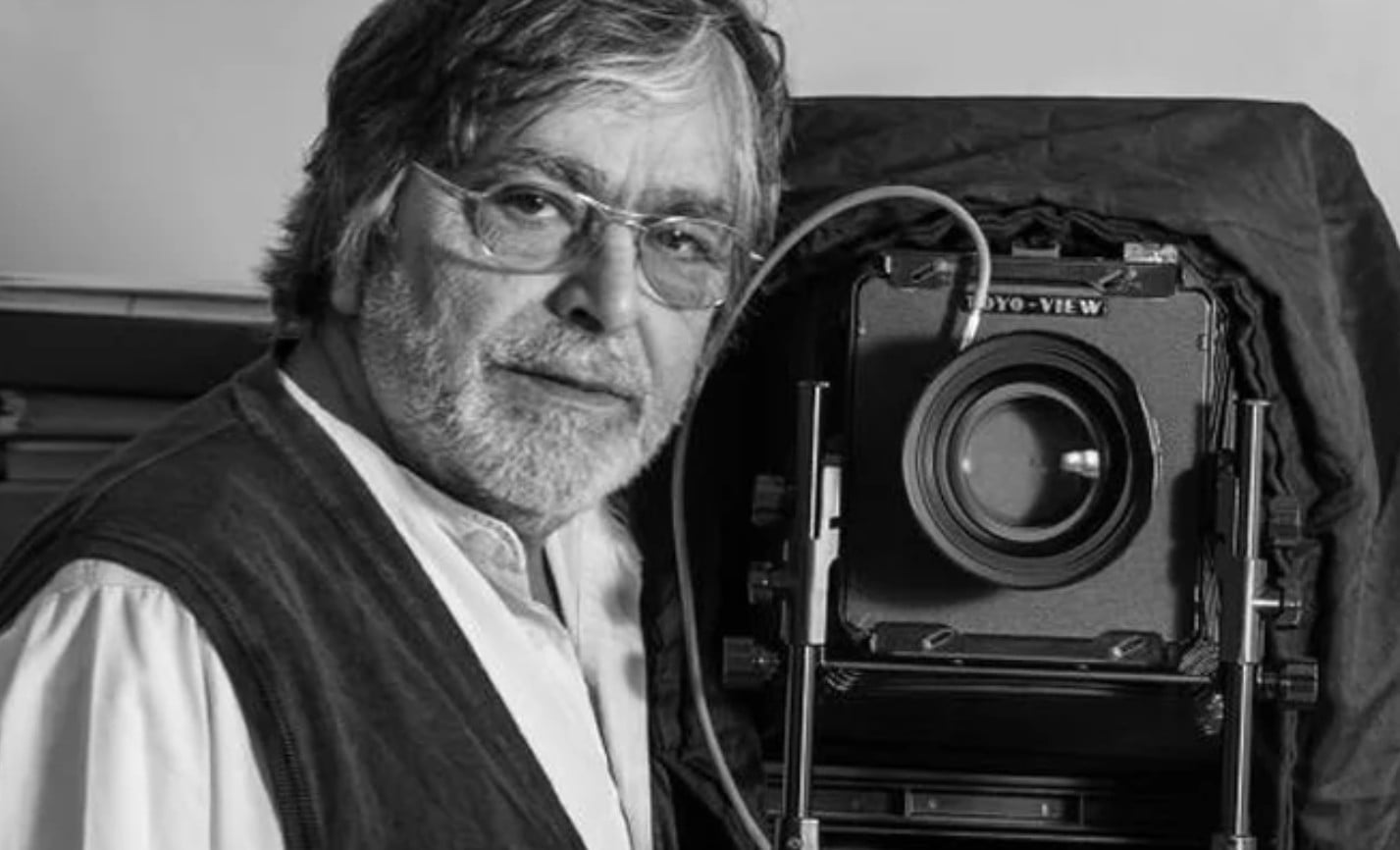
RaiPlay has released a new documentary film by Pappi Corsicato titled "Claudio Abate. L’obiettivo nell’arte" (2026), which pays tribute to the late photographer Claudio Abate (1943–2017). The film weaves together interviews, archival materials, and footage from Istituto Luce to chronicle Abate's life and work, focusing on his role documenting the vibrant Roman art scene from the 1960s through the 1990s. It highlights his collaborations with key figures such as Jannis Kounellis, Michelangelo Pistoletto, Fabio Sargentini, and the artists of the Pastificio Cerere school, capturing seminal performances, happenings, and installations that defined Arte Povera and other avant-garde movements.

Boats and trains, not planes: reflections on a greener—but sometimes greenwashed—Venice Biennale

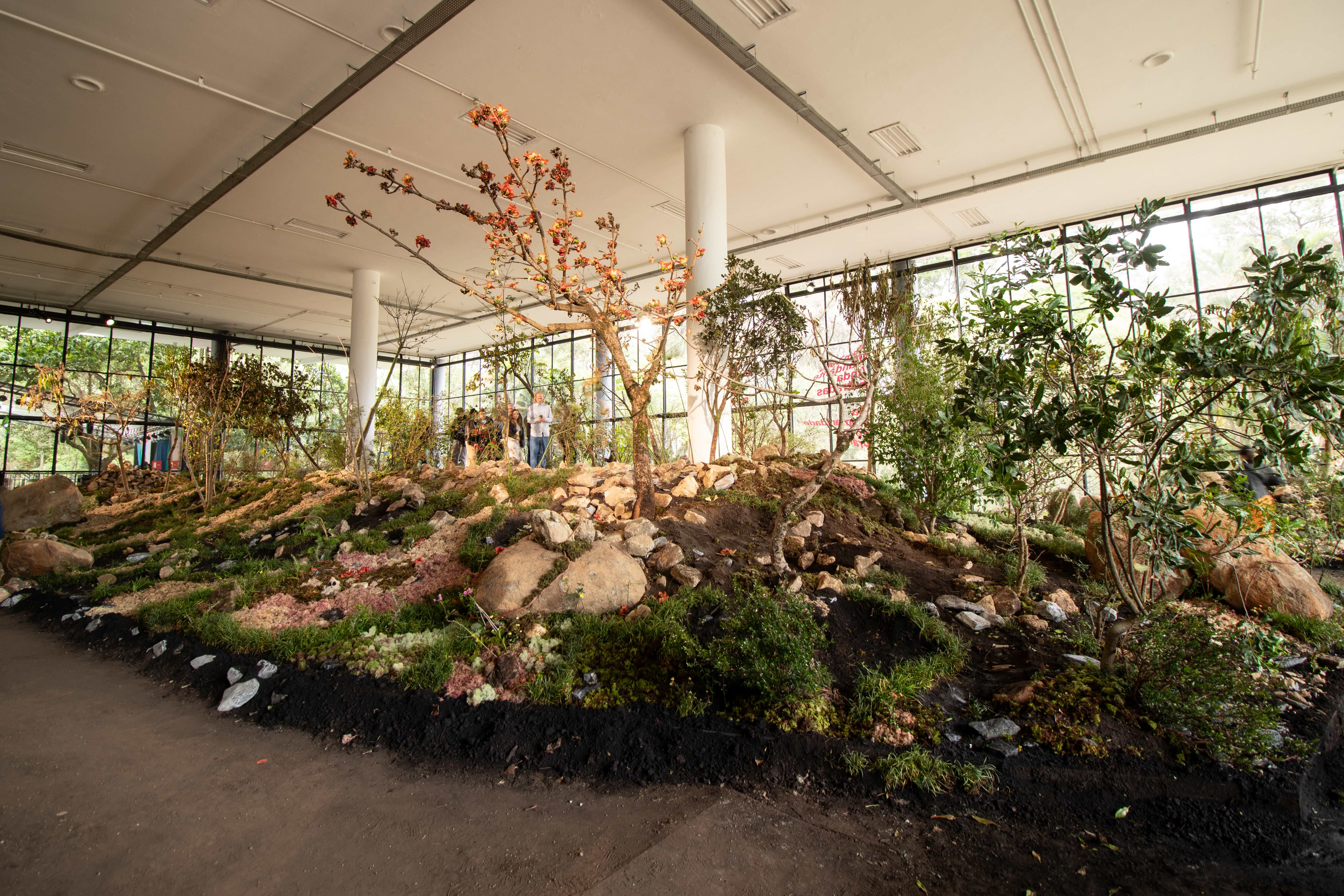
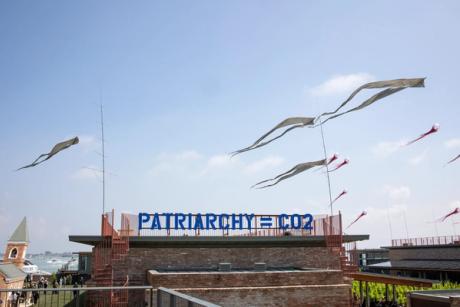
The article recounts the author's train journey from London to Venice for the 61st Venice Biennale, highlighting the environmental benefits and pleasant experience of traveling by rail versus flying, despite higher costs and longer duration. It then focuses on the Biennale's central exhibition "In Minor Keys" curated by the late Koyo Kouoh, which foregrounds environmental themes through works that engage with earth, nature, and ecological stakes, featuring artists like Otobong Nkanga, Célia Vasquez Yui, Theo Eshetu, Linda Goode Bryant, and Annalee Davis.

Are You a Queer Artist Heading to Fire Island This Summer? Pack This Book.

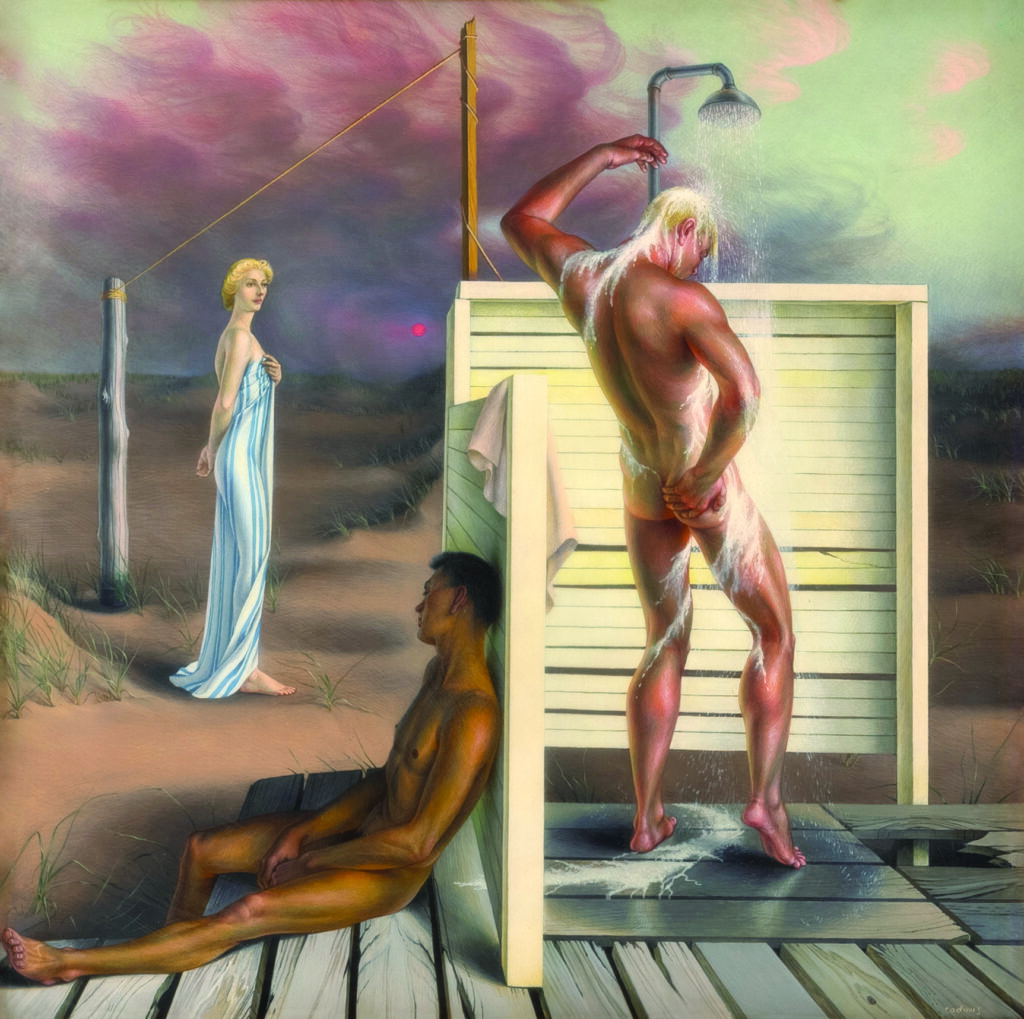
Cultured magazine highlights a new book, *Fire Island Art: 100 Years*, edited by John Dempsey, president of the Fire Island Pines Historical Society. The volume surveys queer artmaking on Fire Island from the 1930s to the present, featuring canonical figures like Richard Avedon, David Hockney, and Andy Warhol alongside overlooked artists, and includes contemporary voices such as TM Davy, Nicole Eisenman, and Salman Toor. It draws on archival material, newly unearthed pieces, essays, interviews, and primary texts to reframe the island as a cornerstone of queer modernism.

Elle Peréz Gets Personal with the Next-Gen Collectors Changing the Art World

Elle Peréz, a photographer and co-chair of the Young Collectors Council (YCC) at an unnamed museum, discusses the group's activities in an interview. The YCC meets twice a year to acquire artworks through a transparent process involving curator presentations and studio visits, with members voting on acquisitions. Peréz highlights the party celebrating Diane Severin Nguyen's commissioned piece, noting the seamless integration of music, art, and aesthetics, and emphasizes that the acquisition meetings are the core of the group's appeal.

The Whelm of Massive Group Shows, and My Tender Eyes

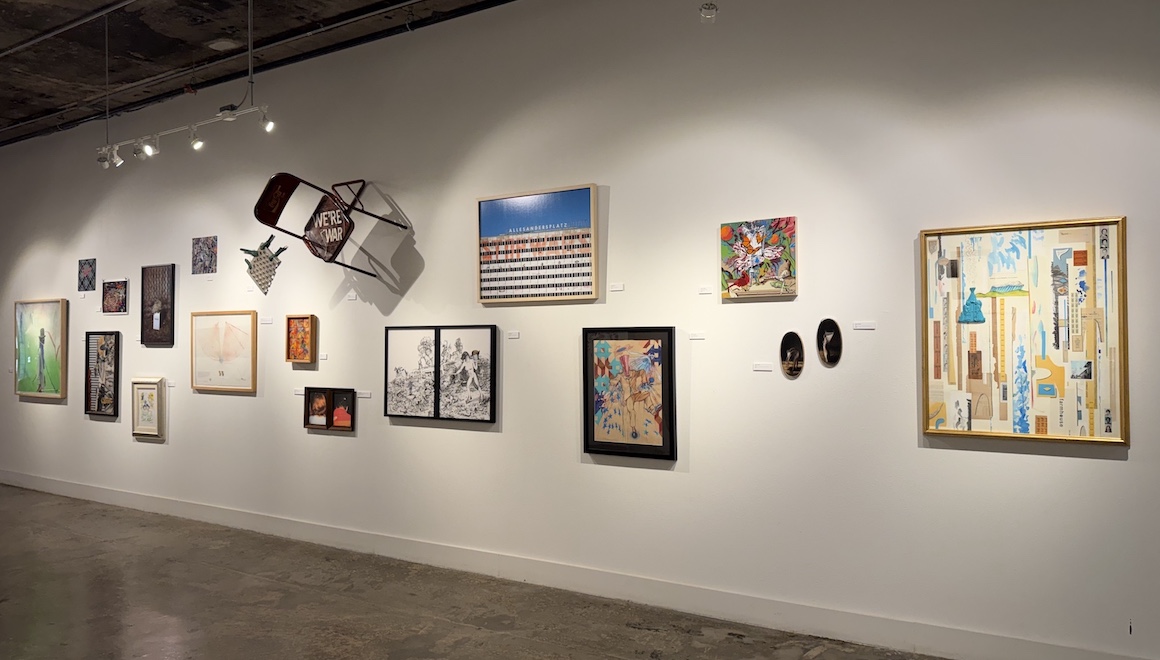
The article reflects on the overwhelming experience of massive group exhibitions, using examples like Lawndale's "The Big Show" (77 artists in 2025), "Hecho en Dallas" (66 artists), and the School of the Art Institute of Chicago's 1999 MFA thesis show (around 150 artists). The author, a gallerist, recounts visiting two recent San Antonio shows—"A Postmodernist Says ¿Que?" at Centro de Artes and "Fan of a Fan 3" at C7 Space—which feature dozens of works hung salon-style, forcing viewers to make choices about where to focus attention.

Who the great jazz musician Miles Davis was, 100 years after his birth

Ecco chi era il grande musicista jazz Miles Davis a 100 anni dalla nascita

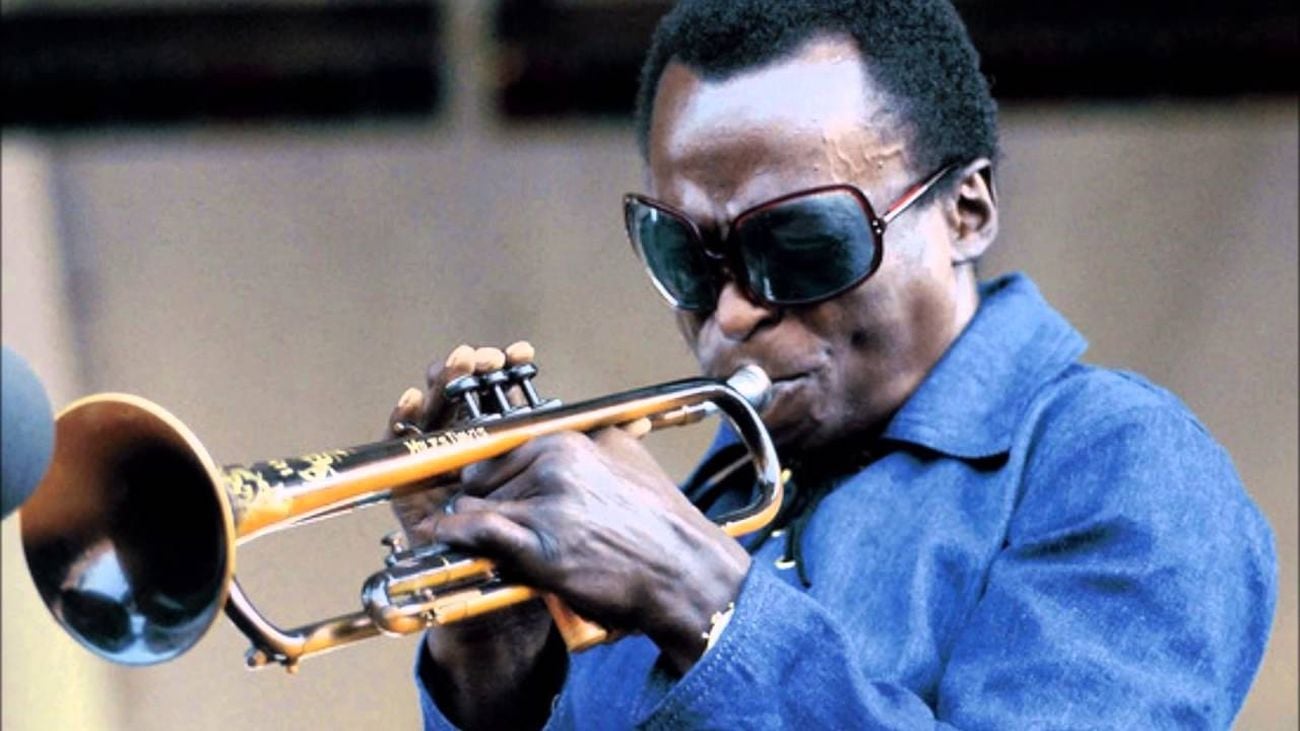
Miles Davis, the legendary jazz trumpeter and composer, is commemorated on the centenary of his birth. The article traces his career from his early days with Charlie Parker's bebop quintet in 1944, through his pioneering of cool jazz with "Birth of the Cool" (1949) and modal jazz with "Kind of Blue" (1959), to his later fusion experiments with electric instruments and funk-rock on albums like "Bitches Brew" (1970). It also highlights his lesser-known work as a painter, creating abstract, expressionist works influenced by Kandinsky, Basquiat, and Picasso, which were only exhibited after his death.

The Forgotten of Art: The Story of Artist Valeria Alberti

I dimenticati dell’arte. La storia dell’artista Valeria Alberti

Valeria Alberti (1930-2011), a courageous, rebellious, and nonconformist Italian artist, had a brief but intense career before disappearing from the art world. Recent research by scholar Manuel Barrese reconstructs her trajectory as the only woman in a circle of artists and intellectuals around poet Emilio Villa and the Galleria Appia Antica. Alberti debuted in 1957 alongside Alberto Sartoris, collaborated with ceramist Mario Molli, and created painted panels for the transatlantic liners Leonardo Da Vinci and Michelangelo. She exhibited at Galleria Ferro di Cavallo and Galleria Azimuth, and received Piero Manzoni's Certificate of Authenticity No. 26 in 1961. Her later work included geometric metal sculptures, but she ultimately vanished from the art scene.

On the MUBI platform arrives the story of the great New York photographer Peter Hujar

Sulla piattaforma Mubi arriva la storia del grande fotografo newyorchese Peter Hujar

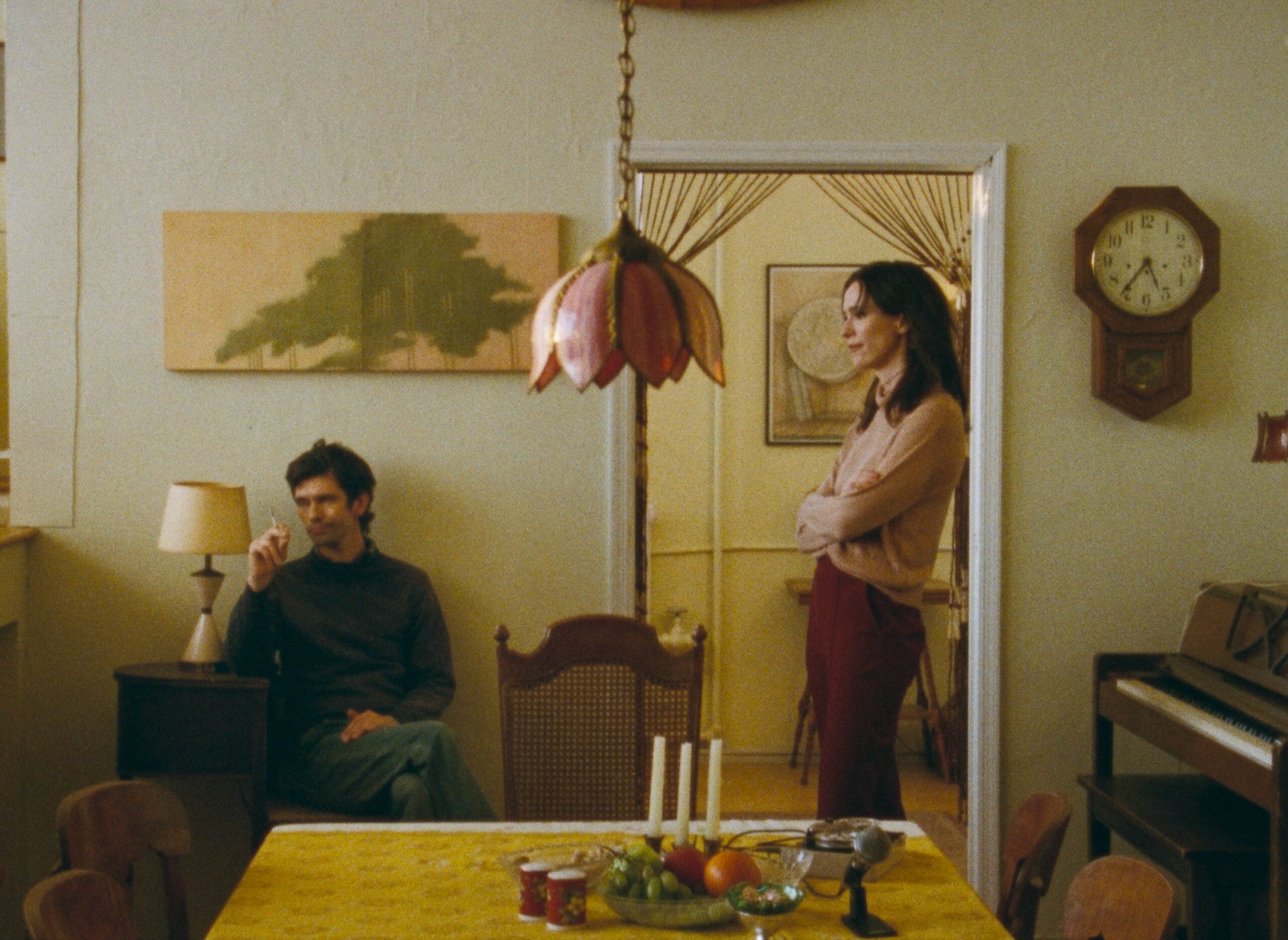
MUBI has announced the exclusive streaming release of "Peter Hujar's Day," a film directed by Ira Sachs, set to premiere on May 22. The film is based on a 1974 conversation between photographer Peter Hujar and author Linda Rosenkrantz, and stars Ben Whishaw as Hujar and Rebecca Hall. It reconstructs a single day in Hujar's life, capturing the creative energy and precariousness of 1970s New York, with appearances from figures like Allen Ginsberg and Susan Sontag.

Dolce Vita is Over

Dolce Vita war gestern

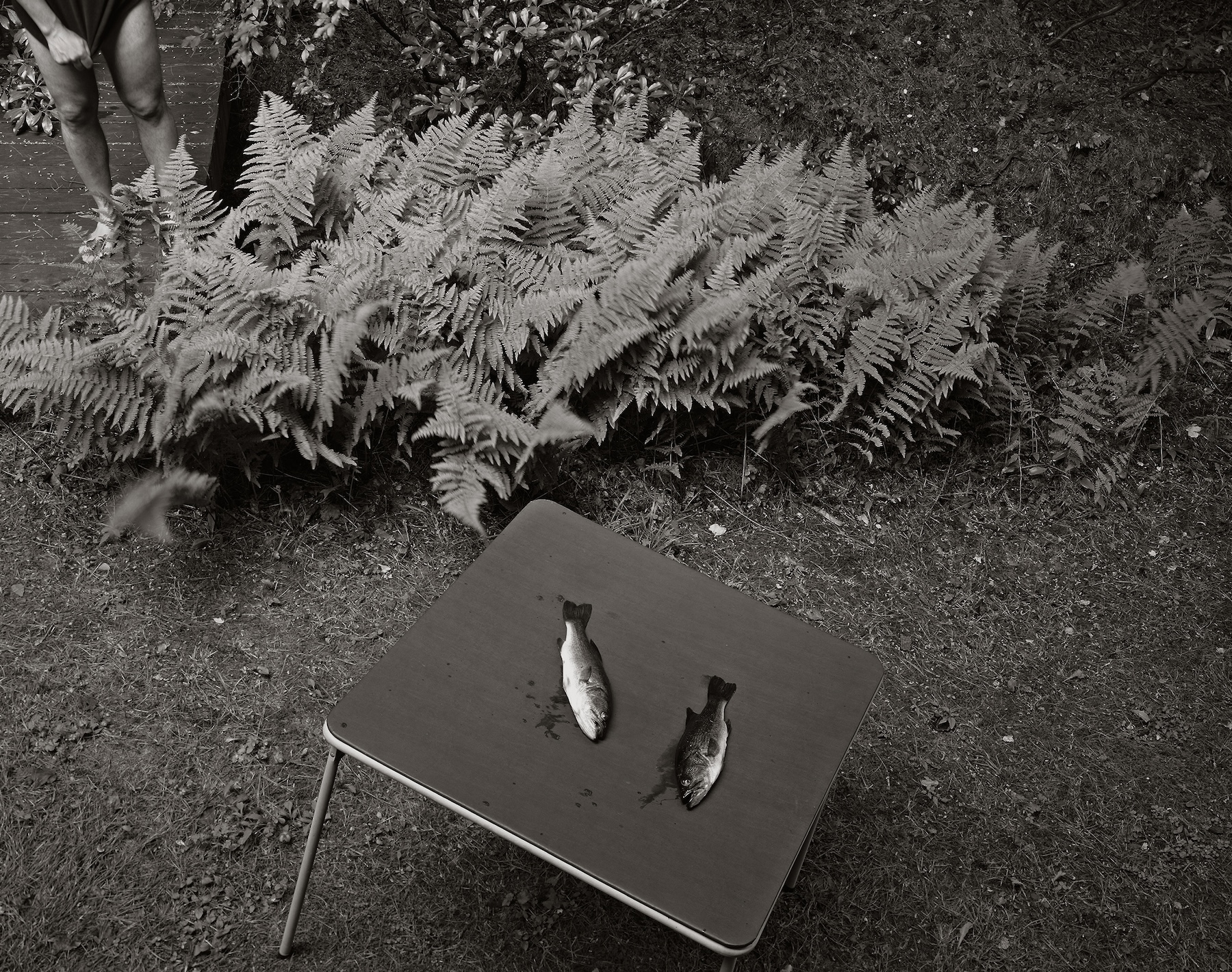
Andrea Modica's new photobook "Italian Story" collects four decades of photographs taken in Italy, beginning with her first trip there in the late 1980s. Born in 1960 to a family with roots in Sicily and Naples, Modica received a Fulbright scholarship to travel to Sicily and photograph the origins of the Catholic imagery, gender roles, and family structures she experienced growing up in New York. The book, however, is not a documentary of her heritage; instead, it presents dreamlike, surreal images—motionless bodies in water, dead fish, figures behind mosquito nets, Madonna statues—that resist clear narrative or identity politics. Modica works with an 8x10 large-format analog camera and prints using the historic platinum-palladium process, giving the images a timeless, collaborative quality.

Around North America, Community Members Are Stitching Nearly 11,000 Birds

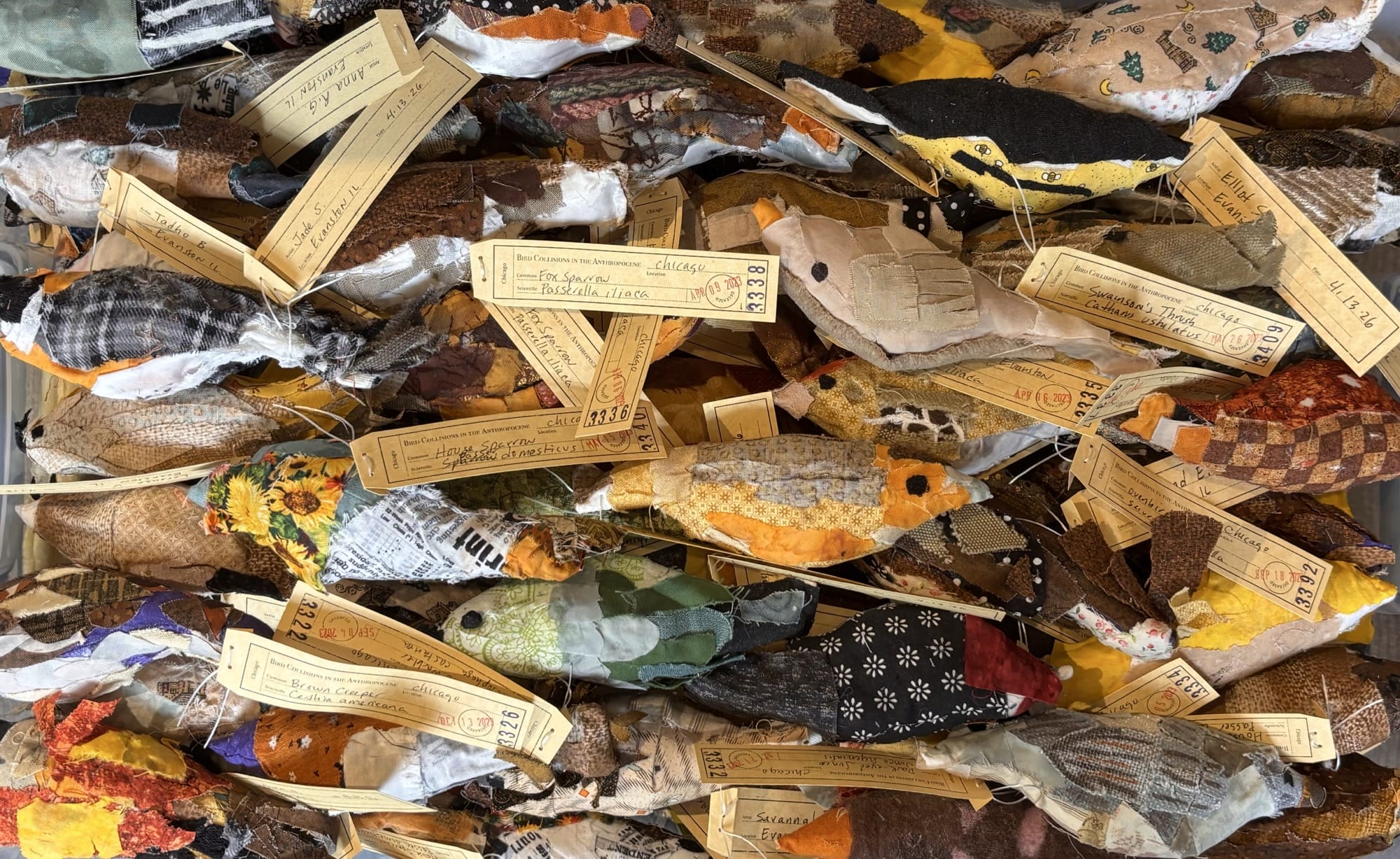
Artist and educator Holly Greenberg launched the multi-year project "Bird Collisions in the Anthropocene" in 2024 after learning about a mass bird collision at Chicago's McCormick Place Lakeside Center in October 2023, where nearly 1,000 birds died in a single night. Using data from the Chicago Field Museum and ornithologist Dave Willard, Greenberg focuses on the 10,863 birds found dead after hitting Chicago buildings in 2023 alone. The project involves community members stitching nearly 11,000 fabric birds to raise awareness and educate the public about preventing window collisions, which kill an estimated one billion birds annually across North America.

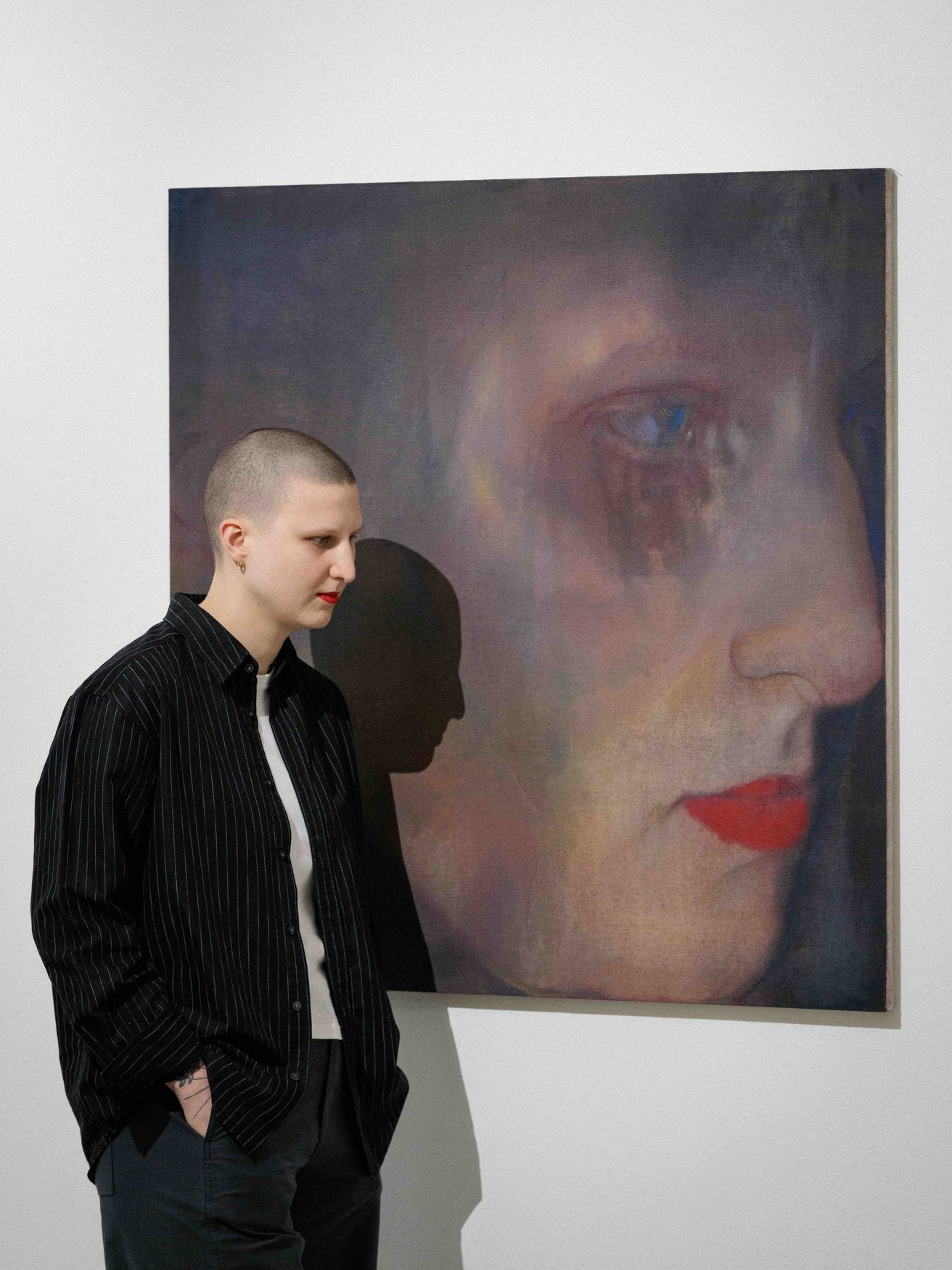
Lifting Belly, Soft Bodies: Zuzanna Szary Talks with Wojciech Szymański

Polish painter Zuzanna Szary discusses her artistic journey and the intersection of queer identity, domesticity, and painting in an interview with Wojciech Szymański. Szary recounts discovering her lesbian identity in junior high and turning to painting after a period of clinical depression, eventually studying at the Academy of Fine Arts in Krakow. Her work, which has evolved from portraits of partners to still lifes centered on food and home, explores themes of softness, sensuality, and the politics of the body, drawing inspiration from figures like Gertrude Stein and Alice B. Toklas.