filter_list Showing 15 results for "museum" close Clear
dashboard All 438 museum exhibitions 232article local 50article news 44article policy 32person people 21trending_up market 18article culture 15gavel restitution 10rate_review review 9candle obituary 4article event 3
date_range Range Today This Week This Month All
Subscribe

How Wayne McGregor’s epic ballets draw on help from his artistic friends

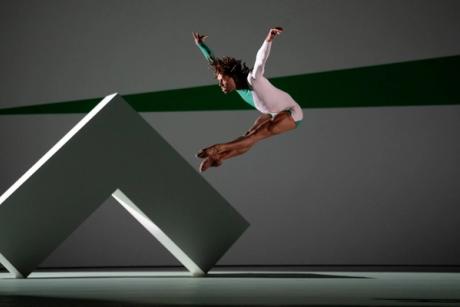
Choreographer Wayne McGregor’s upcoming production at the Royal Opera House, 'Alchemies', highlights his career-long commitment to cross-disciplinary collaboration with visual artists and designers. The program features a world premiere with costumes by fashion designer Saul Nash, alongside revivals of 'Yugen' and 'Untitled, 2023'. These works incorporate significant contributions from the art world, including set designs by ceramicist Edmund de Waal and previous collaborations with figures like Tacita Dean and Olafur Eliasson.
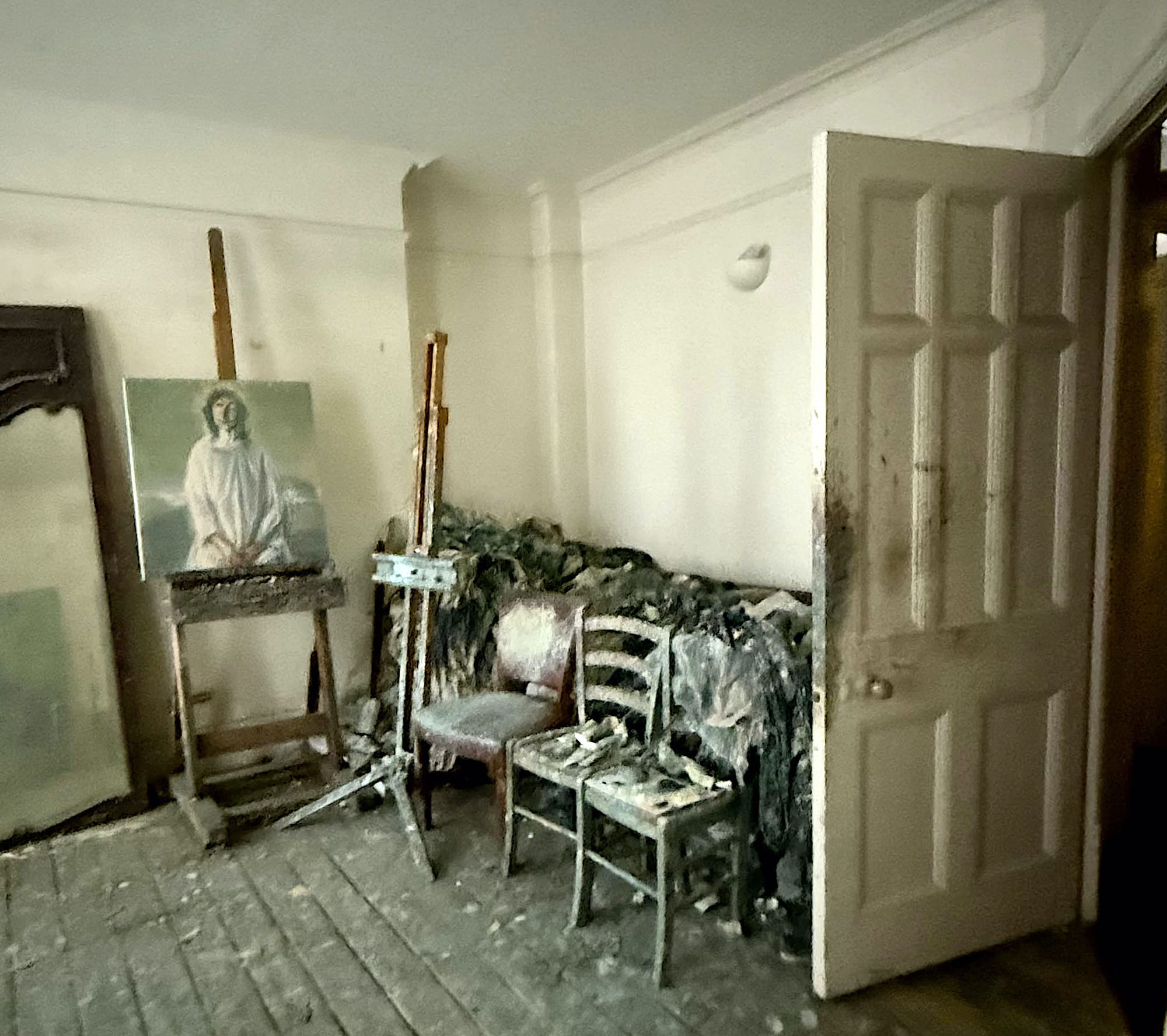
A View From the Easel With Celia Paul

British painter Celia Paul provides an intimate look at her long-term studio and residence in London's Bloomsbury neighborhood, where she has lived and worked for 44 years. The artist describes a disciplined routine starting at 5am, emphasizing a need for silence and a pared-down environment to foster the introspection found in her seascapes and self-portraits.

A Place of Perpetual Warmth: Hyde Park Art Center and the Making of Chicago’s Creative Identity

The Hyde Park Art Center (HPAC) stands as a vital pillar of Chicago’s grassroots creative identity, serving for eighty-six years as an unpretentious alternative to the city's major encyclopedic museums. From its early days under curator Don Baum, the center became a catalyst for the avant-garde, famously launching the careers of the Chicago Imagists and the Hairy Who. Today, it continues to function as a multifaceted ecosystem that blends community education, artist residencies, and experimental exhibitions within a residential neighborhood setting.

The National Museum of Mexican Art’s Special Mission

The National Museum of Mexican Art (NMMA) in Chicago was founded in 1987 by a group of public school educators, led by Carlos Tortolero, to address a lack of Mexican history and culture in the curriculum. It has grown into a 48,000-square-foot institution with a collection of over 20,000 objects, spanning from Pre-Columbian times to the present, and was the first Latino museum in the U.S. to be accredited by the American Alliance of Museums.

Art and Social Consciousness: The Ideals of Legendary Artist Joseph Beuys Told in a Comic

Arte e coscienza sociale: gli ideali del leggendario artista Joseph Beuys raccontati in un fumetto

A new graphic novel by Italian illustrator Gianluca Costantini explores the life and social ideals of the legendary German artist Joseph Beuys. The comic focuses on Beuys's final major work, 'Palazzo Regale' (1985), an environmental installation housed at the K20 museum in Düsseldorf, interpreting it as a synthesis of his belief in art as a transformative social force.

Dance Your Way to the Museum

Curator Naz Cuguoğlu argues in an opinion essay that museums should embrace the ethos of rave culture to become more welcoming and inclusive spaces, suggesting they can foster new forms of belonging. The article also covers several other art stories, including the discovery of pre-Hispanic rock art in Mexico that led to the rerouting of a train line, an exhibition of Genesis P-Orridge's mail art in Toronto, and artist Jean Shin's memorial project at Green-Wood Cemetery.

A teaspoon at a time: how LACMA built its collection

The Los Angeles County Museum of Art (LACMA) has grown from a fledgling institution into a world-class museum through a deliberate, long-term strategy of cultivating collectors, building strong local relationships, and leveraging its exhibition program to acquire major works. This approach, described as "a teaspoon at a time," involved patient donor cultivation and using international loan shows as opportunities to secure significant pieces for the permanent collection.

The Future of Museums Is a Dance Floor

Museums and art institutions are increasingly incorporating nightlife and rave culture into their programming, treating the dance floor as a site of cultural and political significance. Exhibitions like Steve McQueen's 2024 Dia Beacon show, the 2018 'Elements of Vogue' in Madrid, the Swiss National Museum's 2025 'Techno' exhibition, and the author's own 2025 curatorial project 'Rave into the Future: Art in Motion' at the Asian Art Museum demonstrate this institutional turn.

Group "New Generation" Plans "Art Protest" on Wednesday

Gruppe "Neue Generation" plant "Kunstprotest" am Mittwoch

The activist group "Neue Generation" has announced a week of protests in Berlin under the theme "Revolution Days," promising creative and artistically designed actions. Their activities began with a "protest dance" on the steps of the Reichstag building, leading to three participants being investigated for trespassing. The group has scheduled a "Kunstprotest" (art protest) for Wednesday and a "revolutions attempt in the government district" for Thursday.

My toddler threw a toy pig at an artwork – and inspired this guide for small kids in galleries

A journalist recounts a stressful visit to the Royal Academy with her toddler, where a toy pig was thrown toward a Kerry James Marshall painting. This incident serves as the catalyst for a new series exploring the compatibility of small children and art galleries, addressing the anxieties parents face regarding museum etiquette, accessibility, and the fear of damaging artworks.

Do you hate art museums? Why (and how) to take a 2nd look

Do you hate art museums? Why (and how) to take a 2nd look

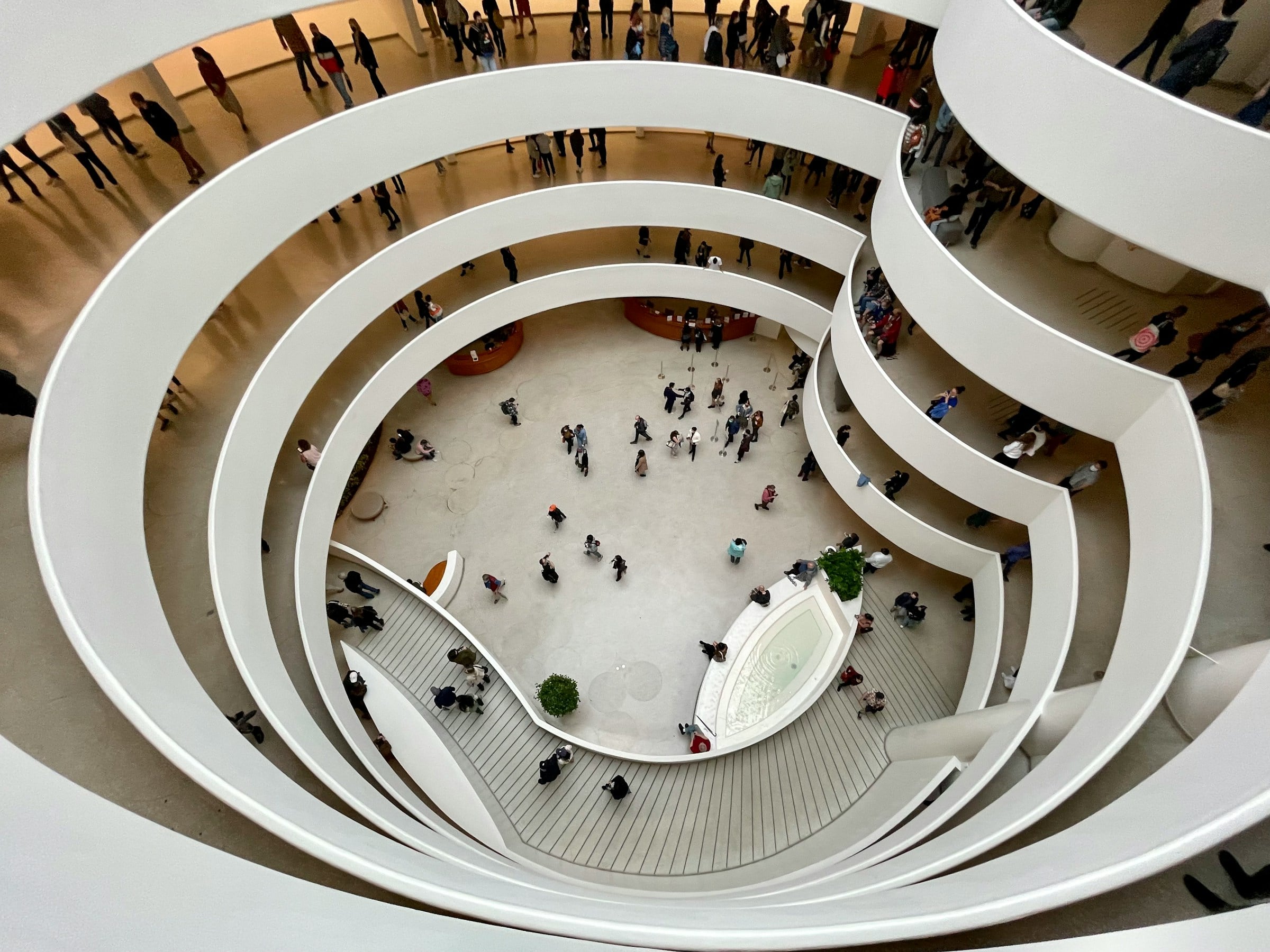
The traditional art museum experience often leads to exhaustion and a sense of alienation due to the overwhelming abundance of artworks and the pressure to see everything quickly. This phenomenon, which affects even visitors to world-class institutions like the Vatican or the Uffizi, stems from a 'problem of abundance' rather than a lack of appreciation for the art itself. The author suggests that smaller, more intimate spaces and a slower approach to viewing would make art more accessible and less intimidating for the general public.

The Poetics of Error Between Art and Architecture

La poetica dell’errore tra arte e architettura

This essay challenges the historical obsession with perfection in architecture and art, rooted in Hegelian philosophy where beauty is equated with truth and flawlessness. It argues that the pursuit of the 'ideal' is a cognitive bias that ignores the value of complexity and structural failure. By reframing the 'error' not as a mistake but as a generative method, the text suggests that imperfection is often what elevates a work to the status of a masterpiece.

Shopping Experience: How Has the Way of Experiencing Luxury Changed?

Shopping experience: com’è cambiato il modo di vivere il lusso?

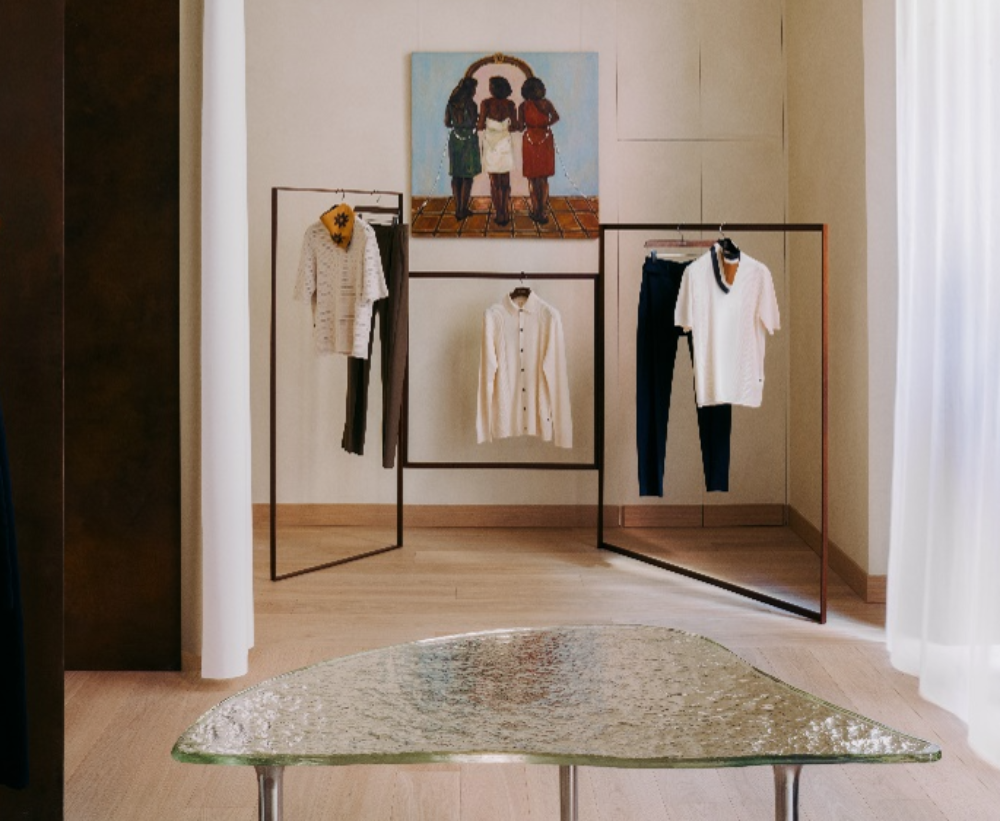
Luxury retail in Milan is undergoing a significant transformation, evolving from simple commercial spaces into 'cultural brandscapes' that blend art, design, and hospitality. Major fashion houses are redesigning their flagship stores to function as urban salons and living galleries, integrating site-specific art installations, historical architecture, and high-end gastronomy to foster community and tangible experiences in an increasingly digital world.

Museums have a duty to inspire the creatives of the future. At V&A East, I’ve made that my mission | Gus Casely-Hayford

Gus Casely-Hayford, the director of V&A East, outlines his vision for the new museum as a collaborative space designed specifically to re-engage young audiences. Highlighting a new commission by Cuban artist Tania Bruguera created with local youth, Casely-Hayford argues that museums must move beyond Victorian-era paternalism toward a model of co-creation. The institution has consulted over 30,000 young people to ensure its galleries, such as the "Why We Make" space, reflect contemporary concerns and community needs.

Chicago Art Movements Over The Years, From the Monster Roster to the Modern Moment

Chicago’s art history is defined by a series of indigenous movements that prioritized visceral, existential expression over commercial appeal. The article traces this lineage back to the late 1940s with the emergence of the Monster Roster, a group of artists including Leon Golub and Dominick Di Meo who returned from World War II to produce agonistic work. This movement was catalyzed by institutional resistance at the School of the Art Institute of Chicago, leading to the creation of the independent Momentum Exhibitions which bypassed conservative juried systems.