filter_list Showing 25 results for "painters" close Clear
search
dashboard All 294 museum exhibitions 144article local 44article culture 25person people 19trending_up market 19article news 15rate_review review 13candle obituary 10article policy 2gavel restitution 2article gallery 1
date_range Range Today This Week This Month All
Subscribe

collectors reveal key advice

Collectors share advice for aspiring art patrons in a two-part series, recounting their early mistakes and lessons learned. Diana Bowes, board chair of the Aldrich Contemporary Art Museum, recalls buying her first pieces at Art Basel in 2006 and warns against purchasing art online without seeing it in person, as well as protecting works from water, children, and house painters. Mana Jalalian, an interior designer based in Dubai with over 400 works by Iranian artists, emphasizes following instincts, continuous learning, and the value of working with an art advisor.

hazel knapp

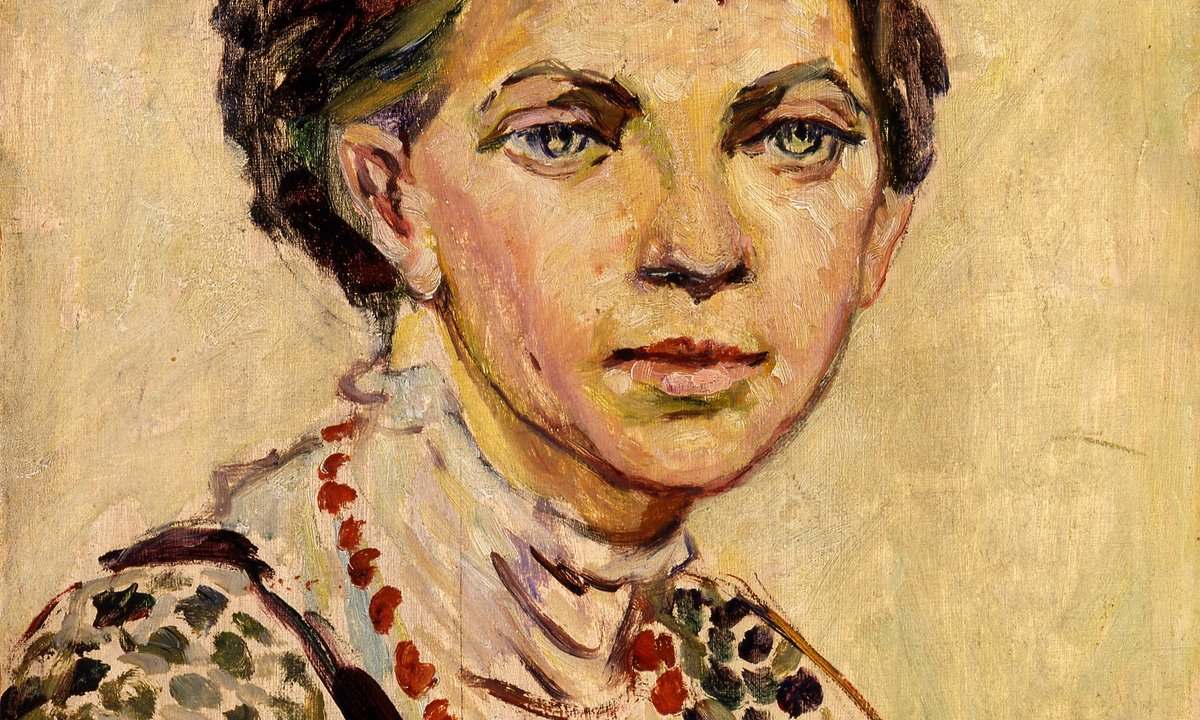
Hazel Knapp, a self-taught artist with Charcot-Marie-Tooth disease, painted Vermont landscapes from her wheelchair between the 1930s and 1940s, often with her mother Elsie by her side describing the terrain. Knapp exhibited at the 1939 Museum of Modern Art show alongside Grandma Moses and Morris Hirshfield, was profiled in Sidney Janis's book *They Taught Themselves*, and sold ten paintings to Gertrude Stein, who planned an unrealized Paris exhibition. Despite this promising start, Knapp fell into obscurity after her mother's death.

5 Art Novels to Read This Summer

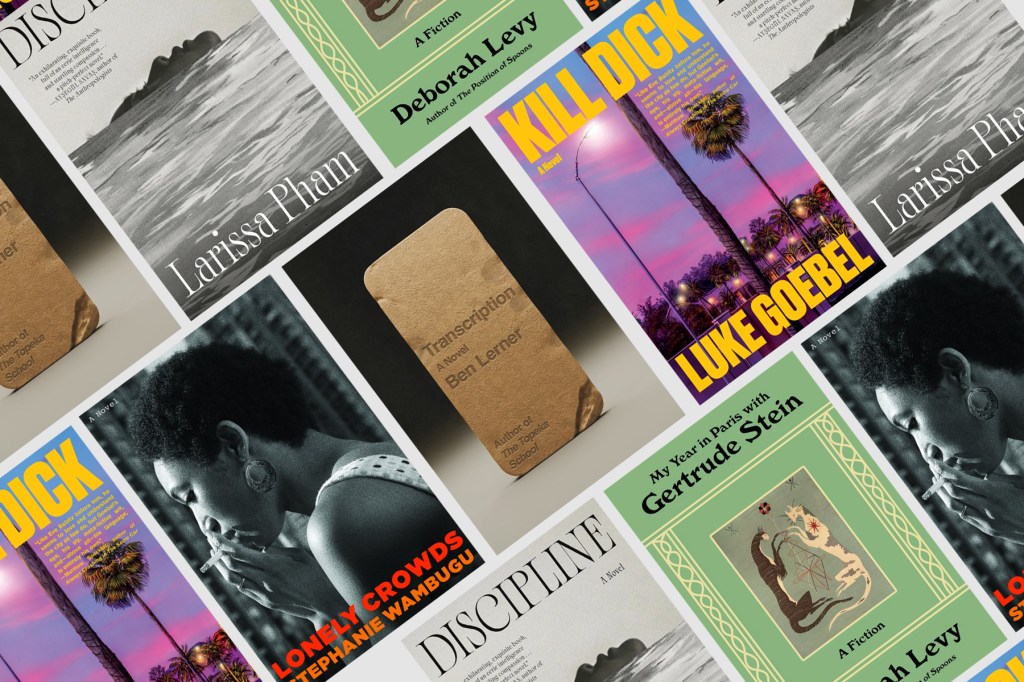
ARTnews has published a list of five art novels to read this summer, all released within the past year. The featured books include Ben Lerner's 'Transcription,' Larissa Pham's 'Discipline,' Deborah Levy's 'My Year in Paris with Gertrude Stein: A Fiction,' Stephanie Wambugu's 'Lonely Crowds,' and Luke Goebel's 'Kill Dick.' Each novel explores how art emerges through relationships—with friends, mentors, parents, lovers, and historical artists—offering a range of perspectives from anxious inner monologues to satirical critiques of the art world.

Harnessing the winds of societal change: how art dealers have been able to shape taste for centuries

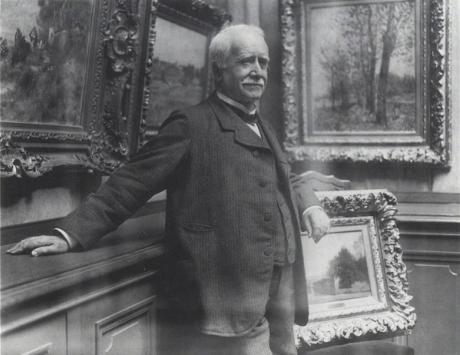
Valentina Castellani, a former Gagosian director, has authored a new book titled *Trading Beauty: Art Market Histories from the Altar to the Gallery* (out 1 May). The book traces how art dealers have historically leveraged societal changes—political, economic, and social—to reshape taste and market structures. Castellani begins in the Middle Ages, when art was made only on commission for patrons like the Catholic church and monarchies, and moves through key shifts such as the Dutch Republic's first open art market in the 17th century, which gave rise to the professional art dealer. She highlights dealers like Paul Durand-Ruel, Joseph Duveen, and Leo Castelli who capitalized on anti-establishment energy, new wealth, and post-war consumer culture to bring avant-garde art to the forefront.

Why Was Sarah Miriam Peale, Pioneering Member of America’s First Art Dynasty, Left Behind?

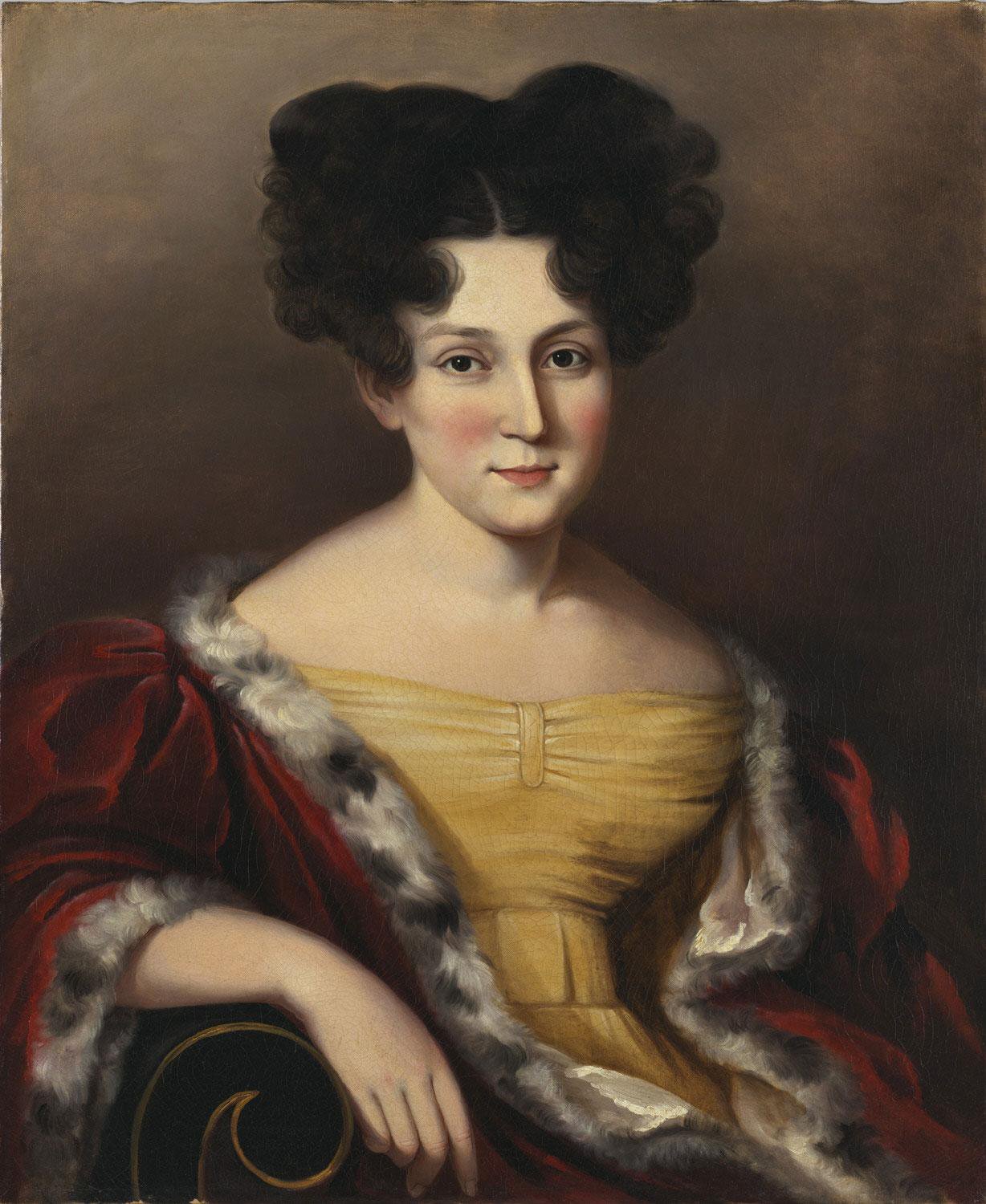
Sarah Miriam Peale, a member of the prominent Peale art dynasty and arguably the first professional woman artist in the United States, is finally receiving long-overdue institutional recognition. Despite a prolific sixty-year career painting portraits of political figures and still lifes in Baltimore and St. Louis, her legacy was largely overshadowed by her uncle Charles Willson Peale and her male cousins. Her independence as an unmarried woman who supported herself entirely through her craft marked a radical departure from the gender norms of the 19th century.

It's Time to Give Annibale Carracci Some of Rembrandt's Spotlight

its time to give annibale carracci some of rembrandts spotlight

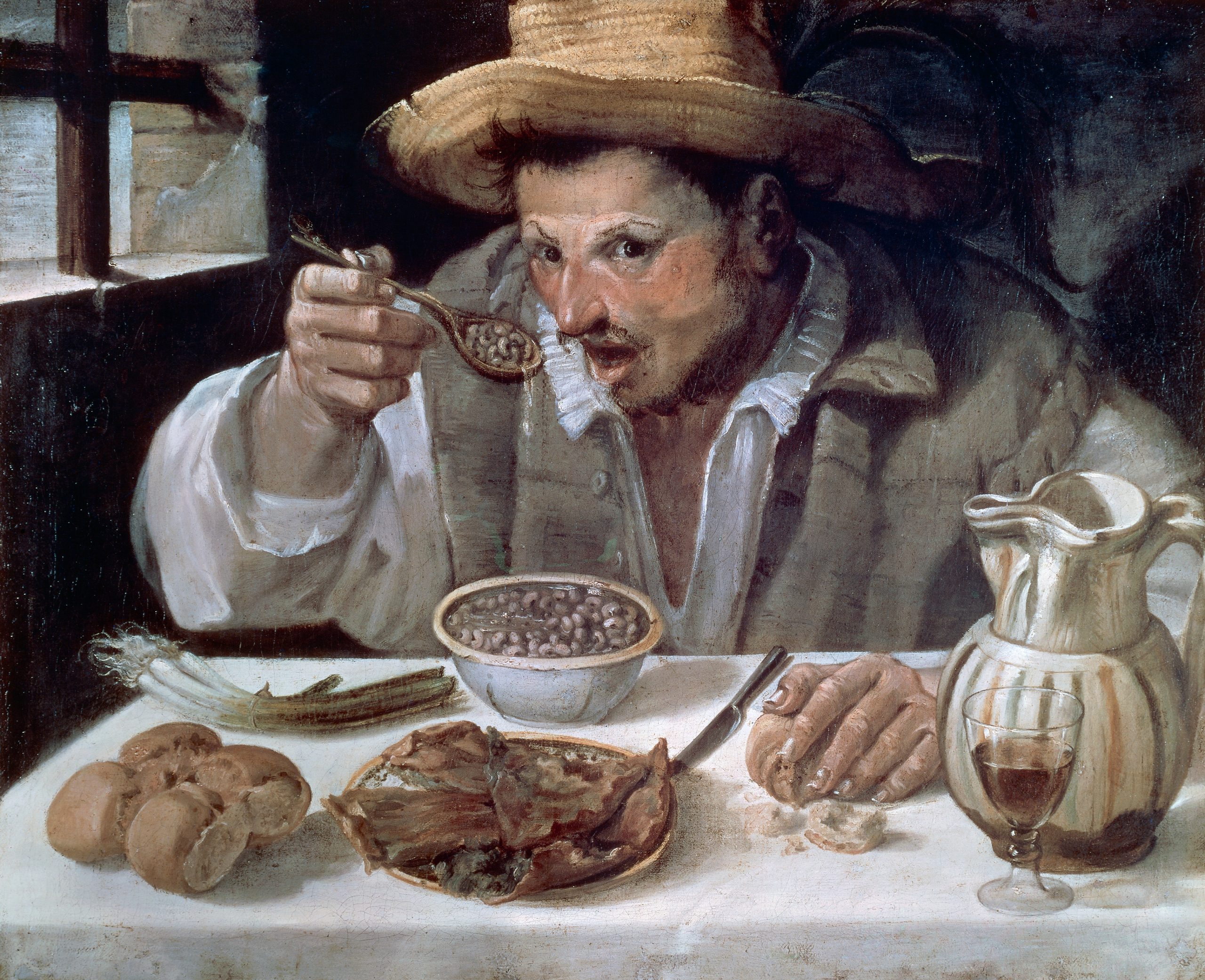
This article advocates for a critical re-evaluation of the Italian Baroque painter Annibale Carracci, arguing that his historical significance and artistic influence rival that of the more widely celebrated Rembrandt van Rijn. While Rembrandt has dominated recent museum headlines and auction records, the author highlights Carracci’s foundational role in establishing the Accademia degli Incamminati in Bologna, which revolutionized art education by prioritizing life drawing and elevating the social status of artists from mere craftsmen to intellectual creators.

who was j m w turner why so important british artist

This article profiles British painter Joseph Mallord William Turner (1775–1851), detailing his rise from a barber's son to one of Britain's most famous artists. It covers his early training at the Royal Academy Schools, his mastery of watercolor and oil, and his prolific output of over 500 oil paintings and thousands of works on paper. Key works discussed include *Jedburgh Abbey* (c. 1832), *Fishermen at Sea* (1796), and *The Battle of Trafalgar* (1822), the latter of which sparked controversy for historical inaccuracies. The piece notes that for his 250th birthday, international institutions are celebrating his legacy.

re air the rise of the red chip art world

Artnet News re-airs an episode on "red chip art," a phenomenon characterized by Cybertrucks, crypto wallets, and artists like KAWS, MSCHF, and Daniel Arsham. The episode is prompted by actor Adrien Brody's solo exhibition "Made in America" at Eden Gallery in New York, featuring mixed-media paintings of Marilyn Monroe, Basquiat-inspired motifs, and interactive elements like audience chewing gum on the wall. Brody's show exemplifies the red chip art world's blend of celebrity, commerce, and spectacle.

30 Artists Defining Queer Art Now

Artsy has published its annual Pride Month feature 'Queer Art Now,' spotlighting 30 LGBTQ+ artists who are shaping contemporary art. The artists were nominated by leading art-world figures including curator Legacy Russell, photographer Catherine Opie, and art advisor Racquel Chevremont. The cohort spans painters, photographers, performers, and sculptors, with profiles detailing their practices and recent exhibitions. The feature also includes a reflective essay by curator Gemma Rolls-Bentley on major themes in queer art today.

Fresh blood for an ancient medium: 10 young painters to watch this spring

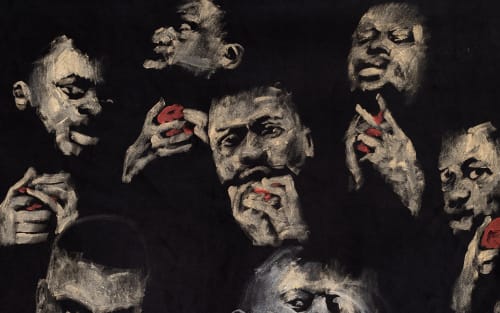
This article profiles ten young painters to watch this spring, highlighting their innovative approaches to the ancient medium of painting. Featured artists include British painter Francesca Mollett, whose abstractions have exceeded market expectations with works like 'Two Thistles' fetching over GBP 250,000 at auction; Samuel Hindolo, whose mysterious figurative and abstract paintings have caught the attention of critic Hilton Als; and Stanislava Kovalčíková, whose provocative mythological works were exhibited at Aspen Art Museum and who runs the independent space The White Ermine in Düsseldorf. Other artists mentioned include Evelyn Plaschg, who transforms mundane objects into unsettling meditations, with a solo museum exhibition opening at HALLE FÜR KUNST Steiermark.

How the adoption of canvas in Venice changed the way artists painted

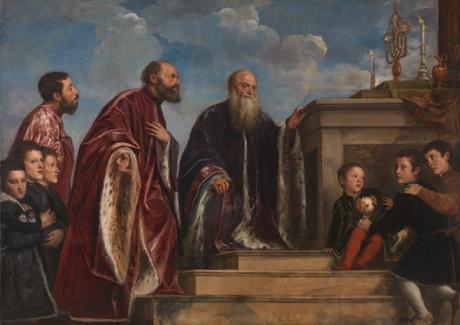
Art historian Cleo Nisse has published a new book, *Venetian Canvas and the Transformation of Painting*, examining how 16th-century Venetian painters such as Titian, Veronese, and Tintoretto pioneered the use of canvas as a painting support. Nisse reveals that canvas was not a uniform material—artists experimented with different weaves, including tabby and herringbone patterns, and even repurposed sailcloth and tablecloth-quality fabrics to achieve specific visual effects. The book argues that canvas was already familiar in the late Middle Ages for banners and alternatives to tapestry, and that Vittore Carpaccio was the first master of the medium, varying canvas types for expressive purposes in his *Legend of St Ursula* series.

waterhouse tennyson lady of shalott

English painter John William Waterhouse created three paintings based on Lord Alfred Tennyson's poem "The Lady of Shalott," depicting a cursed woman from Arthurian legend. The article explores Waterhouse's deep admiration for Tennyson, noting that he filled his copy of Tennyson's works with sketches. It reveals that Waterhouse painted the story in reverse chronological order, starting with the final scene in 1888, then the moment of temptation in 1894, and finally the lady's lament in 1915. The article also identifies the model for the first painting as likely Waterhouse's wife, artist Esther Kenworthy Waterhouse, and describes symbolic details in the work, such as the snuffed candles foreshadowing death.

Paris Diary 1

The article is a first-person diary entry from an unnamed narrator visiting Paris and Brussels. The narrator recounts working in the studio of painter Camila Oliveira Fairclough, attending a public dialogue at Almine Rech gallery in Brussels with artist Erik Lindman, and viewing an exhibition pairing Lindman's paintings with works by Robert Motherwell and two Picassos chosen by Bernard Picasso. The narrator also visits a posthumous exhibition of Didier Demozay at Galerie Bernard Jordan and sees a temporary mural by Marielle Paul in a Paris housing complex, later visiting her studio in a historic 19th-century artist building once occupied by Eugène Carrière.

The World of Pablo Picasso, Revolutionary Genius of Modern Art

Pablo Picasso, the Spanish artist who died over 50 years ago, remains one of the most influential and commercially successful figures in modern art. His works, spanning painting, sculpture, and ceramics, continue to break auction records, with his 1955 painting 'Les Femmes d'Alger (Version 'O')' selling for $179.4 million in 2015.

In 1960s New York, three single mothers bought a house together and turned it into a thriving live/work space

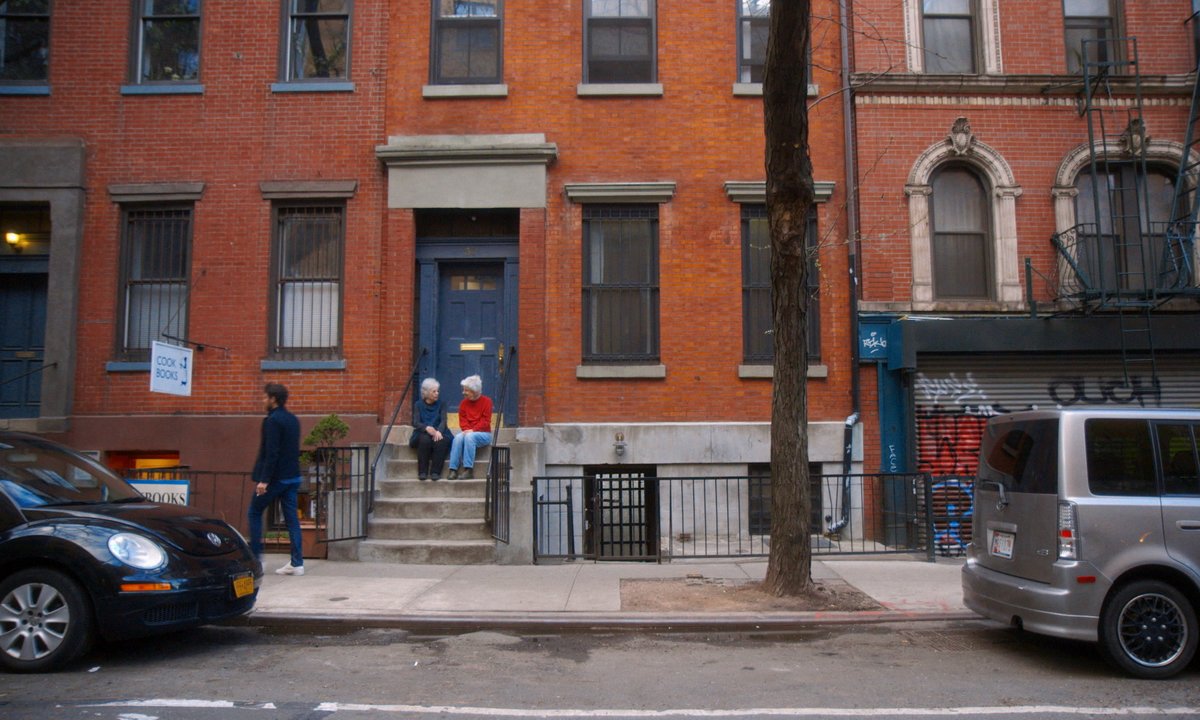
A new documentary film, *Artists in Residence*, premiered on November 14 at the DOC NYC film festival, telling the story of three single mothers—painters Lois Dodd and Eleanor Magid and the late sculptor Louise Kruger—who bought a former factory in New York's East Village in 1968. Denied a mortgage because single women could not apply for credit until 1974, they secured a loan from their landlord and transformed the building into a live/work space where they raised their children and pursued their art. The film, produced by Katie Jacobs, explores how each woman prioritized her creative practice while contributing to the city's cultural fabric.

Inside the 19th-century Parisian club that became a safe haven for female artists

Art historian Jennifer Dasal's new book "The Club" tells the story of the American Girls' Club, a Parisian safe haven founded in 1893 by Elisabeth Mills Reid at 4 Rue de Chevreuse in Montparnasse. The club provided affordable housing and meals for aspiring female American artists who faced obstacles their male counterparts did not, including societal pressure toward marriage, financial constraints, and safety concerns. Notable residents and participants included painters Anne Goldthwaite, Florence Lundborg, and sculptors Meta Vaux Warrick Fuller and Alice Morgan Wright, whose works and lives are chronicled in Dasal's account.

literature ann rower lee and elaine autofiction

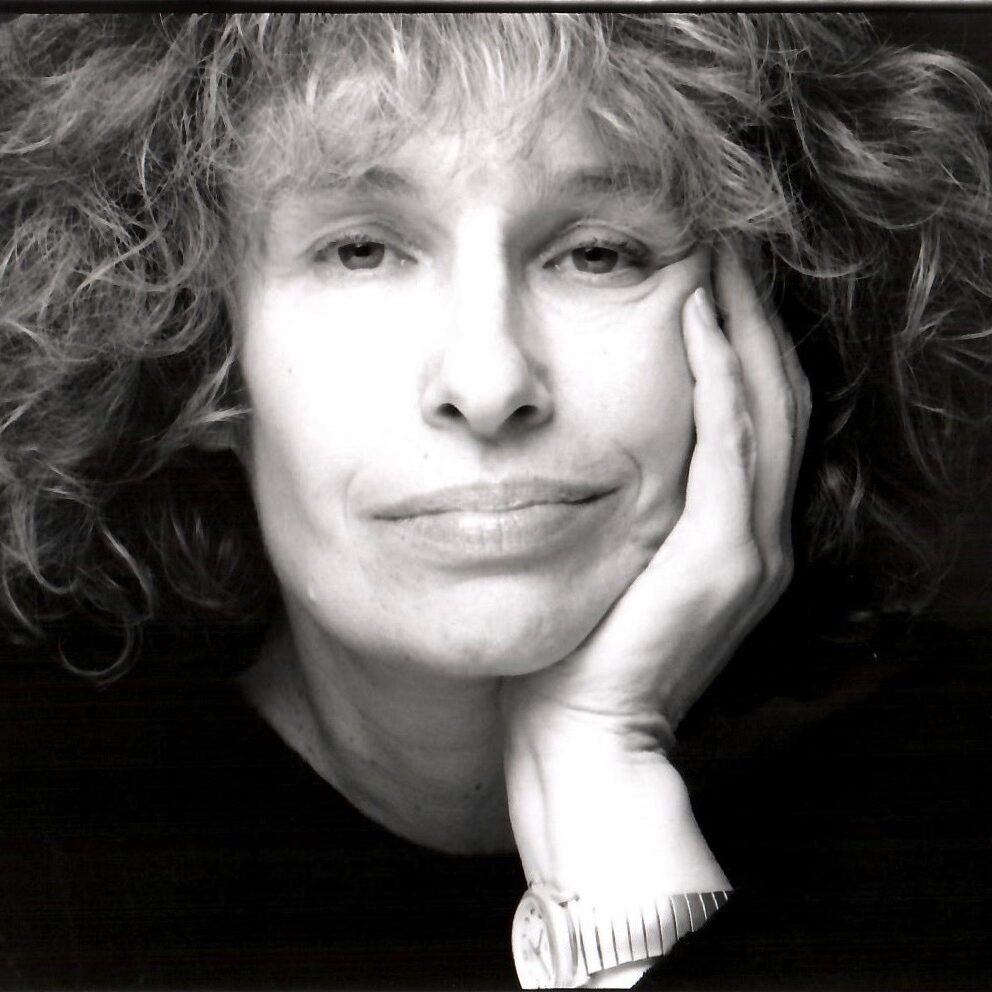
Ann Rower's novel "Lee & Elaine," originally published in 2002 by Serpent's Tail, is being reissued next month by Semiotext(e). The autofictional work follows a narrator—a lightly fictionalized version of Rower—who, after learning of the death of her friend, artist Hannah Wilke, becomes obsessed with the graves of Lee Krasner and Elaine de Kooning at Green River Cemetery. The narrator imagines these two women, known primarily as wives of famous male painters, as secret lovers or comrades, and attempts to write a joint biography that doubles as a journey of self-discovery.

fashion versace embodied dario vitale spring summer 2026 2

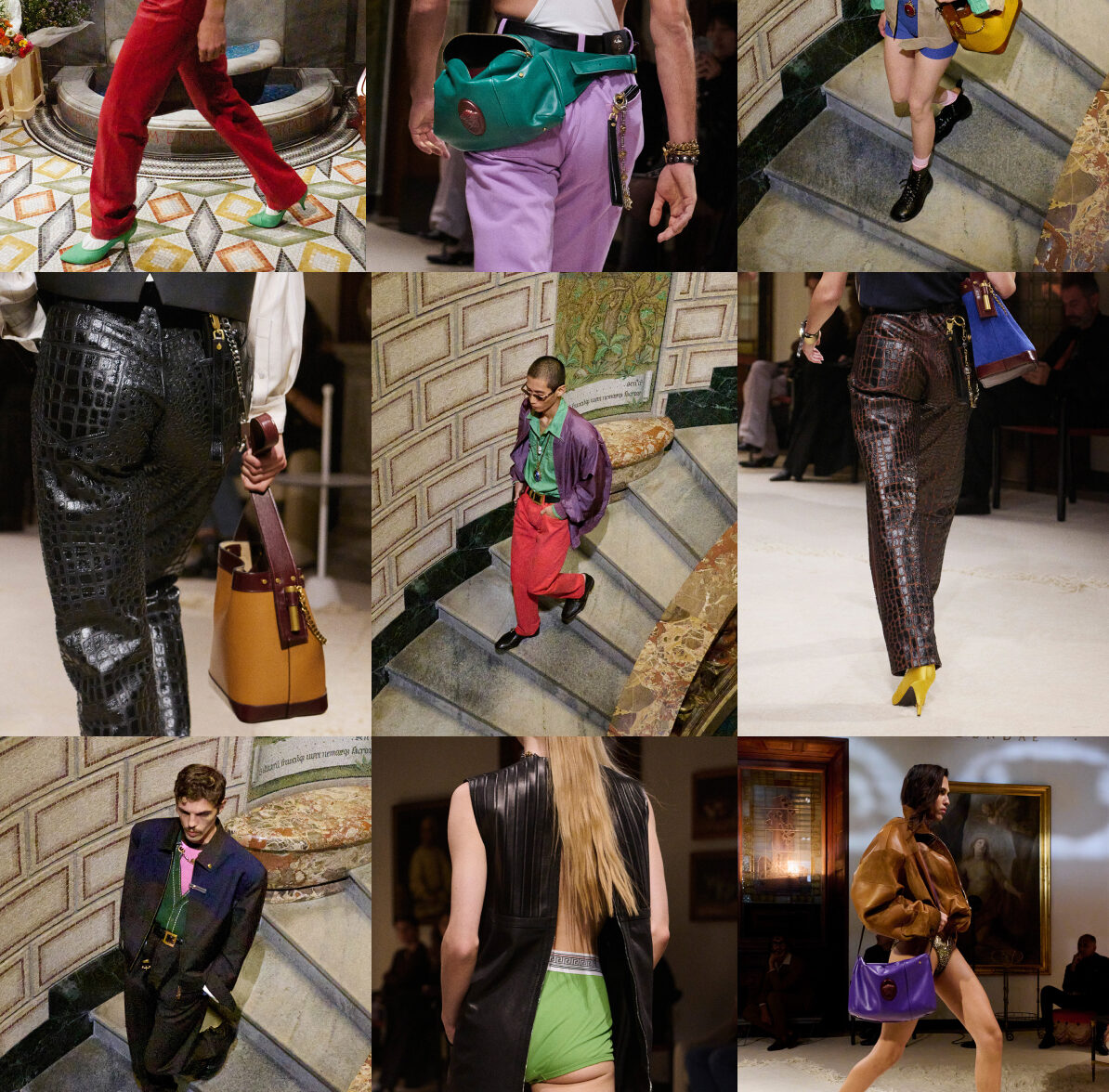
Versace has appointed Dario Vitale as its new Chief Creative Officer, and under his direction, the house launched the Spring/Summer 2026 collection at Milan Fashion Week alongside a new initiative called Versace Embodied. This series commissions photographers, painters, filmmakers, and poets to reinterpret Versace’s visual language through their own mediums. The first chapter features contributions from photographer Stef Mitchell, poet Eileen Myles, artist Collier Schorr, photographer Camille Vivier, and photographer Andrea Modica, whose works range from motorcycle portraits to hand-drawn nudes and regional Italian portraiture.

margherita maccapani missoni young collectors fashion

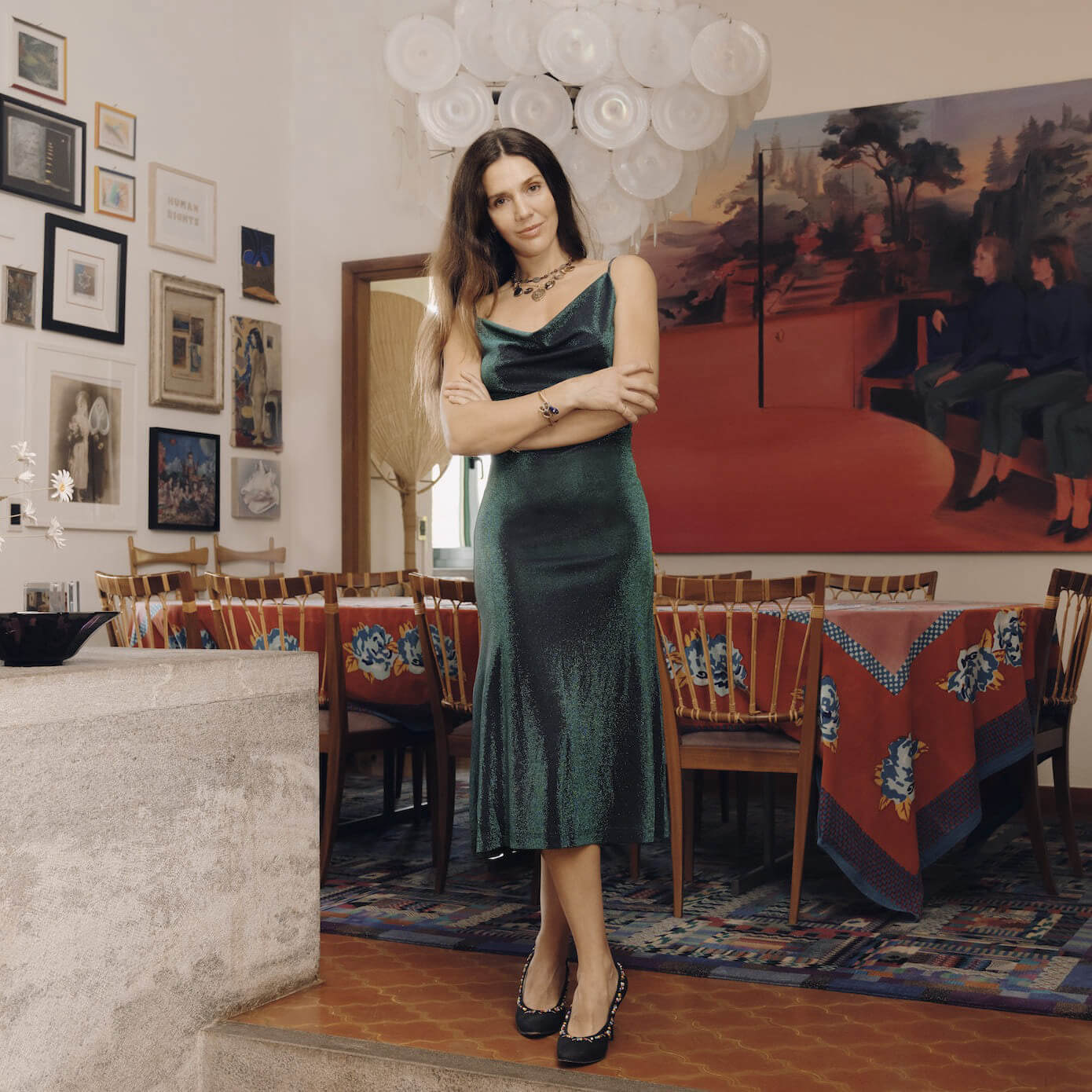
Margherita Maccapani Missoni, the 41-year-old granddaughter of the founders of the Italian fashion house Missoni and founder of her own brand Maccapani, discusses her art collection in an interview. She grew up surrounded by intense collectors, including her mother and grandmother, and her own collection now focuses on female painters whose work explores the cultural history of the body. She highlights a Caroline Walker painting in her home and credits Mariuccia Casadio, a Vogue Italia writer, with teaching her to navigate the art world. She names Corita Kent, Katherine Bradford, and Isabella Ducrot as artists she is particularly excited about.

Comment | Art and science rely on freedom of thought—and on each other

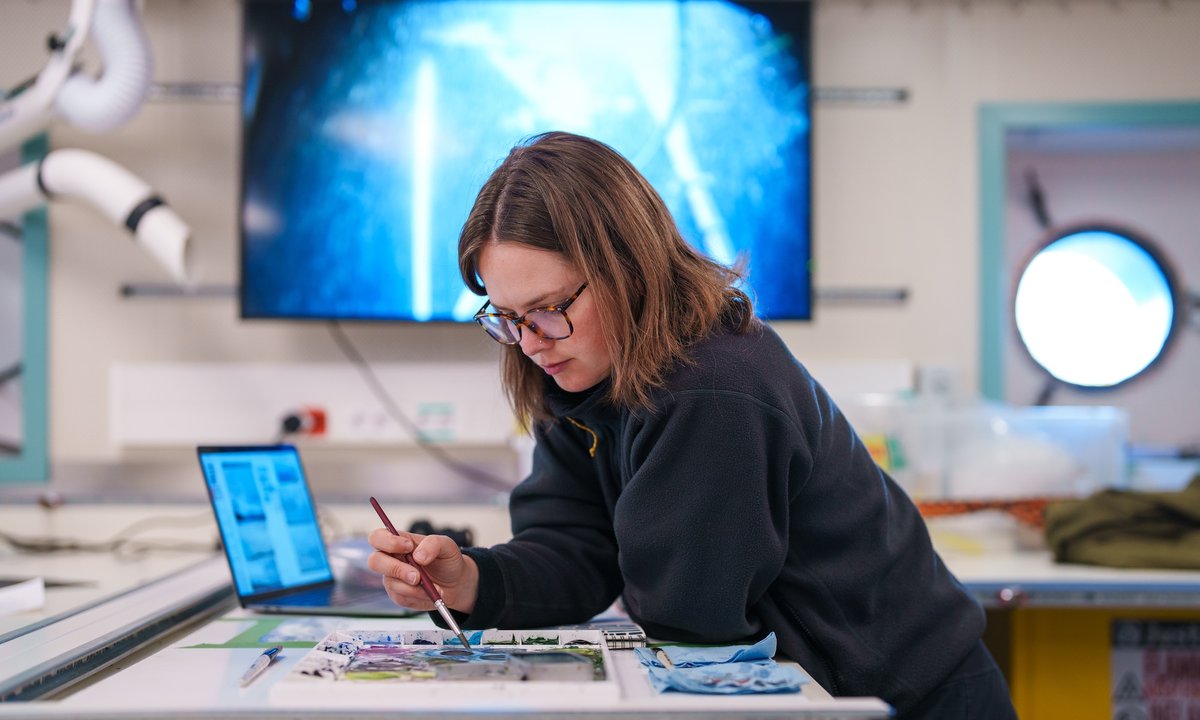
The article argues that art and science are deeply interconnected, both relying on freedom of thought and cross-disciplinary collaboration. It cites examples like birds' colorful feathers being explained by a study supported by Schmidt Sciences, which found that birds use a layer of white and black feathers to accentuate color—a technique painters have used for centuries. The piece highlights the Artist-at-Sea programme aboard the Schmidt Ocean Institute's research vessel Falkor (too), where artists like Constance Sartor and Jill Pelto collaborate with scientists to communicate marine science to broader audiences. The author, who works with scientists and is married to one, emphasizes that both disciplines pursue truth through different but complementary methods, from Leonardo da Vinci's anatomical studies to medieval Islamic tilework and Alexander von Humboldt's naturalist drawings.

Comrades in art: meet the artists who fought against fascism

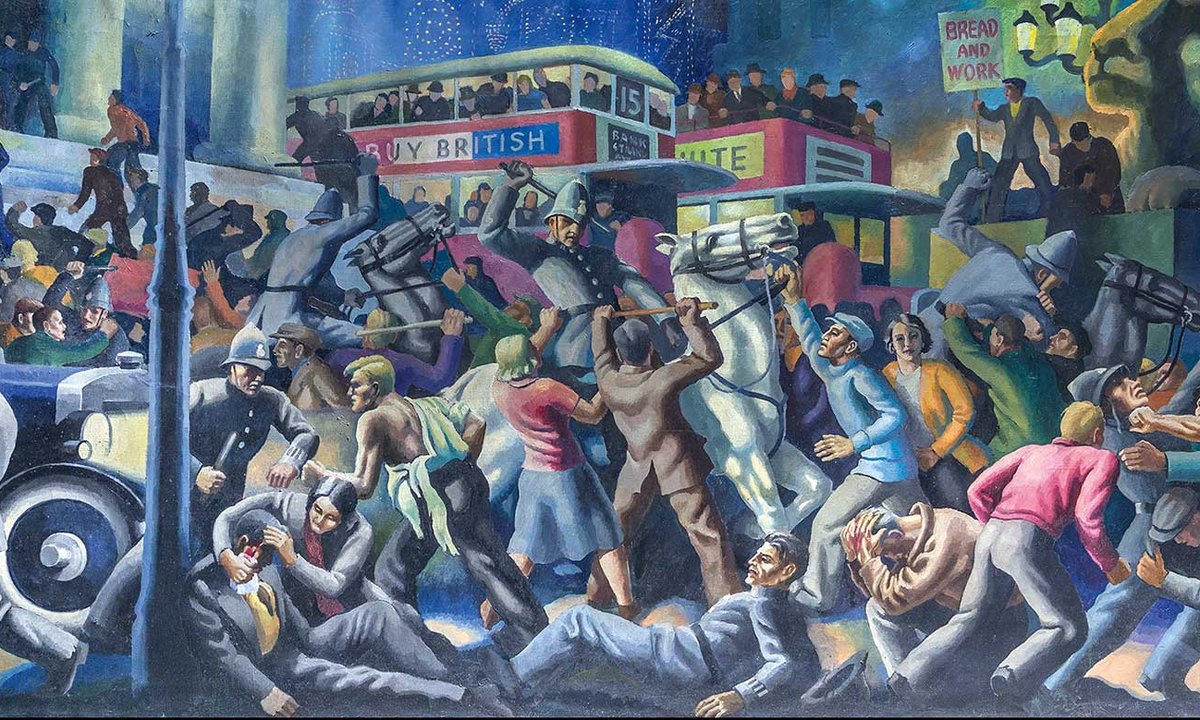
Andy Friend's book "Comrades in Art" chronicles the founding and first decade of the Artists International Association (AIA), a radical union of artists established in London in the 1930s. The AIA, born from a belief in art's power to revolutionize society, grew from a small group of mostly underemployed communist-affiliated commercial artists into a popular front against fascism and war, eventually including over 1,000 members such as Henry Moore and Paul Nash. The book focuses on lesser-known figures like Felicia Browne, the first British female combatant killed in the Spanish Civil War.

The Dutch Masters Were Women, Too

A New York Times article highlights the overlooked contributions of women artists in the Dutch Golden Age, challenging the traditional male-dominated narrative of Dutch Masters. It profiles several female painters such as Judith Leyster, Rachel Ruysch, and Maria Sibylla Merian, whose works were historically undervalued or attributed to men.

6 Nigerian Gen Z Painting Artists We Should All Recognize By Now

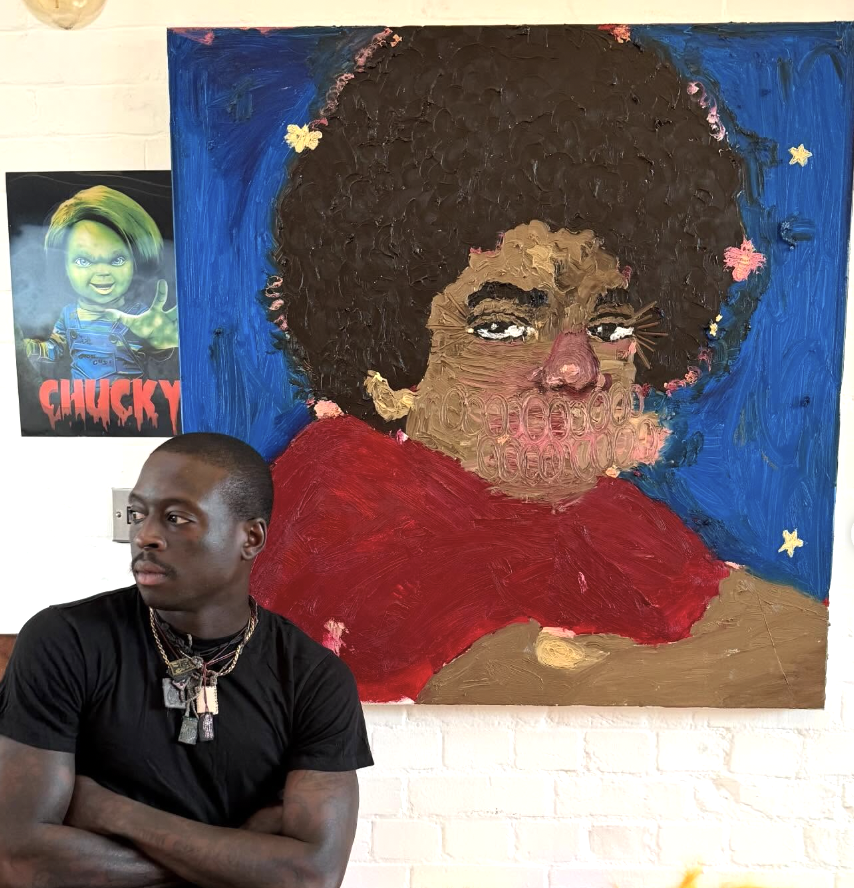
This article profiles six Nigerian Gen Z painting artists who are gaining international recognition for their vibrant, culturally reflective works. The featured artists include Anthony Azekwoh, known for blending classical and digital styles; Olaolu Slawn, a former skateboarder turned graffiti-style artist with collaborations like Rolex and Formula 1; Chigozie Obi, whose multidimensional art explores activism and mental health; Ayanfe Olarinde, a self-taught multidisciplinary artist; Adeoluwa Oluwajoba, a mixed-media artist and curator; and Meju Lawrence, known for colorful, animated pieces displayed in notable galleries.

The Space Between. Adam Patrick Grant by Michela Ceruti

Adam Patrick Grant’s artistic practice is rooted in a meticulous and devotional process of observation, transitioning from a background in film to a dedicated focus on oil painting over the last three years. Working from his London studio, Grant utilizes an extensive archive of personal sketches, photographs, and found imagery—such as anonymous postcards and family photos from markets—to capture fleeting moments of intimacy and the unspectacular everyday. His work is characterized by a rhythmic dialogue between the act of walking, the gathering of visual fragments, and the translation of these memories into tender, precise compositions.

Would You Pay $15,000 for a Fine-Art Tattoo?

The Wall Street Journal explores the growing trend of high-end, fine-art tattoos that command prices up to $15,000, driven by renowned visual artists and specialized tattooists who treat skin as a canvas. The article profiles collectors and artists who elevate tattooing from a subculture to a legitimate art form, with some pieces commissioned from gallery-represented painters and sculptors.